
01FIND YOUR BUYING ROUTE
Agricultural and Heavy Equipment Castings
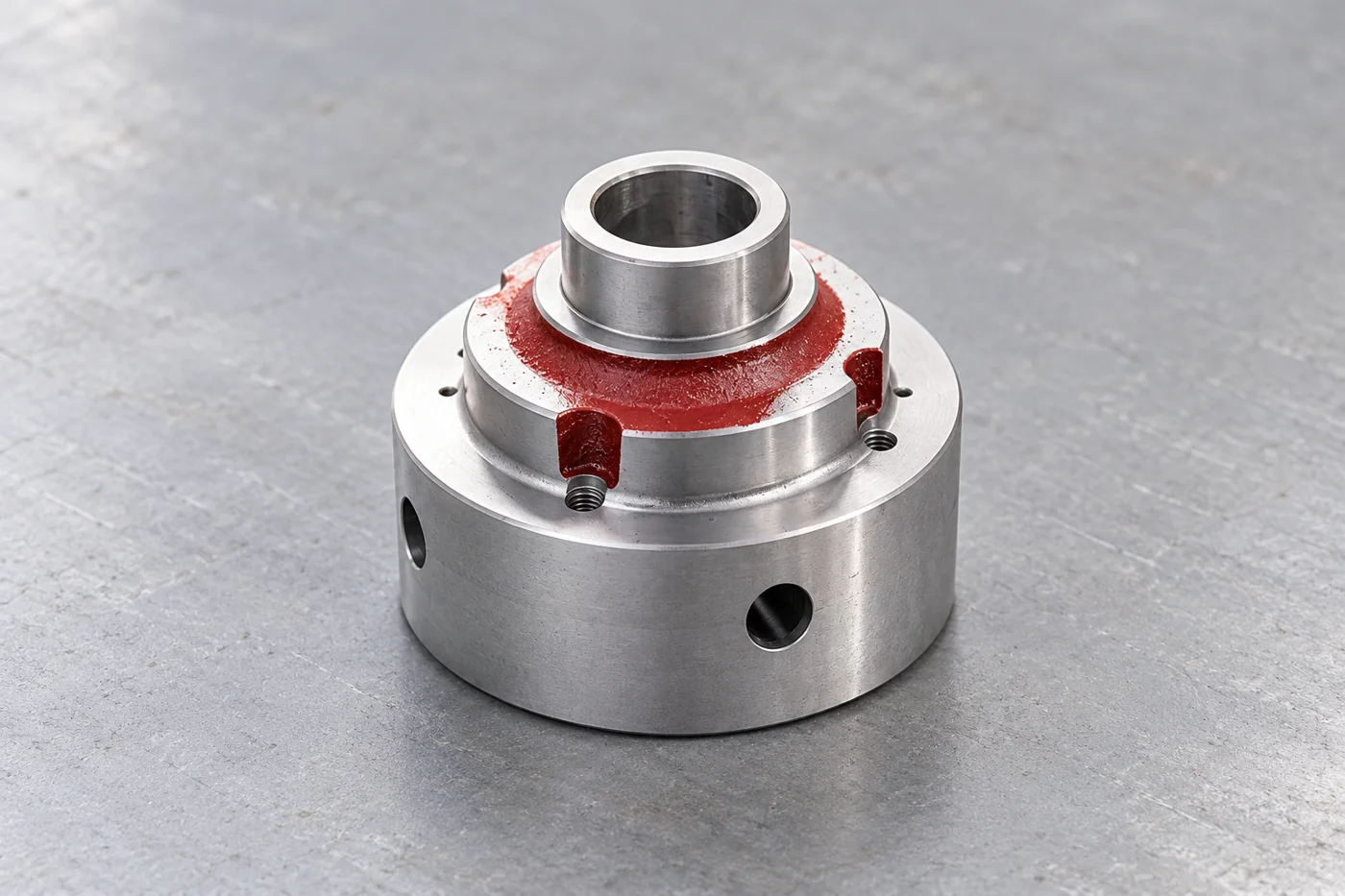
Choose the guide for your implement, attachment, support, counterweight, drainage or wear-part enquiry. Each component has a different purchasing priority, from a pin connection or working profile to mass distribution and project fit. Use the selected guide to connect service conditions with material, manufacturing and a useful sample or acceptance plan.
- Choose
- Your purchasing task
- Compare
- Relevant component evidence
- Continue
- Guide, product or RFQ
02FIND YOUR BUYING ROUTE
Nine Component and Duty Routes
Relia combines our own sand casting and machining production in China. The guides below connect your purchasing situation to a component specification, a process decision and the evidence needed for acceptance.
Use the installation-focused guides for connections and mass. Use the wear-focused guides when replacement history or abrasive contact drives the next material or geometry choice.
03FIND YOUR BUYING ROUTE
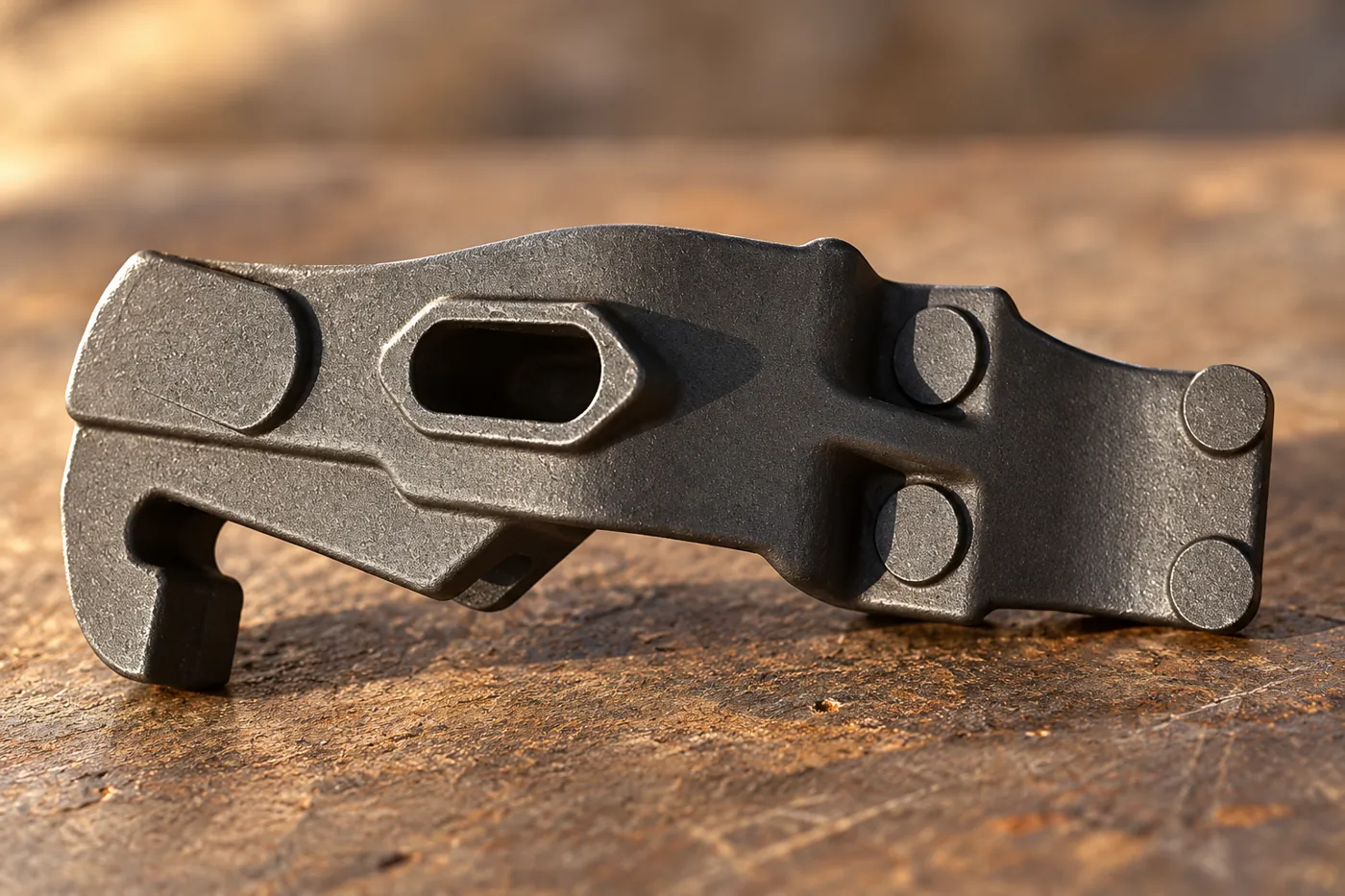
A Support Bracket Connects Load and Fit
Our agricultural casting range includes GGG40, GGG50 and GGG60 ductile-iron enquiries with CNC work; ADI supports form a separate material-and-treatment choice. The pads, bores and ribs should remain connected to the actual load path.
The tractor-support guide covers that relationship. Agricultural ring wheels and harvesting rods have their own geometry and material references, so use their dedicated guides rather than transfer a bracket’s requirements across the equipment family.
04FIND YOUR BUYING ROUTE
The Buying Priority Determines the Route
A larger or heavier part does not establish a higher working rating. Choose the guide that addresses the required balance, connection, project installation or service-wear outcome.
| Your next decision | Most useful starting point |
|---|---|
| Connection or force-transfer part | Wheel, rod, support or attachment guide: retain the actual mating relationships. |
| Equipment balance | Counterweight guide: define mass distribution and mounting together. |
| Drainage project | Grating guide: use the actual support, slot and project acceptance requirements. |
| Short wear life | Hammer, sleeve or high-chromium guide: record the mechanism and trial baseline. |
05FIND YOUR BUYING ROUTE
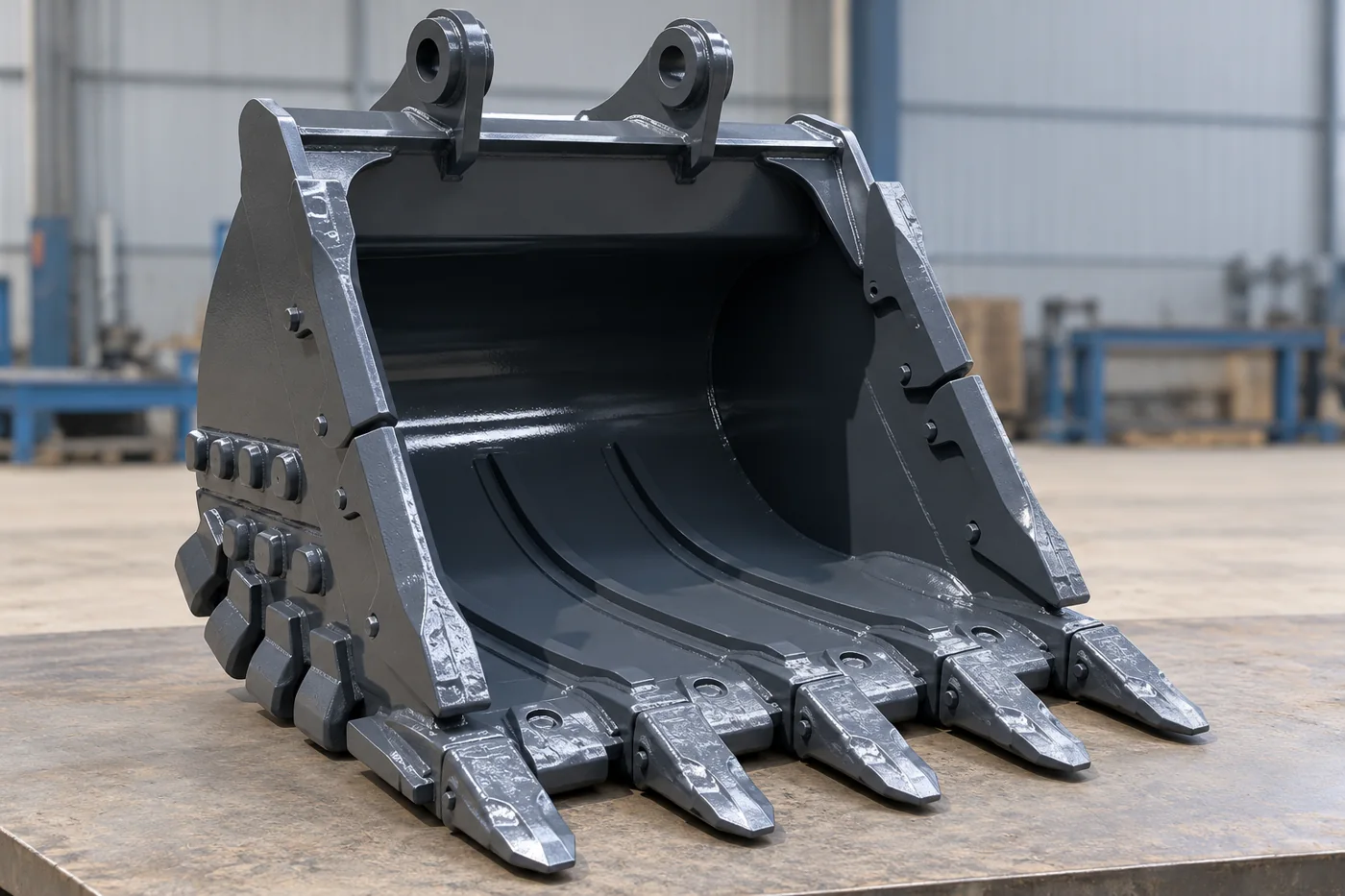
Attachment Geometry Stays with Its Mating Assembly
Our construction-machinery range supports custom castings with heat treatment, machining when needed and surface treatment. For an attachment, the pin relationship and mounting geometry need the actual mating definition.
Use the excavator guide for direct-pin or bushed interfaces and key-size checks. Use the counterweight guide for mass, centre of gravity and mounting, or the grating guide for project support and slot requirements.
06FIND YOUR BUYING ROUTE
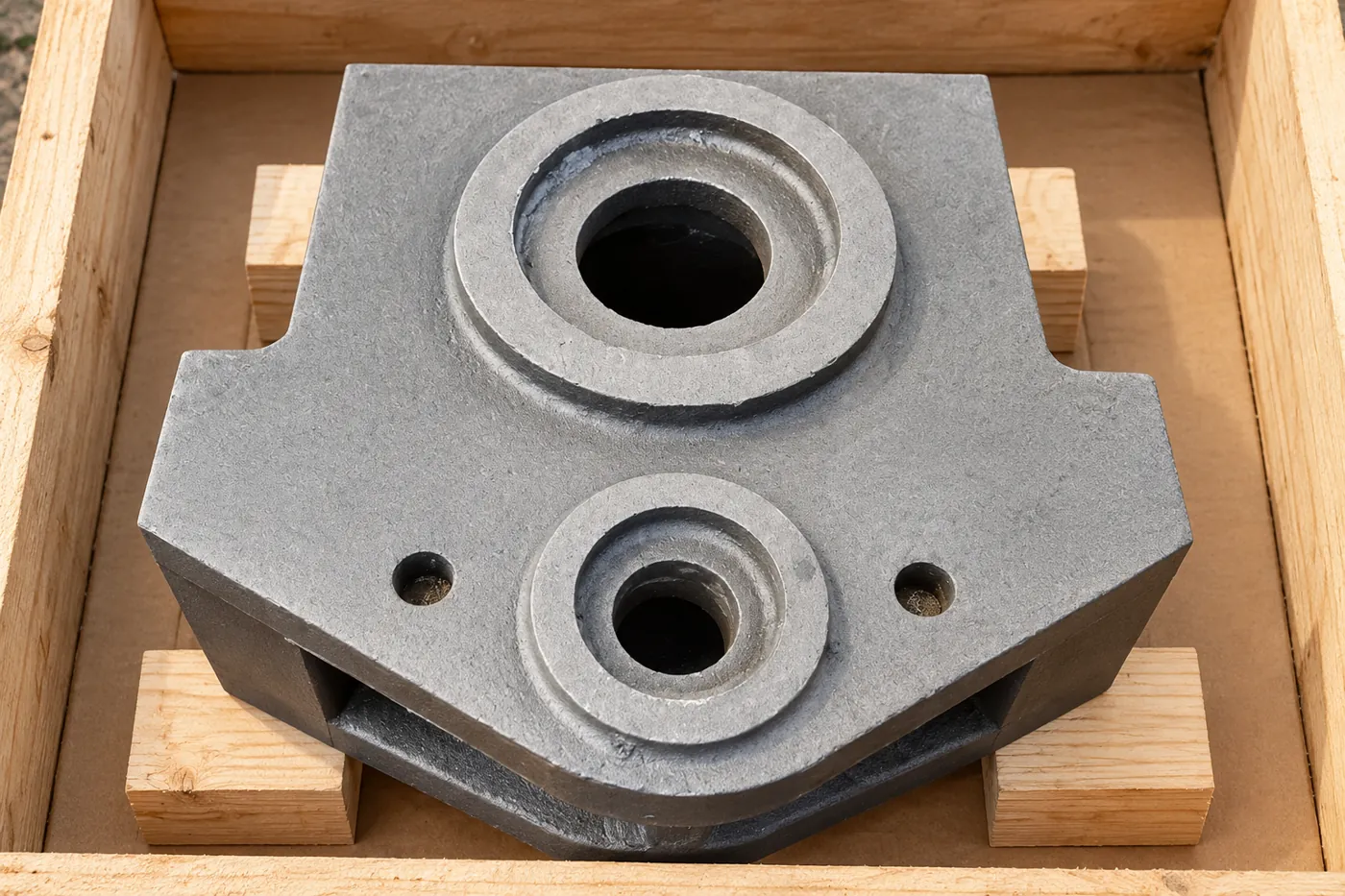
Wear Replacement Starts with the Service Evidence
Our mining steel range includes water-glass or resin-sand casting with selected chemical, mechanical, dimensional and NDT requirements. The crusher guide separates abrasive loss, breakage and mounting wear before defining a replacement.
Mill sleeves and high-chromium iron have different material and profile decisions. Follow their guides with the worn-part record, required new geometry and proposed trial objective, then prepare the selected RFQ.
07 YOUR NEXT STEP
Bring your component into the conversation
Tell us which component you need, the material, quantity and required supplied condition. Relia will connect your enquiry with the casting, machining and evidence relevant to that part.
- [email protected]
- Phone
- +86 18561762631
- +1 404 203 0971
- Company and address
- Qingdao Relia Industries Co., Ltd.
Shuyuan Road, Qingdao, Shandong, China