
01CHINA CASTING AND MACHINING
Prepare a Casting RFQ for a Comparable Quote
Send a drawing, material requirement, quantity and the condition in which you need the part delivered. Those four inputs let Relia connect our own casting and machining production to a meaningful quotation. This guide adds the details that affect tooling, machining, acceptance and overseas handover, so your team can compare the same supplied component and move smoothly from a sample to a repeat order.
- Identify
- Part + revision
- Describe
- Material + supplied state
- Separate
- Trial + repeat demand
02CHINA CASTING AND MACHINING
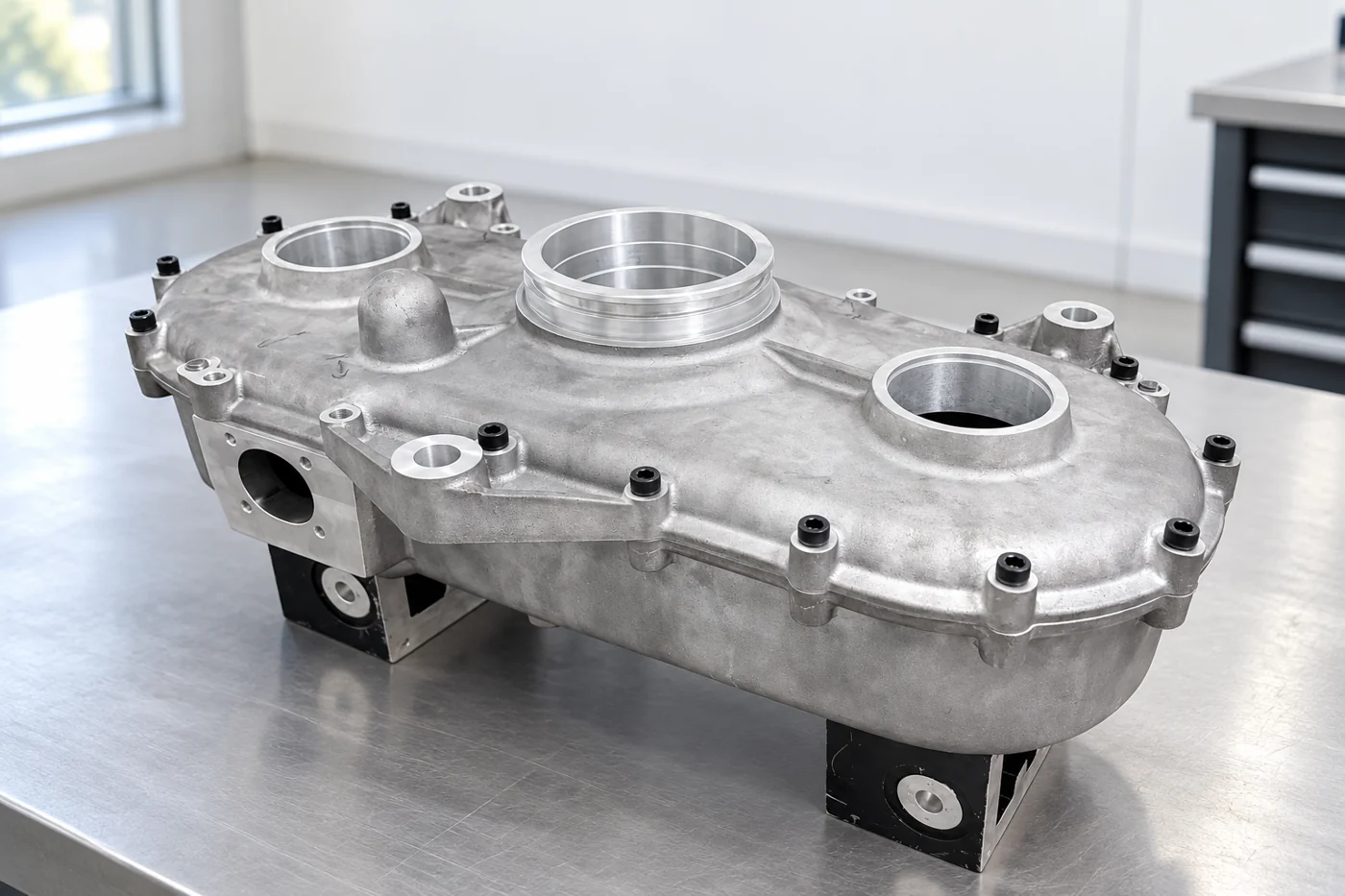
The minimum technical pack should identify one component
Relia reviews your new-part drawing before sample manufacture and inspection. After your team approves the sample, the agreed definition moves into batch production. The RFQ should therefore carry the same part identity from the drawing and model to the sample evidence and repeat order.
Mark the component revision, selected material, critical interfaces and delivered state. Identify any open decision specifically, such as machining stock or coating coverage, so it can be resolved before it affects tooling or the comparison between quotes.
| RFQ field | What to include |
|---|---|
| Identity | Part number, name, drawing revision and product reference |
| Geometry | Controlled drawing and matching model, including internal regions |
| Material | Complete grade, governing specification and delivered condition |
| Quantity | Sample, first batch and expected repeat requirement |
| Supply state | Cast blank, selected machining or complete finished component |
03CHINA CASTING AND MACHINING
Separate assembly-critical features from the general envelope
Point out the dimensions and relationships that control installation. For a housing, these may be bearing bores, a cover register and mounting faces; for an impeller, the bore, vane geometry and axial location; for a bracket, the loaded mounting pads and hole pattern.
This helps the manufacturing proposal focus tooling, stock and machining effort where it matters. Include the required units and acceptance stage for close-control features, rather than give an isolated tolerance number without the surface or relationship it belongs to.
04CHINA CASTING AND MACHINING
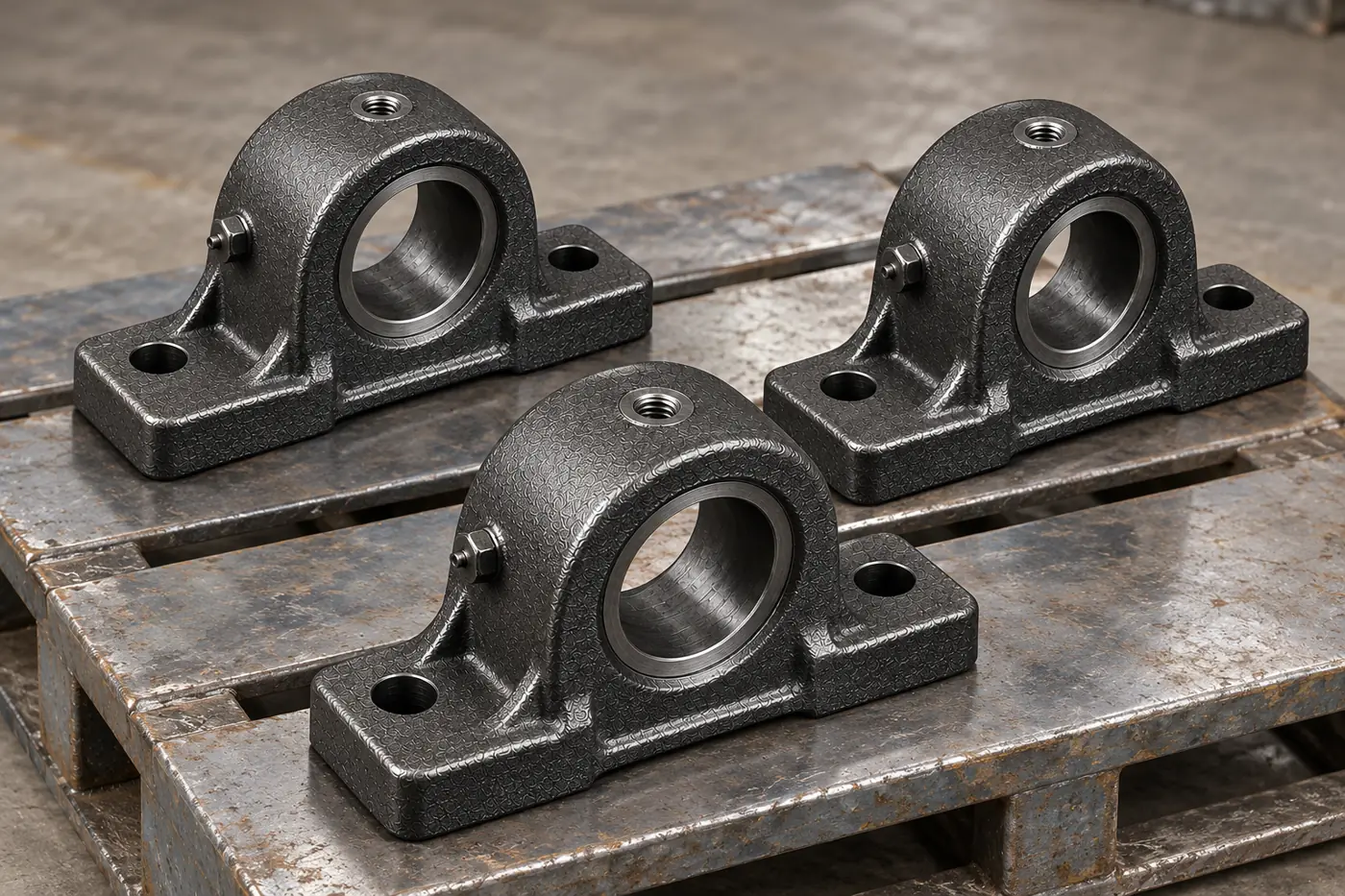
Trial quantity and repeat demand are different inputs
A trial sample supports an approval decision; a first production batch supplies a defined quantity; a repeat forecast helps explain the expected programme. State them separately so the quotation can show the relevant tooling, sample and unit-supply scope.
Catalogue order bases vary by item. A one-piece sample enquiry exists in the pump-component range, while other entries have their own batch requirements. Your RFQ should state the actual quantity needed for the chosen part and identify the purpose of any initial sample.
05CHINA CASTING AND MACHINING
Make tooling ownership and condition understandable
When a pattern or tool already exists, identify the component revision it was made for, its present location and known condition. Include available photos, dimensions and records, then state whether reuse, repair, modification or new tooling should be evaluated.
For a new part, keep tooling approval connected to the sample casting and finished interfaces. The quotation should distinguish the tooling deliverable from the cast components and identify the records needed before the next production step is released.
- 01Existing toolIdentify revision, location, condition and available records
- 02Requested workReuse, repair, modification or new tooling
- 03First articleEvaluate the resulting component against the released brief
- 04Production releaseRetain the approved tool and part definition
06CHINA CASTING AND MACHINING
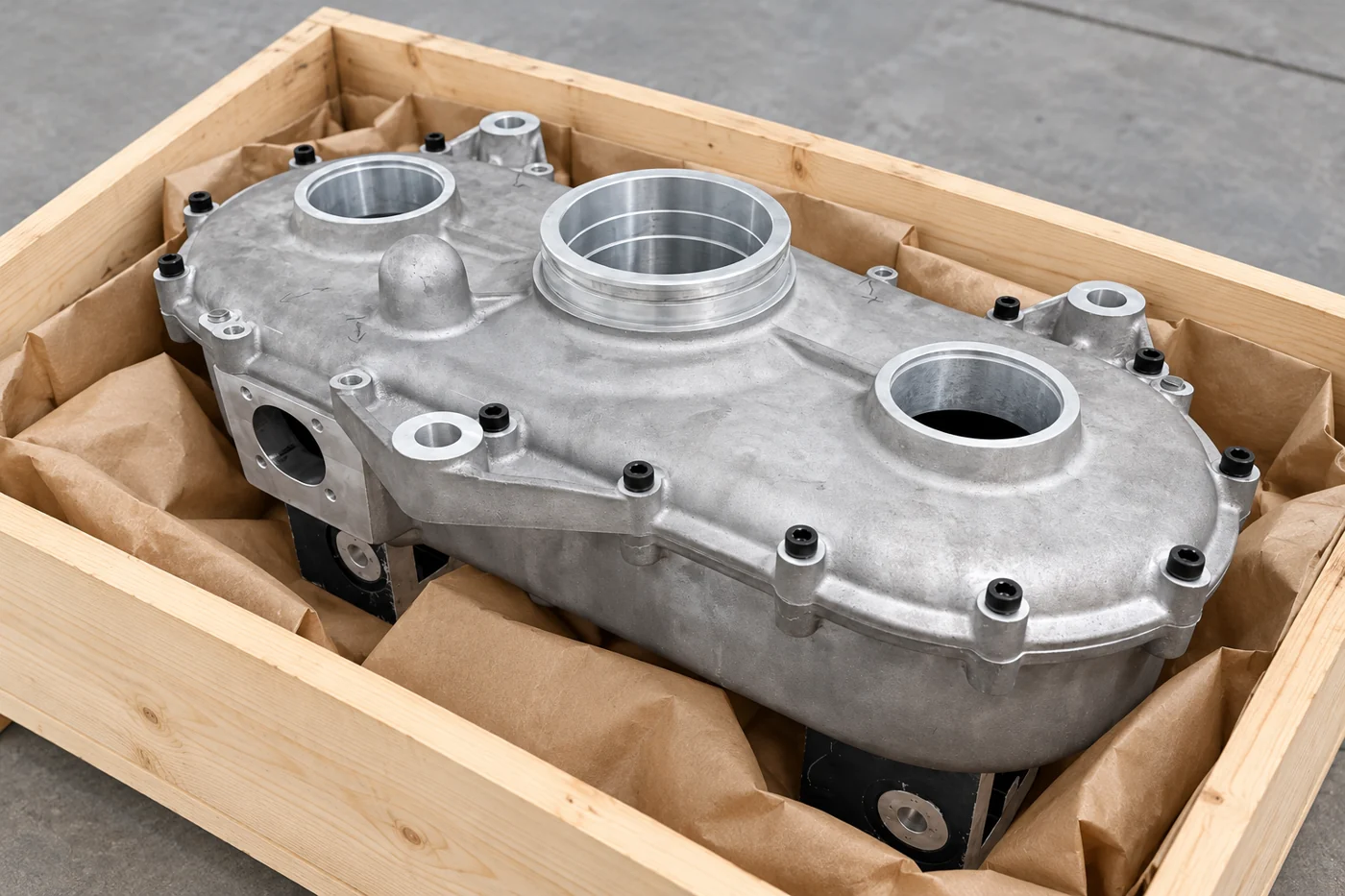
A finishing brief defines the delivered surface
Name the chosen treatment and mark its coverage. Our range includes iron primer and top coat, selected aluminum finishing options, and housing entries with polishing or zinc plating. These should be selected for the particular material and interface.
Show the surfaces that need masking, protection or a separately controlled final condition. If the part will be machined later in your workshop, identify the supplied references and reserved stock. If it is ready for assembly, keep the final finish and accepted dimensions together.
07CHINA CASTING AND MACHINING
Compare quotations using the same supply boundary
A unit price becomes a useful comparison only when it refers to the same material, revision, quantity and delivered state. Identify the tooling and sample scope, machining operations, selected finish, inspection records and packing requirements alongside the component itself.
Ask the quotation to show included work and any separately priced item. Keep the destination and requested commercial basis with the enquiry so freight responsibilities and delivery arrangements can be agreed for the actual order, rather than hidden behind an undefined delivered price.
| Scope item | Basis for comparing the offer |
|---|---|
| Tooling and samples | Deliverable, trial quantity and approval basis |
| Component supply | Revision, material condition and batch quantity |
| Secondary work | Named machining, treatment and finished interfaces |
| Acceptance | Required reports, examinations and test scope |
| Delivery | Packing, identification, destination and agreed commercial basis |
08CHINA CASTING AND MACHINING
Use an acceptance list your team can check
For dimensional approval, identify the features to appear in the report and the drawing revision they follow. For material evidence, specify the chosen designation, condition and document requirement. For a requested examination or functional test, identify the relevant coverage and acceptance basis.
This lets both teams see the difference between a component requirement and the evidence used to accept it. It also makes a sample review more useful: the same numbered features and material basis can be carried into the approved production definition.
- 0101Identify the component and released revision
- 0202List critical features and acceptance limits
- 0303Name material and other required records
- 0404Record the approval basis for the next supply stage
09CHINA CASTING AND MACHINING
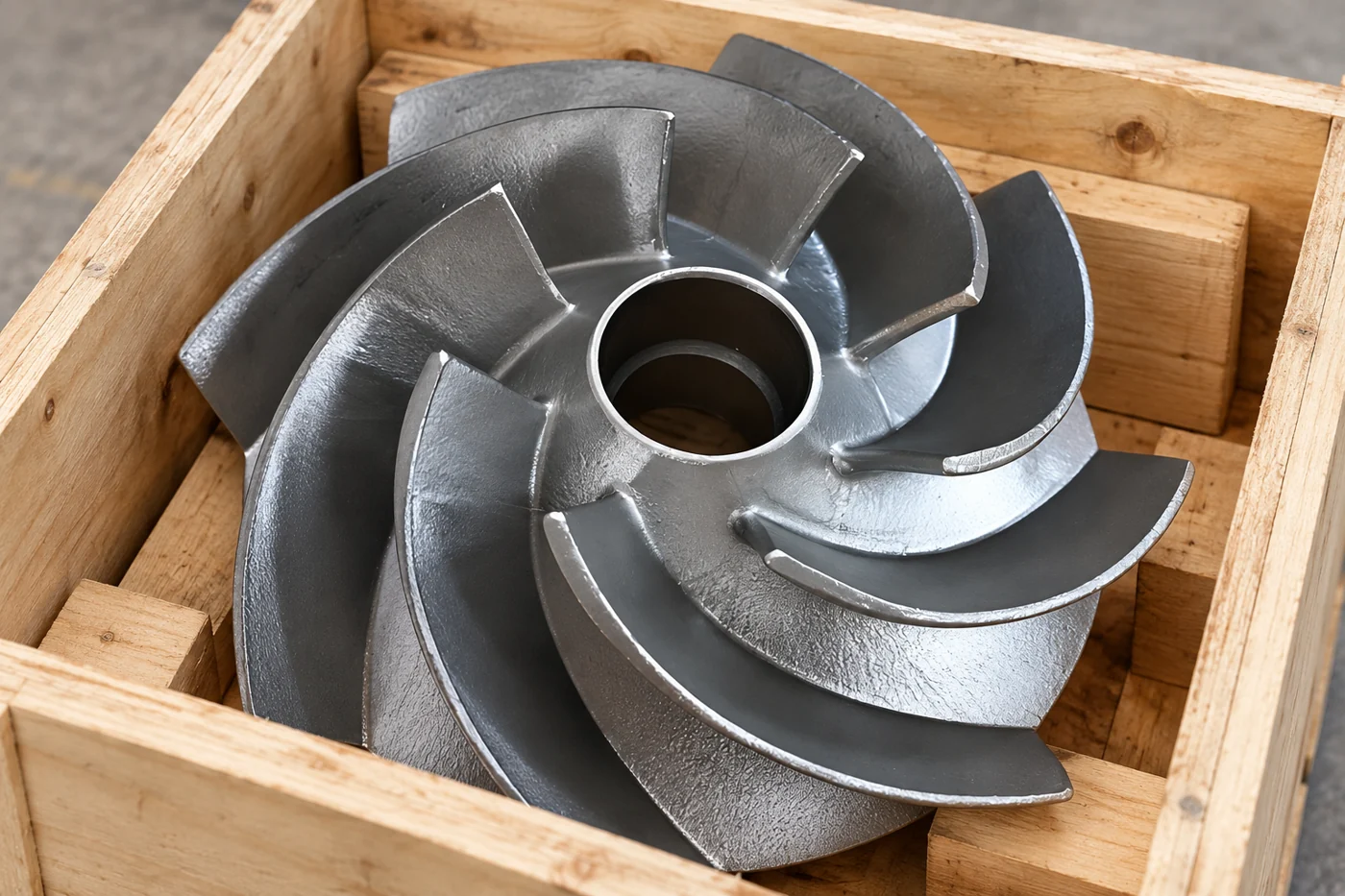
Packing and identification prepare the overseas handover
Finished bores, sealing faces, threads and vane edges need protection appropriate to the component. State separation between pieces, corrosion protection where relevant, and the marking needed by your receiving process. A crate arrangement for an impeller and bulk packing for unfinished blanks are different requirements.
Include the destination, package or unit identification and any document-matching references. These details belong beside the delivered-state description so the approved part and its records remain understandable when the shipment reaches your workshop.
10CHINA CASTING AND MACHINING
Send the brief through the contact channel that suits it
Use the native contact form to introduce the project, or email your drawing pack with the component reference in the subject. A concise first message can state the part and revision, selected material, trial and repeat quantities, finished condition and destination. Add the feature or process decision that needs the most attention.
For a repeat order, include the previous reference and list changes to the drawing, material, finish, quantity or inspection scope. An unchanged part can then be quoted against its released basis, while a revision can be evaluated as a visible change.
11 YOUR NEXT STEP
Bring your component into the conversation
Tell us which component you need, the material, quantity and required supplied condition. Relia will connect your enquiry with the casting, machining and evidence relevant to that part.
Technical reading and scope
Technical references explain the process. Component specifications and agreed order records define the actual supply.
Casting design, machining stock and purchasing requirements- [email protected]
- Phone
- +86 18561762631
- +1 404 203 0971
- Company and address
- Qingdao Relia Industries Co., Ltd.
Shuyuan Road, Qingdao, Shandong, China