
01A CLEARER CASTING PURCHASE
Aluminum Mechanical Seal Housings
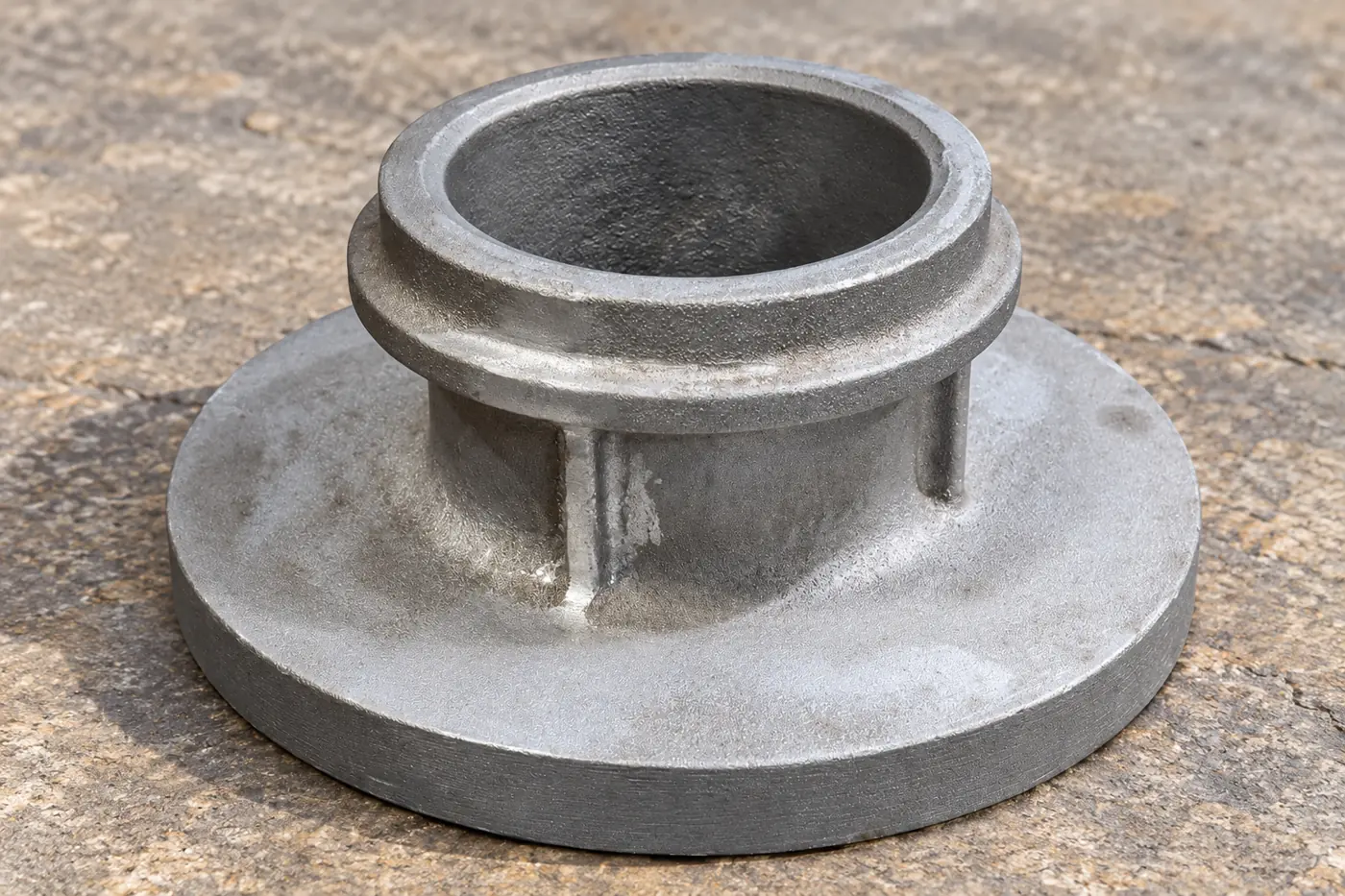
Order the cast support and finished seal-location interfaces together. Relia offers aluminum mechanical-seal housings through sand casting and CNC milling for selected agitator, pump and marine applications. Define the seat or pilot, mounting face and relationship to the shaft. This gives sample acceptance an installation purpose beyond the diameter of a circular opening.
- Component
- Mechanical-seal housing
- Route
- Sand casting + CNC milling
- Locate
- Seat, face + shaft reference
02A CLEARER CASTING PURCHASE
Seal-support housings with the locating interfaces completed
Relia Casting's housing offer covers customized dimensions, aluminum sand casting, CNC milling and protective packing for the chosen component. Our own casting and machining production lets the ribs, walls, seat and mounting references be developed as one part. Material and dimensional inspection reports and real workshop/equipment photographs are available when you assess the supply.
The housing may locate a stationary seat, gland or another element in your seal arrangement. Identify the actual seal assembly before choosing that fit. For an OEM, this keeps radial location, axial position and service-access space connected to the casting that supports them.
03A CLEARER CASTING PURCHASE
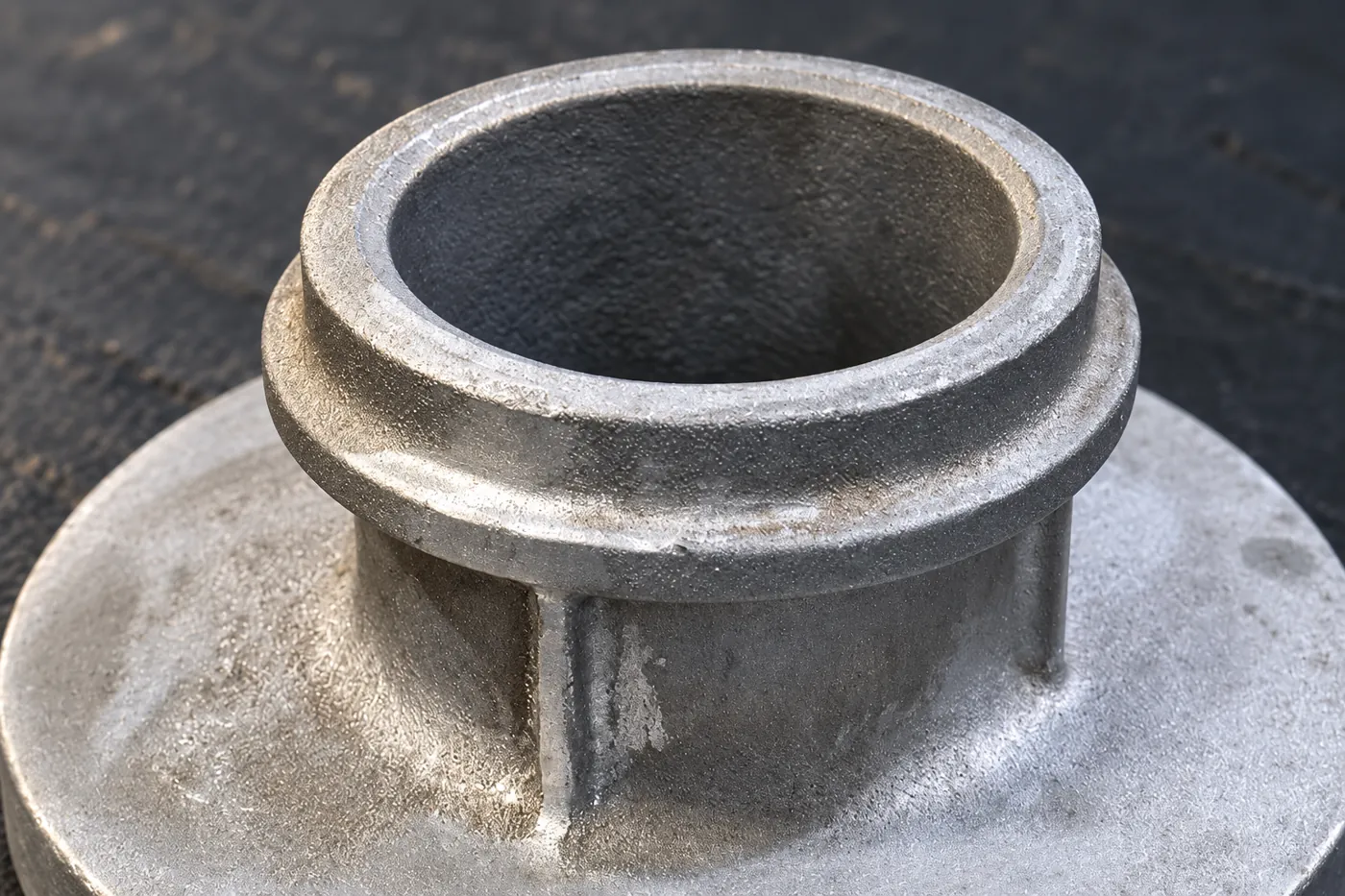
The seat needs geometry and an undamaged contact condition
Specify the seat diameter, depth and retention detail used by your seal design. Add the relation of the seating surface to the mounting plane and shaft reference, including the required geometric limits. A bore-size result alone cannot describe a tilted or misplaced seat.
Keep the housing's supporting seat distinct from the precision sliding faces in the seal itself. Define entry chamfers and edge condition where a secondary seal passes during installation. Burrs, sharp edges or handling marks in those regions can compromise an otherwise correct fit.
- Seat
- Diameter, depth and retention detail
- Surface
- Entry edges and contact condition
04A CLEARER CASTING PURCHASE
Cast the support and machine the seal references as one part
The pattern and parting arrangement define the ribs, walls and opening that support the seal. The casting proposal needs metal at the future seat and mounting face without closing the installation or tool-access space. At rib-to-wall junctions, review the local section and feeding arrangement rather than add stock indiscriminately. The actual alloy and chosen sand route determine that proposal.
After cleaning the blank, CNC milling establishes the nominated references and finishes the seat or pilot with the mounting geometry. If the part is re-clamped, recover the same datum relationship before completing the next face. Edge preparation belongs here too: the surface a secondary seal passes must reach its defined burr/chamfer condition. The release record should connect the seat axis, mounting plane and final surface state, giving your seal installer a measured supporting geometry.
05A CLEARER CASTING PURCHASE
The alloy condition follows the medium and housing role
The catalogue specifies aluminum; your order needs the full alloy and delivered condition. Include the process medium, temperature range and environmental exposure used to choose that material. A marine enquiry, for example, needs the actual exposure described rather than an assumption that every aluminum grade is suitable.
Consider the installed relationship to steel, elastomer and seal components. Temperature changes can alter fits between different materials. Select the housing fit and any surface treatment through the assembly design, with coating thickness or masking accounted for on locating and sealing surfaces.
| Selection input | Housing-specific consequence |
|---|---|
| Alloy | Complete aluminum specification and required condition |
| Environment | Medium, temperature and external exposure |
| Mating materials | Shaft, seal seat, fasteners and secondary seals |
| Surface state | Treatment coverage and final fit dimensions |
06A CLEARER CASTING PURCHASE
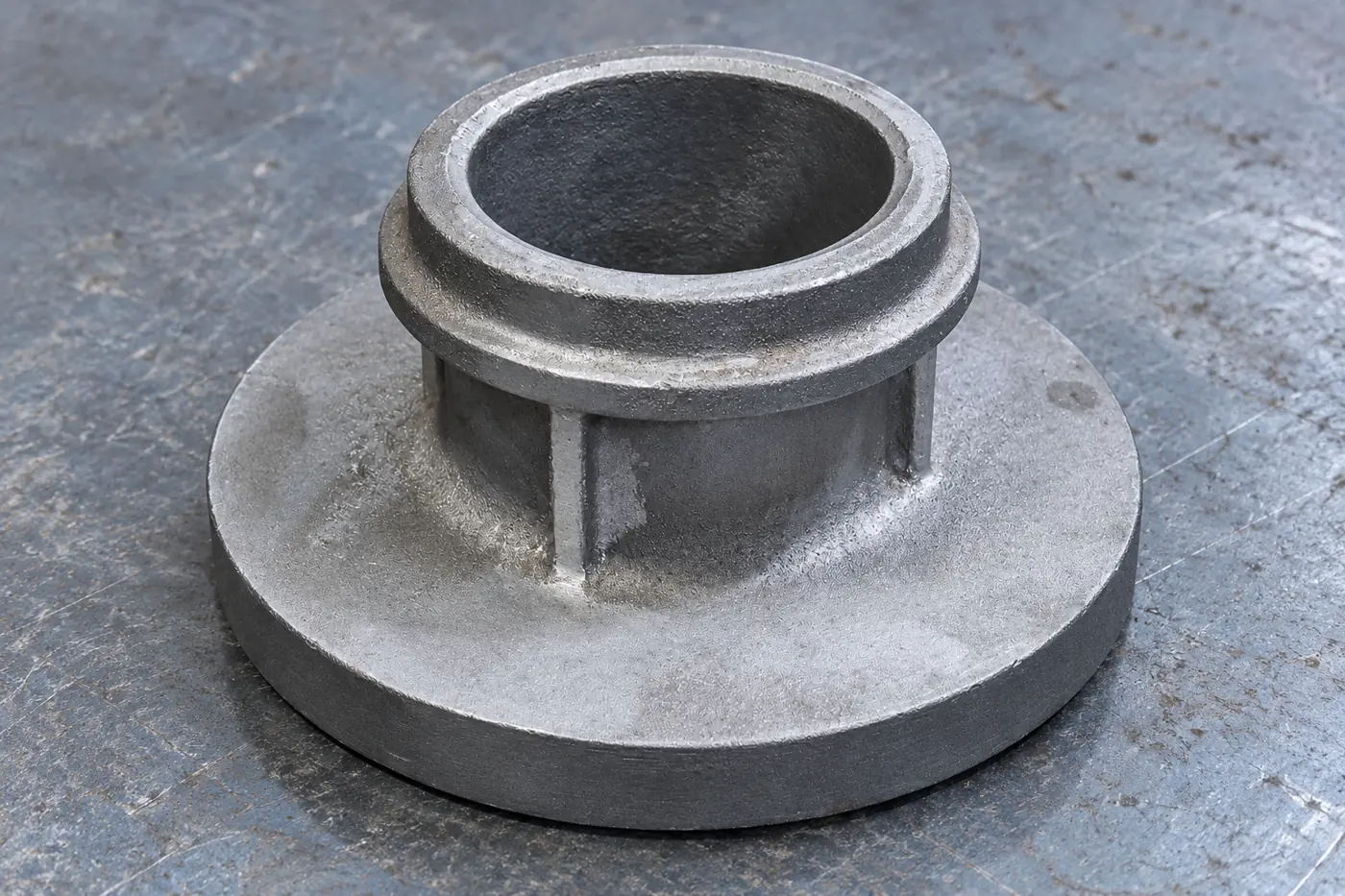
The mounting face and seat share an alignment reference
The finished housing should locate the stationary seal arrangement relative to the equipment's shaft. Identify the mounting face, seat or pilot axis and the datum used to inspect their relationship. Include adjoining-part references where needed to explain how the shaft location is established.
Mechanical seals rely on a controlled interface between rotating and stationary faces. Housing geometry is one contributor to that installed arrangement. It is therefore useful to measure the locating relationship, not only the diameter and outside profile of the casting.
- Alignment
- Seat or pilot related to mounting plane
- Assembly
- Stationary support relative to shaft
07A CLEARER CASTING PURCHASE
An inspected sample tied to the installed seal arrangement
Relia's new-part workflow is drawing review, sample manufacture and inspection, your confirmation, then batch production. For this housing, the sample report should follow the seat/pilot, shoulder, mounting face and fastener pattern, with actual results and material condition connected to the part identity.
A trial with the intended seal or a suitable interface reference can expose entry, retention and replacement-access issues early. Your rotating equipment still follows its own seal installation and operating approval. Keeping component and system evidence connected helps you release a housing that supports the actual assembly, rather than judge it by its outside profile.
- 01Seat/pilot mapSize, depth and locating relationship
- 02Mounting mapFace geometry, fasteners and equipment datums
- 03Fit trialEntry, retention and seal-installation access
- 04Release identitySample, drawing revision and material condition
08A CLEARER CASTING PURCHASE
A seal change triggers a focused interface review
Replacing a seal design can change the required seat, gland pattern, setting length or installation space even if the shaft diameter remains the same. Identify the changed interface and compare it against the accepted housing drawing before ordering another batch.
Keep a drawing change distinct from a temporary sample adjustment. If a machined shoulder or mounting face changes, assess the remaining casting stock and wall section as well as the final size. This avoids approving a machining change that the existing casting cannot consistently support.
- 0101Compare seat, pilot and setting length of the new seal
- 0202Check mounting pattern and installation access
- 0303Assess machining stock and remaining cast sections
- 0404Release compatible housing and seal-drawing revisions
09A CLEARER CASTING PURCHASE
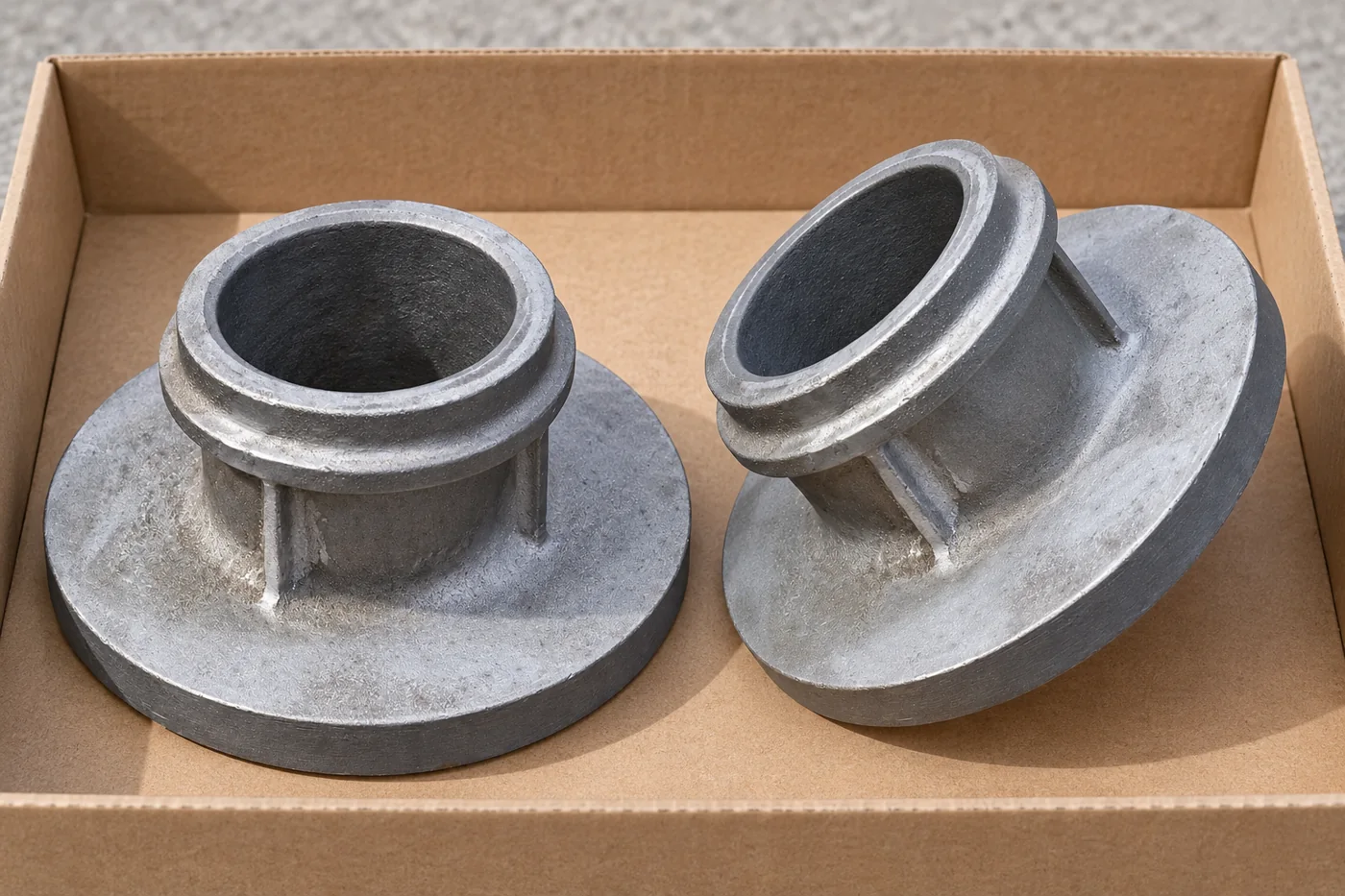
Finished seats protected for clean installation
Custom packing is offered for these housings. Protect locating bores and mounting faces from impact, moisture and contact with abrasive packing debris. After final machining and cleaning, cover openings and keep the seat ready for the agreed receiving check.
The seal-supporting surfaces should arrive without burrs or damage that requires unrecorded hand finishing. Identify the housing revision and material condition clearly. Your assembly team can then follow the selected seal's installation instructions using a component whose accepted geometry has been preserved.
- Protection
- Locating bores and mounting faces
- Receiving
- Accepted surface without unrecorded hand finishing
10A CLEARER CASTING PURCHASE
A housing package centred on the seal location
The result you buy is the manufactured relationship between the stationary seal support and the equipment mounting, preserved in the specified aluminum and final condition. Relia can supply that sand-cast and CNC-milled component around the selected seal design. You can compare the finished interfaces, their records and the remaining assembly work as one purchase.
A later seal change may alter the seat, gland pattern or setting length even when the shaft is unchanged. Keep those differences with the housing revision and assess remaining cast stock before accepting a machining-only change. This makes the next order a deliberate continuation of the installation design.
11 YOUR NEXT STEP
Bring your component into the conversation
Tell us which component you need, the material, quantity and required supplied condition. Relia will connect your enquiry with the casting, machining and evidence relevant to that part.
Technical reading and scope
Technical references explain the process. Component specifications and agreed order records define the actual supply.
Mechanical-seal elements and stationary seatingShaft-seal operating interface- [email protected]
- Phone
- +86 18561762631
- +1 404 203 0971
- Company and address
- Qingdao Relia Industries Co., Ltd.
Shuyuan Road, Qingdao, Shandong, China