
01A CLEARER CASTING PURCHASE
Casting Orders with Planned Buyer Inspection
Bring your appointed inspection into the order review before the relevant evidence becomes inaccessible. Relia’s component range includes material, dimensional and selected examination scope. Identify the lot, characteristics, inspection stage and release authority required for your order. The plan can then support a decision about identifiable parts and records, rather than leave a final factory visit to define acceptance after production.
- Plan
- Lot + characteristics
- Time
- Accessible inspection stage
- Release
- Defined buyer authority
02A CLEARER CASTING PURCHASE
The appointed party has a defined role and authority
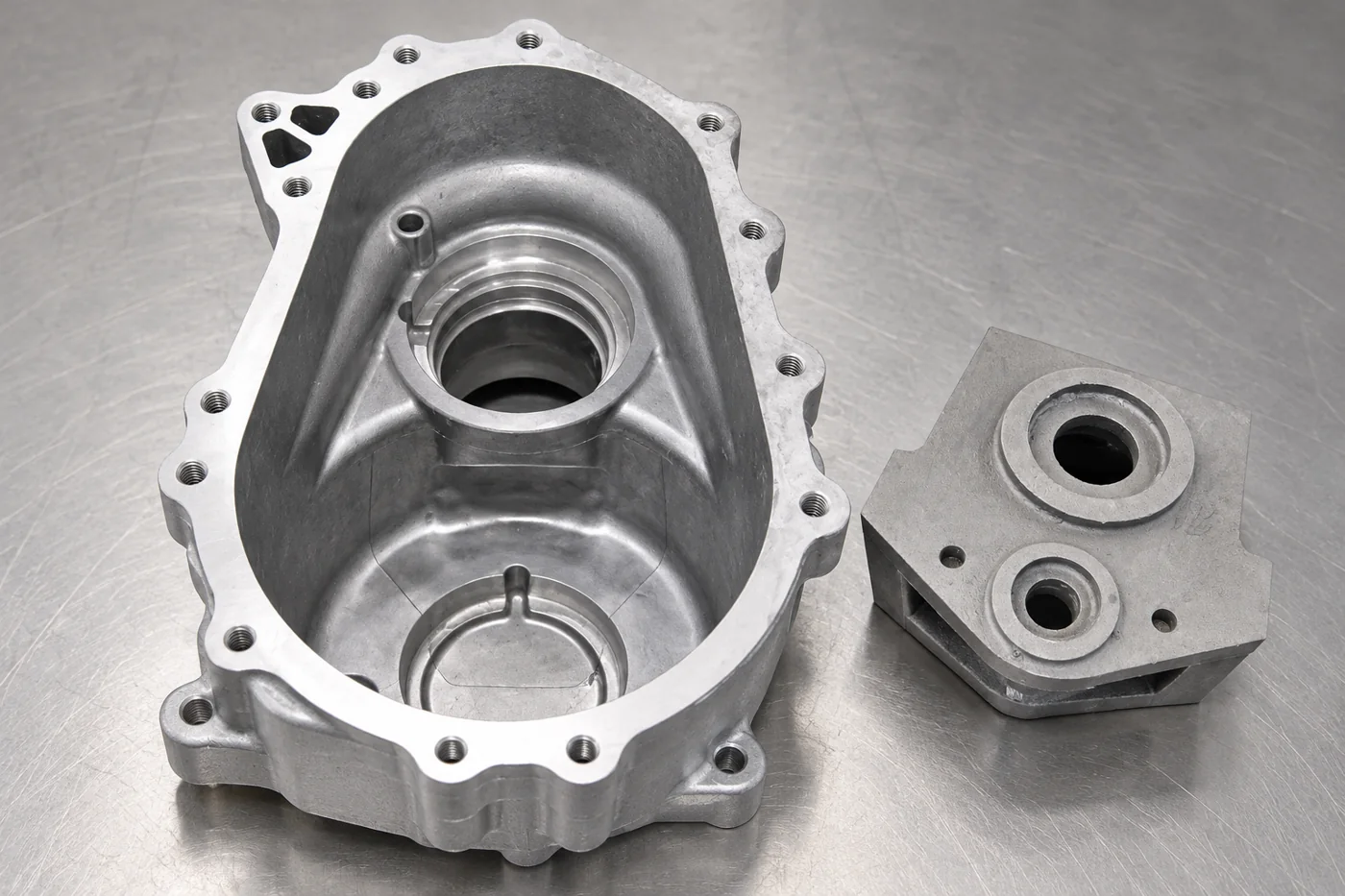
Relia can provide dimensional and material reports and discuss the inspection requirements for the selected component order. Our sample-approval sequence and actual manufacturing proposal provide the stages to which any agreed buyer hold or witness requirement must be attached.
State who appoints the inspector and whether the visit covers physical inspection, witnessing, record review or a combination. Where an independent inspection body is required, verify its relevant competence and scope. ISO/IEC 17020 concerns inspection-body requirements; a foundry’s ordinary production inspection is a different role.
Keep the authority for recording findings, accepting a concession and releasing shipment explicit in the order. An inspector may report results without having authority to approve a design deviation. Agree those responsibilities before the visit so a completed inspection does not leave dispatch waiting for an undefined decision.
03A CLEARER CASTING PURCHASE
The lot and sampling plan define what the visit covers
Identify the part numbers, revisions, material groups, quantities and finished condition included in the inspection lot. A sample plan needs that lot definition, the characteristics being evaluated and acceptance/rejection rules. ISO 2859-1 provides attribute-sampling schemes where applicable; the chosen plan should be stated rather than improvised on the day.
Sample inspection does not mean every piece has been measured. Keep any required every-piece checks distinct from sampled dimensions or appearance. If the lot includes several grades or revisions, retain the group boundaries and applicable evidence so the inspector’s findings describe the parts that will actually ship.
| Inspection input | Required reference |
|---|---|
| Lot identity | Parts, quantities, revision and selected finished condition. |
| Characteristic | Specific dimension, appearance condition, material or other requirement. |
| Coverage | Every-piece or the agreed sampling plan and selection basis. |
| Decision rule | Applicable limits, result recording and acceptance/rejection responsibility. |
04A CLEARER CASTING PURCHASE
Preparation makes the specified characteristics accessible
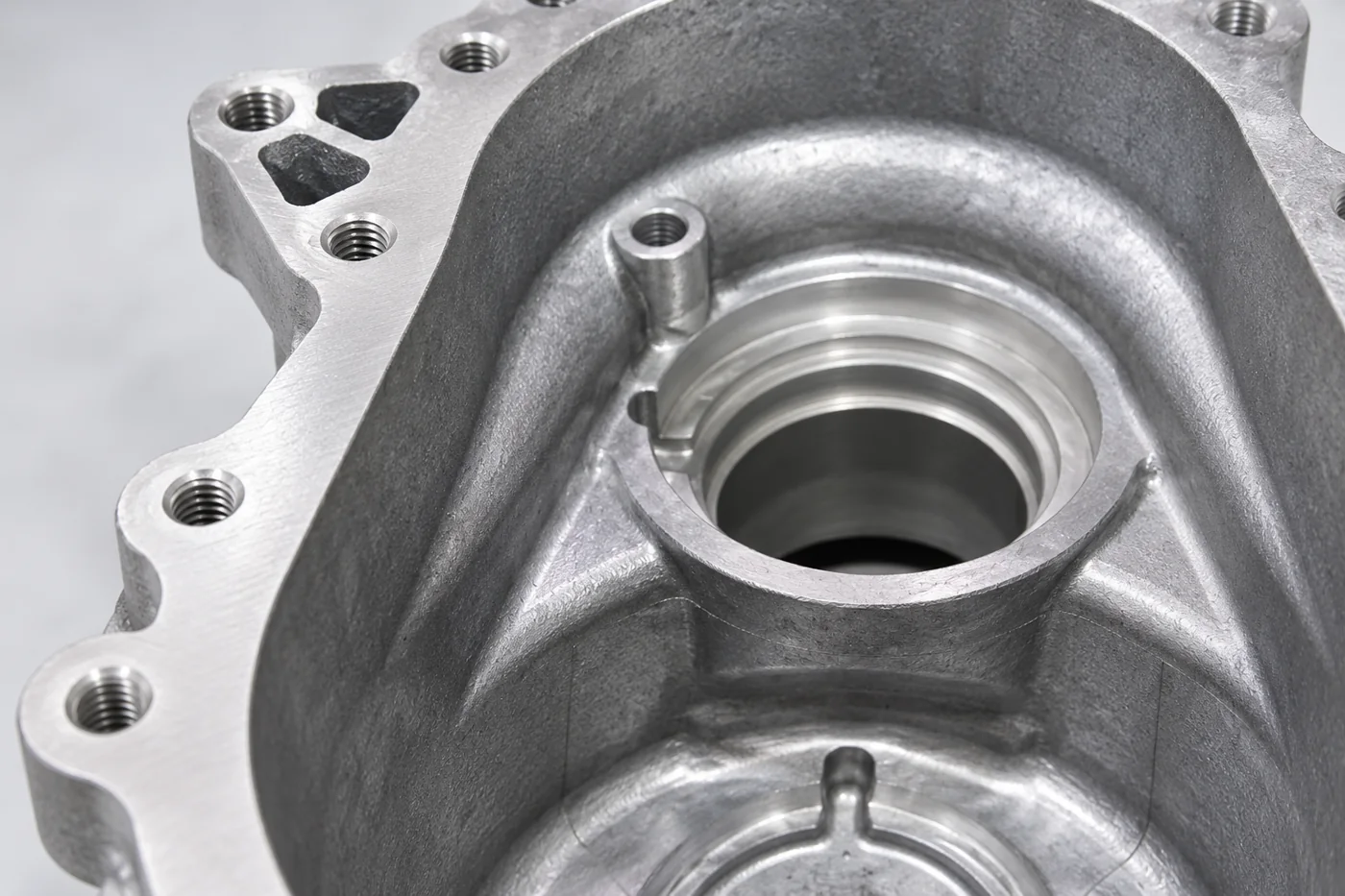
List the features to be measured and the condition needed to inspect them. Datums, bores and contact faces should be accessible in the agreed support or orientation. A characteristic hidden after assembly or coating may need a different inspection stage from an external finished dimension.
Agree who provides the relevant measuring equipment, handling support and records, with suitability for the required limits. Do not treat a photograph as a dimensional result or assume that an available gauge addresses every specified relationship. Preparation should follow the actual check, making the visit useful rather than merely convenient to schedule.
05A CLEARER CASTING PURCHASE
Hold points precede work that would hide the evidence
Place the hold point before the affected feature becomes inaccessible or the package closes. Distinguish a stage that requires written release from a witness opportunity with agreed notice and response arrangements. The order should state what happens if the appointed party cannot attend.
Connect this plan to the actual manufacturing and packing sequence. If the inspection includes bare surfaces, coated surfaces or an assembled condition, state the relevant stage for each. A final visit cannot recreate an earlier condition without additional work, so the important checks need to be planned while the evidence can still be observed.
- 01PlanRelease lot, characteristics, criteria and responsible decisions.
- 02PrepareMake the specified parts, equipment and records available at the agreed stage.
- 03InspectConduct the ordered measurements, review or witness activities.
- 04ResolveRecord findings, affected identities and required follow-up.
- 05ReleaseObtain the dispatch decision required by the order.
06A CLEARER CASTING PURCHASE
Records explain the scope of each result
Prepare the documents required by the inspection plan: applicable material evidence, treatment links, dimensional reports and specified NDT or surface records. Each should identify the technical reference and the parts, specimens or batches it describes. A result without that link may be technically valid yet irrelevant to the shipment being reviewed.
For NDT, specify the method, inspected regions and acceptance criterion. Magnetic-particle examination addresses surface/near-surface indications in ferromagnetic material, for example; it is not a universal method for every alloy or internal discontinuity. Keep record review and any witnessed testing separate so the report states what the inspector actually observed.
07A CLEARER CASTING PURCHASE
Handling and access follow the actual component
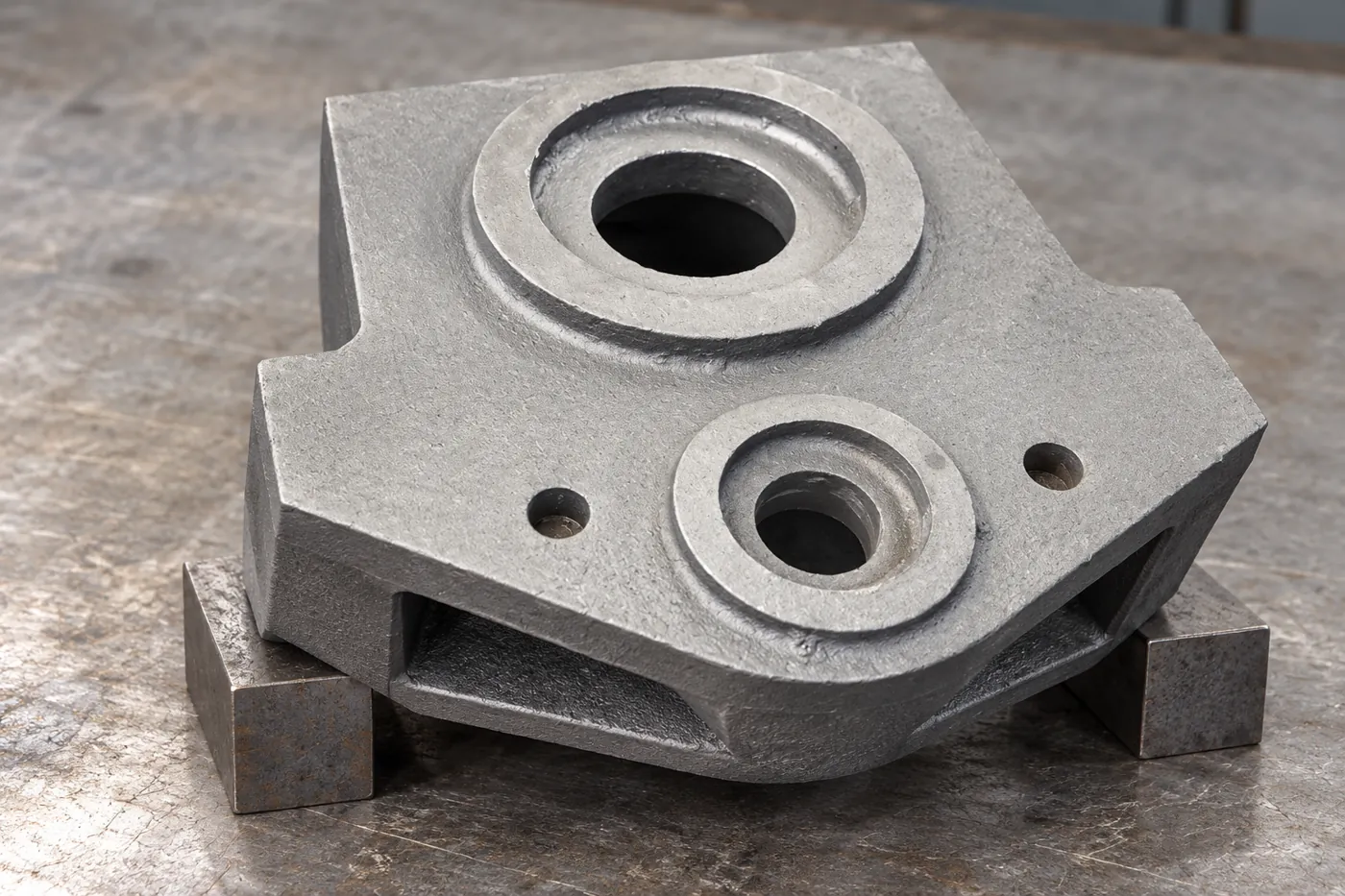
Heavy, hollow or irregular castings may need support to expose a bore, underside or contact region. Agree the safe handling arrangement and inspection orientation with the appointed party in advance. The availability of a top view does not establish that every required surface or dimension can be reached.
Keep temporary protection removable where the plan requires inspection, then define how it is restored before packing. If a check can damage the surface or requires a separate sample, identify that scope beforehand. This avoids disrupting the accepted delivery condition merely to complete an unplanned examination.
08A CLEARER CASTING PURCHASE
Findings lead to a documented disposition
Record a finding against the actual part, feature, limit and drawing revision. Identify the affected quantity and whether other parts in the lot require evaluation. Correction, reinspection, replacement or a proposed concession are different actions and should retain their own approval responsibilities.
After the agreed action, link the follow-up evidence to the original finding and affected identity. A verbal assurance that a problem is solved is less useful than a recorded result at the required final condition. The authorized dispatch decision should follow that documented disposition, including any remaining restrictions on the shipment.
- 0101Identify the finding, technical requirement and affected parts.
- 0202Assign the required action and authorized disposition.
- 0303Complete and record the specified follow-up checks.
- 0404Obtain the order’s written release or other required decision.
09A CLEARER CASTING PURCHASE
Packing retains the inspected component set
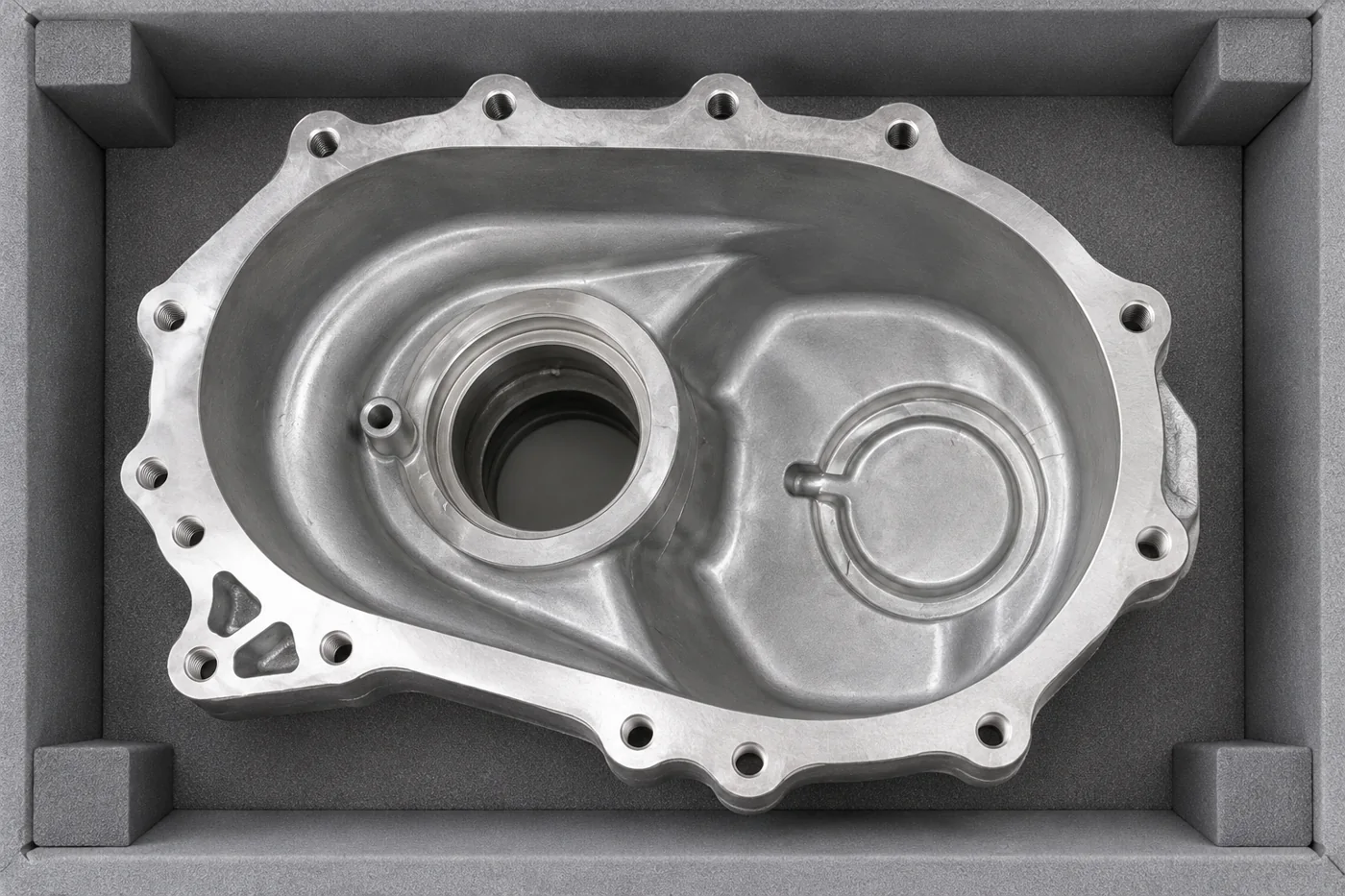
Define whether the visit includes packing inspection or occurs before protection is restored and the package closes. Keep the accepted quantities and identities connected to the packing list, and retain any specified seal or package reference in the dispatch documents.
A change to the component set after inspection should be evaluated against the release scope. Replacing an item, mixing another batch or changing a protected interface can affect what the report covers. The handover should therefore show which physical parts and supplied condition were accepted, not merely that an inspector attended the factory.
10A CLEARER CASTING PURCHASE
The RFQ makes inspection part of the delivery plan
Send the part schedule, drawings, material requirements and proposed appointed-party inspection plan. Include the lot definition, checks, sampling, required records and hold points. State the notice, access and release responsibilities needed before dispatch.
We can review the practical manufacturing and supply arrangements with that plan before the order is released. The quotation should identify included preparation, documentation and coordination for the actual component, while the appointed body retains its own independent role and your order defines the final acceptance authority.
11 YOUR NEXT STEP
Bring your component into the conversation
Tell us which component you need, the material, quantity and required supplied condition. Relia will connect your enquiry with the casting, machining and evidence relevant to that part.
Technical reading and scope
Technical references explain the process. Component specifications and agreed order records define the actual supply.
DAkkS: Inspection bodies and independent rolesISO 2859-1: Attribute acceptance samplingTWI: Magnetic-particle method scope- [email protected]
- Phone
- +86 18561762631
- +1 404 203 0971
- Company and address
- Qingdao Relia Industries Co., Ltd.
Shuyuan Road, Qingdao, Shandong, China