
01A CLEARER CASTING PURCHASE
Internal Cleanliness for Fluid Castings
Buy a defined internal condition before the casting enters your fluid circuit. Relia’s range includes manifold and pump-housing enquiries with selected casting and machining scope. Identify the passages, residue risks, evidence and opening protection required at handover. Place the cleaning and acceptance work after the relevant residue-producing operations, with its actual scope agreed for the component.
- Components
- Manifolds + pump housings
- Define
- Internal handover condition
- Plan
- Clean, check + protect
02A CLEARER CASTING PURCHASE
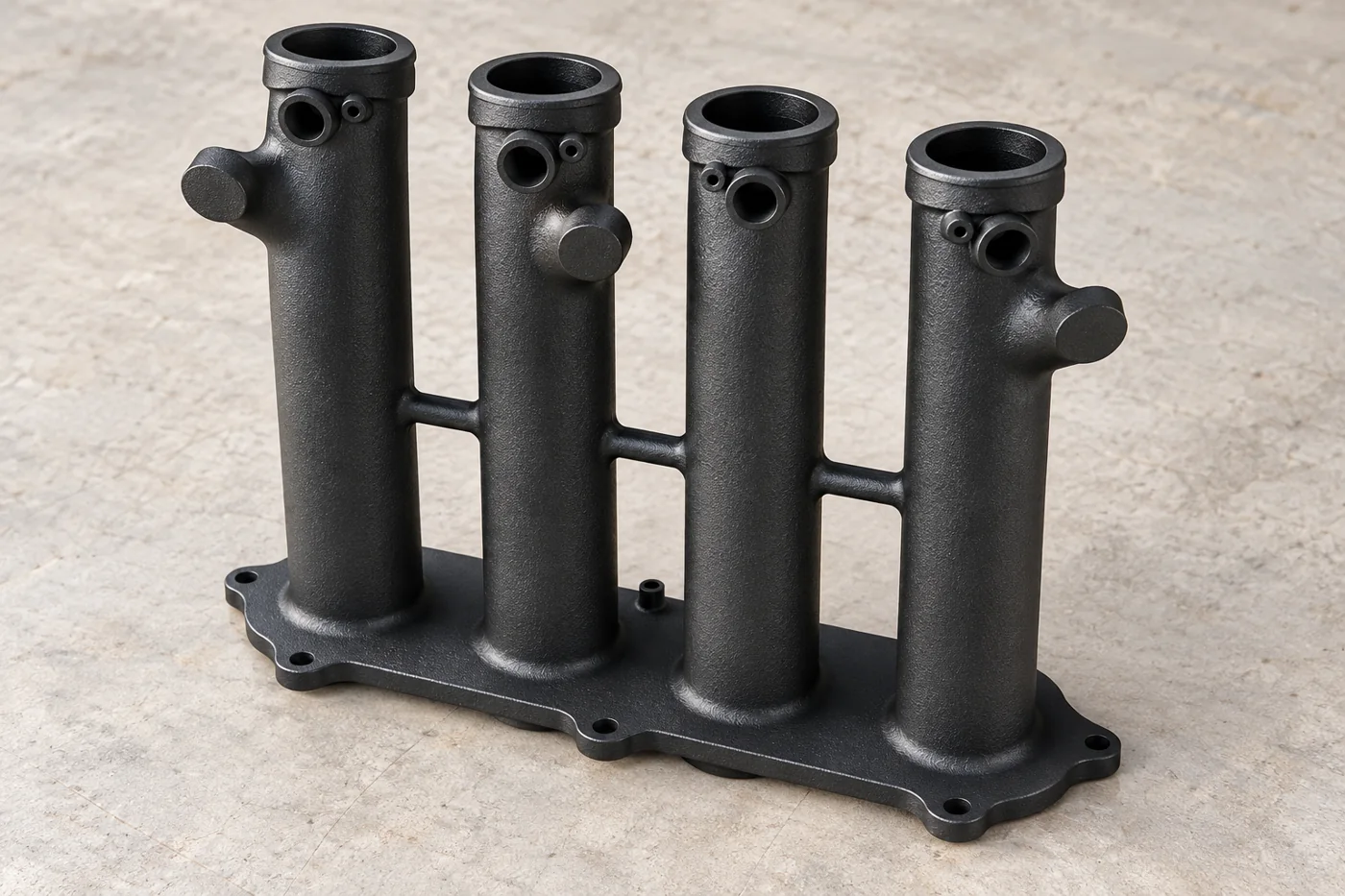
Passage components with cleaning included in the manufacturing plan
Relia Casting supplies aluminum manifold castings with CNC, drilling, milling and tapping scope, and cast-steel pump housings with machining and selected finishes. The manifold offer also includes 3D-printed moulds. That is useful for complex geometry, but it does not remove the need to reach internal sand and later machining debris.
We can make cleaning and verification explicit parts of the component proposal. Material and dimensional reports and real workshop/equipment photographs are available; a special cleanliness method still needs its own agreed scope and record. Distinguish core sand, chips, burr fragments and abrasive residue from oil or preservative, because they call for different preparation and evidence.
03A CLEARER CASTING PURCHASE
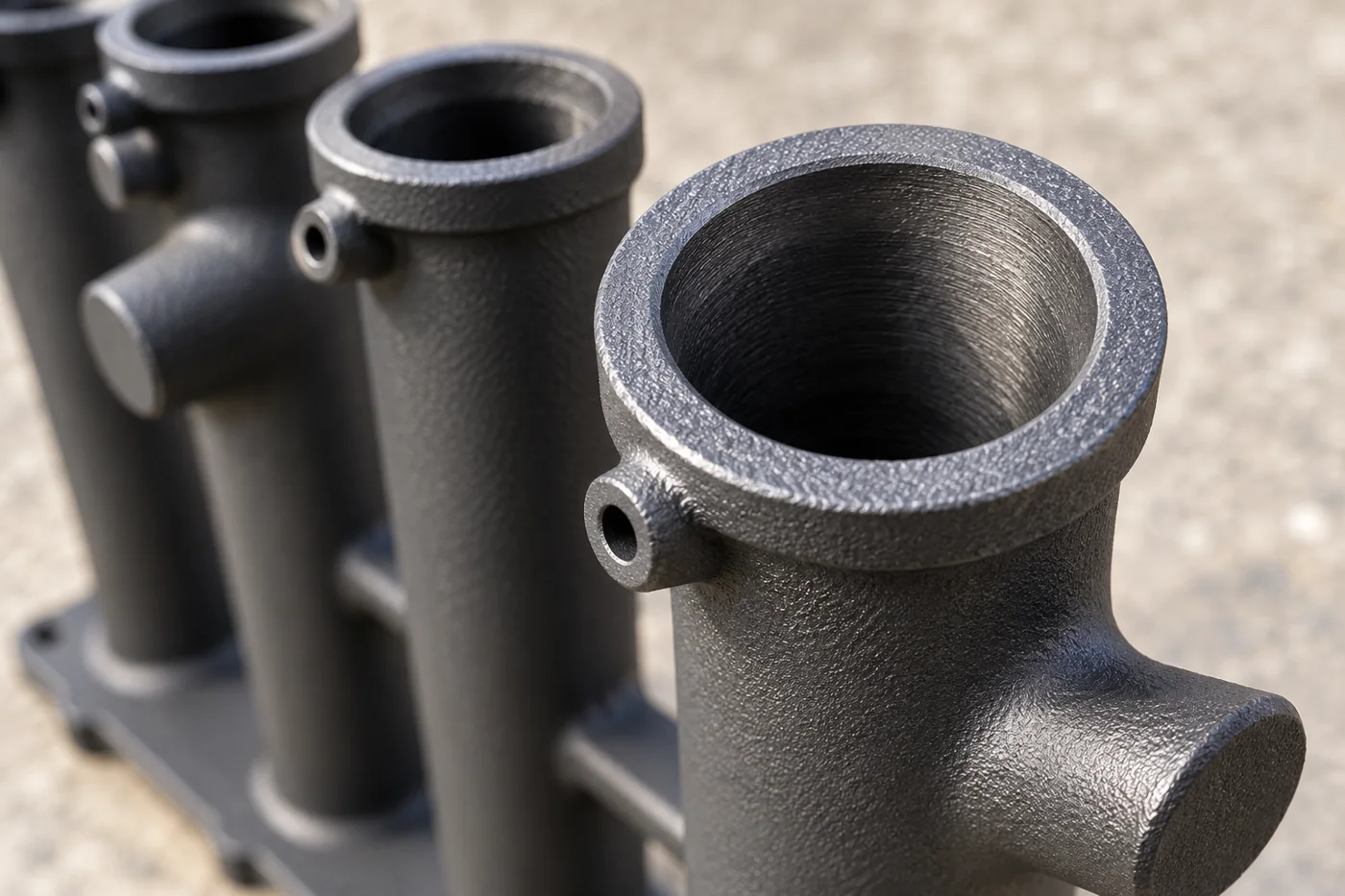
The deepest passage needs a removal and checking route
Use sections through bends, branch intersections and blind regions to identify where core material or later debris can remain. An open outlet is not proof of access to every internal surface. The mold and core proposal should preserve practical removal paths for the selected geometry.
For our 3D-printed-mold manifold enquiries, complex shaping is a tooling option; it does not eliminate cleaning access. If a passage is changed for manufacture, evaluate the functional geometry and final checking route together before releasing the revised design.
- Access
- Bends, branches and blind regions
- Tooling
- Printed moulds still need removal paths
04A CLEARER CASTING PURCHASE
The casting route identifies the residues to control
Sand-cast manifolds require control of mold/core residues. Investment-cast steel components have a different mold system, while machining introduces chips regardless of how the blank was formed. Identify the chosen route and the final operations rather than assigning one cleaning method to all castings.
Our aluminum manifold scope includes CNC, drilling, milling and tapping; the pump-housing listing includes machining and selected finishes. Put cleaning after the residue-generating operations that affect the accepted internal surfaces, with intermediate cleaning where it protects later work.
| Manufacturing source | Cleaning decision |
|---|---|
| Sand/core route | Plan removal of relevant mold and core residues |
| Other casting route | Identify its mold-system residue and preparation needs |
| Machining | Control intersection burrs and loose chips |
| Surface work | Prevent treatment media or deposits remaining in passages |
05A CLEARER CASTING PURCHASE
Residue control follows the actual manufacturing sequence
Start at the mould/core design: bends, branches and blind regions need a practical removal route. A casting with an accessible outside port can still hide a pocket beyond the bend. After shakeout and gate removal, intermediate cleaning can expose the blank for machining, but it cannot be the final acceptance if drilling or blasting follows.
Place the final internal preparation after the last relevant residue-generating operation. The proposed method must reach the included surfaces without harming the material or finished features. Keep the achieving step separate from the verification step: an optical view can show an accessible deposit, while a numerical particulate limit needs an appropriate inspection and analysis basis. The output is an identified component state and result, followed by protection that preserves it. This sequence makes cleanliness a workable supply decision rather than a visual adjective.
- 01Design removal accessCore layout, branches and blind regions
- 02Prepare and machineIntermediate cleaning plus remaining chip-generating work
- 03Complete final internal workMethod suited to residue, material and access
- 04Verify the selected stateNamed surfaces, result and component identity
- 05Protect the handoverCover openings before packing or assembly
06A CLEARER CASTING PURCHASE
Visible access and quantified evidence answer different questions
A direct or optical view can help locate retained deposits where there is access. It cannot quantify every particle hidden through a bend. For a numerical particulate requirement, choose a suitable documented inspection and analysis method and define how the included surfaces are represented.
The method should be repeatable enough for supplier and receiver to interpret the same result. Record sampling or extraction conditions and the reference component basis where applicable. A dry-casting residue requirement should not be replaced by an oil cleanliness code describing an operating-fluid sample.
- Visual evidence
- Accessible deposits and surfaces
- Numerical evidence
- Selected inspection method and component basis
07A CLEARER CASTING PURCHASE
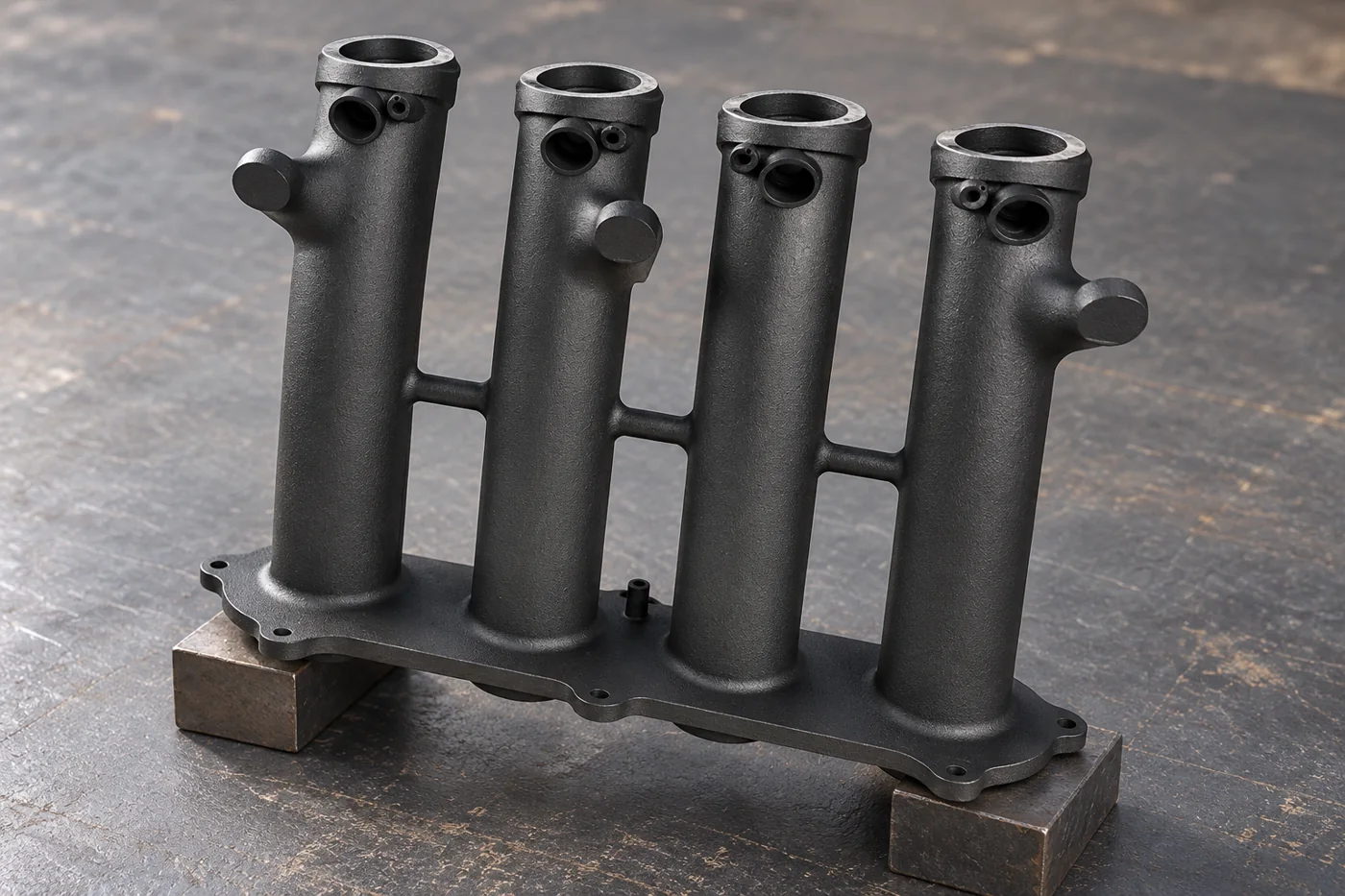
The cleanliness record names the accepted component state
Tie the record to the part number, drawing revision, manufacturing stage and batch or sample identity. State the included internal regions, selected method, result and acceptance reference. A result without the tested object and condition is difficult to apply at receipt.
Separate component evidence from fluid-system evidence. ISO 4406-style contamination reporting describes fluid particle counts; component inspection addresses residue on relevant part surfaces. If both are required, keep the two records connected by the assembly plan without treating them as interchangeable certificates.
08A CLEARER CASTING PURCHASE
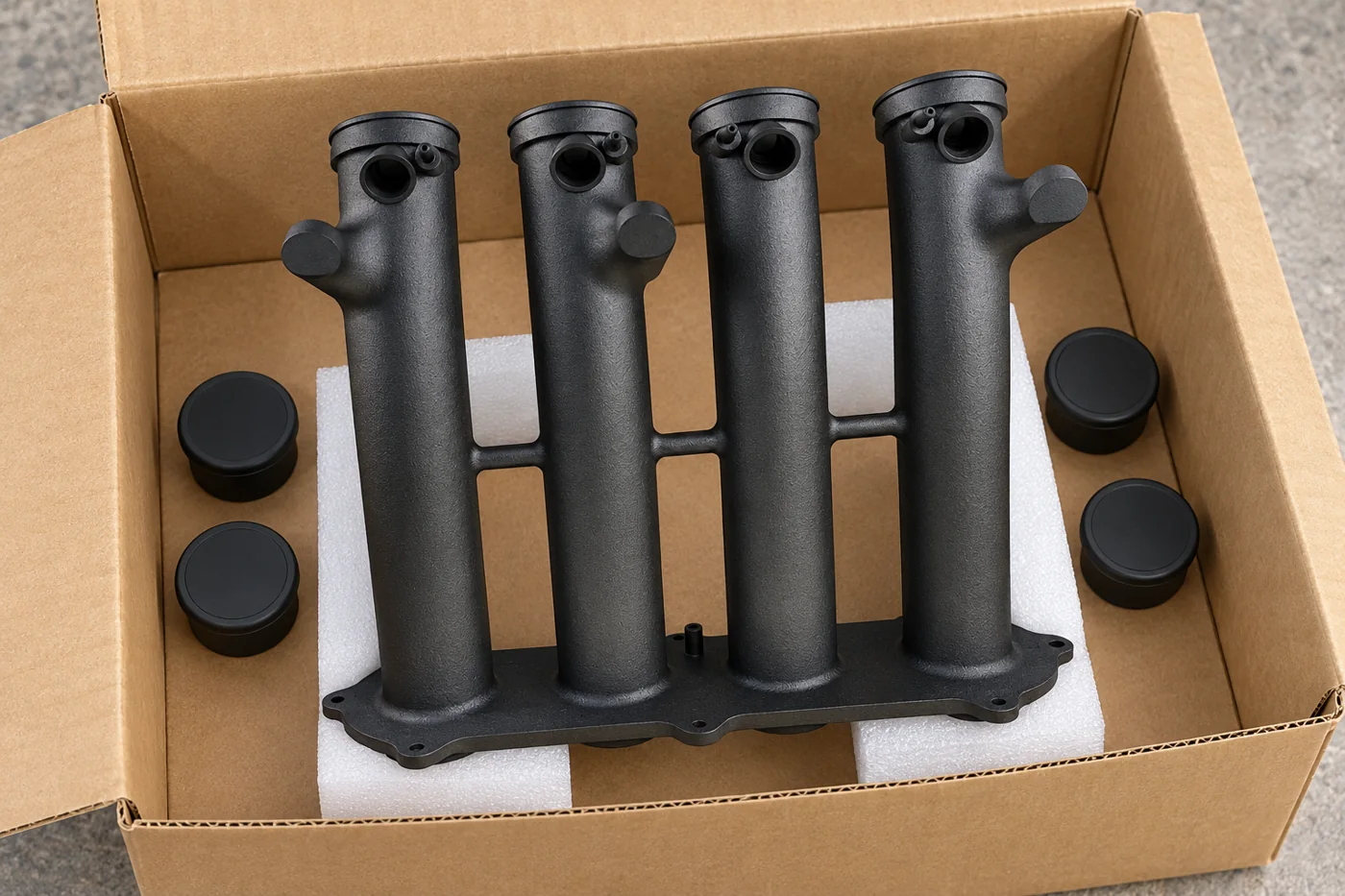
The clean state protected after acceptance
Our manifold packing options include bubble protection, cartons and wooden cases; the steel housing listing includes lined wooden boxes or pallets. Allocate protection so packing material and transport debris cannot enter accepted passages. Keep caps or guards compatible with the opening and easy to remove without leaving fragments.
Identify which temporary protection must be removed before use. If the receiver performs further cutting, blasting or washing, define responsibility for the next cleanliness release. This keeps the accepted condition meaningful through the whole handover.
- Protection
- Covered passages after acceptance
- Next operation
- Re-cleaning assigned if processing continues
09A CLEARER CASTING PURCHASE
The release point follows the last relevant operation
Place the final acceptance after the operations that can contaminate the included passages and before they become inaccessible in assembly. If a plug closes a cross-drilled passage, decide whether checking belongs before closure, after closure or at both defined stages.
For first parts, examine the feasibility of the method before applying it to repeat batches. Record any revised access or procedure as a controlled change. This turns an internal-cleanliness requirement into a manageable manufacturing decision rather than a demand that cannot be evaluated consistently.
- 0101Identify last chip-, sand- or media-generating operation
- 0202Validate access and selected inspection on the first component
- 0303Record final internal condition at the defined release stage
- 0404Protect openings and define any later re-cleaning responsibility
10A CLEARER CASTING PURCHASE
A component release that remains meaningful at your plant
A useful cleanliness handover tells your receiving team which surfaces were included, the processing state accepted, the method and the result. Relia can connect that agreed scope to the manifold or housing manufacture so it follows the same part revision as the material and geometry.
For a new part, use the inspected sample stage to establish that the proposed access and verification are practical before customer confirmation and batch production. If your plant later cuts another port, removes a closure or blasts a surface, carry the resulting re-cleaning and acceptance responsibility into the next operation. That keeps the original record attached to a real component condition.
11 YOUR NEXT STEP
Bring your component into the conversation
Tell us which component you need, the material, quantity and required supplied condition. Relia will connect your enquiry with the casting, machining and evidence relevant to that part.
Technical reading and scope
Technical references explain the process. Component specifications and agreed order records define the actual supply.
ISO 16232 — component particulate cleanlinessHydraulic fluid particle-contamination reporting- [email protected]
- Phone
- +86 18561762631
- +1 404 203 0971
- Company and address
- Qingdao Relia Industries Co., Ltd.
Shuyuan Road, Qingdao, Shandong, China