
01A CLEARER CASTING PURCHASE
High-Chromium Iron Castings for Abrasive Duty
Match the wear casting to the contact, movement and impact in your equipment. Relia offers high-chromium cast-iron sand-casting enquiries with selected machining and painting. Specify the working surface, mounting features and required material condition. This gives the quotation a component-specific basis and keeps material wear performance separate from the fit and finish needed to install the part.
- Duty
- Contact + movement + impact
- Material
- Specified high-chromium iron
- Supply
- Working body + mounting fit
02A CLEARER CASTING PURCHASE
Abrasive contact and impact are described separately
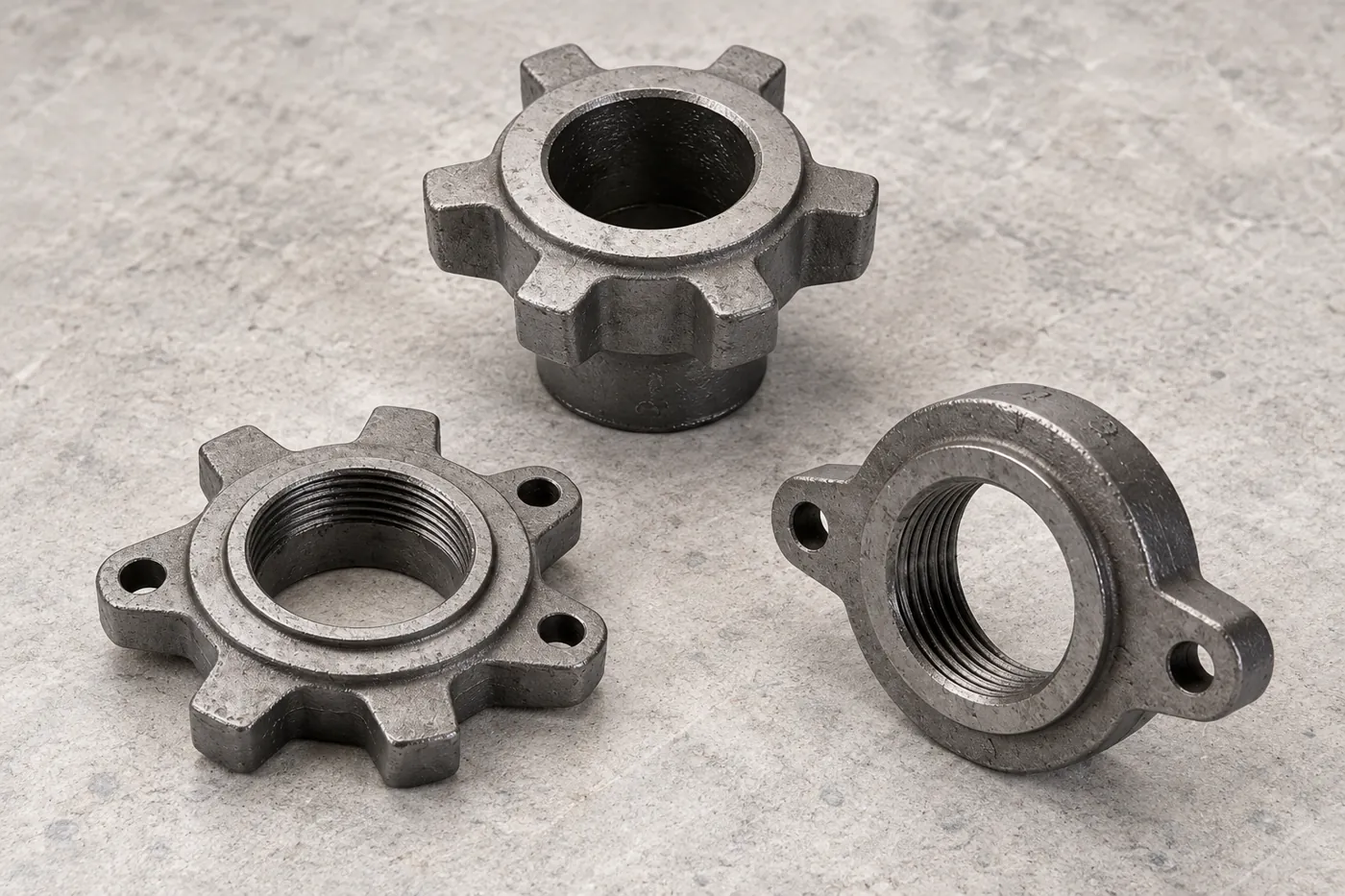
Relia’s high-chromium iron offering is a selected component scope, separate from the catalogue’s grey-iron choices. We connect the proposed casting and finishing sequence to your actual wear and mounting requirements; real production photographs and material reports can support the supplier discussion.
Record the contacting particles or material, its movement across the surface and the location where loss occurs. Sliding, particle impact and repeated heavy loading can produce different combinations of wear and cracking. Include temperature, wet service or corrosive media where they are relevant to the application.
Technical wear guidance identifies material hardness, load, speed and changing loads as influencing factors. Use those categories to explain your service rather than assigning a cause from a single photograph. The replacement brief becomes more useful when it distinguishes steady material removal from chips or cracks caused during a different operating event.
03A CLEARER CASTING PURCHASE
Carbide wear resistance requires the right material condition
Abrasion-resistant white irons use a microstructure that includes hard constituents within a surrounding matrix. The selected chemistry and delivered condition therefore matter alongside a hardness requirement. A high-chromium description should become a complete grade and governing specification before production.
ASTM A532 is one example of a specification family for alloyed abrasion-resistant white irons, with distinct class/type and supplied conditions. It is a selection reference, not an automatic compliance claim for this product. If your design uses it or another document, retain the exact grade, required condition and relevant acceptance characteristics on the order.
| Material input | Order definition |
|---|---|
| Material identity | Selected high-chromium iron grade and complete governing specification. |
| Delivered condition | As-cast or specified treatment state applicable to that grade. |
| Acceptance | Required chemistry, hardness and any other specified structure or property evidence. |
| Different iron family | Grey iron remains a distinct material selection, not a substitute label. |
04A CLEARER CASTING PURCHASE
Working faces and mounting regions have different needs
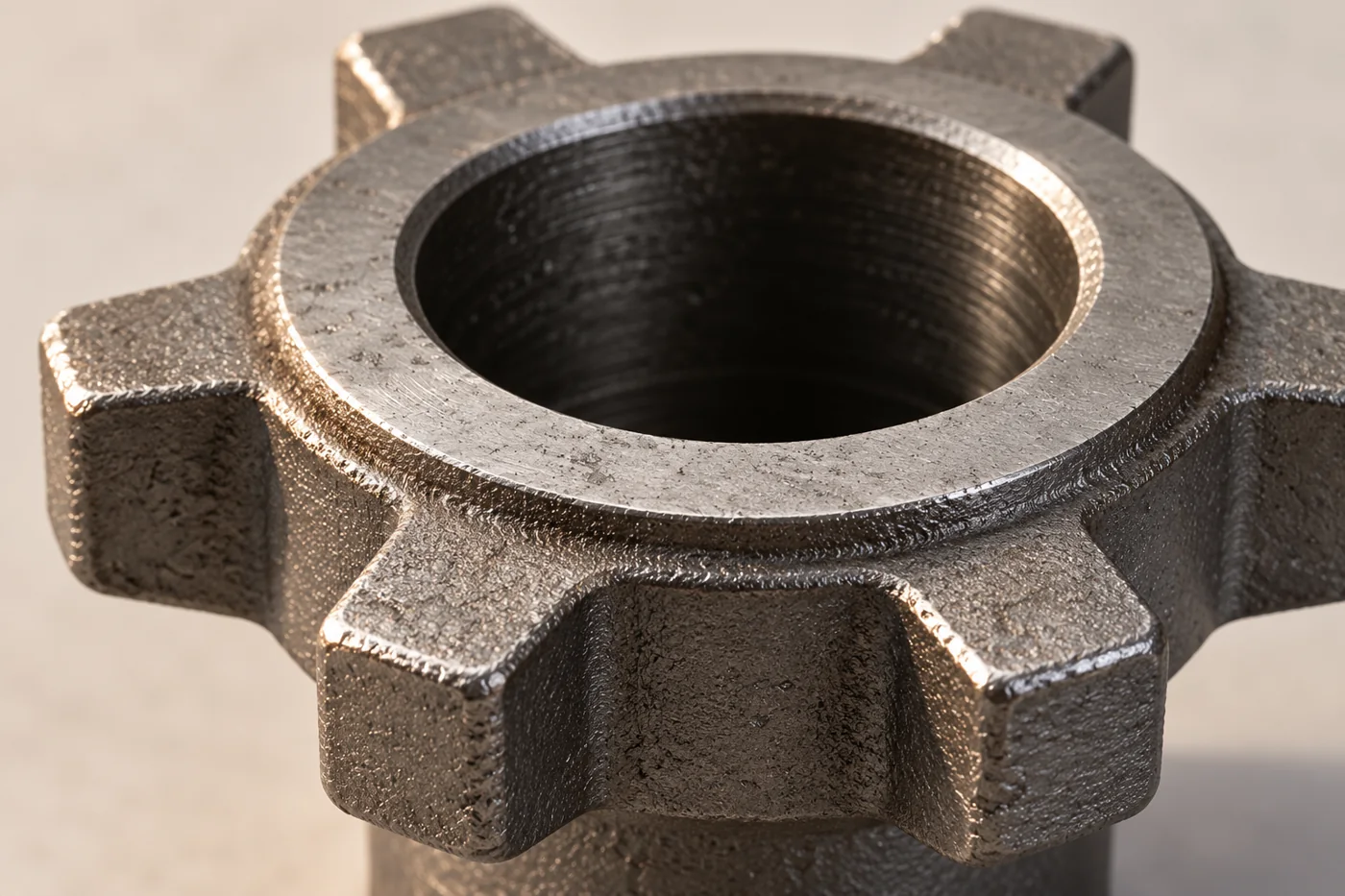
Map the surfaces that lose material in service separately from the bore, flange, thread or seating face that connects the part to the machine. The working surface needs the approved profile and material condition. The mounting region needs its fit, contact and geometric relationships preserved.
A material change may affect how those finished features are produced. Mark the minimum remaining section around fasteners and any areas where the design permits a change. This allows us to discuss the casting and optional machining scope while keeping the attachment geometry attached to the actual equipment drawing.
05A CLEARER CASTING PURCHASE
Machining and treatment form one practical route
The proposed sequence should identify when mounting features are produced relative to the selected material condition. A hard wear casting and a softened intermediate condition present different machining questions. The required final properties and dimensional checks belong at the delivered stage, not at an unspecified point during manufacture.
For each finished feature, state the required size, datum relationship and surface condition. Keep painting outside working or contact regions where the drawing requires it. Our catalogue’s casting, optional machining and painting scope can then be priced as a defined deliverable rather than leaving finishing decisions until after the blank is made.
- 01Cast shapeRetain working profile, mounting stock and controlled sections.
- 02Selected conditionIdentify treatment requirements for the chosen wear-iron specification.
- 03Finish featuresProduce the specified mounting geometry by the agreed sequence.
- 04Final checksInspect the material and dimensions in the accepted delivery condition.
06A CLEARER CASTING PURCHASE
Material approval and service trial use different evidence
Our listing states 100% inspection; the order gives that statement a practical meaning through named characteristics and records. Material evidence can identify chemistry and specified hardness locations. Dimensional evidence establishes the profile and mounting features. Neither alone measures wear performance in your process.
A trial should retain part identity, material condition and the operating conditions used for comparison. Measure profile or mass loss using a repeatable method and relate the result to processed quantity where practical. Also record cracks, installation behaviour and removal cause, so a lower wear rate is not mistaken for success if another failure mode has become dominant.
07A CLEARER CASTING PURCHASE
Installation constraints limit the alternative proposal
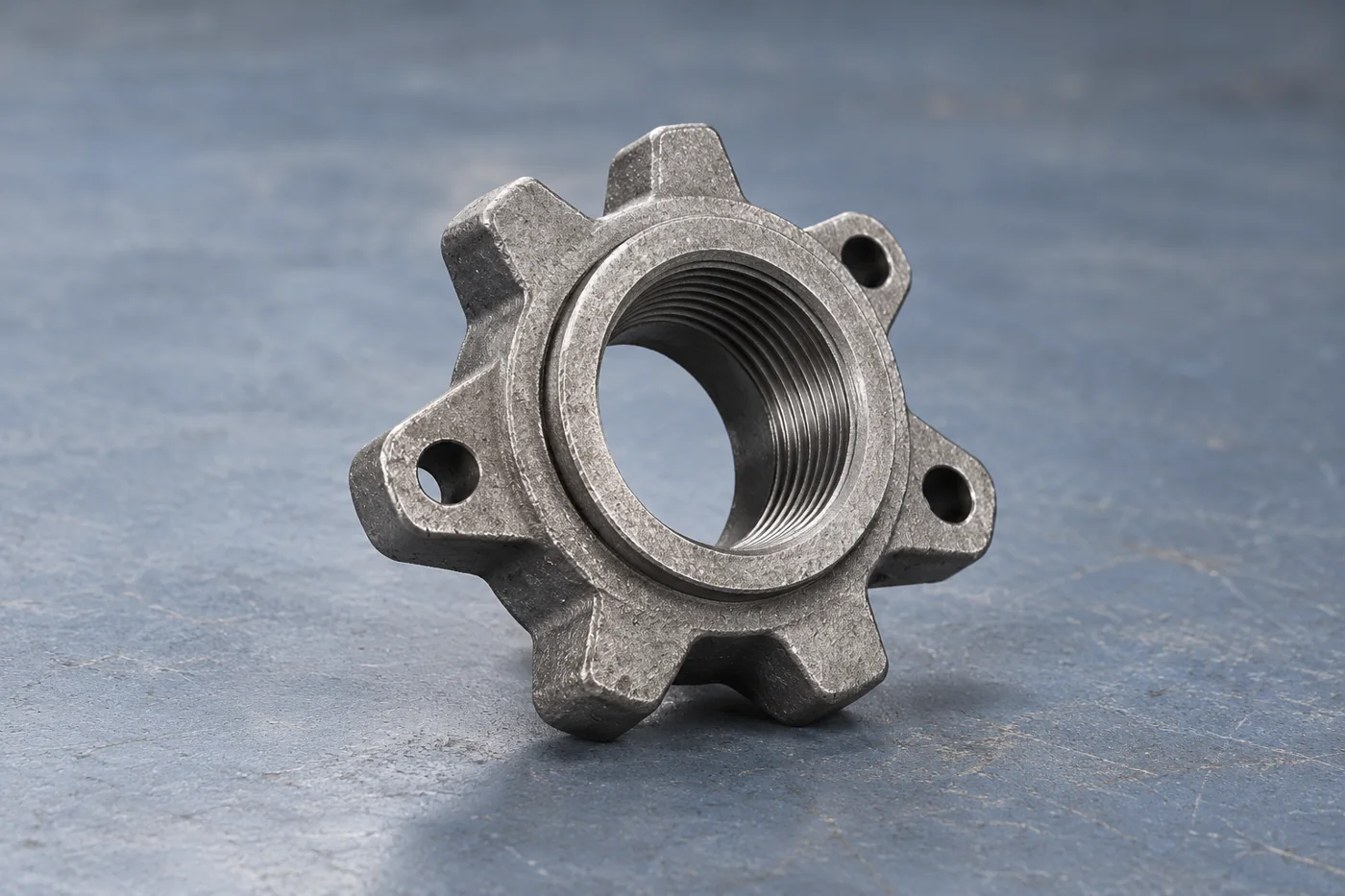
A replacement needs more than a matching outside outline. Keep the mounting flange, opening, hole pattern and neighbouring clearances on the controlled model. Identify which regions can change to improve manufacture or address wear, and which remain fixed by the machine interface.
If an alternative adds material at a wear zone, check its effect on installation and operation before release. The engineering decision may involve stiffness, movement, retained section or service clearance depending on the component. We review the casting around that approved geometry rather than infer that more mass or a harder material is always beneficial.
08A CLEARER CASTING PURCHASE
Trial data creates a controlled repeat-order choice
Start the trial with a documented new-part condition and predetermined observation points. Record operating changes so the result is not attributed entirely to the alloy when feed or settings have changed. Use the same measurement locations at each interval and retain the final condition when the component is removed.
The next order can retain the accepted version or adopt a specifically identified change. Separate a material change from a geometry change where possible, making its effect easier to interpret. This gives purchasing a usable comparison of performance, replacement work and component cost without promising an unmeasured service-life gain.
- 0101Record the new part’s grade, condition and profile measurements.
- 0202Track service, throughput and meaningful operating changes.
- 0303Measure wear and document the final removal condition.
- 0404Release the selected material and geometry version for repeat supply.
09A CLEARER CASTING PURCHASE
Packing retains the trial and material identity
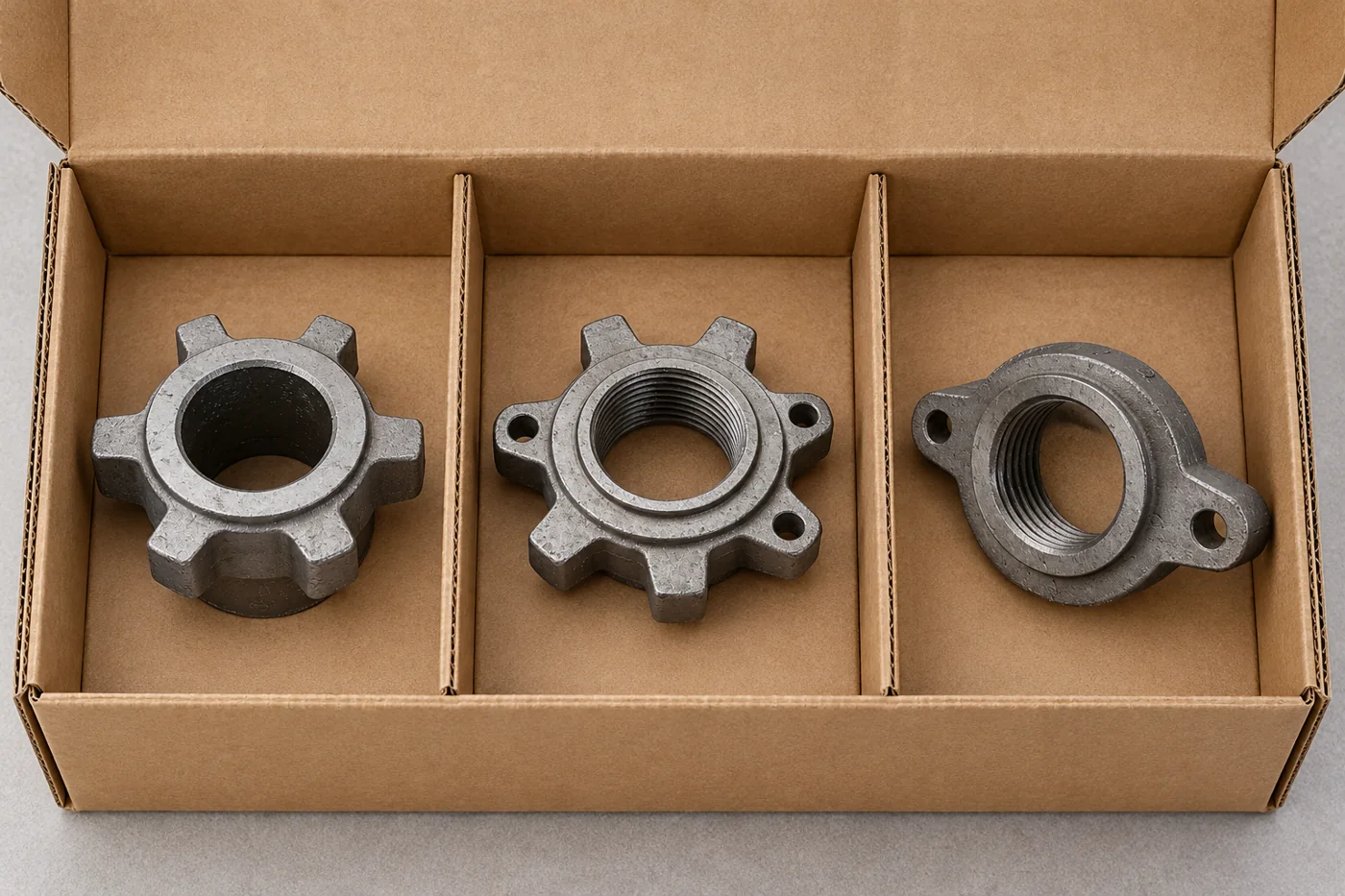
Visually similar castings may belong to different material proposals or trial revisions. Keep those identities distinct in the pack list and at the agreed component or batch level. Protect machined contacts and separate heavy edges that could chip or damage another piece during transport.
Where painting is ordered, identify the approved coverage and retain any required access to markings or inspection areas. The receiving inspection should be able to connect each supplied version to its records before installation. That prevents a handling or identification error from making a carefully planned material comparison inconclusive.
10A CLEARER CASTING PURCHASE
A wear-iron quotation includes the decision evidence
Send the controlled component drawing with the contact and operating brief, known baseline material and replacement history. Identify the selected high-chromium iron specification, supplied condition and finished interfaces. Add sample and repeat quantities, inspection characteristics and the intended service comparison.
We can review the sand-casting, machining and painting package against those requirements. A useful quotation states which material, dimensions and records the price covers, while the trial plan defines the later application decision. Your team can then compare suppliers on the same component and acceptance basis.
11 YOUR NEXT STEP
Bring your component into the conversation
Tell us which component you need, the material, quantity and required supplied condition. Relia will connect your enquiry with the casting, machining and evidence relevant to that part.
Technical reading and scope
Technical references explain the process. Component specifications and agreed order records define the actual supply.
ASTM A532: Abrasion-resistant cast iron scopeTechnical reference: Factors influencing wear- [email protected]
- Phone
- +86 18561762631
- +1 404 203 0971
- Company and address
- Qingdao Relia Industries Co., Ltd.
Shuyuan Road, Qingdao, Shandong, China