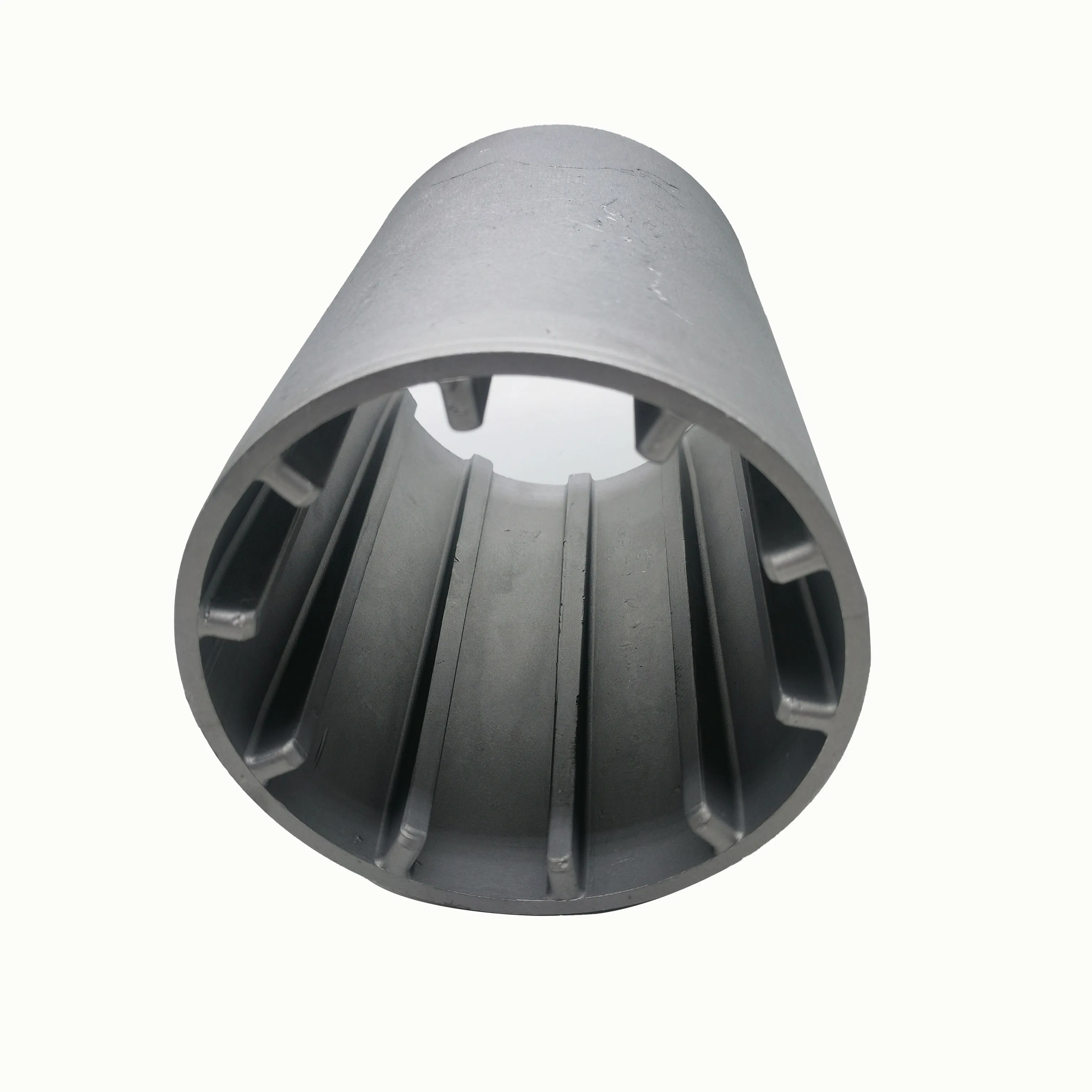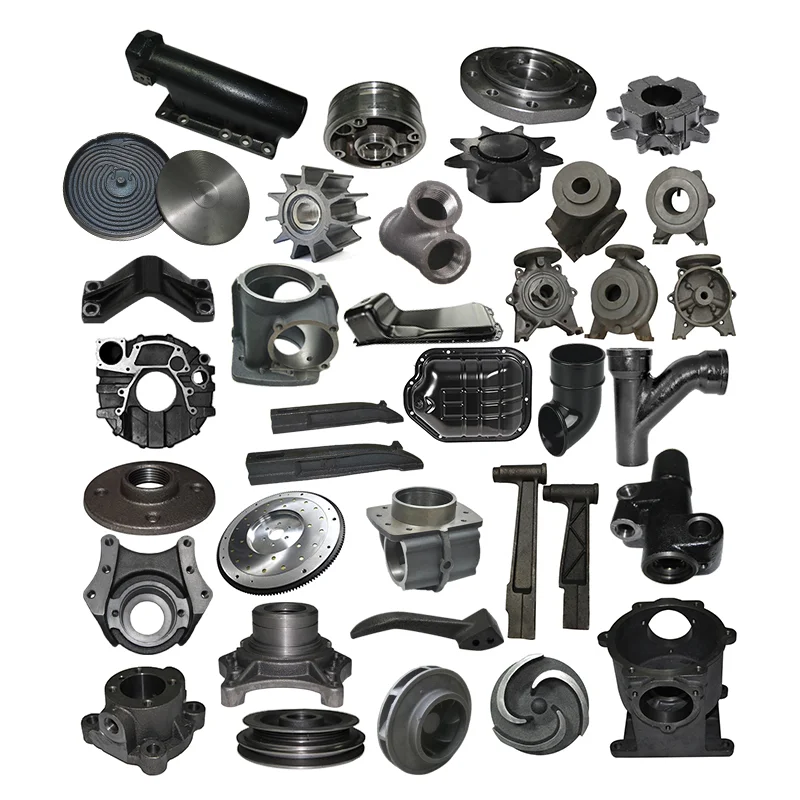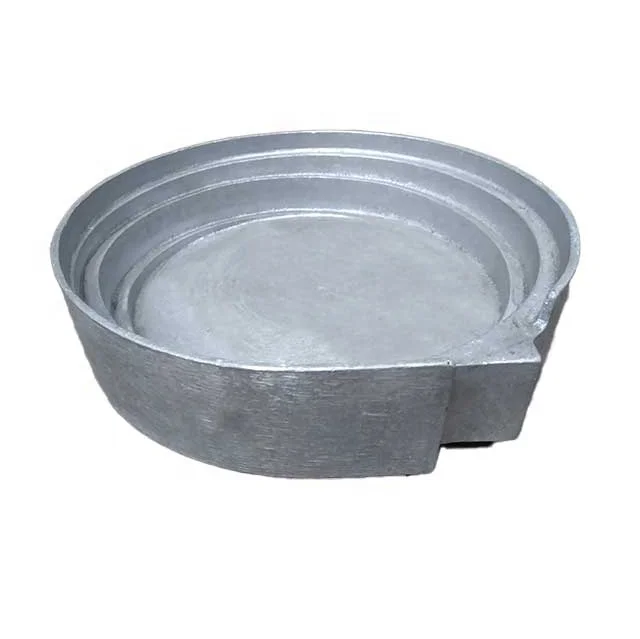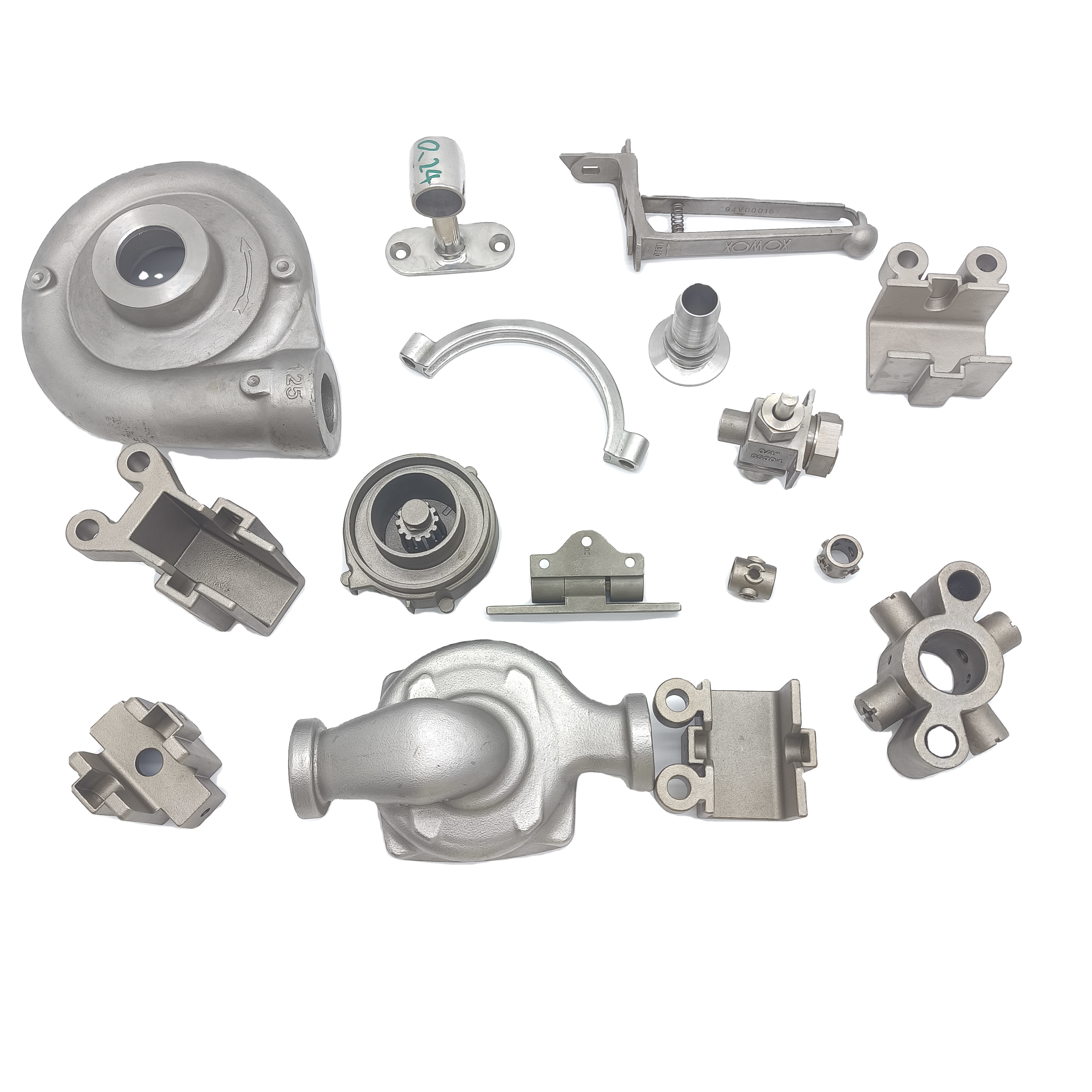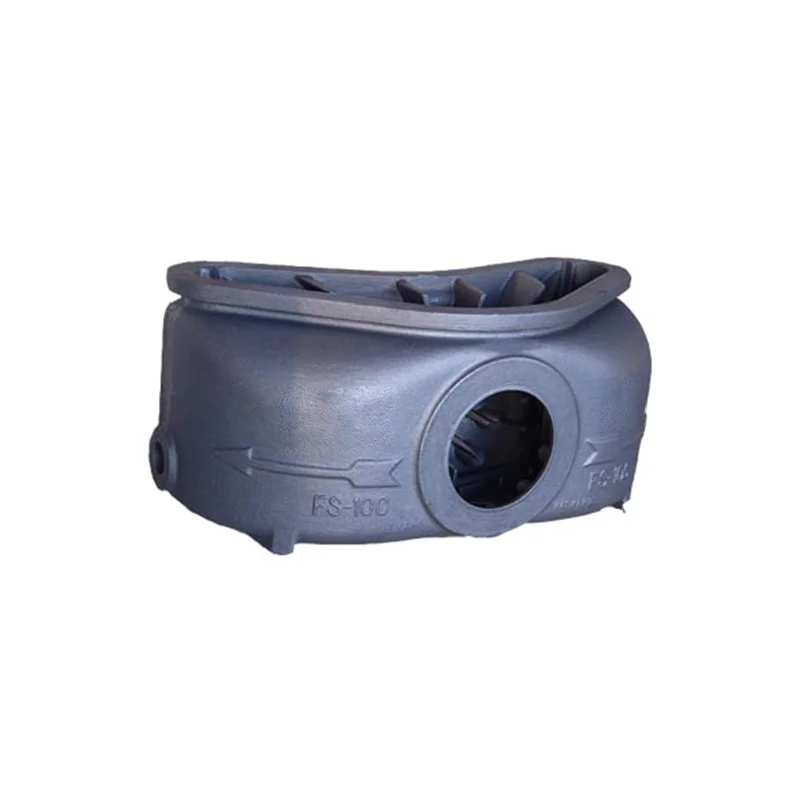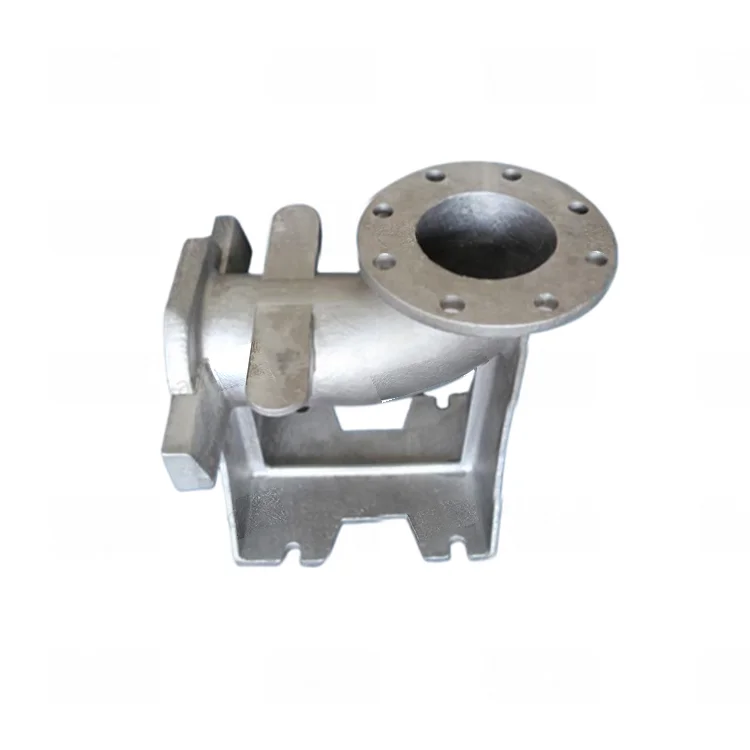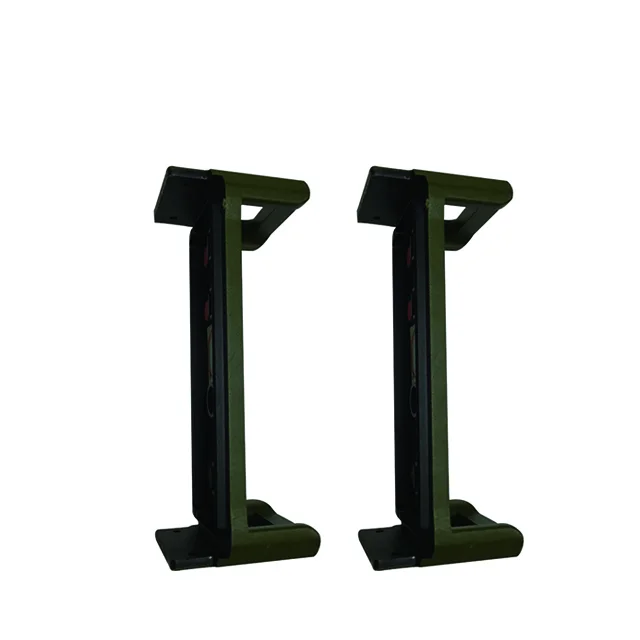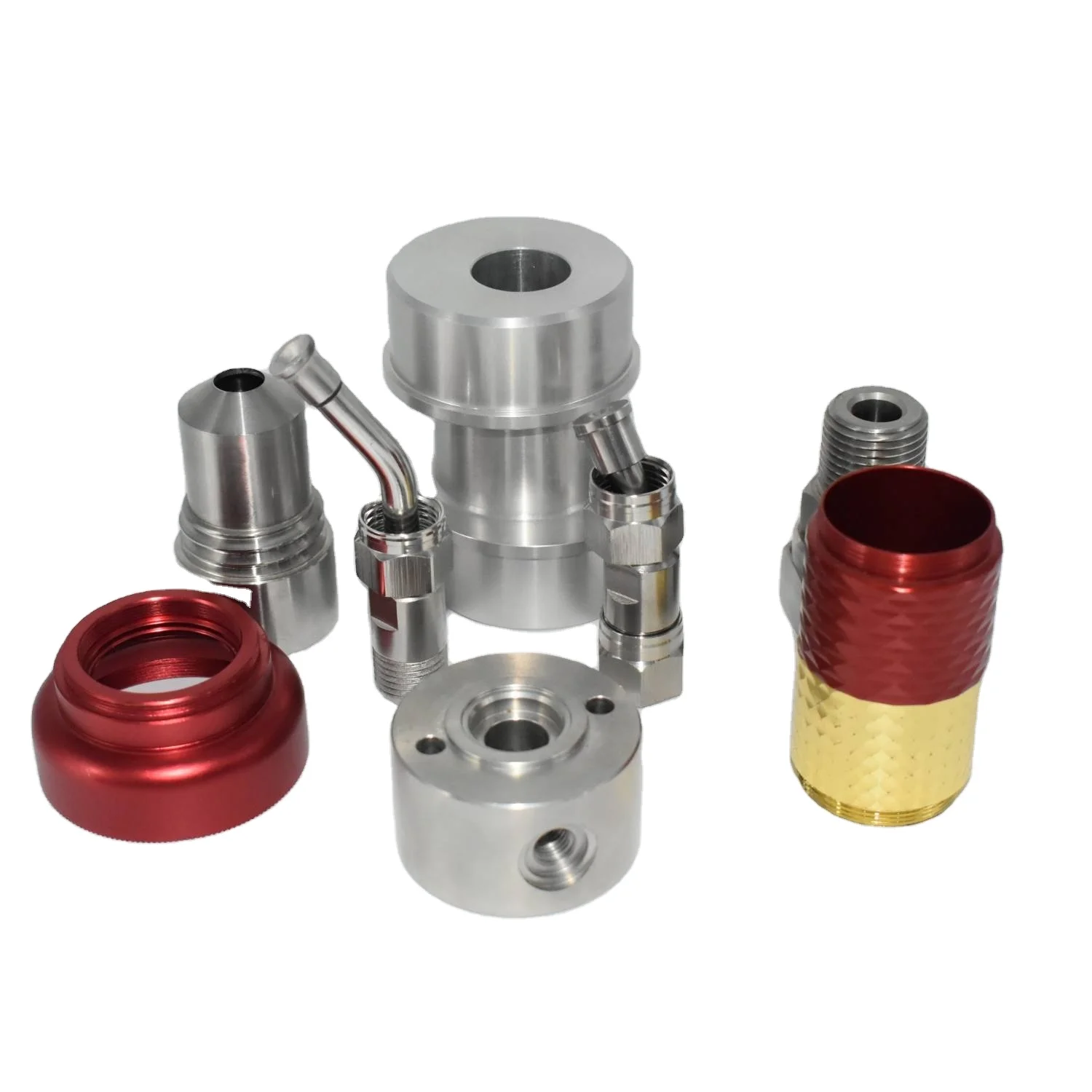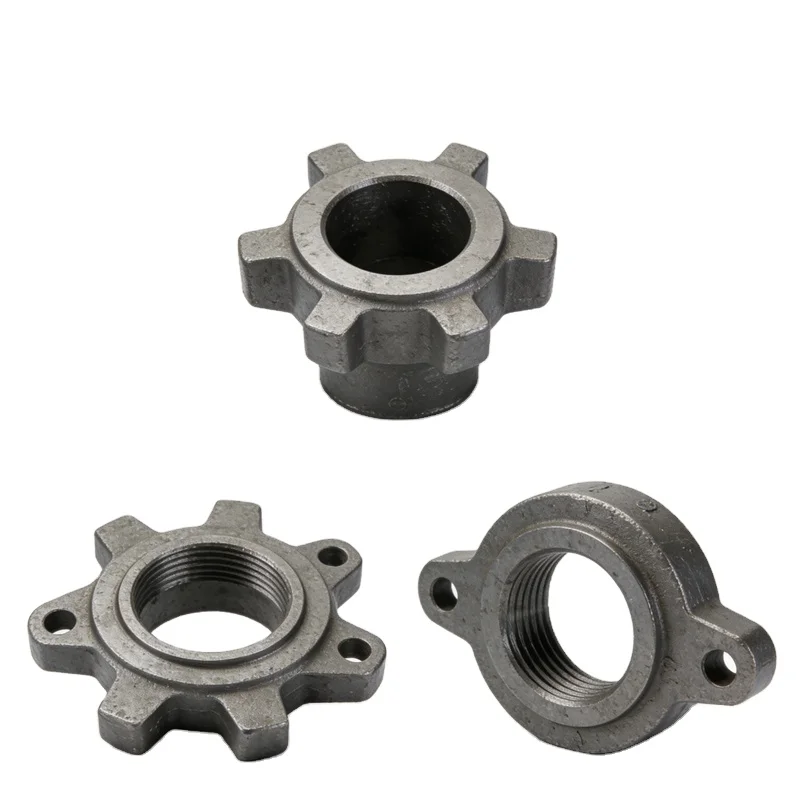
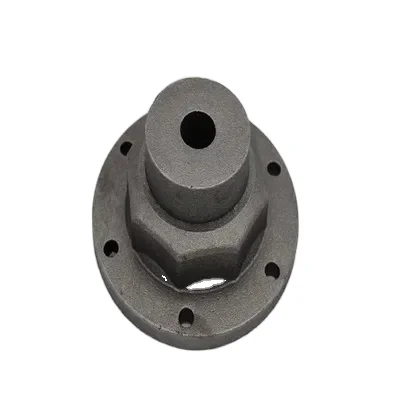
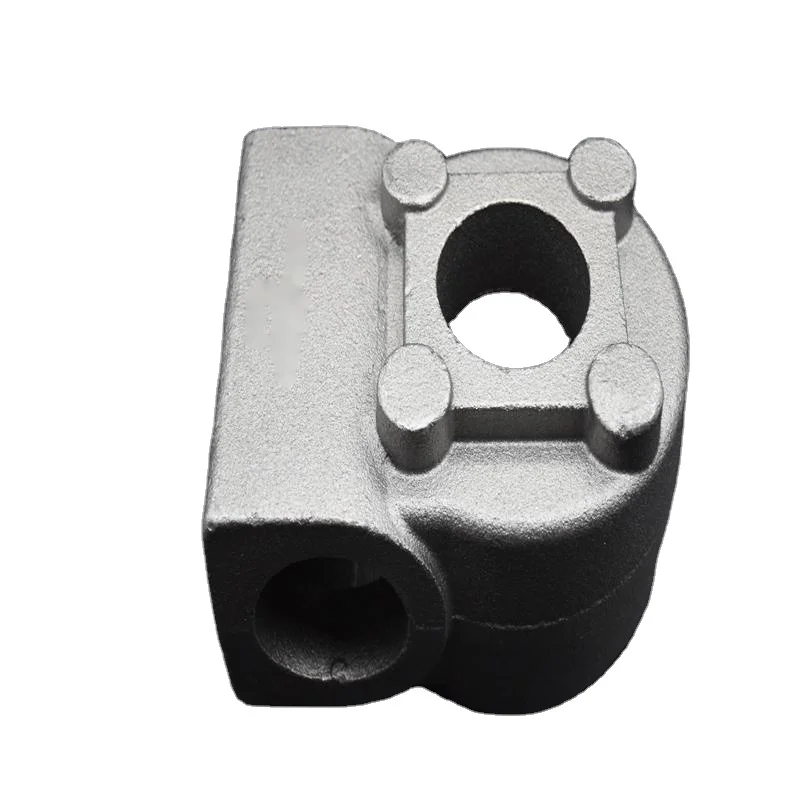
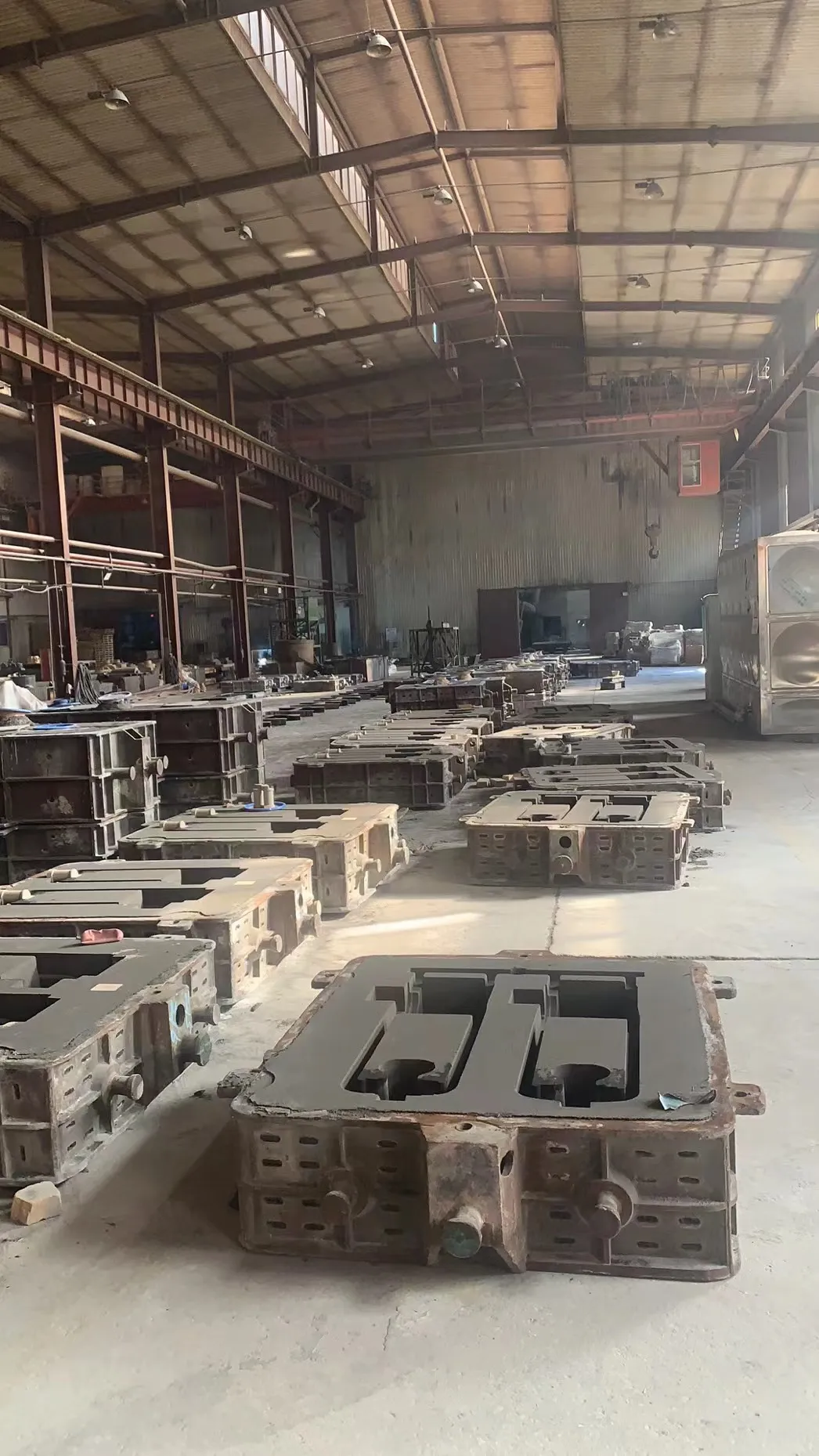
OEM ODM High Chrome Cast Iron Sand Casting Machinery Parts with Separate Grey Iron Components and Painting
Direct factory support
Get a quote that fits your project
Send your drawing or product reference, material grade and required quantity. Relia will review the requirements with you.
- Drawing & specification review
Confirm the supply scope and critical requirements.
- Samples before custom production
Review inspected samples before approving a batch.
- Inspection documents
Agree material and dimensional records for your part.
-
Product nameCustom cast iron parts
-
MaterialIron, metal, grey ironProcessCasting +Machining(if Need)+surface Treatment
-
Surface treatmentPaintingApplicationAgricultural/Industrial Machinery
-
DimensionCustomizedQuality Control100% Inspected /ISO9001 System
OEM/ODM high-chromium cast-iron sand-casting enquiries serve agricultural and industrial machinery components. Grey-iron parts are a separately specified material choice. Select the complete iron designation for the actual drawing, with customized dimensions and the material condition required by the machine duty.
Start with the working and mounting geometry
Identify the surfaces exposed to the intended service conditions and the interfaces that locate the part in its assembly. Mark the dimensions and datum relationships controlling those areas. Explain the application requirements relevant to material selection rather than treating different iron families as interchangeable grades.
Coordinate optional machining and painting
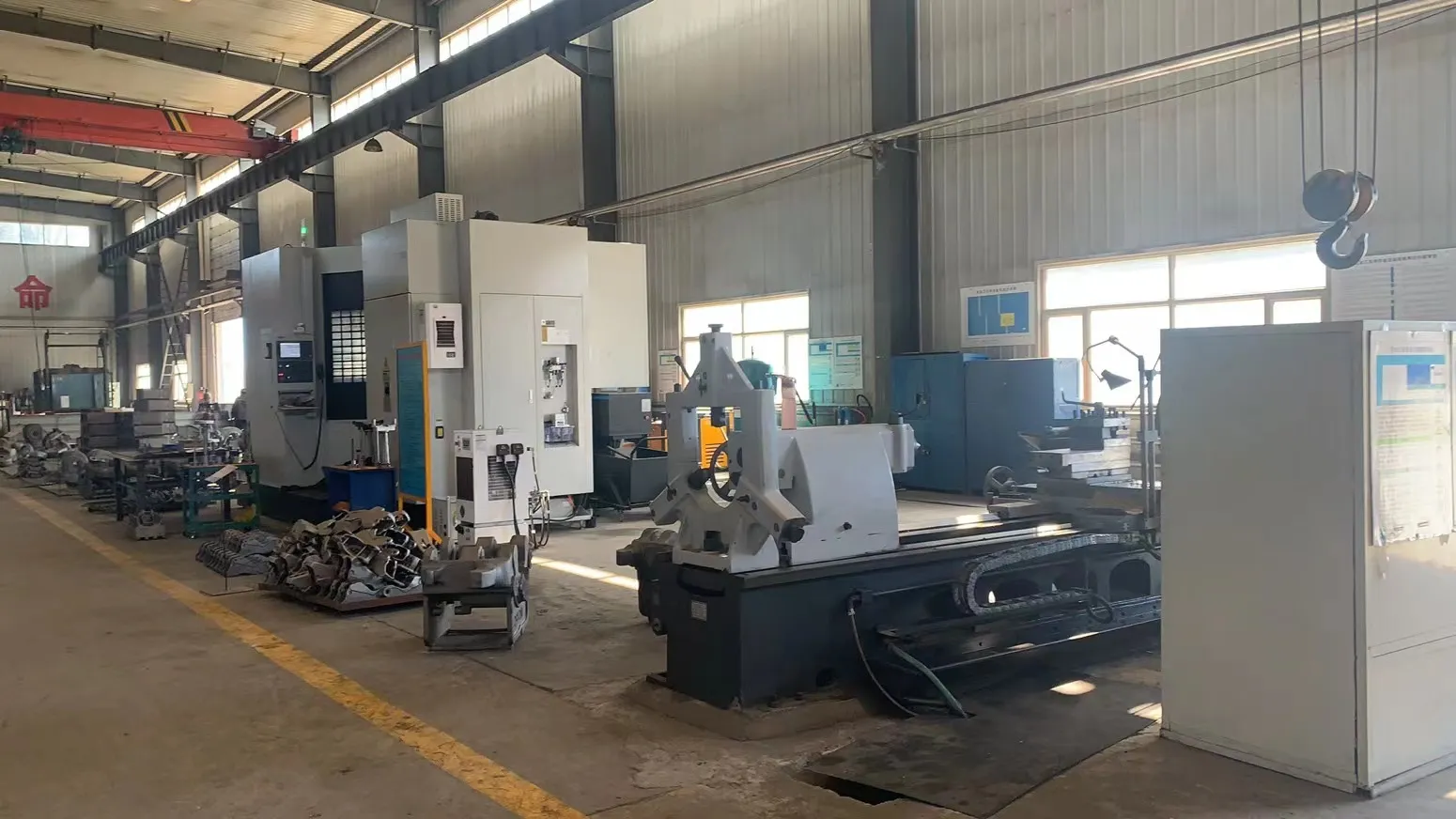
Machining can be included where needed for the component. Distinguish the interfaces requiring final work from those accepted in their cast state. Painting is the named surface treatment; define coverage, masking and the delivered condition of contact areas that need a particular fit or surface.
Tie inspection to machinery acceptance
The component’s stated 100% inspection should be organized around its agreed dimensions, selected iron and painted surface requirements. Define the actual checks, limits and records needed for the order. Identify applicable documentation for the ISO9001-system reference alongside those part-specific requirements.
Make repeat procurement consistent
Provide quantity and the controlled drawing revision, with any sample used to establish appearance or geometry clearly identified. Where a reference part shows service wear, distinguish that condition from the intended component definition. Keep approval and subsequent production connected to the same material, delivered interfaces and agreed acceptance criteria.