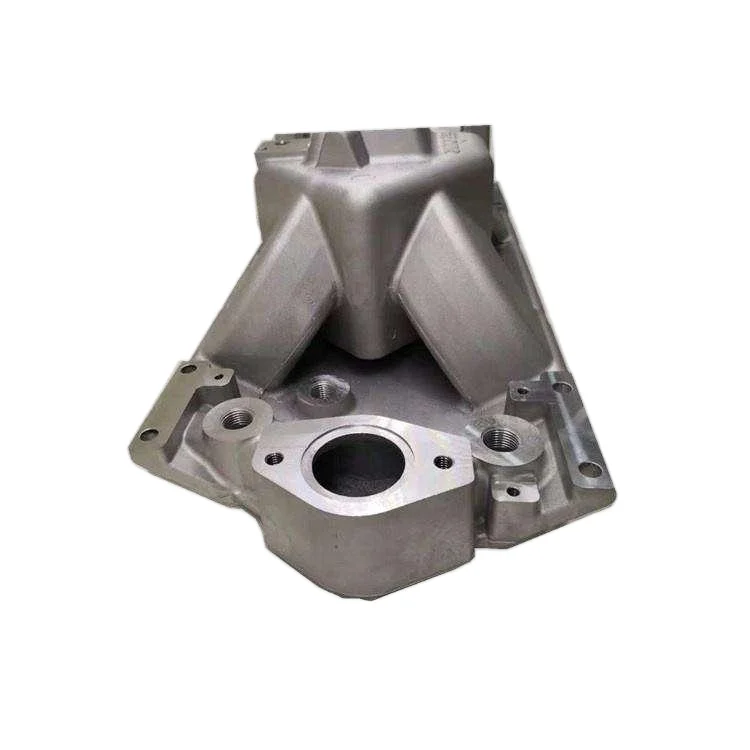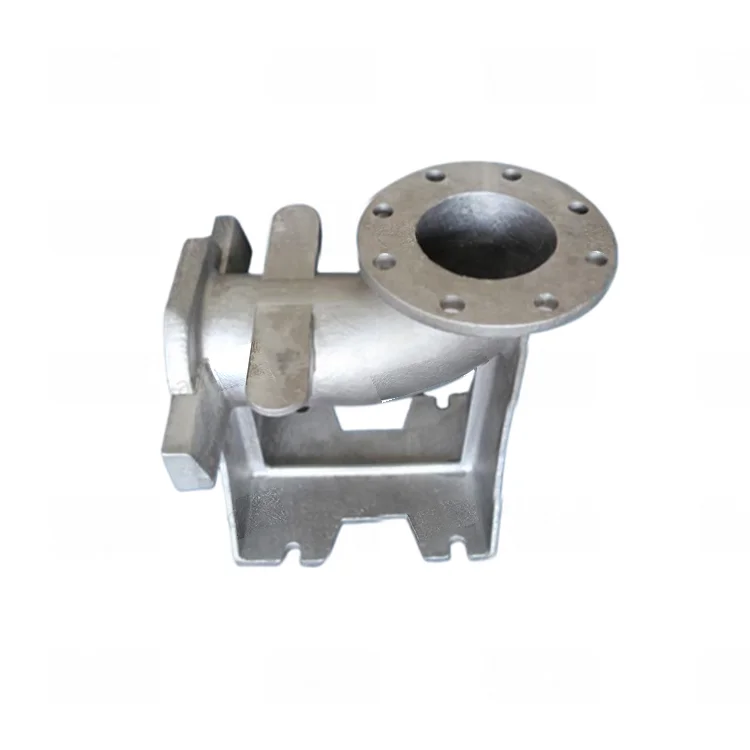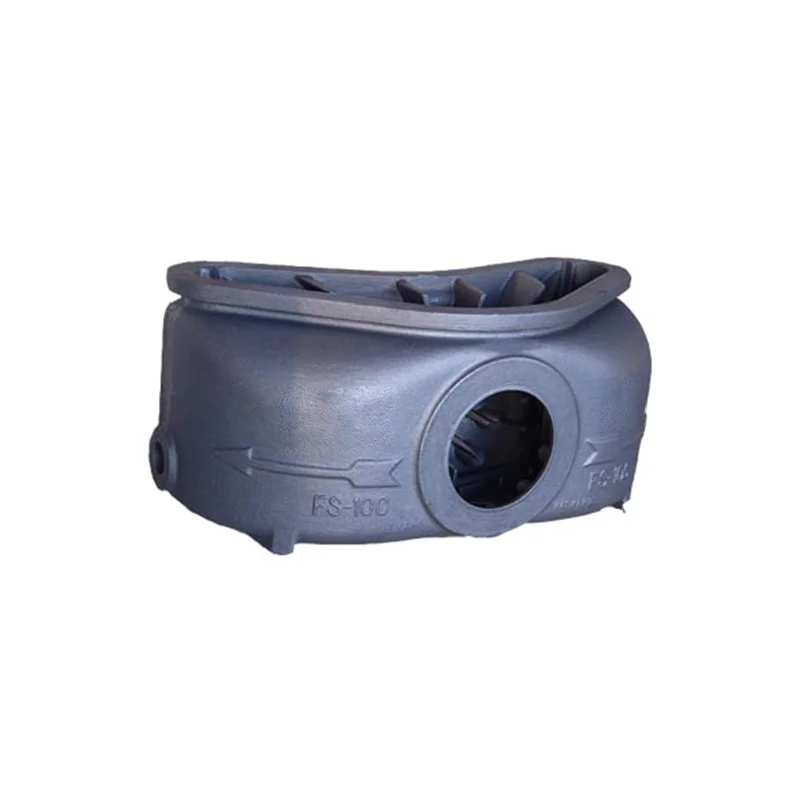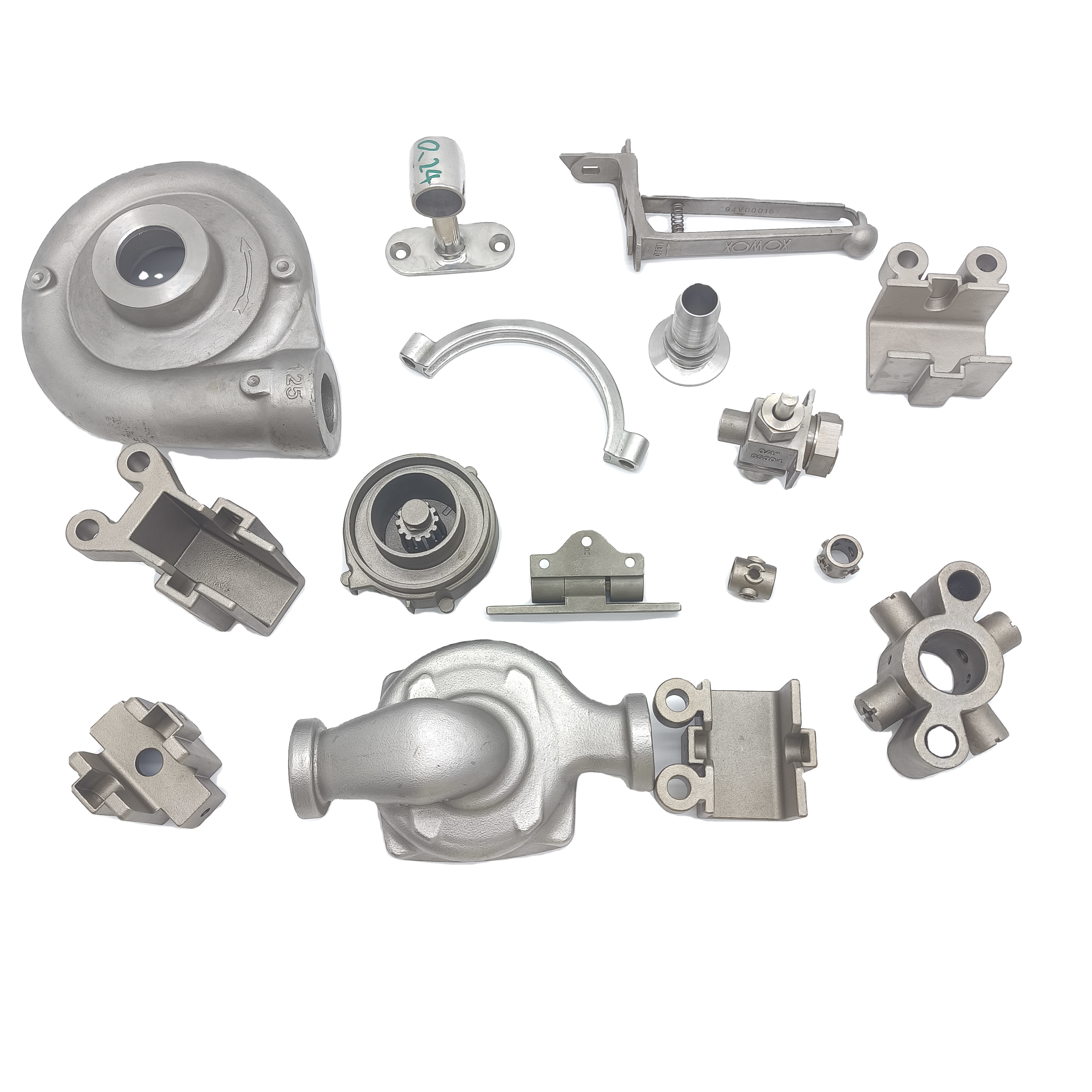
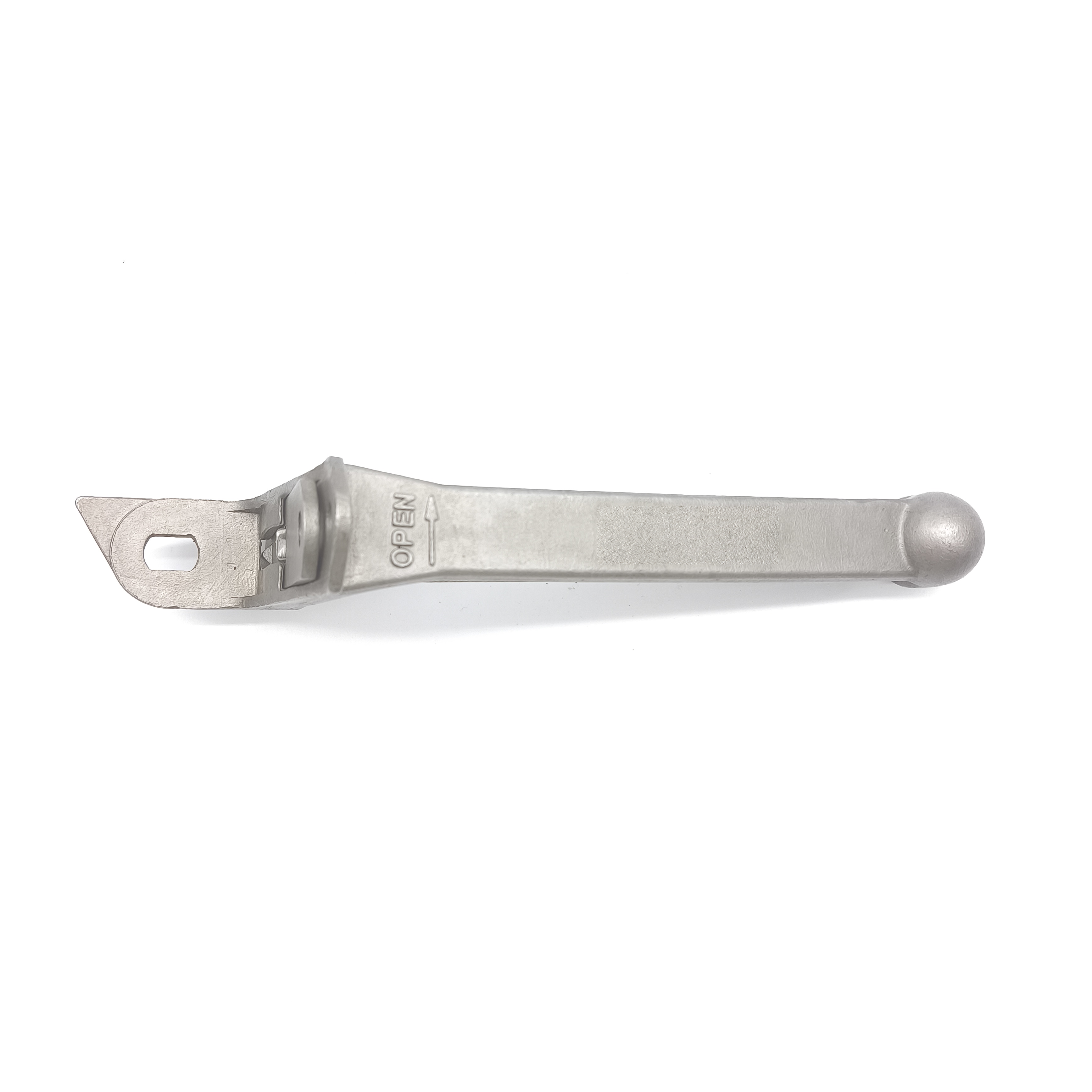
Customized Precision Castings in Stainless Steel, Carbon Steel, Zinc and Zinc Alloy: Pre-Coated Sand and Shell Casting Services
Direct factory support
Get a quote that fits your project
Send your drawing or product reference, material grade and required quantity. Relia will review the requirements with you.
- Drawing & specification review
Confirm the supply scope and critical requirements.
- Samples before custom production
Review inspected samples before approving a batch.
- Inspection documents
Agree material and dimensional records for your part.
-
MaterialStainless Steel,Carbon Steel,Aluminum,Iron, and etc.
-
ProcessPre-coated sand casting, shell castingOther Process3D printing/CNC machining/Molding/Surface treatment/Heat treatment
-
SizeCustomer's Drawing RequiredToleranceCT6
-
Surface roughness6.3-12.5 (Ra- μm)Drawing format2D/(PDF/CAD)3D(IGES/STEP)
-
Surface treatmentPainting,Powder Coating,Polishing, Electroplating, Shoot blasting,etc.CertificationISO9001:2015
-
Quality ControlStrictly 100% Inspection
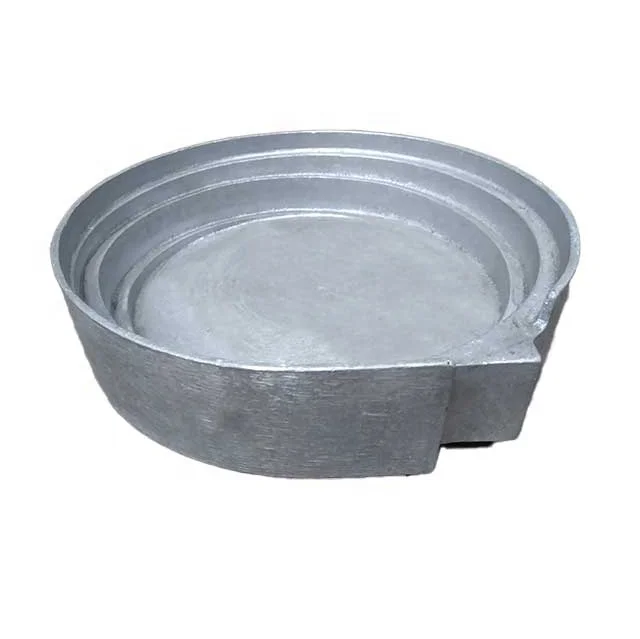
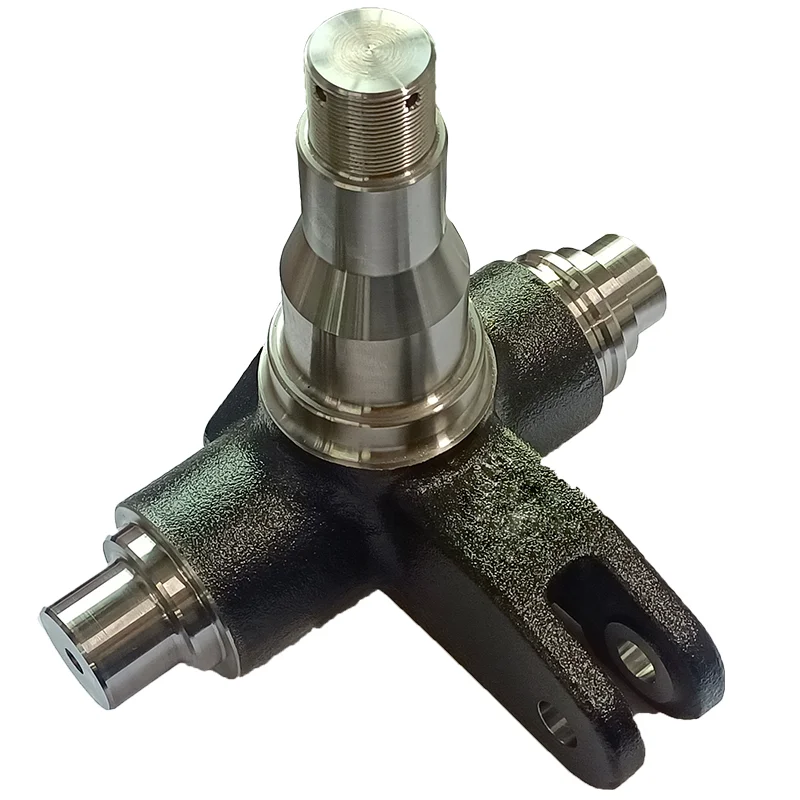
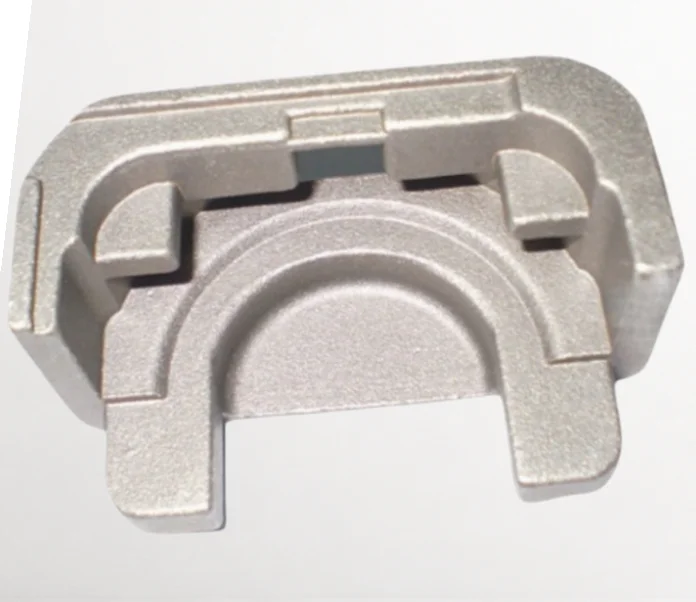
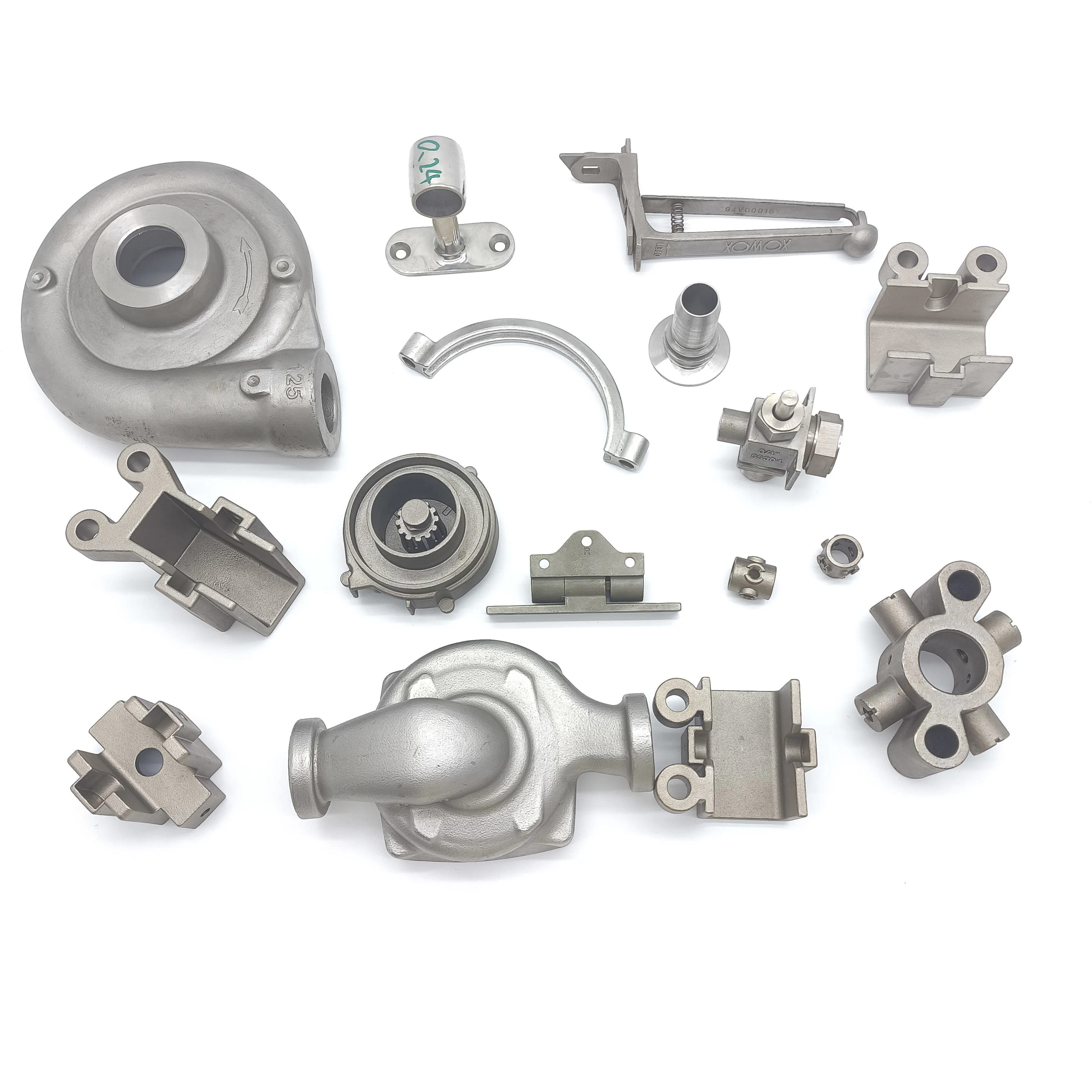
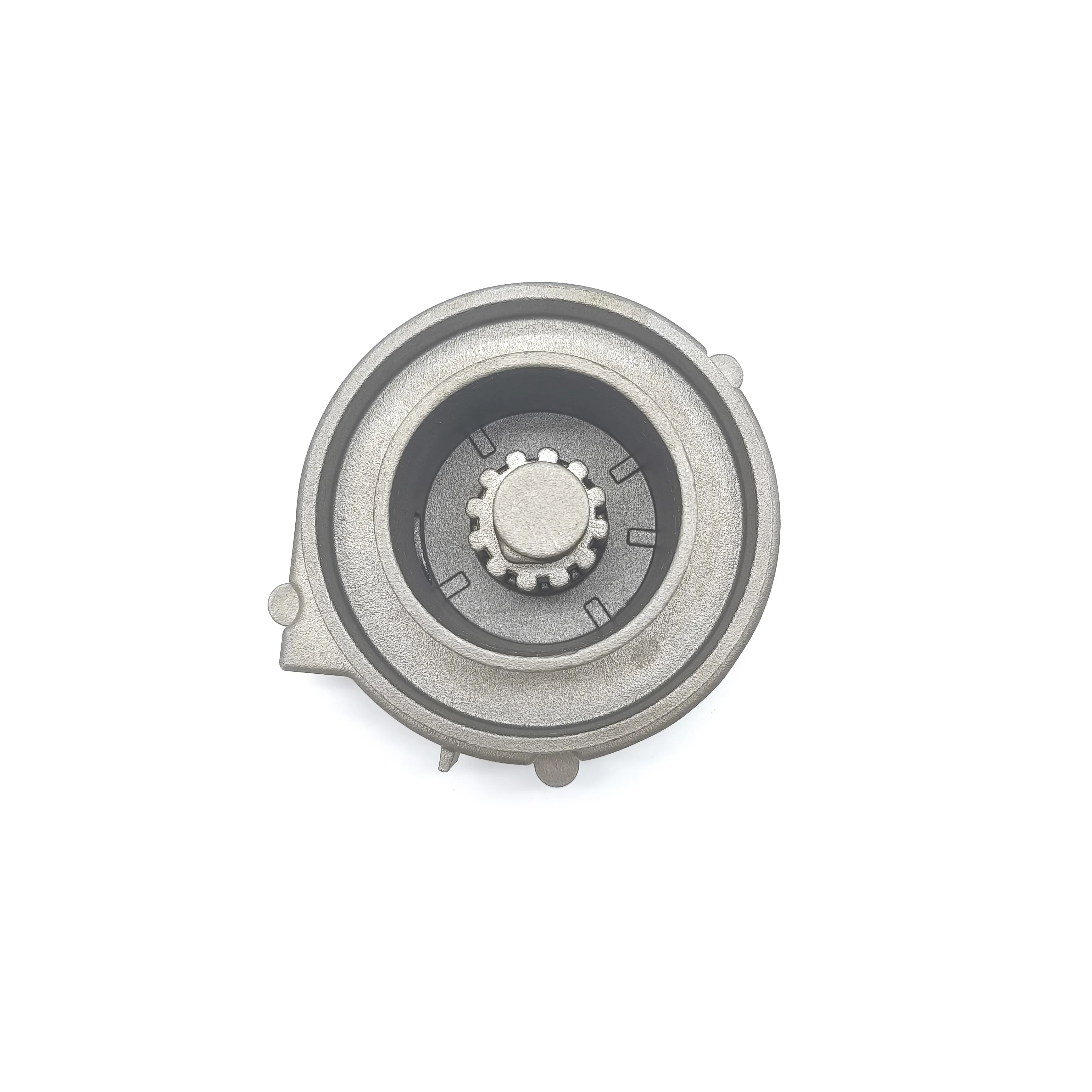
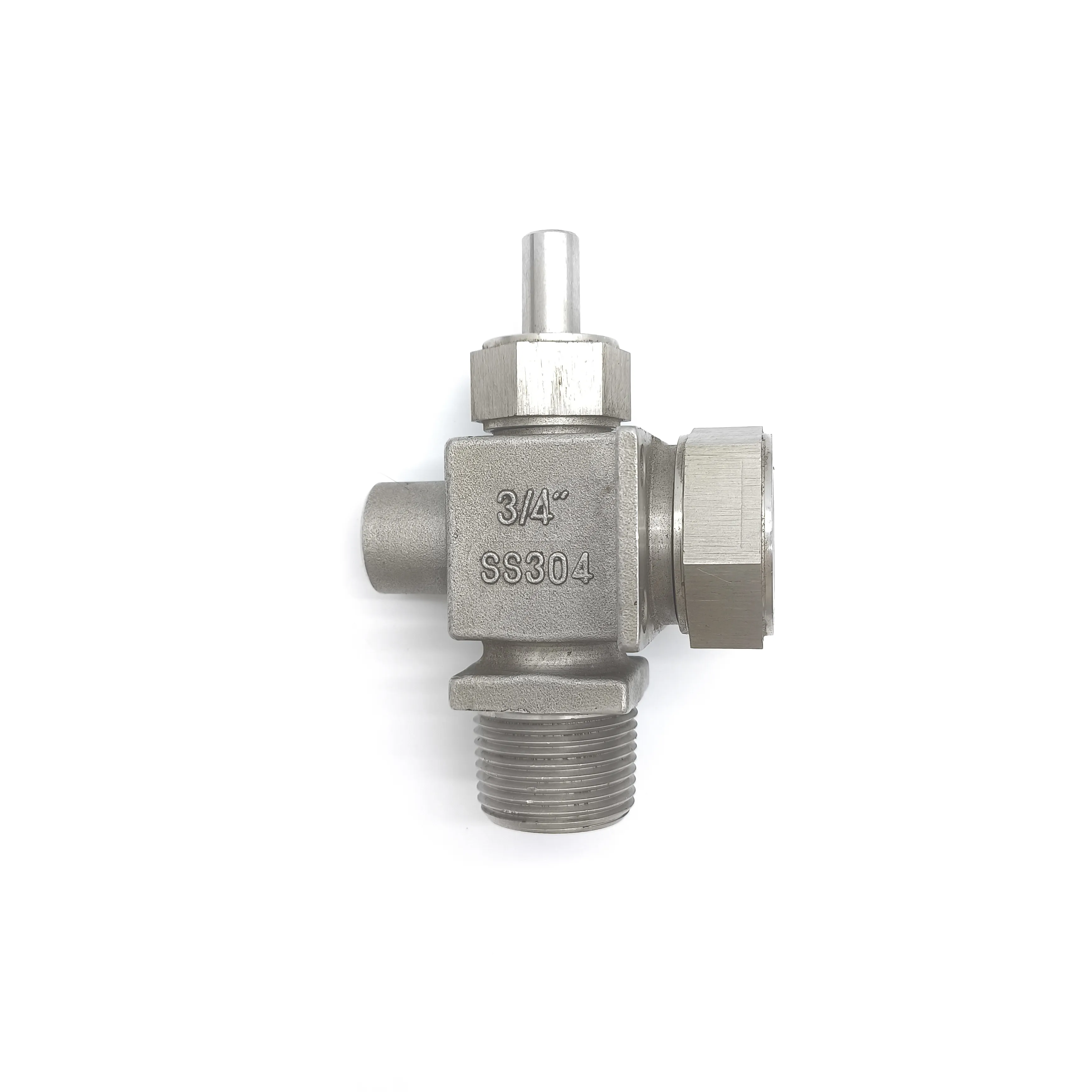
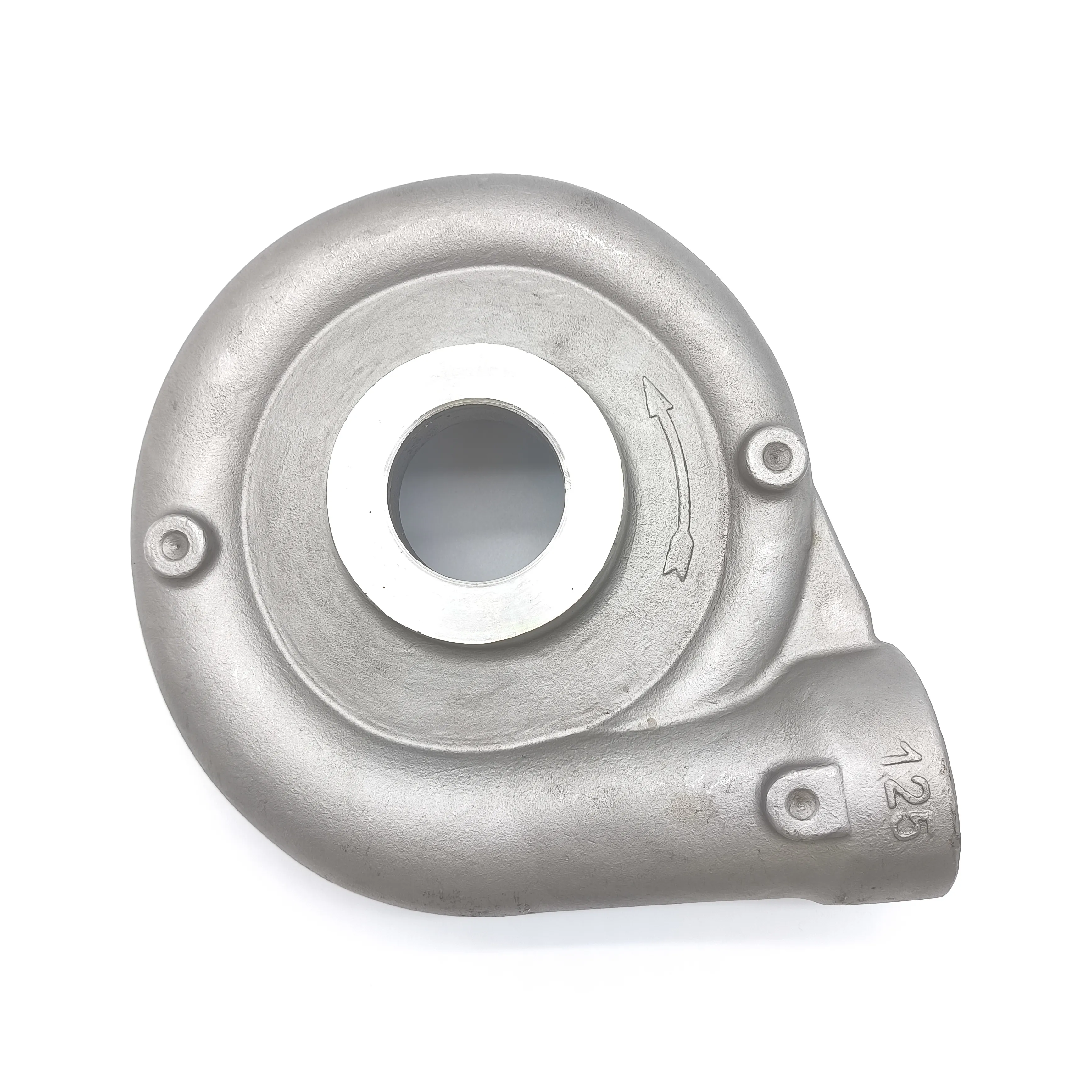
Pre-coated sand and shell casting should be specified around a finished component drawing. This custom service accepts stainless-steel, carbon-steel, aluminum, iron, zinc and zinc-alloy enquiries, with the actual material and casting route chosen for the individual part. Define the geometry and intended supplied condition before deciding which supporting processes belong in the order.
Set the shell-casting acceptance basis
The casting tolerance reference is CT6 and the surface-roughness range is Ra 6.3-12.5 μm. Identify the relevant surfaces and dimensions for those requirements, together with the standard and measurement basis used for acceptance. A part-specific drawing helps distinguish the casting-stage targets from any requirements assigned to later machining or finishing work.
Select supporting operations for the component
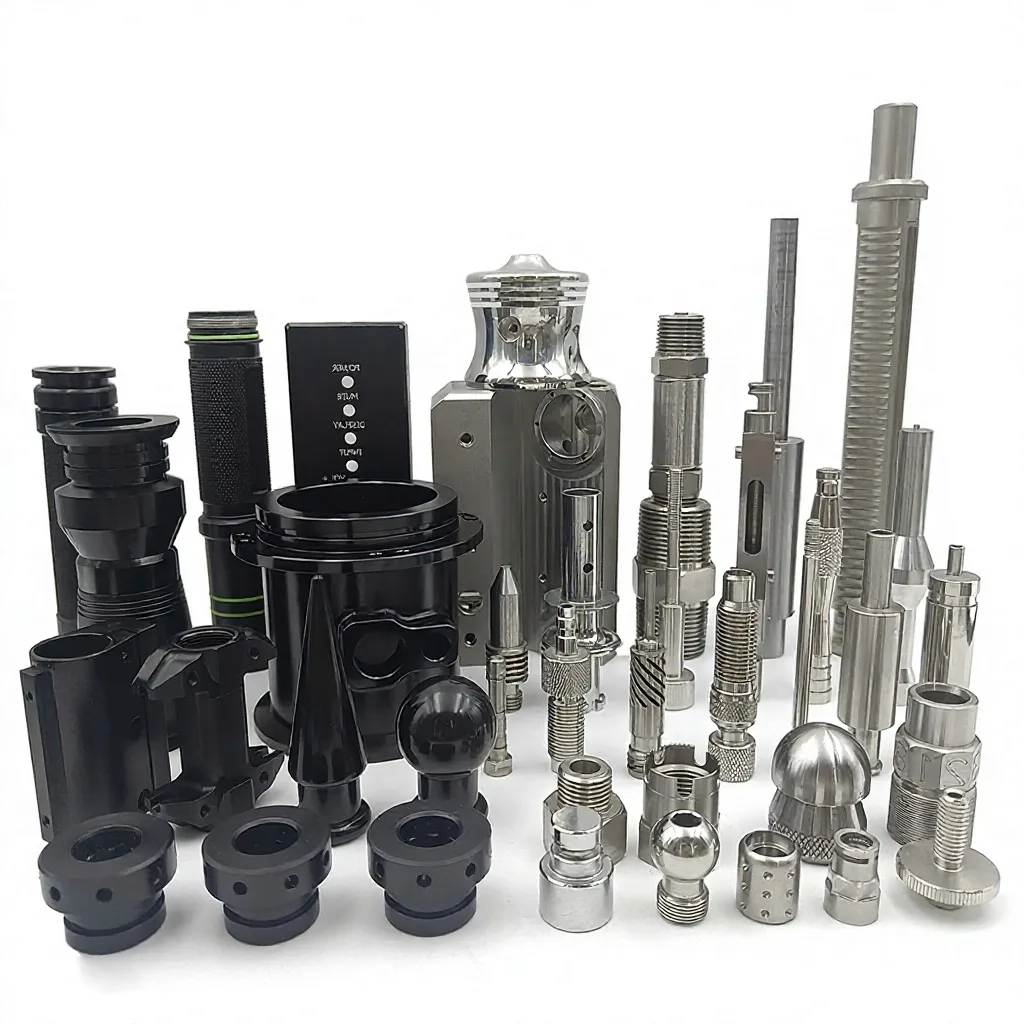
Additional process choices include 3D printing, molding, CNC machining, heat treatment and surface treatment. Agree the operations required by the selected material and geometry instead of assuming that every custom casting receives all of them. The proposed process scope should describe how the component reaches its intended finished condition.
- Painting and powder coating are available finish options.
- Polishing and electroplating provide further surface-treatment choices.
- Shot blasting is included in the finishing scope for discussion.
- The quality-control scope includes 100% inspection.
- 2D PDF/CAD drawings or 3D IGES/STEP models define the requested part.
Give the quotation a controlled geometry
Use the dimensional drawing to identify the critical requirements that accompany the component model. Include the chosen material grade, requested quantity and final finish so the shell-casting enquiry can be evaluated on one technical basis. For a custom metal part, those details connect the casting route and supporting work to the component the buyer intends to accept.