
01A CLEARER CASTING PURCHASE
Casting Batches for Several Overseas Plants
Buy one stable component definition while keeping each receiving plant’s releases and records clear. Relia supports custom steel and iron enquiries with inspection and export-packing requirements. Separate the common drawing, material and finished condition from destination labels and dispatch groups. This helps your plants identify what arrived and connect it with the appropriate production evidence when an issue needs attention.
- Common basis
- Drawing + material
- Plant schedule
- Release + destination
- Evidence
- Part-to-batch links
02A CLEARER CASTING PURCHASE
Keep the component common and the receiving rules local
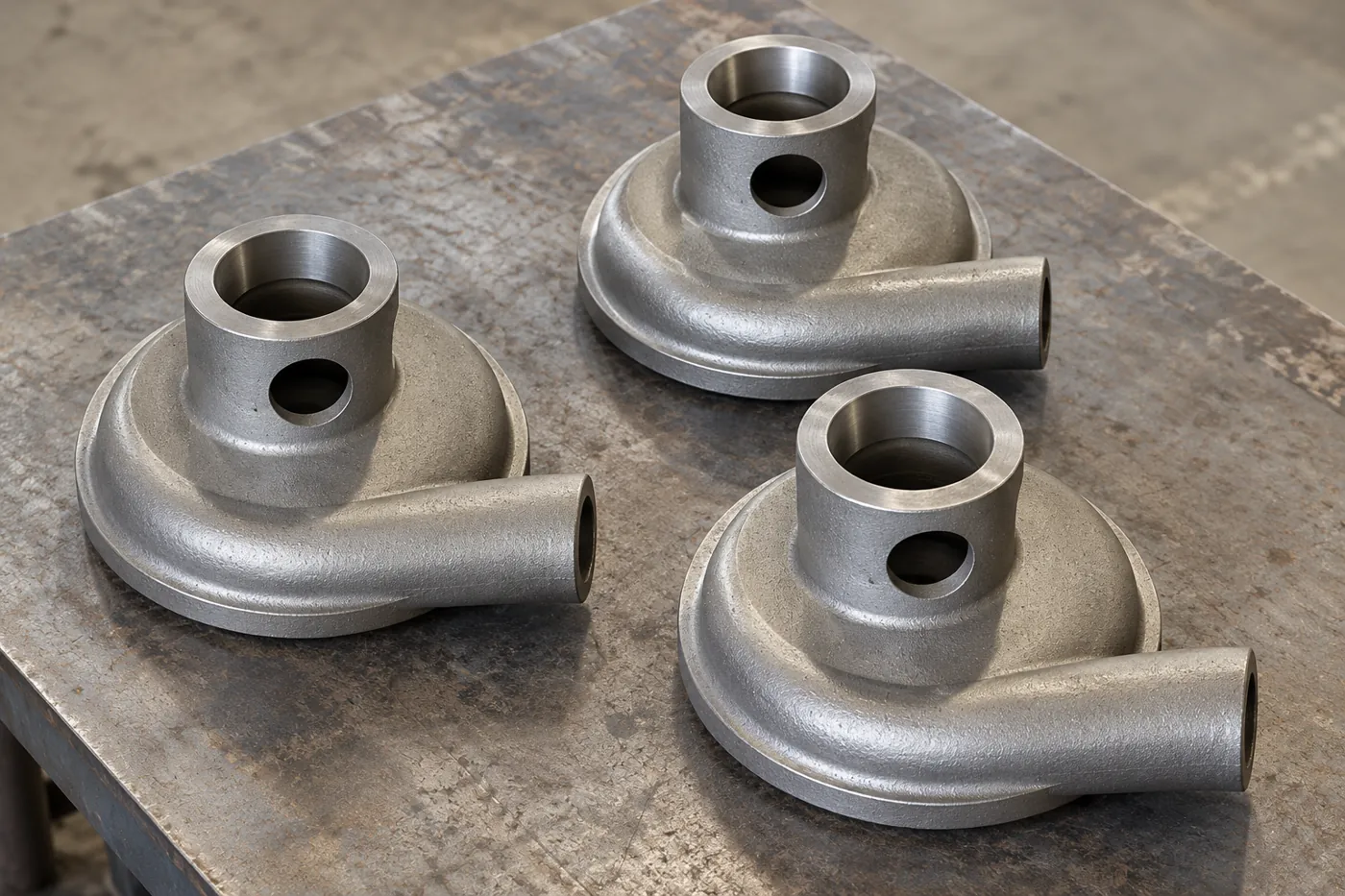
Relia can discuss a common manufacturing definition alongside your plant-specific dispatch requirements. Our new-part sequence settles the sample before batch production, giving the shared technical release a clear starting point.
Use one technical master for the shared drawing, grade, machining and finish. Put each plant’s delivery address, label format and receiving instructions in a separate destination schedule. If one plant genuinely needs a different coating or machined feature, treat it as a controlled variant rather than a note hidden in shipping instructions. This keeps a change of packaging from becoming an unintended design change and makes it easier to combine production where the actual component definition is the same.
03A CLEARER CASTING PURCHASE
Plan firm releases separately from demand forecasts
Your forecast helps explain expected demand across plants; a release establishes the quantity and technical revision to manufacture. List the destination split and the approval dependencies for each release. If one plant’s schedule changes, you can then evaluate the affected dispatch without silently changing every other commitment. Our flexible scheduling offer is useful context for this discussion, but the practical plan still comes from released quantities, manufacturing readiness and the actual delivery arrangement for your component.
| Planning record | Decision it supports |
|---|---|
| Forecast by plant | Expected demand and capacity-planning context. |
| Firm release | Committed quantity and technical revision. |
| Destination split | How manufactured quantity is allocated to receiving plants. |
| Approval dependency | Samples, documents or engineering decisions needed before release. |
04A CLEARER CASTING PURCHASE
Use part identity as the foundation of traceability
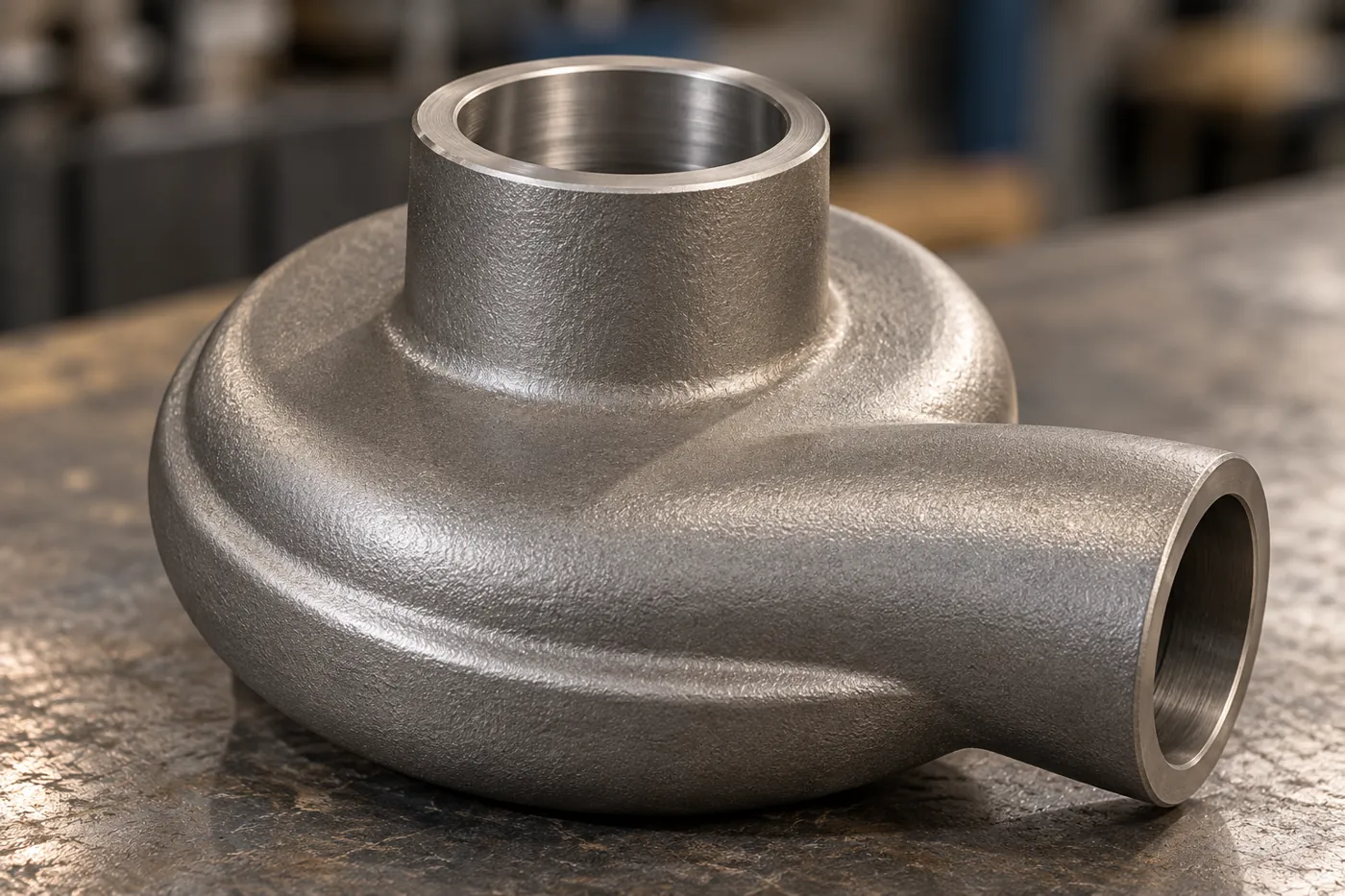
A similar exterior does not distinguish two revisions or two selected grades. Start with the part number and released definition, then add the manufacturing or individual identity required by the order. GS1’s traceability framework separates type, lot and serial identification; the choice changes how precisely an issue can be isolated. For your casting, select that level deliberately and define how it remains readable after painting, packing and receiving. The geometry shown in a product image remains useful context, but it is not an identification system.
05A CLEARER CASTING PURCHASE
Make a revision change effective at a visible boundary
A revised mounting face can affect completed stock, work in progress and future releases differently. Before adopting the change, identify which parts already exist and which destinations are allocated to them. Define whether the old revision remains usable, needs rework or must be held. Configuration management provides the general framework; your practical order needs an effective boundary such as an identified release or batch. That boundary lets each receiving plant know which version it is accepting.
- 01Change definitionIdentify the altered feature and released revision.
- 02Affected quantityLocate relevant open releases, work and dispatch allocations.
- 03DispositionChoose use-as-is, rework or hold for identified earlier parts.
- 04Effective releaseApply the new definition from the agreed boundary onward.
06A CLEARER CASTING PURCHASE
Connect evidence to the manufacturing batch
Our steel scope includes raw-material control, heat treatment and finished-product inspection. For pump-housing samples, strict 100% inspection is stated; repeat-production coverage needs its own acceptance plan. Decide which record belongs to material identity, which belongs to a treatment batch and which describes the finished piece. Then retain the relationship when a batch is split between plants. A single dispatch may contain several manufacturing identities, so the shipping reference should point to the right records rather than replace them.
| Evidence link | Information needed |
|---|---|
| Material to casting | Selected grade and identity of the represented pieces. |
| Treatment to parts | Required condition and the group covered by the record. |
| Dimensional result | Part/revision and measured characteristics. |
| Parts to package | Contents, quantities and destination allocation. |
07A CLEARER CASTING PURCHASE
Split the shipment without breaking the record chain
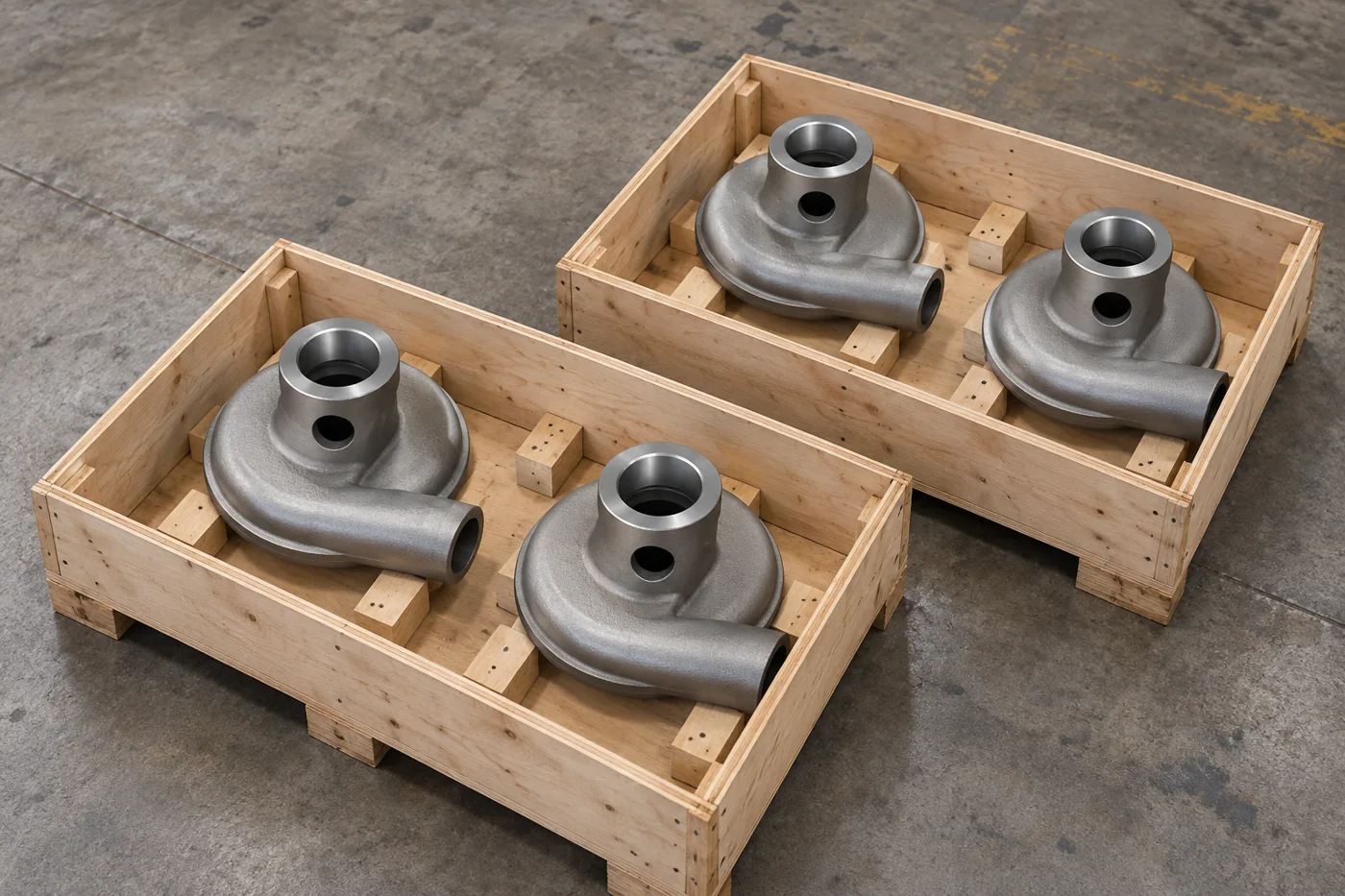
If one batch serves two plants, create distinct physical dispatch groups and identify their contents in the packing record. The quantity allocated to each group should reconcile with the released quantity and any retained or rejected pieces. Keep the group reference visible outside the package and within its documents so receiving can resolve the delivery without opening every crate. This also makes a later targeted investigation more useful: your team can locate the affected destination allocation instead of treating the complete purchasing programme as one indistinguishable shipment.
08A CLEARER CASTING PURCHASE
Give receiving teams the same technical decision rule
Agree common characteristics and report interpretation for the shared part, then keep genuine plant-specific checks visible. A finding should identify the component, manufacturing identity, feature and actual observed condition. That lets your teams compare like with like when one plant reports a bore issue and another reports transport damage. Establish who decides on a hold or concession and how that decision is communicated to other destinations receiving related parts. Consistency comes from a shared decision rule, not simply from sending the same blank form to each plant.
09A CLEARER CASTING PURCHASE
Choose protection for each route and receiving process
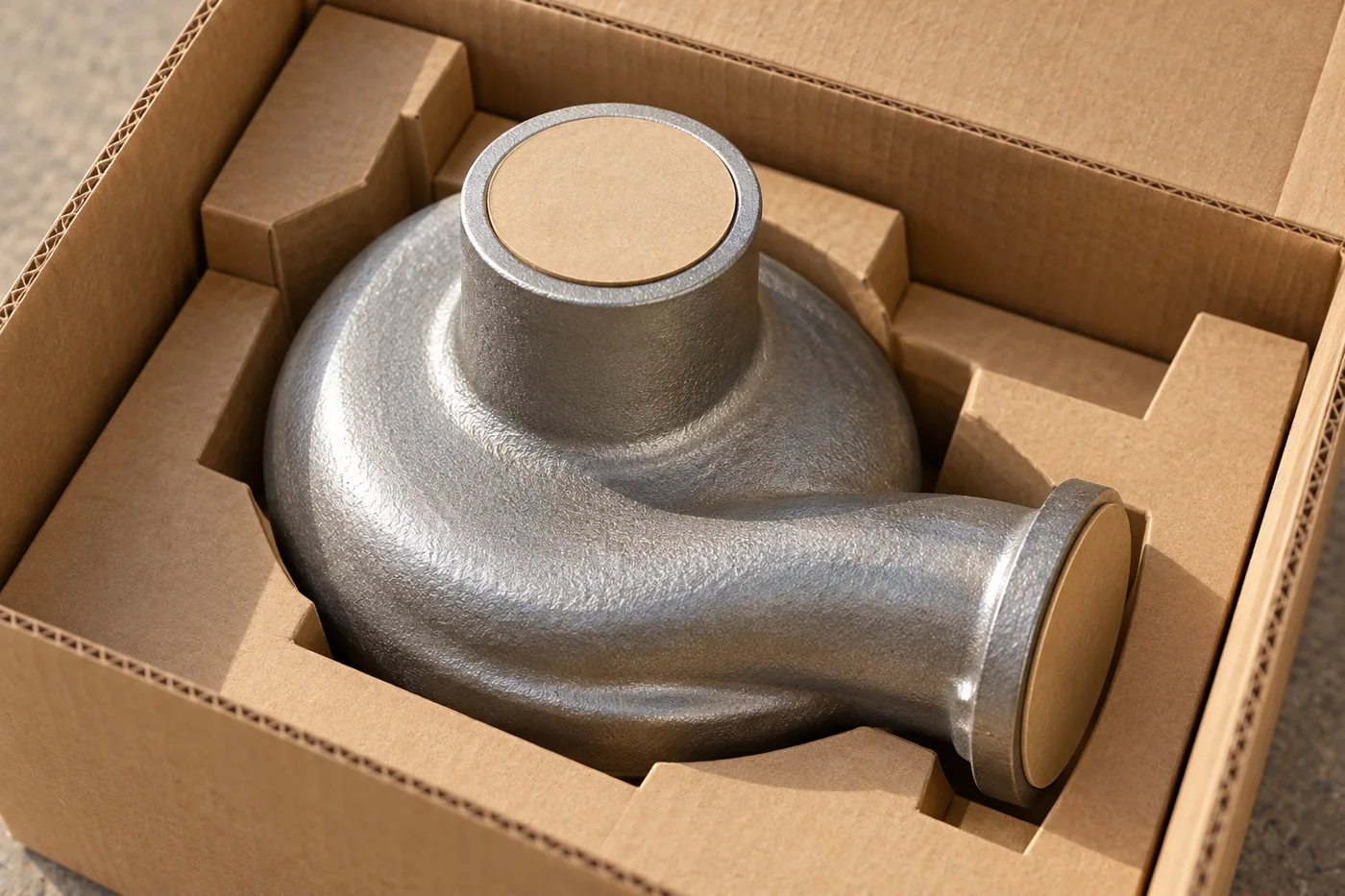
The pump-component offer includes wooden-box or pallet packing with an inner plastic bag. Use that starting scope with each plant’s route, storage and handling conditions. Ports and finished faces may need removable protection, while supports must keep the component stable without loading a thin flange. A plant that stores parts before machining may need a different removal and protection arrangement from one that assembles immediately. Keep those differences in the destination schedule so a common part can travel under appropriate local handover conditions.
10A CLEARER CASTING PURCHASE
Build a repeat-supply plan that each plant can use
Send the common technical master and a schedule of releases by destination. Add the identification level, the evidence links you need and the rules for revision changes or receiving exceptions. We can then discuss the manufacturing and dispatch scope around a traceable component rather than a broad replenishment promise. Your teams gain a clearer connection from the approved design to the parts and records at each overseas receiving point.
11 YOUR NEXT STEP
Bring your component into the conversation
Tell us which component you need, the material, quantity and required supplied condition. Relia will connect your enquiry with the casting, machining and evidence relevant to that part.
Technical reading and scope
Technical references explain the process. Component specifications and agreed order records define the actual supply.
GS1 Global Traceability StandardISO 10007:2017 — Configuration Management- [email protected]
- Phone
- +86 18561762631
- +1 404 203 0971
- Company and address
- Qingdao Relia Industries Co., Ltd.
Shuyuan Road, Qingdao, Shandong, China