
01A CLEARER CASTING PURCHASE
Casting Samples for a Useful OEM Trial
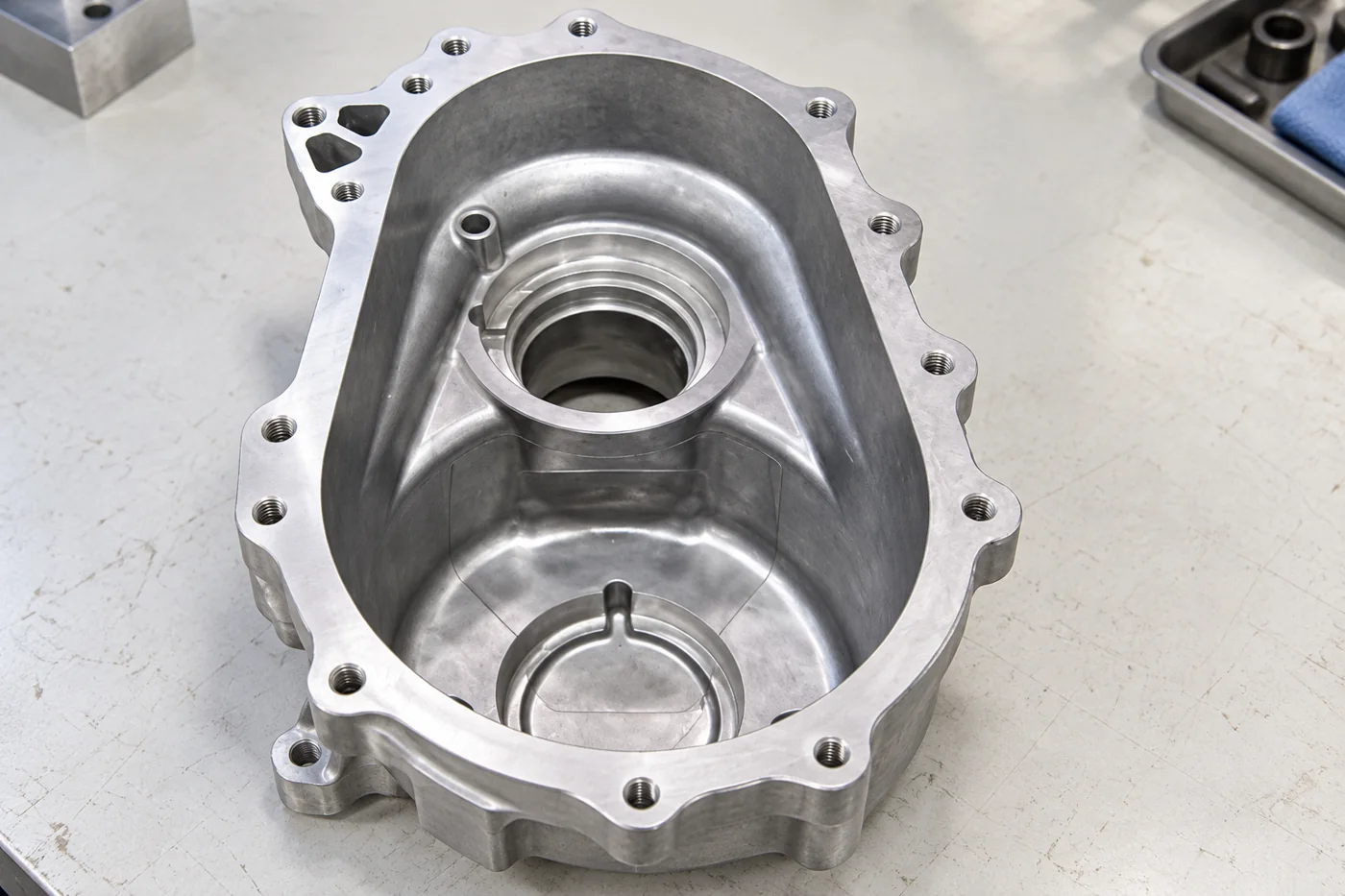
Start with a sample that answers your next engineering decision. Relia supports machinery and pump-component trials, from cast geometry to the finished interfaces and inspection results your test needs. Tell us whether you are checking fit, function or the intended production route. We review the drawing, manufacture and inspect the sample, and move into batch production after your approval.
- Trial purpose
- Fit, function or route
- Sample scope
- Material + interfaces
- Next step
- Customer approval
02A CLEARER CASTING PURCHASE
Choose the decision that follows the sample
Relia uses sample manufacture and inspection before customer approval and batch production. For your trial, we connect our casting and machining scope to the particular result you need.
A sample becomes useful when its result changes a purchasing or engineering decision. For an assembly trial, preserve locating faces and adjoining clearances. For a fluid component, retain the passage geometry and selected service material needed by the test. For production preparation, include the planned manufacturing route and report scope. We help define the supplied sample around that purpose so you can spend on the features that determine the next step rather than finish every surface without a reason.
03A CLEARER CASTING PURCHASE
Match initial tooling investment to design maturity
A few dozen parts do not automatically justify the same tooling investment as a stable repeat programme. If the geometry may change, compare the cost of revising the tool with the cost of the trial route. Existing patterns can be useful when they match the intended part and molding arrangement; a new pattern gives more freedom to establish the required blank. Your tooling decision should identify which work remains useful after the trial, including locating features and machining fixtures, rather than judge only the first sample price.
04A CLEARER CASTING PURCHASE
Preserve the geometry that the trial will test
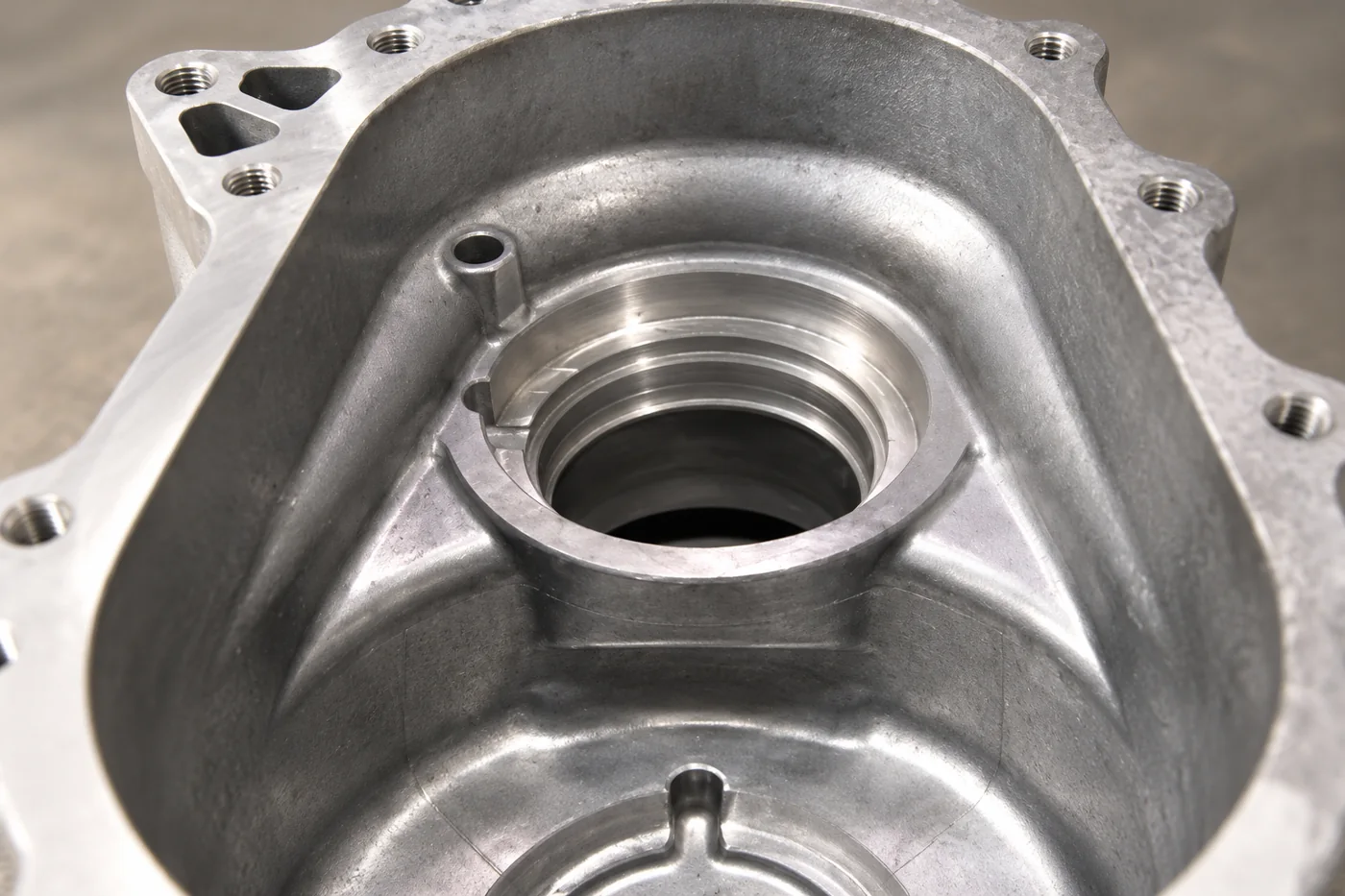
An internal bearing seat and its surrounding flange are related features. If the trial is intended to prove alignment, their relationship must remain representative even when an untouched wall is simplified. Mark intentional prototype differences on the supplied definition so a successful fit result is applied to the correct geometry. For a later revision, show whether the change affects the mold, machining fixture or only a nonfunctional region; that distinction helps the next sample answer a new question instead of repeating the original trial.
05A CLEARER CASTING PURCHASE
Select a material and route for the trial purpose
Our pump-housing listing offers sand-casting enquiries alongside investment casting followed by machining, with SS304/SS316 references requiring a selected cast-grade specification. These are manufacturing choices, not interchangeable sample labels. An alternative route can be useful for geometry learning, while qualification of repeat production needs the intended material and process differences understood. Keep the sample’s actual route and supplied condition visible so your test report explains what was evaluated and which result can carry forward.
| Sample choice | Useful interpretation |
|---|---|
| Geometry-focused model | Supports the named fit or clearance check. |
| Alternative-route casting | Supports the defined test with its route differences recorded. |
| Production-material casting | Establishes evidence for the selected grade and supplied condition. |
| Production-route sample | Supports acceptance of the route planned for repeat manufacture. |
06A CLEARER CASTING PURCHASE
Set sample inspection around the critical result
The listed 100% inspection for pump-housing samples is a concrete starting point. Decide which characteristics every sample must demonstrate, then add any detailed layout or material record required for approval. A report of a flange width will not establish the position of an internal seat. For a fluid component, separately define the requested leak or application test and its acceptance basis rather than assume it is included in a dimensional inspection. This keeps your test budget attached to useful evidence.
07A CLEARER CASTING PURCHASE
Use measurements that represent the intended fit
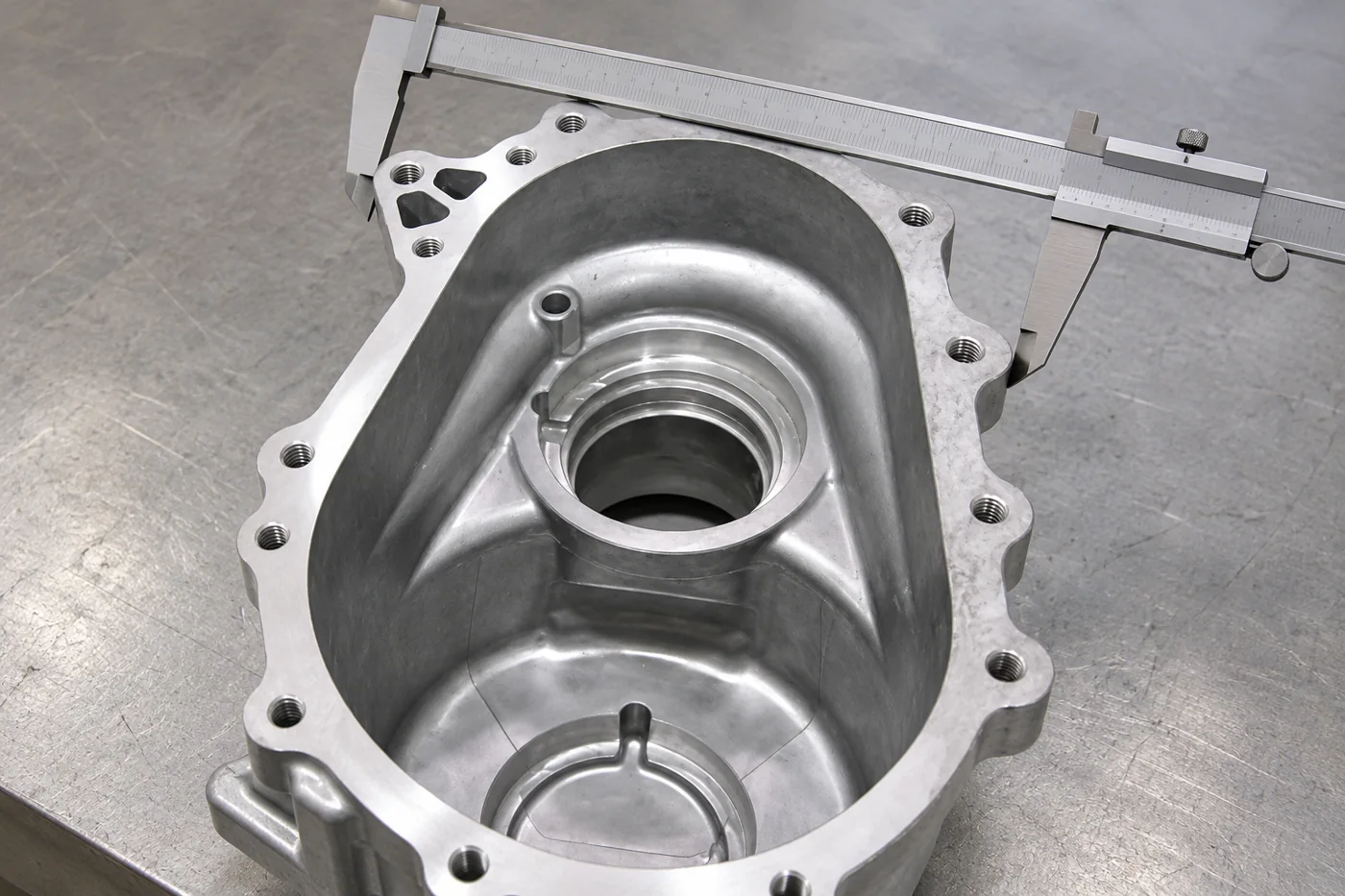
A caliper gives a useful external size reading when its contacts suit the feature. A bore relationship or a face orientation needs a different setup and interpretation. The sample plan should identify the measurement reference and the requirement each result answers. NIST distinguishes traceability from fitness for purpose: the method’s uncertainty must also suit the decision. In practical terms, avoid accepting a close-fit sample from a reading whose method cannot clearly separate an acceptable part from an unacceptable one.
08A CLEARER CASTING PURCHASE
Turn trial feedback into an actionable next version
Separate a manufacturing finding from a design improvement. A missing machining allowance may change the blank, while a new mounting location changes the released part. Give each finding an affected feature and an action, then check whether tooling and inspection need corresponding updates. If a temporary concession permits one sample to proceed with testing, retain its limit so that approval does not become an unintended permanent design change. The next batch should have a clearer baseline and a defined reason to exist.
- 01ReceiveIdentify every sample and the route actually used.
- 02EvaluateRecord fit, material and test observations against the trial purpose.
- 03ChangeUpdate only the affected drawing, tooling or manufacturing definition.
- 04ReleaseChoose repeat production or another trial using the revised evidence.
09A CLEARER CASTING PURCHASE
Keep a small trial set distinct in transit
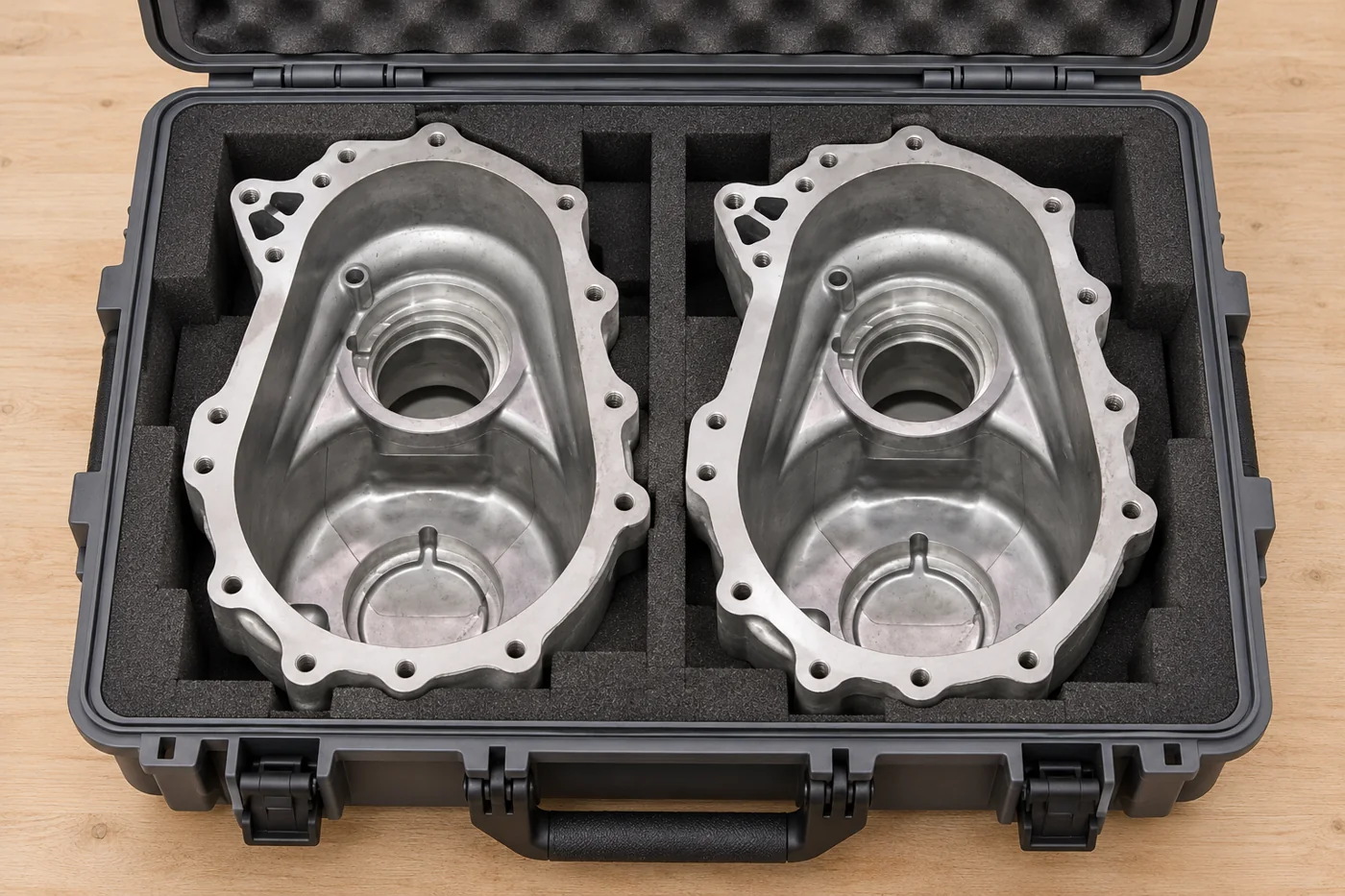
Our pump-component offer lists multilayer wooden-box or pallet packing with an inner plastic bag. For a small test set, add separation and identification that preserve the trial’s meaning. Parts with different revisions should remain distinguishable after unpacking, and finished contact surfaces need protection that your team can remove before measurement or testing. State whether samples will move again to a laboratory or another plant; the packaging may need to remain usable beyond the first receiving point.
10A CLEARER CASTING PURCHASE
Request a sample programme with a defined next step
Send the component model and drawing, selected material and intended trial quantity together with the decision you want to make. Include the available tooling and the measurements or tests that determine progress. We can then discuss a sample route, initial investment and repeat-order basis that fit the actual project. For a first pump-housing enquiry, the listed one-piece entry point supports a small start; the chosen geometry, grade and acceptance work still determine the quotation.
11 YOUR NEXT STEP
Bring your component into the conversation
Tell us which component you need, the material, quantity and required supplied condition. Relia will connect your enquiry with the casting, machining and evidence relevant to that part.
Technical reading and scope
Technical references explain the process. Component specifications and agreed order records define the actual supply.
Ordering Steel Castings — SFSAMetrological Traceability — NIST- [email protected]
- Phone
- +86 18561762631
- +1 404 203 0971
- Company and address
- Qingdao Relia Industries Co., Ltd.
Shuyuan Road, Qingdao, Shandong, China