
01A CLEARER CASTING PURCHASE
Grey-Iron Roller Components with Controlled Profiles
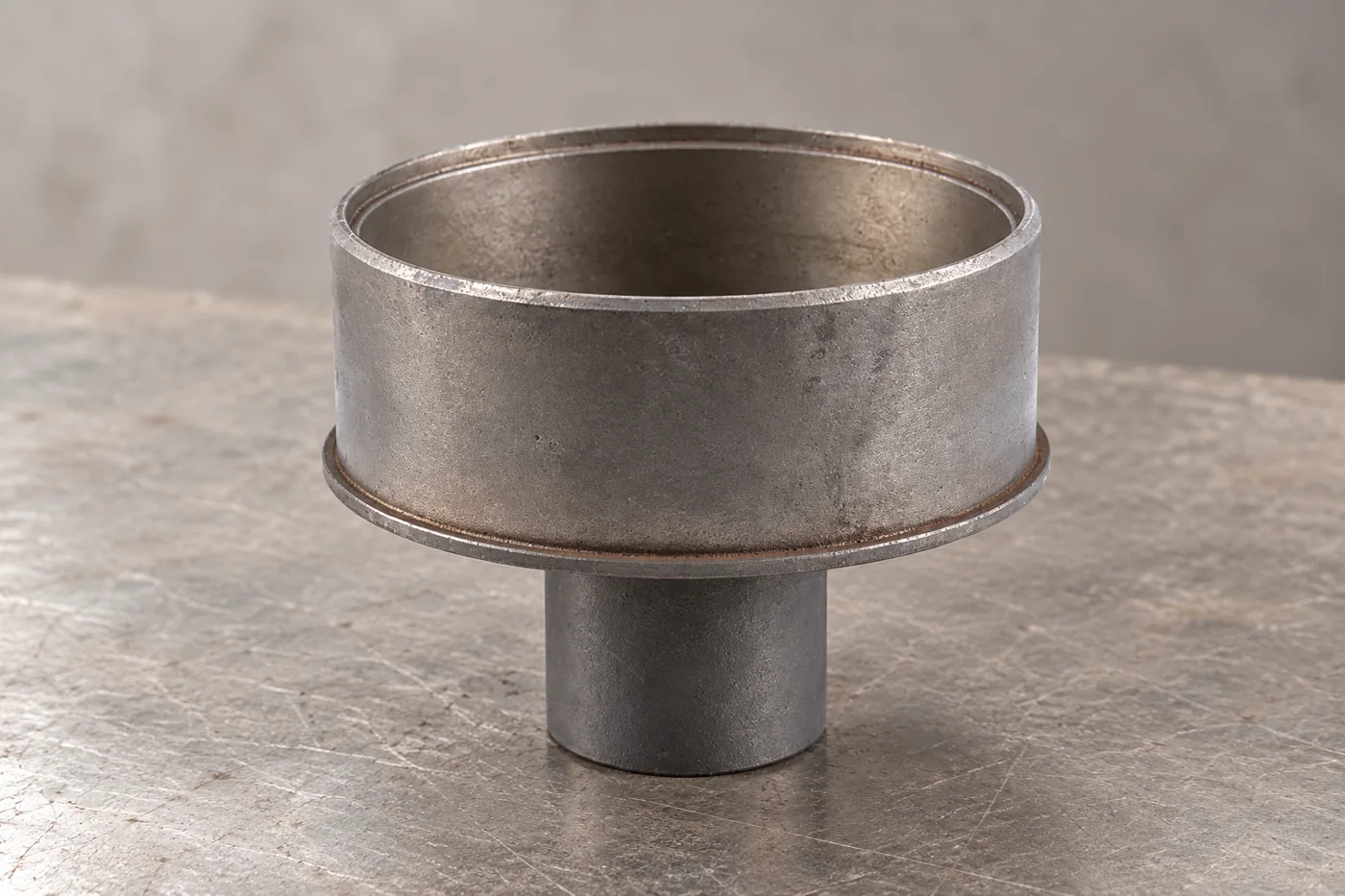
Order the roller body around the surface it presents to your process and the interfaces that locate it. Relia offers custom grey-iron roller-component enquiries with sand casting and CNC machining. Define the contact profile, running axis and delivered component boundary. This gives the sample and inspection a useful target without assuming a complete shaft-and-bearing assembly is included.
- Contact
- Required running profile
- Locate
- Axis + end interfaces
- Deliver
- Defined roller component
02A CLEARER CASTING PURCHASE
The machine role determines the controlled surface
Relia’s roller-component offering connects the grey-iron casting to the nominated machining requirements. Our own casting and machining production supports that component scope; separate ductile-iron flanges and grinding-mill sleeves retain their own material and installation definitions.
Identify whether the component supports, guides, transports or otherwise contacts the material in your equipment. State the relevant contact load, speed and service conditions used by the design. A smooth running surface, a profiled contact and a hollow drum form can require different inspection priorities.
Show what is included in the supplied casting and what belongs to a separate shaft, end fitting or support. The actual component boundary matters when dimensions and any running evaluation are specified. This keeps a roller enquiry from becoming an assumed complete assembly with unlisted bearings or shaft hardware.
03A CLEARER CASTING PURCHASE
Profile, roundness and runout are different checks
A diameter check addresses size. A profile defines the intended contour along or around the contact region. Runout relates a surface to the selected rotation reference and can reflect more than size variation. Specify the characteristics that the assembly actually needs rather than use one term for all three.
Relate the working surface to the bore or end features that locate the component. For a crowned, stepped or otherwise shaped surface, retain the approved contour and measurement locations. A supplier comparison becomes clearer when both the working geometry and its reference axis are visible in the same technical package.
| Feature | Required definition |
|---|---|
| Working shape | Drawing-defined straight, stepped, crowned or other actual profile. |
| Size | Limits for identified diameters and lengths. |
| Axis relationship | Specified runout or other relevant geometry from the locating references. |
| Contact surface | Required finish and condition over the defined working region. |
04A CLEARER CASTING PURCHASE
Surface texture follows the contact duty
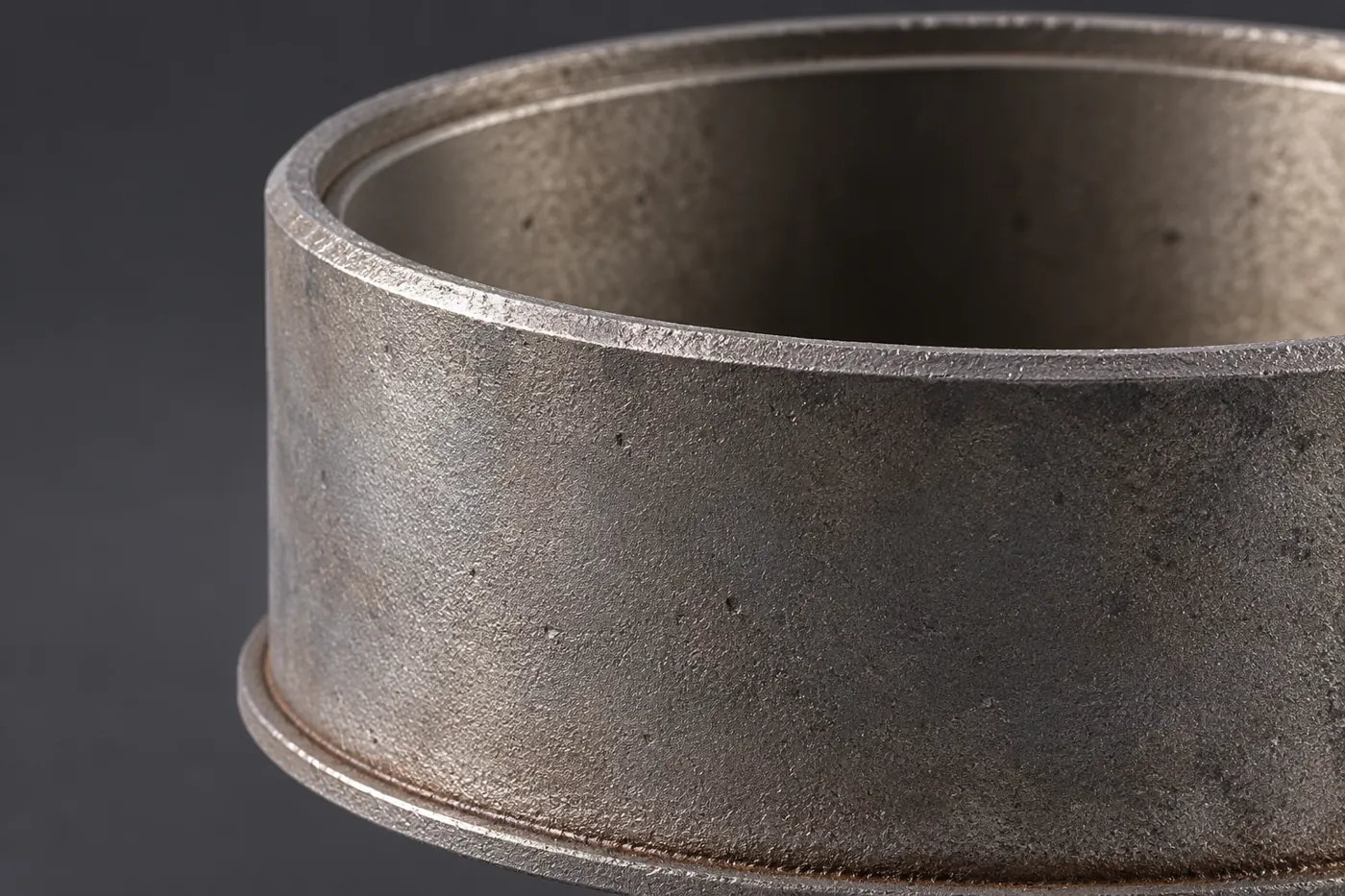
State the final surface requirement where the process contacts the roller. Roughness and geometric form address different scales of the surface and should not substitute for each other. A visually smooth casting may still need machining to achieve the specified contact condition.
Mark transitions, edges and any intentional profile changes. Keep the allowed finishing method and acceptance locations tied to the drawing so local dressing does not erase a useful contour. The illustrated component forms show casting and interface principles; the complete supplied roller geometry is established by your actual model and controlled dimensions.
05A CLEARER CASTING PURCHASE
The grey-iron grade retains its specimen basis
Select the complete grey-iron grade, governing document and required delivered condition. A separate ductile-iron flange enquiry does not establish an alternative grade for the roller body. Keep material and component identity together in the purchase release.
Grey-iron classification can use tensile and hardness characteristics with a specified sampling basis, as reflected in ISO 185. If the design requires one or both, define the relevant specimen or test location and record requirement. This makes a material document useful for acceptance without treating a general iron description or a single unlocated hardness reading as the complete specification.
- 01Select materialComplete grey-iron designation and required condition.
- 02Define cast formBody, wall, openings and stock for requested finishing.
- 03Finish interfacesMachine the working and locating regions specified by the drawing.
- 04VerifyUse the agreed property, dimension and surface acceptance basis.
06A CLEARER CASTING PURCHASE
End connections establish the actual rotation reference
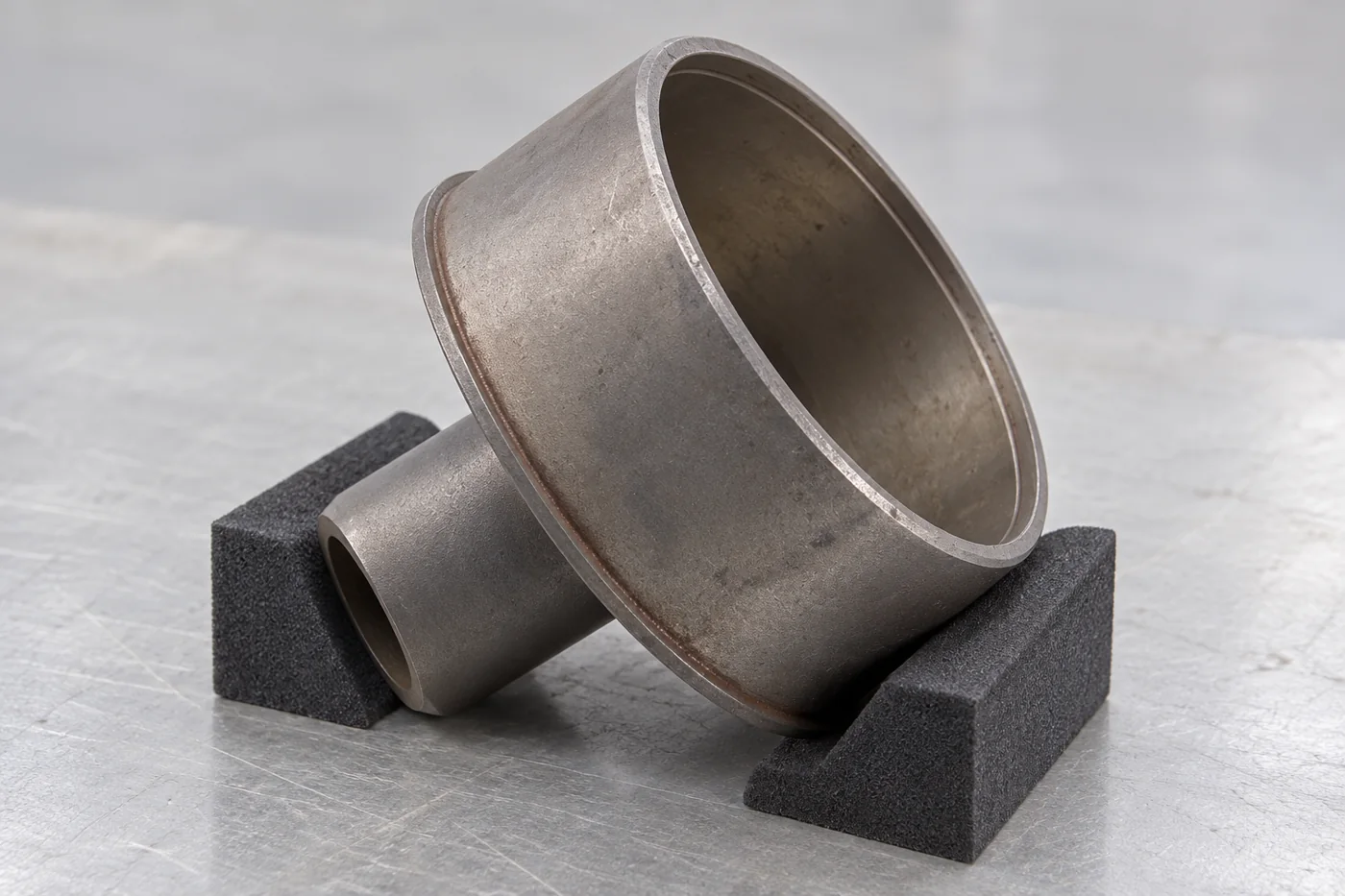
Include the complete bore, end faces, flange or shaft-end interfaces present in the selected design. Identify the reference features used to locate the body during machining and measurement. Where a separate shaft is fitted later, distinguish the body’s delivered bore from the assembled condition.
This boundary affects both quotation and acceptance. An integral end feature can be measured on the supplied component; a complete assembled running check may require additional parts and a separate agreed scope. We can review the casting and CNC work around those real interfaces instead of assuming that all roller enquiries include the same end arrangement.
07A CLEARER CASTING PURCHASE
Dimensional control does not establish balance
A roller can meet its dimensional limits yet still have a mass-distribution requirement when it rotates in the intended assembly. Conversely, a balance result does not establish the surface profile or fit. If balancing is required, identify the actual supplied rotor configuration, acceptance basis and relevant report scope.
ISO 21940-11 describes procedures for rotors with rigid behaviour; it does not make balancing part of every roller casting order. Our listing states 100% inspection, with component-specific characteristics to agree. Retain material, profile, interfaces and any separately requested running or balance evaluation as distinct lines in that plan.
08A CLEARER CASTING PURCHASE
The sample establishes repeatable measurement references
Use the first component to compare actual profile and interface measurements with the released drawing. Identify the reference axis, support condition and measurement locations needed for repeatability. If an assembly trial is specified, retain the mating parts and operating conditions in its record.
Where the findings lead to a change, identify the affected profile, bore or end feature before batch release. The accepted sample package should contain the drawing and material version, not only the physical part. That gives receiving and later procurement a consistent reference even when a machine variant uses a similar-looking body.
- 0101Record the selected grade and complete component revision.
- 0202Measure working profile and locating-interface relationships.
- 0303Complete any separately specified assembly or running check.
- 0404Release the accepted dimensions, finish and inspection locations.
09A CLEARER CASTING PURCHASE
Transport supports preserve the working surface
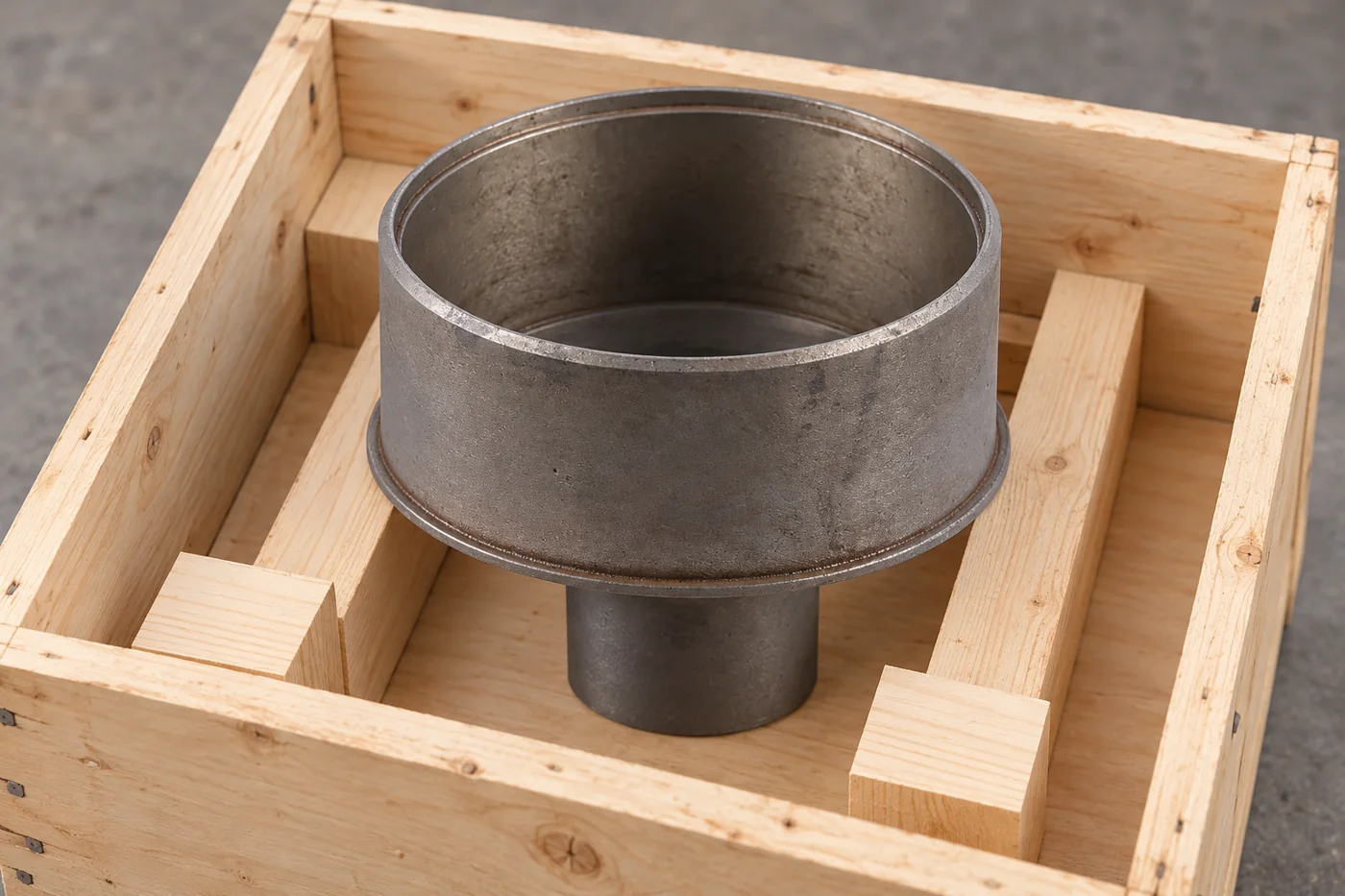
Choose support and restraint points that protect the controlled contact profile and finished ends. Prevent loose heavy components from striking one another, and avoid concentrated packing loads on an edge or rim not intended as a support. Include corrosion protection appropriate to the specified delivery and storage condition.
Part and revision identification should remain connected to the pack list and inspection evidence. Where several roller variants are shipped together, separate the ones with different profiles or bore fits clearly. Receiving can then check the right component before unpacking it into the next assembly stage.
10A CLEARER CASTING PURCHASE
The roller RFQ includes the axis and delivered state
Send the model and drawing with the working profile, locating interfaces and complete grey-iron requirement. Add machine context, quantities, required surface condition and the exact inspection characteristics. State which end or shaft features are integral and which parts remain outside the supply boundary.
We can quote the sand-casting and CNC package for that defined component. If your design needs balancing or an operating trial, retain it as a separately identified requirement with its configuration and acceptance. This makes the comparison about the actual roller body and evidence your team will receive.
11 YOUR NEXT STEP
Bring your component into the conversation
Tell us which component you need, the material, quantity and required supplied condition. Relia will connect your enquiry with the casting, machining and evidence relevant to that part.
Technical reading and scope
Technical references explain the process. Component specifications and agreed order records define the actual supply.
ISO 185: Grey-iron property classificationISO 21940-11: Rigid-behaviour rotor balancing- [email protected]
- Phone
- +86 18561762631
- +1 404 203 0971
- Company and address
- Qingdao Relia Industries Co., Ltd.
Shuyuan Road, Qingdao, Shandong, China