
01A CLEARER CASTING PURCHASE
Iron Bearing Housings with Machined Fits
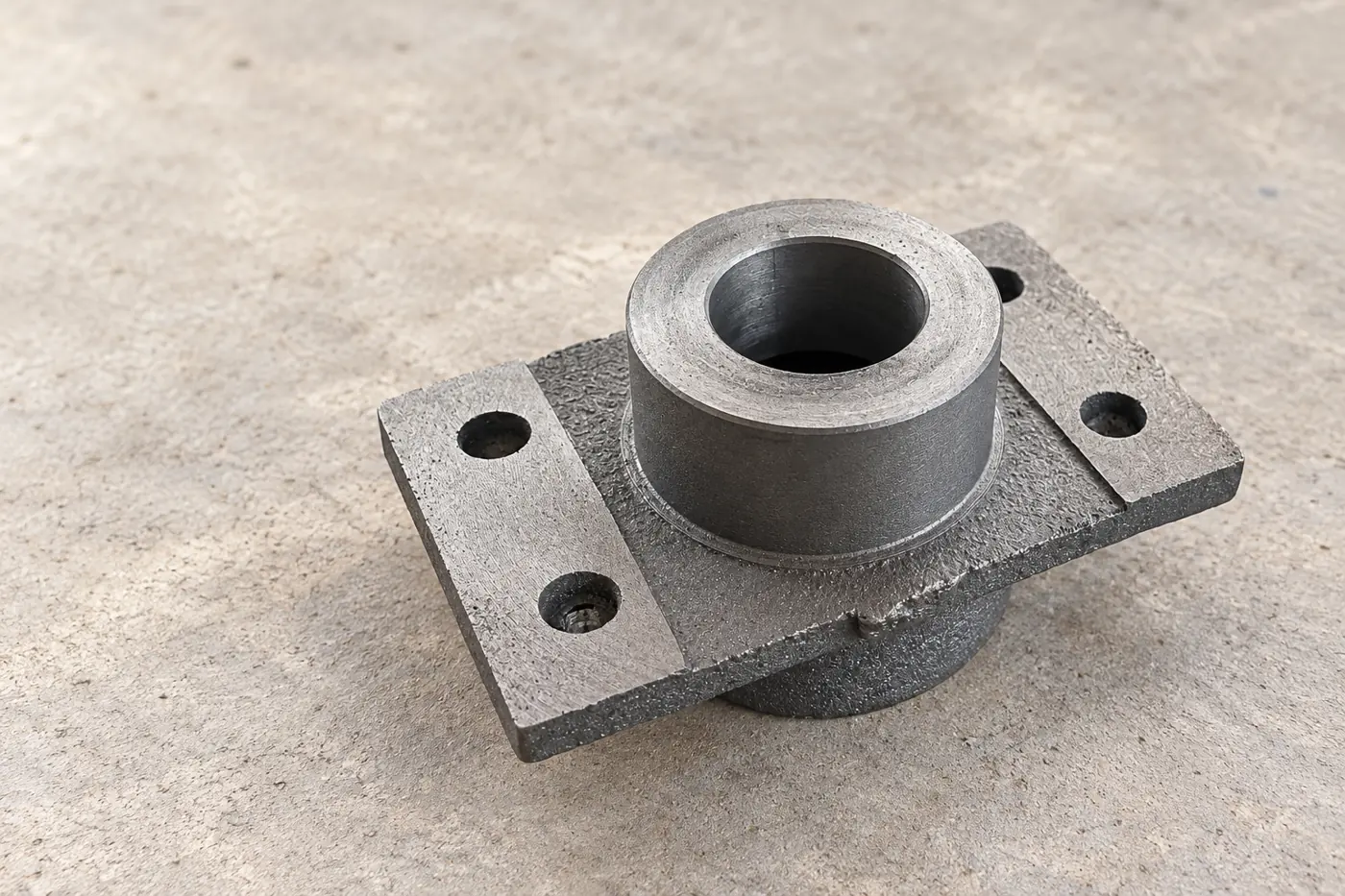
Order the support body and finished bearing interfaces as one component. Relia offers iron bearing housings and shaft brackets with sand casting, CNC bore work and selected surface treatment. Define ring fit, shoulder support and mounting position separately. Your sample can then show how the chosen bearing and shaft locate in the machine.
- Components
- Housings + shaft brackets
- Finish
- Nominated CNC bore work
- Fit
- Ring, shoulder + mounting
02A CLEARER CASTING PURCHASE
Bearing supports finished for the actual arrangement
Relia Casting offers OEM/ODM bearing housings with drawing-based size, CNC-finished bores and customized packing. The listed grade references include GG250/300, HT250/300 and QT choices, with one complete specification selected for the part. The wider machinery-housing scope includes grey iron, ductile iron and ADI, plus spectrograph, CMM, roughness and tension-testing resources.
For your bearing arrangement, ring loading, temperature and axial-location role influence the required seat fit. We keep those inputs beside the actual bearing designation and housing geometry. Material/dimensional reports and real workshop photographs are available, giving the buyer evidence beyond the appearance of a round bore.
03A CLEARER CASTING PURCHASE
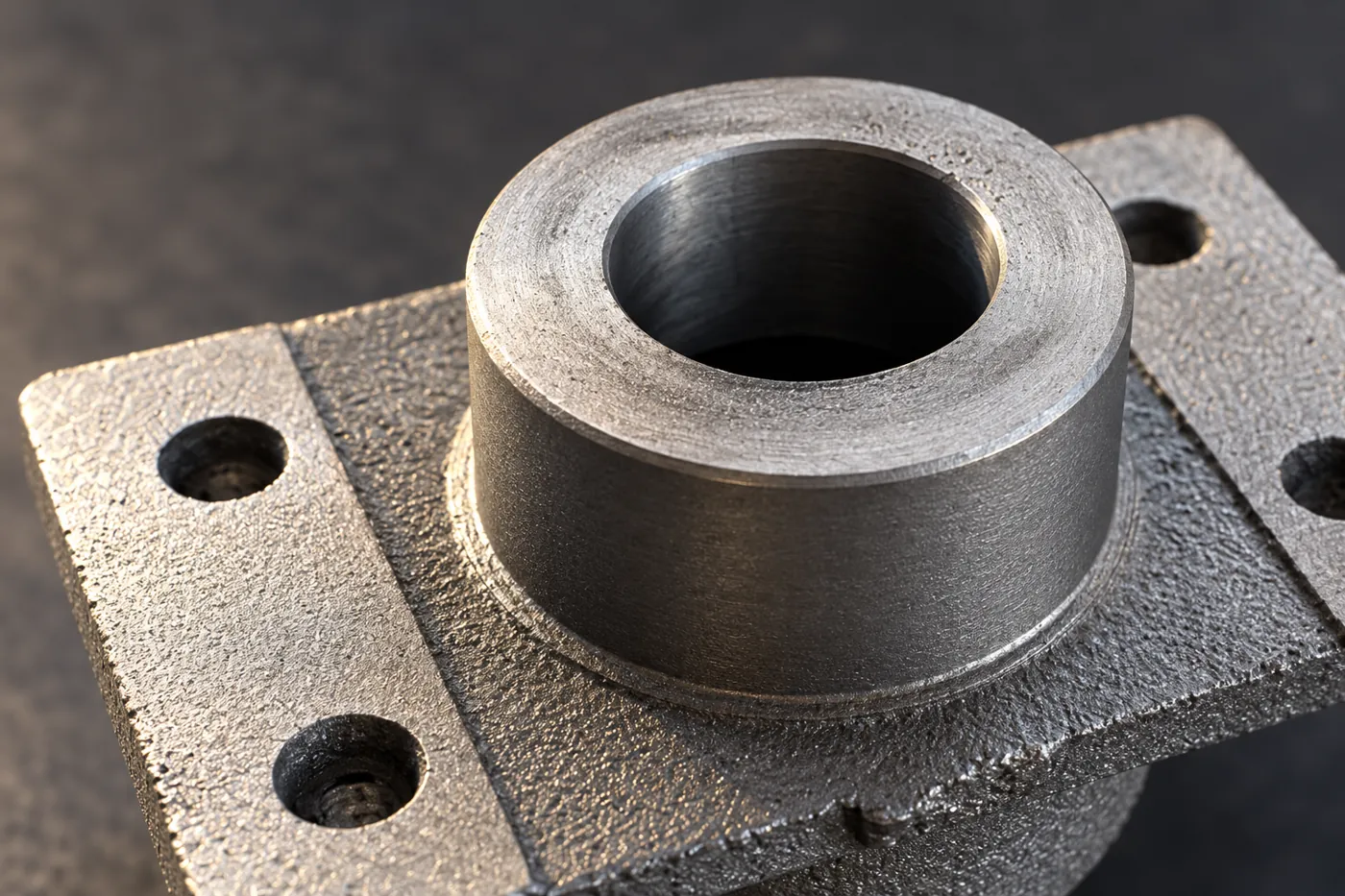
Bore form and shoulder geometry support the ring
Specify the bore fit with its form and surface requirements, plus the shoulder and relief geometry used by the selected bearing. The ring needs appropriate support around its circumference and width. Local ridges or an unsuitable corner can prevent it from seating as intended.
Relate the bore axis to the mounting plane and any second bearing reference where applicable. The catalogue's 0.01–0.05 mm machining reference should be assigned only to agreed dimensions and convention, while the required bearing fit follows the actual drawing.
- Seat support
- Bore form, shoulder and relief geometry
- Machining
- 0.01–0.05mm reference on agreed features
04A CLEARER CASTING PURCHASE
One complete iron designation prevents unintended substitutions
Our bearing-seat listing names GG250/300, HT250/300 and QT400/500-6/600-5/700 references; the separate machinery-base/housing scope also includes grey iron, ductile iron and ADI. Select one complete material specification and supplied condition for the actual housing. The labels should not be treated as automatic cross-standard equivalents.
Keep material evidence relevant to the chosen grade. The wider housing listing names spectrograph, CMM, roughness and tension-testing resources. Choose the actual checks needed to accept the specified material and finished interfaces rather than ordering an undirected equipment list.
| Selected layer | What remains controlled |
|---|---|
| Grade | One full iron designation and governing document |
| Condition | Required treatment/state for that material |
| Bore requirement | Bearing-derived fit and local geometry |
| Evidence | Selected material, dimensional and surface results |
05A CLEARER CASTING PURCHASE
Create the seat from a casting and datum plan that suit it
The cast hub and mounting feet need enough section and stock to support the bearing seat after cutting. Pattern parting, core location where used and the hub-to-base transition belong in that proposal. After gate removal and cleaning, establish the mounting/locating datums before final bore and shoulder work; an easy entry diameter is not a complete seat.
The machining and measurement states should agree. If clamping changes the housing shape, a reading taken under a different restraint can describe a different fit. For a split housing, retain cap identity, fastening and assembled condition; for a solid body, preserve tool and gauge access through the usable seat length. The output is the measured bore, supporting shoulder and mounting relationship in the condition actually delivered.
- 01Blank preparationSeat stock and hub-to-base sections
- 02Datum creationMounting and genuine locating references
- 03Seat finishingBore form, shoulder and usable support length
- 04Condition checkAgreed clamping or assembled state
- 05Result recordRelated seat and mounting features
06A CLEARER CASTING PURCHASE
The base locates the supported shaft on the machine
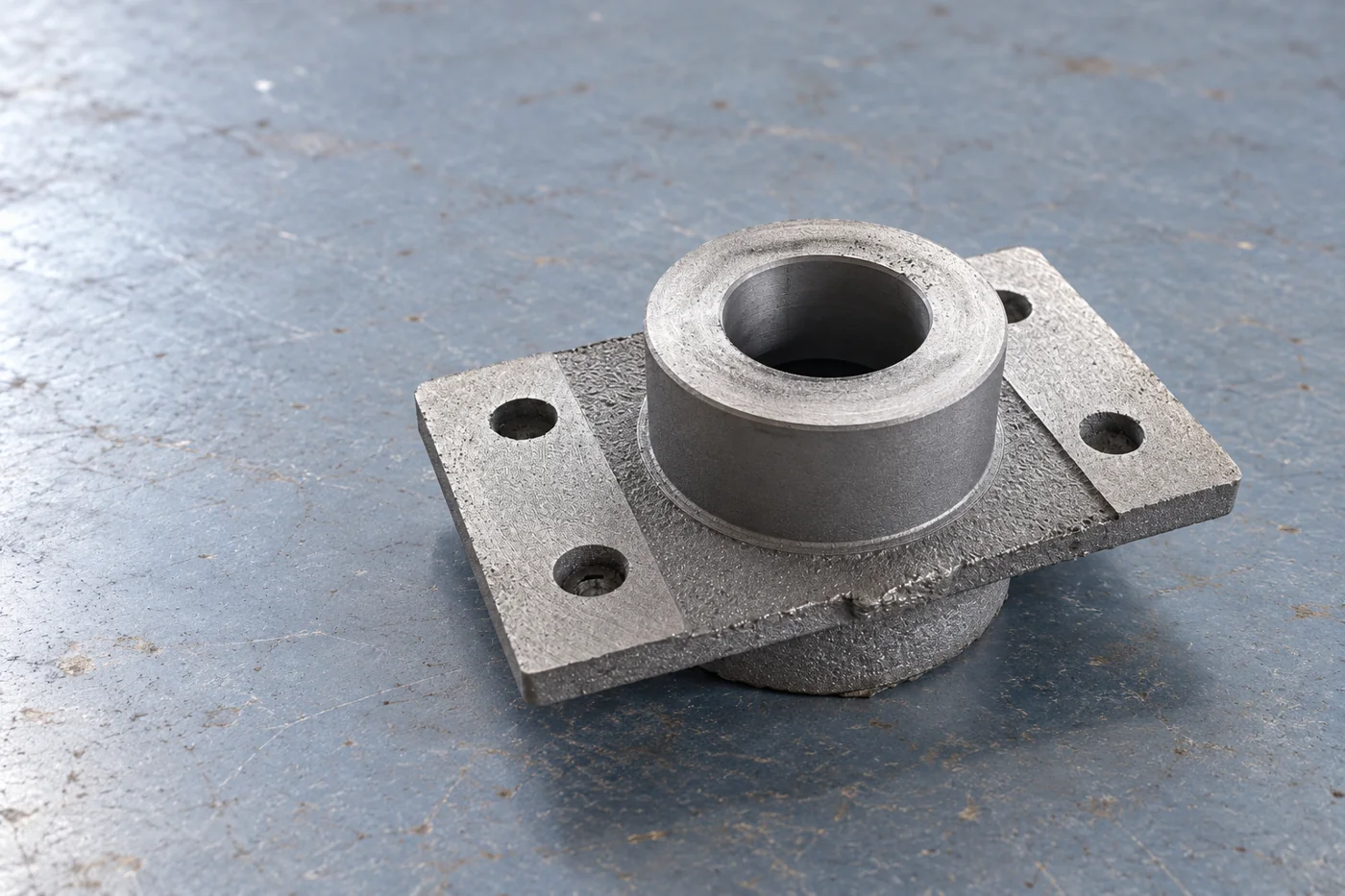
Base flatness, mounting pattern and any locating pilot or dowels establish the housing position. Relate their requirements to the bore axis, including shaft height or orientation where the assembly needs it. Two individually acceptable components may misalign when their mounting relationships differ.
Avoid relying on bolt clearance as a precise locating feature unless that is the intended design. Mark the actual centring and alignment method so machining, reporting and first-installation checks address the same machine interface.
- Mount
- Base, pilot/dowel and fastening arrangement
- Shaft position
- Bore axis related to machine references
07A CLEARER CASTING PURCHASE
First-part evidence and repeat checks serve different decisions
Our bearing-housing service states 100% inspection. Name the seat size, form, shoulder, bore-to-base relationship and surface characteristics to which that applies, and specify the result record needed. The initial sample can include a fit or assembly trial with the intended bearing reference.
For repeat orders, keep that feature map and the approved material condition in the purchase definition. Where additional sampling, trend data or a changed report format is needed, state it explicitly. A past sample approval does not describe a later change to bearing type or loading condition.
08A CLEARER CASTING PURCHASE
A bearing change triggers a fit and geometry review
Changing bearing type, outside-diameter tolerance or internal arrangement can alter the required seat fit even when the nominal dimension looks unchanged. Check the new bearing reference, load relationship, temperature and axial role before reusing the housing drawing.
Also examine shoulder width, corner clearance, seal or cover interfaces and mounting position. Record the accepted change in the housing revision and determine whether another first-part assessment is needed. This protects repeat purchasing from mixing an earlier housing with a newly selected bearing arrangement.
- 0101Compare bearing designation, ring interface and fit basis
- 0202Check shoulder, relief, seal and cover relationships
- 0303Assess bore-to-base and shaft-alignment requirements
- 0404Release the new housing revision and required sample evidence
09A CLEARER CASTING PURCHASE
Coating and packing preserve the accepted bearing seat
Sandblasting, painting, powder coating and phosphating are named finish options for the bearing housings. Define masking and coverage so the chosen treatment does not unintentionally change the final bore or mounting datum. Finish cleaning before protecting openings.
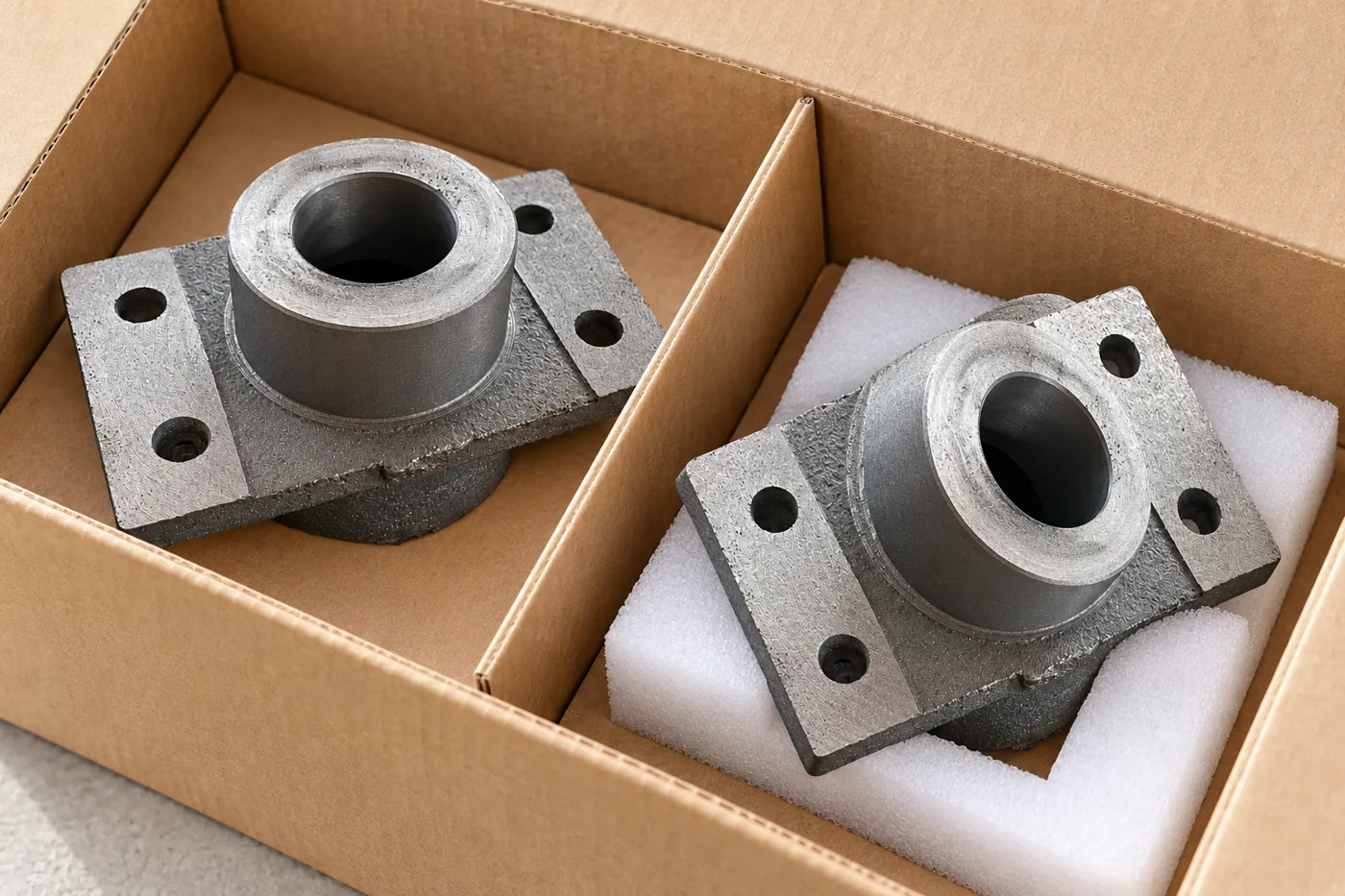
Custom packing should separate the finished bores, shoulders and base faces against impact and corrosion. Keep protective materials easy to remove without leaving debris in a bearing contact. Identify the housing material and drawing revision so receiving checks can be matched to the accepted report.
- Finish
- Mask selected bearing and datum areas
- Packing
- Protect bores, shoulders and base contacts
10A CLEARER CASTING PURCHASE
A support component ready for bearing installation
The component you buy should connect the bearing seat to the installed shaft position. Relia can supply the sand-cast body, nominated CNC work, selected finish and agreed records around that result. The sample stage lets your team combine feature measurements with the intended bearing or interface trial before confirming batch production.
Keep the accepted bearing reference and housing definition with repeat orders. A change of ring load, bearing type, shoulder or axial arrangement can alter the fit even at the same nominal diameter. Treat that as a visible component decision so the later housing supports the assembly you actually intend to build.
11 YOUR NEXT STEP
Bring your component into the conversation
Tell us which component you need, the material, quantity and required supplied condition. Relia will connect your enquiry with the casting, machining and evidence relevant to that part.
Technical reading and scope
Technical references explain the process. Component specifications and agreed order records define the actual supply.
Bearing installation guide — housing fits and ring supportBearing shaft and housing tolerance relationships- [email protected]
- Phone
- +86 18561762631
- +1 404 203 0971
- Company and address
- Qingdao Relia Industries Co., Ltd.
Shuyuan Road, Qingdao, Shandong, China