
01FIND YOUR BUYING ROUTE
Marine and Specialty Casting Guides
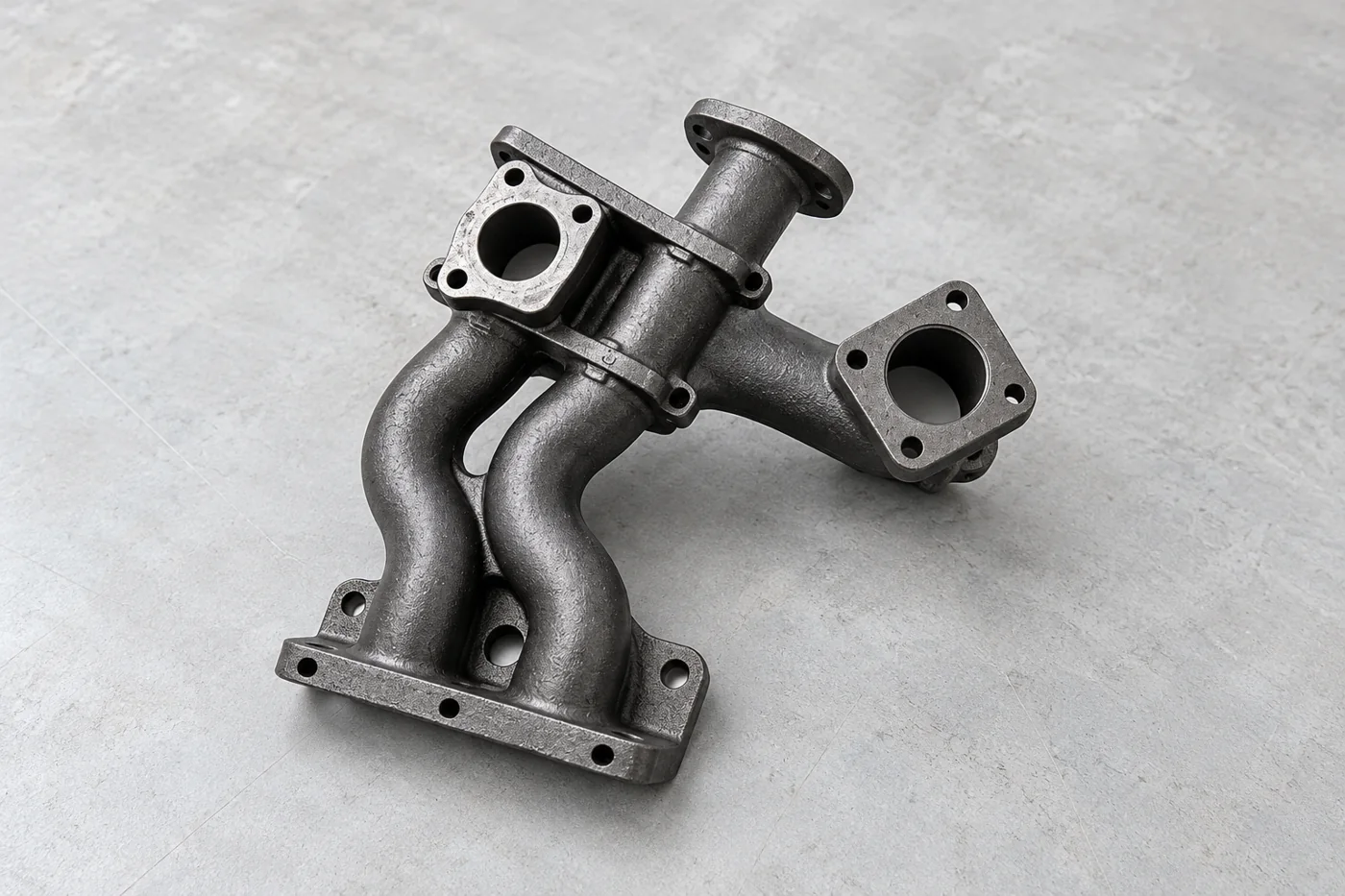
Choose the actual component and service duty: an exhaust manifold, marine impeller, stationary turbine housing, container hardware item or stainless transmission part. The guides connect material and manufacturing choices with its working geometry and mating interfaces. Keep complete-system performance separate from acceptance of the component being ordered.
- Choose
- Your purchasing task
- Compare
- Relevant component evidence
- Continue
- Guide, product or RFQ
02FIND YOUR BUYING ROUTE
Six Routes to the Actual Component
Relia combines our own sand casting and machining production in China. The guides below connect your purchasing situation to a component specification, a process decision and the evidence needed for acceptance.
Thermal service, handled fluid, locking engagement and transmission geometry create different RFQ inputs. Each route below addresses one of those purchasing decisions.
03FIND YOUR BUYING ROUTE
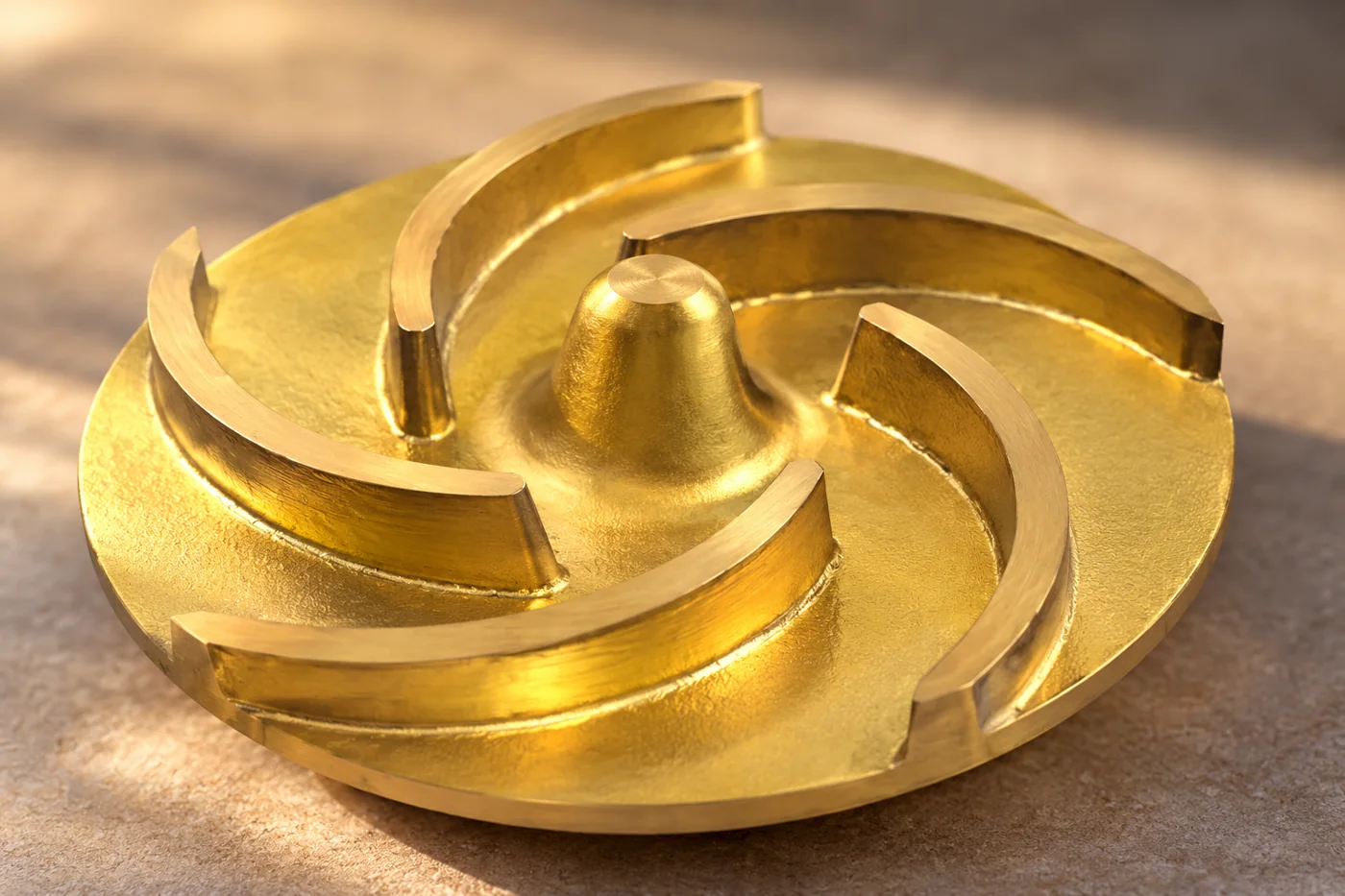
The Marine Impeller Uses a Complete Alloy Requirement
Our relevant pump-impeller listing names brass, with separately specified other copper alloys and sand or investment-casting enquiries. Its golden appearance does not establish a bronze grade or suitability for every marine medium.
Use the marine guide for the actual liquid, selected alloy, vane geometry and shaft connection. The exhaust-manifold guide follows a different problem: crack evidence, thermal restraint, wall changes and a controlled replacement evaluation.
04FIND YOUR BUYING ROUTE
Service and Working Geometry Select the Route
Choose the component guide first, then carry its grade, interfaces and required evidence into the quotation. The shared word casting does not define these different orders.
| Your next decision | Most useful starting point |
|---|---|
| Thermal cracking or hot-side housing | Manifold or turbine-housing guide: keep the actual component boundary and duty. |
| Fluid-contact rotating component | Marine impeller guide: state the medium and full copper-alloy designation. |
| Container connection hardware | Hardware guide: define each locking, mounting or moving interface. |
| Transmission or process contact | Sprocket or roller guide: identify the mating element and working geometry. |
05FIND YOUR BUYING ROUTE
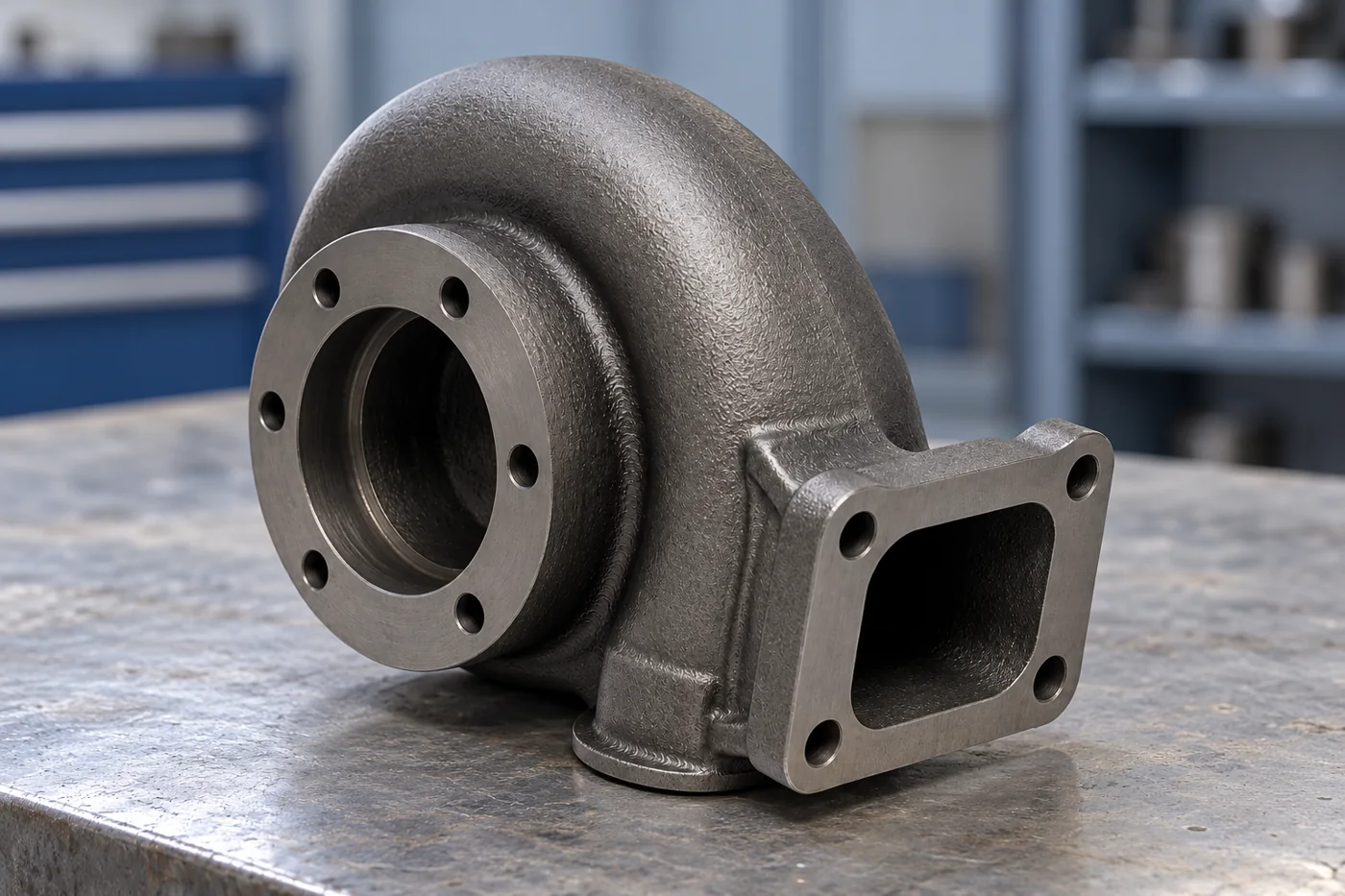
The Turbine Housing Is a Stationary Hot-Side Part
Our housing range names grey iron, ductile iron or carbon steel with sand casting and CNC. The approved passage geometry and connection references should stay together in the housing definition.
Use the turbine-housing guide for cast-form versus CNC acceptance and the relevant hot-side context. For container hardware, use the separate foundation, hinge and fixing-cone guidance rather than borrow the housing’s material or examination requirements.
06FIND YOUR BUYING ROUTE
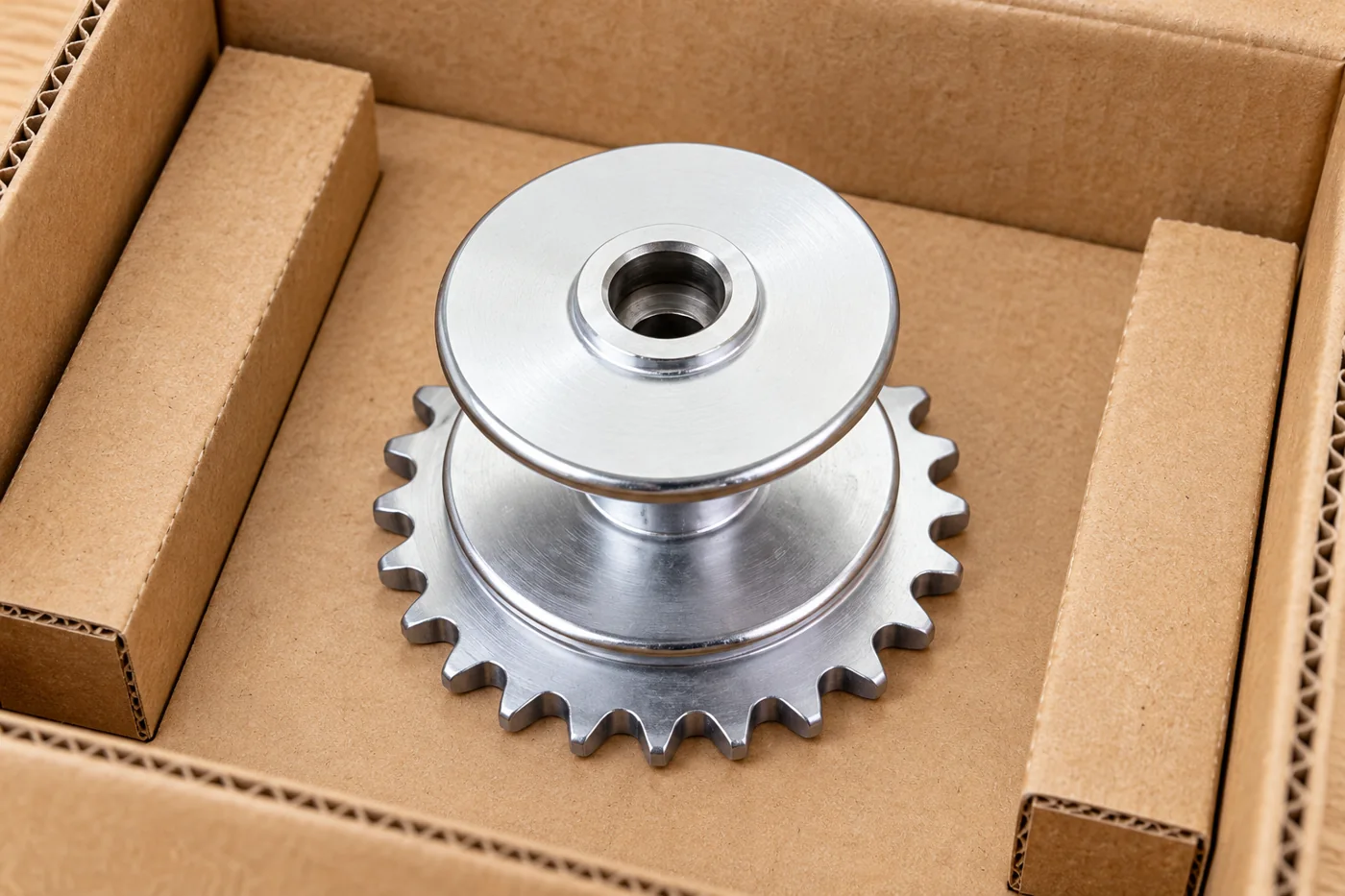
The Transmission Route Follows the Selected Part
Our nonstandard stainless sprocket range uses lost-wax investment casting with optional machining. Chain-tooth geometry and shaft location need their own coordinated definition. Grey-iron roller components instead follow their working profile and locating interfaces.
Use the appropriate guide with the actual drawing and mating reference. Then prepare quantities, finish and acceptance evidence for the component you intend to buy.
07 YOUR NEXT STEP
Bring your component into the conversation
Tell us which component you need, the material, quantity and required supplied condition. Relia will connect your enquiry with the casting, machining and evidence relevant to that part.
- [email protected]
- Phone
- +86 18561762631
- +1 404 203 0971
- Company and address
- Qingdao Relia Industries Co., Ltd.
Shuyuan Road, Qingdao, Shandong, China