
01A CLEARER CASTING PURCHASE
A356-T6 Aluminum Castings with Finished Interfaces
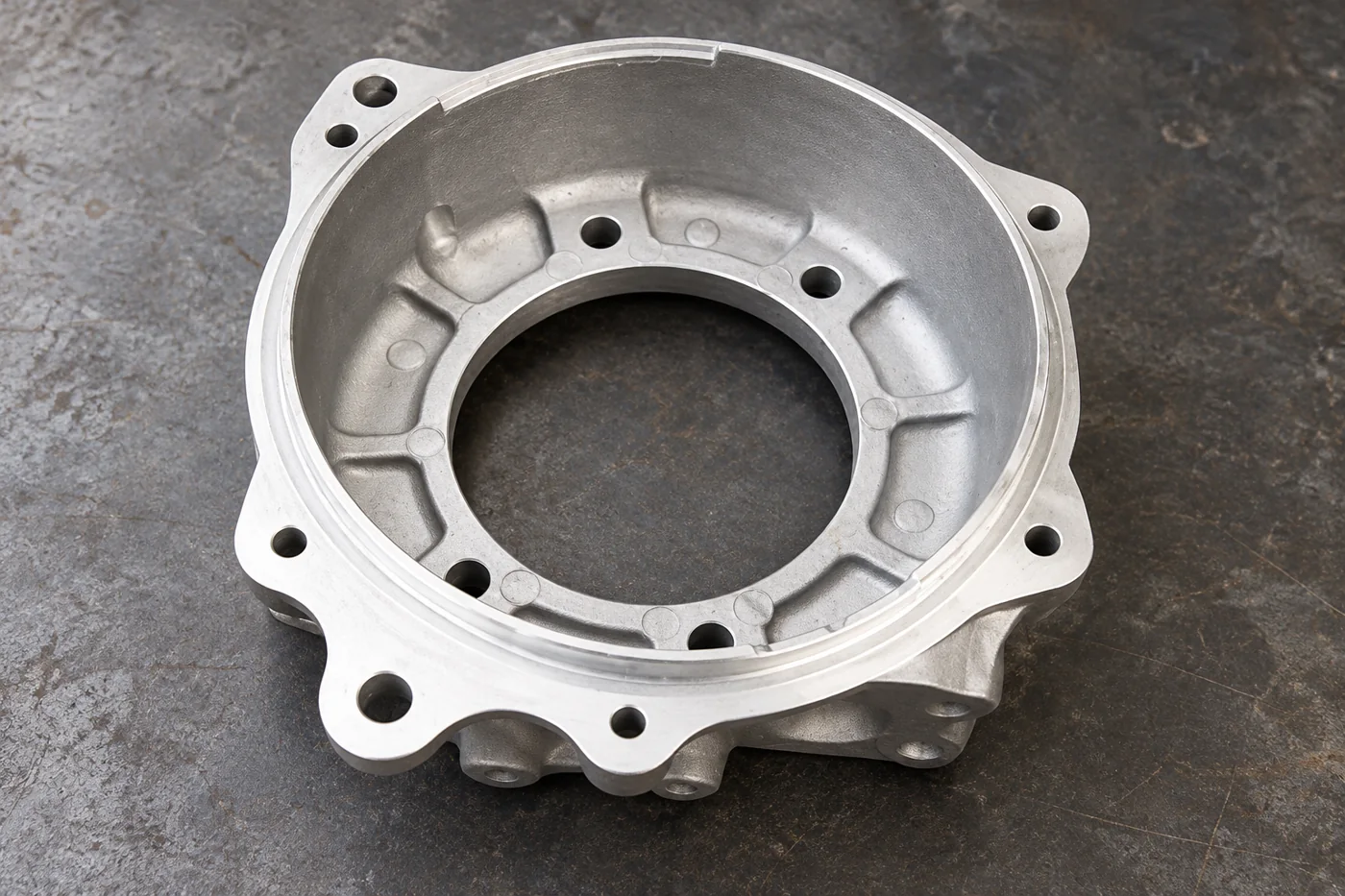
Source the aluminum material condition and the machined assembly features as one component. Relia offers A356 sand castings with T6 treatment, CNC machining, CMM inspection and shot blasting. Connect the cast shape and treatment sequence to stock around the bores, faces and mounting features. A sample evaluated in the intended delivered state gives your team a useful approval basis for repeat production.
- Material
- A356 with T6 condition
- Interfaces
- CNC-finished features
- Acceptance
- Final geometry + material
02A CLEARER CASTING PURCHASE
Keep alloy identity and temper in one requirement
Relia’s A356-T6 offering combines the specified aluminum casting route with treatment and our machining scope. Our sample-manufacture and inspection sequence lets your team review the selected material condition and finished interfaces before approving batch production.
A356 identifies the alloy choice, while T6 identifies the requested heat-treated condition. The AFS aluminum design study describes solution treatment and aging as part of that condition. Retain the complete material specification and governing edition in the order, together with any component-specific property requirements. A material description that omits the temper and a machining drawing that assumes it are not a complete supply definition. Put both into the same released component package so the treatment and final acceptance refer to the intended part.
03A CLEARER CASTING PURCHASE
Separate cast geometry from finished interfaces
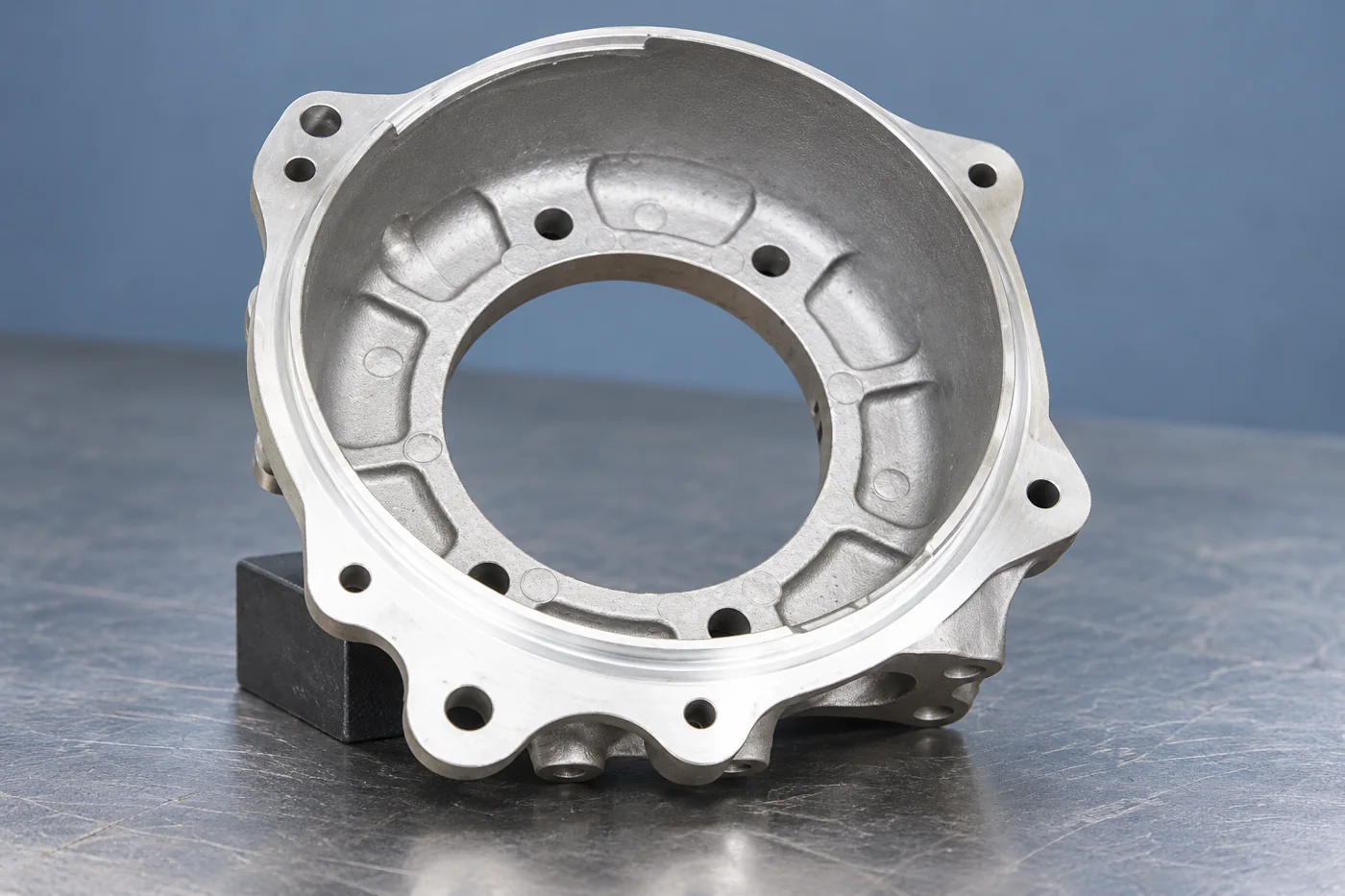
An annular housing can retain ribs and external walls as cast while its bore, face and hole pattern need finished control. Mark the boundary and the required condition for each region. Our CNC offering lists a ±0.002 mm machining reference; use a close requirement only on the nominated feature with the actual setup and measurement basis defined. The rest of the casting needs its own appropriate form and surface requirements, so the order does not pay for unnecessary close control on untouched regions.
| Region | Acceptance definition |
|---|---|
| Cast wall/rib | Required cast form, local section and surface condition. |
| Fitted bore | Size plus axis relationship to the assembly datums. |
| Mating face | Usable contact area, geometry and surface requirement. |
| Mounting pattern | Hole/thread details and location in the final supplied state. |
04A CLEARER CASTING PURCHASE
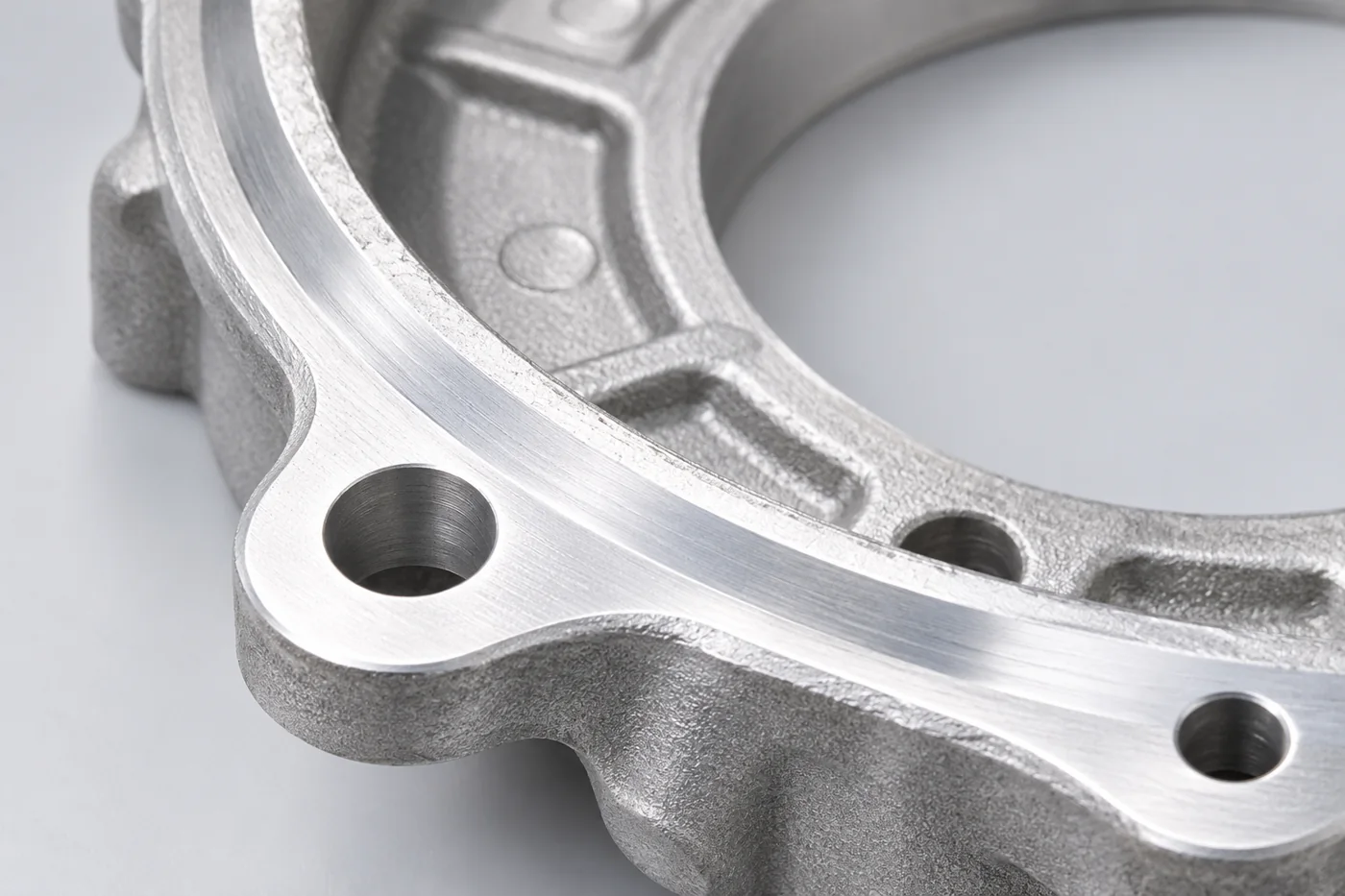
Define the usable contact area at the cast transition
A finished face needs enough usable area for the mating part, including the boundary where it meets the surrounding casting. Show local machining stock, edge breaks and any exclusion region rather than rely on the appearance of a bright patch. The model should also retain adjacent ribs and holes that affect access. This lets the machining proposal establish a functional interface without removing material that the cast structure needs or leaving an unfinished region inside the intended contact area.
05A CLEARER CASTING PURCHASE
Coordinate treatment with final dimensional control
Heat treatment can change aluminum-part geometry, so the manufacturing proposal should show where required material condition and final machining meet. Solution treatment, quenching and aging belong in that dimensional plan, with local stock retained for the nominated final interfaces. For your A356-T6 component, agree the actual treatment and machining sequence, the references used after intermediate work and the stage at which finished dimensions are accepted. The process proposal should reach the specified material condition and usable geometry together rather than qualify one while leaving the other unresolved.
- 01CastProduce the selected A356 geometry and useful machining stock.
- 02TreatObtain the specified T6 condition using the agreed casting requirement.
- 03PrepareEstablish the planned datums and intermediate geometry.
- 04FinishComplete the nominated interfaces in the required material state.
- 05VerifyLink final dimensional results with the material-condition evidence.
06A CLEARER CASTING PURCHASE
Choose surface preparation by the working interface
Shot blasting is named for the A356 casting offer, with anodizing, plating, powder coating and polishing among additional finish choices. Select the treatment appropriate to the actual part and identify coverage. A close bore or sealing face may need masking or a defined final surface after the selected operation, while an exposed cast wall has a different appearance requirement. Keep these boundaries visible in the order so a cosmetic finishing decision does not change the interface your assembly depends on.
07A CLEARER CASTING PURCHASE
Measure the finished geometry from the assembly datums
CMM inspection is part of the documented A356 supply scope. Give the report the same feature references and datum interpretation used on your drawing. A bore diameter and its relationship to the mounting plane are separate results, while the part’s support condition can matter to the reported shape. State the final measurement state and any required restraint so your receiving team can interpret the sample consistently. The report should describe the actual finished part rather than only an intermediate condition before later operations.
08A CLEARER CASTING PURCHASE
Use the sample to release material and geometry together
Pair the required material-condition evidence with a dimensional record and the selected surface definition. Identify the sample and drawing revision so your assembly or service evaluation remains attached to the component actually supplied. If the trial changes a hole location or finish boundary, update the affected definition and results before repeat release. This is particularly useful when the first order includes both initial and fine machining: the approval should make clear which supplied stage was assessed and which features are complete.
- 0101Release A356-T6, the drawing revision and cast-to-machined boundaries.
- 0202Define material evidence and CMM characteristics for the sample.
- 0303Review the final surface state and required assembly evaluation.
- 0404Approve the complete delivered condition for repeat supply.
09A CLEARER CASTING PURCHASE
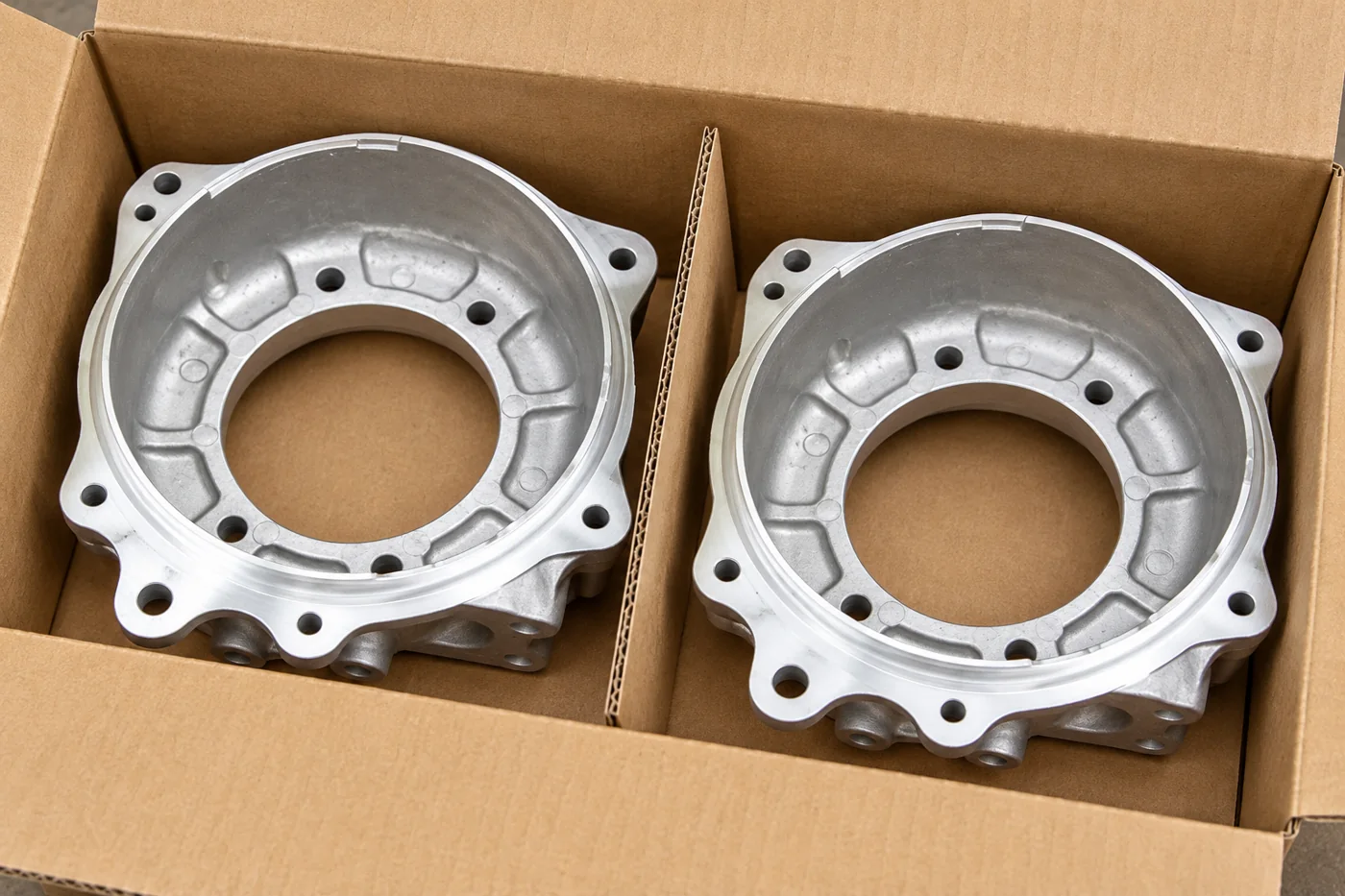
Keep the machined state usable on arrival
Protect the annular faces, bores and flange edges from direct contact during packing. Separators should support the components through suitable regions without using a fragile lip as a stop. Specify the condition needed for receiving checks and the removal of any temporary protection before assembly. Our packing scope follows customer requirements, so include identification and route needs with the finish brief. The result should preserve the material-and-interface definition approved during the sample stage.
10A CLEARER CASTING PURCHASE
Request A356-T6 supply as a finished component
Send the controlled drawing and model with the full A356-T6 material requirement and quantity. Mark the cast regions, finished interfaces and selected surface preparation, and name the evidence your approval team needs. We can then quote casting, treatment, machining and CMM reporting around the actual component. Your buying decision rests on a coherent route to the required material condition and usable geometry, with the same definition available for later repeat orders.
11 YOUR NEXT STEP
Bring your component into the conversation
Tell us which component you need, the material, quantity and required supplied condition. Relia will connect your enquiry with the casting, machining and evidence relevant to that part.
Technical reading and scope
Technical references explain the process. Component specifications and agreed order records define the actual supply.
A356-T6 Alloy — AFS Aluminum Casting Design StudyAluminum Heat-Treatment Process Considerations — NASA JSC- [email protected]
- Phone
- +86 18561762631
- +1 404 203 0971
- Company and address
- Qingdao Relia Industries Co., Ltd.
Shuyuan Road, Qingdao, Shandong, China