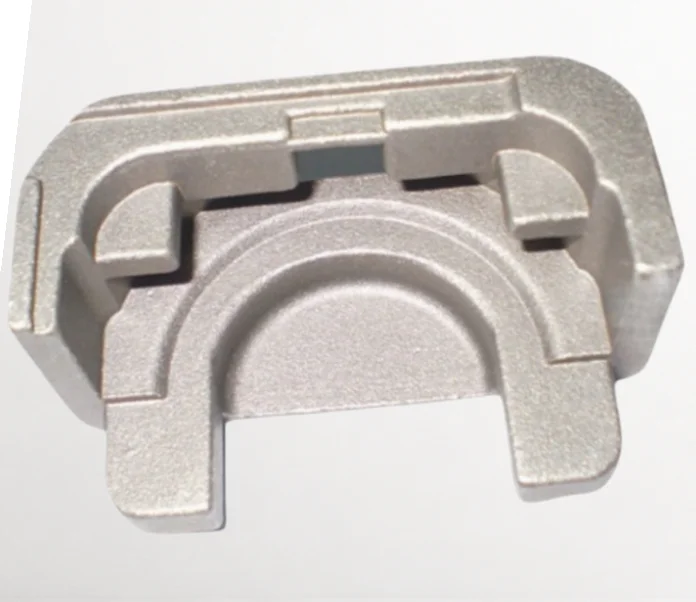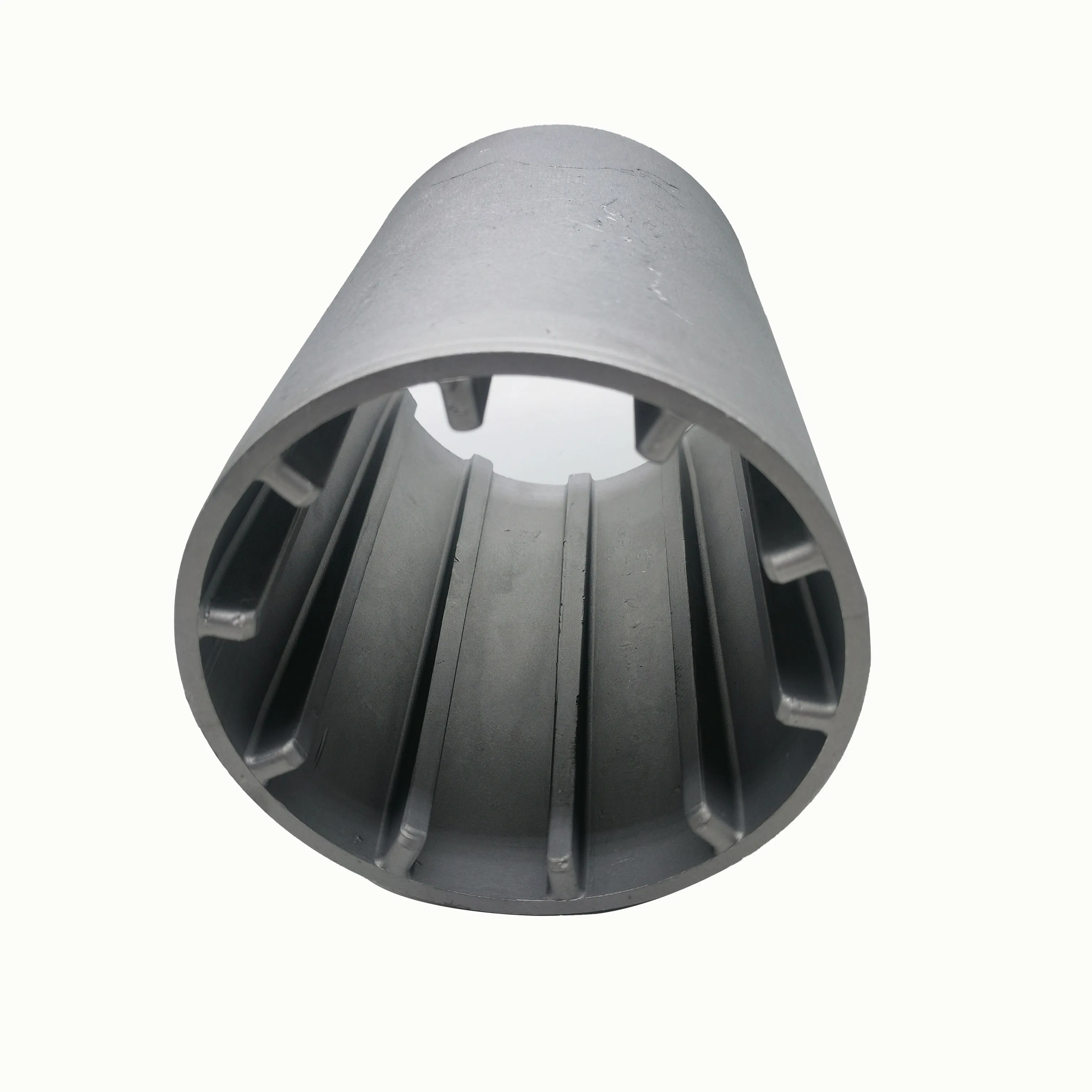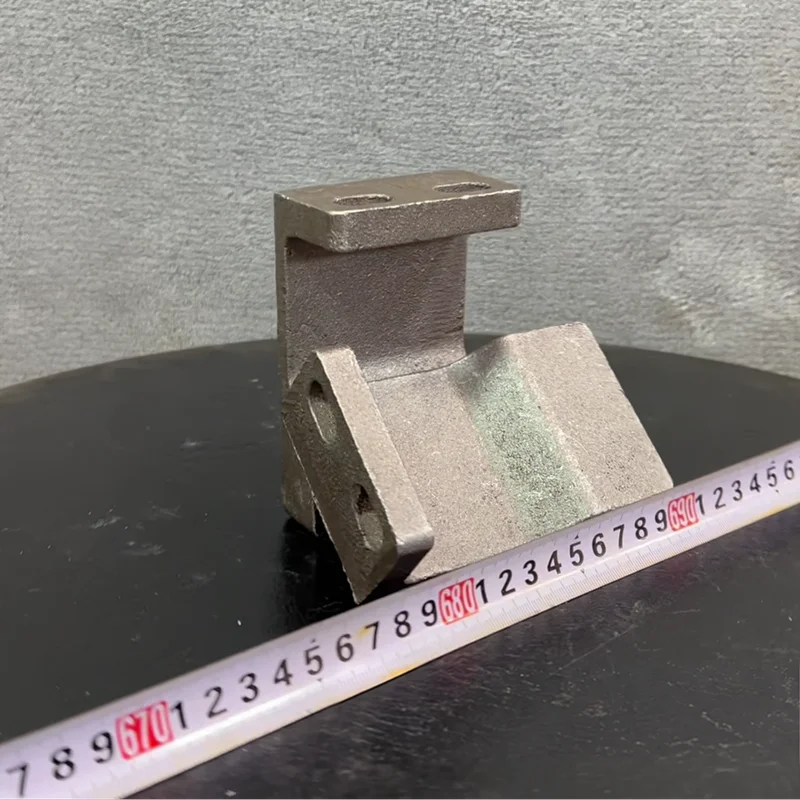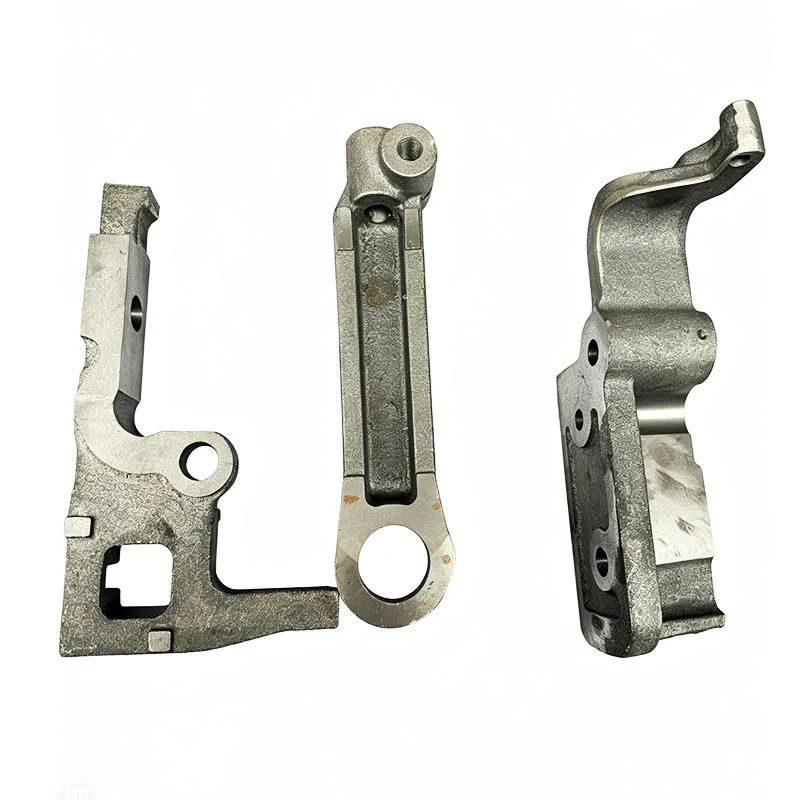
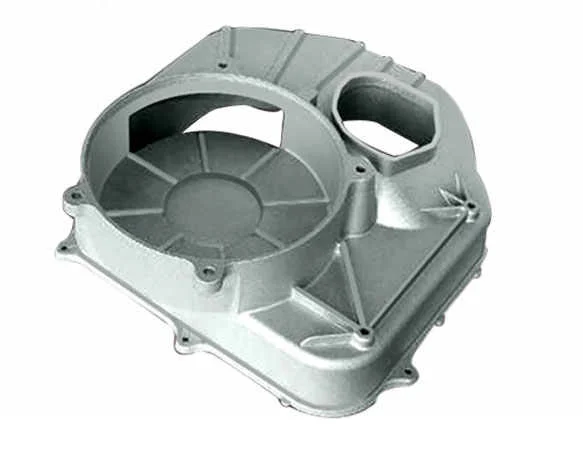
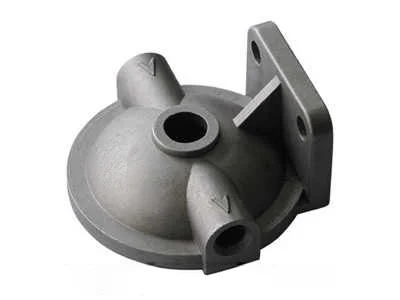
Custom A356 T6 Aluminum Gravity Sand Cast Components with Initial Fine Machining for Industrial Automotive Construction Enquiries
Direct factory support
Get a quote that fits your project
Send your drawing or product reference, material grade and required quantity. Relia will review the requirements with you.
- Drawing & specification review
Confirm the supply scope and critical requirements.
- Samples before custom production
Review inspected samples before approving a batch.
- Inspection documents
Agree material and dimensional records for your part.
-
MaterialAluminum
-
Applicationindustry,auto,construction...DimensionsVarious as required
-
CommodityA356 T6 alloy aluminum castingStandardDIN,BS,ASTM,GOST,ISO
-
CertificatedISO/TS16949Machinedtough machined and fine machined
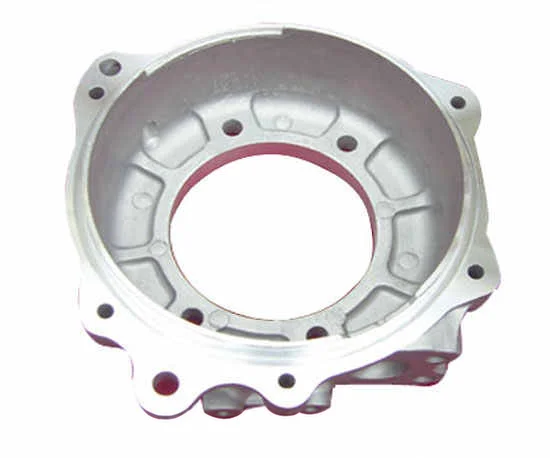
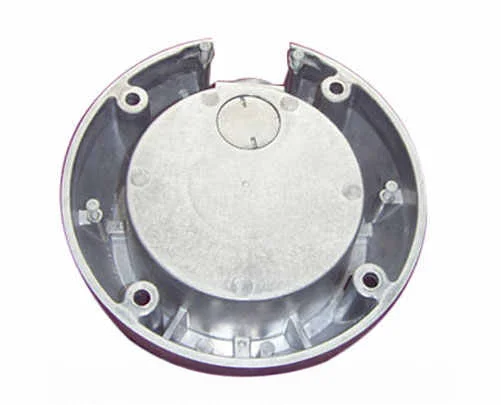
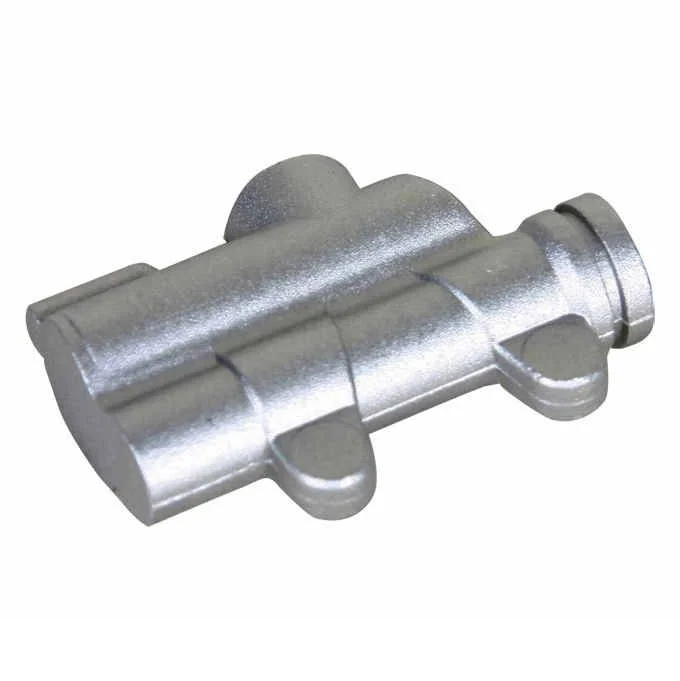
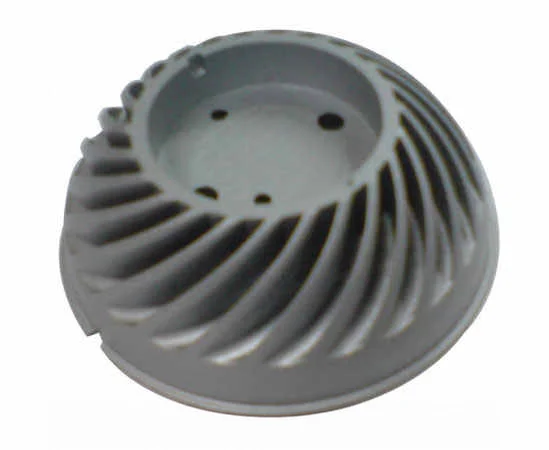
Custom A356-T6 aluminum components are offered with selected gravity- or sand-casting routes and machined or fine-machined supply enquiries. Dimensions follow the industrial, automotive or construction-part requirement. Define the actual drawing, material specification and supplied state for the component being ordered.
Select the governing alloy document
Standard families include DIN, BS, ASTM, GOST and ISO. Identify the complete document and edition for the selected aluminum grade and required heat-treated condition. Explain the component’s function and operating requirements so material acceptance addresses the actual design.
Define initial and finished machining
Show mounting, locating and working interfaces with the datums controlling fit. Identify the work required at each machining stage and the dimensions accepted in the final condition. Identify the state in which fine-machined interfaces are finally accepted. Put measurement conditions and any jointly assessed relationships on the drawing.
Set material and surface approval
Distinguish cast-state surfaces from interfaces requiring a particular final result. Specify treatment or appearance requirements relevant to the design and the records needed to assess them. Explain the purpose of any reference sample and the characteristics an initial component must demonstrate.
- Provide quantity and the controlling revision.
- Identify material and dimensional acceptance records.
- Request applicable ISO/TS16949 documents and scope.
- Retain approved route and geometry changes with the component definition.
Keep the selected material condition and final machining requirements attached to production approval of the actual aluminum part.