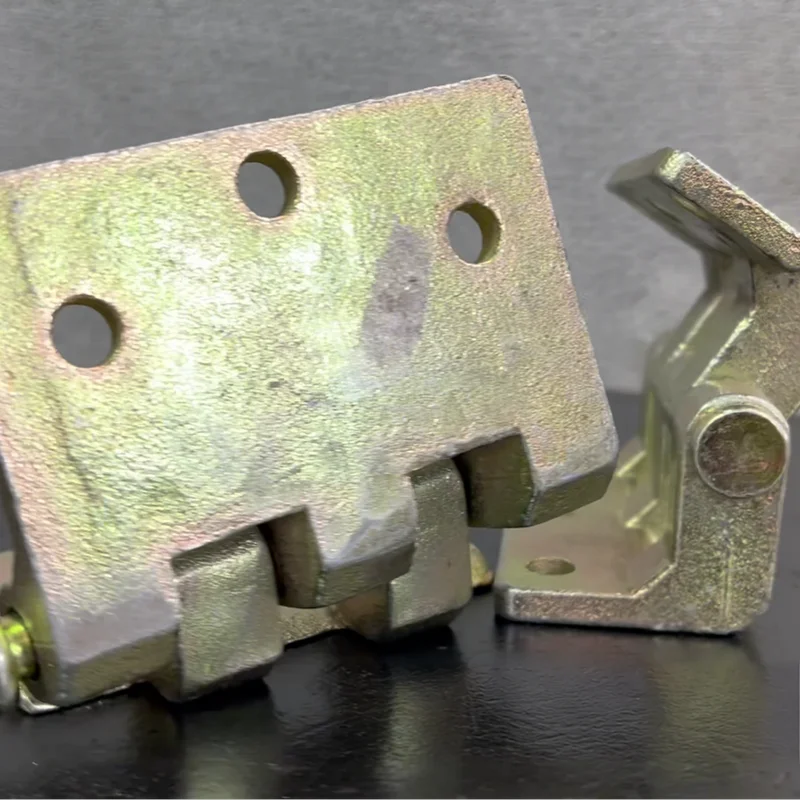
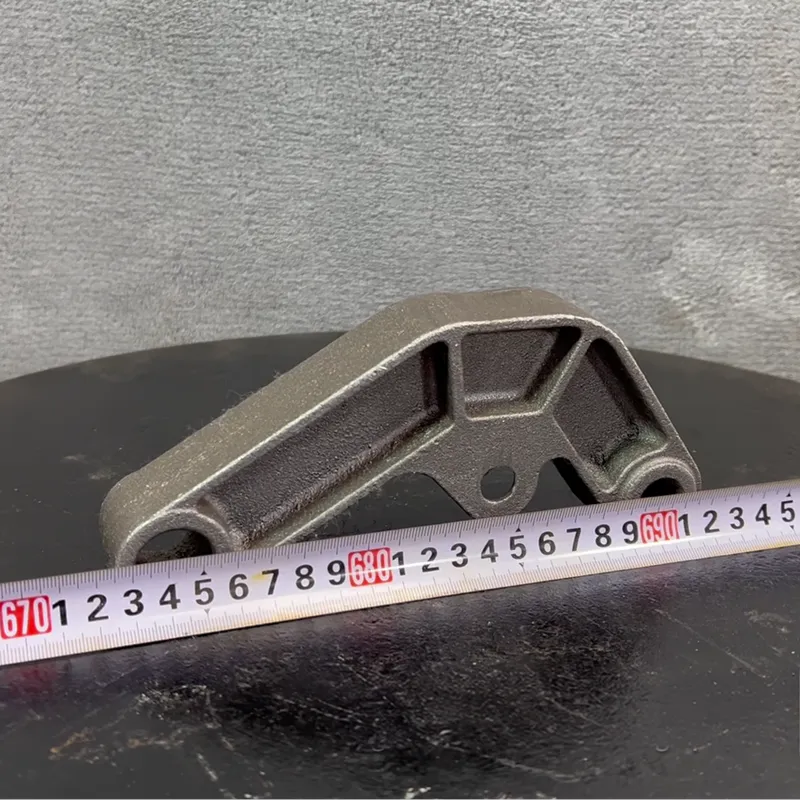
Custom Precision Castings in Stainless Steel, Aluminum, Brass and Zinc: Die, Investment, Sand and Gravity Casting Enquiries
Direct factory support
Get a quote that fits your project
Send your drawing or product reference, material grade and required quantity. Relia will review the requirements with you.
- Drawing & specification review
Confirm the supply scope and critical requirements.
- Samples before custom production
Review inspected samples before approving a batch.
- Inspection documents
Agree material and dimensional records for your part.
-
MaterialSteel/Carbon Steel customized
-
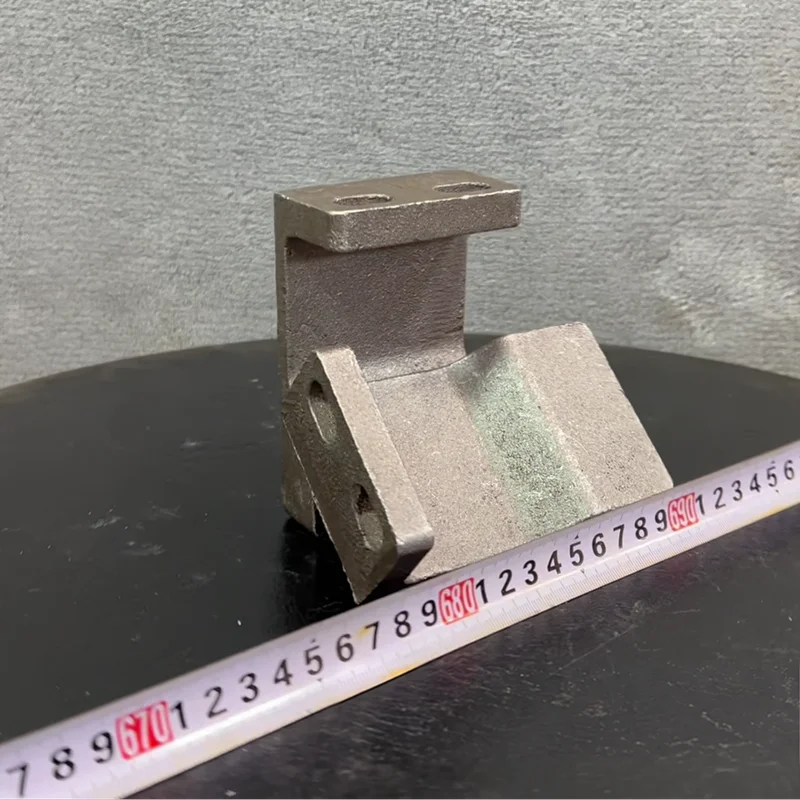
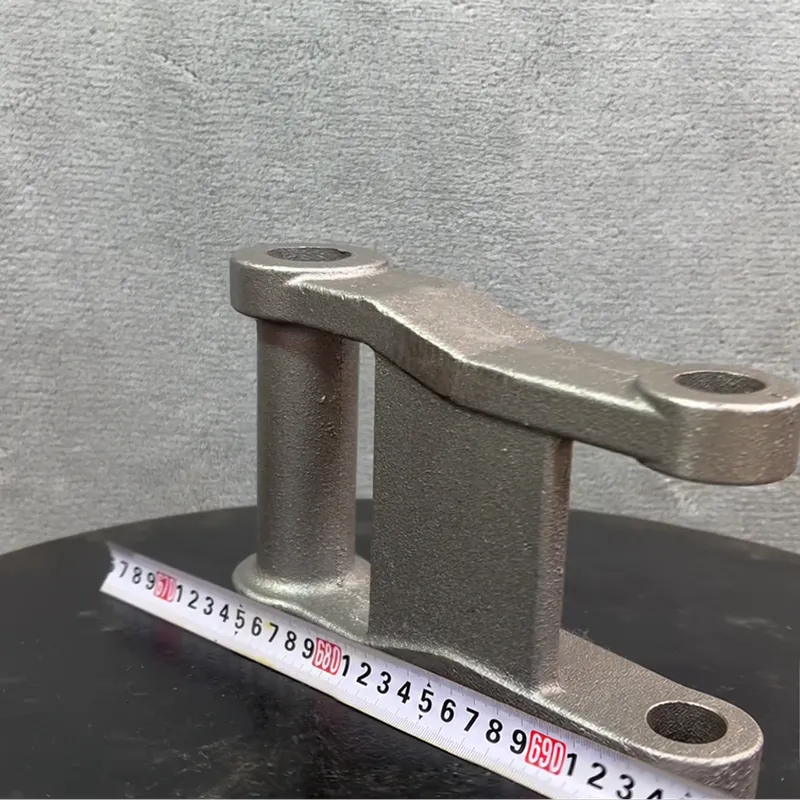
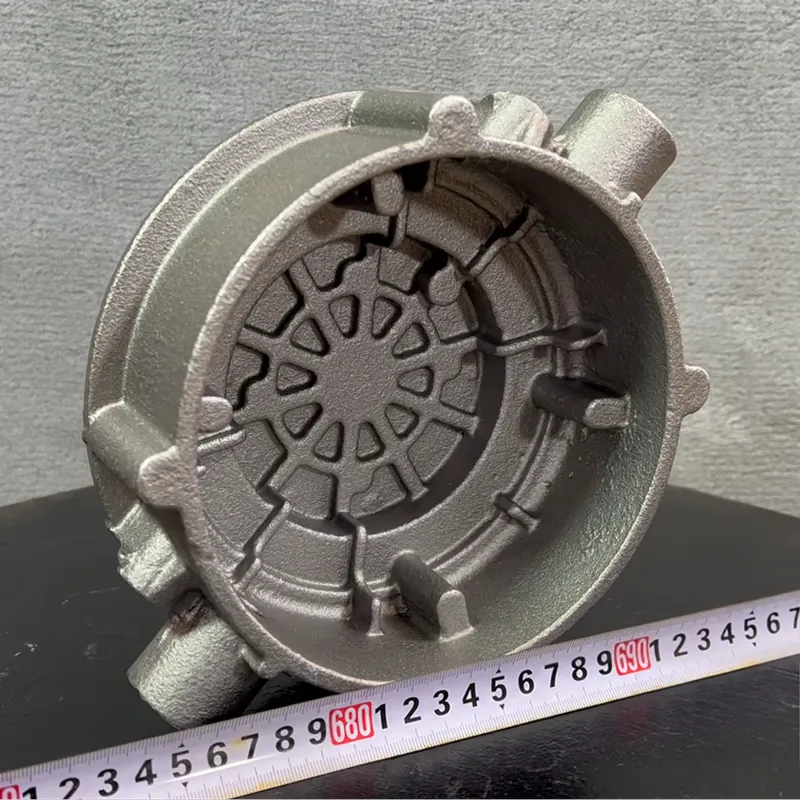
ApplicationMachinery PartsProcessCasting +Machining(if Need)+surface Treatment
-
Machining ProcessMachining CenterHeat treatmentTempering/T6 Heat Treatment customized
-
MOQ1000Manufacturing ProcessSand Casting/ customized
-
ServiceCustomized OEMQuality ControlISO/TS16949:2002/ISO9001
-
Surface treatmentCustomers' Demand
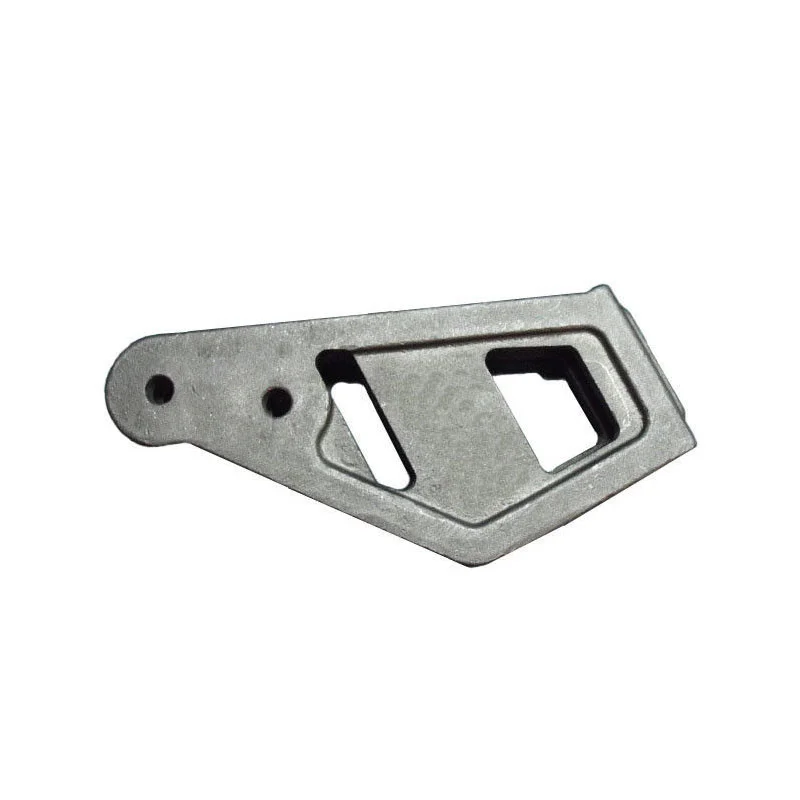
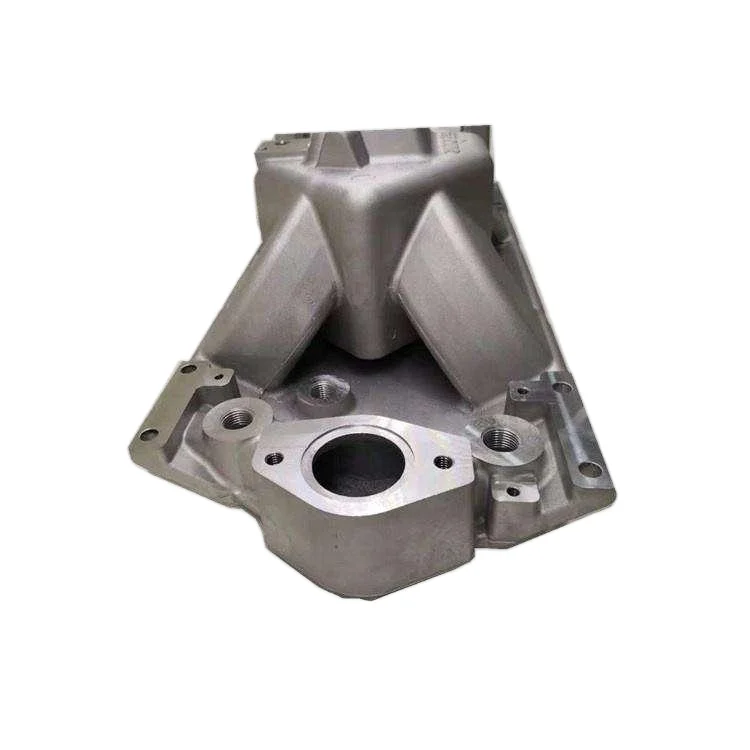
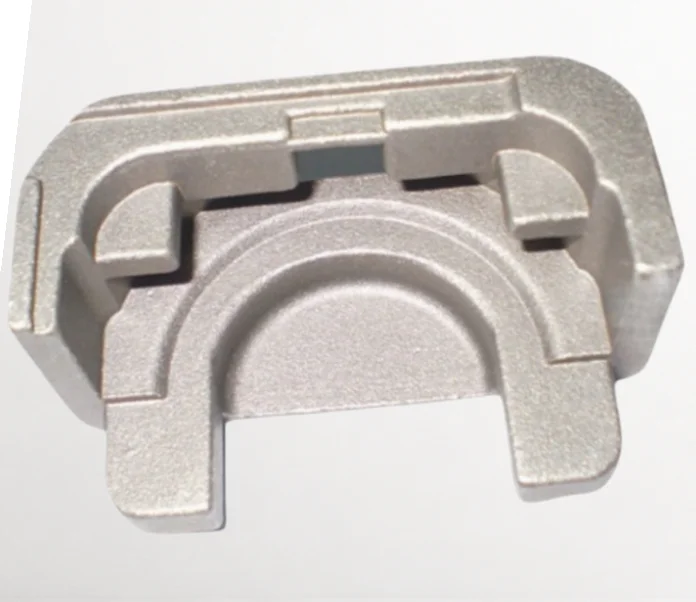
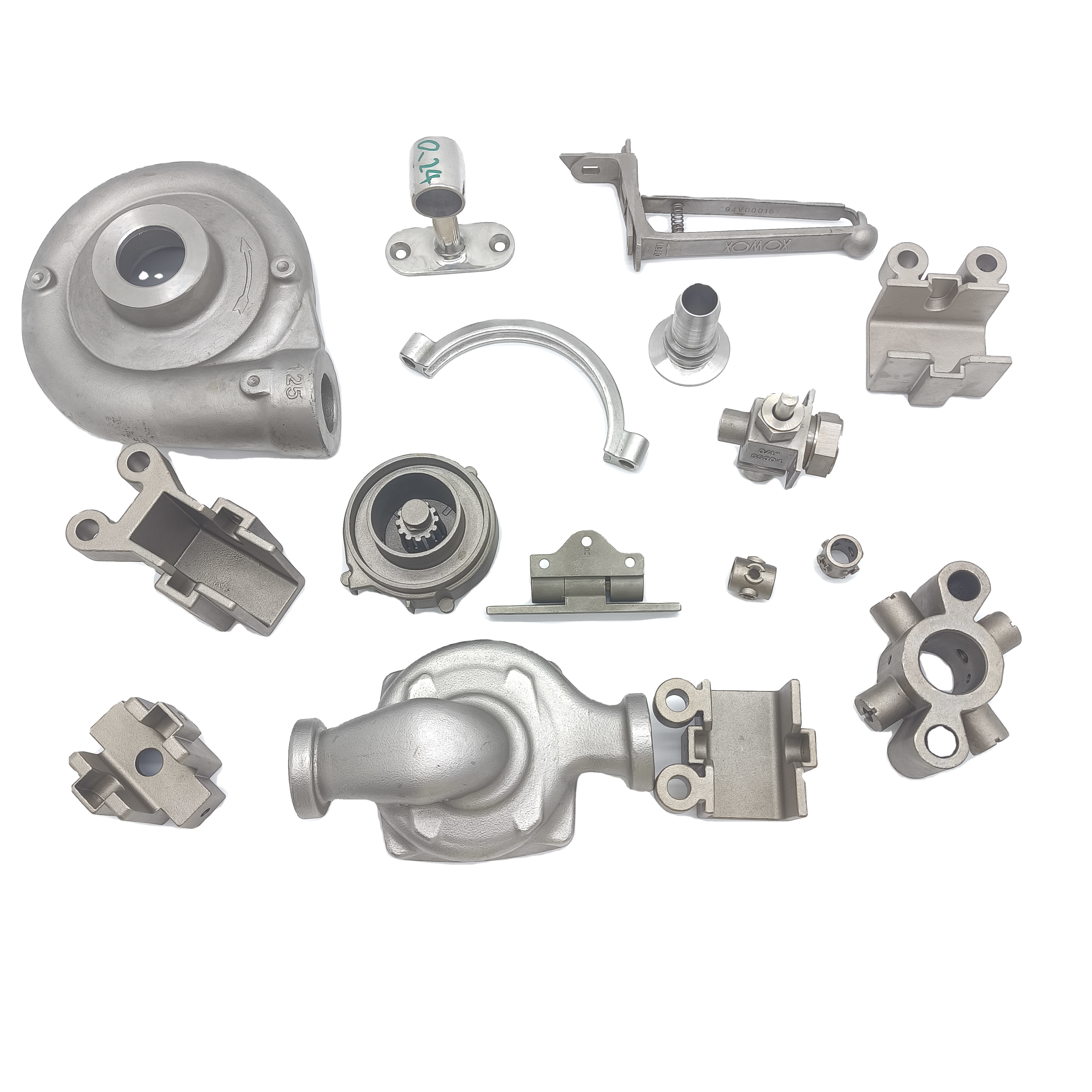
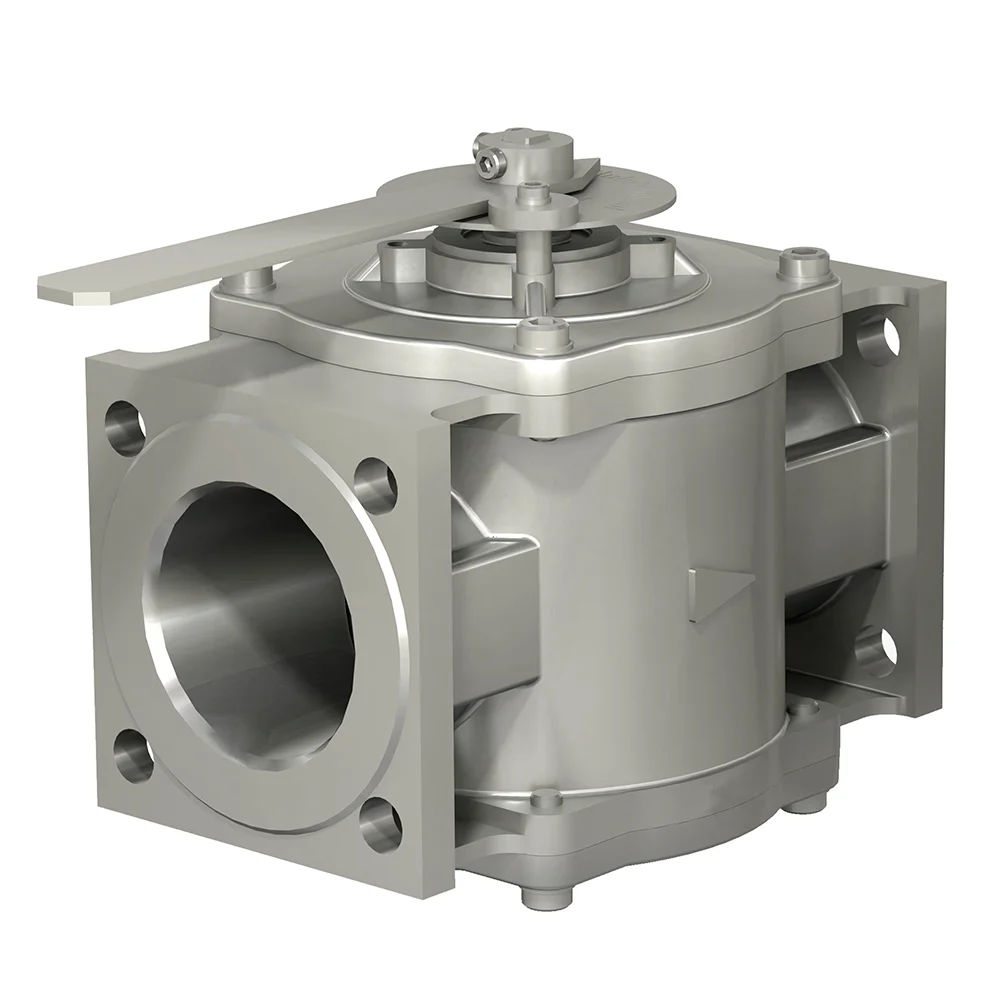
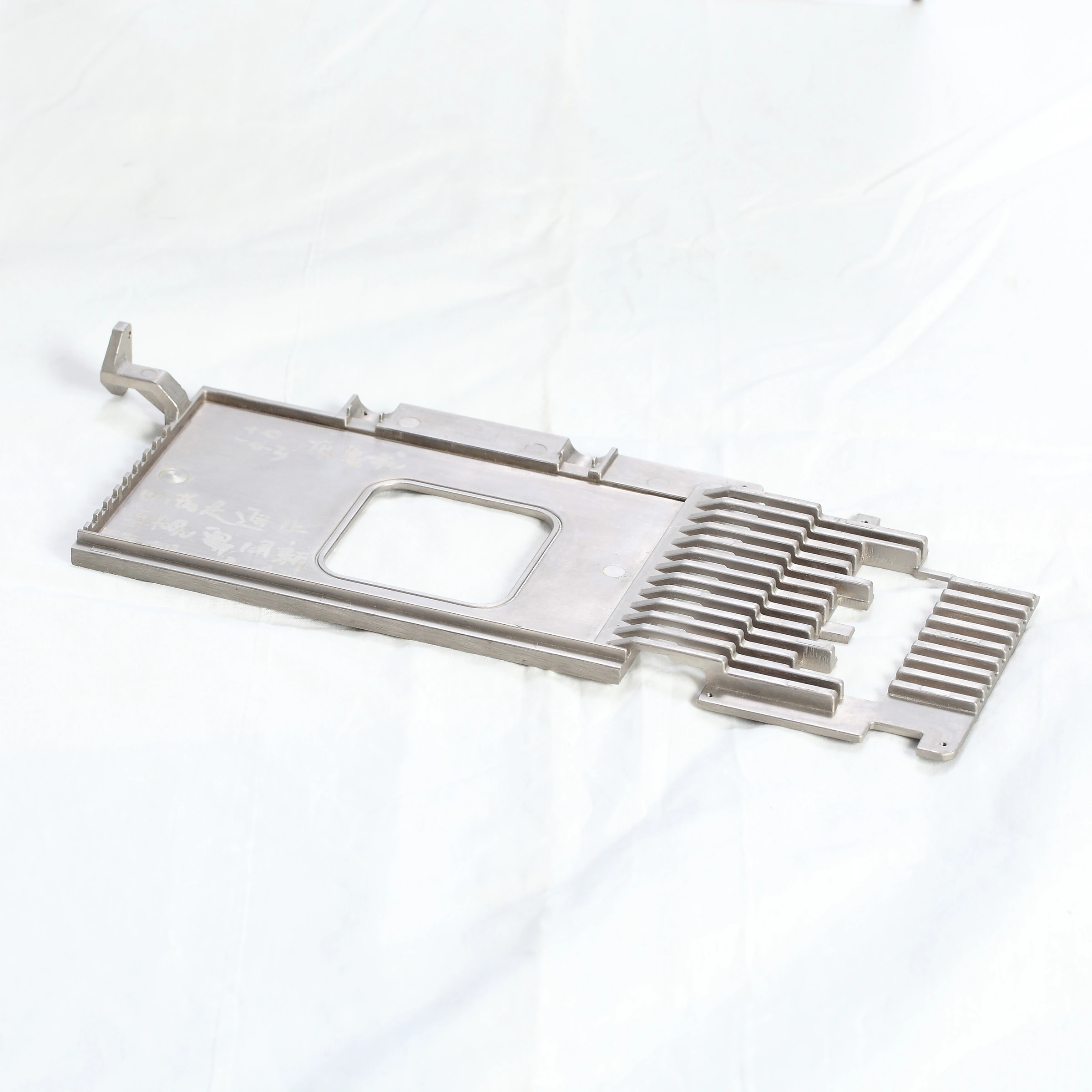
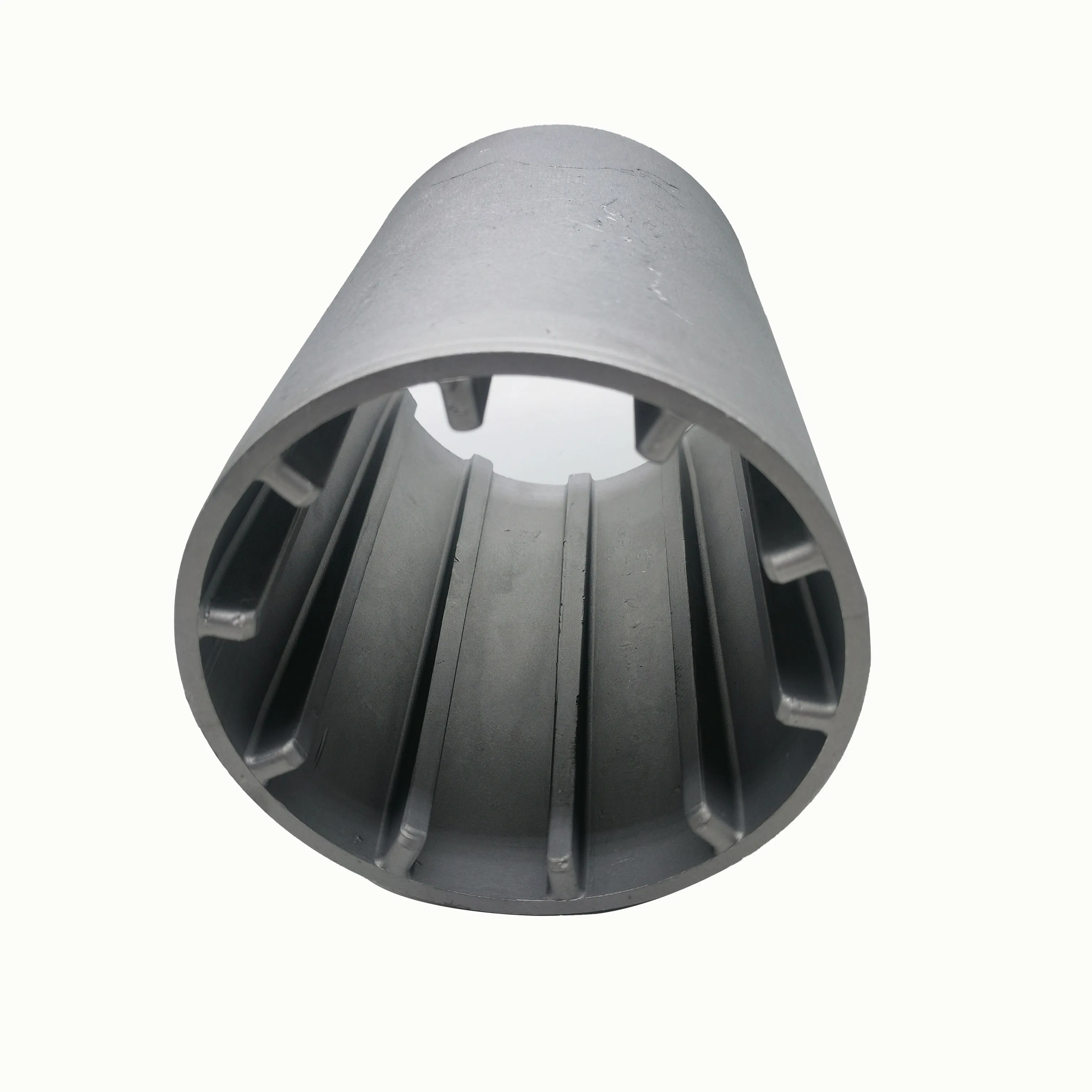
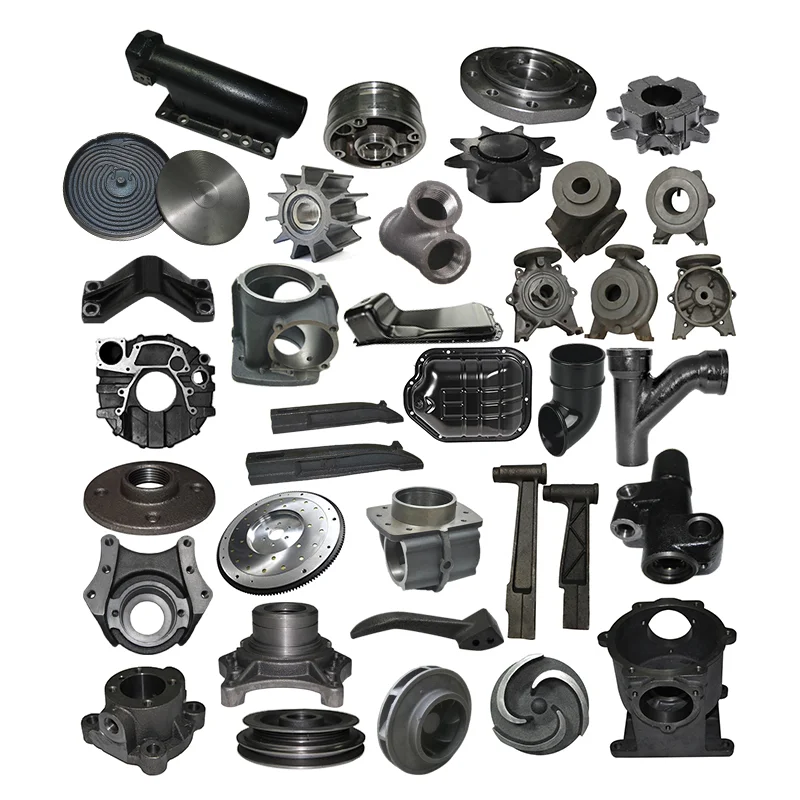
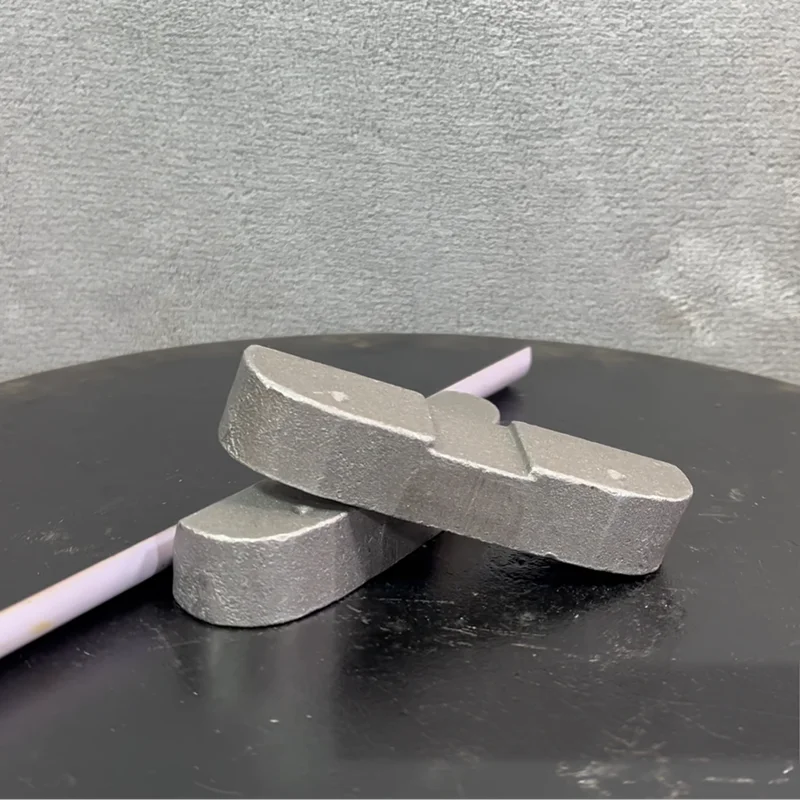
A custom machinery component needs a selected material and a defined route to its finished condition. This OEM service covers casting, machining when needed and surface treatment, with steel or carbon-steel configurations among the component enquiries. Describe the part geometry and intended supply scope before arranging tooling or optional processing.
Define the metal before fixing the route
Stainless steel, aluminum, brass and zinc are separate material enquiry choices alongside the steel-component scope. Select the actual alloy and required condition for the individual part rather than combining those material names into one configuration. The component drawing should carry that choice through the manufacturing discussion.
- Die casting is one route enquiry for the selected component.
- Investment casting provides a separate manufacturing option for discussion.
- Sand casting can be considered against the part requirement.
- Gravity casting is another independently selected route enquiry.
- Machining-center processing is available when the finished part needs it.
Use the machinery drawing to decide finishing work
Identify the dimensions and surfaces that matter to the machinery assembly before defining optional machining. Show how those areas will be measured and describe the intended surface condition at completion. For an OEM cast component, this helps distinguish the required blank geometry from later work that belongs to particular interfaces.
Bring the steel condition and order basis together
Customized tempering can be agreed for a selected steel-grade requirement, with the treatment condition matched to the component's duty. The minimum-order reference is 1000, so establish its order unit and quantity basis with the component configuration. Surface treatment follows the customer's demand. A useful manufacturing proposal for this service connects the chosen metal, casting route and completed-part requirements instead of assuming every available process applies to the same item.