
01FIND YOUR BUYING ROUTE
Replacement Casting Development Guides
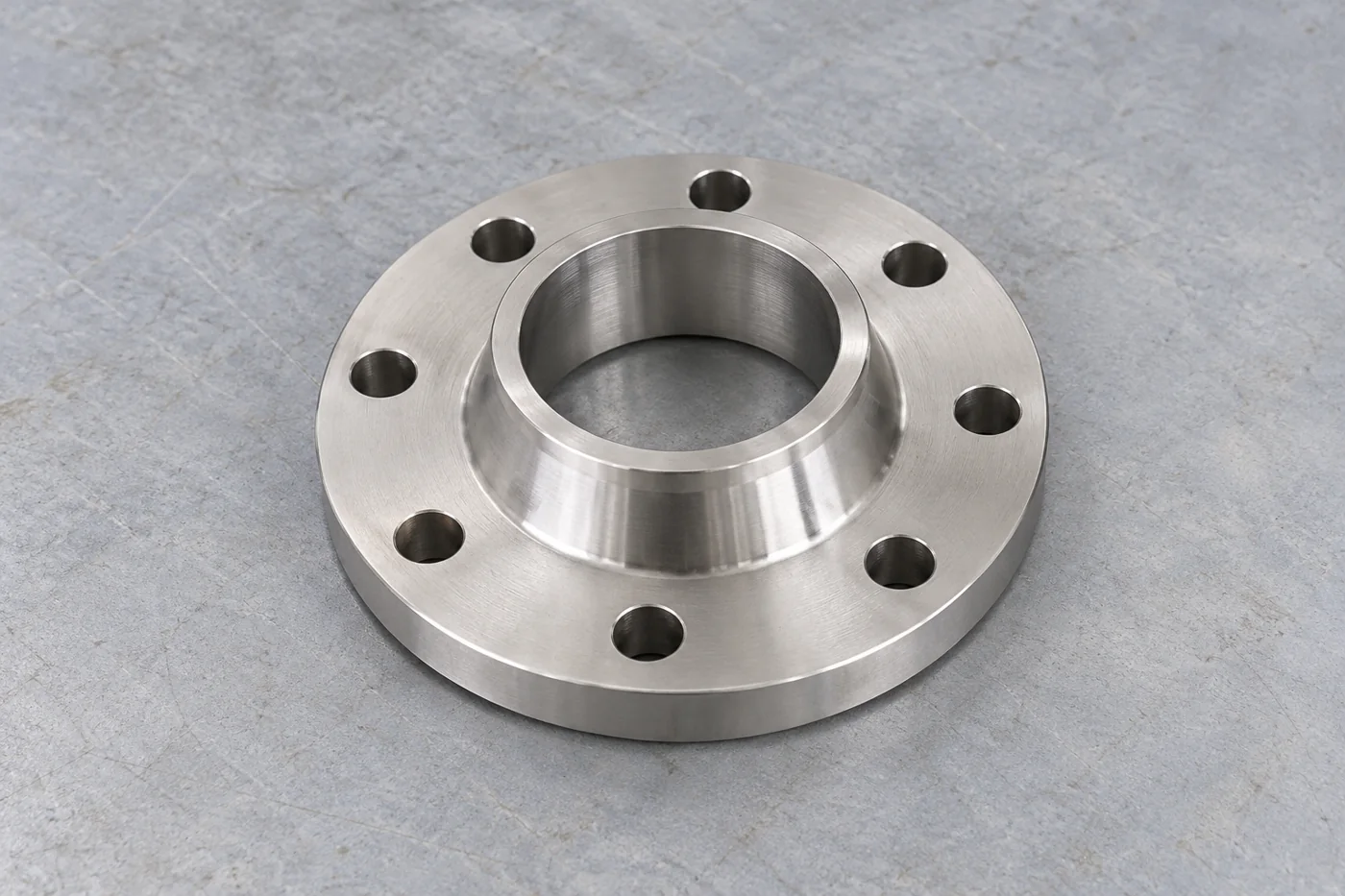
Start with what you have: a worn sample, an existing pattern, a released drawing or a changing model. Relia’s development guides explain how that reference becomes a defined replacement or prototype. Choose the route for your actual starting point, then connect tooling, material, finished interfaces and sample evidence before repeat supply.
- Choose
- Your purchasing task
- Compare
- Relevant component evidence
- Continue
- Guide, product or RFQ
02FIND YOUR BUYING ROUTE
Seven Development and Replacement Routes
Relia combines our own sand casting and machining production in China. The guides below connect your purchasing situation to a component specification, a process decision and the evidence needed for acceptance.
Use the closest starting condition. The guides distinguish restoring an established part from testing a new form, route or family of related components.
03FIND YOUR BUYING ROUTE
A Sample Does Not Define Every New Dimension
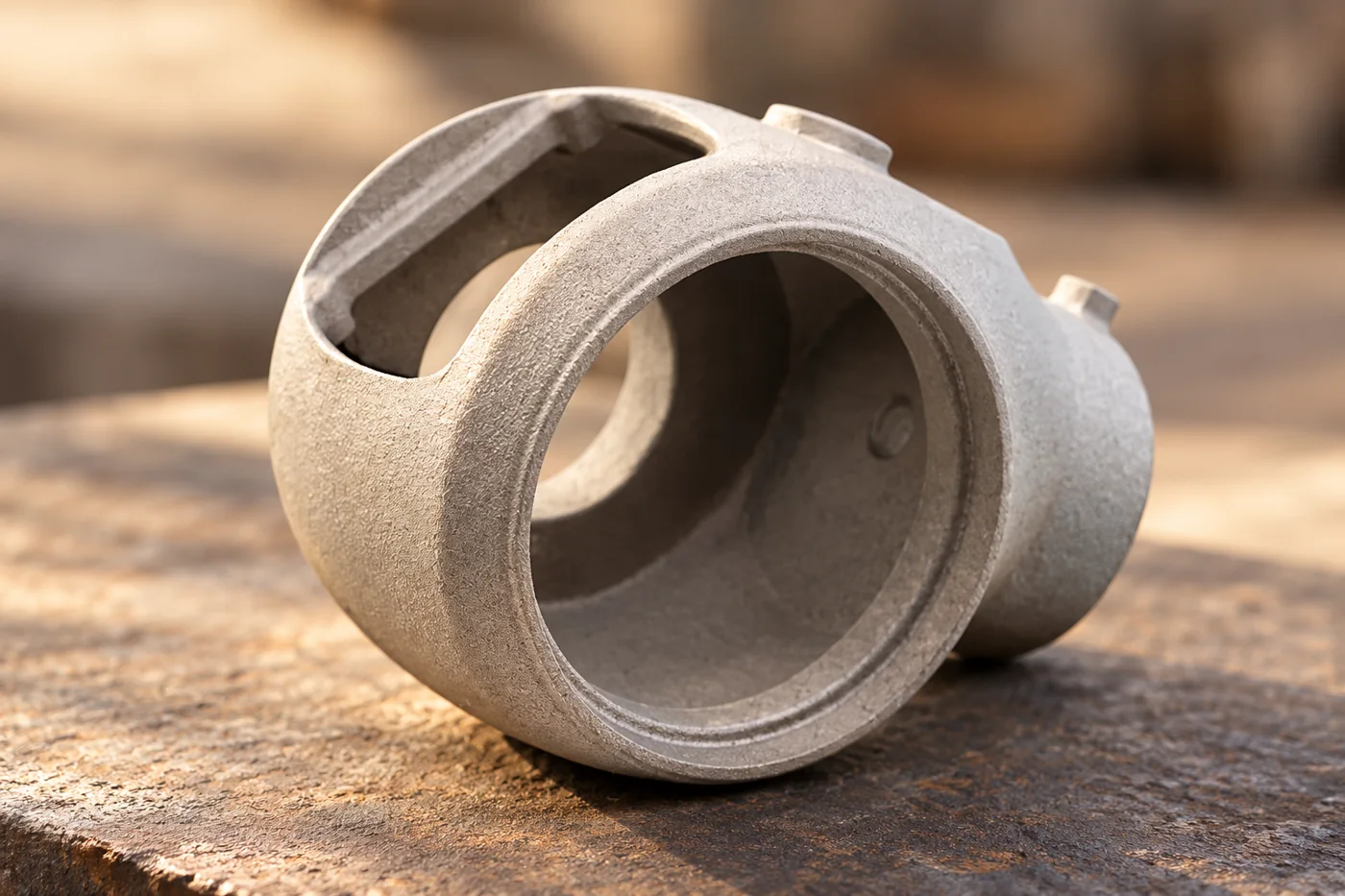
Our replacement range includes new GG25 grey-iron and GGG40 ductile-iron requests, with the actual grade and route selected for the drawing. A service-worn hole or damaged edge needs to be distinguished from the intended new interface.
Use the worn-sample guide when geometry is incomplete. Use pattern transfer when the forming package exists, or second sourcing when new tooling must reproduce released component requirements.
04FIND YOUR BUYING ROUTE
Available Evidence Determines the First Deliverable
Establish whether the next purchase is an assessment, tooling work, a foundry tool or a metal component. Then select the guide that explains its acceptance.
| Your next decision | Most useful starting point |
|---|---|
| Worn part with missing data | Replacement guide: distinguish measured service condition from required new geometry. |
| Pattern available | Transfer guide: inventory tooling and qualify the casting produced from it. |
| Released design without tooling | Second-source guide: establish new tooling and relevant interchangeability evidence. |
| Geometry still developing | Core, variant, conversion or family guide: identify the learning and release decision. |
05FIND YOUR BUYING ROUTE
The Prototype Has a Specific Learning Purpose
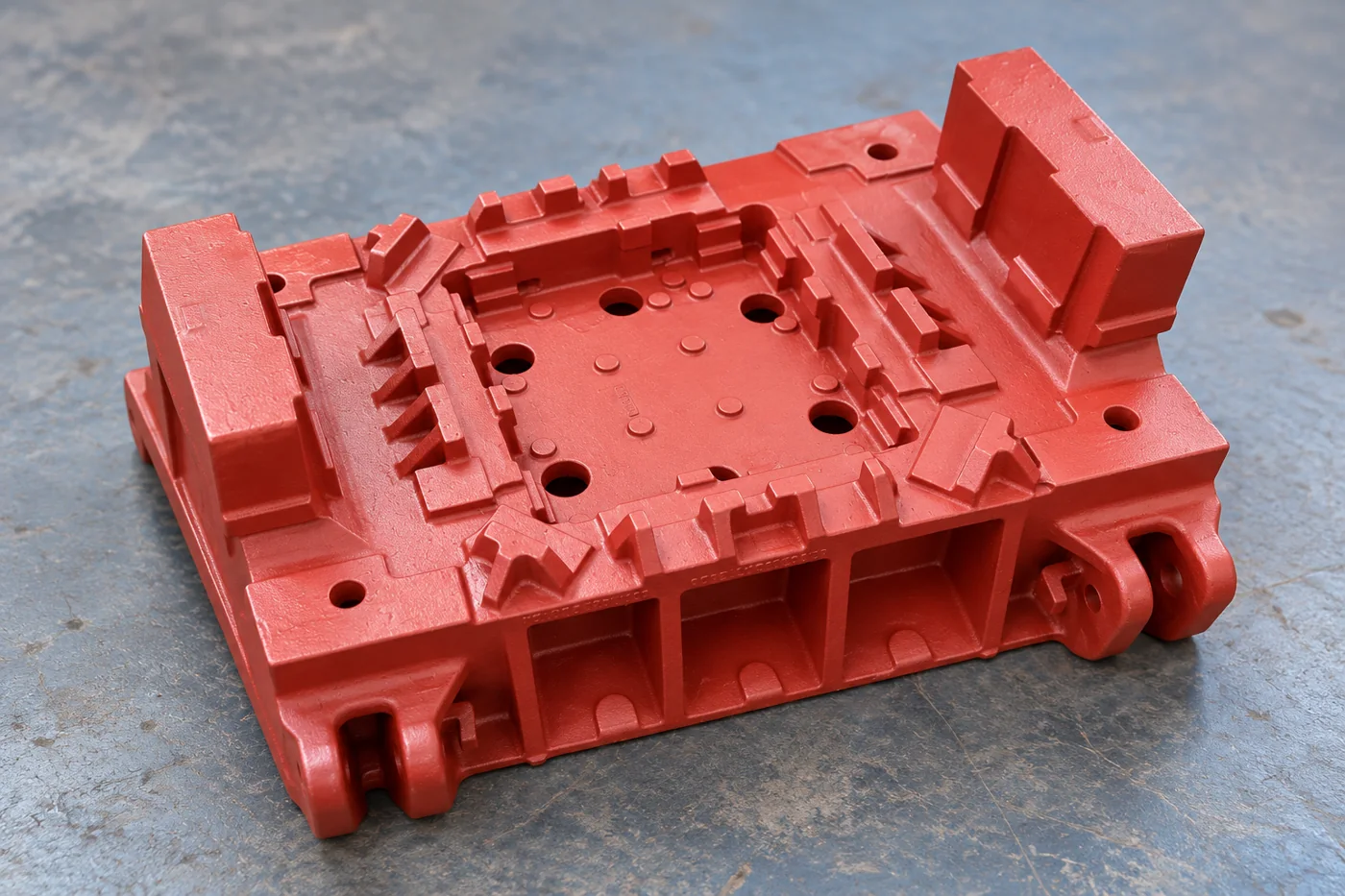
Our industrial range names in-house tooling design, mold manufacture, prototyping and selected CNC work. A prototype can establish shape, finished fit or a defined functional comparison; those purposes are not identical.
For a conversion or part family, retain the interfaces that must stay common and identify the geometry being changed. The dedicated guides explain how sample coverage and revision control follow those differences rather than a generic request for one prototype.
06FIND YOUR BUYING ROUTE
Variants Remain Identifiable through the Trial
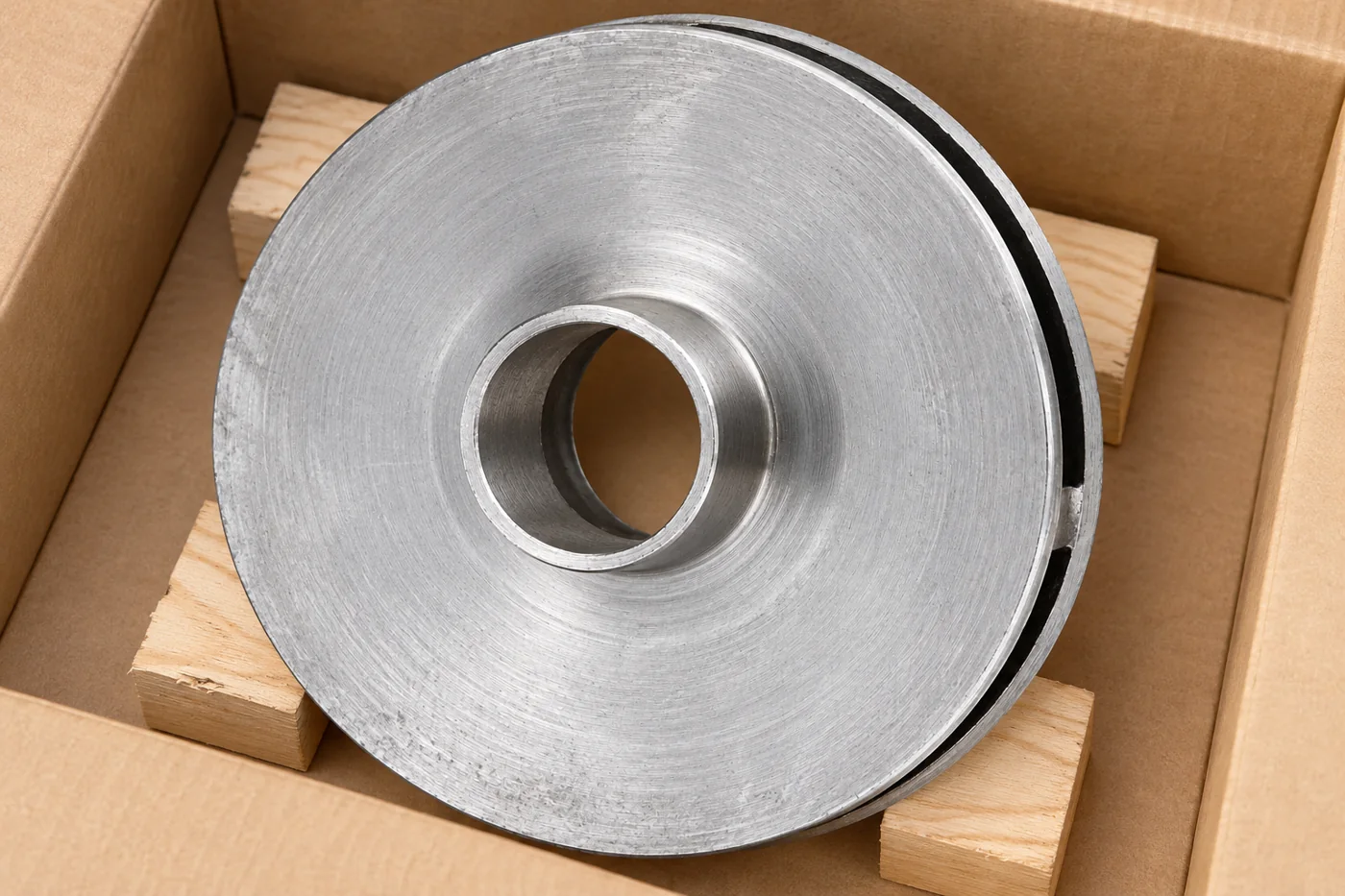
A closed impeller and its modified version need separate model and sample identities. Our impeller enquiries distinguish sand tooling, the iron casting and a separately produced metal part.
Send the available evidence with the selected deliverable, material and trial objective. The related guide helps you define the next controlled version before repeat quantities are released.
07 YOUR NEXT STEP
Bring your component into the conversation
Tell us which component you need, the material, quantity and required supplied condition. Relia will connect your enquiry with the casting, machining and evidence relevant to that part.
- [email protected]
- Phone
- +86 18561762631
- +1 404 203 0971
- Company and address
- Qingdao Relia Industries Co., Ltd.
Shuyuan Road, Qingdao, Shandong, China