
01CHINA CASTING AND MACHINING
Select Foundry Equipment and Moulding Materials
An equipment or consumable enquiry starts with the foundry operation it must support. Relia’s catalogue includes selected moulding equipment, ceramic foundry sand, bentonite and crucibles. This guide separates machine configuration from line scope, and material grading from the operating conditions that make it useful. Use the linked product specifications to build a configuration or material brief that can be checked before ordering.
- Equipment
- Task + configuration
- Consumables
- Grade + process fit
- Acceptance
- Agreed operating basis
02CHINA CASTING AND MACHINING
A machine envelope is different from a complete line
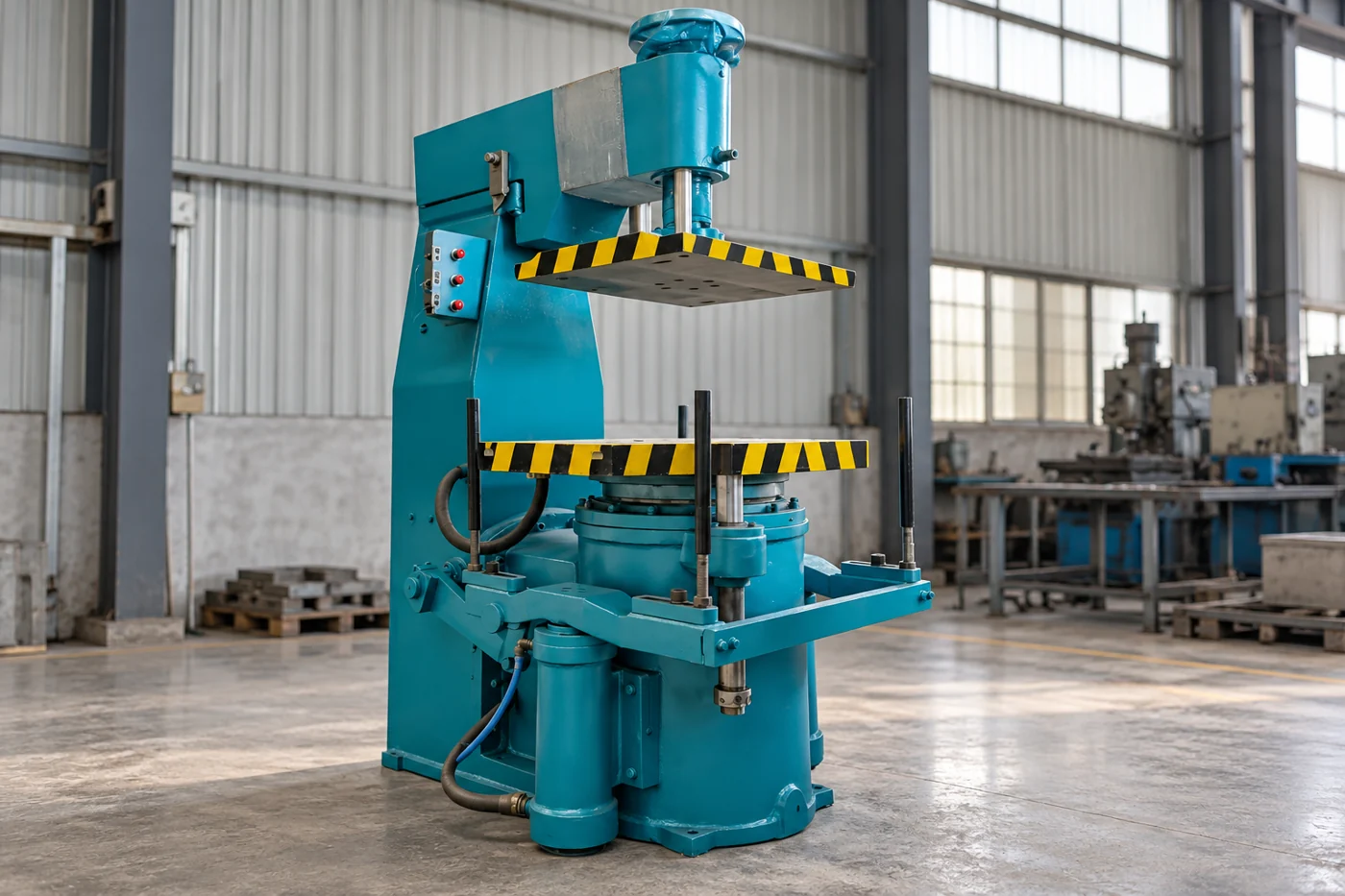
Relia’s equipment and foundry-material catalogue is a separate procurement scope from our own casting and machining production. For example, the Z145W manual-control jolt-squeeze offering belongs to a Z14 model family with 220 V, 380 V and 440 V supply references. The selected model determines its dimensions and power requirements.
A complete line also needs equipment, transfers, utilities and access defined. State the mould size and operating task, then use the selected configuration’s layout for the installation discussion. Do not combine values from different models.
| Equipment decision | Input to retain |
|---|---|
| Machine model | Selected Z14-family configuration and mould task |
| Utilities | Actual voltage, frequency and other required plant supplies |
| Working envelope | Machine dimensions plus operating and maintenance access |
| Included scope | The units, interfaces and controls supplied in the proposal |
03CHINA CASTING AND MACHINING
Keep throughput attached to the process stage
The sand-processing entry names crushing, screening and cooling, with associated mixing and moulding arrangements. Its references include a 50–150 t/h mixer range and 60–300 moulds/hour for selected moulding scope. These describe different outputs.
A comparison needs the selected configuration and the conditions behind its capacity. Record sand duty, mould size, core-setting and transfer requirements as applicable, then identify which stage each figure describes. This helps distinguish a sand-handling bottleneck from the output of the moulding station.
04CHINA CASTING AND MACHINING
Controls connect individual units to the agreed operation
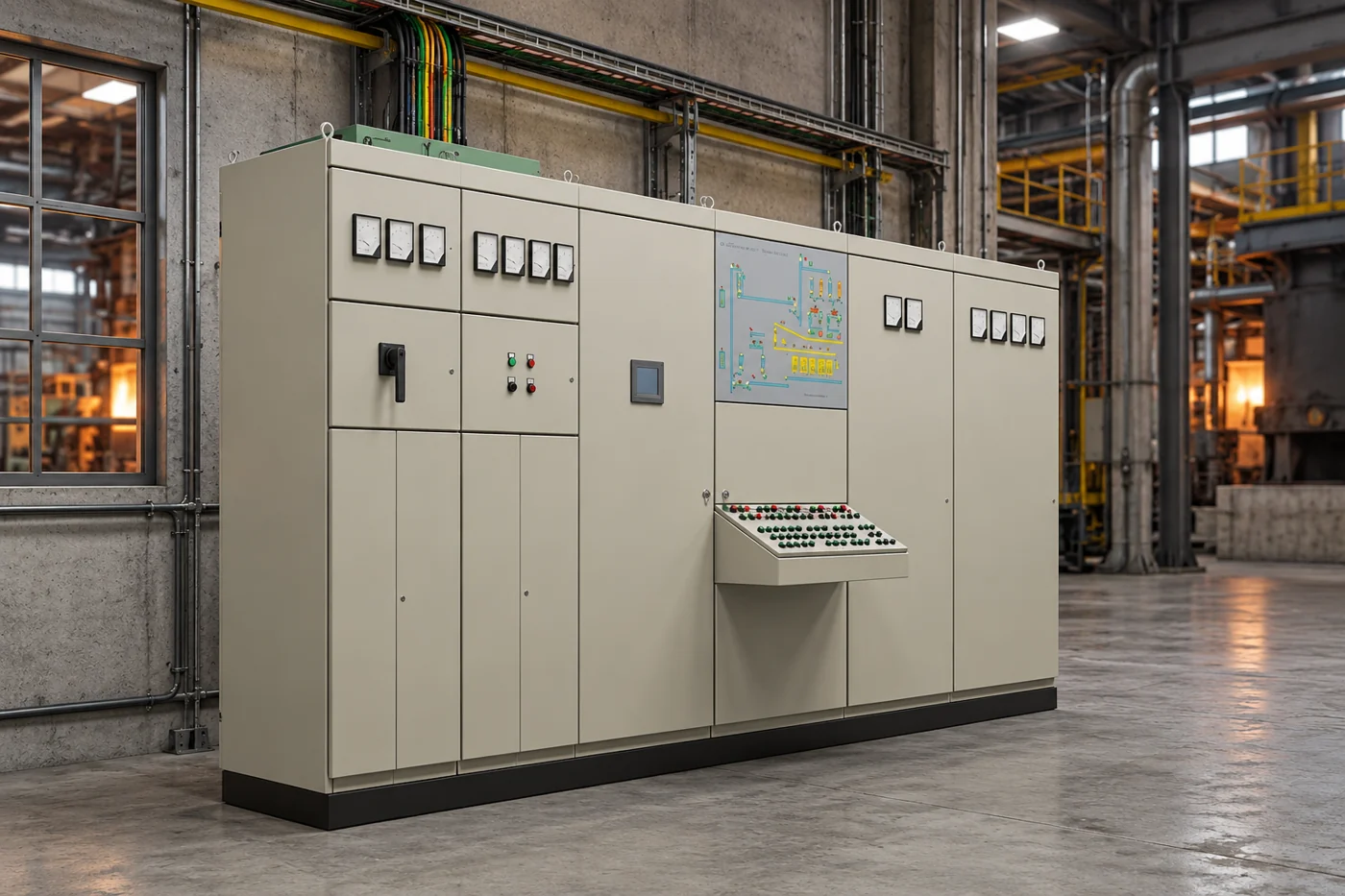
Our PLC-controlled sand-processing offering names control, motor, gearbox and other core components, with a 380 V / 50 Hz electrical reference and a 75 kW power reference on the selected equipment entry. The actual installation proposal should show which loads, control functions and interfaces are included.
Request the outgoing-inspection video and machinery test report listed for the equipment. Define the operating sequence to be demonstrated, including the selected alarms and interlocks where required by the project, so acceptance relates to the proposed configuration.
05CHINA CASTING AND MACHINING
Define acceptance around a demonstrated operating task
For a moulding machine, an acceptance brief can identify the agreed mould, operating sequence, selected utilities and required output basis. For a processing package, identify the included units, transfers and sand duty. Set the checks and records that establish the operation being purchased.
Installation, commissioning, spares and warranty coverage belong to the selected offer. The jolt-squeeze entry lists a one-year machine and core-component warranty, while the sand-processing entry lists two years. Keep those item-specific terms with the quotation rather than apply one period to all equipment.
- 01ConfigurationModel, included units, mould or sand duty
- 02DemonstrationSelected operating sequence and test conditions
- 03RecordsMachinery report and outgoing-inspection video
- 04HandoverInstallation scope, spares and agreed service terms
06CHINA CASTING AND MACHINING
Ceramic sand needs a grading and property specification
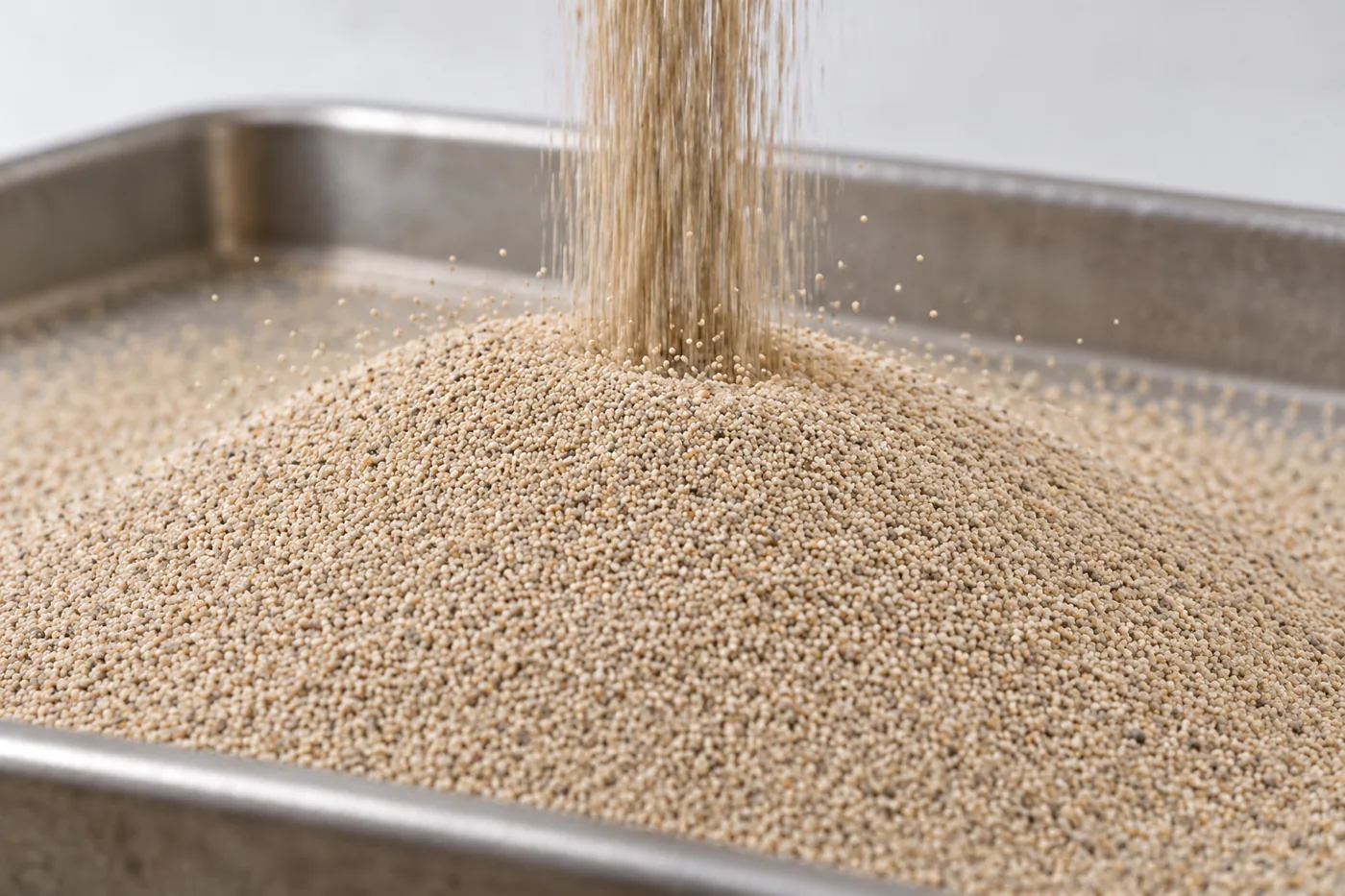
Our brown ceramic foundry sand entry gives a 20–270 mesh range, refractoriness of at least 1800°C, thermal-expansion reference of 4.5–6.5 × 10^-6/K and loss on ignition below 0.1%. The selected grading and relevant test conditions should accompany those properties.
Identify the material role in the mould, core or investment-casting system and the binder it will work with. A range of size options is not one exact distribution. The order should name the selected grading and the incoming checks needed for the actual process.
07CHINA CASTING AND MACHINING
Grain fineness does not describe the whole distribution
An AFS grain-fineness value summarises sieve-analysis information, while the complete distribution shows how the material is spread across sizes. Sands with the same average value can therefore have different distributions. A mesh option, an AFS value and a chemical grade should remain separate specification fields.
For repeat material supply, retain the agreed grading method and the batch acceptance basis. This gives the foundry a more useful comparison than an isolated fine-sand description and helps keep a change in grading visible during process evaluation.
| Material field | Information it contributes |
|---|---|
| Size option | The selected mesh or grading description |
| Distribution | The required sieve-analysis basis and result |
| Material property | Relevant thermal, density or chemical requirement |
| Batch acceptance | Selected tests and identification linked to supply |
08CHINA CASTING AND MACHINING
Crucibles are selected around the furnace and duty
Our A350 item is an isostatically pressed silicon-carbide/graphite crucible for aluminum, copper and gold melting enquiries, with a 1600°C duty reference. Selection needs the furnace interface, pot dimensions, support arrangement and actual charge volume as well as the thermal cycle.
The model label and the listed pot weight do not determine molten-metal capacity. Identify the charge metal, working volume, heating and cooling duty and handling arrangement so the proposed pot can be evaluated for the way it will be used.
09CHINA CASTING AND MACHINING
Bentonite is a binder within a sand system
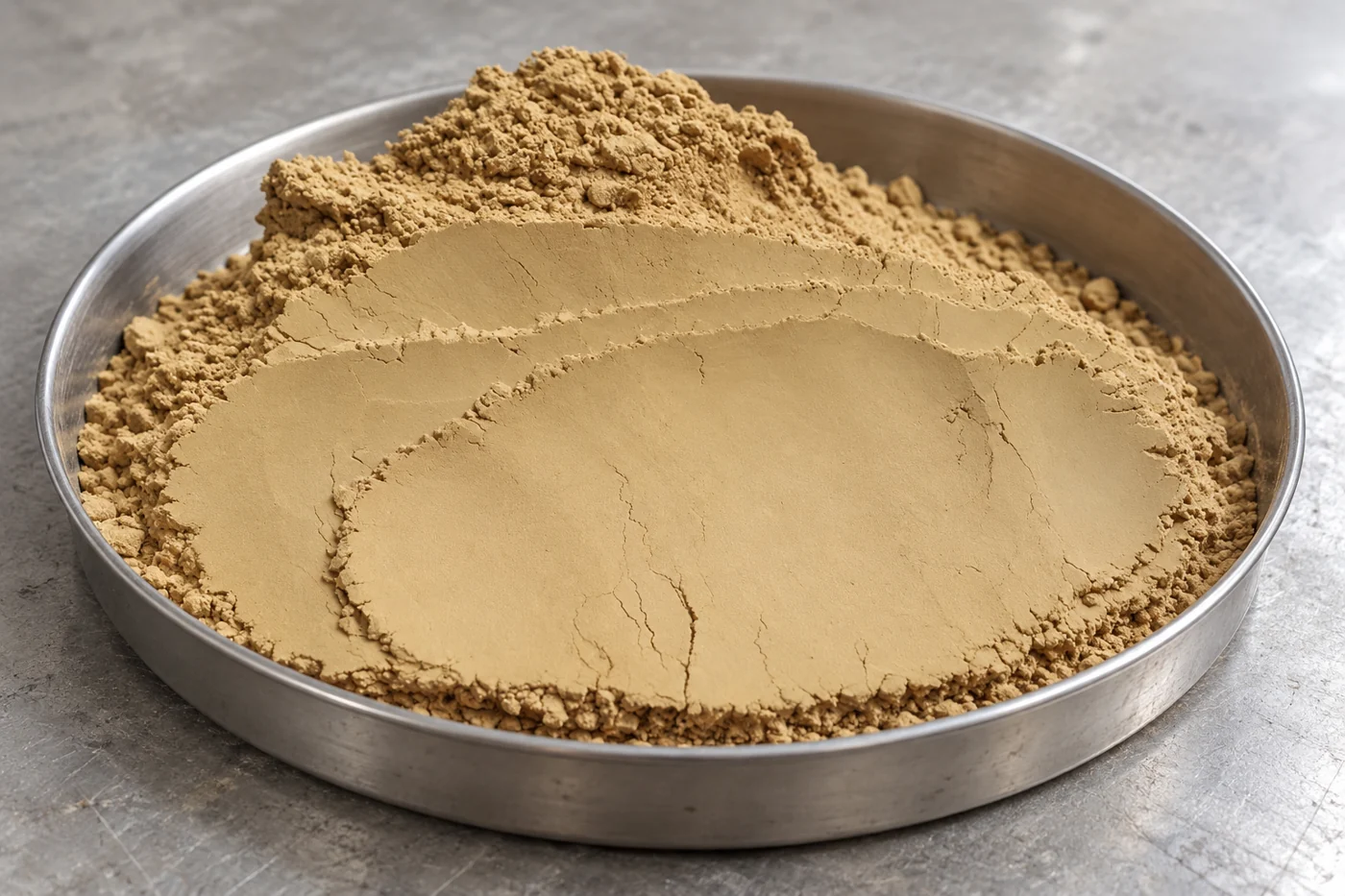
Our sodium-bentonite powder range offers 100, 200, 325 and 400 mesh fineness selections with yellow/white appearance options. Its foundry role is casting-sand binding. The useful selection brief therefore includes the base sand, moulding process and the bonding and moisture behaviour required under the intended operating conditions.
Samples are offered for evaluation in that material range. Use the selected fineness and process conditions when assessing the powder, then connect the accepted grade and lot data to subsequent supply rather than transfer a result from an unrelated application.
10CHINA CASTING AND MACHINING
Send a configuration brief or a selected material grade
For equipment, identify the operation, selected model, mould or sand duty, utilities and installation constraints. For material, identify its process role, selected grade, required distribution and relevant acceptance tests. The quotation can then describe one understandable supply object.
Use a product reference with the enquiry and keep technical choices separate from commercial and service terms. If you need a finished casting instead of foundry equipment or consumables, the component-manufacturing and buyer-guide pages provide the appropriate starting point.
11 YOUR NEXT STEP
Bring your component into the conversation
Tell us which component you need, the material, quantity and required supplied condition. Relia will connect your enquiry with the casting, machining and evidence relevant to that part.
Technical reading and scope
Technical references explain the process. Component specifications and agreed order records define the actual supply.
Grain fineness and particle-size distribution- [email protected]
- Phone
- +86 18561762631
- +1 404 203 0971
- Company and address
- Qingdao Relia Industries Co., Ltd.
Shuyuan Road, Qingdao, Shandong, China