
01A CLEARER CASTING PURCHASE
Develop a Second Casting Source from Drawings
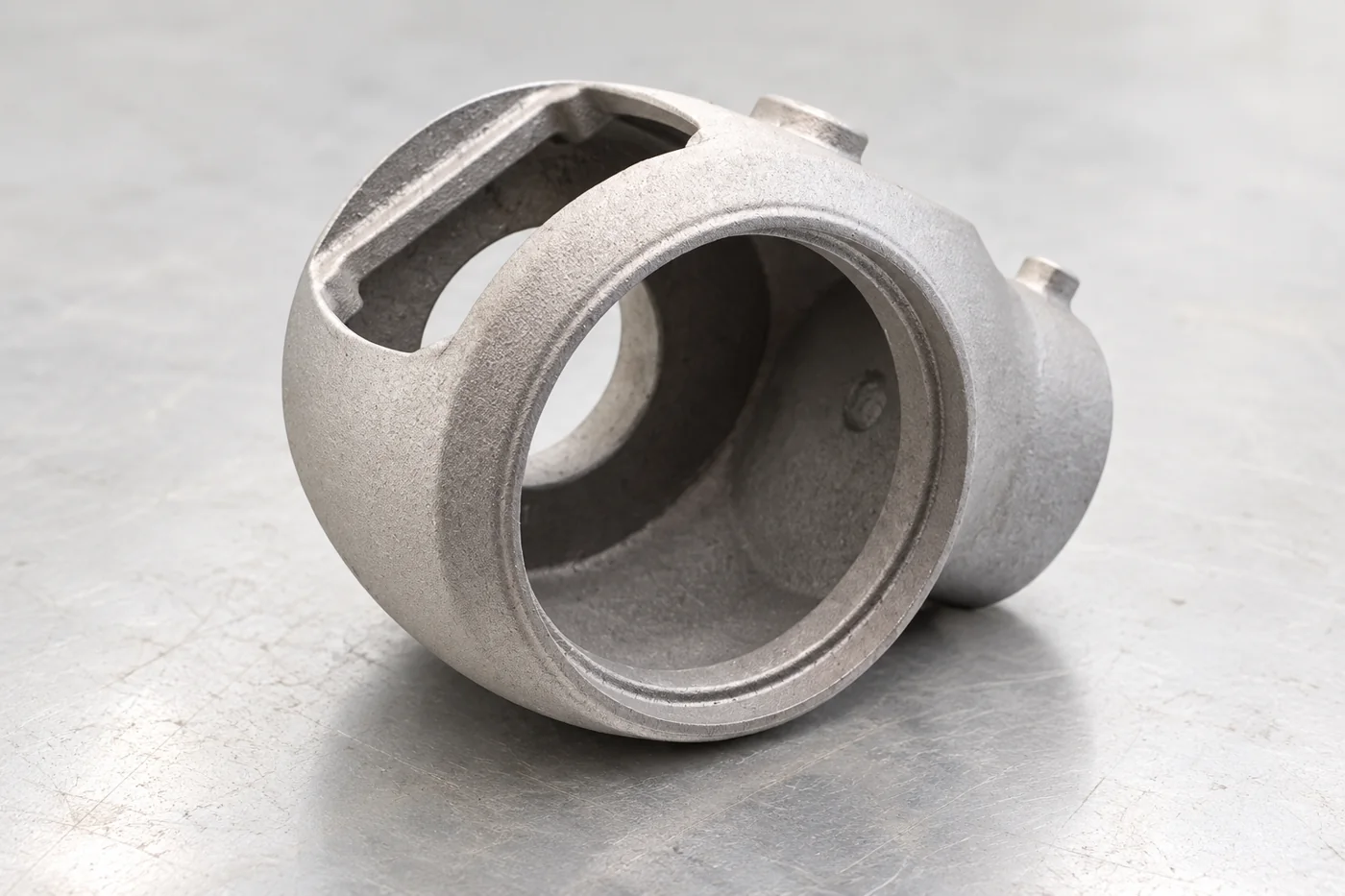
Build another supply route around your released component, even when the original pattern is unavailable. Relia’s industrial casting scope includes tooling, prototypes and CNC machining. Start with the controlled drawing, material, finished condition and interfaces that make the part interchangeable. New tooling and sample evidence can then establish a manufacturing baseline before you approve batch production.
- Start
- Released design
- Develop
- New tooling + sample
- Approve
- Interchangeable interfaces
02A CLEARER CASTING PURCHASE
Release the complete design that the new source must meet
Relia takes new parts through drawing review, sample manufacture and inspection, customer confirmation and batch production. Our own casting and machining scope lets the new blank and its finished interfaces be planned together.
Provide the controlled drawing and model together with the material, finish and acceptance requirements used for the current component. Include reference samples where they clarify surface or geometry, but identify their role. If the sample conflicts with the drawing, settle which requirement governs before tooling is designed. The ASME product-definition framework supports a shared language for these requirements. In practice, the new source needs a coherent design package that explains both the part’s shape and the interfaces that make it interchangeable in your assembly.
03A CLEARER CASTING PURCHASE
Separate new development from repeat-part supply
New patterns, core equipment and machining fixtures are initial deliverables with different reuse and revision risks. Our tooling and prototype service allows those items to be discussed alongside the finished component. Show their ownership, intended use and modification basis in the quotation. Then price the recurring casting, machining and surface scope separately. This helps your team compare the initial investment required for independence from the first source with the cost of future releases after the new route is qualified.
04A CLEARER CASTING PURCHASE
Design the blank around the existing functional interfaces
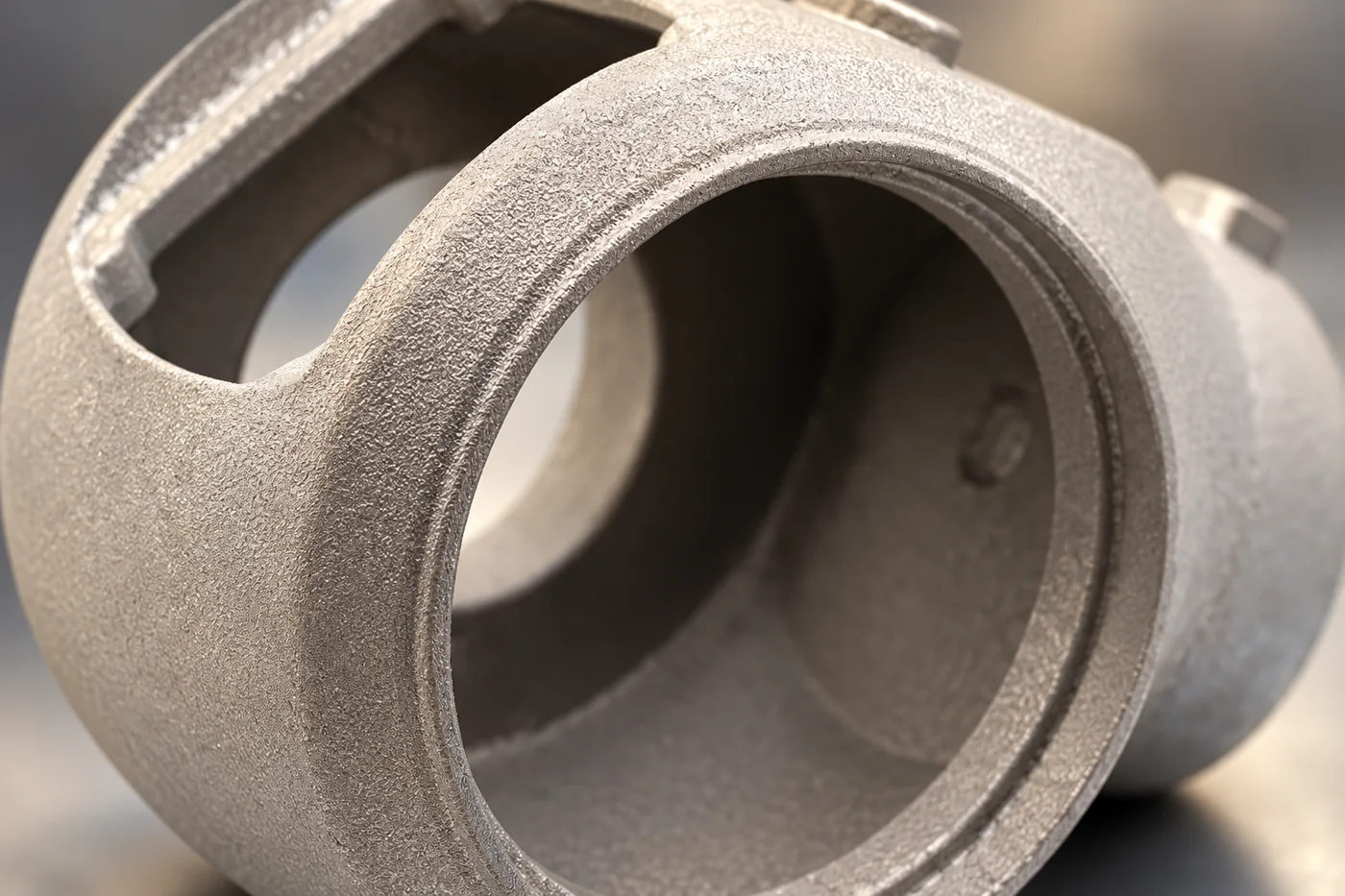
A new pattern does not need to duplicate every nonfunctional detail of the previous tool, but it must support the required finished geometry. Keep the bore and mounting relationships fixed where interchangeability depends on them. Review cast walls, parting features and local stock around those interfaces so machining can reach the required result. If a noncritical form change improves manufacturability, issue it as an approved drawing decision rather than allow an undocumented difference between the new source and your assembly baseline.
05A CLEARER CASTING PURCHASE
Build a route that can be qualified on its own merits
Start from the selected material and the required supplied condition, then define tooling, casting, machining and finish in a connected proposal. The industrial range lists three-, four- and five-axis milling, turning and EDM, with a 0.01–0.05 mm tolerance reference for selected work. Choose operations that address the actual geometry rather than copy the prior source’s machine list. The route should show how datums are created and how related features are retained through later setups.
- 01Tooling designCreate the cast form and core arrangement around the released geometry.
- 02Prototype castingEstablish usable blank geometry and stock-sensitive regions.
- 03Machining developmentSet locating references and access for finished interfaces.
- 04Final preparationApply specified treatment and surface boundaries.
- 05QualificationMeasure the required finished condition and submit the defined records.
06A CLEARER CASTING PURCHASE
Qualify characteristics that establish interchangeability
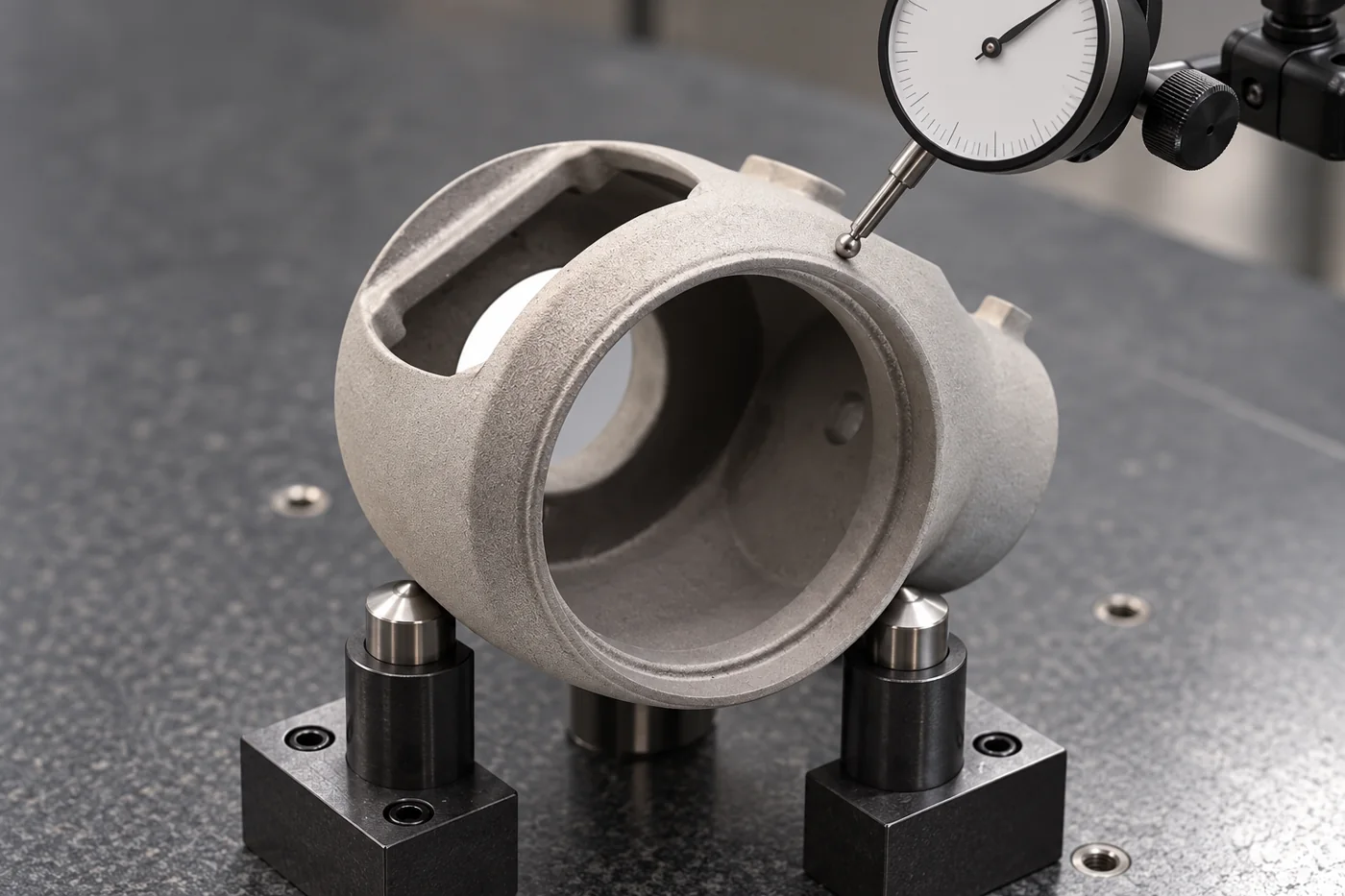
A second-source sample should demonstrate the same assembly-critical relationships as the current part. Size readings alone may miss an axis-to-face or hole-pattern issue, so give the report a feature schedule and datum interpretation. Our industrial component range states 100% inspection under an ISO9001 system; define the actual characteristics and evidence within that scope. Keep material verification and any buyer-run assembly or functional test alongside dimensional results so qualification answers the complete component requirement.
07A CLEARER CASTING PURCHASE
Resolve findings without losing the design baseline
A sample finding can call for a tooling correction, a machining adjustment or an authorised component change. Identify which one is needed and which characteristics must be rechecked. Configuration management is useful here because development must converge on one released definition. A temporary sample concession should retain its quantity and purpose; it should not become the recurring specification by default. This gives both sourcing and engineering teams a clear record of the design that the new source has actually qualified.
| Finding | Controlled resolution |
|---|---|
| Blank stock or form | Correct the tool or casting definition and recheck affected features. |
| Machined relationship | Revise setup or process and repeat relevant dimensional checks. |
| Material evidence | Resolve the grade/condition result for the represented component. |
| Design adjustment | Issue the approved revision and identify changed qualification scope. |
08A CLEARER CASTING PURCHASE
Transition supply at an evidence-based readiness point
The new source becomes useful when tooling, samples and required validation are ready together. Plan the transition around those outputs rather than a calendar assumption. If your current stock is limited, identify the latest useful sample decision and any separate need for an initial production release. Keep qualification quantity separate from parts intended for regular assembly. This lets you manage the commercial handover without treating unfinished development work as established repeat-production readiness.
- 0101Release the complete design and initial tooling scope.
- 0202Inspect and evaluate the new-source sample against the agreed characteristics.
- 0303Close findings and release the qualified technical baseline.
- 0404Place the first repeat release using confirmed scope and delivery conditions.
09A CLEARER CASTING PURCHASE
Supply qualification parts in the intended final condition
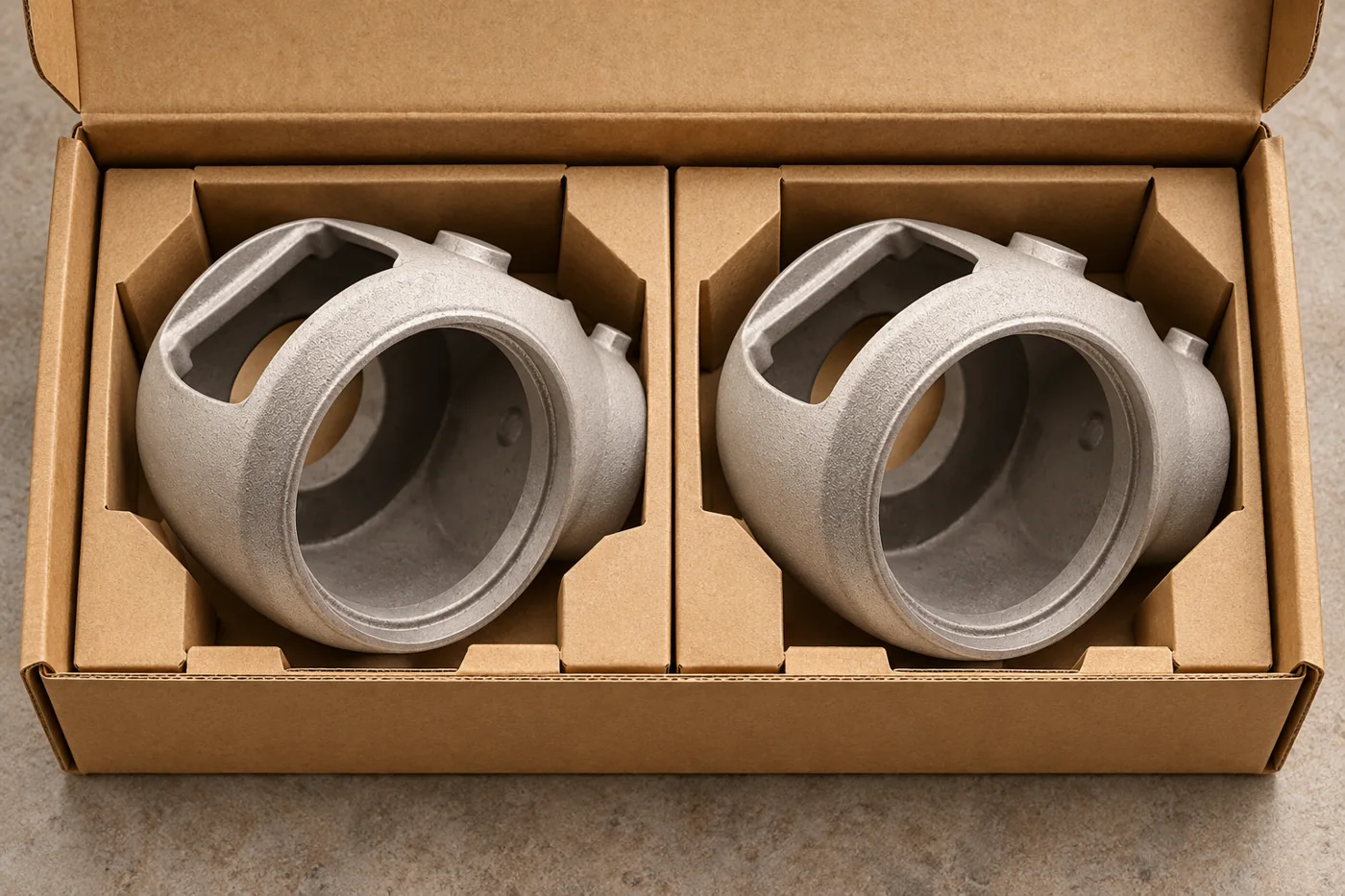
Our replacement-component range offers customized surface finish and color, strict 100% inspection and bubble/carton/wooden-case packing. Use that supply definition to protect the sample’s interpretation. If a fitted face must remain unpainted, show its boundary; if appearance is part of acceptance, identify the reference and covered areas. Mark and separate qualification parts so your receiving and engineering teams can connect each component to the new-source records and the correct design revision.
10A CLEARER CASTING PURCHASE
Create an independent source from a controlled package
Send the released drawings and selected material, stating that the original tooling is unavailable. Add the qualification quantity, repeat demand and the interfaces that determine interchangeability. We can develop the tooling, prototype and finished-part scope around that package. Your next sourcing decision then rests on a tangible new route and its qualification evidence, with ownership and repeat-order requirements established for the component you need.
11 YOUR NEXT STEP
Bring your component into the conversation
Tell us which component you need, the material, quantity and required supplied condition. Relia will connect your enquiry with the casting, machining and evidence relevant to that part.
Technical reading and scope
Technical references explain the process. Component specifications and agreed order records define the actual supply.
Engineering Product Definition and Y14 Standards — ASMEISO 10007:2017 — Configuration Management- [email protected]
- Phone
- +86 18561762631
- +1 404 203 0971
- Company and address
- Qingdao Relia Industries Co., Ltd.
Shuyuan Road, Qingdao, Shandong, China