
01FIND YOUR BUYING ROUTE
Casting Buyer Guides
Find the guide closest to the component or purchasing decision you need to resolve. These 60 guides cover sourcing, replacement development, materials, machining and major component families, with a separate route for inspection and delivery. Each one connects the product with a manufacturing choice, useful acceptance evidence and the next enquiry step.
- Choose
- Your purchasing task
- Compare
- Relevant component evidence
- Continue
- Guide, product or RFQ
02FIND YOUR BUYING ROUTE
Nine Routes into the Buyer Guides
Relia combines our own sand casting and machining production in China. The guides below connect your purchasing situation to a component specification, a process decision and the evidence needed for acceptance.
Sourcing-stage guides help define the order. Component guides address the actual part. Quality and delivery guides connect accepted castings to their records and overseas handover.
03FIND YOUR BUYING ROUTE
Material and Interfaces Belong in One Brief
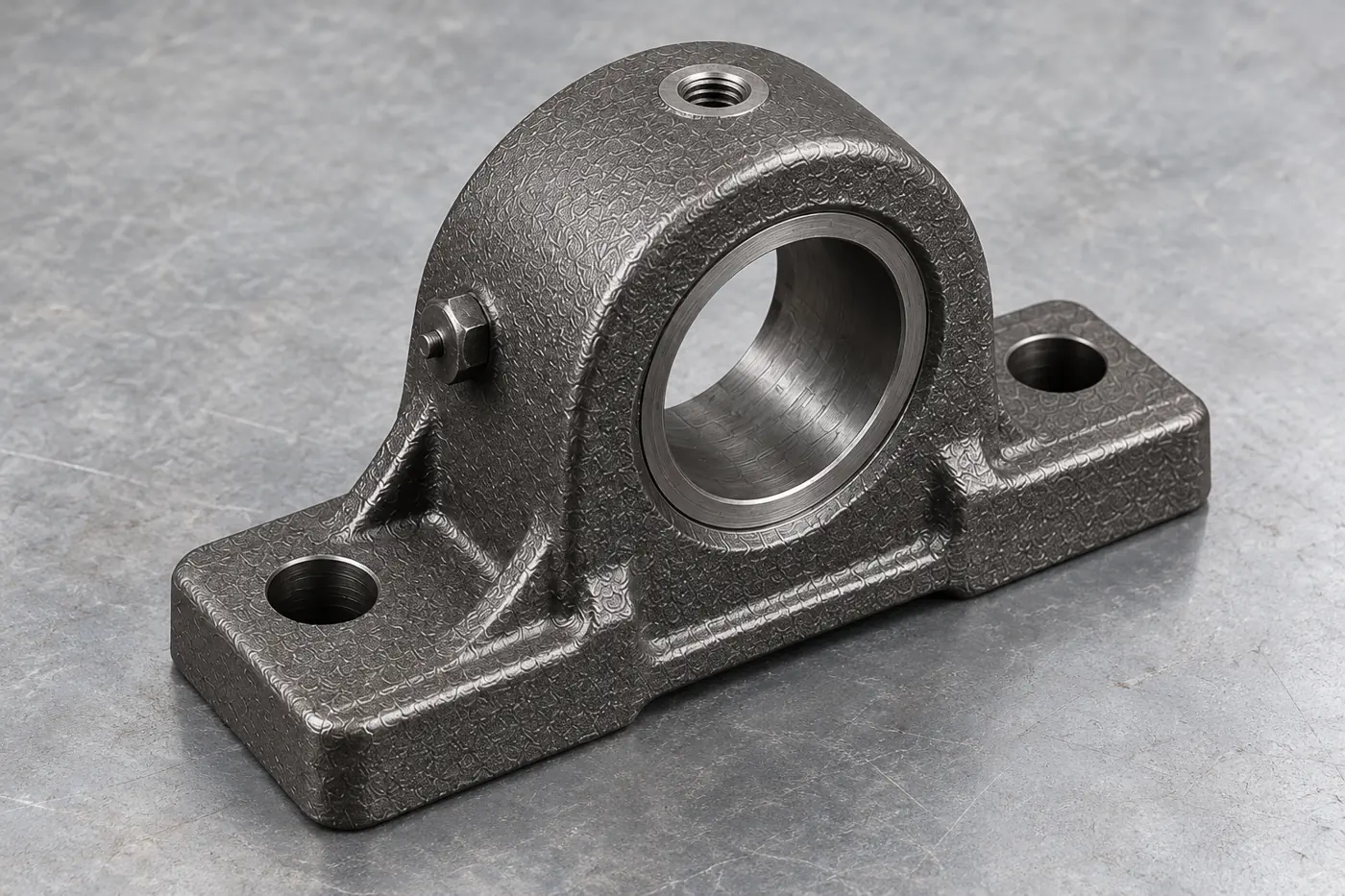
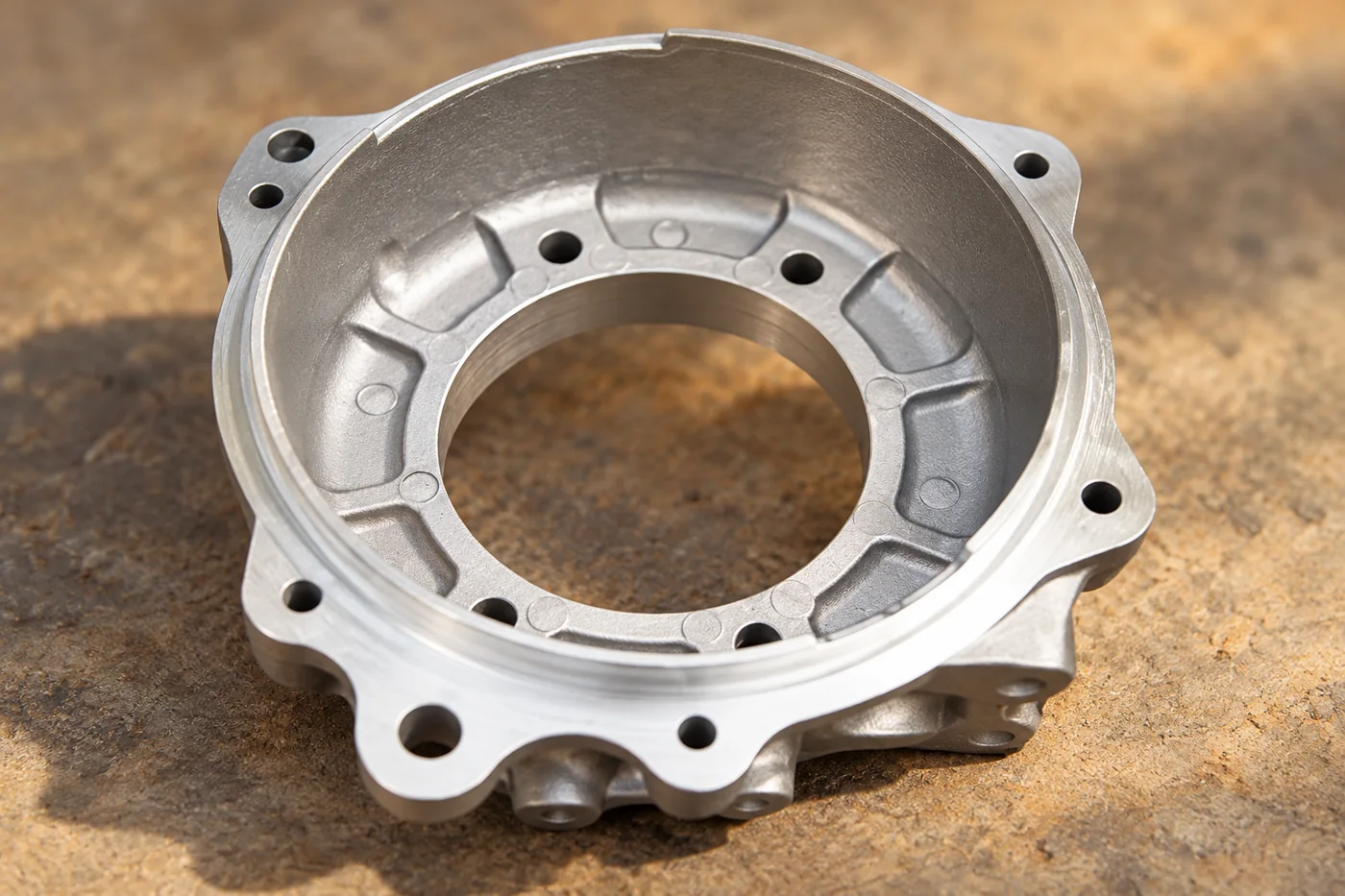
An aluminum housing, an iron support and a bronze diffuser can all need machined connections, but they do not share one material specification. Our catalogue includes A356-T6 aluminum, separate grey- and ductile-iron choices, and bronze diffuser enquiries.
Use the material-and-machining group when the next decision concerns grade, treatment, machining stock or a critical interface. Use the component group when the main issue is a particular bore, passage, mounting arrangement or working surface.
04FIND YOUR BUYING ROUTE
The Next Decision Sets the Starting Point
Begin with the unresolved decision rather than opening every guide. If several issues apply, establish the part definition first, then follow its technical and delivery requirements.
| Your next decision | Most useful starting point |
|---|---|
| Supplier or price comparison | Casting sourcing: use one defined delivery state and acceptance package. |
| Missing or changing design information | Replacement and development: separate references from the approved new geometry. |
| Known component and technical constraint | Component group: start with the actual fit, flow path or working surface. |
| Records or dispatch requirements | Quality and delivery: connect the part identity, evidence and receiving condition. |
05FIND YOUR BUYING ROUTE
The Development Object Is Identified First
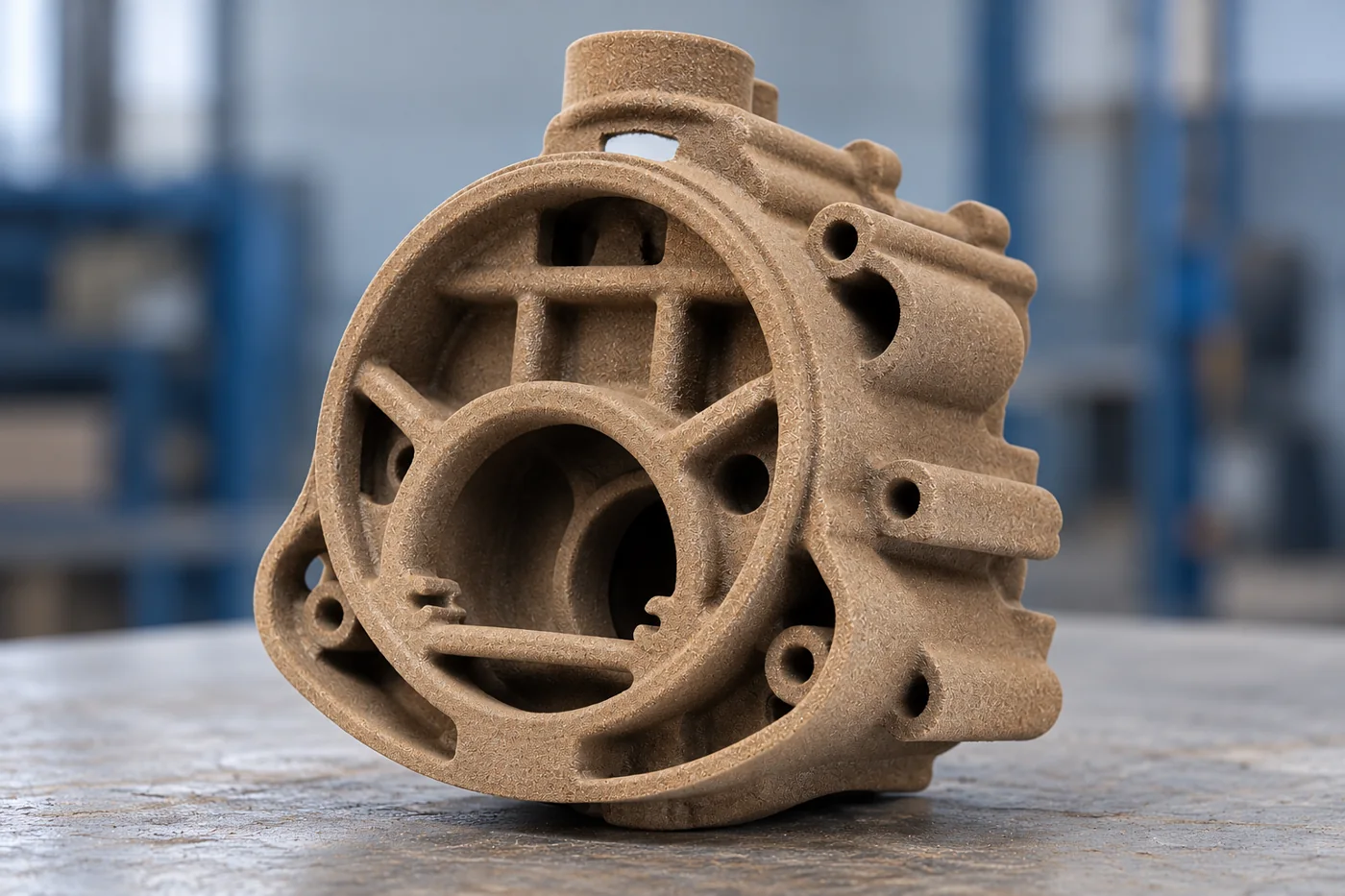
A printed sand core is a foundry tool, while a machined metal prototype is a different deliverable. Our binder-jetted core and mold range uses silica sand with resin binder; its as-printed acceptance belongs to that sand object.
The replacement-and-development group separates worn samples, existing patterns, new tooling and prototype trials. It helps you identify what the next order must produce and what your team needs to learn from it.
06FIND YOUR BUYING ROUTE
A Short Route from Guide to Enquiry
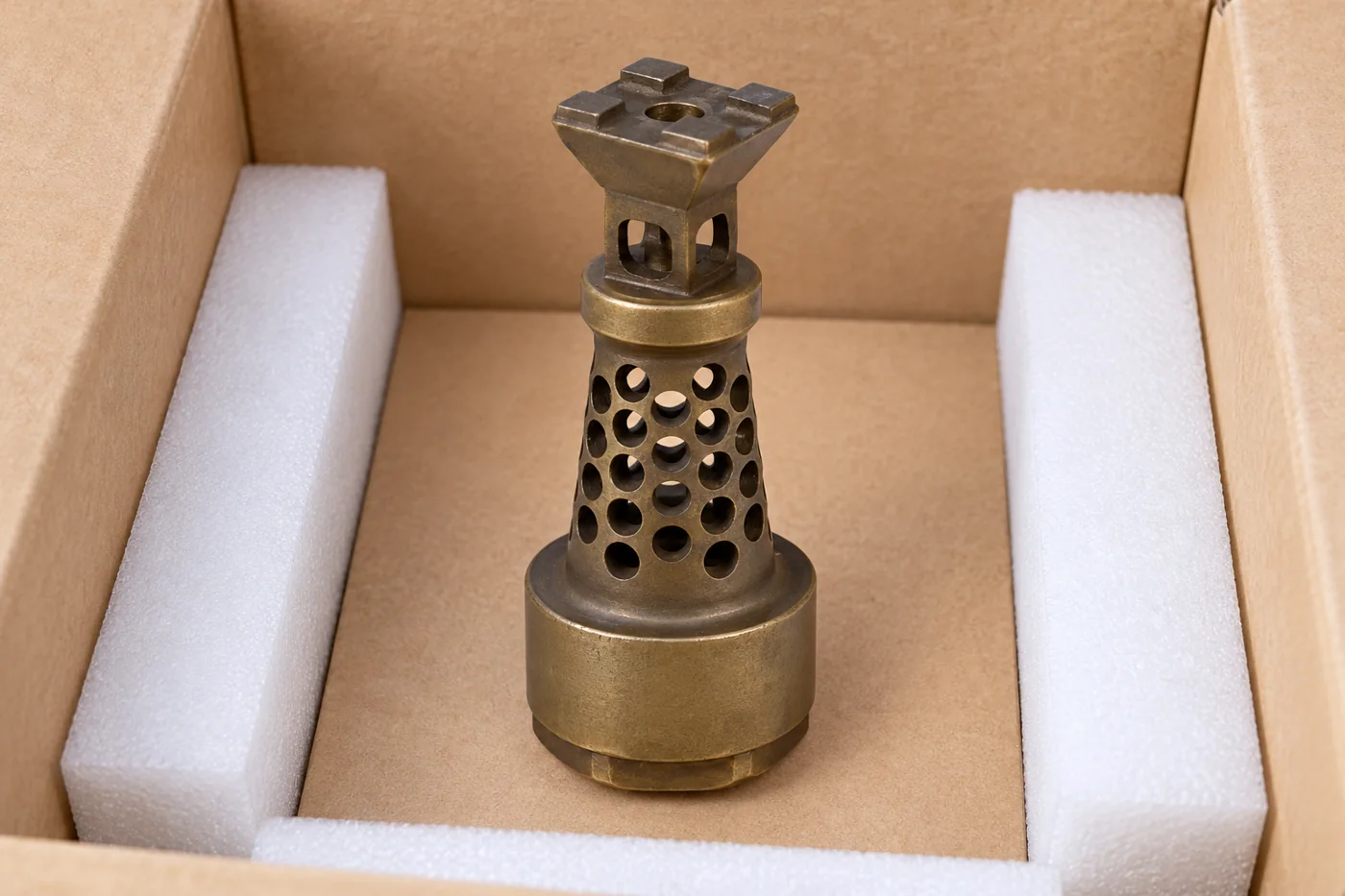
For a diffuser or another specialty component, retain the actual material, openings and mounting geometry. Then send the drawing revision, quantities and required delivered state with the decision you are ready to make.
The supporting pages below provide our supply context and an RFQ preparation path. Your selected technical guide supplies the detail for that particular component.
07 YOUR NEXT STEP
Bring your component into the conversation
Tell us which component you need, the material, quantity and required supplied condition. Relia will connect your enquiry with the casting, machining and evidence relevant to that part.
- [email protected]
- Phone
- +86 18561762631
- +1 404 203 0971
- Company and address
- Qingdao Relia Industries Co., Ltd.
Shuyuan Road, Qingdao, Shandong, China