
01A CLEARER CASTING PURCHASE
Bronze Flame Diffusers with Machined Interfaces
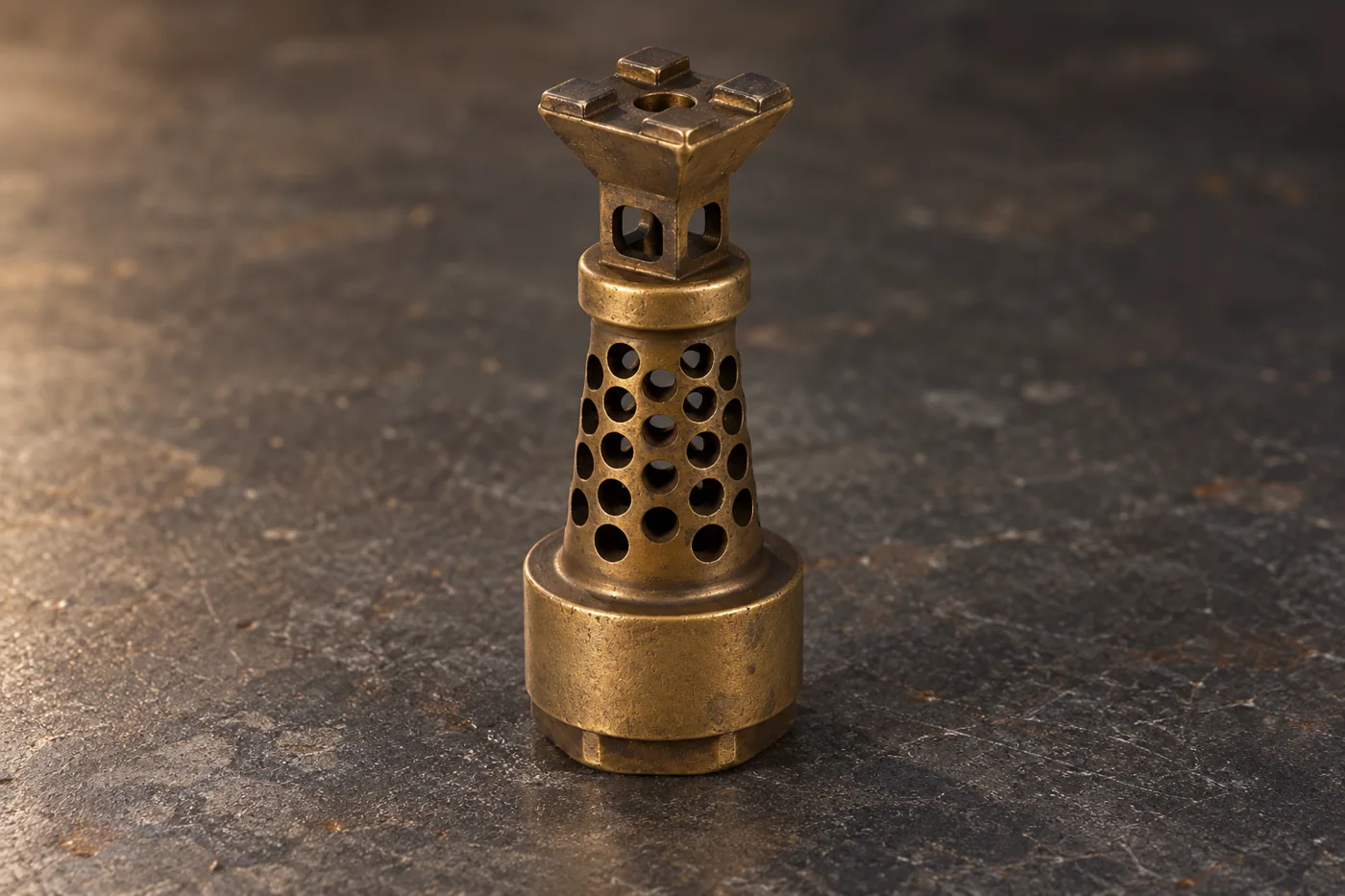
Order the diffuser around its operating environment and the geometry that connects it to your equipment. Relia offers bronze sand-cast flame diffusers with CNC-milled interfaces and customized sizes. Specify the complete bronze grade, thermal duty, openings and mounting condition. The sample can then establish a particular component and its fit, rather than leave acceptance at a general bronze appearance or heat-resistance description.
- Service
- Thermal + environmental duty
- Geometry
- Openings + mounting
- Supply
- Bronze casting + CNC milling
02A CLEARER CASTING PURCHASE
Describe the thermal cycle and exposure
Relia’s bronze diffuser offering combines the sand-cast body with nominated CNC-milled interfaces. Our casting and machining discussion should retain the selected alloy and actual service requirement; no temperature rating is implied by a general heat-resistance description.
Provide the temperature duty, start-stop pattern and surrounding medium relevant to the design. Distinguish steady exposure from repeated heating and cooling, and identify whether the mounting restricts movement. Those inputs help your engineering team establish material and clearance requirements. The product’s heat-resistance description is useful direction, while the actual service acceptance needs the selected alloy and defined duty. Keep the thermal and environmental brief connected to the drawing so the manufacturing proposal can preserve the regions that matter to service.
03A CLEARER CASTING PURCHASE
Select the bronze alloy through its required properties
Bronze is a material family, so specify the complete grade and delivered condition rather than select by color. The Copper Development Association organizes alloy information by composition, mechanical, thermal, casting and corrosion properties, which highlights the different questions involved in selection. For your order, retain the actual governing specification and the properties needed by the diffuser duty. If an alternative alloy is proposed, evaluate it against those same requirements before changing the sample or repeat-order definition.
| Selection input | Reason it matters |
|---|---|
| Grade and specification | Defines the actual bronze being purchased. |
| Thermal properties | Supports the design’s temperature and movement assessment. |
| Exposure requirements | Connects corrosion acceptance to the real medium/environment. |
| Material evidence | Establishes the selected supplied grade and condition. |
04A CLEARER CASTING PURCHASE
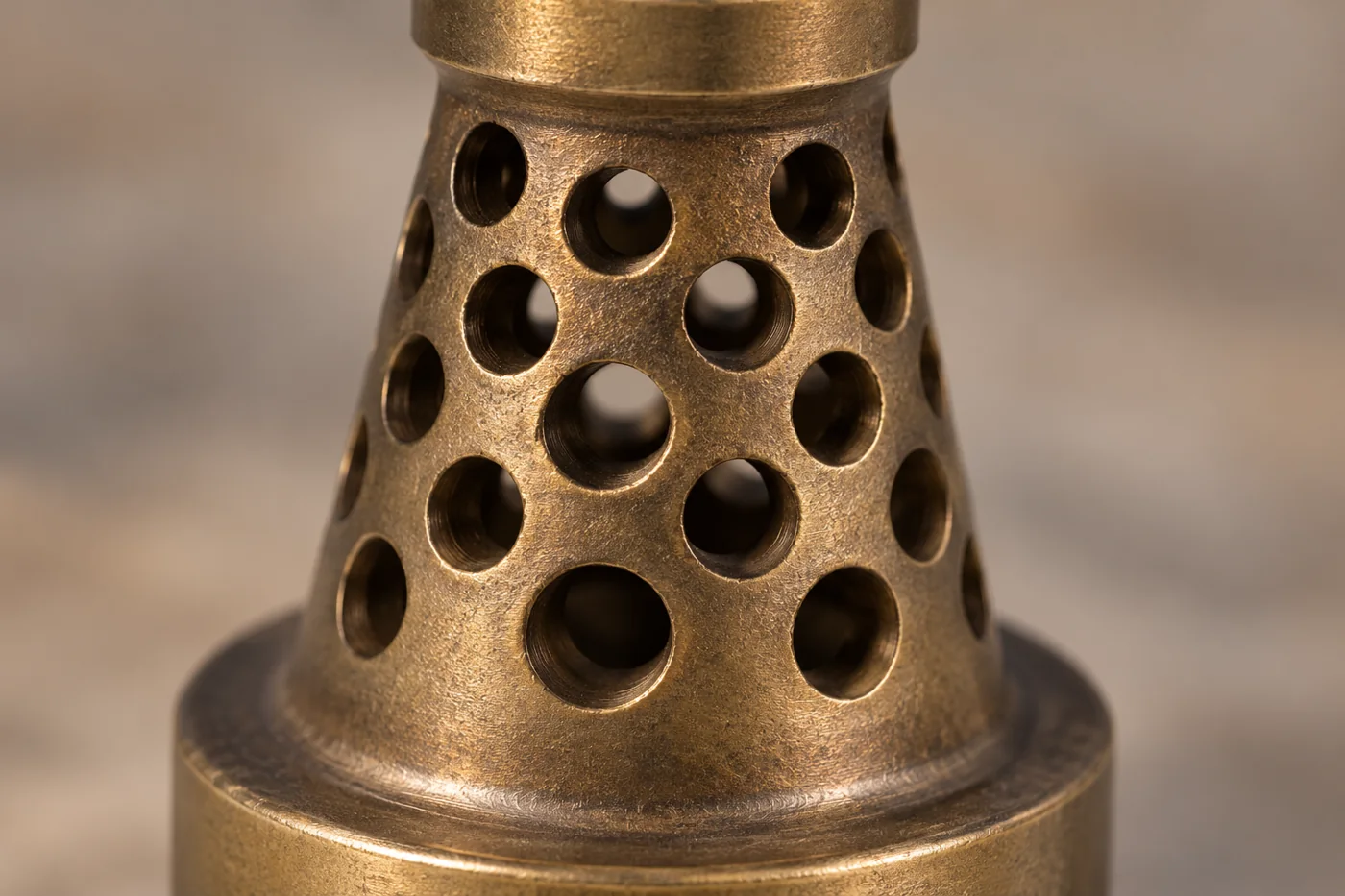
Control openings by their geometry and location
Provide the opening count, size, spacing and any internal passage definition required by the design. A small local difference can change the intended distribution pattern, so distinguish a cast opening from one that needs a later operation. Show the acceptance requirement and how the feature can be accessed for checking. The complete model and drawing should also locate these openings relative to the mounting reference, allowing the supplied component to retain the orientation needed in your equipment.
05A CLEARER CASTING PURCHASE
Machine the mounting interface around the design datum
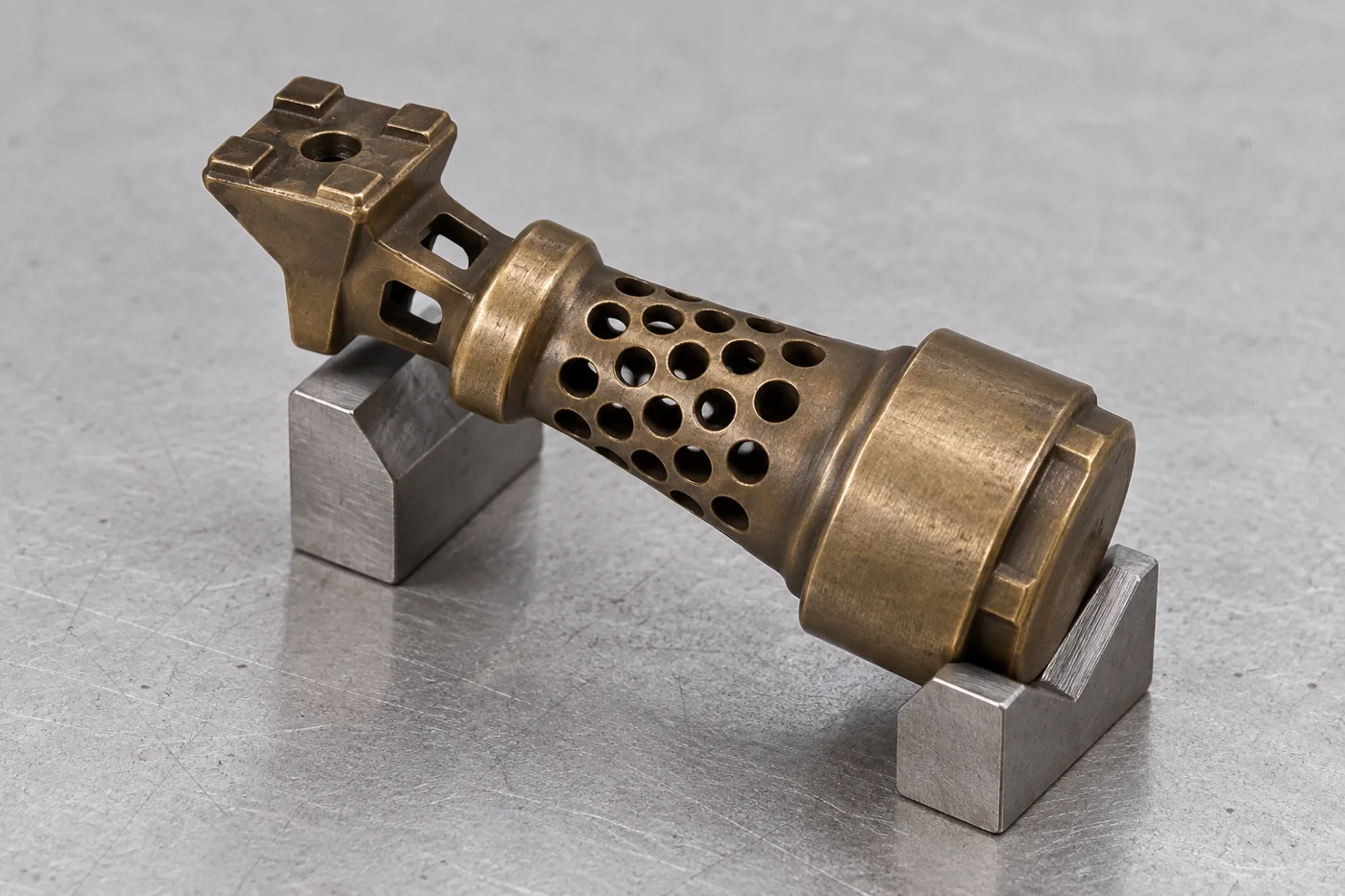
CNC milling is the named machining process for the diffuser. Assign it to the mounting faces and other nominated features, with the required limits and surface condition. A flat face alone does not define where the body sits: its relationship to openings and adjacent mounting geometry may also matter. Use the drawing’s datum structure to communicate that relationship. This lets the machining proposal serve the actual installation rather than finish a convenient face that leaves the diffuser’s orientation unresolved.
- 01Establish locationChoose the mounting reference and required orientation.
- 02Define finished areasMark milled faces and any other requested interface operations.
- 03Retain relationshipsControl body/opening positions from the selected reference.
- 04Inspect the resultReport the nominated final geometry and surface condition.
06A CLEARER CASTING PURCHASE
Allow the body and mounting to work together
Consider the body, neck and mounting as one thermal and mechanical arrangement. If the diffuser and its surrounding structure experience different temperature changes, their relative movement can affect the connection; the design should state any clearance or restraint needed. Keep local wall and transition geometry in the model so manufacturing changes do not alter the intended arrangement unnoticed. The proposal can then address the full component while preserving the duty-related decisions made by your engineering team.
07A CLEARER CASTING PURCHASE
Separate component conformity from the service trial
Material evidence and dimensional results establish what was manufactured. A thermal or distribution trial establishes behaviour in its defined equipment and operating conditions. Give each a clear acceptance basis. For a first sample, identify which body and opening dimensions need recording, then define the assembly or operating evaluation your team will perform. A correct dimensional report should support that test by identifying the supplied version; it should not be asked to stand in for an unperformed service evaluation.
08A CLEARER CASTING PURCHASE
Revise the feature responsible for a trial finding
If a trial suggests a different distribution pattern, identify the opening or body change rather than modify an unrelated mounting reference. If the issue is installation, resolve the connection geometry while retaining the intended flow form. A material change needs its own specification and evidence. Keeping these actions separate makes the next prototype informative and preserves the work already validated. Record the actual sample identity so a successful result remains connected to the diffuser geometry and alloy that produced it.
- 0101Identify the sample, alloy and released opening/mounting geometry.
- 0202Separate manufacturing findings from service-design observations.
- 0303Approve the affected opening, mounting or material change.
- 0404Repeat the necessary checks and release the tested definition.
09A CLEARER CASTING PURCHASE
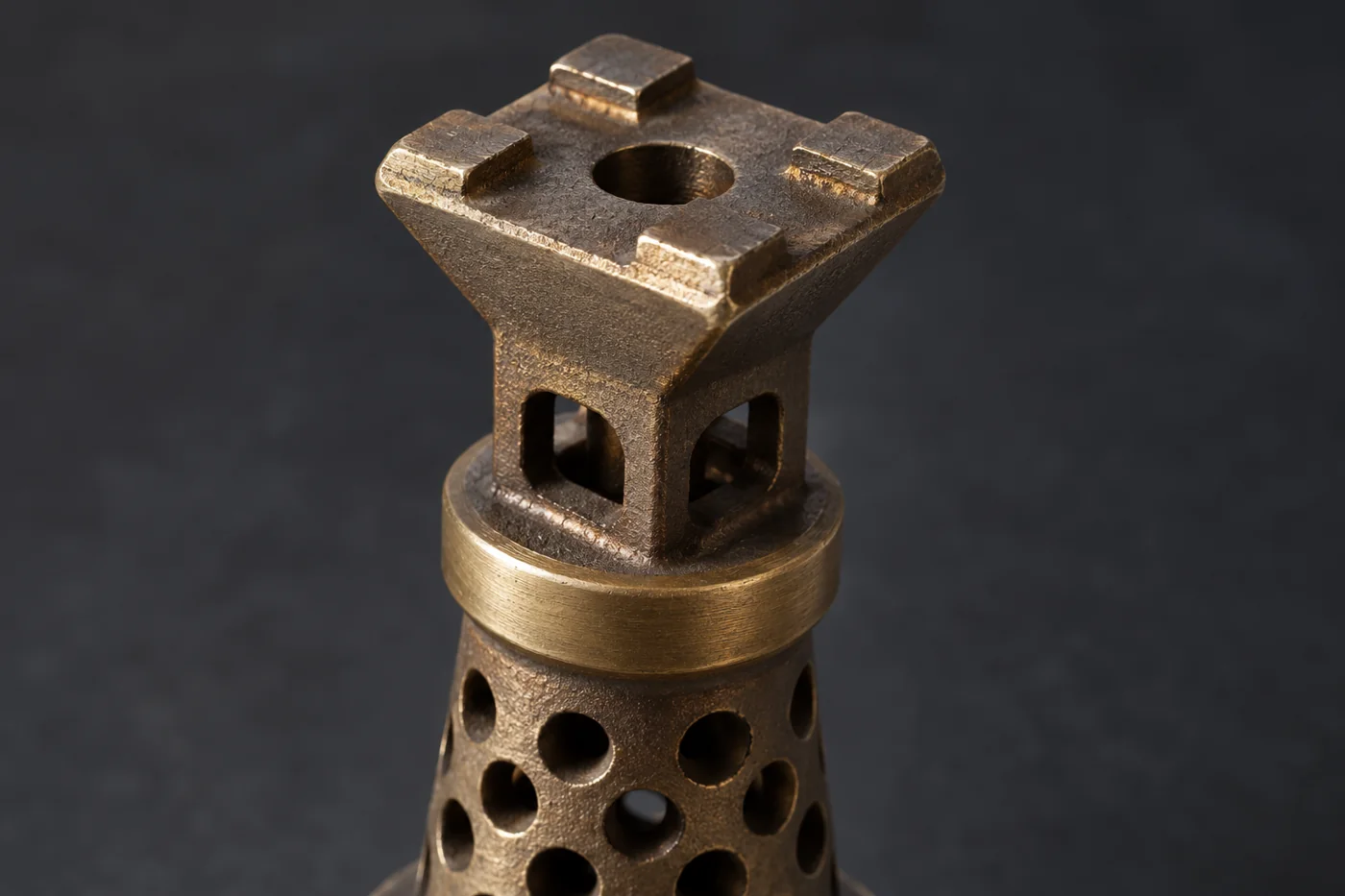
Prepare the milled contact area for installation
Define the usable mounting surface, central opening and any edge or neck region that must remain clear for assembly. Keep finish and temporary protection compatible with that next operation, and support the part without loading vulnerable openings or edges. Our diffuser offering includes customized packing, so specify how the component will be received and handled. A useful delivery preserves the milled surface and component identity so your team can complete its checks and installation from the same approved definition.
10A CLEARER CASTING PURCHASE
Request a diffuser around its geometry and duty
Send the model and dimensioned drawing with the chosen bronze grade, quantity and thermal/environmental brief. Mark the openings, mounting relationships and CNC-milled regions, then add the material and dimensional evidence needed for the sample. We can develop the sand-casting and milling quotation around those inputs. Your next decision can then evaluate a defined industrial component with a clear service-test handover, rather than depend on a general claim of heat resistance without an alloy or operating context.
11 YOUR NEXT STEP
Bring your component into the conversation
Tell us which component you need, the material, quantity and required supplied condition. Relia will connect your enquiry with the casting, machining and evidence relevant to that part.
Technical reading and scope
Technical references explain the process. Component specifications and agreed order records define the actual supply.
Properties of Wrought and Cast Copper Alloys — Copper Development AssociationEngineering Product Definition and Y14 Standards — ASME- [email protected]
- Phone
- +86 18561762631
- +1 404 203 0971
- Company and address
- Qingdao Relia Industries Co., Ltd.
Shuyuan Road, Qingdao, Shandong, China