
01A CLEARER CASTING PURCHASE
Aluminum Motor Housings with Coordinated Fits
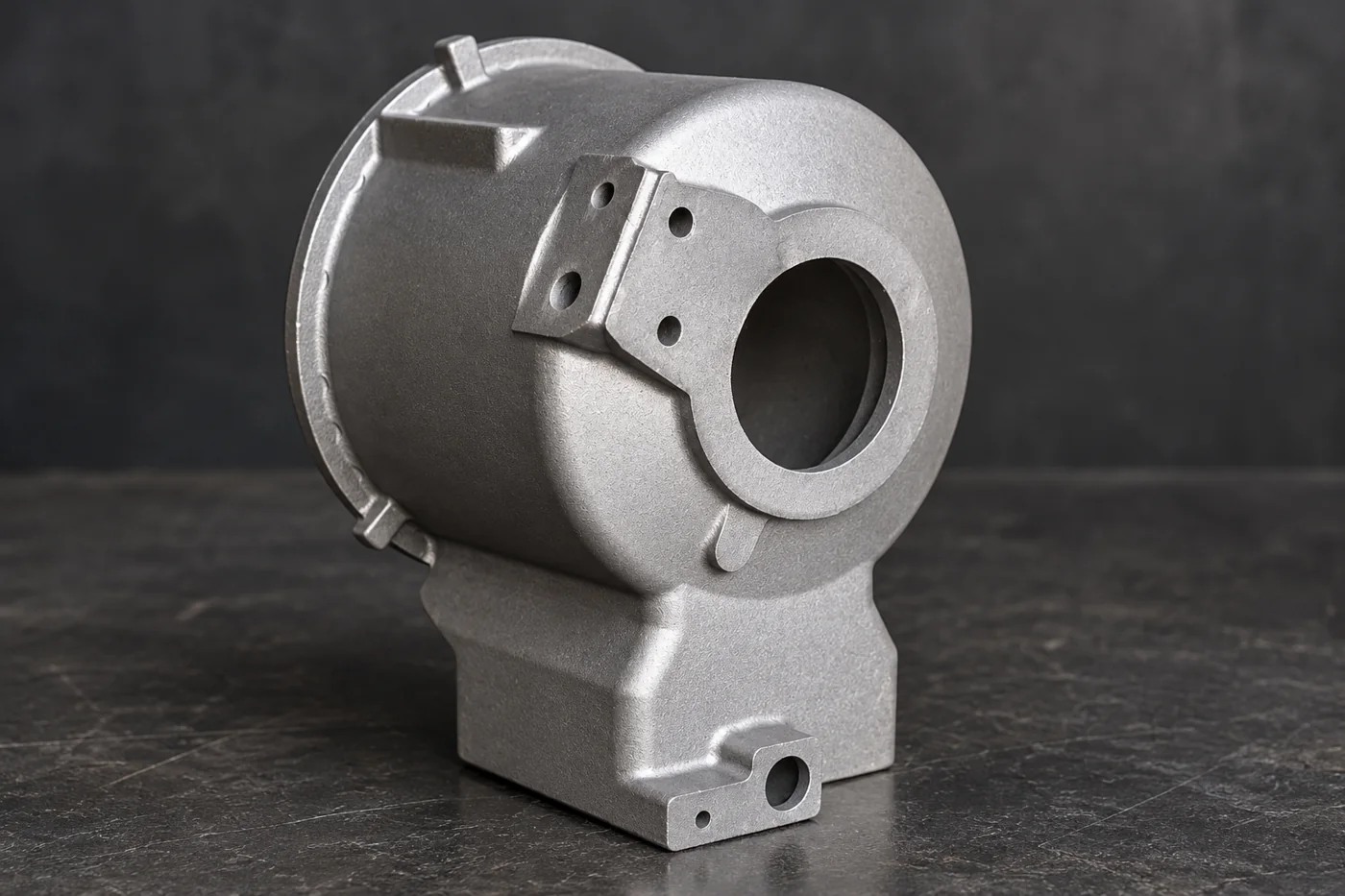
Order the housing around the bearing axis, end-cover registers and mounting contacts that position your motor assembly. Relia supplies custom aluminum housing, flange and shield enquiries through selected casting and CNC routes. Identify the exact component and material, then retain the required relationships on one released drawing. Your sample can confirm a usable installation rather than an externally similar housing.
- Locate
- Bearing + cover references
- Component
- Body, flange or shield
- Accept
- Related finished interfaces
02A CLEARER CASTING PURCHASE
The component boundary establishes the interface map
Relia’s aluminum motor-component scope combines the selected casting proposal with machining for the specified interfaces. Our own casting and machining production supports that discussion, while gravity or investment alternatives in the broader catalogue remain separately defined component routes.
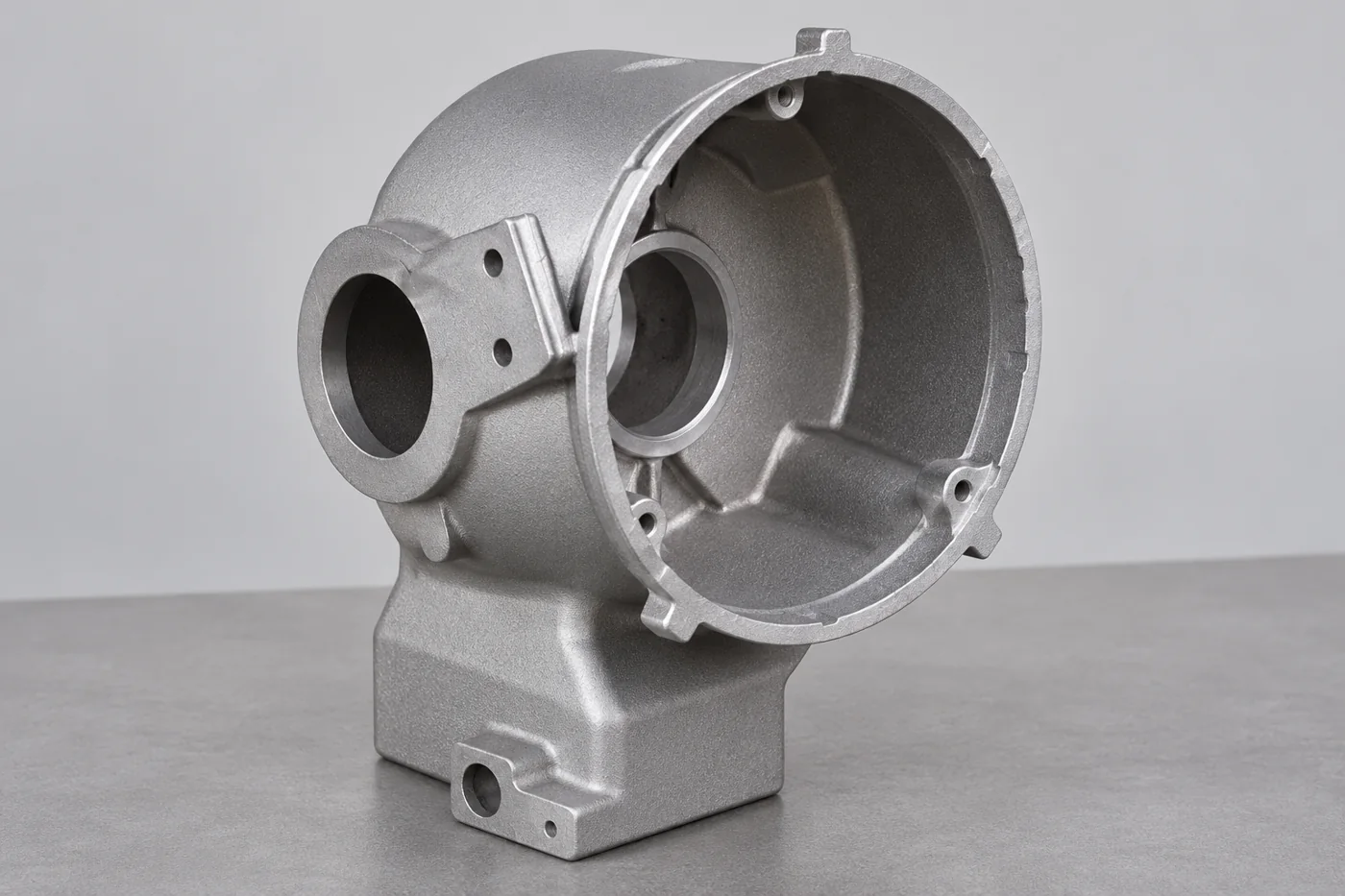
Identify whether you are purchasing the main body, end shield, mounting flange or another separate casting. Show the bearing arrangement and mating covers relevant to that item. A motor housing name does not establish which seats are present or which operations the component must include.
Mark the locating registers, mounting contacts and fastener features, then distinguish them from cooling or cosmetic cast surfaces. Include the selected motor’s required envelope and access restrictions. The resulting interface map shows which geometry must be retained for replacement fit and where a manufacturing proposal can be considered without altering the assembly.
03A CLEARER CASTING PURCHASE
Bearing fits respond to load and temperature
A loose seat can allow unwanted ring movement; an unsuitable tight fit can reduce bearing internal clearance. The required fit depends on the bearing arrangement, load and operating conditions, not simply on achieving the smallest bore tolerance. Aluminum’s thermal expansion also makes temperature relevant to its relationship with a steel bearing ring.
Use the motor design or bearing supplier’s selection to specify the seat limits and operating assumptions. Keep cold-part inspection separate from the assembled operating condition. We manufacture the ordered geometry; the fit selection must preserve the intended locating and expansion functions of the complete motor bearing system.
| Interface | Required reference |
|---|---|
| Seat size | Limits selected for the actual bearing and housing material. |
| Operating condition | Relevant temperature and load assumptions behind the fit. |
| Axial function | Locating shoulder or required movement in the bearing arrangement. |
| Geometric relationship | Seat axis, cover register and mounting datum requirements. |
04A CLEARER CASTING PURCHASE
Cast form and machining allowance serve different purposes
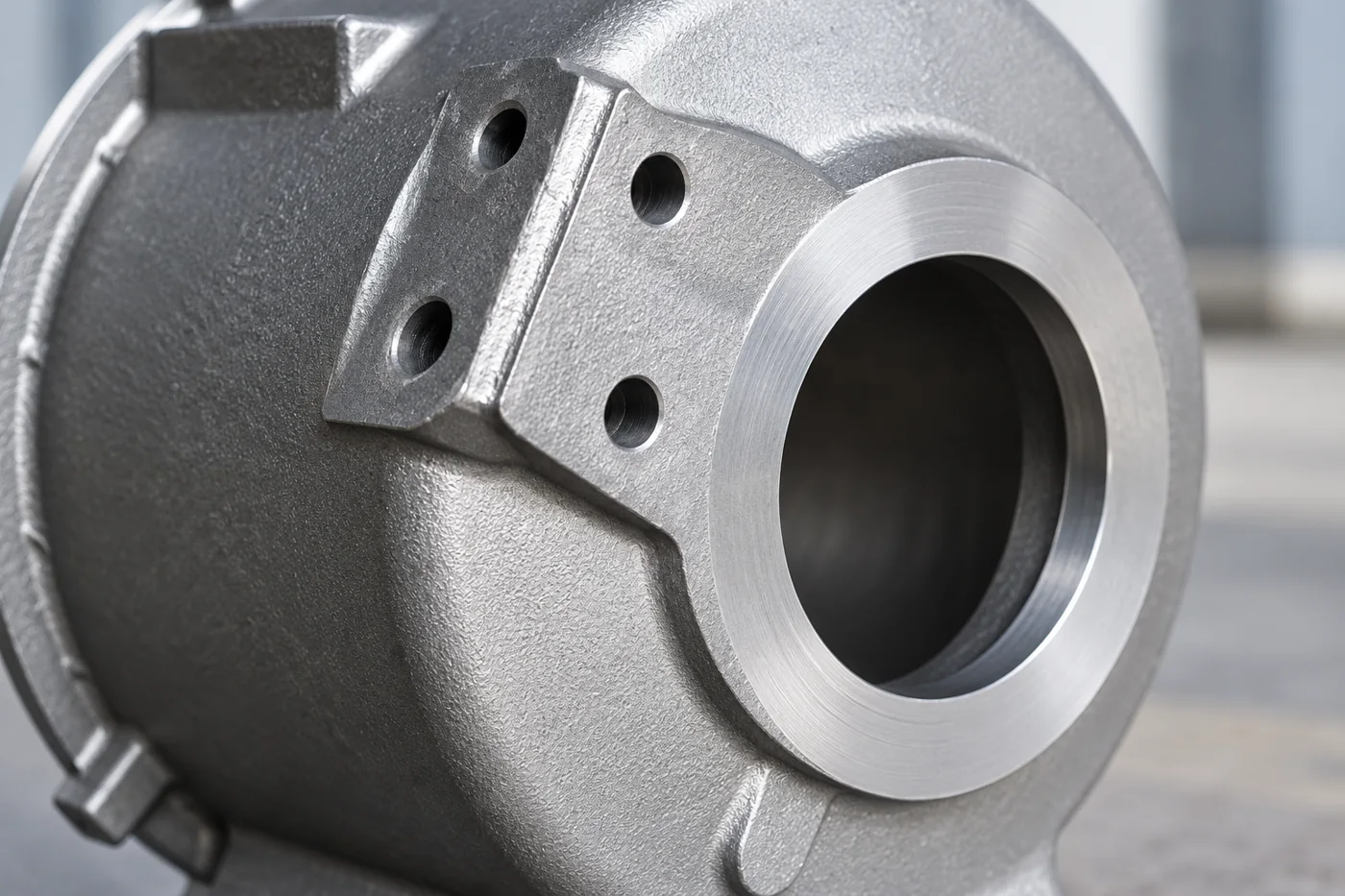
The casting establishes the body shape; the machined interfaces establish the final assembly references. Show where stock is required for boring, facing or hole production and where an as-cast surface is acceptable. Keep any thin walls, ribs and openings connected to the released model.
Our housing listings include customized aluminum parts, so select the complete alloy and delivered condition for this motor. A multi-material catalogue entry is not a reason to mix aluminum housing requirements with the separate copper, steel or plastic requests. The manufacturing proposal should identify the route and supplied state for each ordered component.
05A CLEARER CASTING PURCHASE
CNC planning follows the common assembly references
Our catalogue names CNC work, with related broaching, drilling, milling, turning and tapping options for defined component enquiries. Use the assembly datum strategy to relate the bearing seats, registers and faces that matter together. Machining features independently without a common relationship can leave correct sizes in the wrong positions.
The broader listing references CT4–CT8 and ±0.02 mm. Apply any selected requirement to identified dimensions and stages with a defined inspection basis; those figures are not a universal limit on an entire housing. A ballooned drawing makes the intended bore, face and hole checks visible before sample manufacture.
- 01LocateEstablish the selected mounting and axial references.
- 02MachineProduce ordered bearing seats, registers, faces and fastener features.
- 03RelateRetain specified axis, face and pattern relationships.
- 04ReportMeasure the named characteristics in the final acceptance condition.
06A CLEARER CASTING PURCHASE
Surface treatment preserves fit and contact conditions
A finished external surface and a bearing seat need different acceptance criteria. Define cleaning, any selected surface treatment and masking boundaries around close fits, threads, gasket faces and other contacts in the actual design. Do not select a treatment merely because it appears in the broader multi-material catalogue.
Keep deburring and cleanliness requirements practical: loose residue or a burr at a cover register can affect assembly even when dimensional values pass. Where appearance matters, specify the visible areas separately. This allows us to quote the relevant preparation without turning a cosmetic finish into an unspecified change to the functional interfaces.
07A CLEARER CASTING PURCHASE
Inspection measures the relationships the motor uses
A dimensional report should identify the drawing, datum setup, measured characteristics and actual results required for acceptance. Separate seat size from the geometric relationship between a bearing axis, cover register and mounting face. Where the design requires a particular form or runout, include the corresponding check rather than expecting a diameter measurement to establish it.
Retain the supplied material condition and inspection stage with the report. Motor-level running, temperature or vibration evaluation addresses the completed assembly and its operating conditions. It can complement the component measurements without replacing the agreed housing acceptance checks.
08A CLEARER CASTING PURCHASE
The sample connects component evidence to assembly feedback
Use the initial housing to establish that the specified bearing, cover and mounting interfaces are delivered as ordered. Review the dimensional and material evidence, then record any relevant assembly findings using the intended mating components. Distinguish difficulty caused by a component dimension from an intentional bearing fit or a changed mating part.
If the trial leads to a fit or geometry change, release the revised limits and affected inspection points before the next batch. Retaining the accepted datum and material basis makes repeat procurement clearer than relying on a sample alone, especially when several motor variants use similar outside housings.
- 0101Match the sample to its alloy, condition and drawing revision.
- 0202Review actual seat, register, face and pattern measurements.
- 0303Record assembly fit and separate motor-level evaluation.
- 0404Release any approved changes with revised inspection references.
09A CLEARER CASTING PURCHASE
Protection concentrates on bores and locating edges
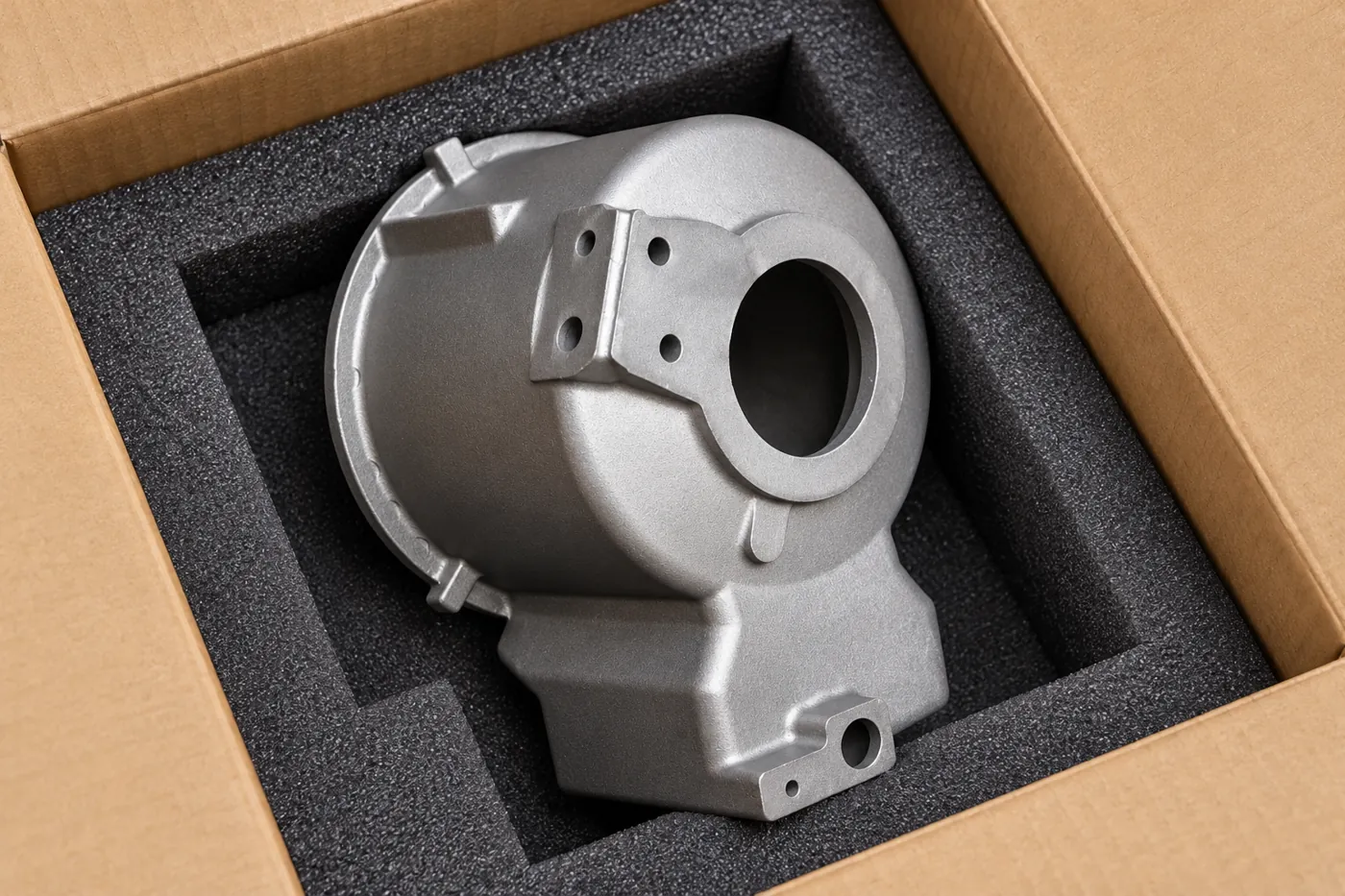
Protect bearing seats, cover registers and mounting faces from contact with adjacent castings or rough packing. Specify supports and separators that retain the shape and avoid concentrated loads on exposed rims. Keep protective materials from leaving debris in the component before motor assembly.
Identify the housing and revision at the agreed package level, with the inspection documents referenced on the delivery list. The receiving team can then establish which motor variant and supplied condition the part belongs to before removing protection or preparing it for assembly.
10A CLEARER CASTING PURCHASE
The housing RFQ compares a finished component
Provide the housing model, controlled drawing, selected aluminum alloy and mating bearing or cover references. Include the fit limits and geometric relationships selected for the motor, plus the finish, quantities and required sample evidence. Mark any operations retained by your own workshop.
We can quote the relevant casting and CNC package around that definition. Comparing the same delivery state helps purchasing distinguish a casting blank from a housing with accepted bearing seats and cover interfaces, while preserving the motor designer’s control over the actual bearing arrangement and operating fit.
11 YOUR NEXT STEP
Bring your component into the conversation
Tell us which component you need, the material, quantity and required supplied condition. Relia will connect your enquiry with the casting, machining and evidence relevant to that part.
Technical reading and scope
Technical references explain the process. Component specifications and agreed order records define the actual supply.
Technical reference: Motor bearing fits and aluminum housingsTechnical reference: Bearing fits and internal clearance- [email protected]
- Phone
- +86 18561762631
- +1 404 203 0971
- Company and address
- Qingdao Relia Industries Co., Ltd.
Shuyuan Road, Qingdao, Shandong, China