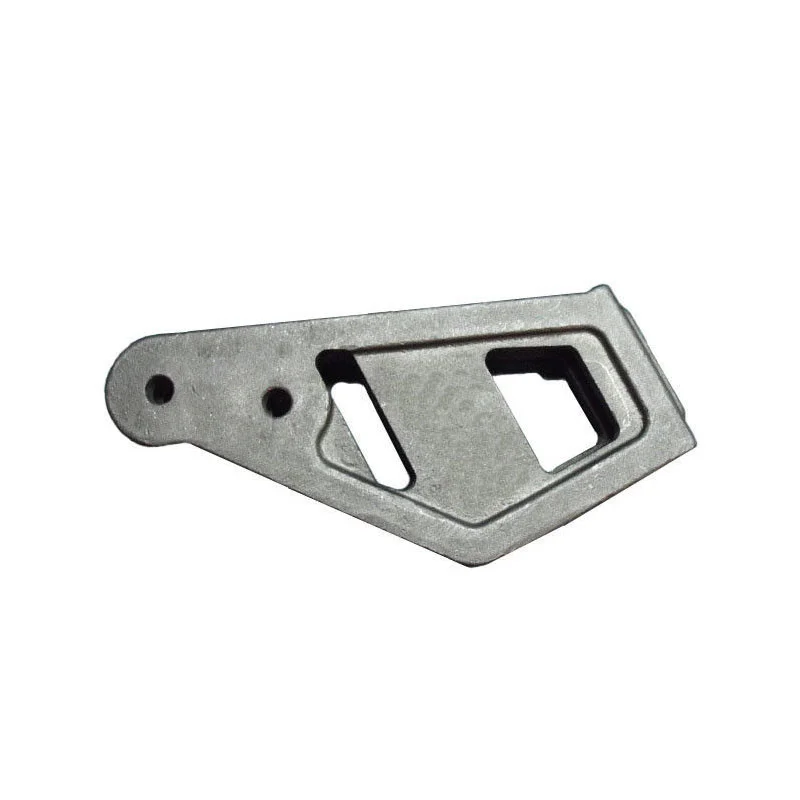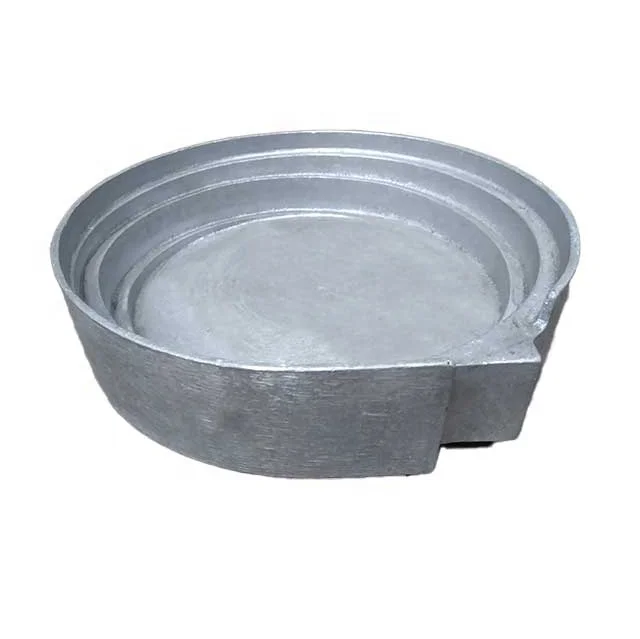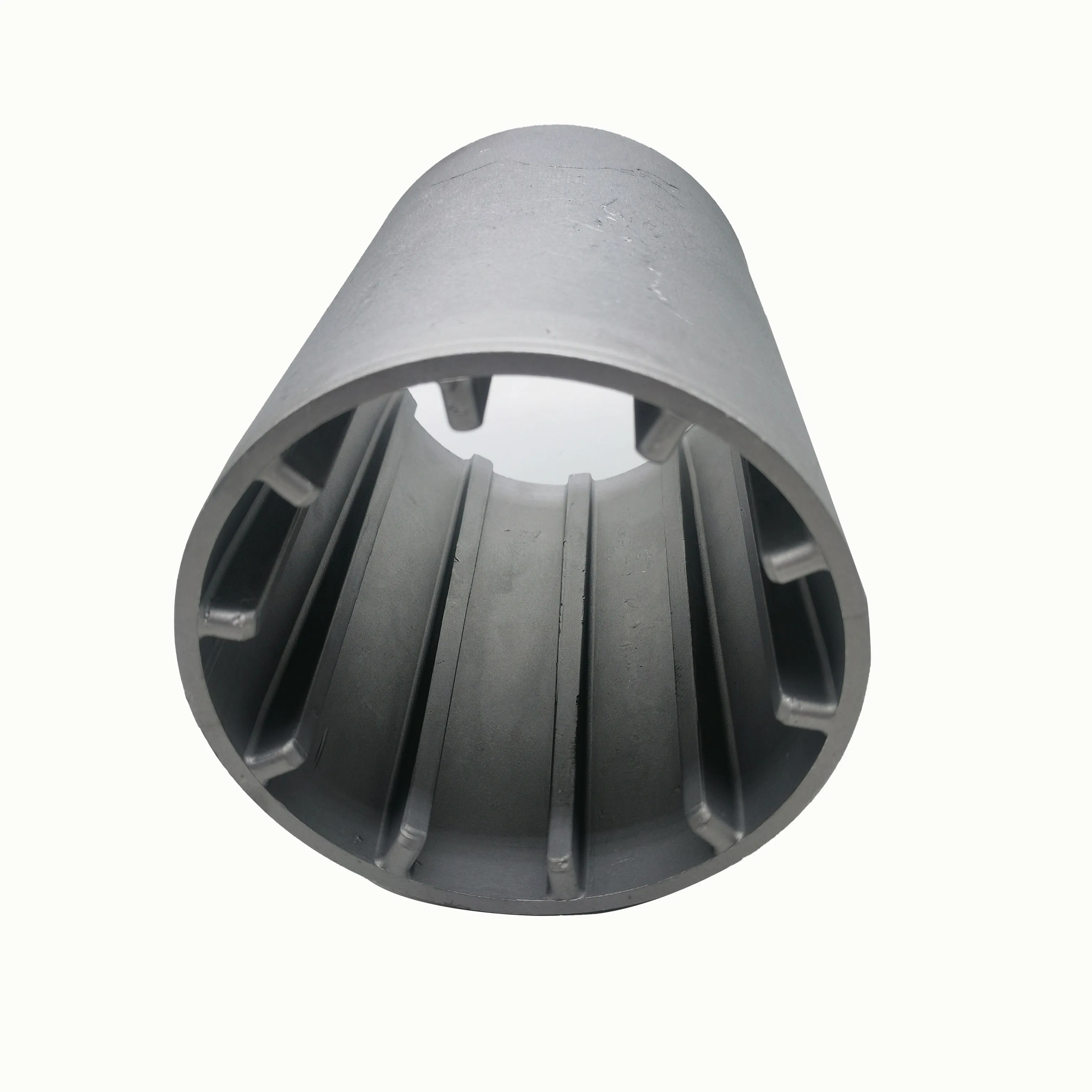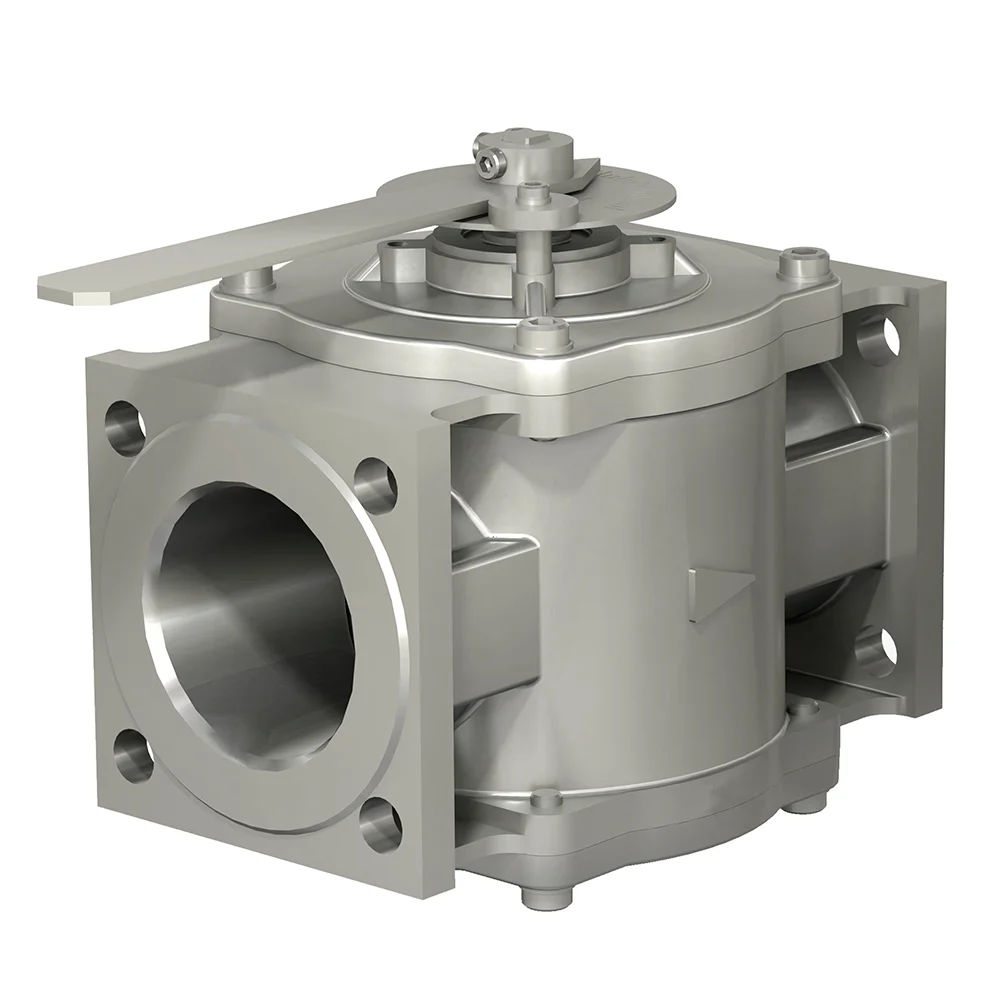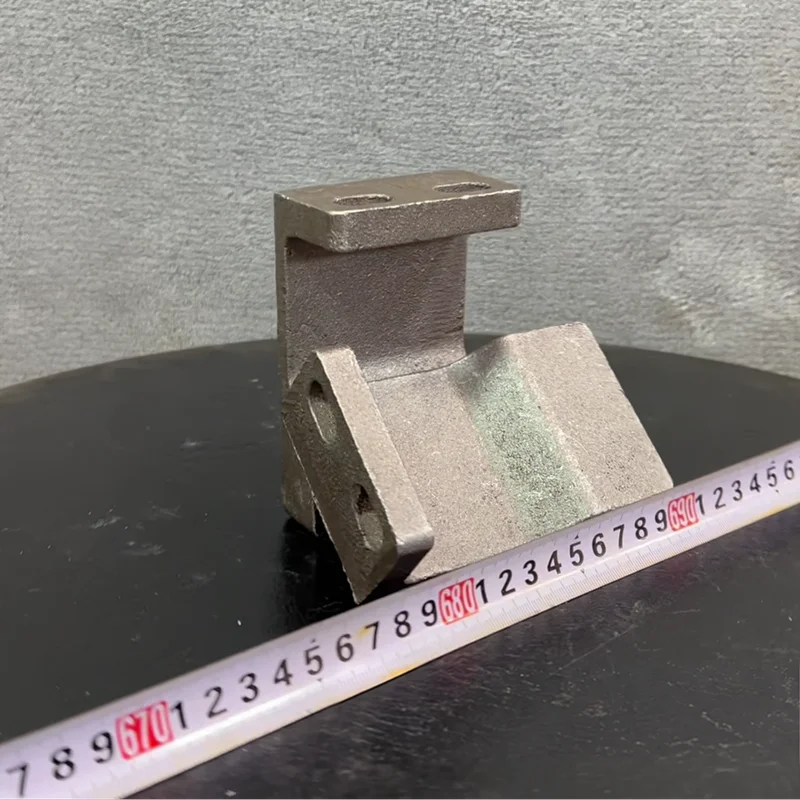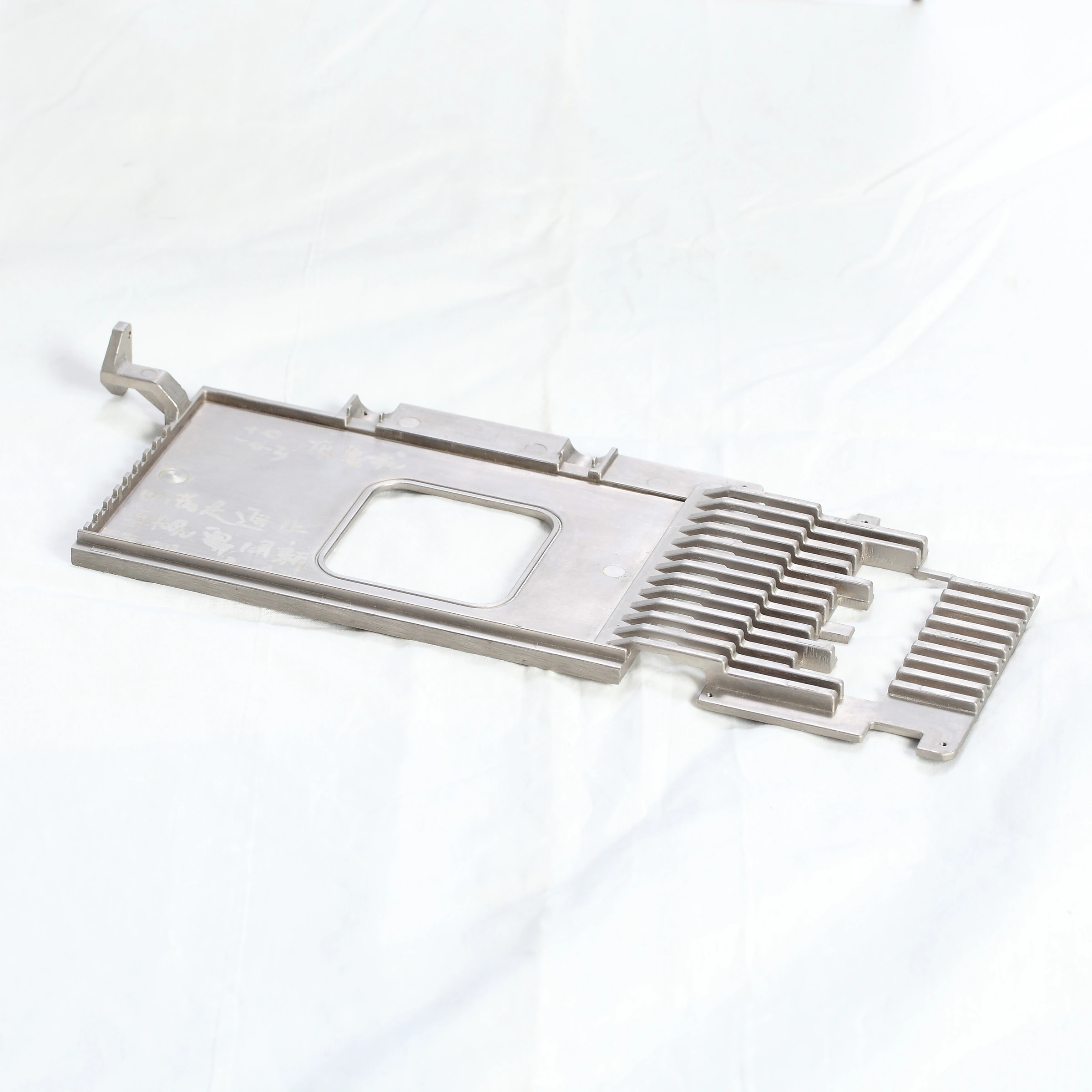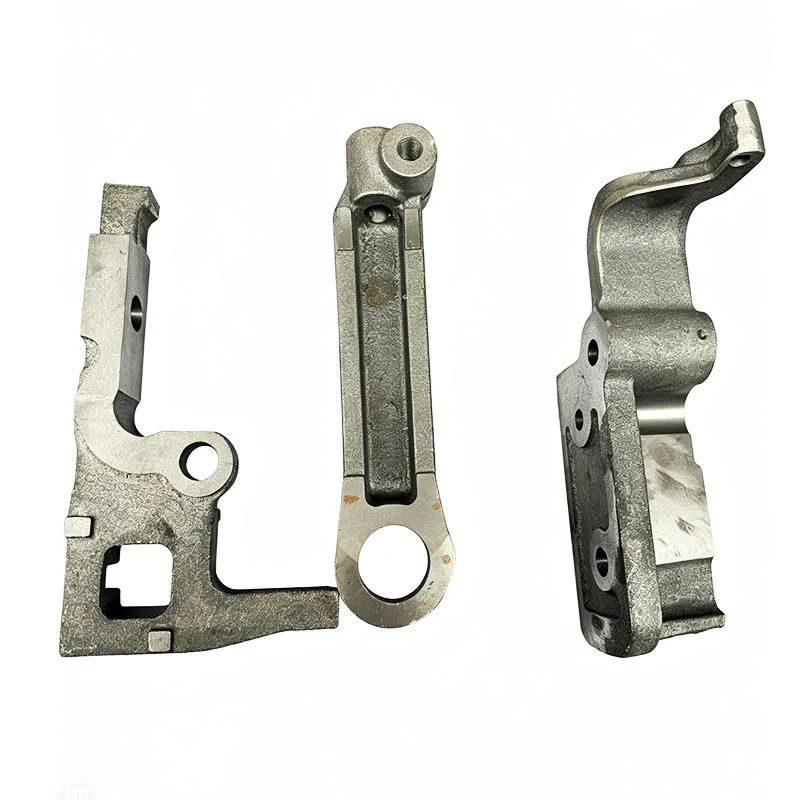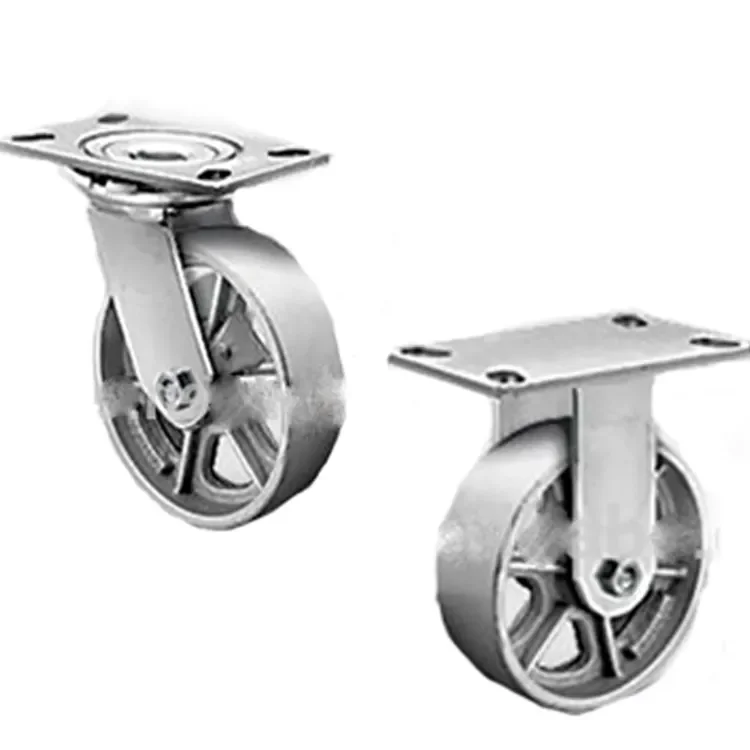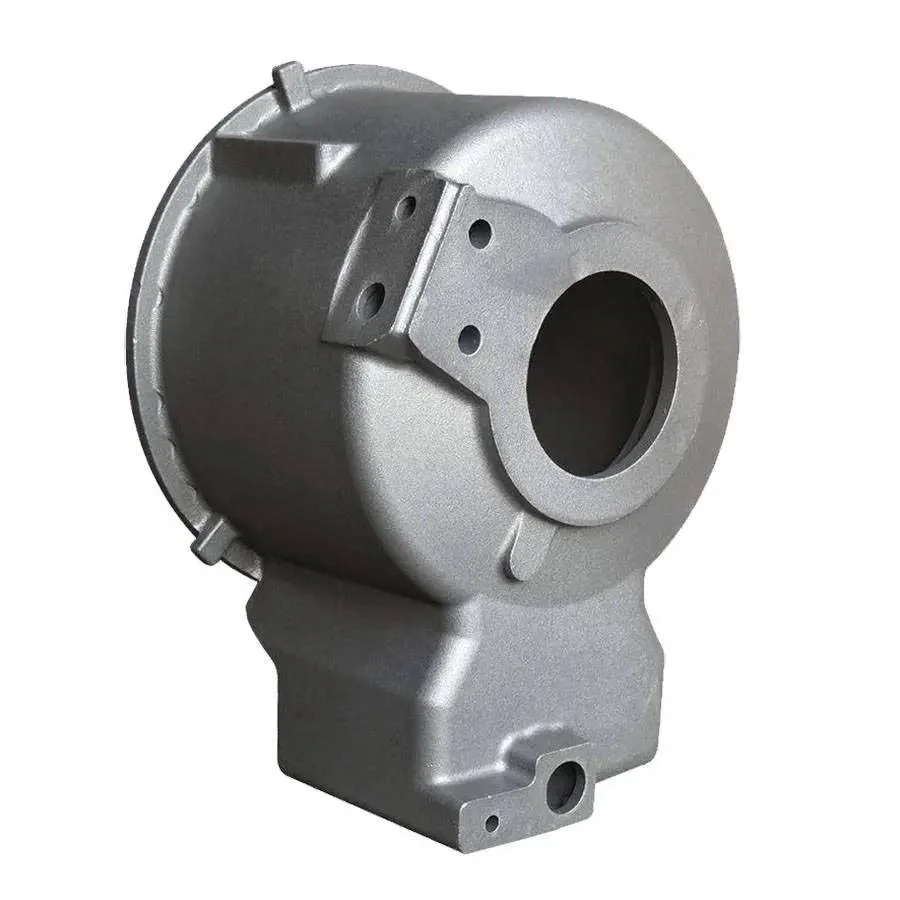
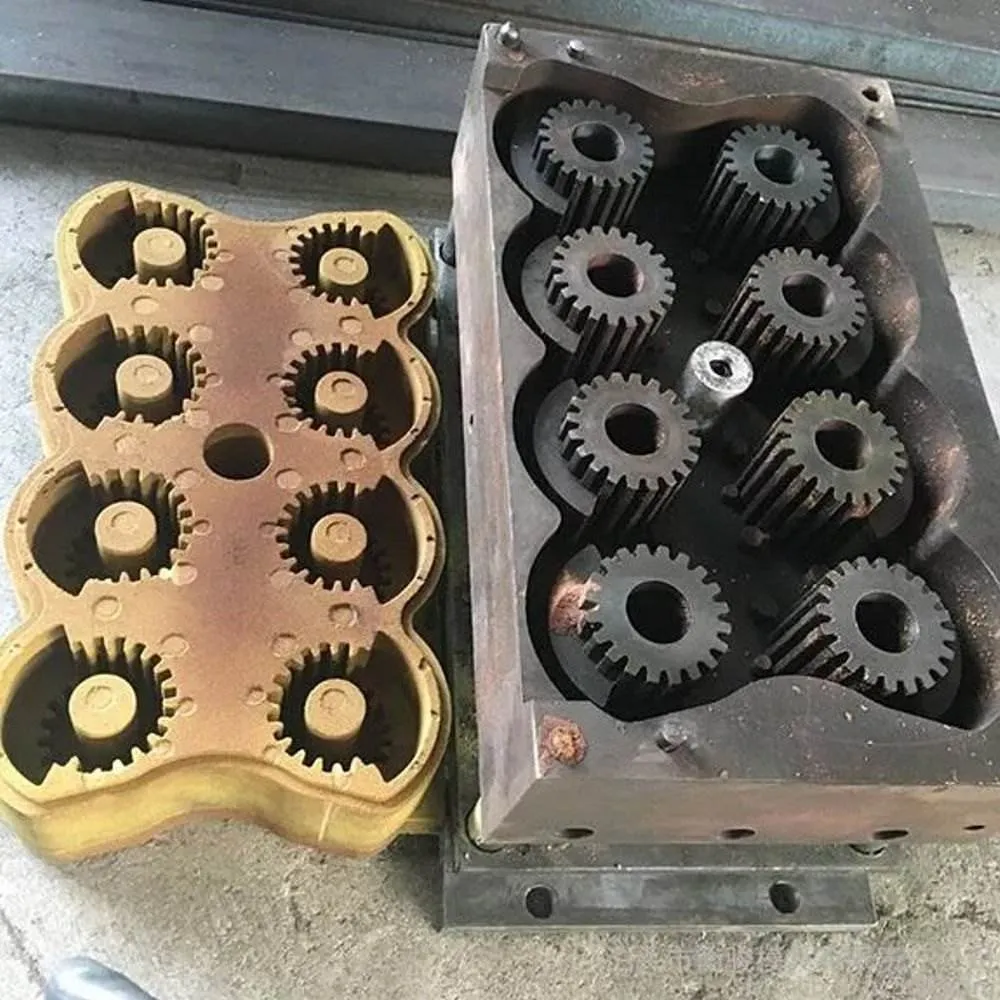
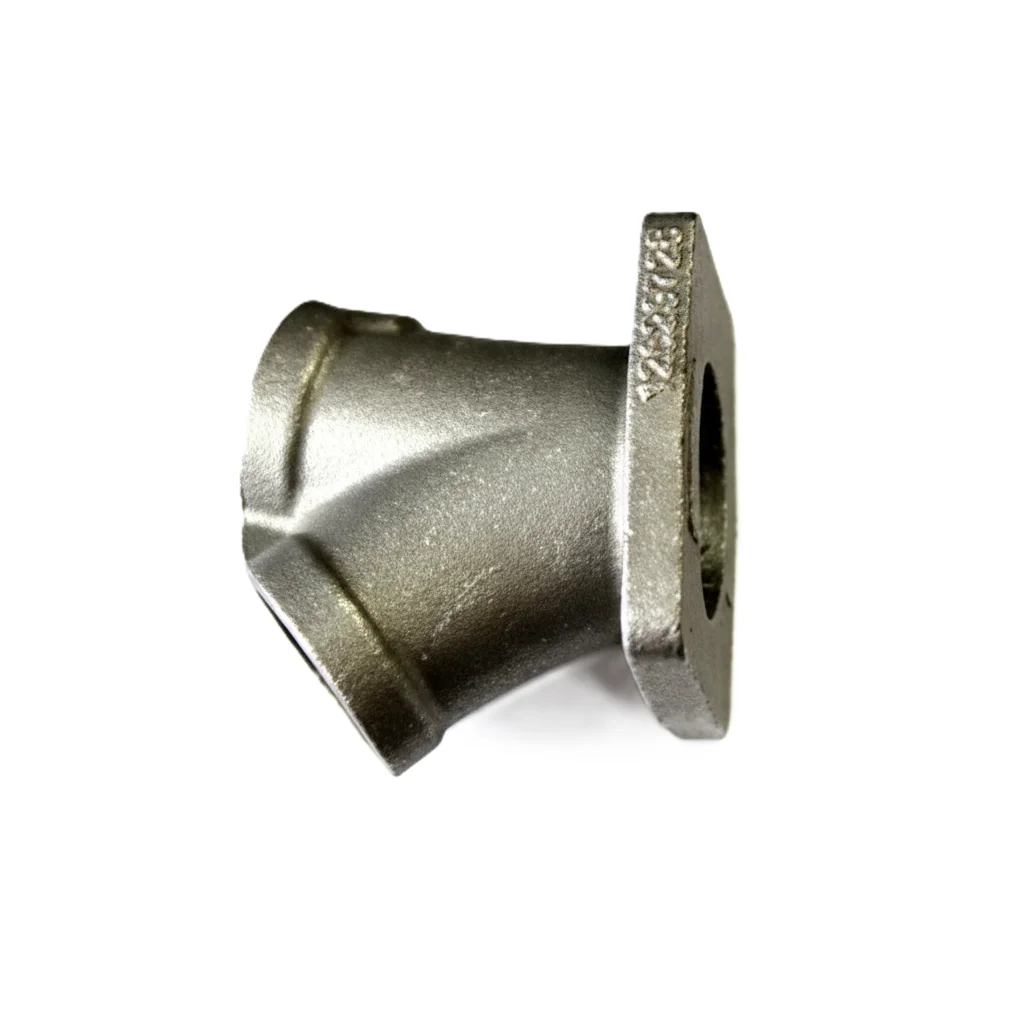
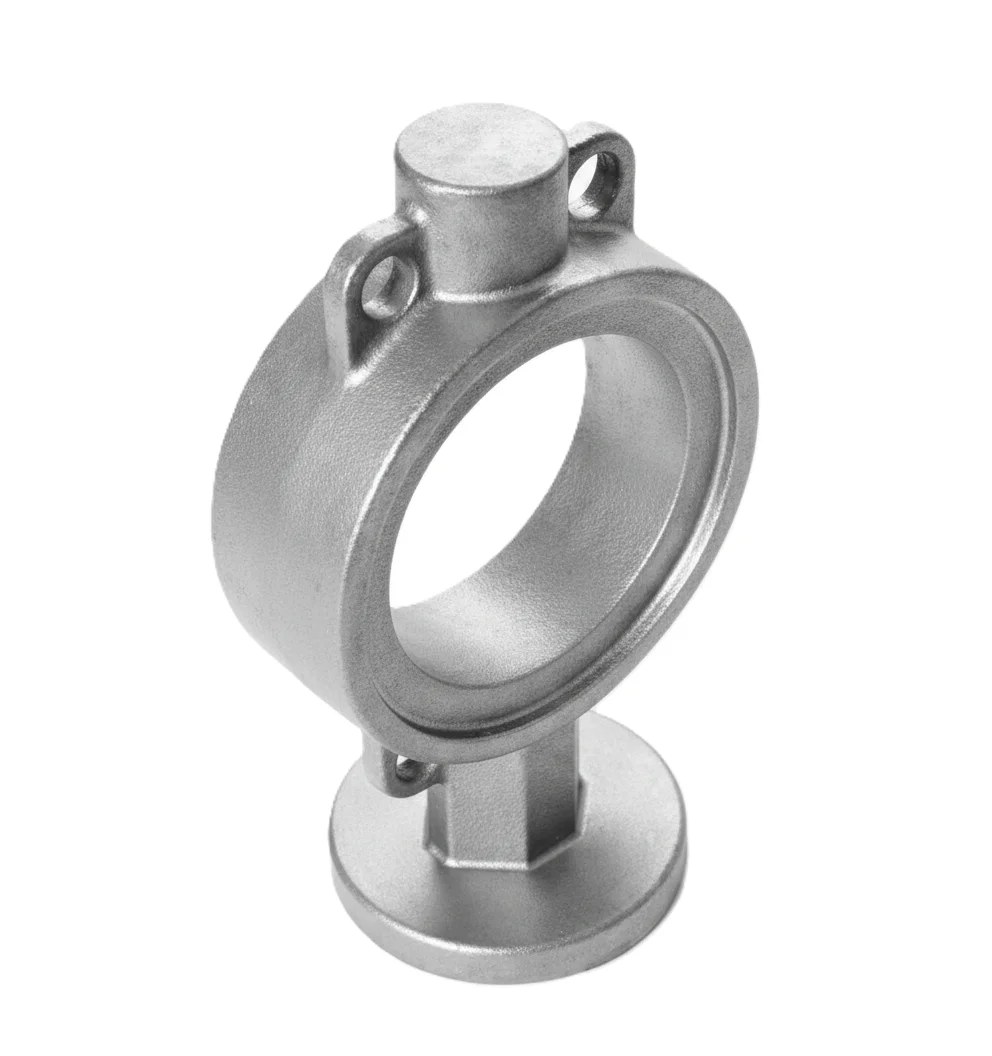
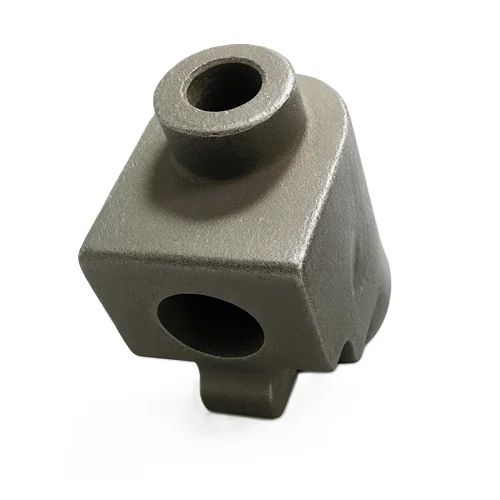
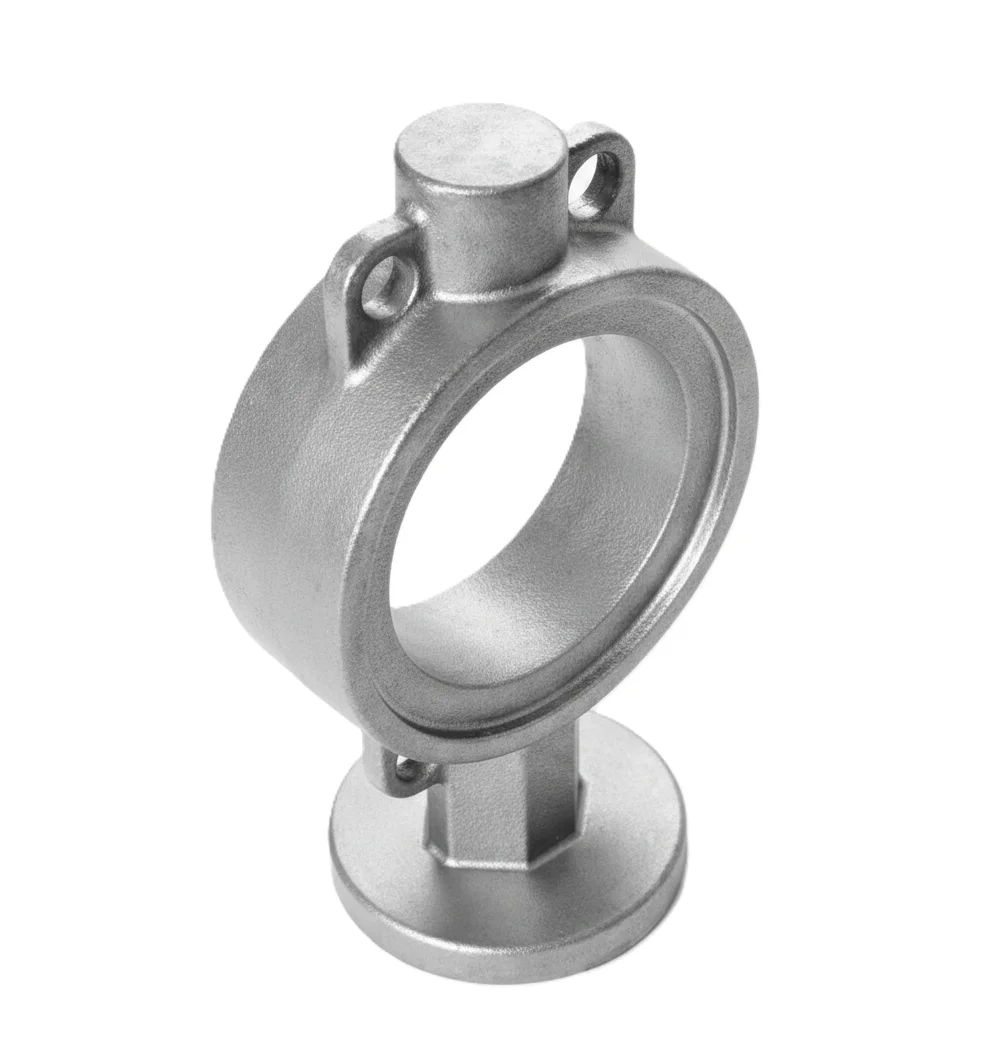
Custom Aluminum Sand Cast Motor Housing Flange Shield Replacement Parts with CNC Machining and Drawing Defined Fit
Direct factory support
Get a quote that fits your project
Send your drawing or product reference, material grade and required quantity. Relia will review the requirements with you.
- Drawing & specification review
Confirm the supply scope and critical requirements.
- Samples before custom production
Review inspected samples before approving a batch.
- Inspection documents
Agree material and dimensional records for your part.
-
SizeCustomized
-
MaterialsAluminumTypeOther Machining Services
-
CNC Machining or NotCNC MachiningMicro Machining or NotNot Micro Machining
-
Material CapabilitiesAluminum
Aluminum motor-housing, flange and shield replacement components can be requested through sand casting and CNC machining. Size is customized for the actual item. Select the complete alloy and required material condition around the motor assembly and the component drawing.
Establish the replacement geometry
Identify the housing, flange or shield required and its relationships with adjoining motor components. Provide the fitment information and locating references governing installation. Define the dimensions that must match the selected motor application rather than assuming a universal replacement.
Scope the CNC-finished interfaces
The machining material is aluminum and the service is within a non-micro-machining scope. Mark the faces and dimensions requiring CNC work after casting. Put functional limits and measurement conditions on those interfaces, distinguishing them from areas accepted in the cast state.
Define the supplied surface
Identify visible areas and the final contact condition needed at functional interfaces. Specify the selected surface result and any separate processing being requested for the chosen substrate. Keep the appearance requirement connected to the replacement part’s geometry and intended installation.
Agree component-specific acceptance
State the replacement item’s quantity and controlling drawing revision. Identify material, dimensional and surface records needed for approval against the actual motor assembly. Explain what an initial component must demonstrate, retaining accepted alloy, fitment and CNC decisions within the part definition used for subsequent motor-component requests.