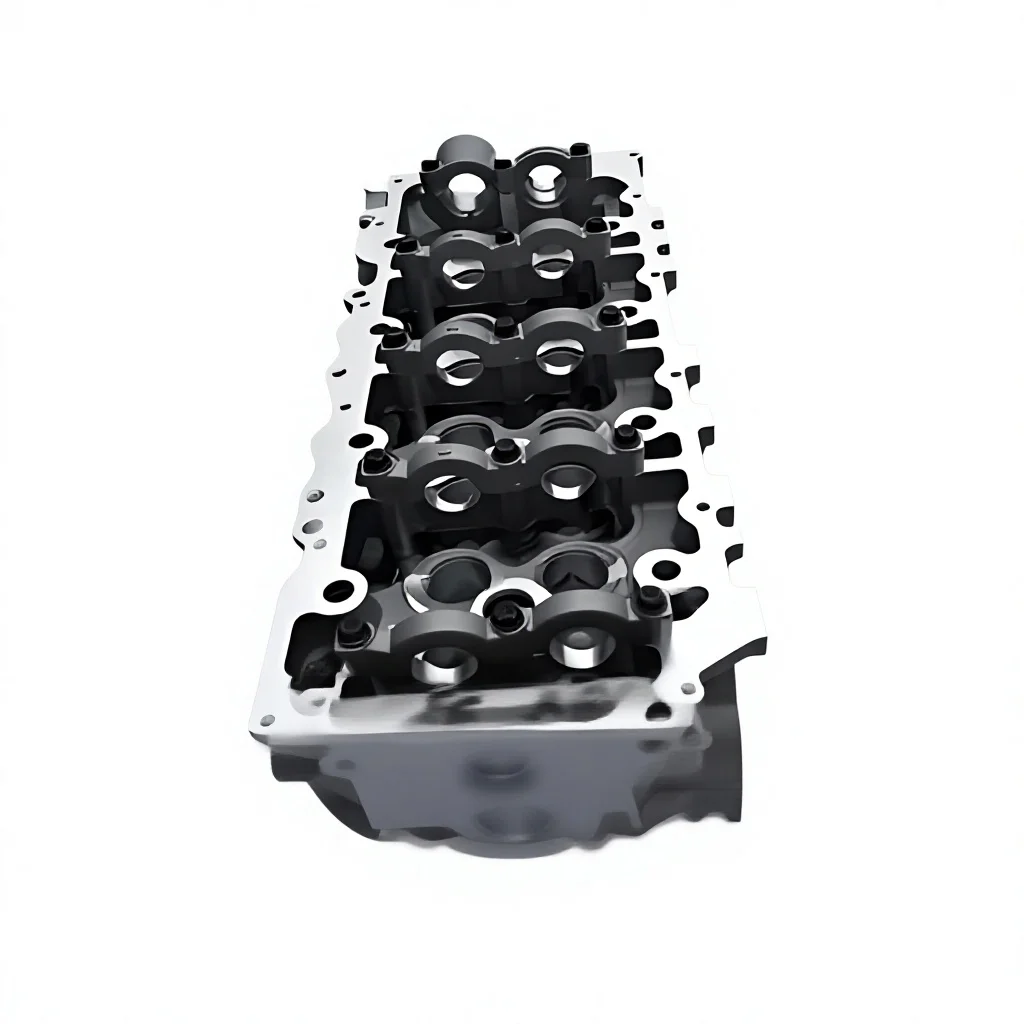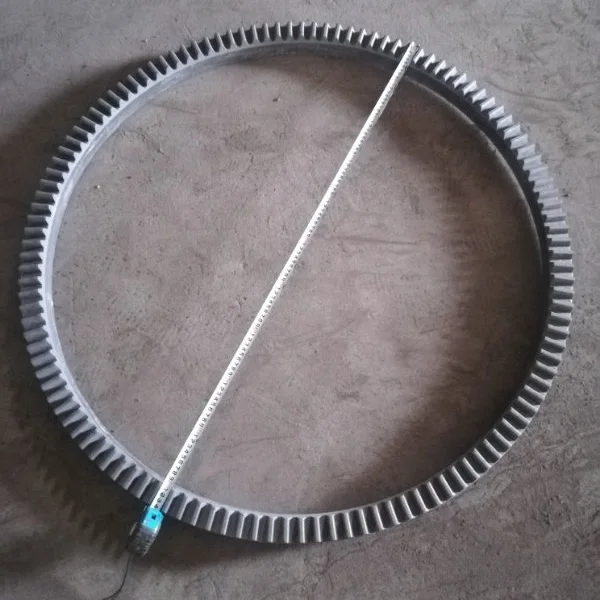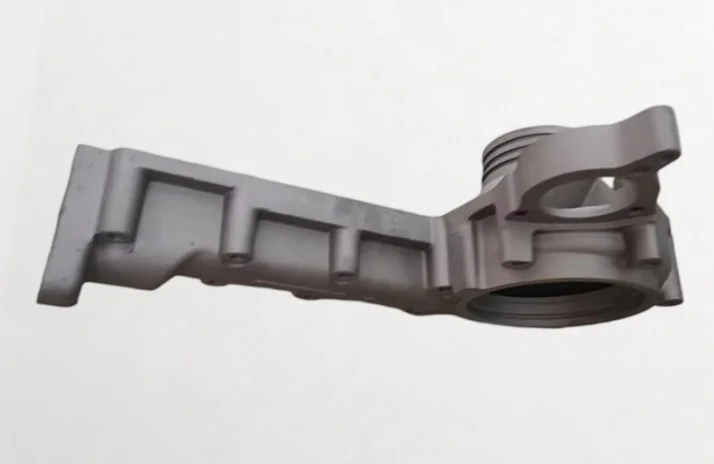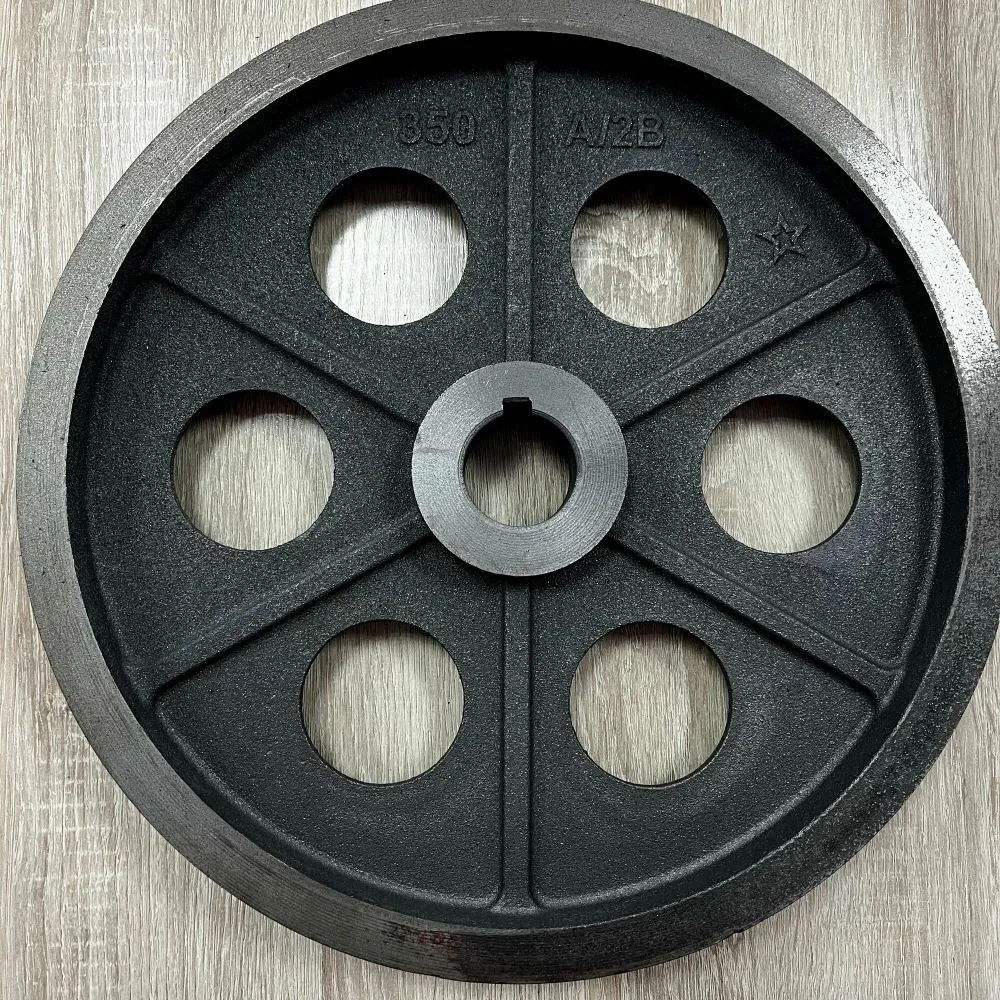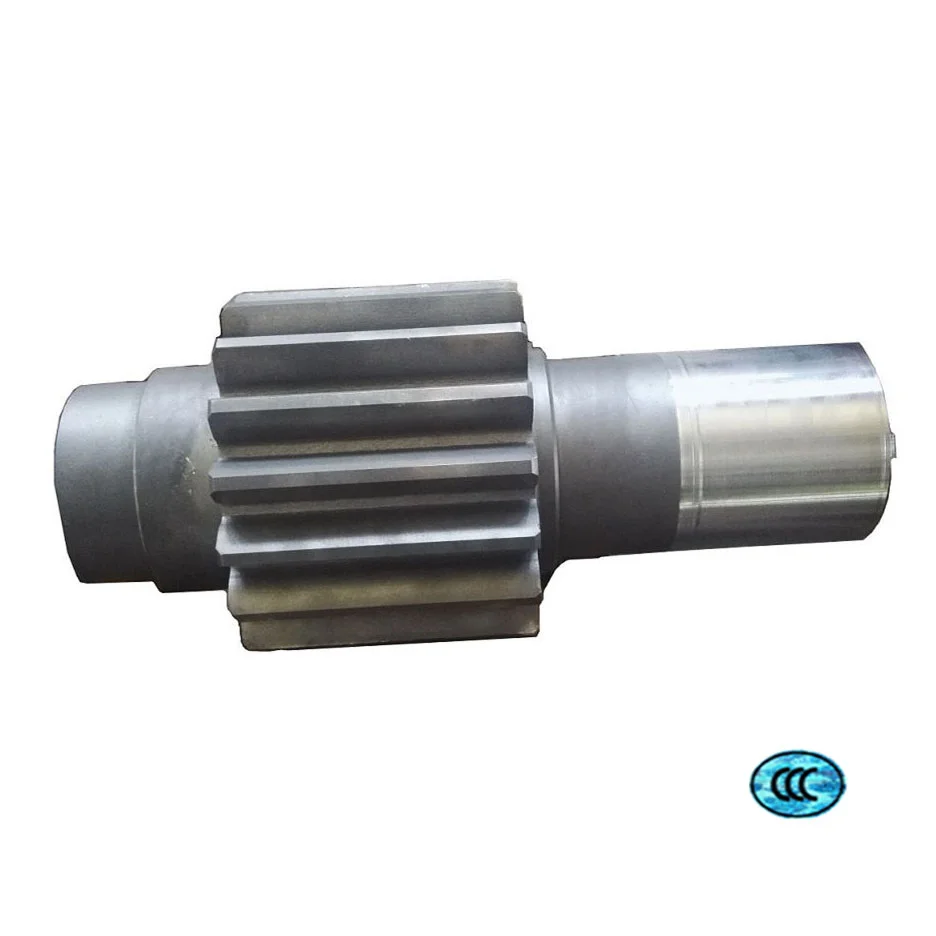
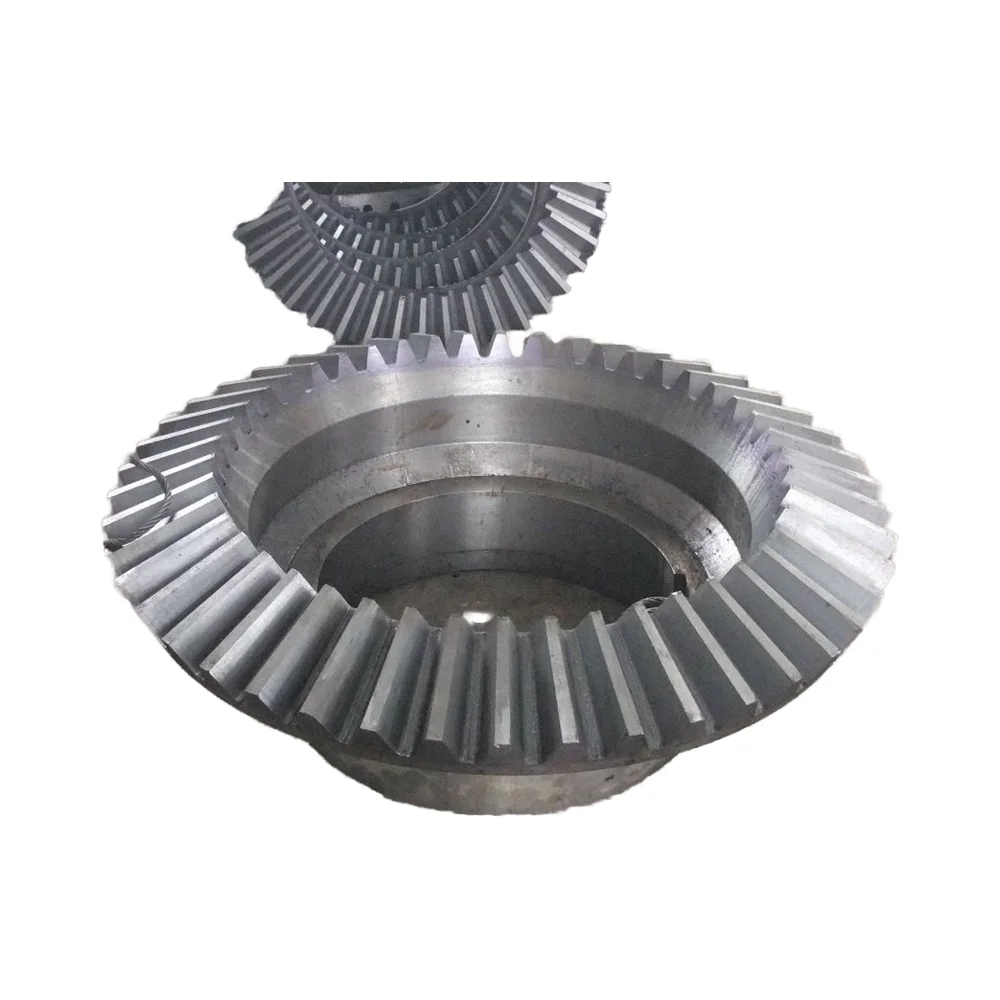
Custom 42CrMo Alloy Steel Gear Shaft Sand Casting and Machining with Tempering
Direct factory support
Get a quote that fits your project
Send your drawing or product reference, material grade and required quantity. Relia will review the requirements with you.
- Drawing & specification review
Confirm the supply scope and critical requirements.
- Samples before custom production
Review inspected samples before approving a batch.
- Inspection documents
Agree material and dimensional records for your part.
-
Materialsteel alloy
-
ServiceOEM/ODMProcesssand casting and machining
-
Surface treatmenttemperingToleranceaccording to drawings
-
Product namegear shaft
OEM and ODM 42CrMo alloy-steel gear-shaft enquiries use sand casting and machining with tempering. Specify the complete governing material document and required tempered condition for the shaft. The controlled drawing should connect the gear, journal and mating geometry with the actual transmission design.
Locate the working geometry from the shaft references
Show the dimensions and datum relationships governing the gear and shaft interfaces. Identify mounting, journal and other contact areas that determine fit within the assembly. Tolerances follow the drawing, so each functional requirement should be assigned to the supplied stage being accepted.
- Provide the drawing revision and order quantity.
- State the full material specification and required condition.
- Mark machined dimensions and measurement datums.
- Identify material, dimensional and functional records.
Separate the cast form from machined interfaces
Define which surfaces require a finished operation and the condition accepted for remaining areas. The machining instruction should include relationships between the functional sections of the shaft. Any additional surface requirement should be stated with the final geometry rather than assumed from the component name.
Set treatment and approval requirements
Tempering is the named treatment; identify the condition and acceptance records needed for the ordered grade and application. Include any design-specific service checks and sample approval in the enquiry. Use the same drawing revision, material requirement and delivered state for that decision and subsequent production so the shaft can be checked against a consistent acceptance basis.