Identify the base material and intended sand system
A foundry-material enquiry can contain a chemical percentage, a particle-size label and a thermal reference on the same line. Those fields describe different aspects of the selected material. To compare offers or repeat a purchase reliably, preserve their separate meanings and identify the sand system in which the material will be used. One attractive number is not a complete specification.
Start by stating whether you need a base aggregate, a binder or another foundry material. A ceramic foundry sand and a sodium bentonite binder have different roles in the enquiry. Buying one does not establish the complete formulation or operating conditions of the other. If an existing process is involved, name the current material and the reason for the proposed purchase or trial.
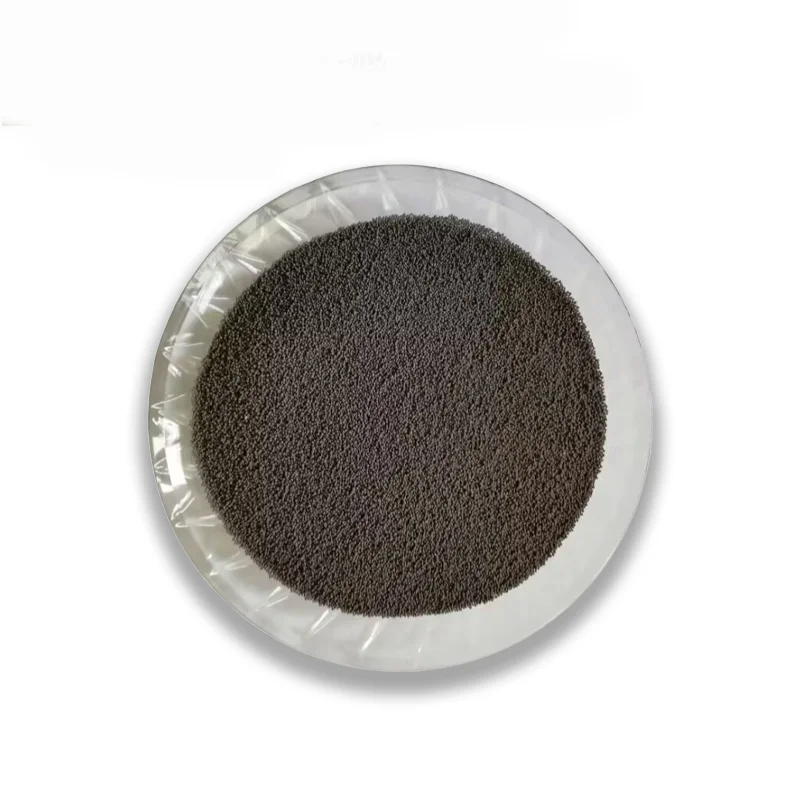
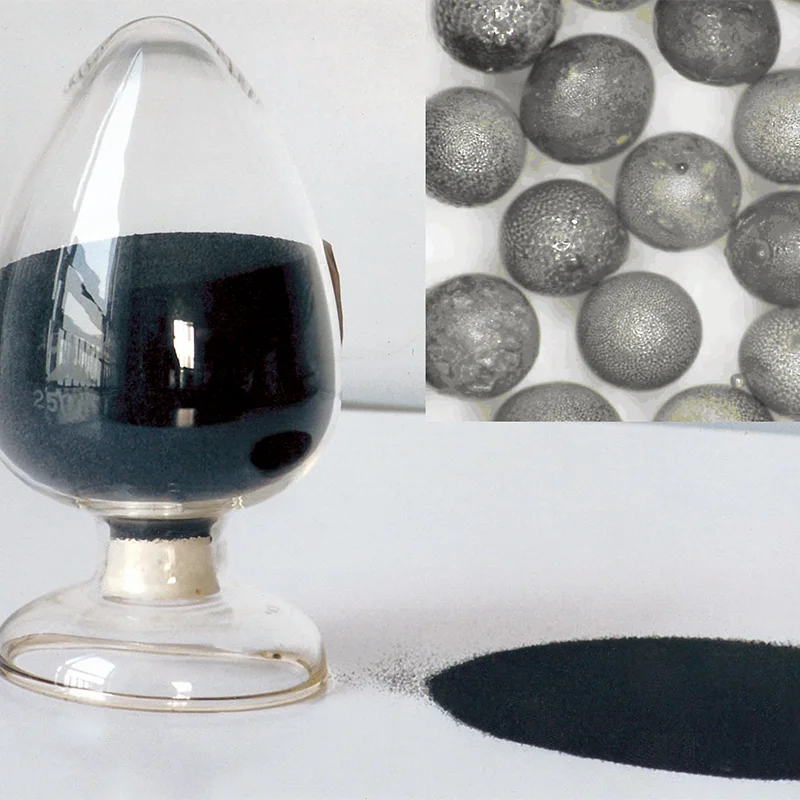
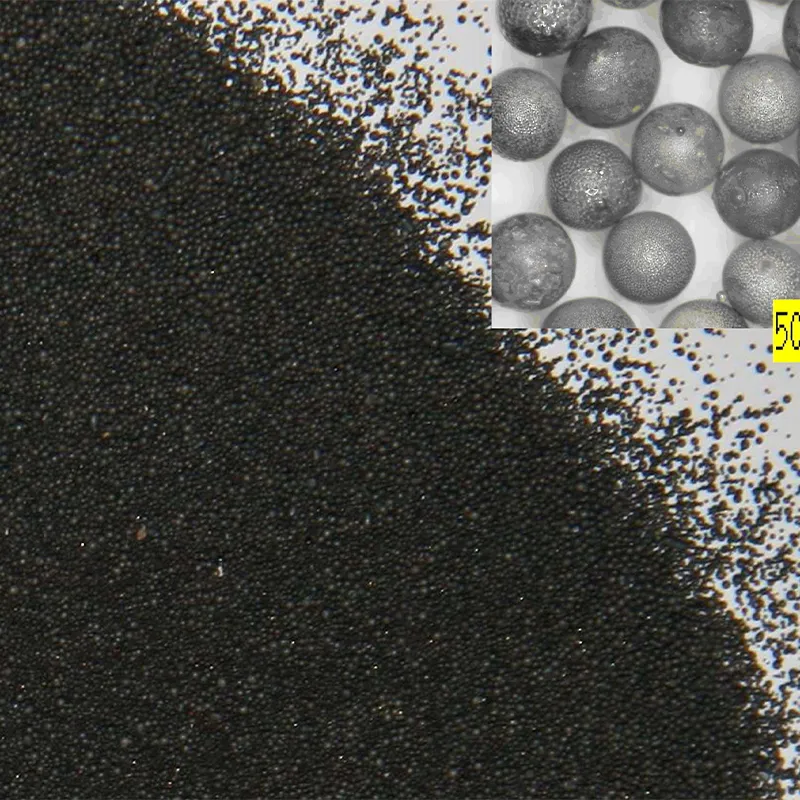
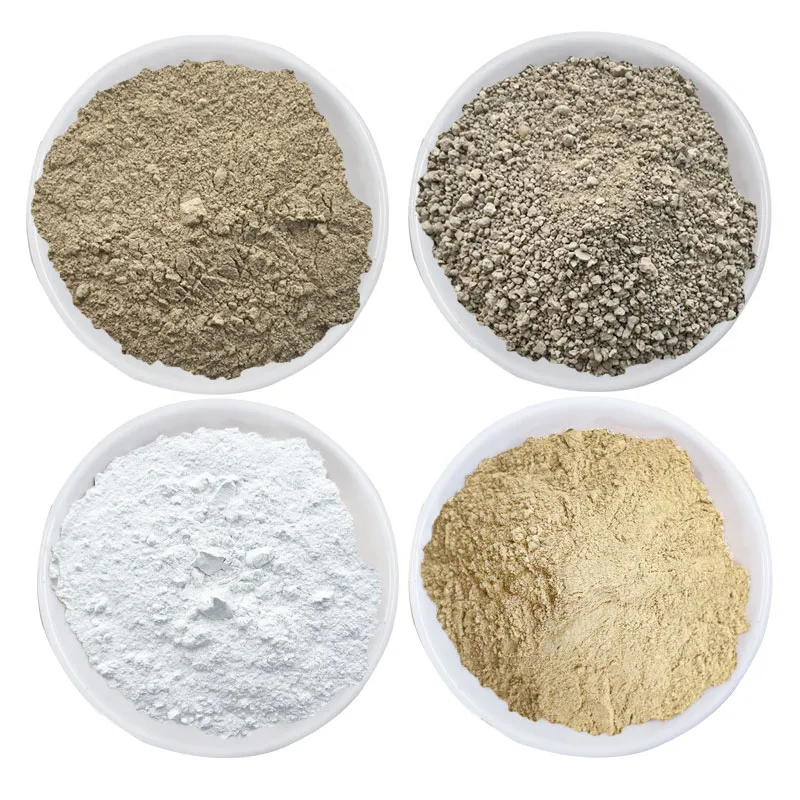
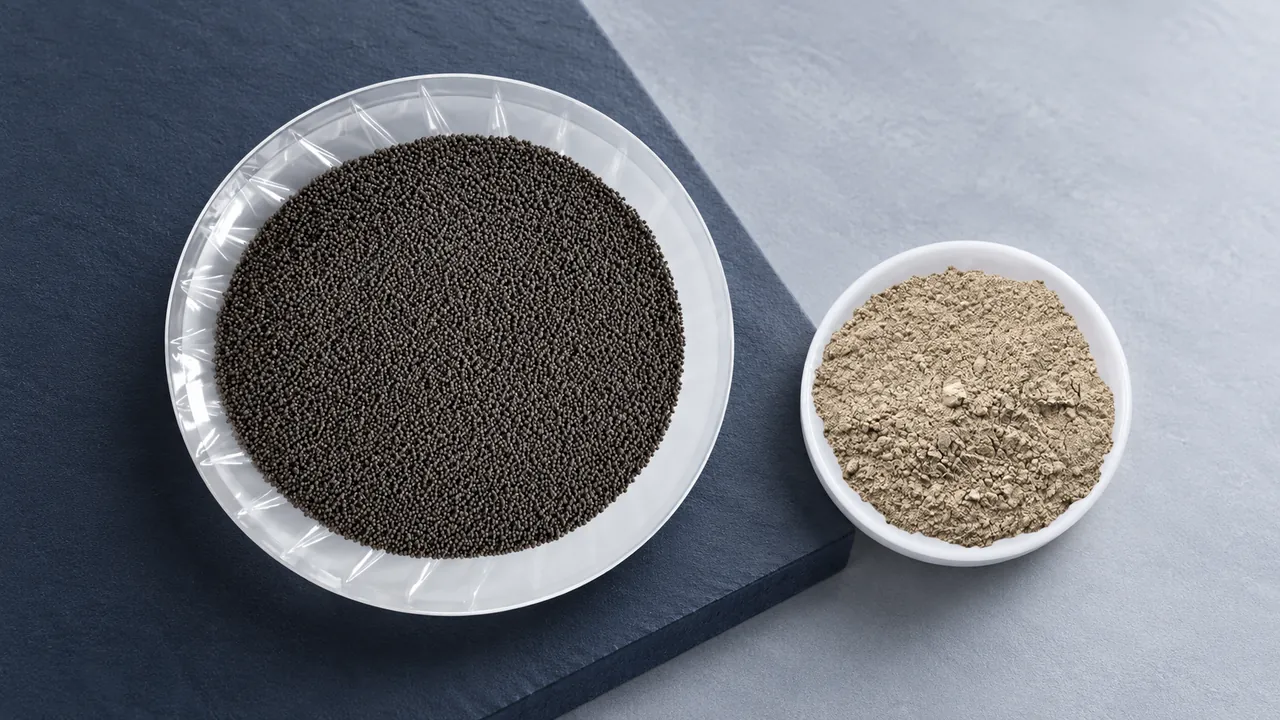
The Relia ceramic-sand example describes ball-shaped material for lost-foam casting enquiries and other product-specific casting applications. The sodium bentonite example concerns a green-sand binder, with plasticity and wet-strength functions. These descriptions identify useful starting points. They do not establish that every chemical grade or particle distribution is suitable for every alloy, binder system or pouring arrangement.
Describe the mold or core task, the casting material and the relevant process conditions known to your team. Distinguish a new installation from a change to an existing sand system. For a replacement material, explain what the current process achieves and what problem the trial is intended to address. This gives the technical discussion a defined objective instead of asking a supplier to select a material from a generic photograph.
Keep chemical grade and particle-size requirements distinct
Chemical identity
Identify the material, selected chemical grade and relevant composition requirements. Ask which reported values describe the actual supplied grade or lot and how those results are determined.
Particle grading
Record the requested size designation, its grading convention and the distribution evidence needed. A named grade does not replace a sieve distribution where distribution is important to the process.
Thermal reference
Record the parameter, units and test basis. Ask how the reference relates to the intended use rather than turning it into a universal continuous operating temperature.
For example, the ceramic-sand listing separates an Al2O3 composition range from discrete Al2O3 grade options, and separately gives particle-size choices. Choosing a chemical option does not automatically choose the grading. Put both selections in the enquiry and ask the quotation to identify the actual combination proposed for supply.
A broad catalog composition range may cover more than one offered grade. It should not be copied into a purchase specification as though it were the measured composition of a particular delivery. Ask for the relevant grade specification and the agreed lot evidence. Where several properties matter, identify which are acceptance requirements and which are descriptive references.
The same approach applies to binder enquiries. Sodium bentonite is not merely another particle-size option for a base sand. Explain the intended green-sand system and the performance questions to be evaluated with the actual sand and operating arrangement. Do not infer a universal addition rate or a guaranteed mold result from the binder name.
Keep units and reporting basis beside each requirement. If a percentage is requested, identify what it measures. If moisture or another condition affects the interpretation of a reported result, ask for that basis rather than assuming it. A compact specification sheet with separate fields is easier to compare than a long combined title in which chemistry, grading and performance labels are mixed together.
What to ask about AFS or mesh references
AFS grain fineness and a mesh label should not be treated as the same measurement. The American Foundry Society's sand-testing outline distinguishes sieve analysis, which determines a particle-size distribution, from calculation of the AFS Grain Fineness Number, which estimates average sieve size. A buyer needs to know which description a quotation is using.
A mesh reference needs its sieve convention or opening basis. Record whether the requirement is a named commercial grade, a stated range or a distribution with permitted retained fractions. Do not remove a designation from its method and substitute a number from an unrelated table. Where the supplier uses a shorthand grade, ask for the underlying specification before approving a replacement.
The Silica and Moulding Sands Association's testing guidance notes that average measures do not describe the spread of sizes and that sands with the same average value can have different distributions. The practical implication is to request the distribution when the process depends on it, rather than accepting one average number as a complete grading description.
This does not require a buyer to reproduce a laboratory calculation in every RFQ. Specify the accepted designation and request the relevant method and distribution information from the proposed supply. If the existing material was qualified against a particular grading specification, use that controlled specification as the comparison basis. Keep any proposed change visible so the process owner can decide what trial is needed.
A grading question that can be answered
Please identify the selected ceramic-sand grade, the chemical option and the particle-grading specification proposed for our stated process. Where an AFS GFN or mesh label is used, provide its method or convention and the relevant size-distribution information. State any difference from the attached current material specification for review.
This is an illustrative request, not a claim that every document is automatically included with every order. Agree the actual records, sample identification and acceptance basis with the quotation. If a result is provided for a sample, keep its relationship to the proposed production grade or delivery clear.
Why not provide an automatic AFS-to-mesh conversion?
An average grading index and a sieve designation do not describe the same information. A supposed one-number conversion can conceal differences in the actual distribution and the test convention. Retain the original field, ask for the relevant grading evidence and compare like with like. Do not change a label simply because another number looks more familiar.
Thermal references and qualification conditions
A refractoriness reference needs a test basis and an application context. The ceramic-sand example includes a stated refractoriness range of 1770–2000 °C. That product reference is useful to discuss, but it does not establish one continuous operating limit for every grade or every mold, binder and metal combination. Ask which selected material the reference describes and how it was established.
Thermal test endpoints can depend on their defined conditions. For example, ASTM's published description of the C24 pyrometric-cone method for fireclay and high-alumina refractories explains that its endpoint reflects time, temperature and atmosphere. This is an example of why the method matters; it is not a claim that the listed ceramic sand was tested to C24 or that this method is the correct specification for it.
Provide the actual thermal duty you want reviewed, including the relevant metal and process context. If repeated use is intended, state the reuse question and the proposed evaluation. A material's thermal reference does not by itself define the result of a complete foundry process, the useful life of the material or the performance of a binder after a particular cycle.
Qualification should answer a specific change question. Record the current material specification, the proposed replacement and the outcome to evaluate. Agree representative sampling, test methods and the decision criteria before comparing results. Otherwise, two trials may use different starting conditions and produce results that cannot be meaningfully compared.
Keep receiving checks separate from process qualification. A delivered lot may be checked against agreed identification, packaging and material requirements, while a process trial addresses suitability in the actual sand system. Define which evidence belongs to each decision and who approves it. Neither should be silently replaced by a generic catalog claim.
For repeat orders, retain the approved material designation and the version of the specification used for the original approval. Record a proposed change in grading, composition range or source as a change for review, even when the commercial grade name remains similar. This makes it possible to ask a focused question about what changed instead of repeating a trial without a comparison basis.
When reviewing a laboratory result, distinguish a nominal product label from an actual measured value. Keep the sample identity, reported method and result together. If the report concerns a development sample rather than the shipment, confirm what evidence will accompany the delivered material before using that report for receiving acceptance.
An ordering checklist for the selected material
- Identify the material and its role: base aggregate, binder or another specified supply.
- State the chemical grade and the composition evidence required for the proposed supply.
- Record the particle-size designation, method or convention, and any required distribution limits.
- Keep the thermal reference and its test basis separate from the intended operating conditions.
- Describe the existing sand system, proposed trial and acceptance questions.
- Agree the delivery identification, packaging, handling documents and relevant storage information for that material.
Request the applicable safety data and handling information for the actual product, along with any material records required by the project. Confirm storage and shelf-life conditions where relevant rather than inventing a standard period. These details should identify the supplied material and its intended use; a generic document for a different grade is not a substitute.
Use the foundry equipment and materials guide to keep the supply object clear when contacting Relia Casting. A material enquiry that separately states chemistry, grading, thermal information and process context gives the technical review something concrete to assess. It also makes repeat purchases and proposed alternatives easier to compare without relying on an ambiguous one-line label.