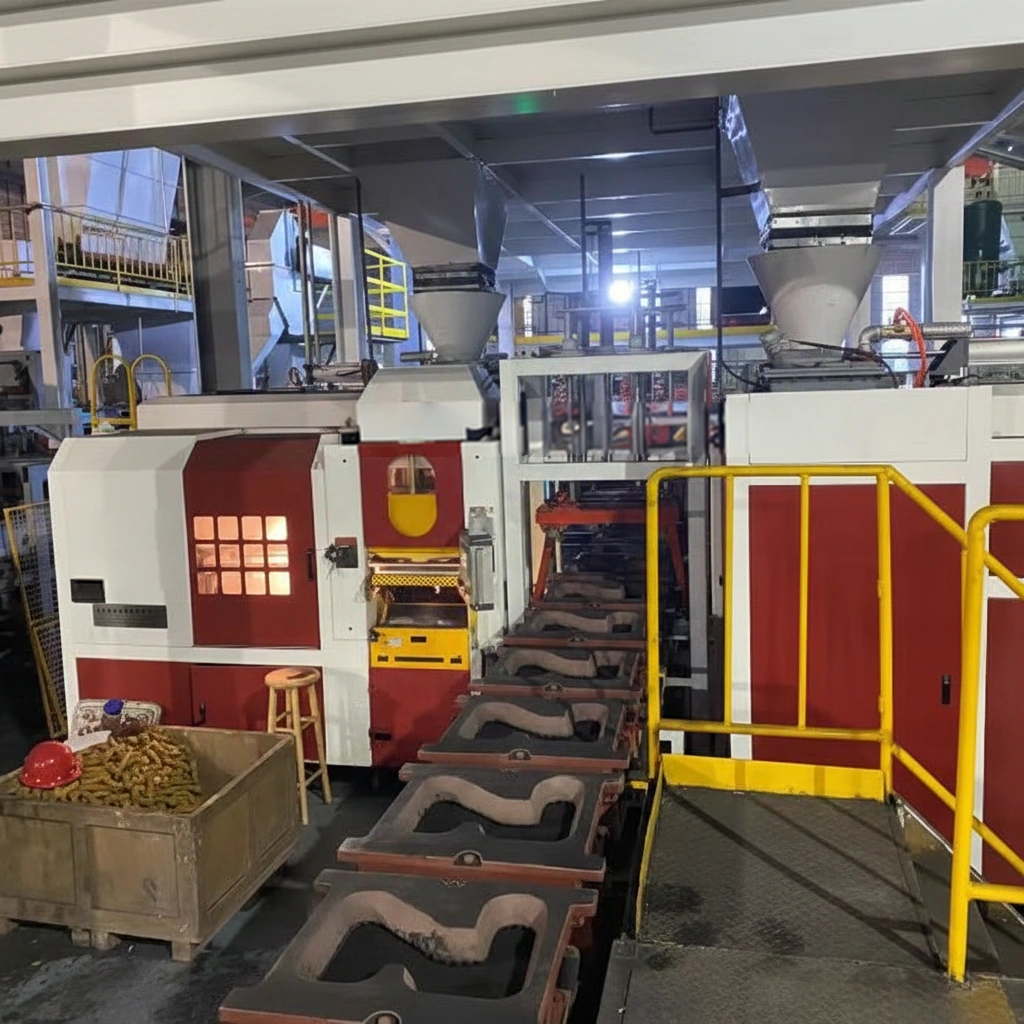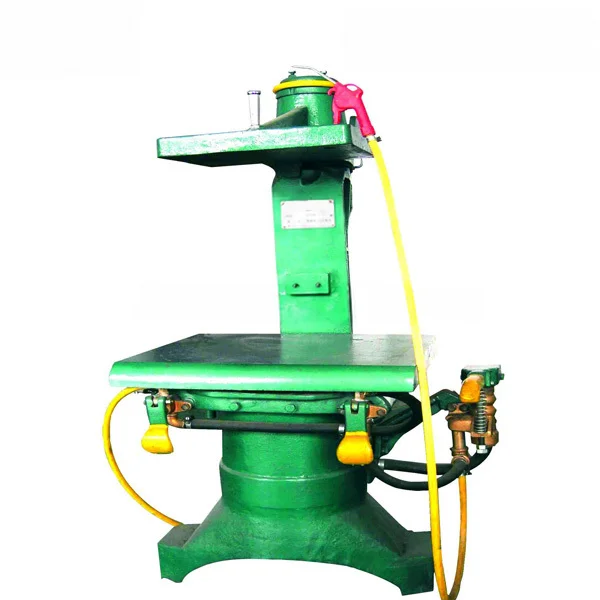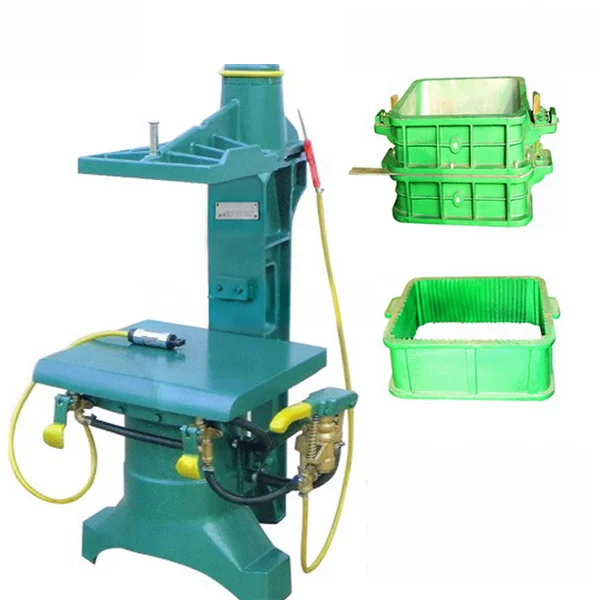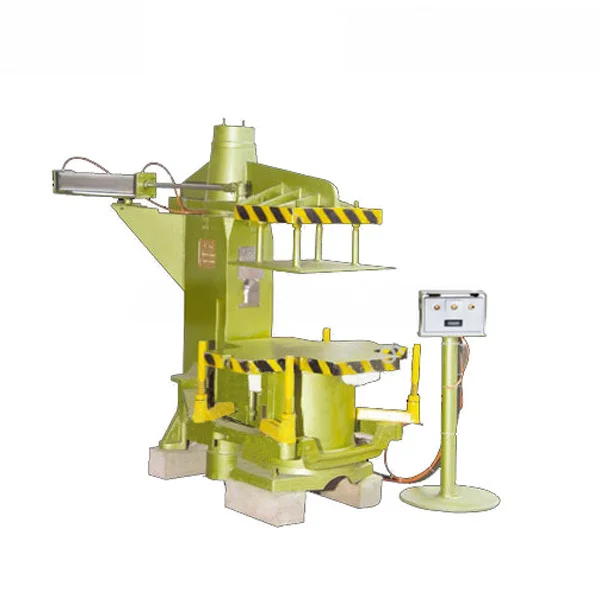
Describe the included machines and operating task
A foundry-line capacity figure is useful only when the equipment scope and operating task are clear. A sand-processing line, a mixer and a moulding machine work at different stages. Their ratings may describe material flow, individual cycles or completed moulds. Begin an enquiry by listing what is included and what each machine is expected to do, then attach the relevant performance requirement to that stage.
Distinguish a complete new line from a single-machine purchase or an upgrade to an existing installation. For an upgrade, identify the equipment that remains in service and the interfaces the new supply must match. A drawing of the existing arrangement and a short scope list can prevent a quotation for one machine from being mistaken for a complete production system.
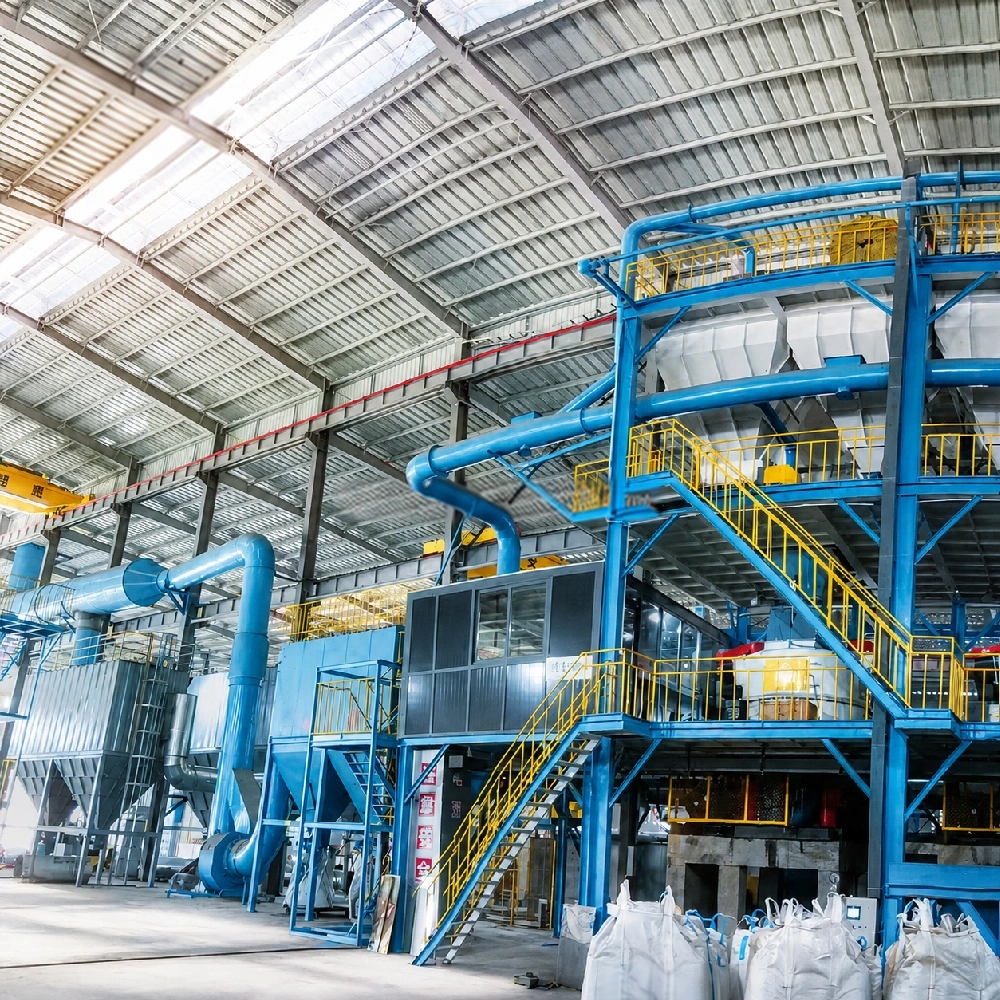
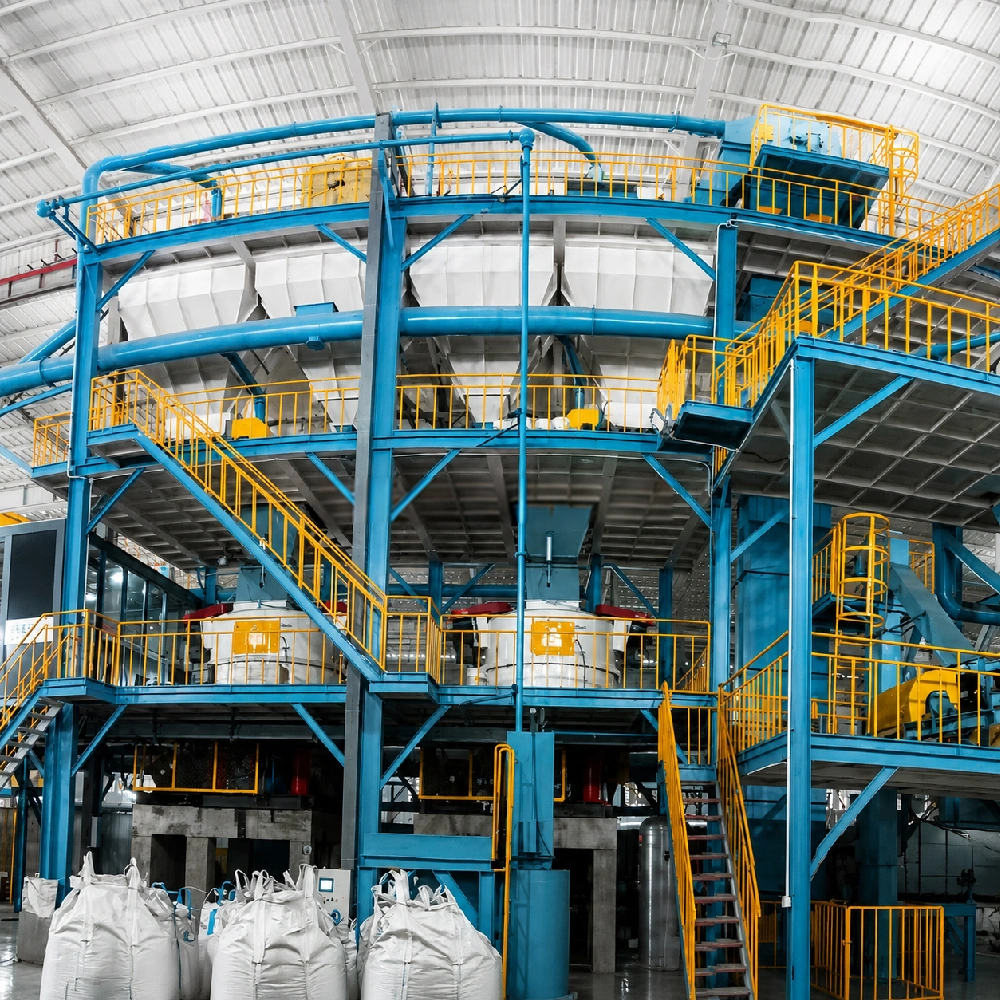
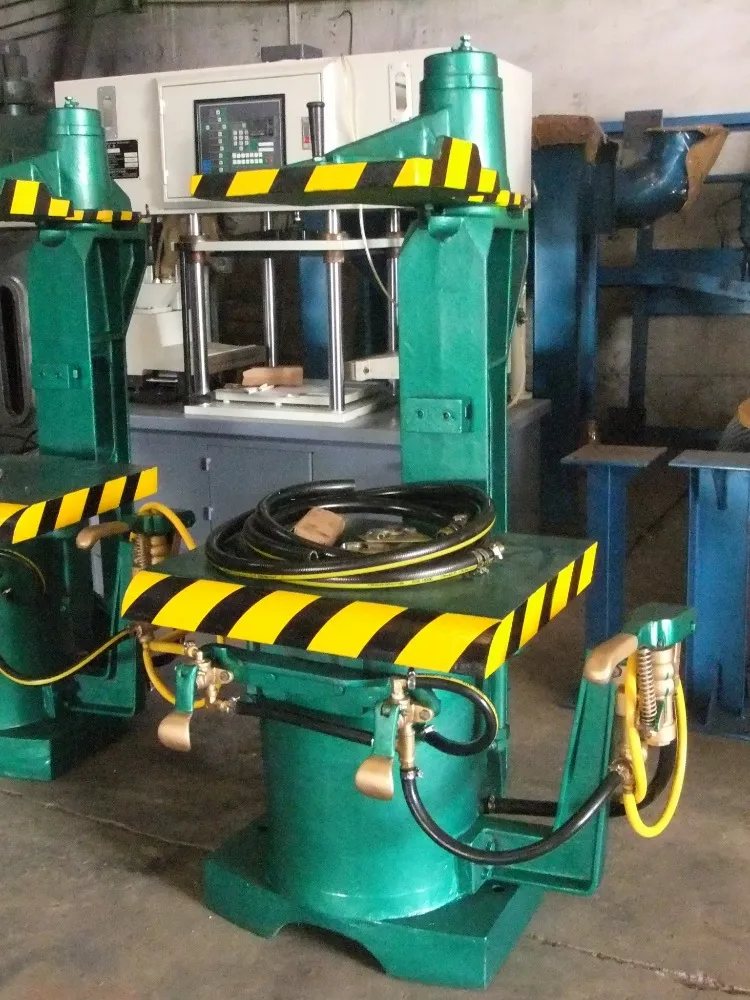
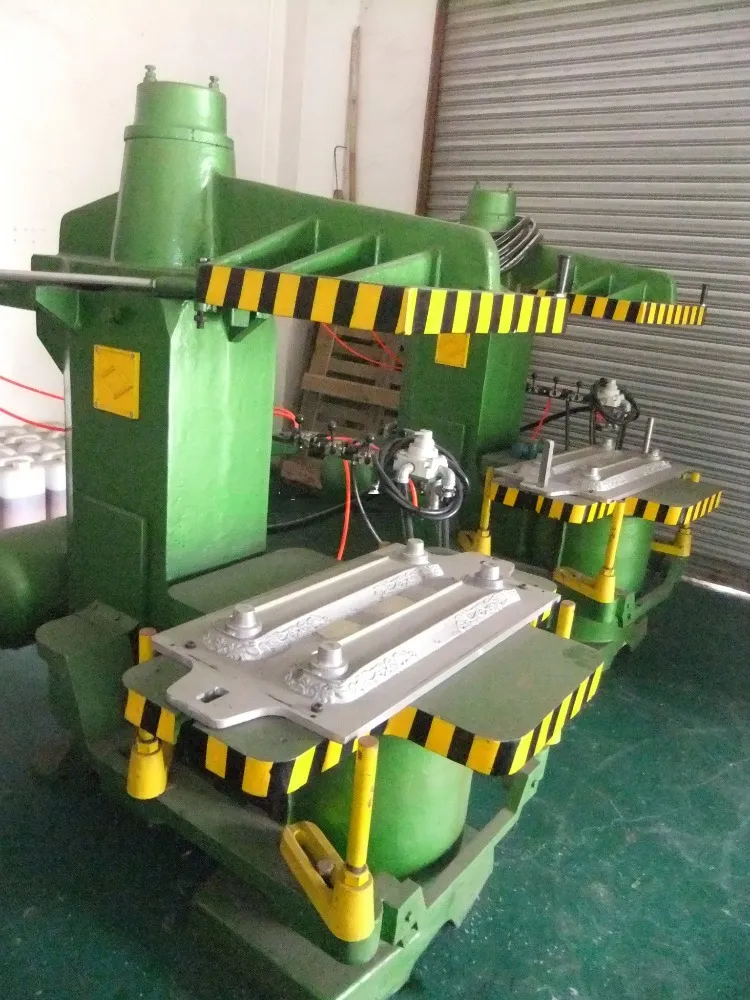
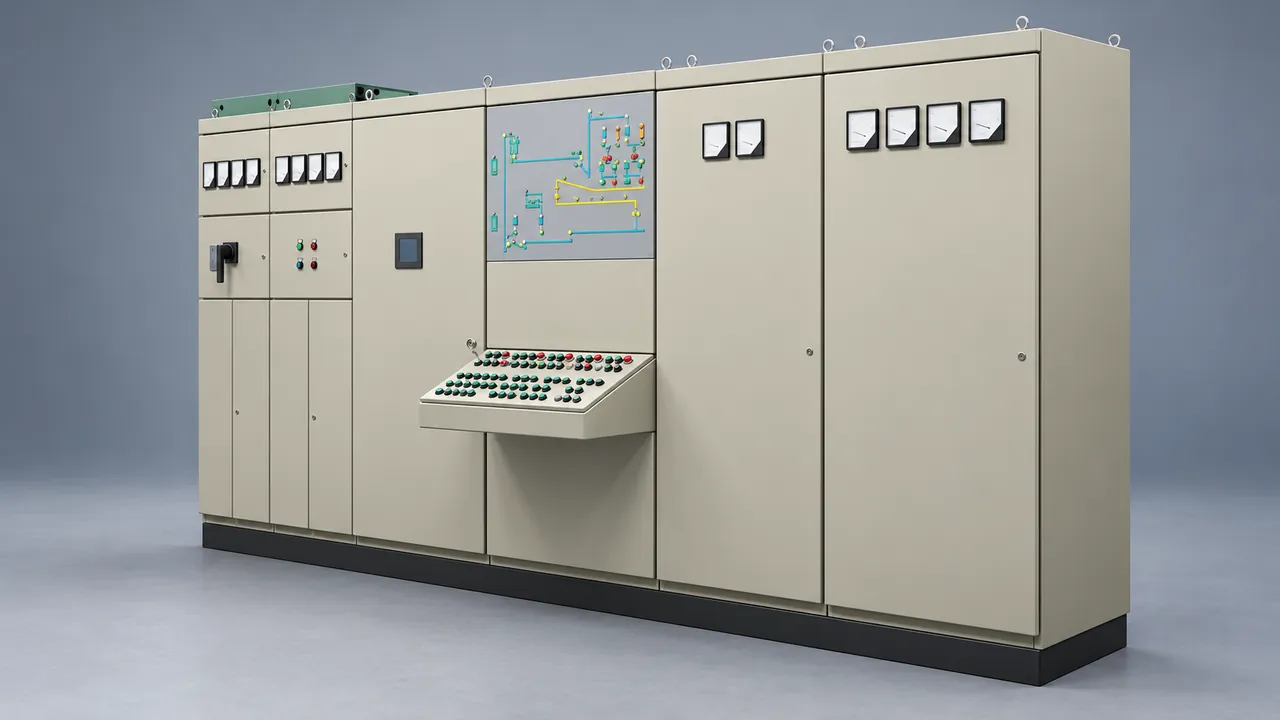
The Relia catalog includes a PLC-controlled sand-processing and reclamation line for crushing, screening and cooling, with a model option labelled 10t/h–100t/h. A separate ZJZ1–ZJZ5 jolt-squeeze sand-moulding machine enquiry concerns another equipment role. Keep those product references separate. A model range in one listing is not evidence that a particular combination of machines will deliver the same complete-line output.
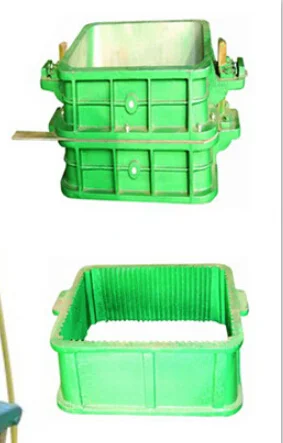
Describe the intended input and output at each relevant boundary. For sand treatment, identify the incoming material and required outgoing condition. For moulding, identify the selected mould arrangement and the production task. Also mark the handling, transfer or storage equipment that belongs to the proposal. A machine can perform its own task while the complete system remains limited by an unresolved interface.
A simple stage diagram can help: incoming sand, treatment stages, transfer or storage, and the receiving process. Label it as the proposed scope rather than an as-built factory layout. A different project may omit or add stages. The purpose is to make the quotation boundary visible, not to imply that every foundry uses one universal sequence.
Separate sand throughput from mould output
Sand mass flow
A value expressed in tonnes per hour describes a mass passing a defined stage over time. Identify the material condition, measurement boundary and operating basis.
Mould production
A value in moulds per hour counts completed moulds at an identified boundary. State the mould configuration, included work and conditions used for the count.
Machine cycle
A cycle time describes a defined repeating task. Confirm which actions it includes and how many acceptable outputs it produces before comparing it with line output.
These metrics are connected by the actual process, but they cannot be substituted directly. To relate sand demand to mould production, a planner needs the sand quantity for the selected mould and the flow arrangement. Recirculation, separate core work or other material streams must be described where relevant. The conversion is a planning exercise based on the installation, not a universal property of the machine name.
For dimensional clarity, sand mass per mould in kilograms multiplied by moulds per hour gives kilograms per hour; dividing by 1,000 expresses the same mass rate in tonnes per hour. That arithmetic does not establish the required equipment rating. It leaves the actual material balance, operating conditions and design margin to the project assessment.
A cycle-time calculation has a similar boundary. Dividing the seconds in an hour by seconds per cycle gives a theoretical cycle count, provided the definition of a cycle is consistent. It is not automatically the number of acceptable moulds produced in an operating hour. Identify setup, loading, transfer, interruptions and other included work when agreeing what an output statement means.
Separate gross production from accepted output if that distinction matters to the project. State where the count is taken, what qualifies as a completed output and which records support it. Two offers that report different boundaries can appear comparable while describing different tasks. Resolve that difference before comparing model labels or headline figures.
Do not add successive machine ratings to calculate line capacity. Each stage must serve the selected material flow and duty, and a transfer or receiving constraint can affect the system even when the main machine has a higher stated rating. Identify any buffer or storage function in the layout and ask how the proposal manages differences between adjacent stages.
Confirm utilities, interfaces and installation footprint
Machine dimensions describe an item of equipment, while a complete installation needs space for its selected arrangement and access. Ask for the appropriate layout rather than using a catalog length, width and height as the total plant footprint. Include transfer equipment, storage, operating access and maintenance needs within the agreed planning boundary.
For a replacement installation, provide the known floor-space and connection constraints. Mark fixed columns, existing equipment and relevant access routes on the layout supplied for review. Identify which details are measured site information and which remain provisional. A preliminary equipment outline should not be treated as an approved installation drawing.
| Interface | Information to provide or request | Common comparison mistake |
|---|---|---|
| Electrical supply | Actual available voltage, frequency, phase arrangement and the selected equipment requirement | Treating a voltage option as motor power |
| Compressed air and other utilities | Required pressure, flow, quality and stated operating basis where applicable | Comparing values with missing units or different reference conditions |
| Material transfer | Incoming and outgoing heights, feed condition, receiving equipment and included handling scope | Assuming an adjacent conveyor or hopper is included |
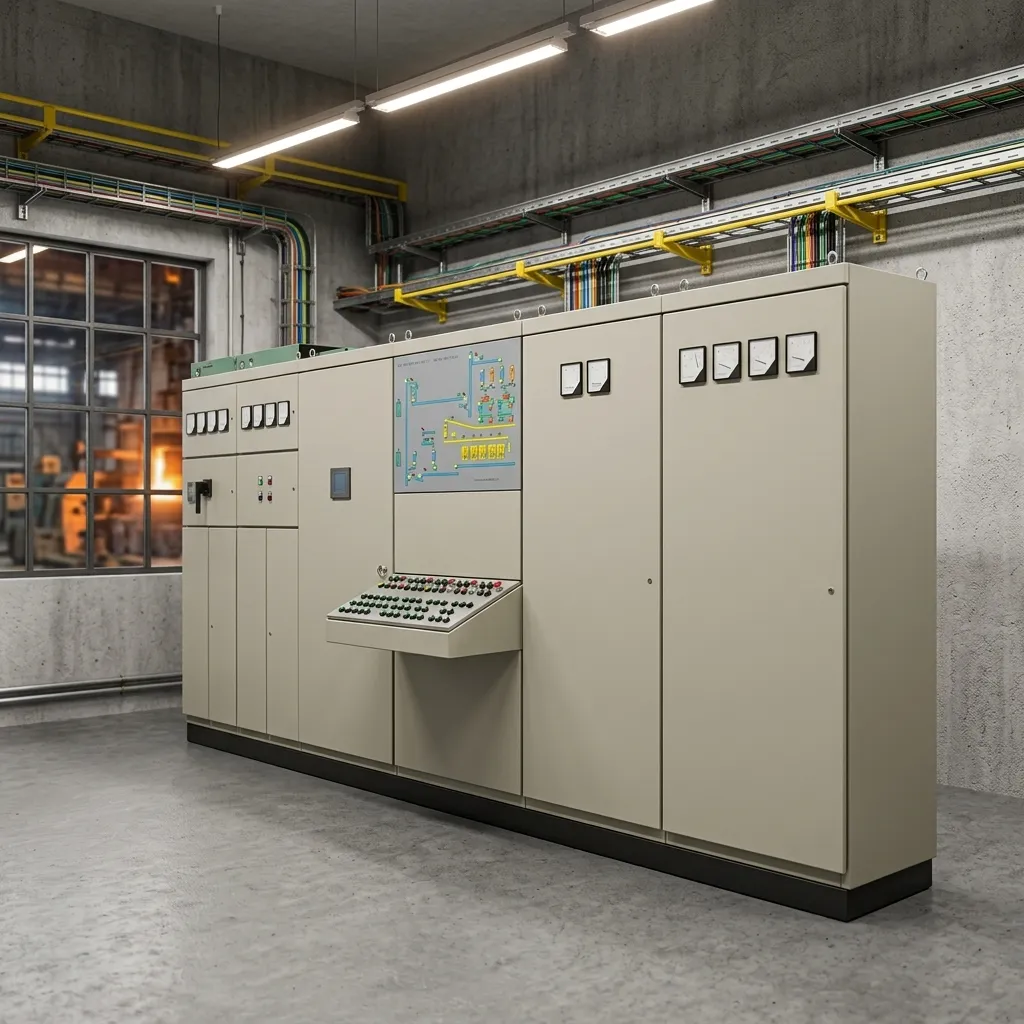
| Controls | Selected control scope, signals and interfaces with existing equipment | Treating a PLC reference as a complete integration agreement |
| Layout | Selected machine and line arrangement, access and site constraints | Using one machine's dimensions as the full installation footprint |
A voltage has electrical-potential units; power has a different unit and meaning. If a product field appears inconsistent, ask for the equipment data sheet rather than silently correcting it. The same rule applies to a bare number without units. Preserve the original reference for discussion, then obtain the selected configuration's confirmed requirement.
Clarify responsibility at every interface. The equipment proposal should identify what is supplied, what the buyer provides and what requires another party's work. This may involve foundations, connections, handling, controls or extraction arrangements depending on the installation. Asking for the responsibility boundary does not imply that any particular service is automatically included.
Control functions deserve a short operating description. Explain how the new machine should interact with existing stages, how information is exchanged and which operating modes are needed. A component list can help identify the proposal, but a list of electrical brands alone does not describe the sequence or establish compatibility with the rest of the plant.
When comparing electrical data, ask whether a figure describes installed equipment power, a particular motor or expected consumption under a stated duty. These are different planning inputs. Keep the measurement boundary and operating assumptions with the figure rather than using a sum of nameplate values as a confirmed energy-consumption forecast.
Record the selected configuration and test basis
Before accepting a performance statement, identify the actual configuration to which it applies. Record the model, included machines, relevant options and agreed duty. Keep the configuration reference beside the drawing and quotation so that a later equipment change can be checked against the same requirement. A broad model range should not remain the only description of an ordered installation.
- Input conditions
- Describe the material or mould configuration used to evaluate performance, including the conditions that the agreed test needs to control.
- Output boundary
- State what is measured, where it is measured and whether the result describes processed sand, completed moulds or another defined output.
- Operating period
- Agree the observation period and how start-up, interruptions or changes of task will be treated in the reported result.
- Evidence and review
- Identify the measurements, records and authorized review needed to decide whether the agreed requirement has been met.
This structure can support an acceptance discussion without inventing a commissioning plan. Ask which inspection, installation, training or support activities are proposed for the selected supply, where they occur and what the quotation includes. Any warranty or service arrangements need their own agreed scope and terms; they cannot be inferred from a general line-capacity description.
Define how deviations will be recorded. If a test uses different incoming material or another equipment arrangement, the report should make that difference visible. The responsible parties can then decide whether the result answers the original requirement or whether another evaluation is needed. A successful demonstration under one set of conditions does not automatically establish every operating condition.
What should be sent with the first enquiry?
Provide the scope list, available layout, intended duty and required stage-specific output. Add the actual mould or material information and utility constraints known to the project. Identify missing information as a question for review. This is enough to begin a structured discussion without pretending that an incomplete preliminary brief is a released installation specification.
How should two line proposals be compared?
Align the supply boundaries and performance definitions first. Then compare the selected equipment, interface responsibilities and evidence included. If one offer counts machine cycles and the other reports completed moulds, ask for a common basis. If one covers a single treatment stage and the other includes handling and storage, retain those differences in the comparison.
Use the foundry equipment and materials guide to identify the supply object and the RFQ guide to organize the project documents. Relia Casting can receive the selected equipment enquiry with these requirements attached. A useful response should address the actual configuration and its boundaries, rather than combine unrelated ratings into one unexplained output promise.