Identify the actual iron enquiry
Grey iron, ductile iron and austempered ductile iron, or ADI, are material descriptions that lead to different specification questions. A useful enquiry identifies the component first, then the complete material requirement for that component. The material name alone does not establish a finished part's load rating, heat treatment, inspection package or suitability for a replacement application.
The Relia catalog contains machine-tool casting enquiries with grey-iron and ductile-iron references, grey-iron pump-casing enquiries with separate ductile options, and ADI machinery-part enquiries. These examples help buyers locate a relevant discussion. They are not an equivalence chart, and they do not show that one material can be substituted for another without reviewing the design.
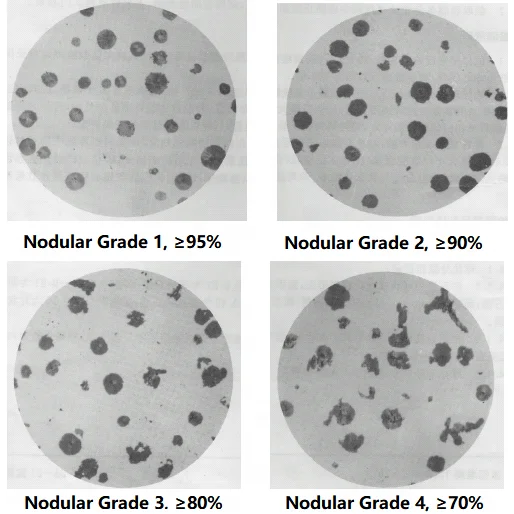
For terminology, the public scope of ASTM A536 describes ductile iron as spheroidal or nodular graphite iron. ASTM separately publishes A48/A48M for grey iron castings and A897/A897M for austempered ductile iron castings. Those distinct document scopes are a reason to identify the intended material family and full requirement, not to treat all iron names as interchangeable.
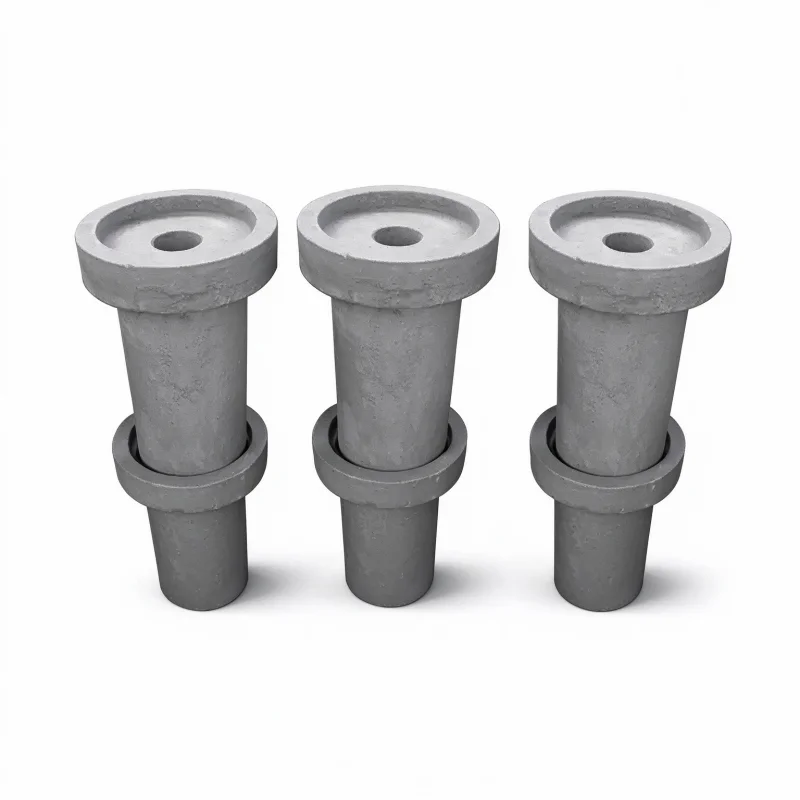
Do not choose by the color of a product photograph. Lighting, coatings and surface preparation can change appearance, while the image usually cannot establish the material designation or delivered condition. Use the drawing, agreed specification and required evidence to identify what is being purchased. Where the existing part has no reliable material record, describe that uncertainty instead of assigning a familiar grade from appearance.
Three component examples, three different starting points
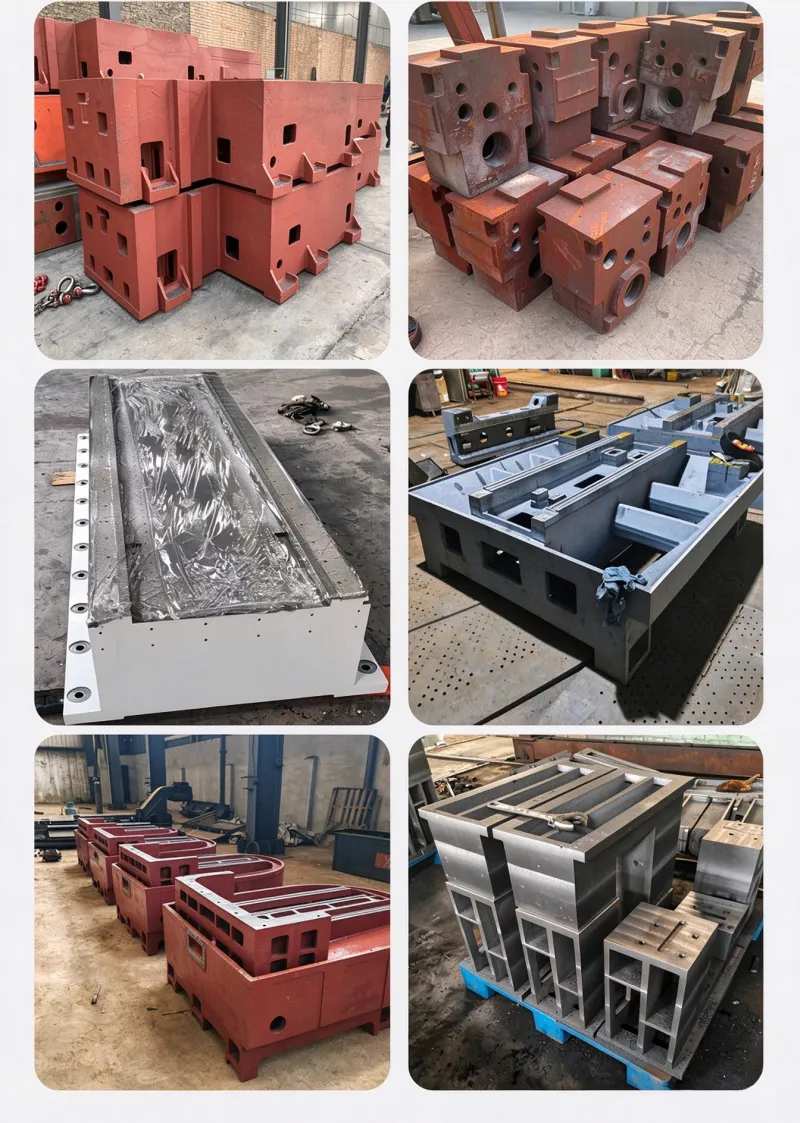
A machine-tool component
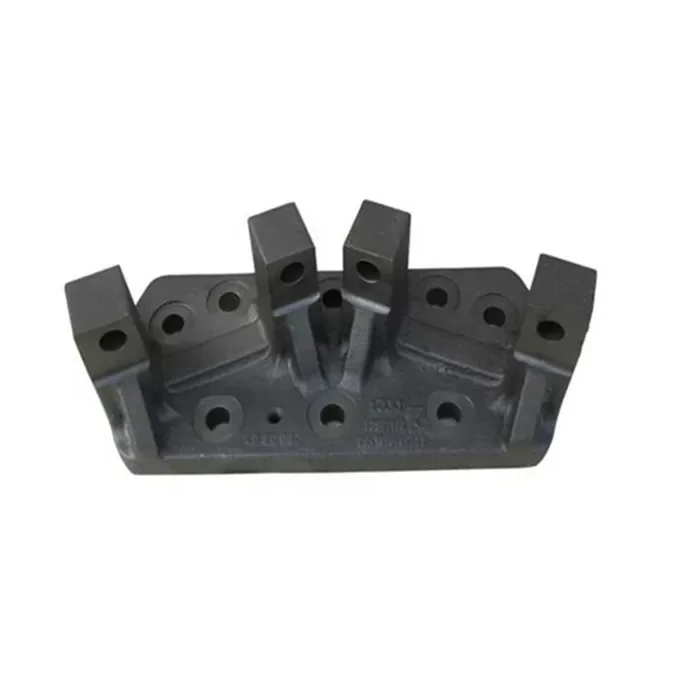
The machine-tool casting example includes HT200, HT250 and HT300 references alongside separate QT450 and QT500 enquiries. Start with the exact body, bed or support drawing. Identify the material required by its design and the condition needed before and after any specified machining.
A pump casing
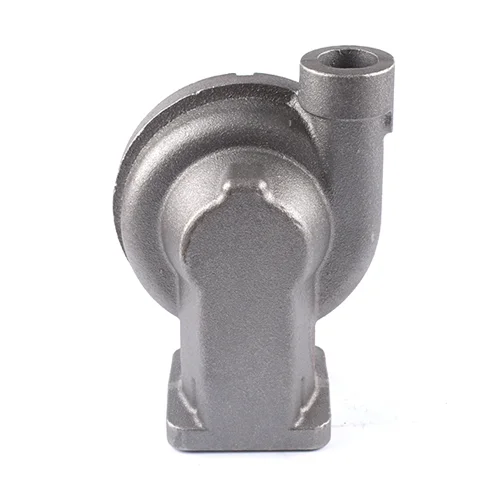
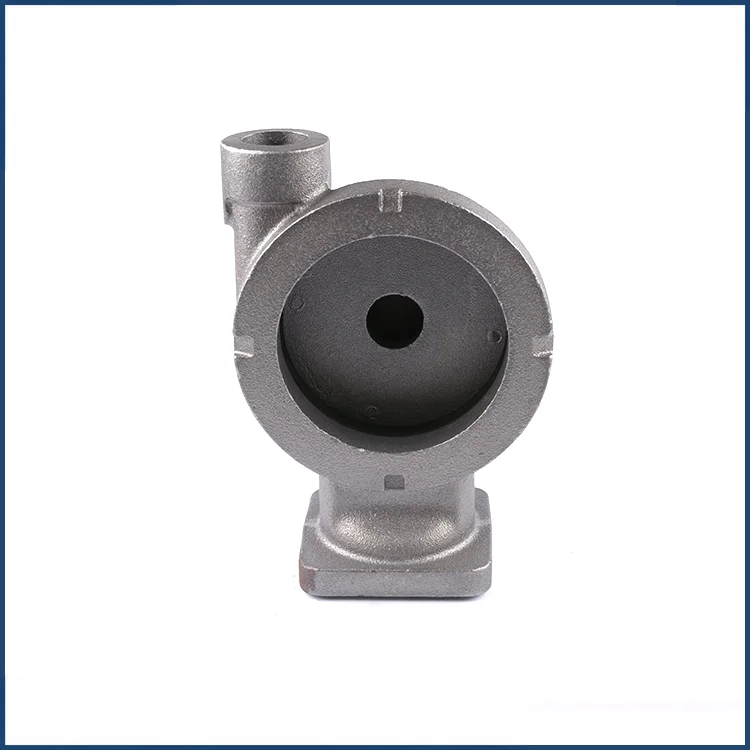
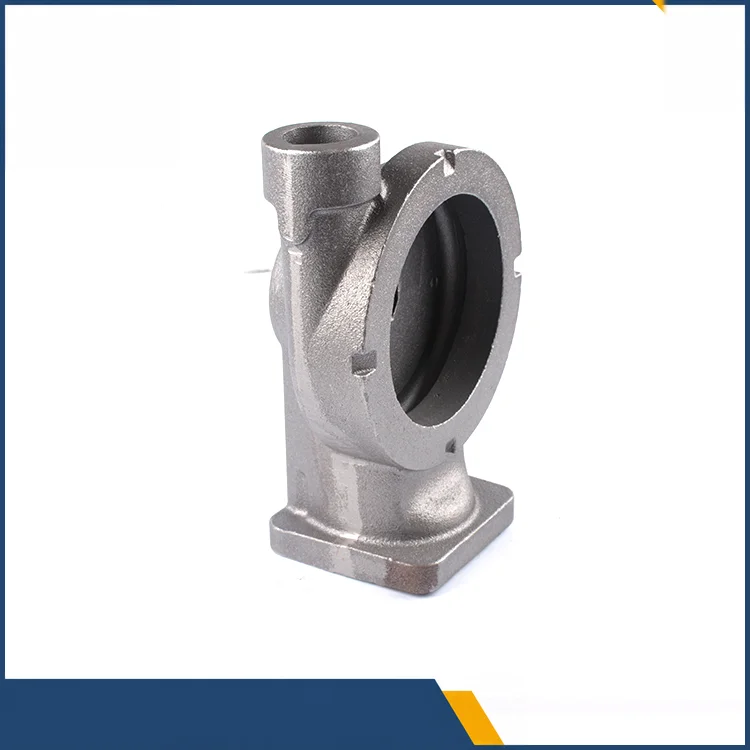
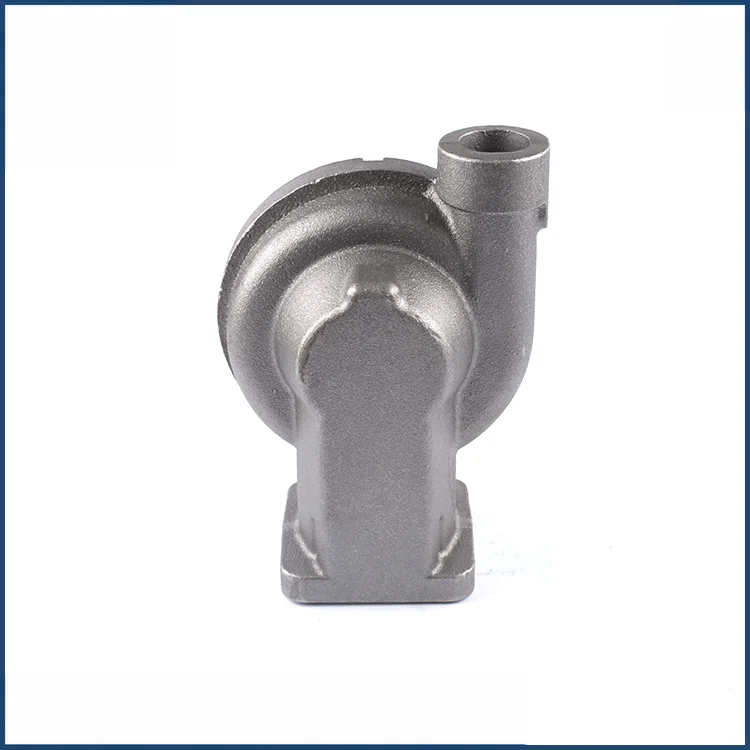
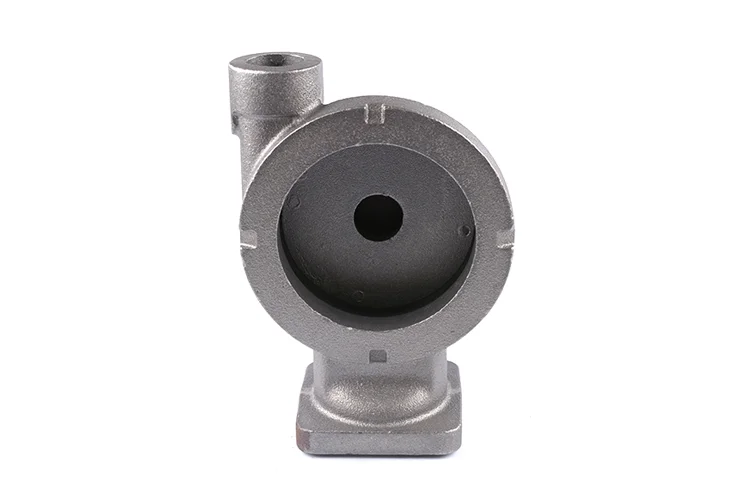
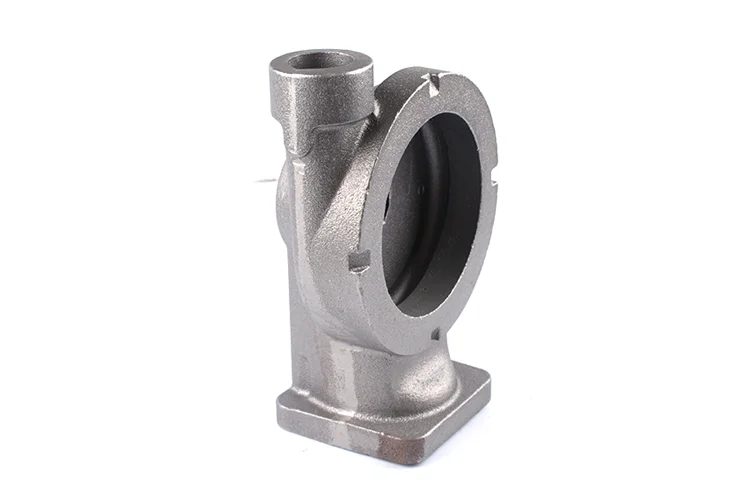
The pump-casing example includes GJL20 and GJL25 references and a separate ductile-iron option. Preserve the complete intended designation rather than silently expanding an abbreviated listing label. State the medium, assembly interfaces and relevant duty for the selected casing.
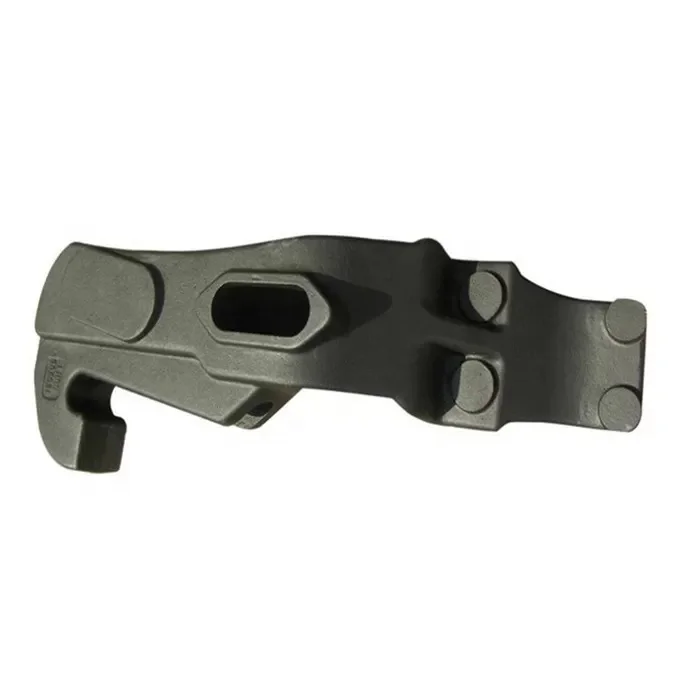
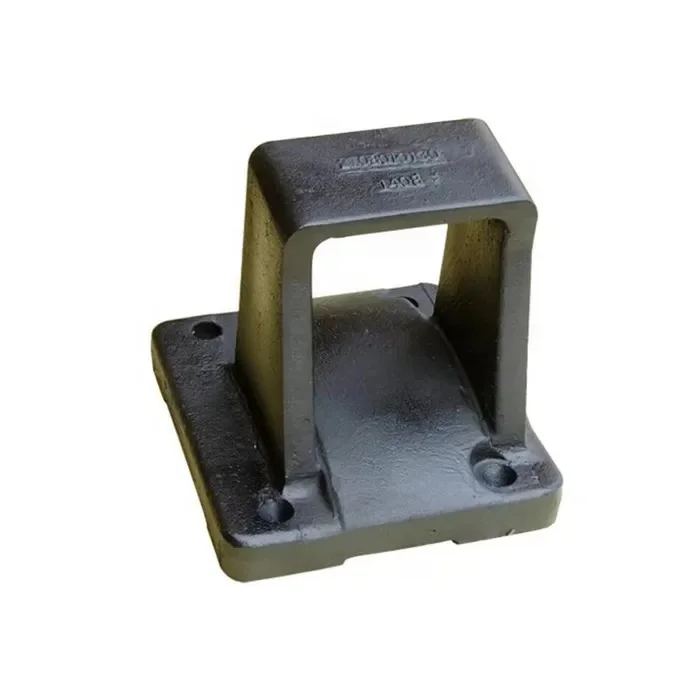
An ADI machinery part
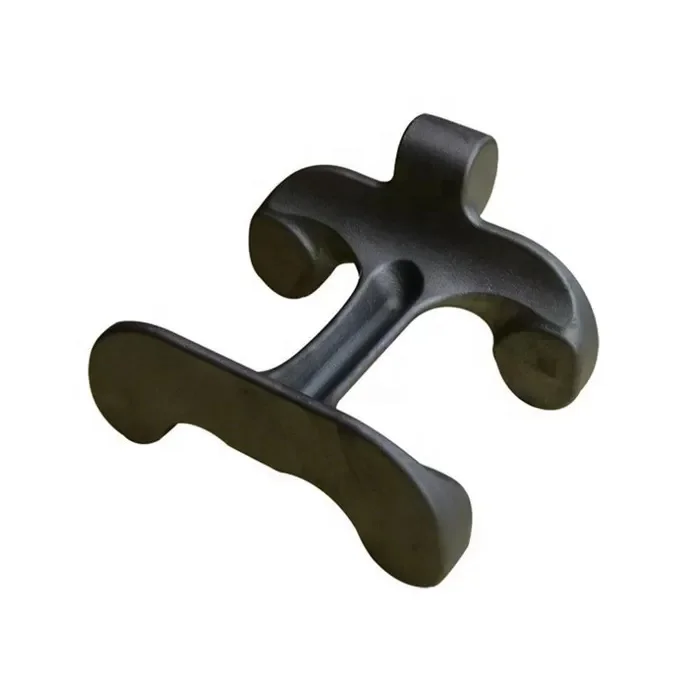
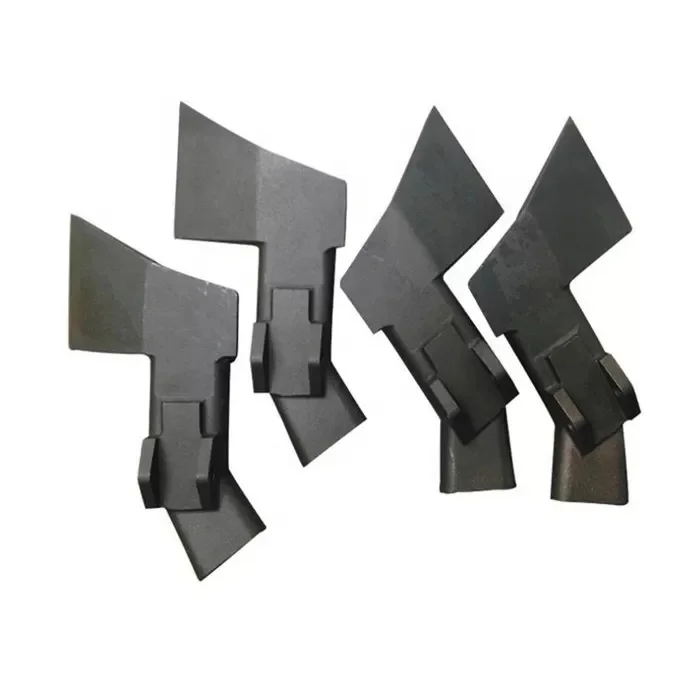
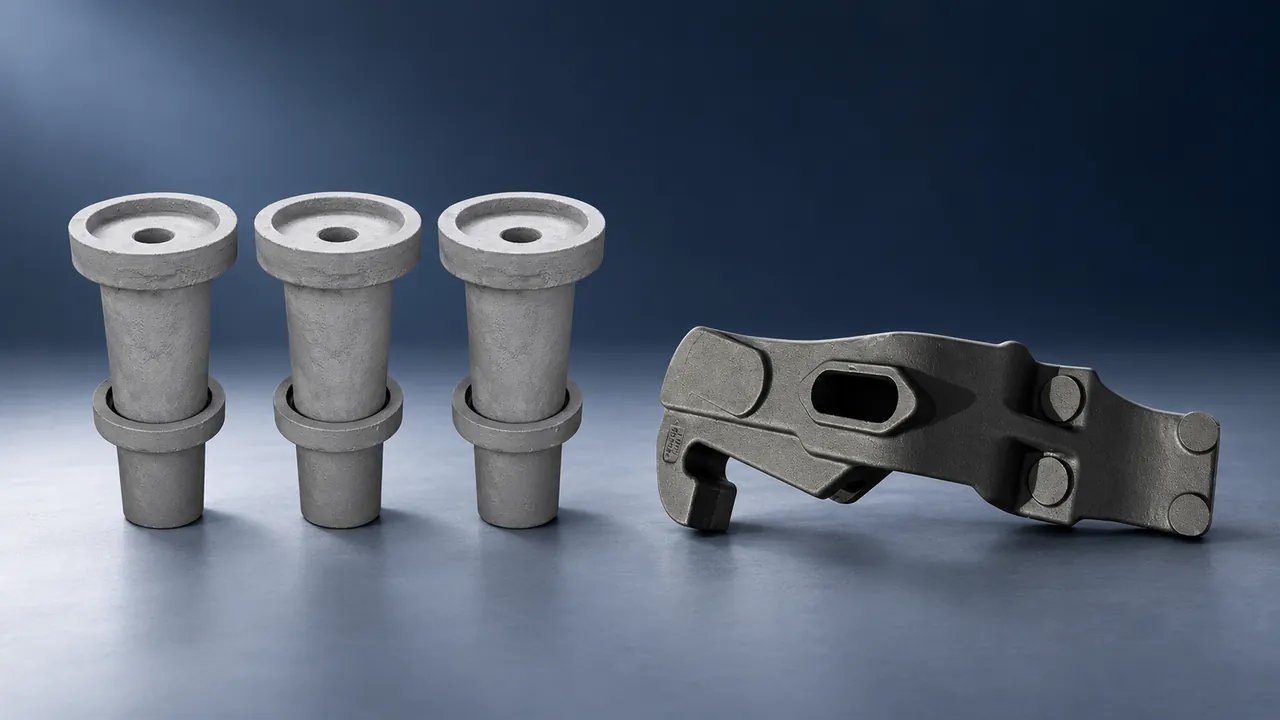
The ADI example concerns connecting rods, support plates and brackets for machinery-related enquiries. “ADI” identifies the family but leaves the required grade, governing document, condition and acceptance evidence to be defined for the actual component.
None of these examples establishes a common property ranking for every geometry. A machine-tool body, a casing and a connecting rod solve different design problems. Comparing their product titles without considering the drawings can produce a misleading material decision, even when all three are manufactured as cast components.
Keep an existing approved requirement visible when exploring a different material. A purchasing request should distinguish “quote the specified grade” from “evaluate this alternative.” The second request invites a technical proposal; it does not authorize an unreviewed substitution in the supplied parts.
Grade, governing standard and delivered condition
A complete specification should allow the buyer and supplier to identify the same material requirement without relying on shorthand. Record the designation exactly as approved, together with the governing standard or customer specification and its applicable edition. If a drawing uses a shortened name, resolve its meaning before accepting a quotation that relies on a more specific interpretation.
A grade number repeated in different standards is not sufficient evidence of equivalence. Similar names may also carry different requirements or test arrangements. Rather than creating a comparison from a few shared characters, ask the responsible engineering team to review the full candidate specifications. An alternative should identify the relevant differences and the evidence needed for acceptance.
- Material identity
- State the family and full grade designation. Include the governing document reference instead of listing several possible grades without identifying the chosen one.
- Delivered condition
- Identify the required material and processing condition at delivery. Keep any heat-treatment requirement connected to that grade and to the relevant drawing revision.
- Evidence and acceptance
- Define which results or records the project needs, the items or samples to which they relate and who reviews them before acceptance.
- Approved alternatives
- Give each alternative its own designation, condition and approval status. Do not combine several grade names into a single unspecified supply option.
For an ADI enquiry, spell out austempered ductile iron and identify the required grade and governing basis. Ask how the proposed delivered condition will be documented for the component. A general heat-treatment phrase is not enough to establish the selected ADI requirement, and this guide does not prescribe a furnace cycle or a property value for an unseen part.
Also state the intended relationship between material processing and machining. The enquiry should identify the required final condition of the controlled interfaces, whether an intermediate blank is being purchased and which subsequent work remains with the buyer. Leave the detailed manufacturing proposal to the technical review, while keeping the acceptance requirement clear.
The distinction between a test specimen and the actual casting can matter when evaluating evidence. The public scope of ASTM A536 notes that properties at different locations in a casting and properties of a test specimen cannot be linked by a precise universal quantitative relationship. In a procurement brief, identify the agreed sampling and test basis rather than assuming that any test result describes every location of every supplied component.
Service-duty questions for a connecting rod or housing
Describe the job the component must perform in terms the design team can evaluate. For a connecting rod or support, provide the loading description, connection details and operating context known to the project. If loading changes during service, say so. Do not replace those inputs with the word “heavy-duty,” which leaves the actual requirement unresolved.
For a housing or casing, identify what is enclosed or supported, the mating components and the relevant environmental or process conditions. If the item contains fluid, provide the relevant medium and design information. A photograph of a pump casing is not evidence of a pressure rating or an approval for a particular service. Keep any required pressure or leakage verification explicit and separate from material identification.
Consider the condition in which damage could occur and the consequence of that damage. The buyer may need to discuss impact, repeated loading, wear, temperature changes or a combination of factors. These are inputs to a design assessment, not a menu of performance guarantees created by choosing a material family. When the duty is uncertain, explain what is known and seek the missing design information.
Assembly details deserve the same attention as the broad service description. Mark locating faces, bolt connections, bearing interfaces and regions where a change of material could affect the accepted design. Include the finishing and protection requirements relevant to those interfaces. A material change should not be evaluated solely against one attractive property while ignoring the component's fit, processing and verification needs.
For a replacement part, give the approved reference documents and explain why an alternative is being considered. If only a used component is available, distinguish observed dimensions and damage from the original design requirement. The supplier can review a clearly described enquiry, but a sample alone does not establish the original material, service history or permission to redesign the component.
Documenting an alternative without claiming equivalence
Prepare alternatives as separate records. Each should name the proposed grade and condition, reference the controlled drawing, state the reason for consideration and identify the comparison still required. Keep the original specified material alongside the proposal so that engineering can make a deliberate decision. A lower quoted price or a similar-looking part is not an approval basis.
- Identify the existing approved material requirement and its document revision.
- Record the proposed designation, governing specification and delivered condition in full.
- List the design and acceptance questions that must be resolved for the actual component.
- Agree the sample, test or review evidence needed, including its scope and identification.
- Record the authorized decision and update the affected purchasing and technical documents together.
Ask the quotation to state whether it follows the specified requirement or includes a proposed deviation. This makes commercial comparisons more meaningful: two quotations may cover different material conditions, inspection records or supplied states even when both use the word “iron.” Resolve those differences before comparing the final supply scope.
Can a catalog grade list be used as a selection table?
Use it to identify possible enquiries, then return to the selected component's approved requirement. A list can show the range of material references discussed for a product, but it does not assign every grade to every geometry or establish cross-standard equivalence. Select and document the actual option before order acceptance.
What if the required certificate is not yet defined?
Describe the decision the document must support: material identification, specified test results or another agreed purpose. Ask what can be supplied for that particular order and confirm the format and scope. Do not assume that a named material automatically includes a particular certificate or that a company quality-system reference certifies the component.
The next step is a complete material brief, not a universal recommendation for grey iron, ductile iron or ADI. Use the material specification guide to assemble the grade, governing document, condition and duty for your drawing. Relia Casting can receive that enquiry with any clearly separated alternatives and the evidence your project needs.