Start with the component and alloy
An aluminum casting route is best discussed around a defined component. Begin with its drawing, intended function, selected alloy and supplied condition. A process name on its own does not tell a supplier which geometry must be made, what interfaces must be machined or how the finished part will be accepted. Those requirements provide the basis for evaluating a route and preparing a useful quotation.
Describe whether the enquiry concerns a cast blank, a finished machined component, tooling or another supply object. An outdoor housing delivered after shot blasting and a precision-machined machinery housing can require different work even if their approximate shapes look similar. Keep the work remaining with the buyer explicit, especially where an existing drawing shows a finished assembly rather than the part being quoted.
Identify the alloy with its complete designation and governing basis. If the design permits more than one material, provide separate approved alternatives or ask for a clearly identified proposal. Do not combine several alloy names into one unspecified material. Also state any required delivered condition, because an alloy label without the relevant condition may leave an important part of the intended specification unresolved.
A model is useful for explaining shape, while the controlled technical documents define the required dimensions, interfaces and acceptance notes. Reference the applicable revisions together. Mark any information that remains preliminary so that a supplier can distinguish a concept review from an order-ready requirement. This helps prevent a feasibility suggestion from being mistaken for an accepted final design.
Keep route alternatives separate
The Aluminum Association's process overview distinguishes sand casting, permanent-mold casting and pressure die casting. The overview describes a sand mold formed around a pattern, a reusable metal mold for permanent-mold casting, and molten aluminum forced into a steel die for pressure die casting. These basic distinctions help frame questions; they do not establish a universal best route for every part.
Be precise about the word “gravity.” Ask what mold system and filling arrangement the proposed route uses. When an option is described as gravity die casting, keep that complete description attached to the quotation. A short combined phrase such as “sand/gravity/die” should lead to clarification, not an assumption that every option uses the same tooling, alloy condition or production sequence.
| Option to review | Information to make explicit | Common basis to retain |
|---|---|---|
| Sand-casting proposal | Selected sand system, pattern and core scope, blank condition and subsequent work | Component function, controlled drawing and required final interfaces |
| Gravity permanent-mold proposal | Actual mold and core arrangement, tooling assumptions and selected alloy condition | The same agreed component acceptance requirements |
| Pressure die-casting proposal | Proposed die scope, part configuration, secondary operations and verification needs | Clearly identified finished-part and documentation scope |
The table is an RFQ organizer, not a declaration that every route is feasible for the component. The technical review may propose a drawing change, a different tooling arrangement or a limited alternative. Record those differences explicitly. A quotation that changes the design or supplied condition is not directly comparable with one that follows the original requirement.
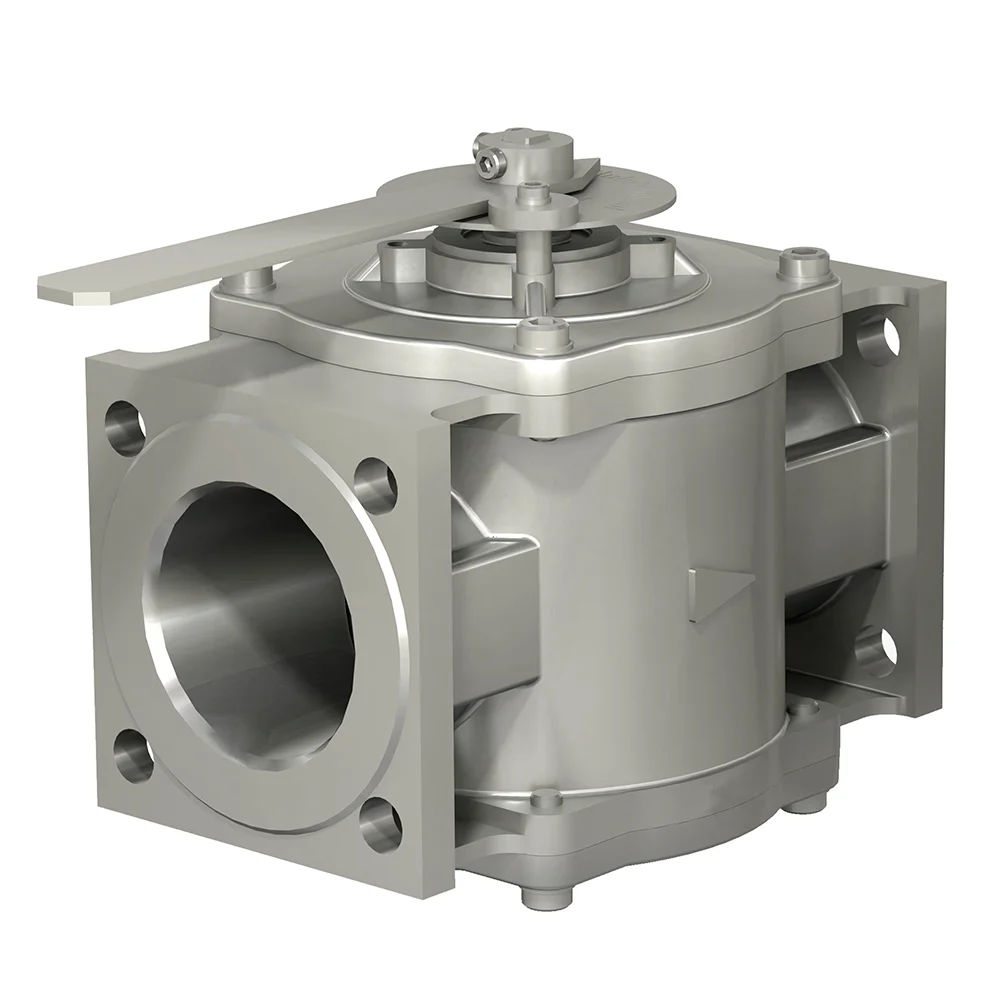
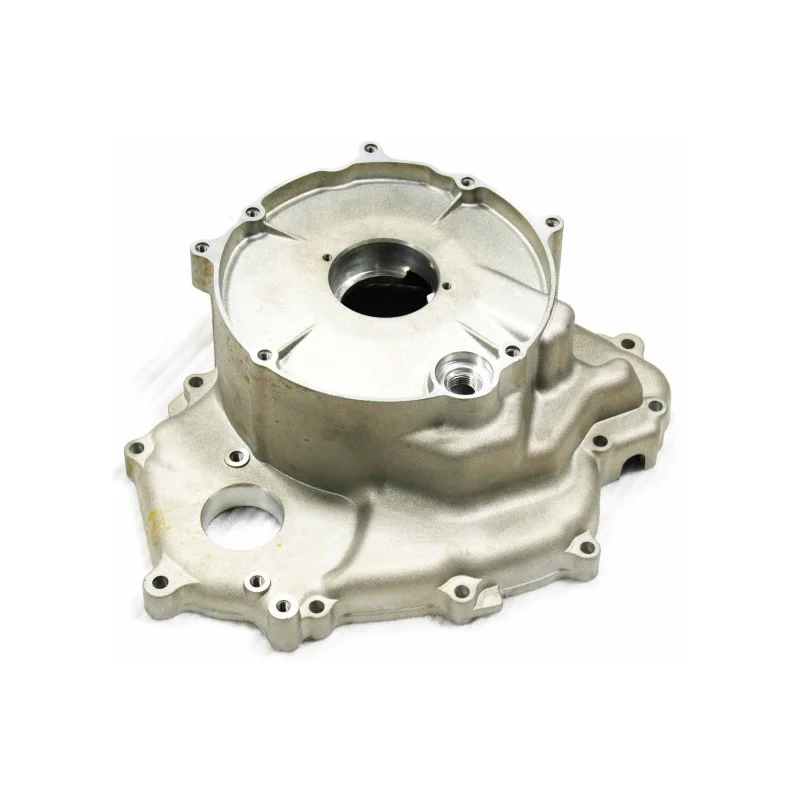
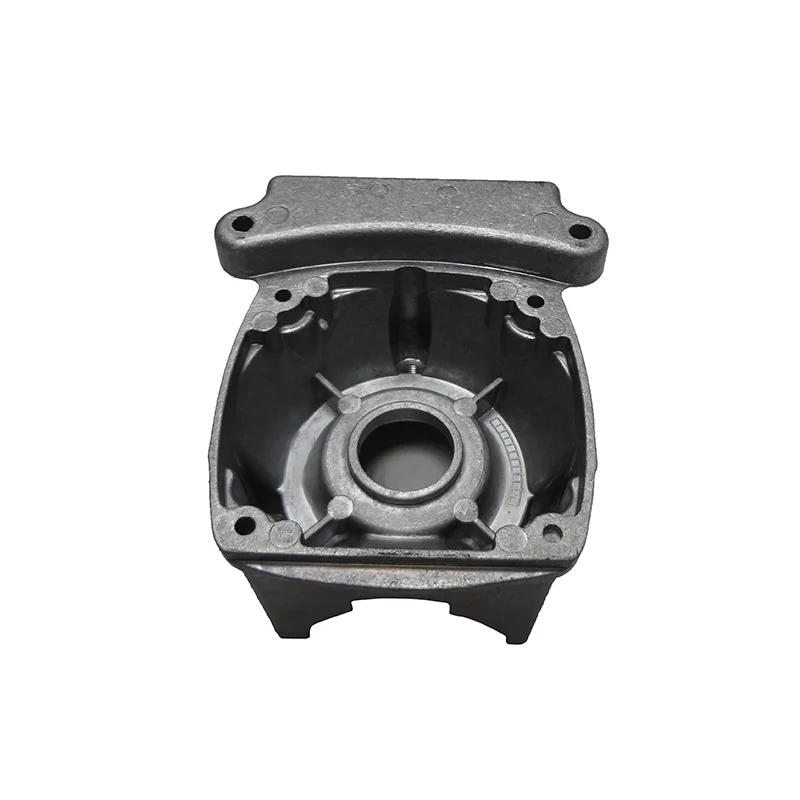
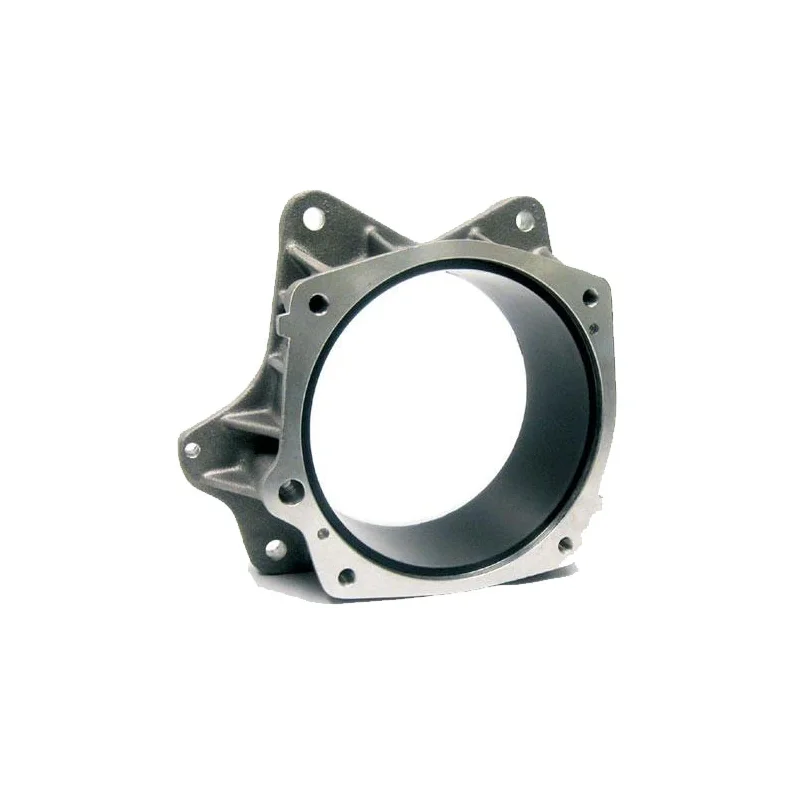
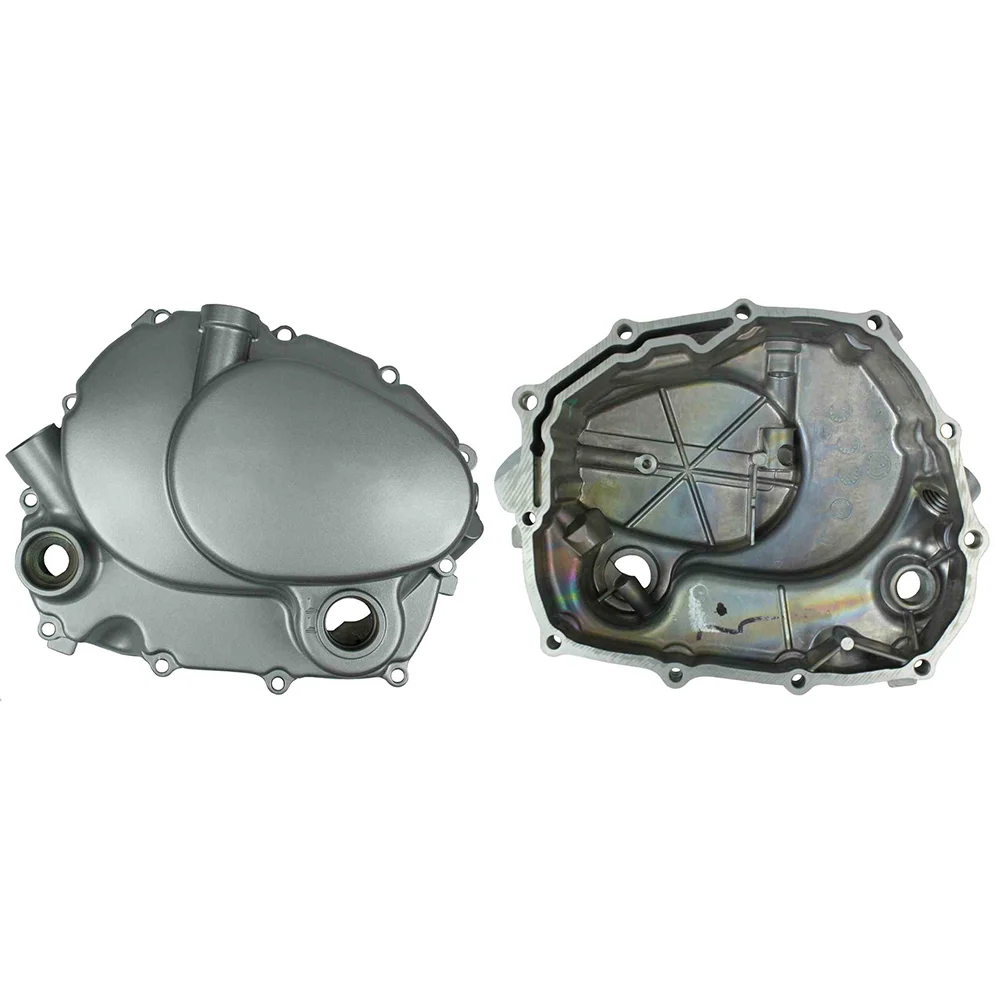
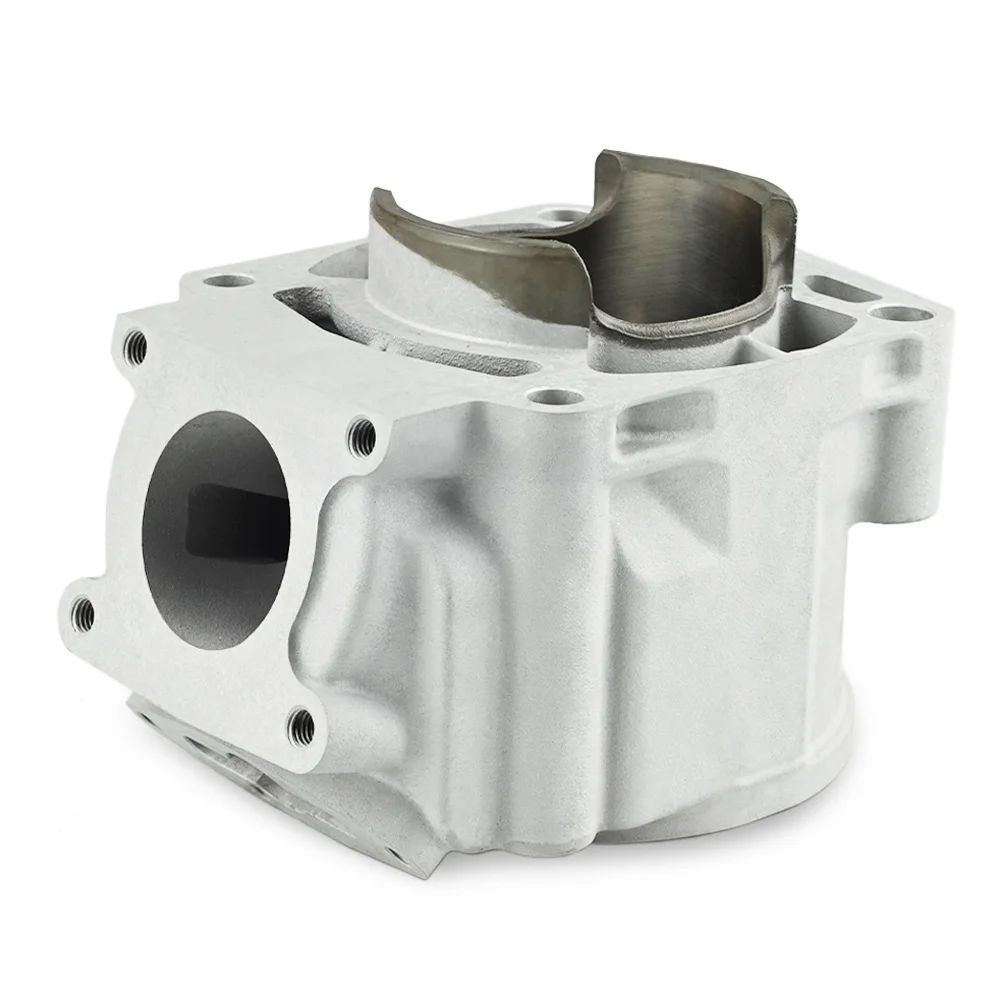
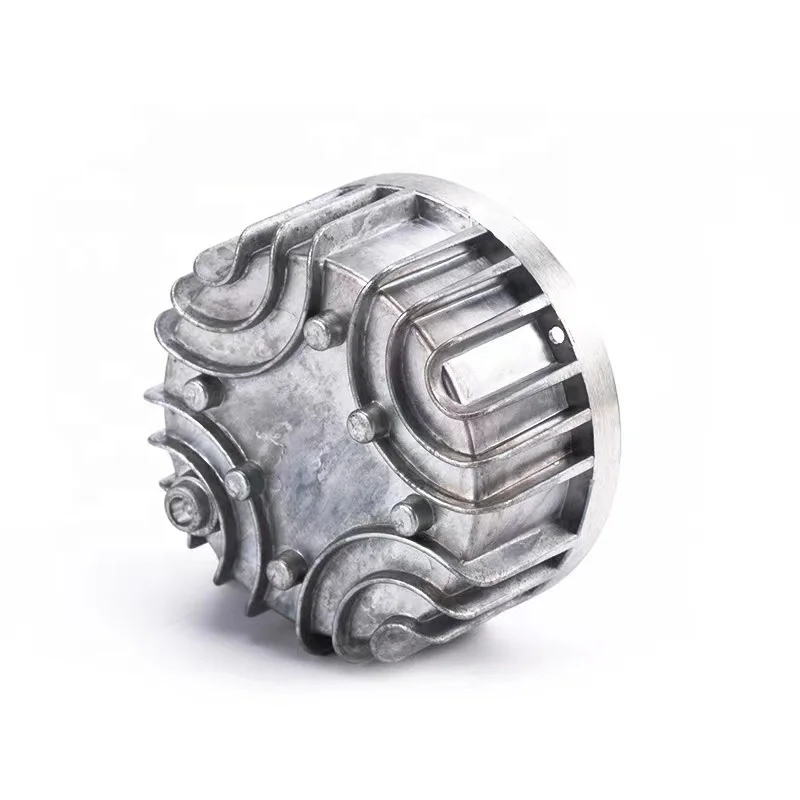
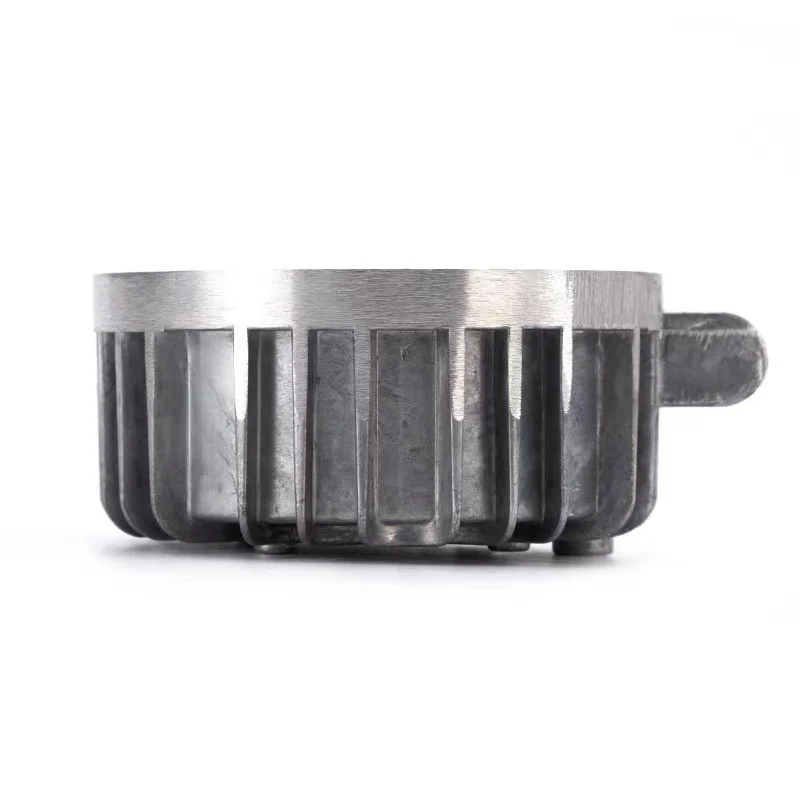
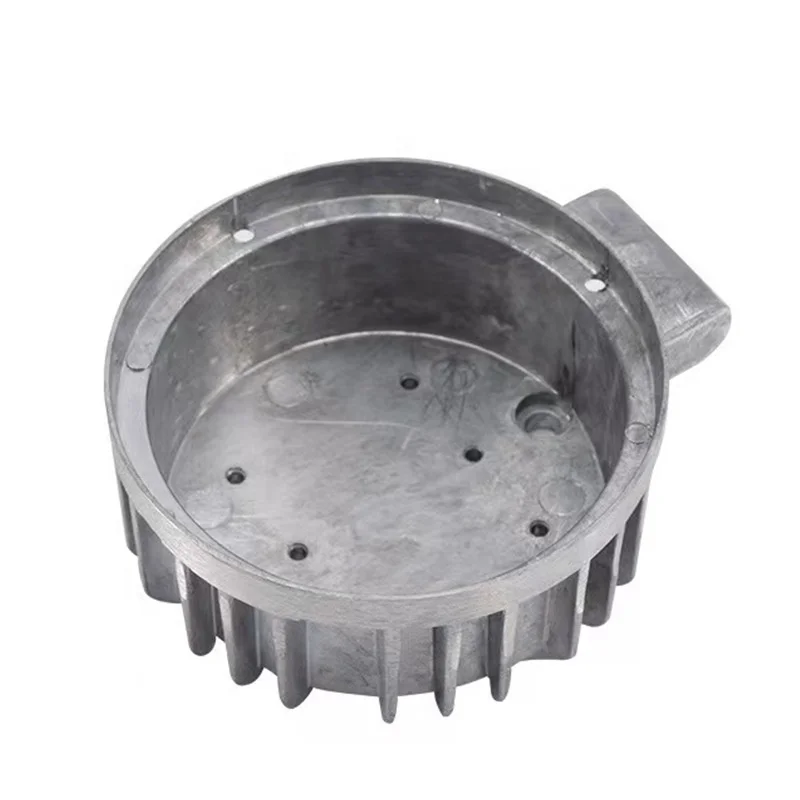
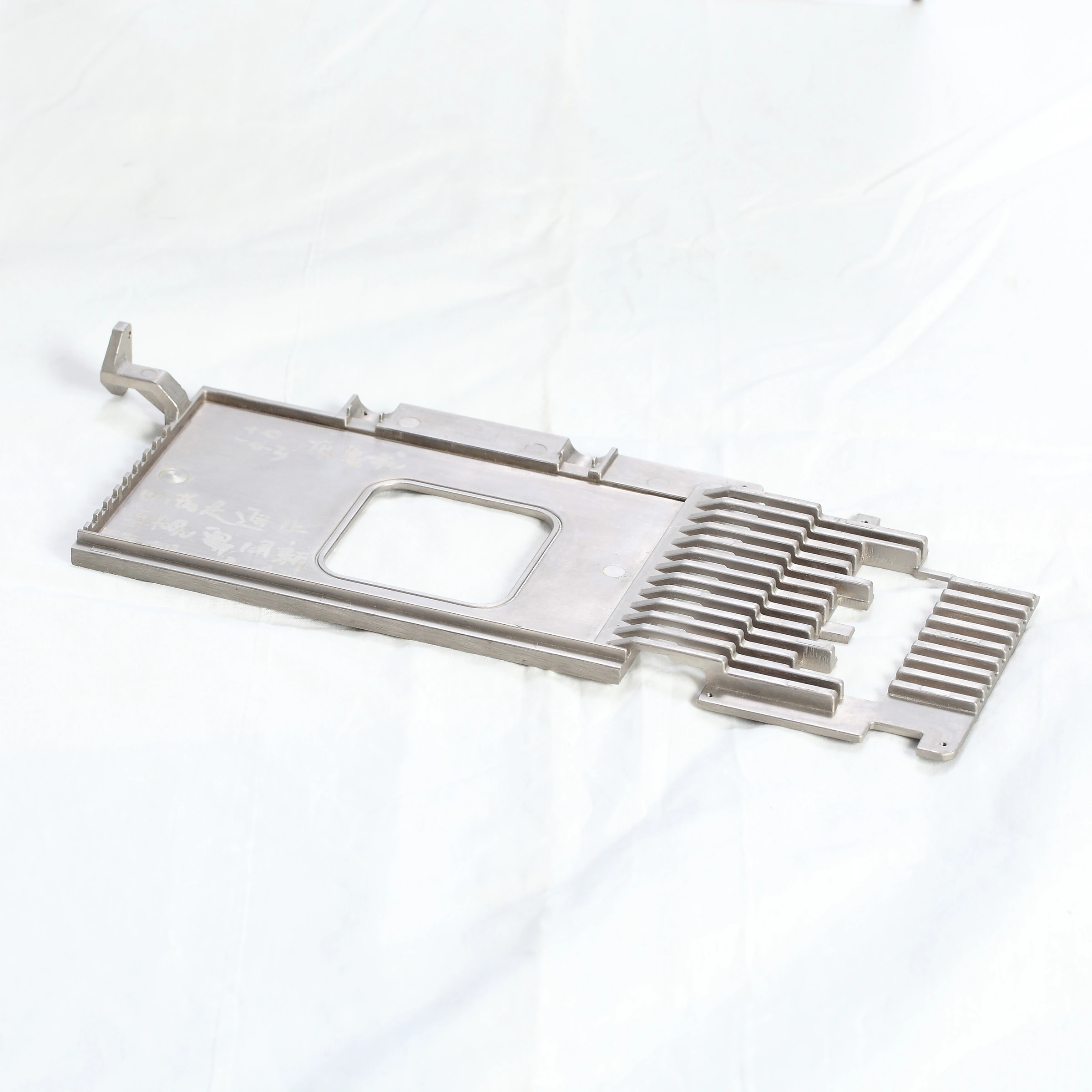
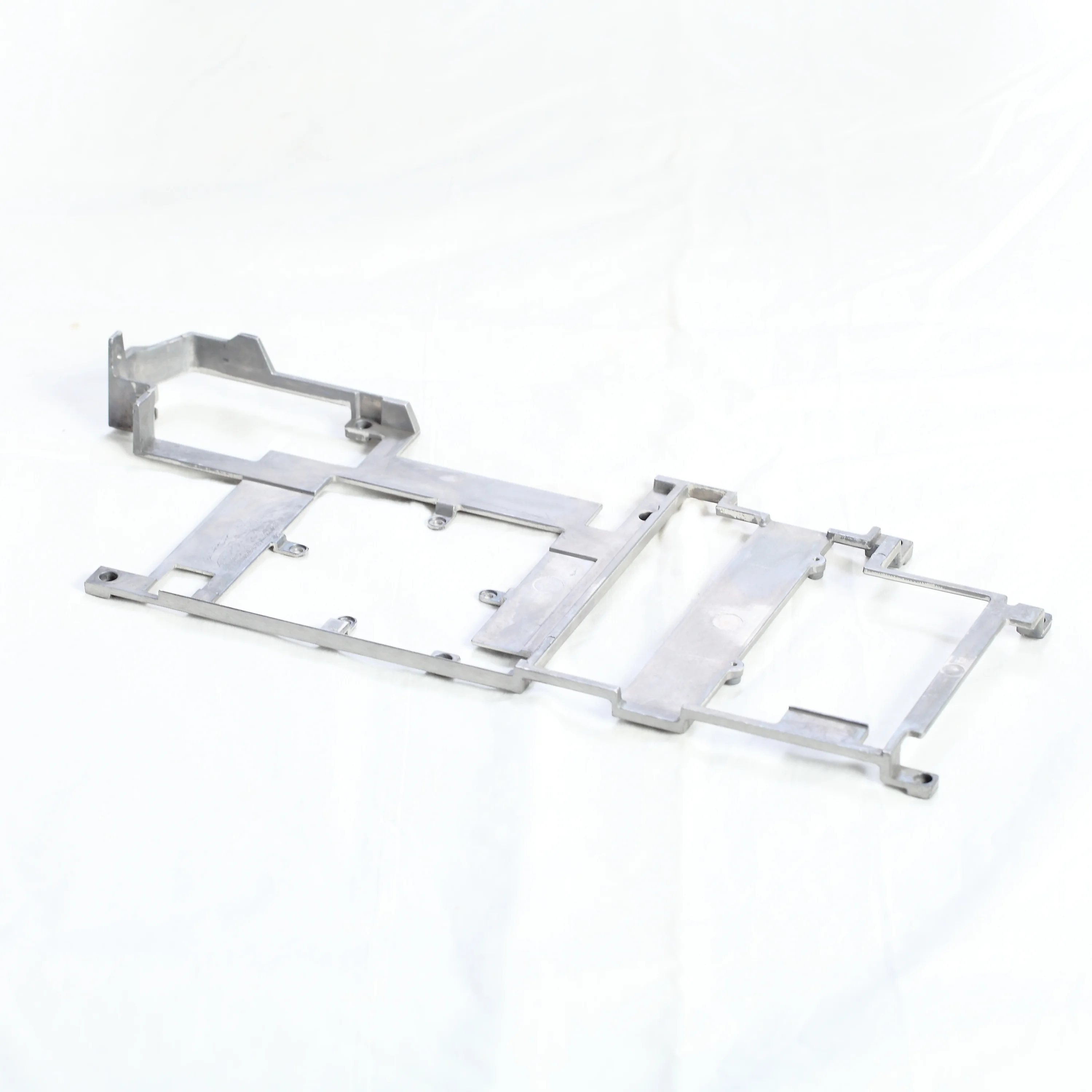
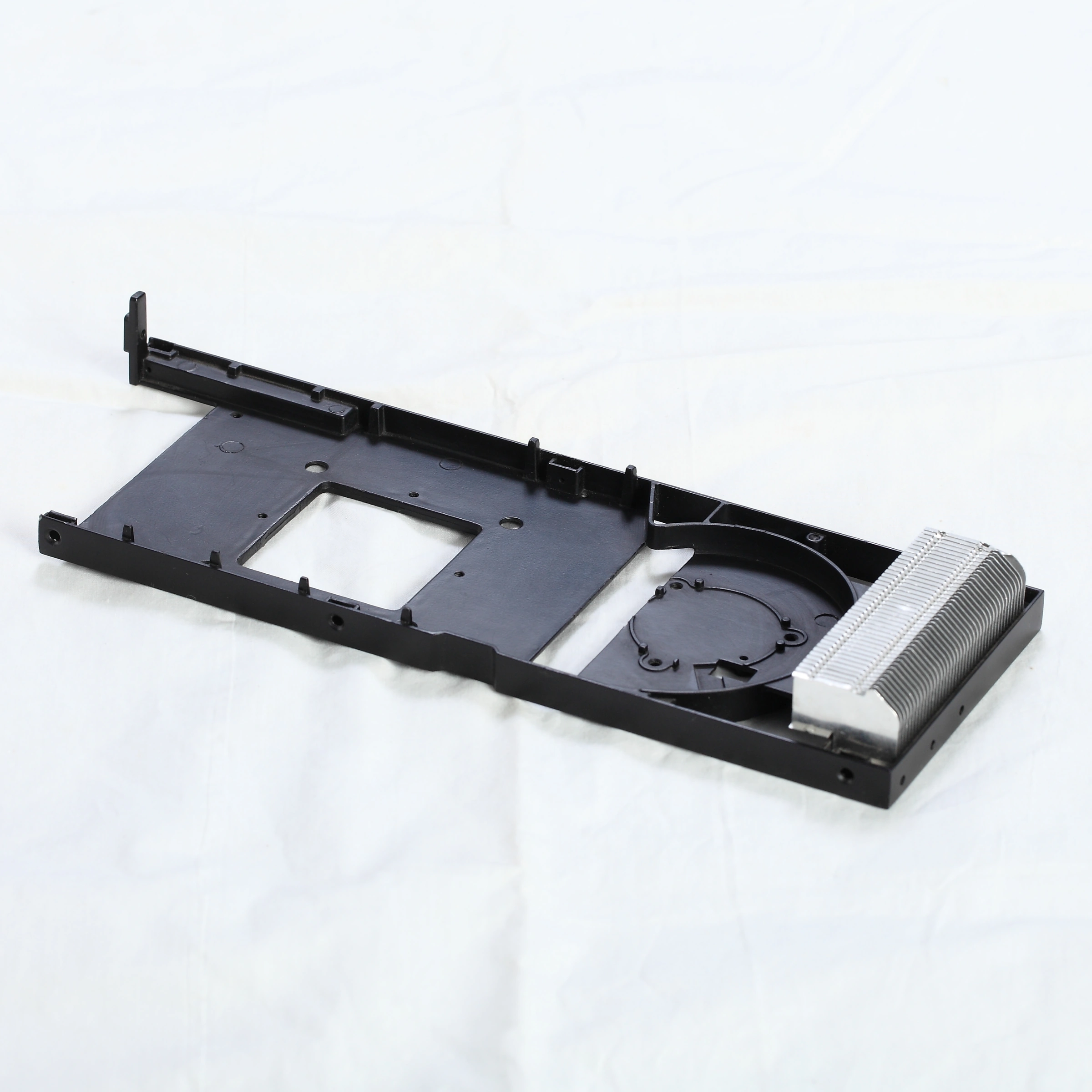
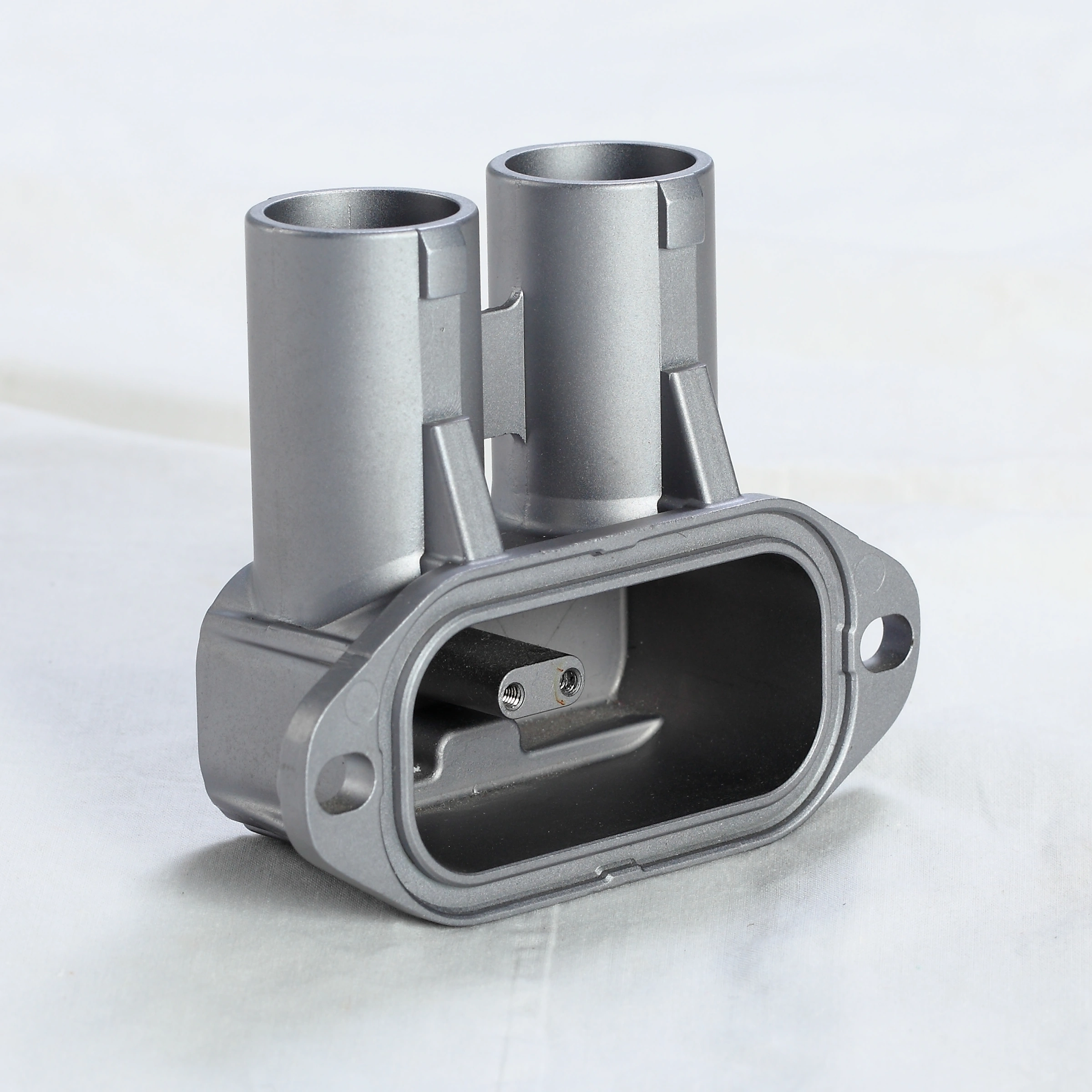
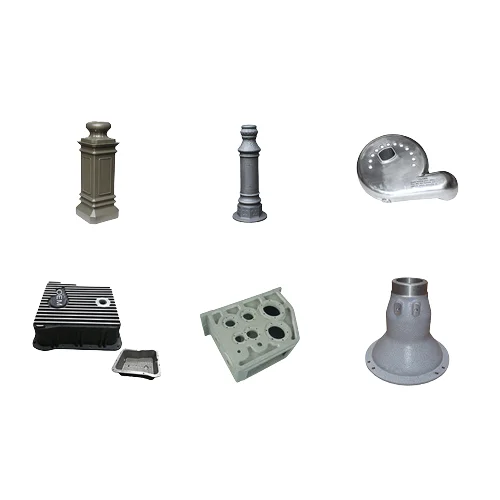
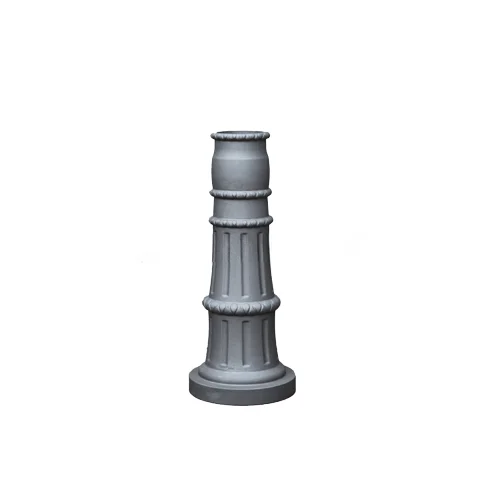
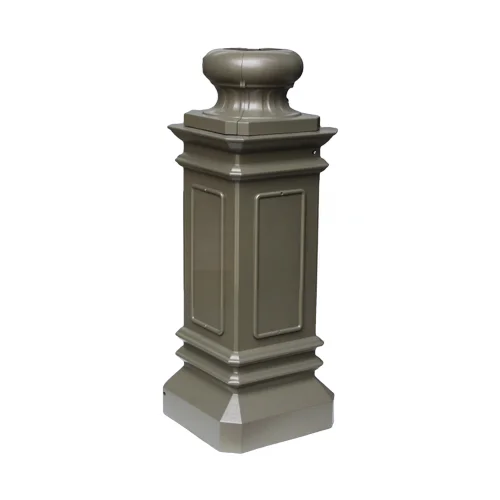
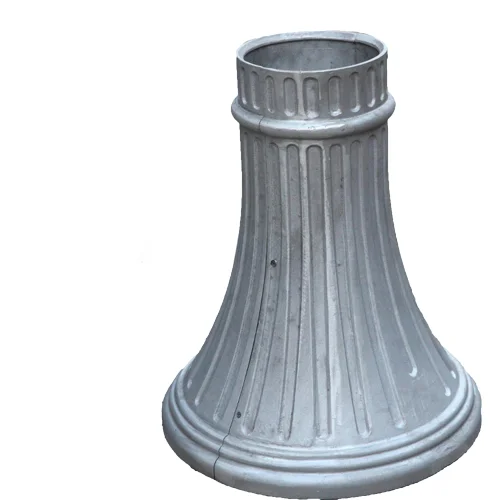
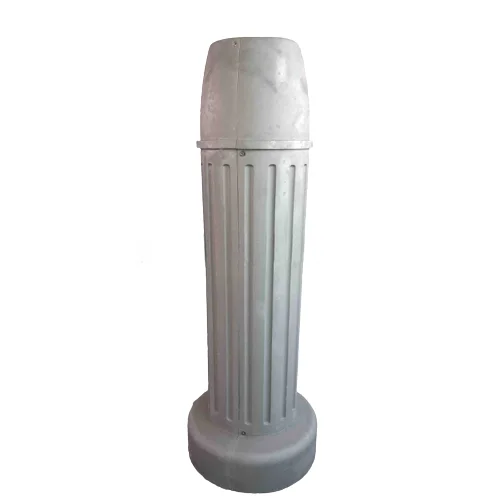
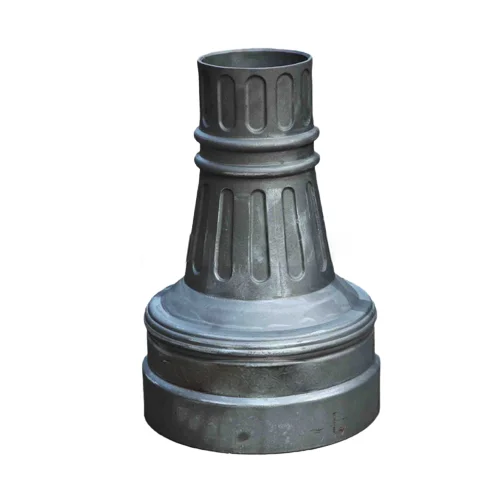
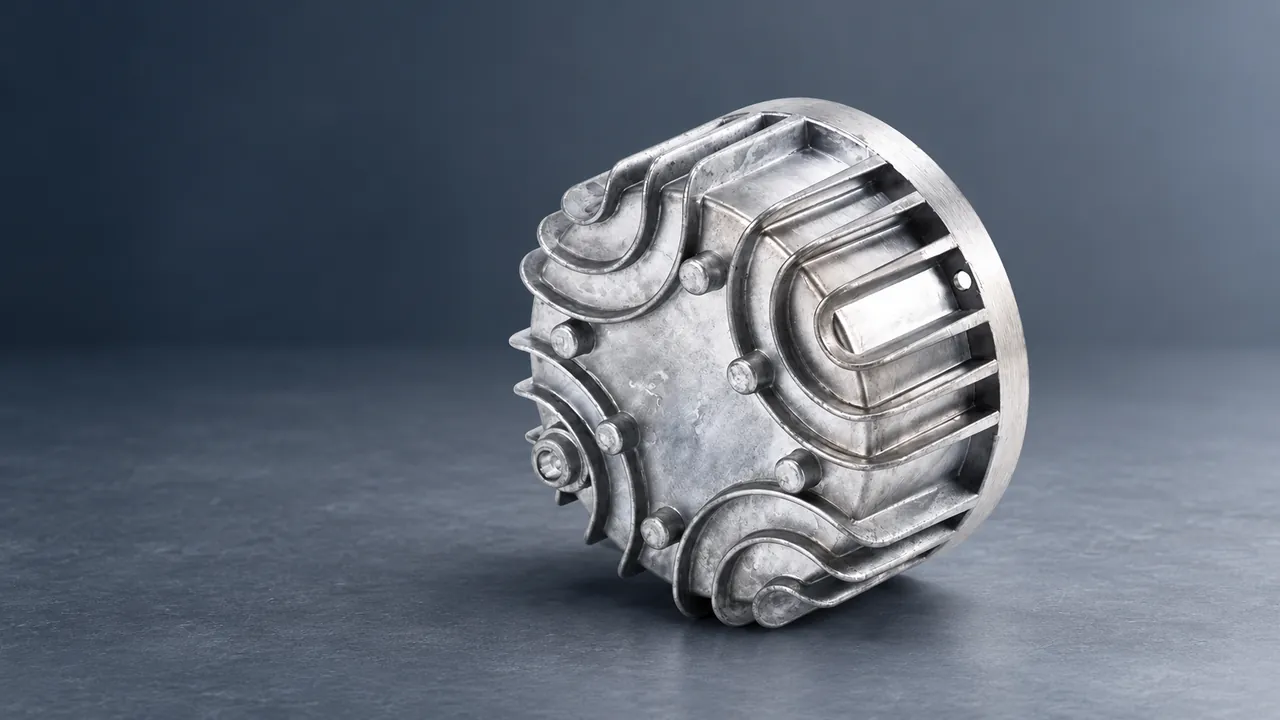
Four Relia catalog examples show why that distinction matters. The aluminum machinery-housing example identifies sand casting with resin-coated sand, CNC machining and zinc plating. A separate A356 machinery-component enquiry includes selected gravity, sand or die routes. The aluminum die-casting service example includes machining and powder-coating options, while the outdoor lamp-post and bollard component example identifies selected gravity die or sand casting with shot blasting. Each example starts a product-specific discussion; together they do not create an unrestricted alloy-process combination menu.
Show geometry, quantity and supplied condition
- Define the part. Identify its function, drawing revision, material and critical interfaces.
- Describe demand. Separate prototype, first batch and repeat quantities with the relevant project assumptions.
- State the deliverable. Mark machining, treatment, appearance and inspection requirements.
- Compare proposals. Keep tooling assumptions, deviations and acceptance evidence beside each route.
Geometry and interfaces
Show the features that matter to the assembly, including bores, mounting faces, threads, enclosed spaces and regions with restricted access. Explain the purpose of the critical interfaces rather than assigning the same demanding requirement to the whole part. If a feature may change during process development, mark it as a proposal for engineering review instead of allowing an undocumented deviation.
For a housing, state which surfaces must locate or seal against mating components. For an outdoor cast component, identify mounting geometry and the appearance regions that will remain visible. Where a passage or enclosed feature is important, include the information needed to assess its formation and verification. The supplier should not have to infer a hidden requirement from a rendered image alone.
Demand and tooling
Give the quantity for the actual enquiry, then describe expected repeat demand separately. A prototype request and a forecast for later production are different commercial inputs. A forecast can support route discussion without becoming an unconditional purchase commitment. Ask each quotation to state the quantity and planning assumptions on which it is based.
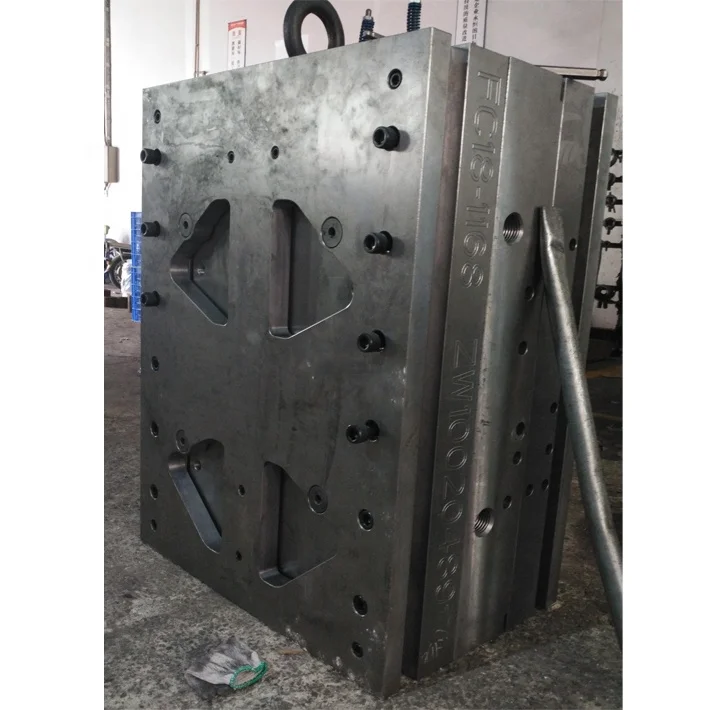
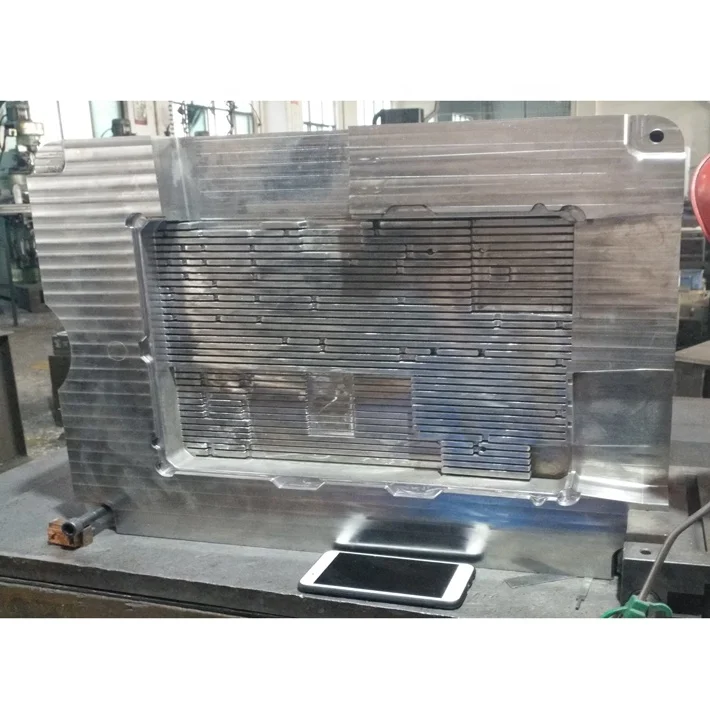
If a pattern, mold or die already exists, identify it and provide available information about its ownership, condition and suitability for the proposed work. Do not assume that existing tooling can be transferred to a different process or used without review. Ask which inspection, modification or replacement work is included in the proposal, and who must approve changes before they are made.
Tooling comparisons should also separate new development from maintenance and future modifications. Clarify which tool or tools are included, how they relate to the quoted component and what documentation will identify the approved configuration. This is more useful than asking for a generic tool-life figure detached from the actual design and operating arrangement.
Condition at delivery
Mark which surfaces remain as cast and which require machining or treatment. State whether dimensional acceptance applies before or after the specified finish. If coating is requested, identify protected contact regions and the appearance reference to be agreed. A finishing menu is not an instruction to apply every listed treatment to one part.
For sample approval, describe the purpose of the sample. It might support a dimensional review, an assembly check or another agreed assessment. Identify the required sample condition and the records needed with it. This avoids comparing an unfinished casting sample with a quotation for a fully processed production component.
Questions to settle before comparing quotations
First confirm that every quotation addresses the same drawing, material and supplied condition. Then compare the differences in route, tooling, secondary operations and evidence. A lower component price can accompany a different inspection package or omitted work; a higher tooling figure may represent a different number of tools. Read the proposed scope before treating the totals as equivalent offers.
Request a clear separation between tooling or development items and recurring component supply. Identify any additional work needed to reach the specified condition, such as machining, surface treatment or a required review. Where commercial arrangements are not yet agreed, record the question rather than assuming a general payment, warranty or delivery policy.
An exceptions register can make the comparison easier to review. For each offer, record the requirement being changed, the proposed alternative, the reason and its approval status. Separate a technical deviation from a commercial exclusion: a different alloy condition requires a different review from an omitted packing item. Send unresolved questions back as numbered clarifications, then retain the answers with the revised quotation. This creates a readable basis for an order decision without treating informal discussion as an approved change.
Process selection should not rely on an invented universal quantity threshold. Geometry, alloy, tooling, acceptance requirements and the proposed supply arrangement all belong in the comparison. A broad statement that one method suits higher quantities cannot determine the crossover for a particular drawing. Ask for quotations on defined alternatives if an actual project comparison is needed.
Discuss any inspection that is necessary to support the part's intended use. Describe the characteristic, stage, coverage and acceptance basis rather than requesting “full testing” without a definition. The availability of a route does not itself establish a leak rating, strength guarantee or regulated approval. Those requirements must be evaluated for the component and documented where applicable.
Can the same drawing be used for every option?
Use the approved functional requirements as the common starting point, and ask each proposal to identify changes it considers necessary. Different proposals may need different blank or tooling definitions. Retain the link between those manufacturing documents and the final part requirement so that a design change does not disappear inside a process quotation.
What if the alloy has not been selected?
Explain the service duty and identify the design decision still open. Ask for a proposed material and route with its assumptions stated, then have the responsible engineering team review it. A supplier's suggestion should remain a proposal until approved. Do not turn the presence of an alloy in a catalog into an automatic material decision for your component.
Prepare the final enquiry with one common component brief and clearly separated options. The custom casting guide helps define the supply object, and the RFQ guide organizes the drawing, quantity, tooling and acceptance inputs. Send Relia Casting the actual requirement and identify which alternatives you want reviewed, so the response can address a defined part rather than an ambiguous process list.