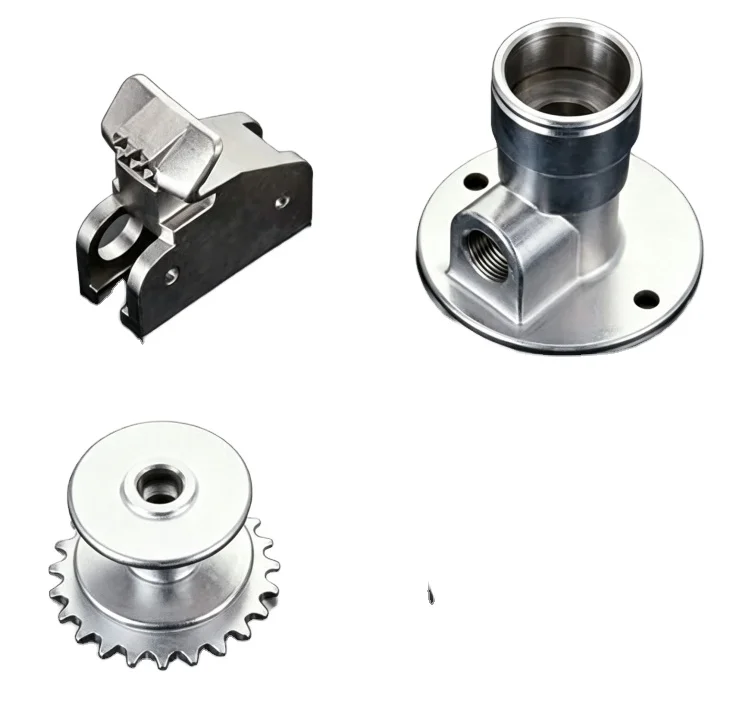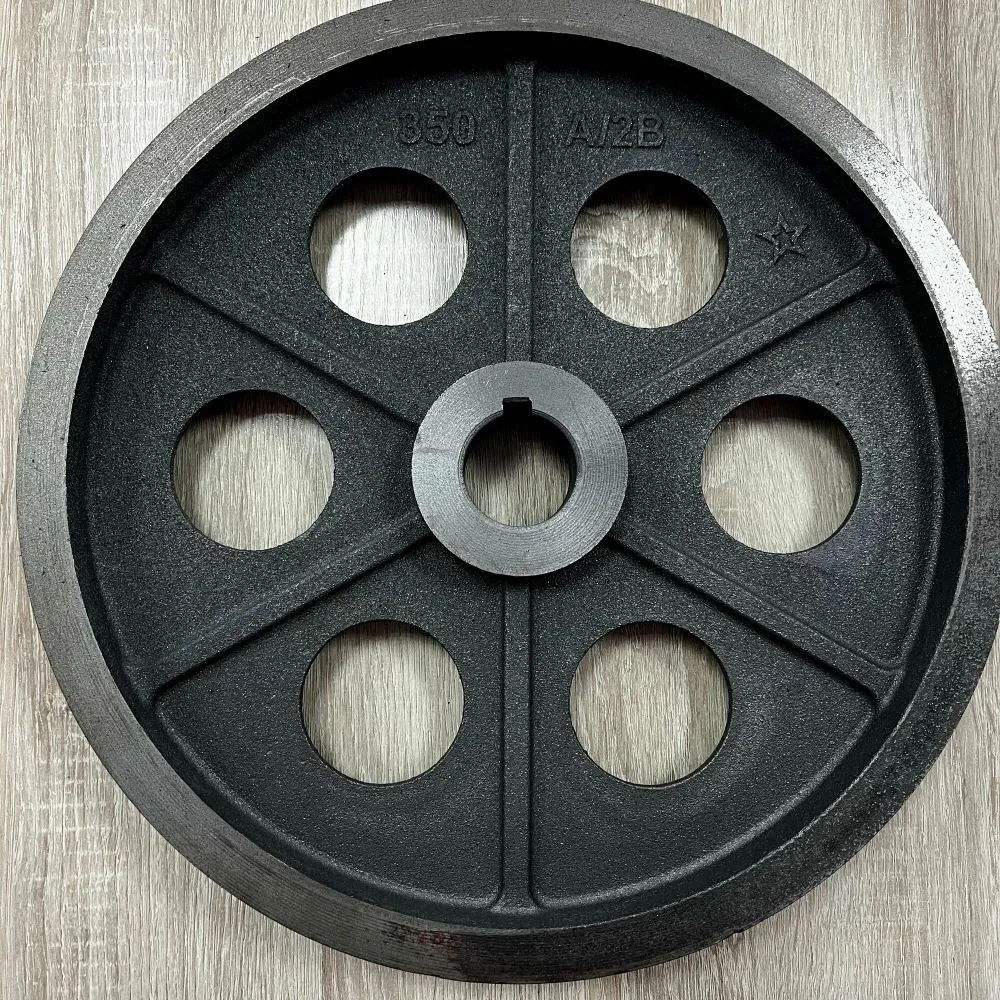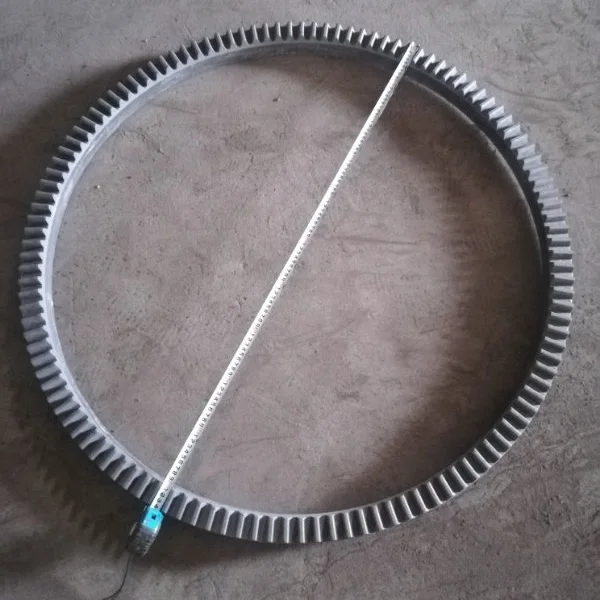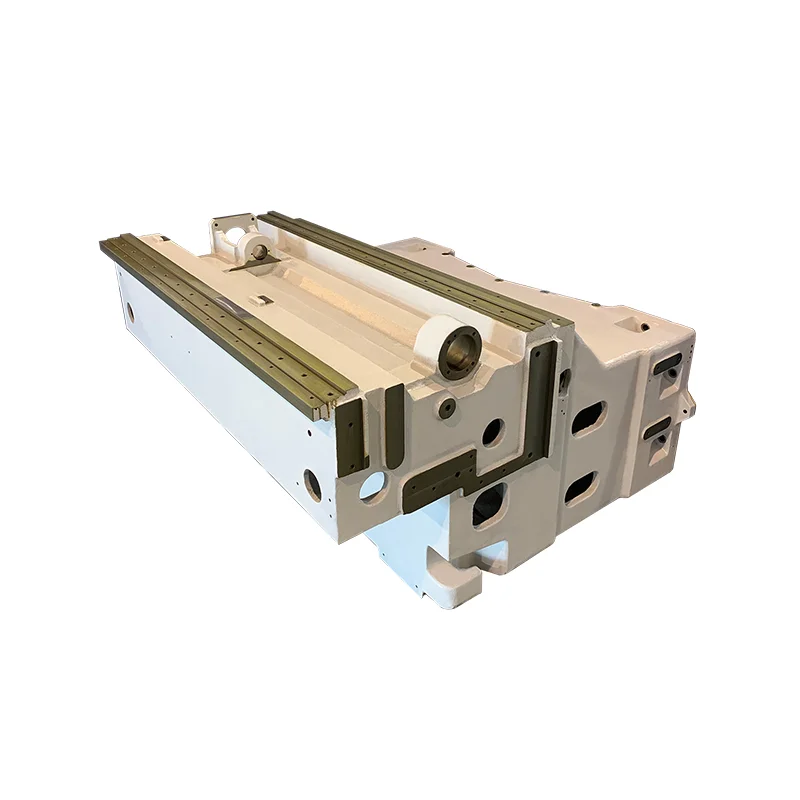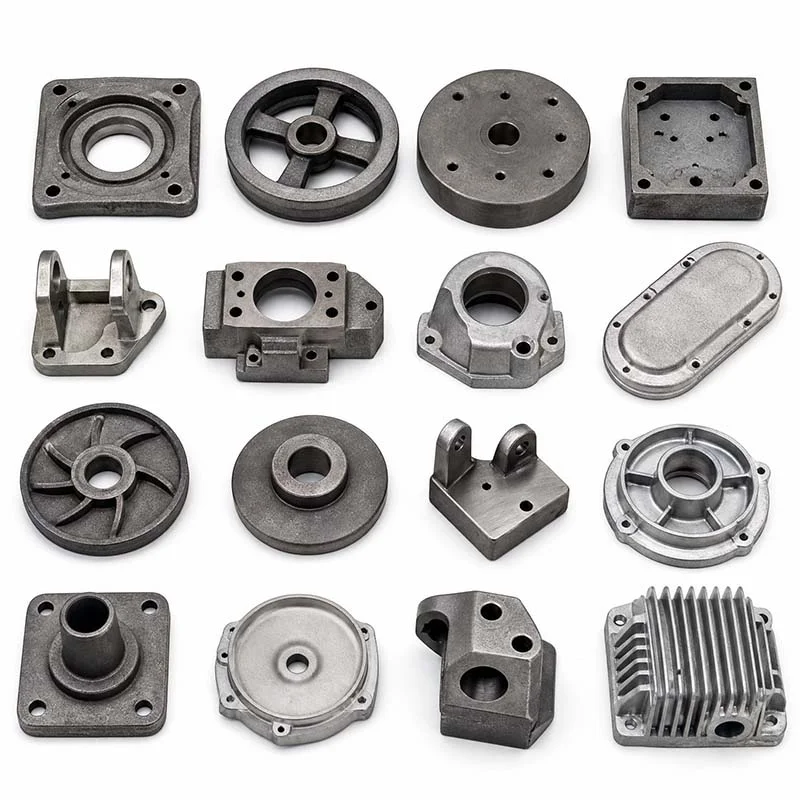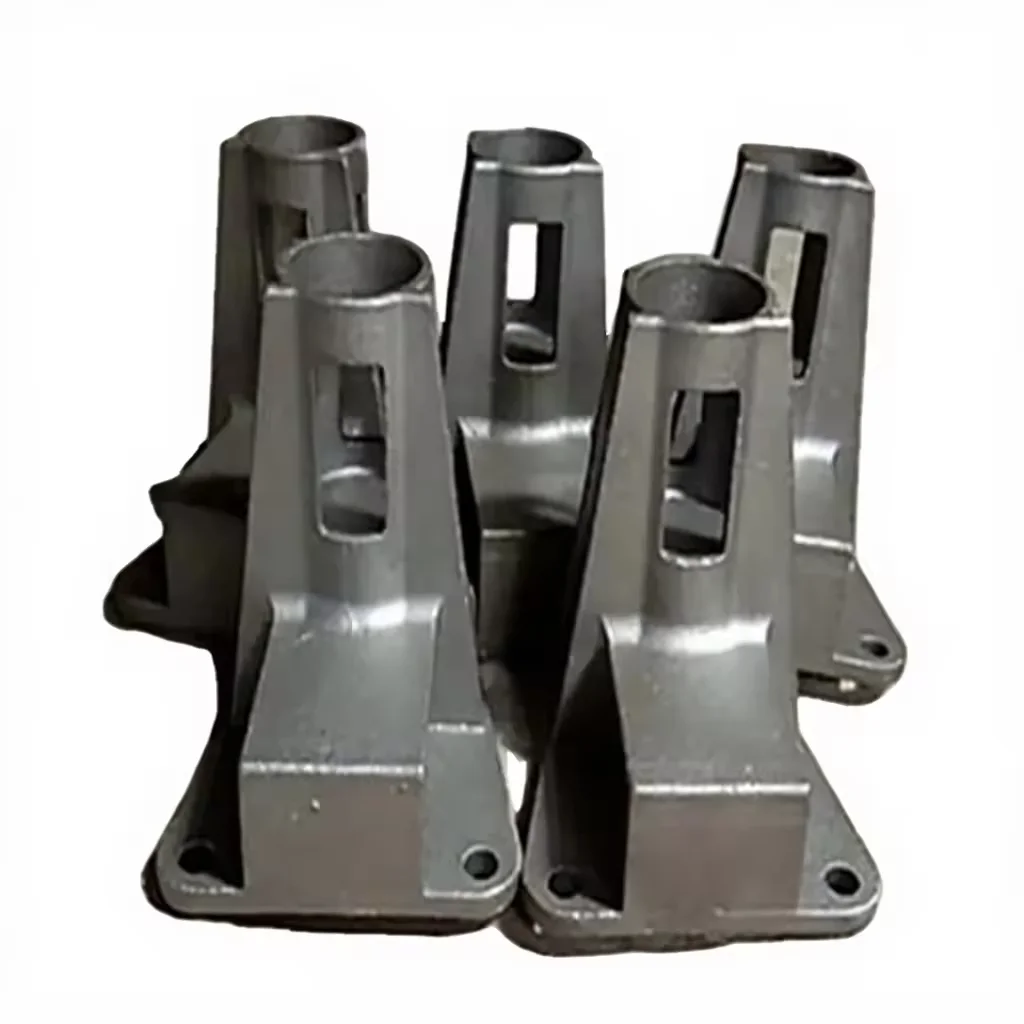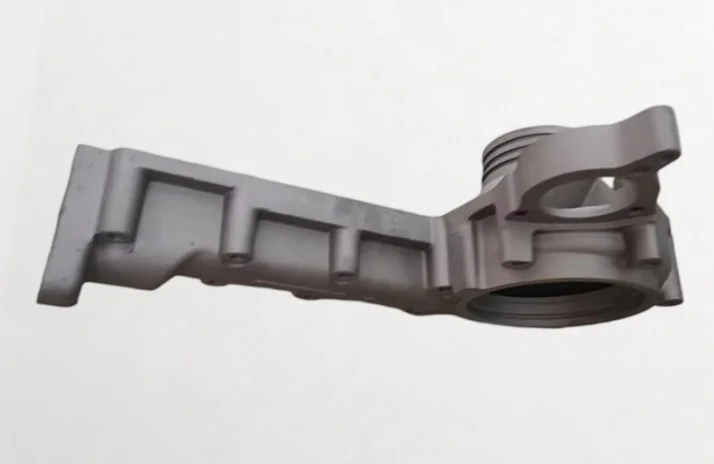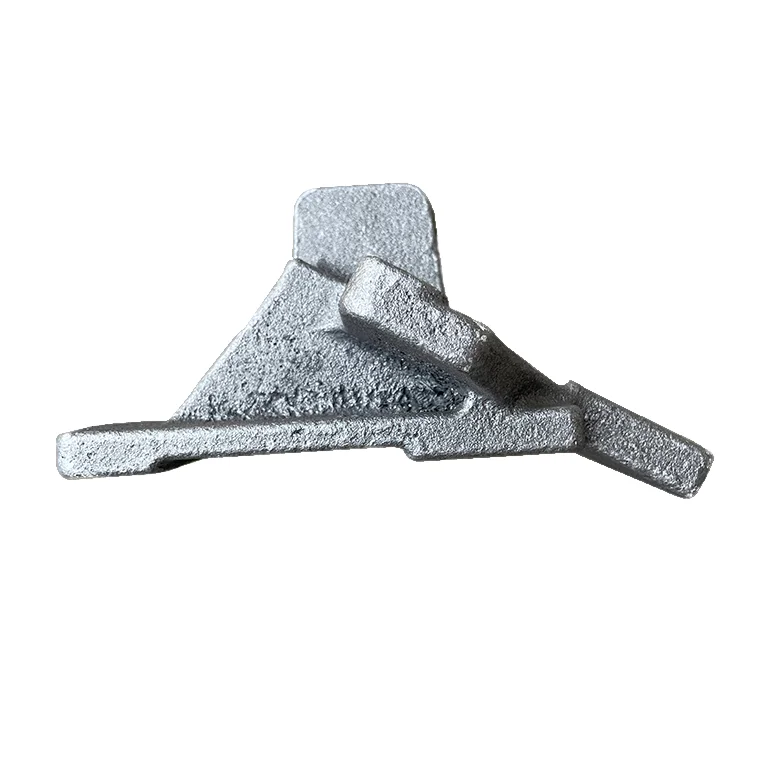
Custom Gray and Ductile Iron Machine-Tool Castings — HT200 HT250 HT300 QT450 QT500 Sand Casting and CNC
Direct factory support
Get a quote that fits your project
Send your drawing or product reference, material grade and required quantity. Relia will review the requirements with you.
- Drawing & specification review
Confirm the supply scope and critical requirements.
- Samples before custom production
Review inspected samples before approving a batch.
- Inspection documents
Agree material and dimensional records for your part.
-
SizeCustom
-
Surface TreatmentSandblasting, derusting, and primingMaterialsAluminum,steel,Iron,COPPER
-
MaterialHT200,HT250,HT300,QT450,QT500 Aluminum,steel,Iron,COPPER,Processing methodNatural aging, secondary stress relief.
-
Processcasting,CNCSurface treatmentPainting\Powder Coat\Polish\Anodize
-
ServiceCustomize ODM OEMCertificationISO9001
-
TypeOEM PartsDrawing Format3D/CAD/DWG//STEP/PDF
-
ToleranceCustomer's Drawing RequestMOQ1 PCS
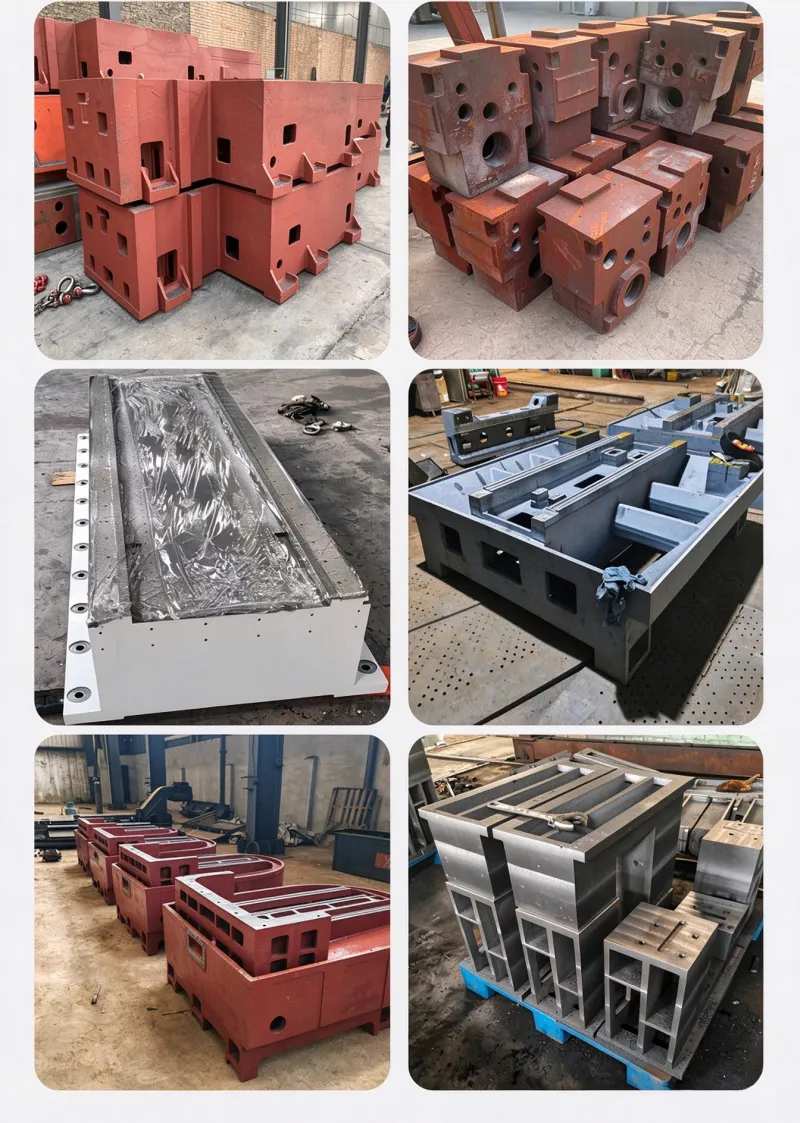
Custom machine-tool castings begin with the iron grade, casting geometry and machined interfaces required by the equipment design. Grey-iron and ductile-iron enquiries include HT200, HT250, HT300, QT450 and QT500, supported by sand casting and CNC machining for the selected component.
Specify the grade and drawing datums
Choose the required grade on the drawing and identify the reference surfaces used to locate machining operations. Dimensions are customized and tolerances follow the customer's drawing, so marking the mounting and mating interfaces helps separate functional requirements from surfaces that may remain in the cast condition.
Plan aging and stress relief with machining
Natural aging and secondary stress relief are named processing options. Agree their place in the manufacturing sequence for the chosen casting and its required final condition. If dimensional stability is central to the design, state the acceptance checks and when they should occur relative to the machining work.
Assign a finish to each surface
Sandblasting, derusting and priming are listed, along with painting, powder coating, polishing and anodizing enquiries for suitable metals. Aluminum, steel and copper are additional material requests rather than alternative names for the iron grades. Select the finish according to the actual metal and distinguish coated areas from the functional machined faces.
- Submit 3D/CAD, DWG, STEP or PDF drawing information.
- Identify grade, casting envelope and machined interfaces.
- Define aging or stress-relief requirements for the order.
- Mark finish boundaries and inspection dimensions.
Make the first-piece approval usable
The minimum order is one piece, allowing a defined initial component enquiry. Connect its inspection record to the accepted drawing revision, and request ISO9001 qualification documentation within the applicable supplier and process scope.