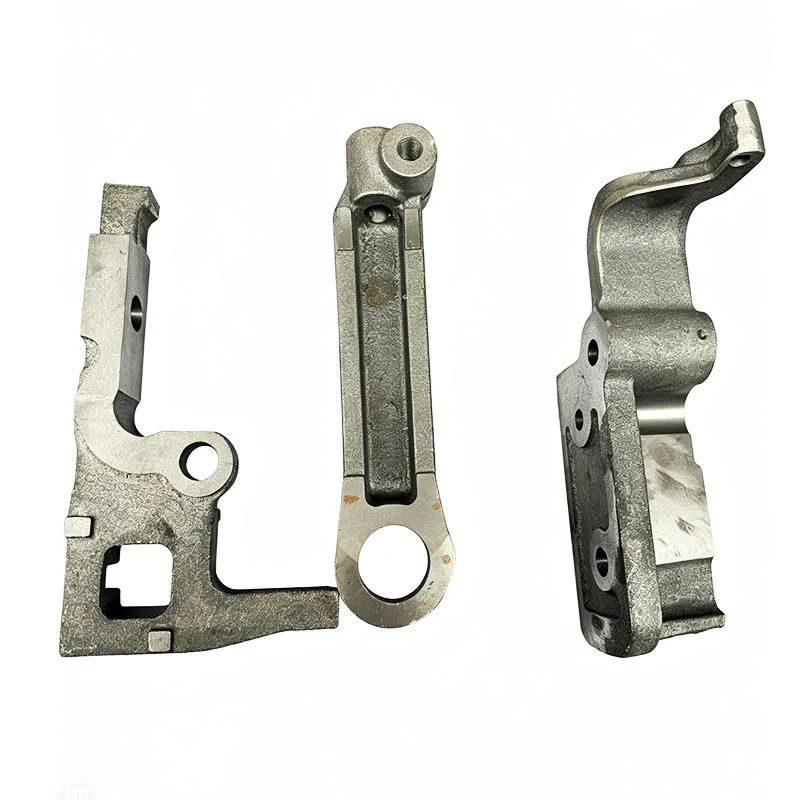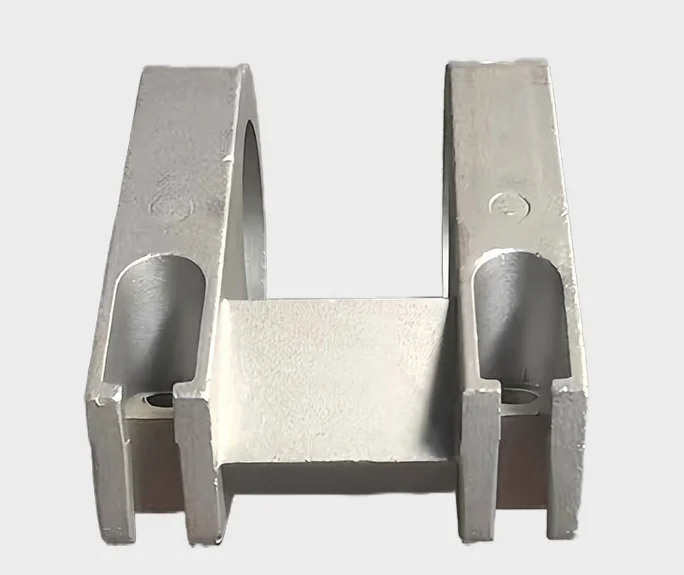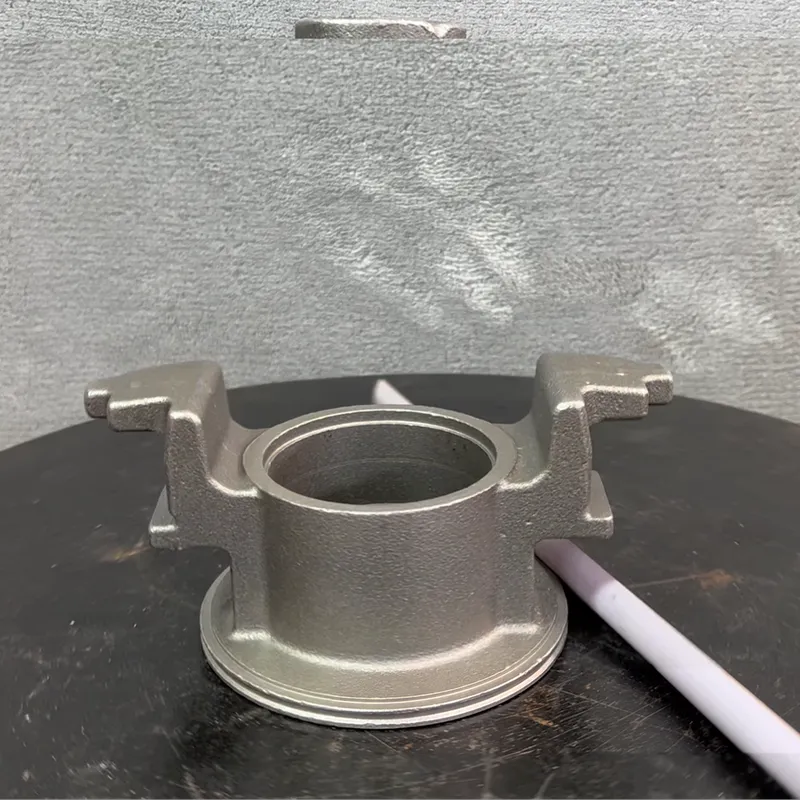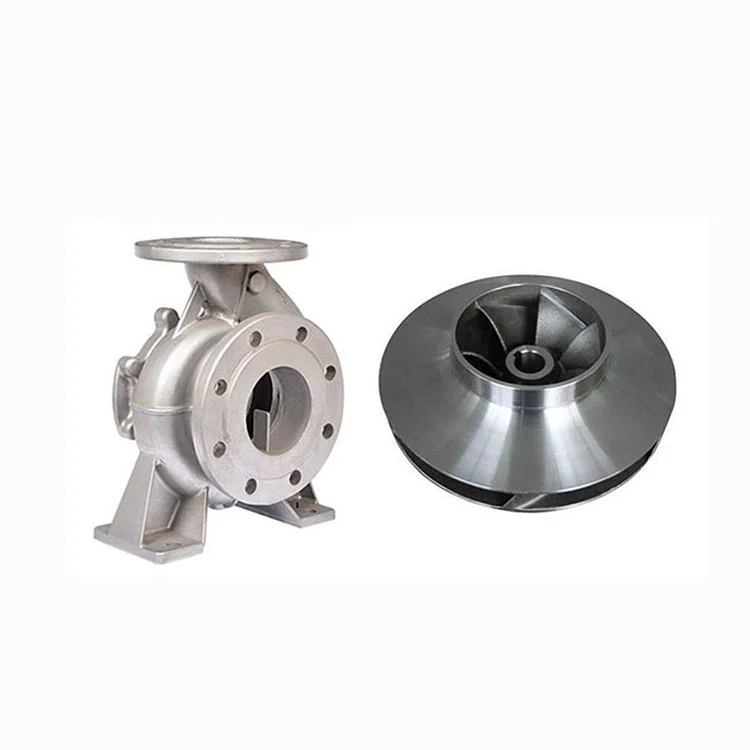
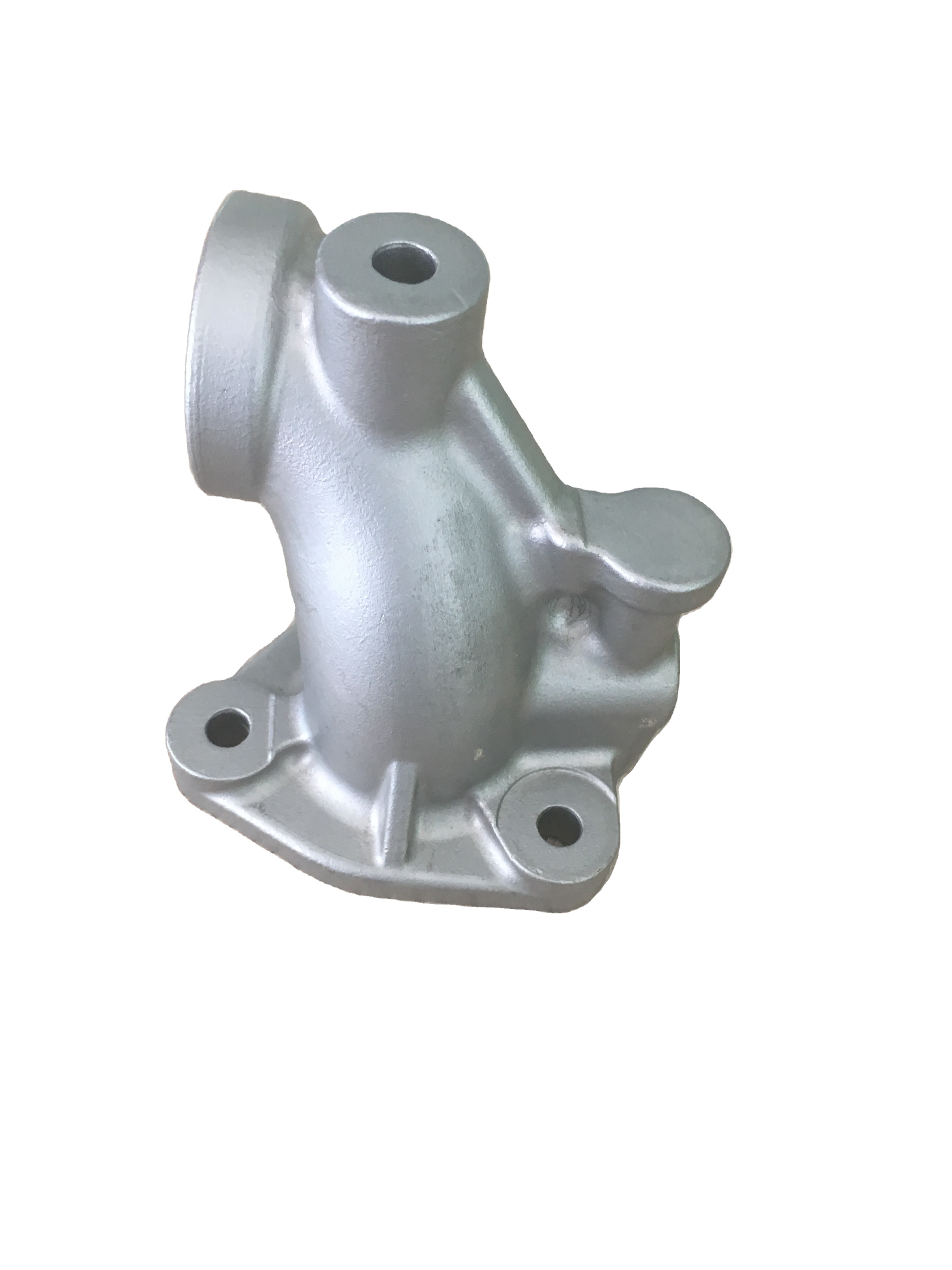
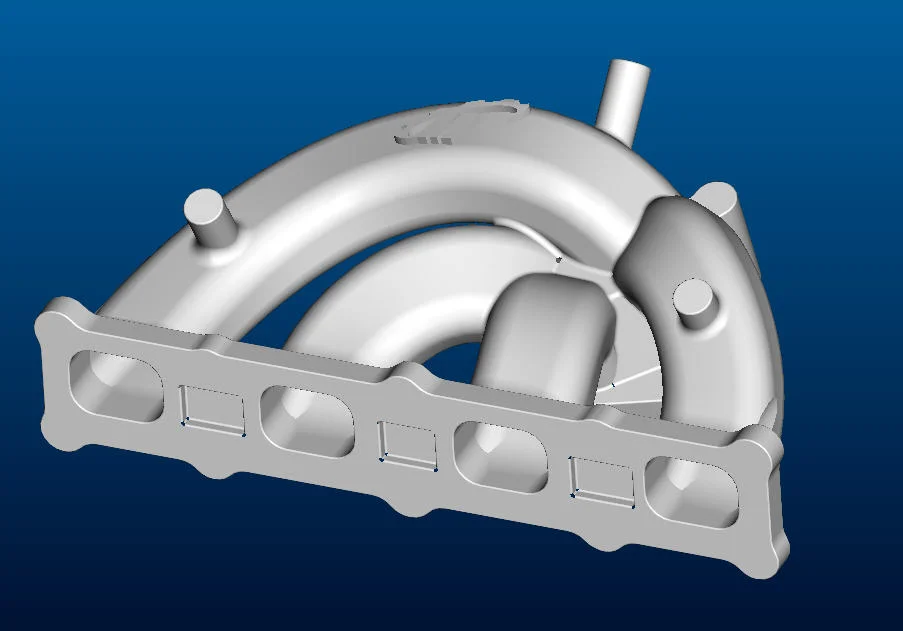
Custom 304/316 Stainless-Steel Turbine Exhaust-Pipe Castings — Modified Auto Parts with CNC and Sand/Investment Enquiries
Direct factory support
Get a quote that fits your project
Send your drawing or product reference, material grade and required quantity. Relia will review the requirements with you.
- Drawing & specification review
Confirm the supply scope and critical requirements.
- Samples before custom production
Review inspected samples before approving a batch.
- Inspection documents
Agree material and dimensional records for your part.
-
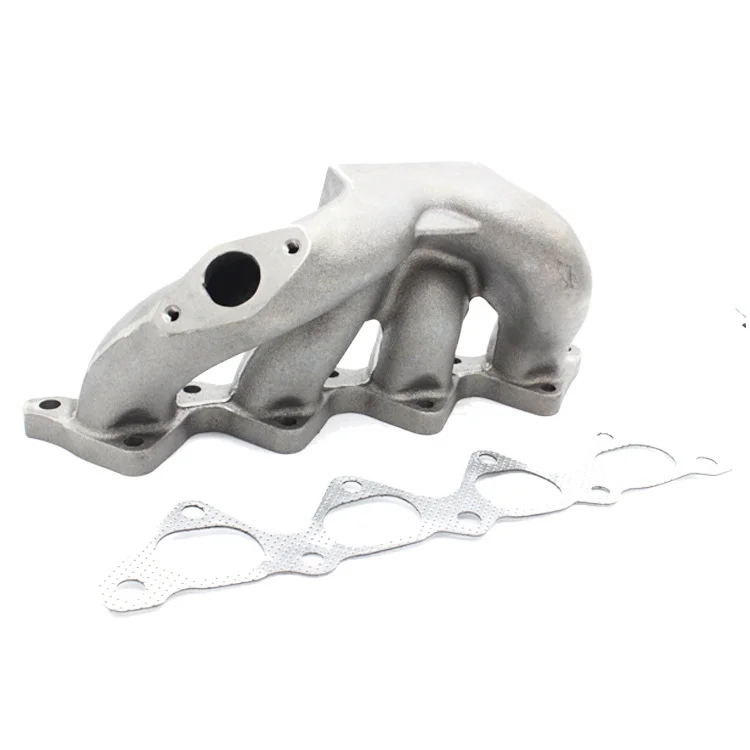
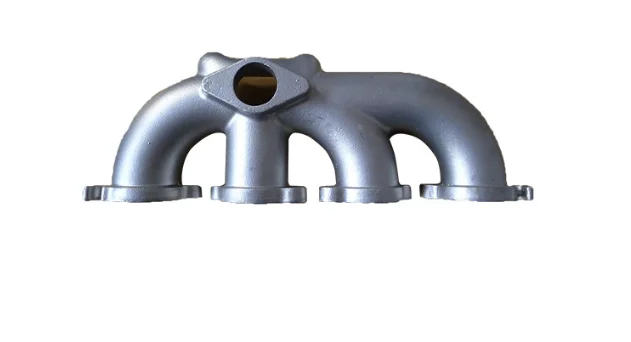
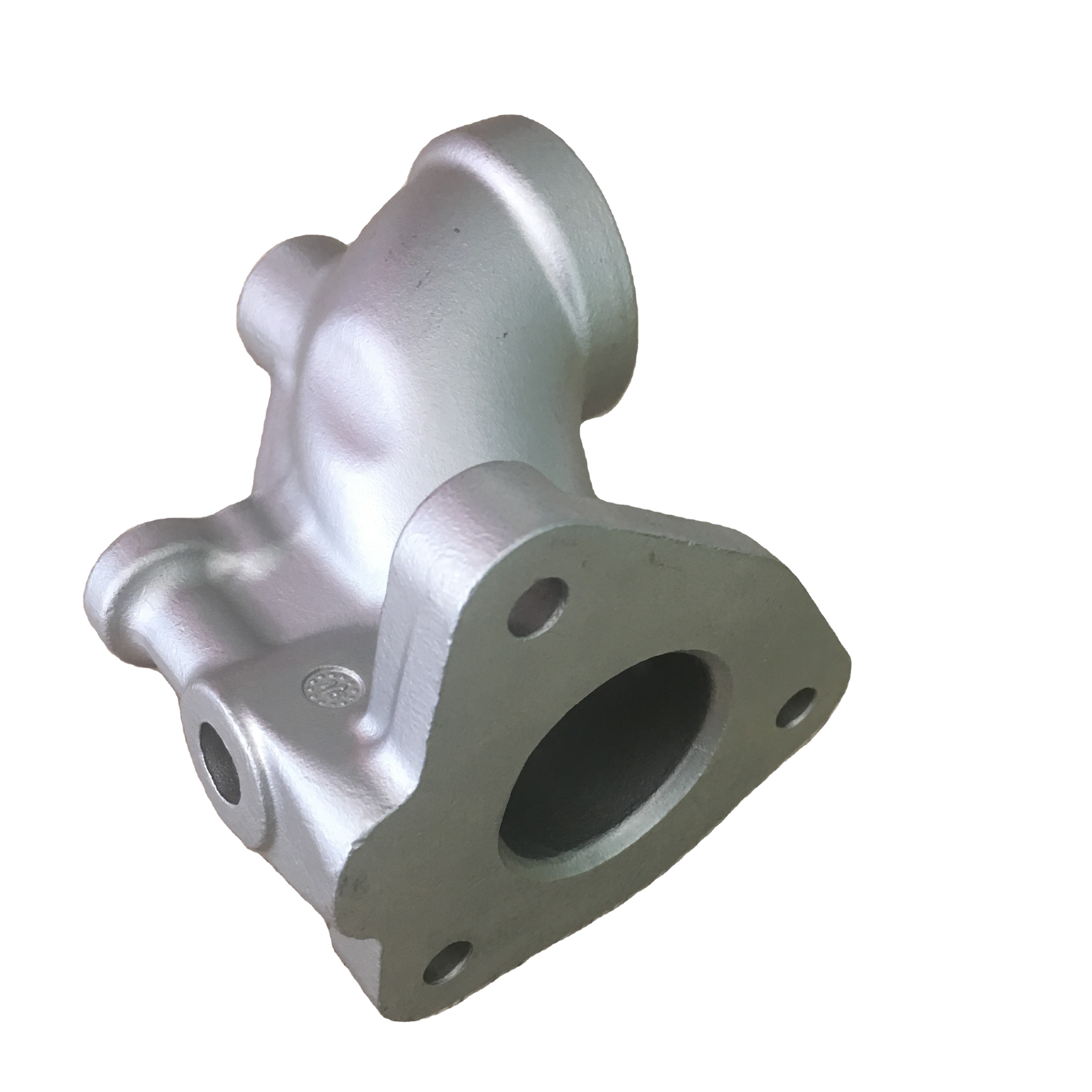
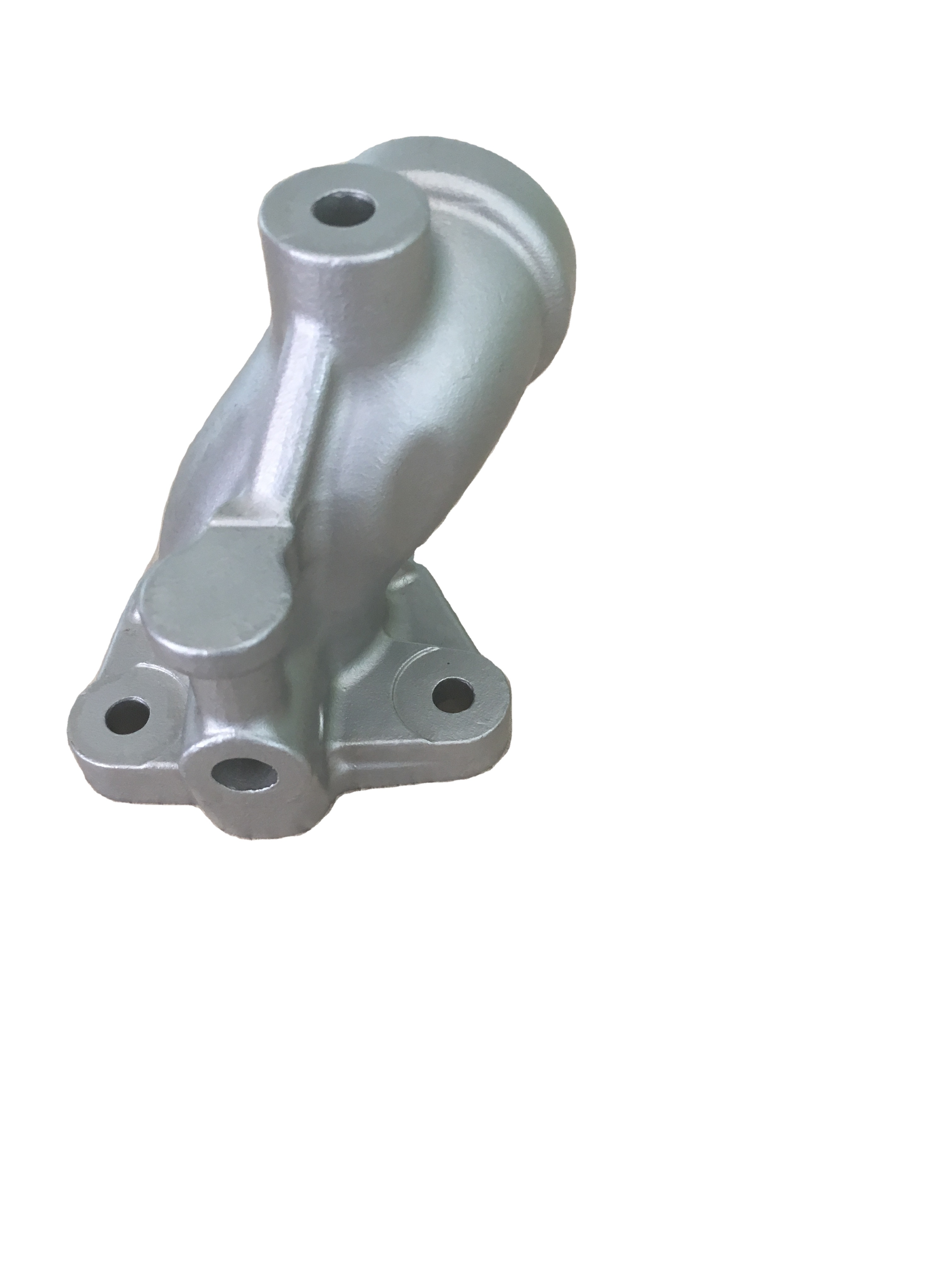
Product nameTurbine Exhaust Pipe
-
Material316/304 stainless steel,iron,aluminumServiceOEM ODM Customised
-
StandardISO,GESizeCustomer's Drawing Required
-
ProcessInvestment Casting+PolishingColorCustomized
-
FunctionSafetyMachining ProcessCNC
-
Surface treatmentPainting
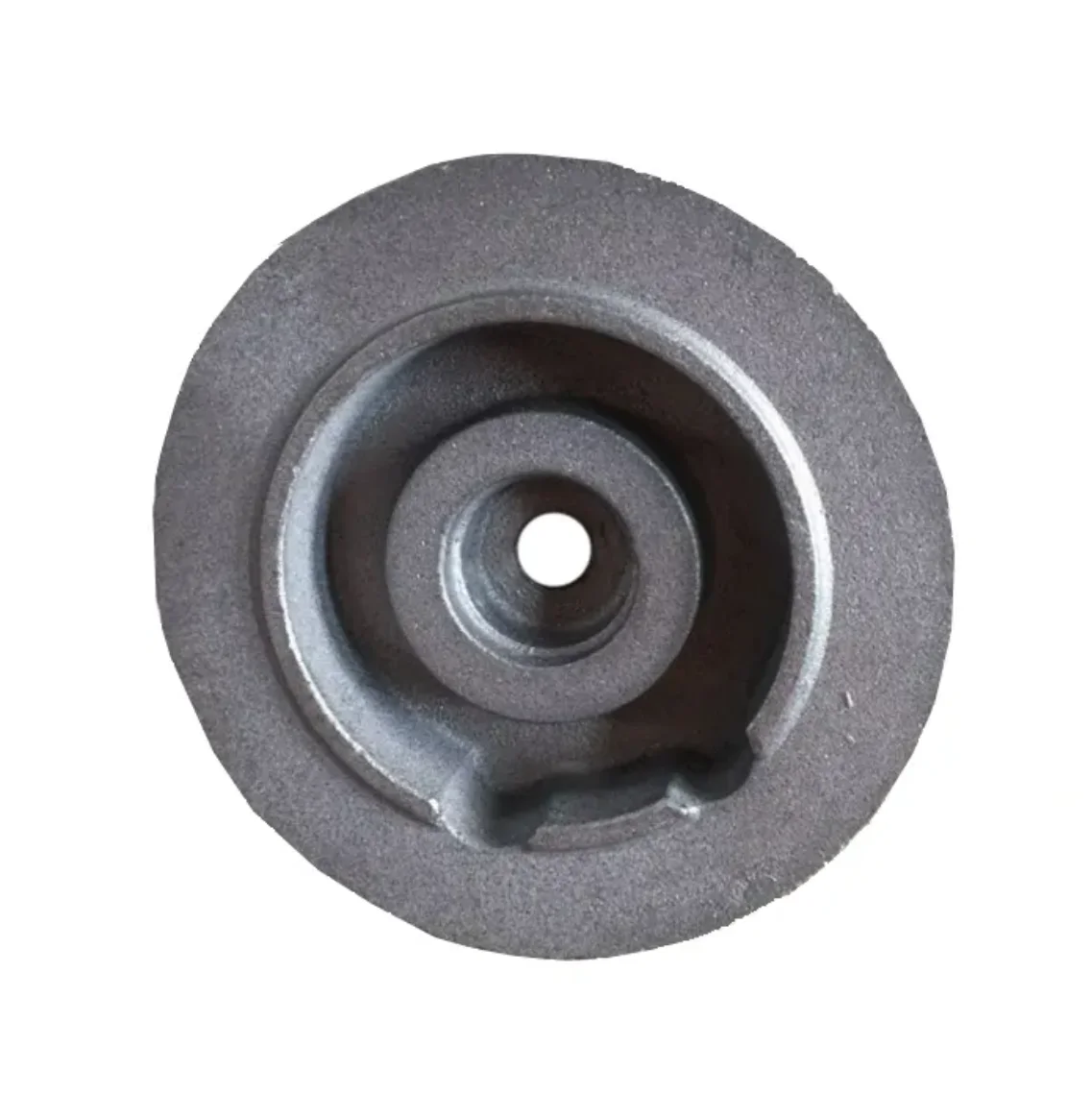
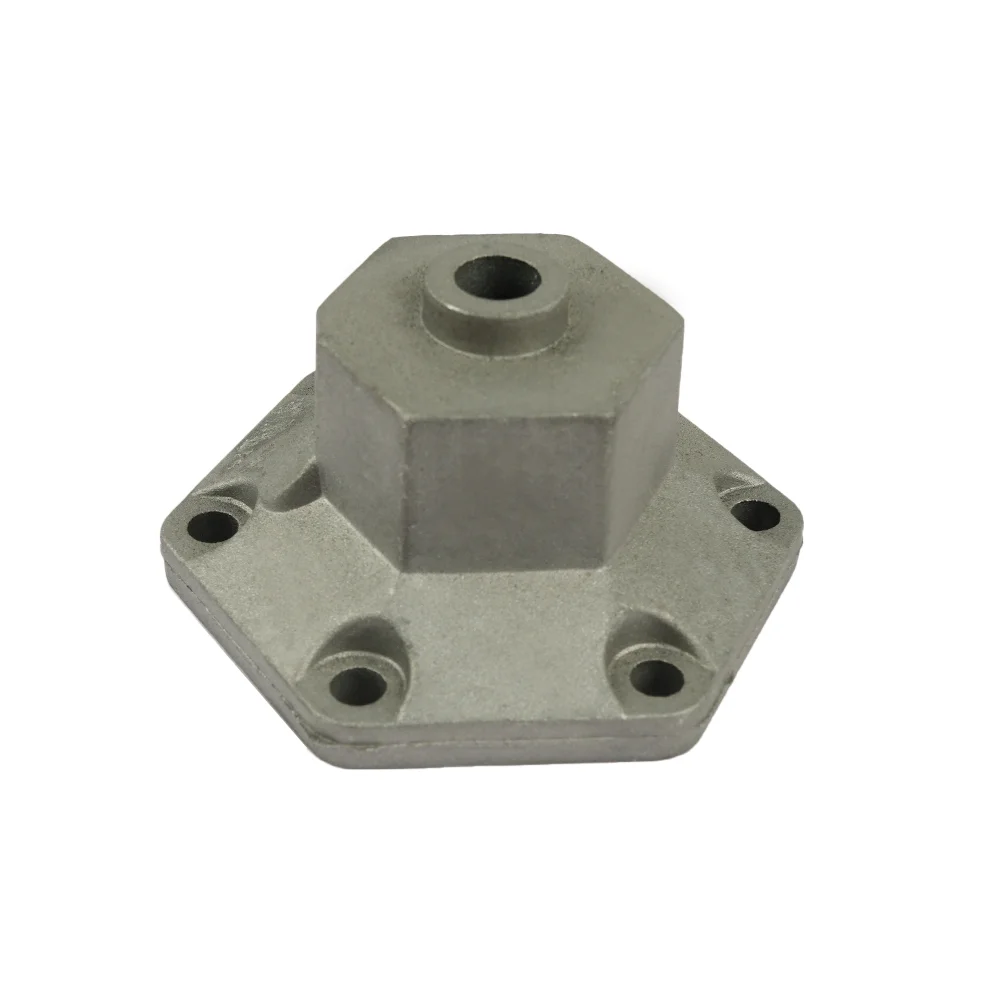
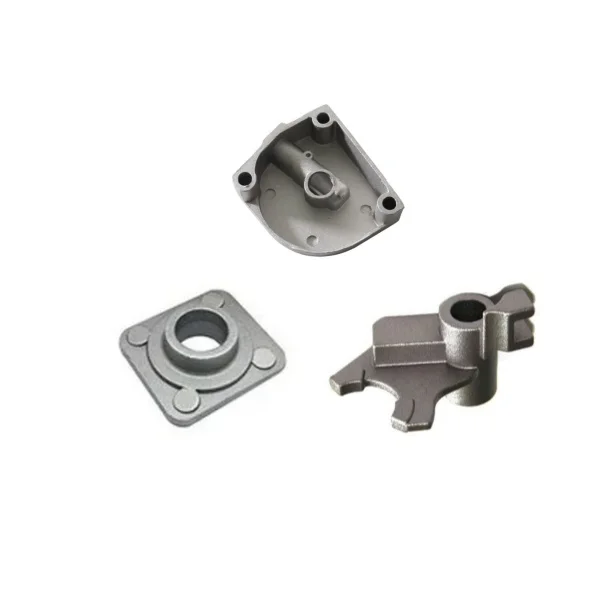
Modified automotive exhaust components need their geometry and operating conditions defined for the actual project. This OEM/ODM turbine-exhaust-pipe enquiry includes 304 or 316 stainless steel, with iron and aluminum as separate material choices. Investment casting, CNC processing and polishing are named services, alongside sand-casting requests.
Define the exhaust geometry and connection points
Provide the drawing with the interfaces that connect the pipe to the surrounding assembly. Identify the required dimensions, thermal environment and component duty. A modified-part enquiry should make clear which geometry must be retained and which is being developed for the project.
- Select the material grade and applicable specification.
- Provide the exhaust-component drawing and quantity.
- Mark CNC-finished interfaces and acceptance dimensions.
- Describe the required polishing, painting or color.
Select the material and casting route for the duty
Choose the actual stainless-steel, iron or aluminum requirement rather than treating those metals as interchangeable. Discuss investment or sand casting for the selected design and grade. Any safety-related acceptance should be stated through the component specification and intended operating conditions.
Coordinate CNC work with the final surface condition
Identify interfaces requiring CNC processing and the condition needed after polishing or painting. Color is customized, so include the appearance requirement with the finished-part description. The chosen treatment should be appropriate to the material and the surfaces being supplied.
Specify the project documents and acceptance
Identify the applicable ISO document and any additional project standard. State the inspection and records needed for the ordered component. The drawing, material and acceptance requirements should establish the exhaust part without relying on a generic vehicle-fit or safety claim.