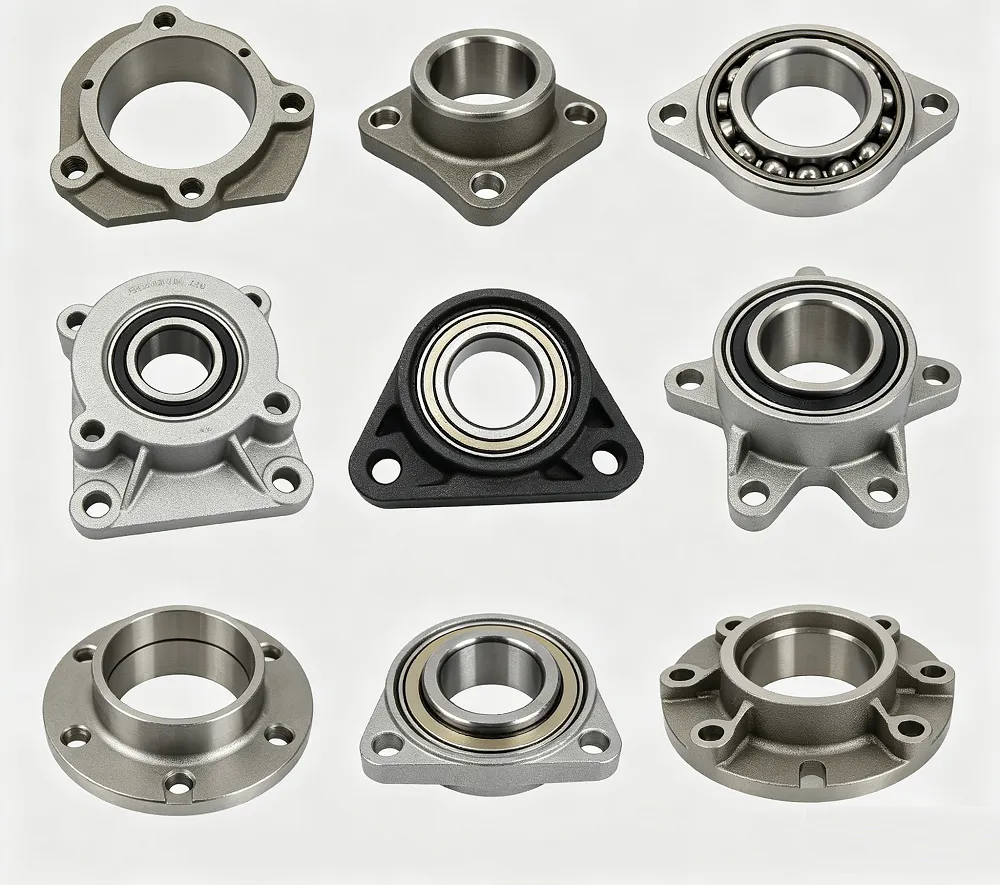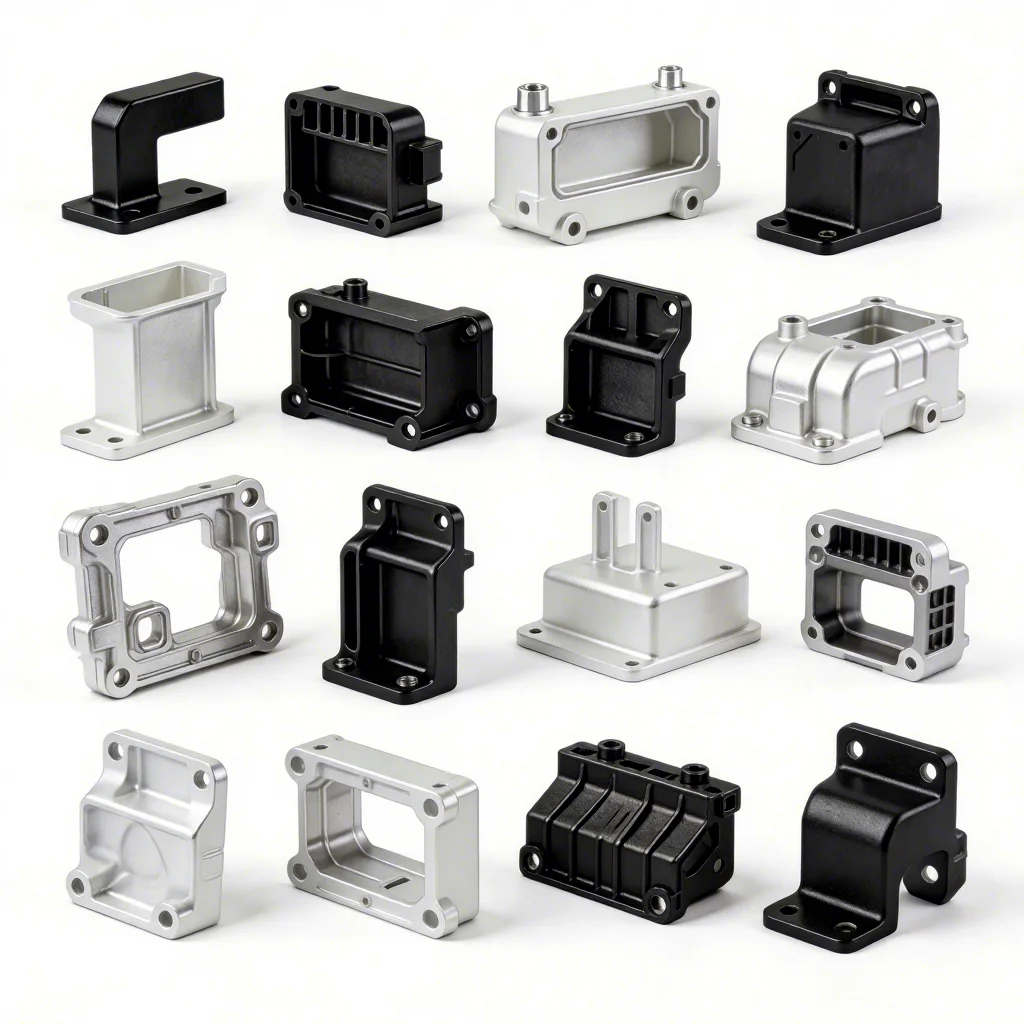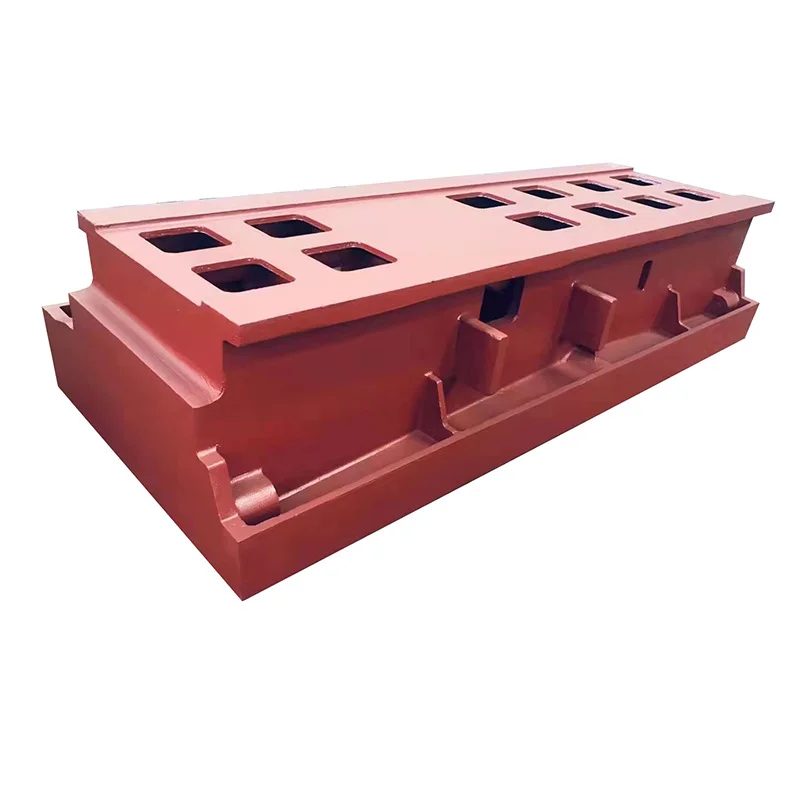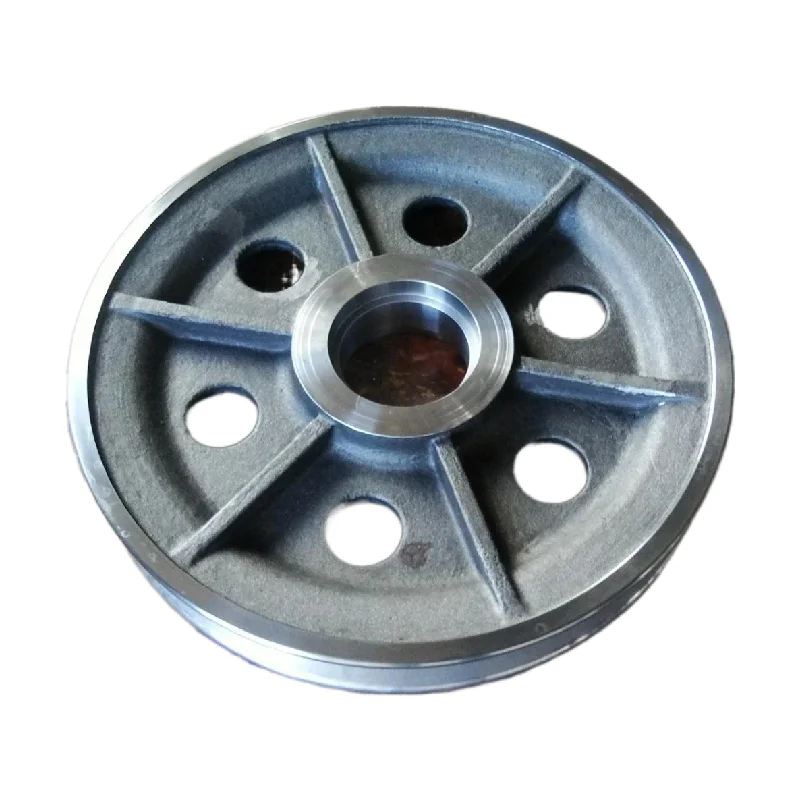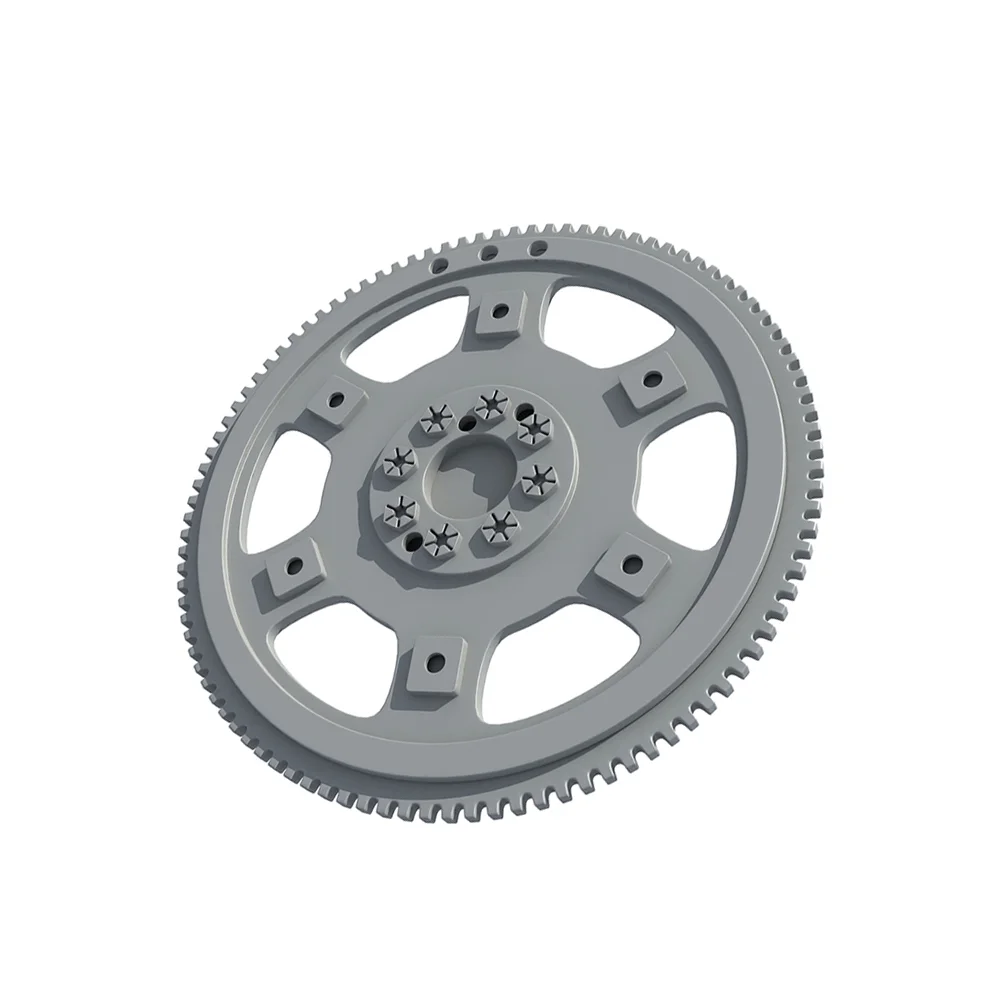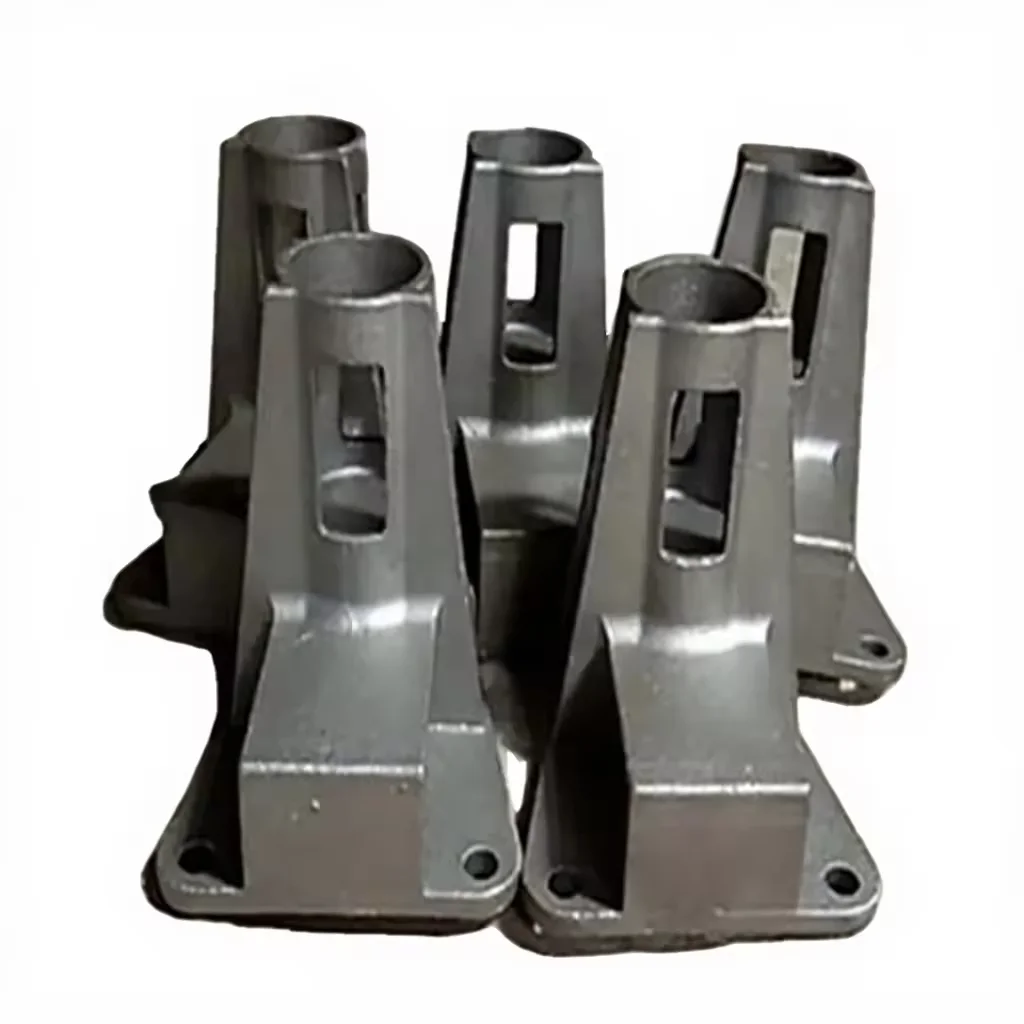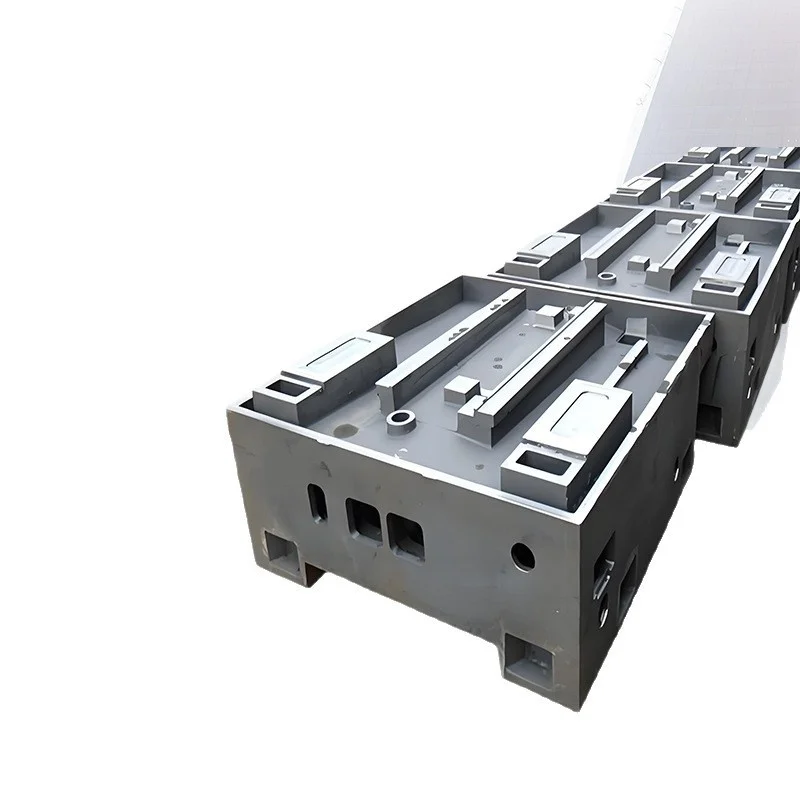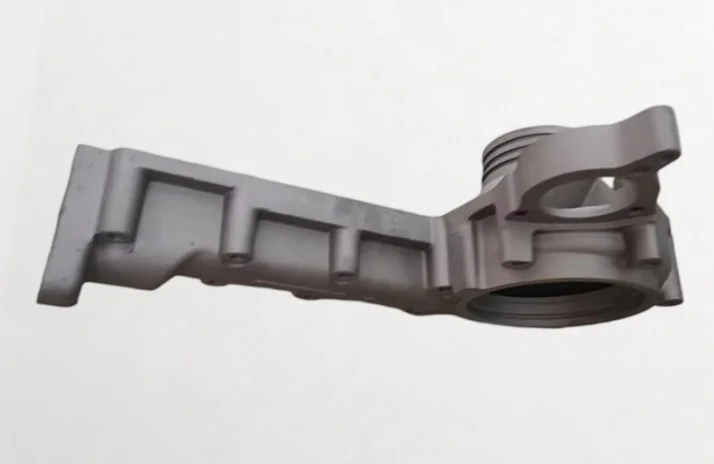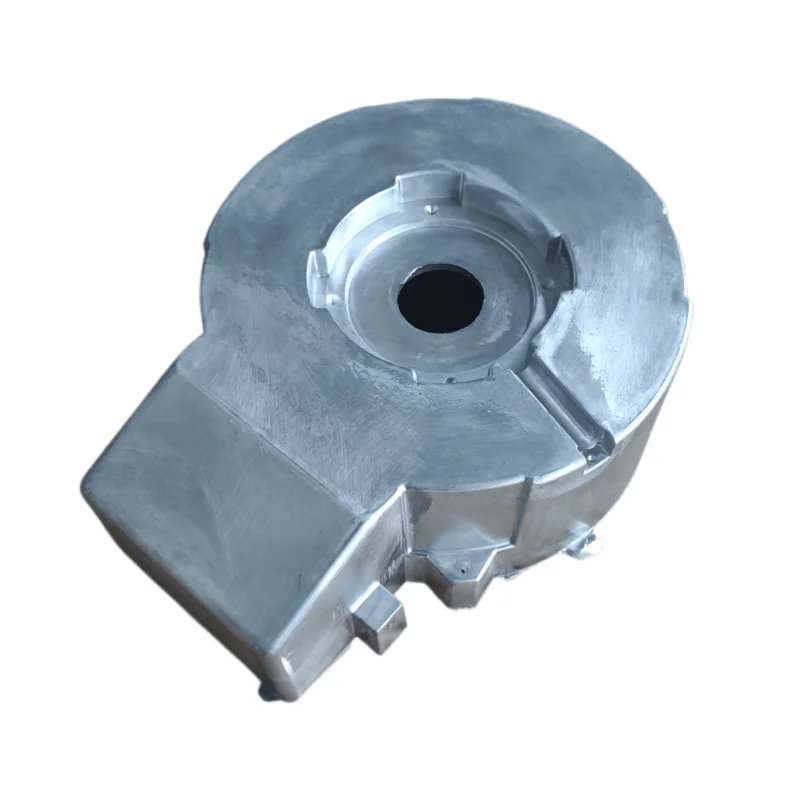
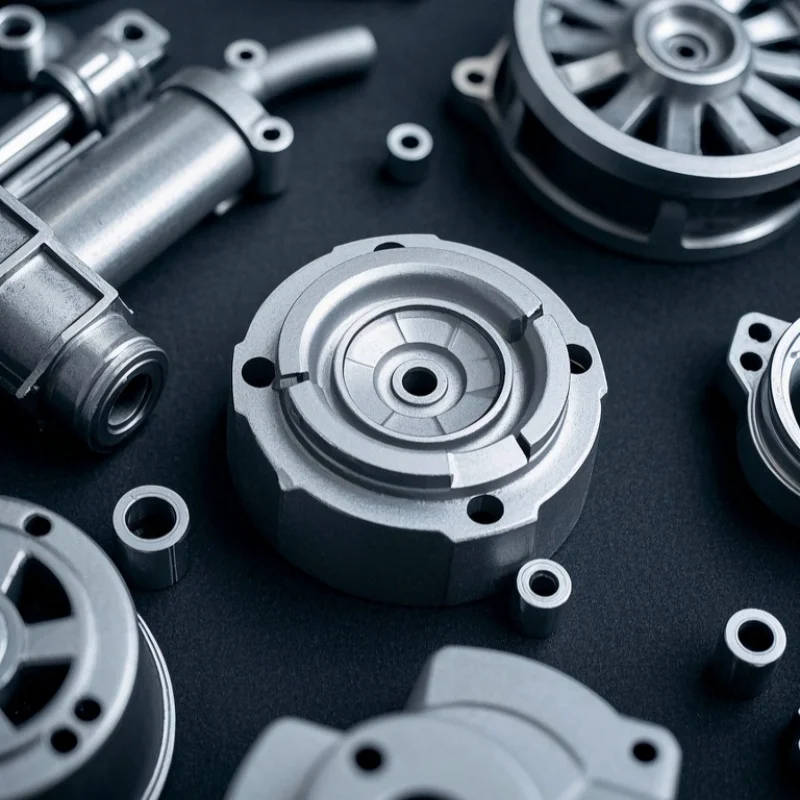
Custom ADC12 Aluminum Die Casting and Separate Iron Sand Casting or Forged Load Bearing Machinery Parts
Direct factory support
Get a quote that fits your project
Send your drawing or product reference, material grade and required quantity. Relia will review the requirements with you.
- Drawing & specification review
Confirm the supply scope and critical requirements.
- Samples before custom production
Review inspected samples before approving a batch.
- Inspection documents
Agree material and dimensional records for your part.
-
MaterialAluminum AlloyCasting MethodDie Casting
-
ProcessCasting +Machining(if Need)+surface TreatmentSurface treatmentPowder Coating
Machinery-component enquiries include ADC12 aluminum-alloy die casting, with separate iron sand-casting and forged-component requests. The intended load-bearing role belongs in the design brief: the drawing, material condition and acceptance requirements should describe how the selected part will work within the machine.
Use the load path to identify critical geometry
Show the mounting points and contact areas through which the component transfers force. Mark the datums and dimensions that control alignment with adjoining parts. Include the relevant operating conditions so that the requested strength and dimensional acceptance are tied to the actual machinery design.
- Provide a controlled component drawing and the required quantity.
- State the complete grade and supplied condition.
- Identify the chosen casting or forming route.
- Mark functional interfaces and any required acceptance checks.
Define the blank for a separate forming enquiry
A forged-part request needs its own material and manufacturing definition. Identify the proposed blank, finished geometry and any subsequent operations in that enquiry. This keeps a forming request distinct from the requirements used to quote the cast component.
Choose the delivered surface condition
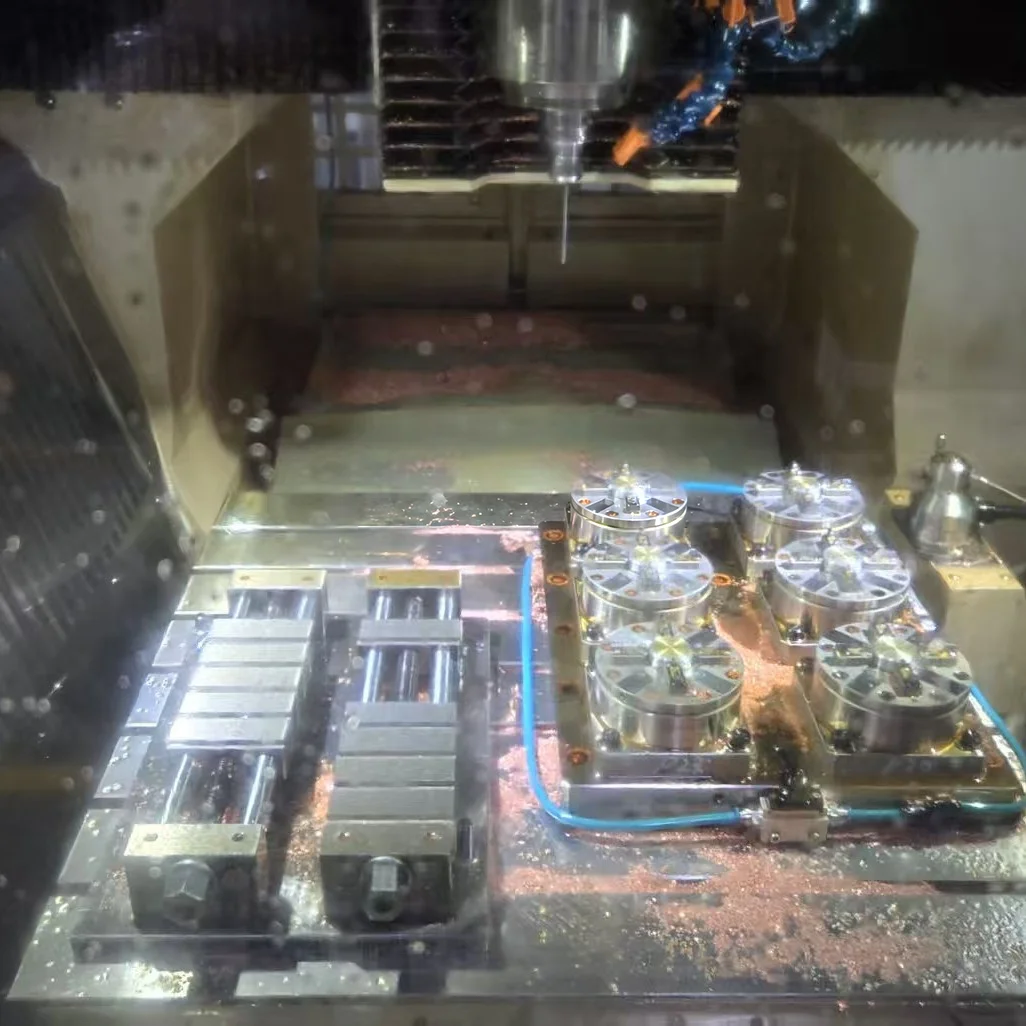
Machining can be included where needed, and powder coating is named for the selected part. Identify the surfaces that require a finished dimension and any areas that must remain free of coating. Appearance, coating coverage and contact-surface acceptance should be stated together with the required inspection record, so the delivered component can be checked against its assembly function.