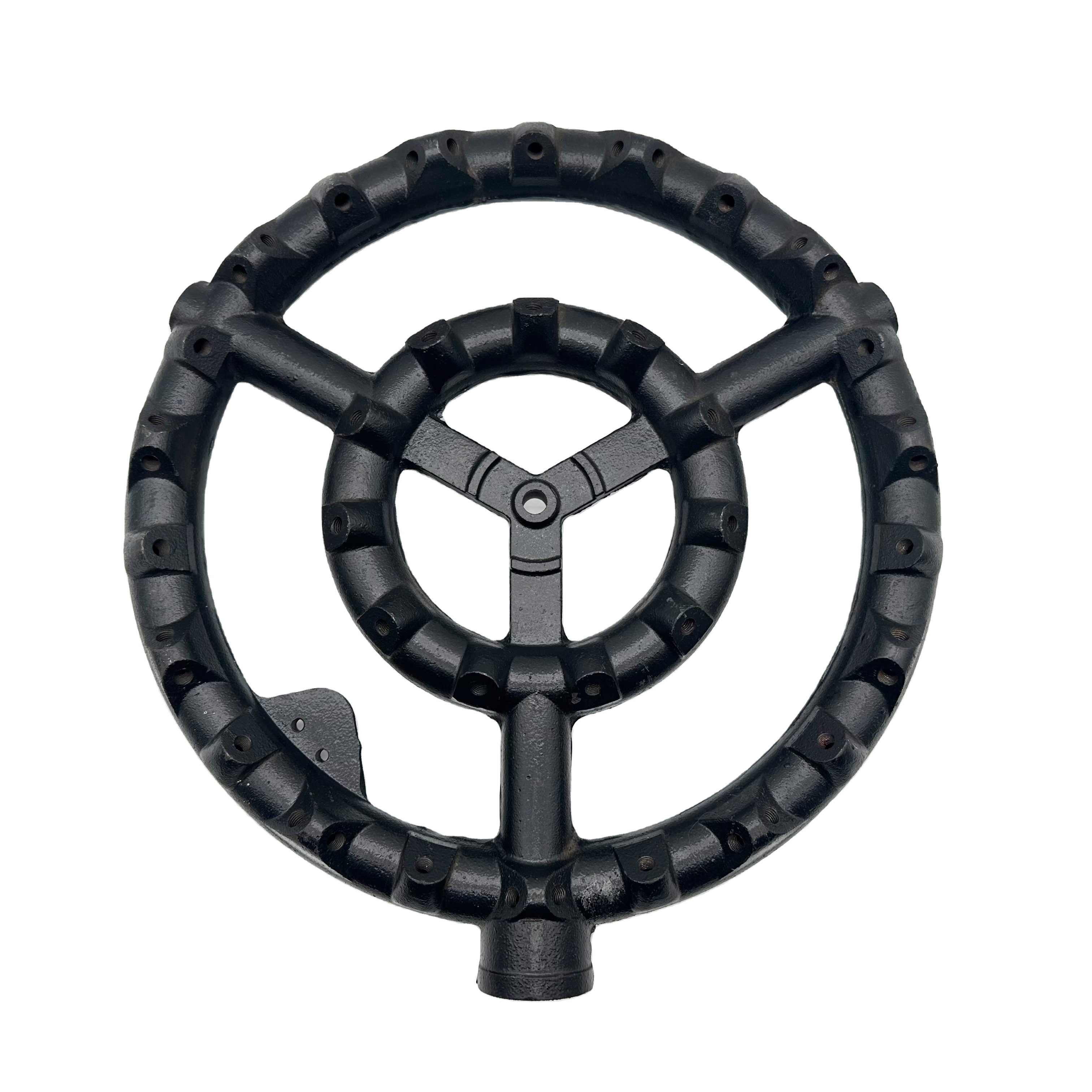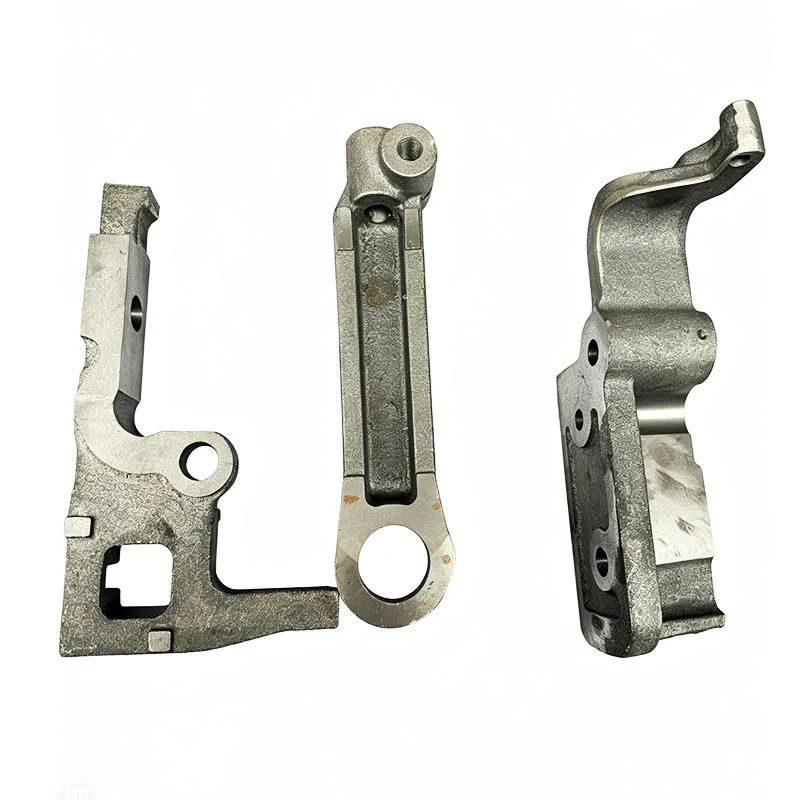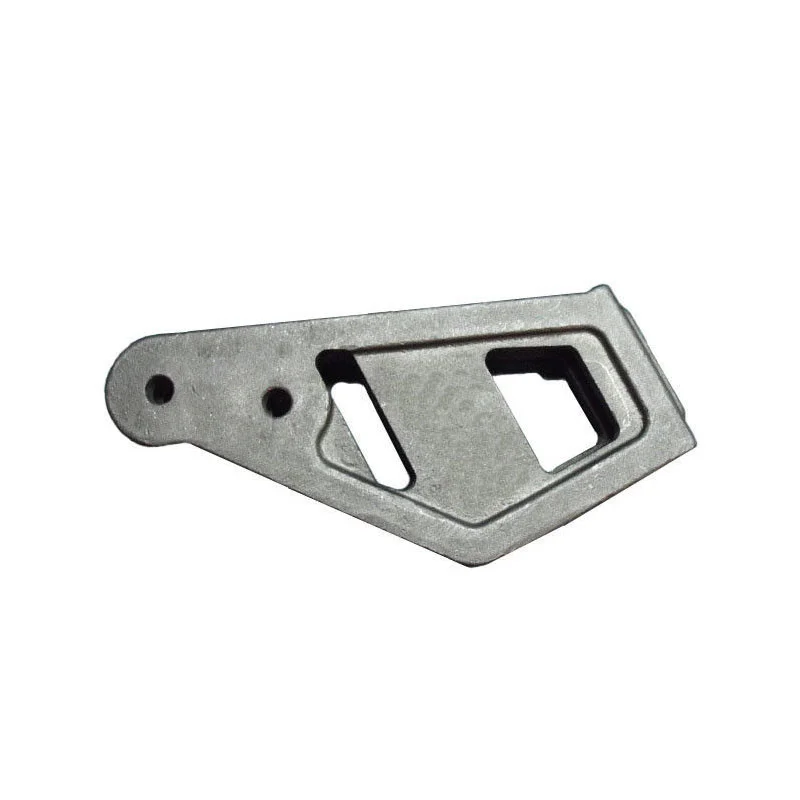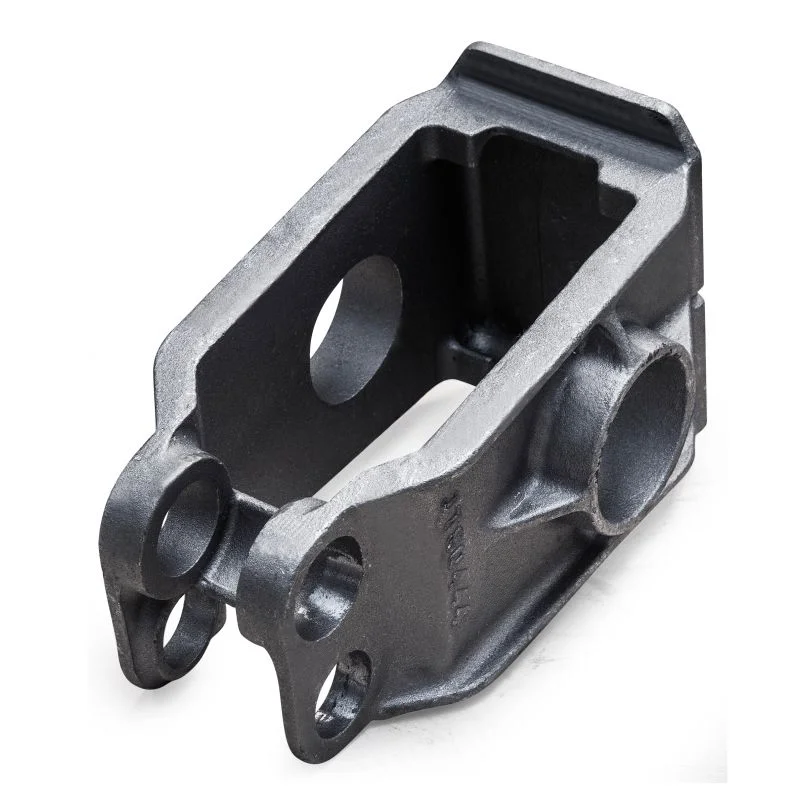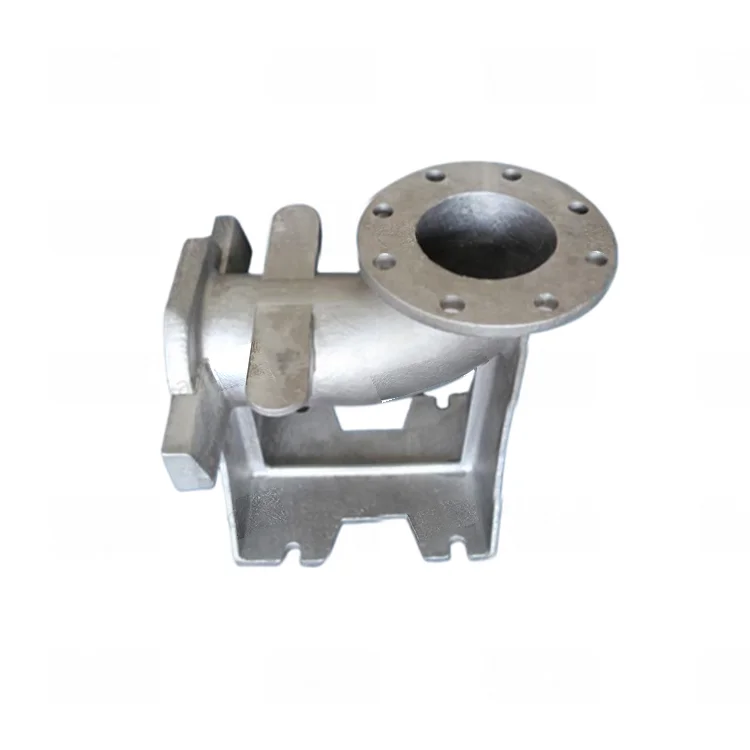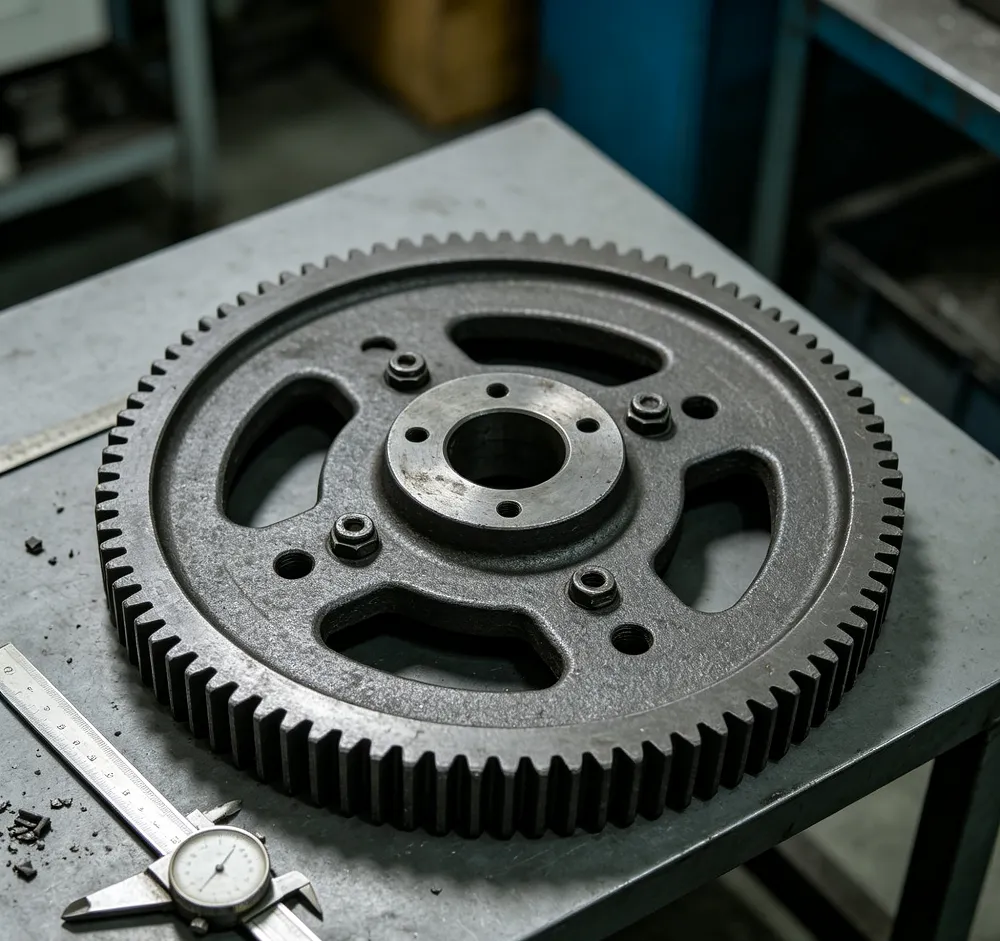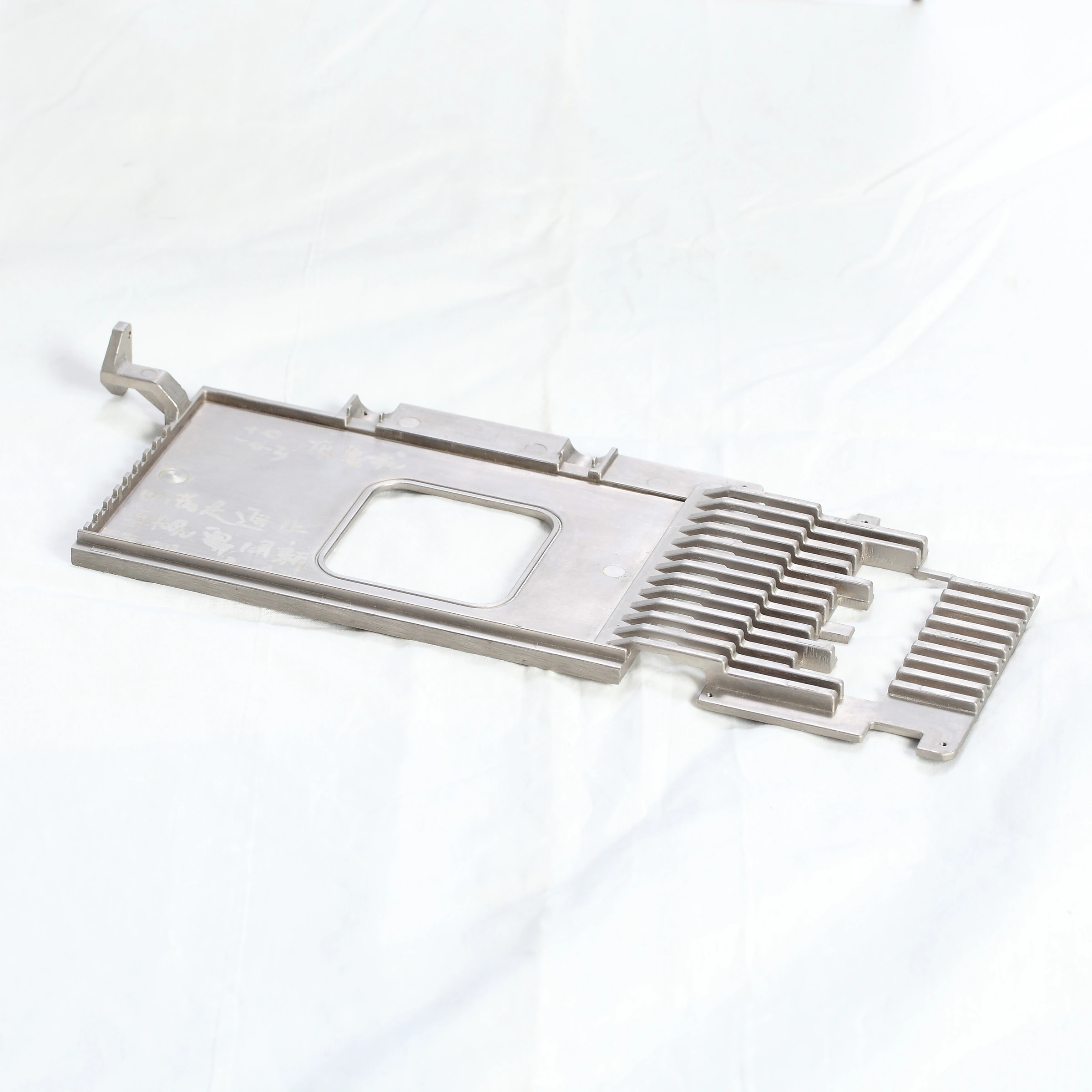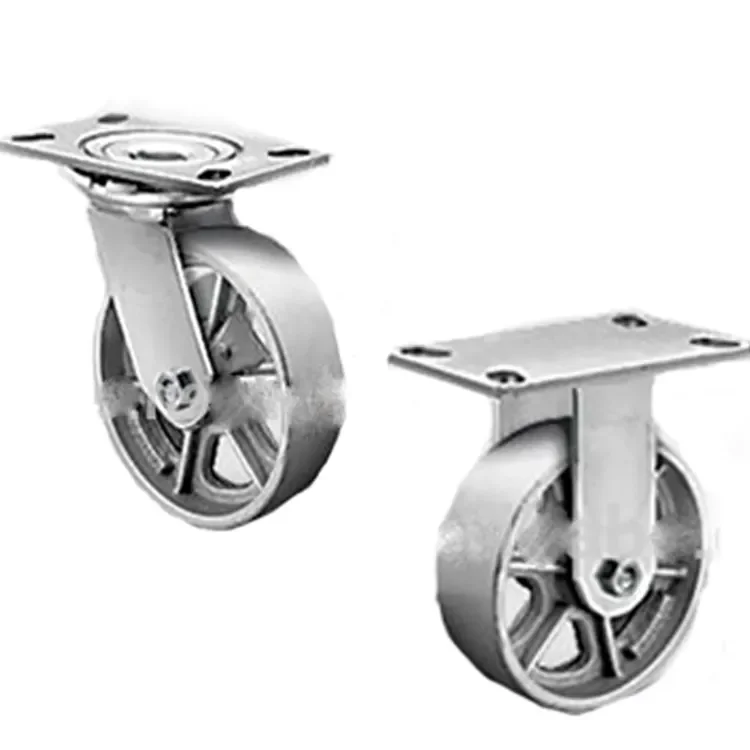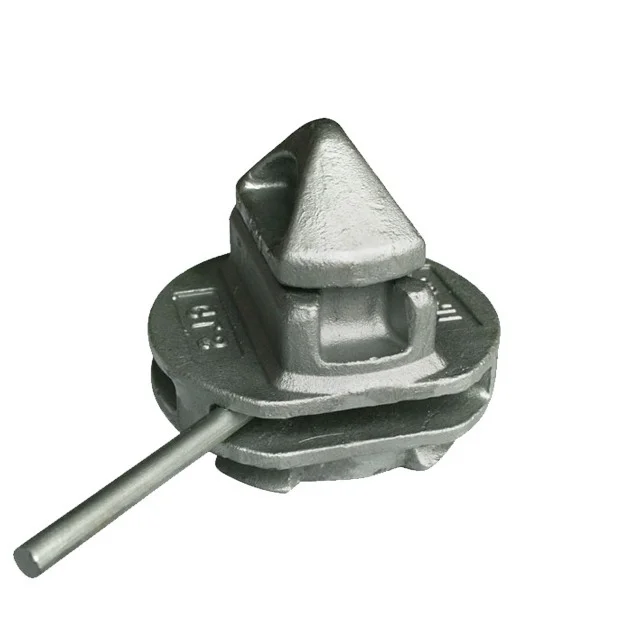
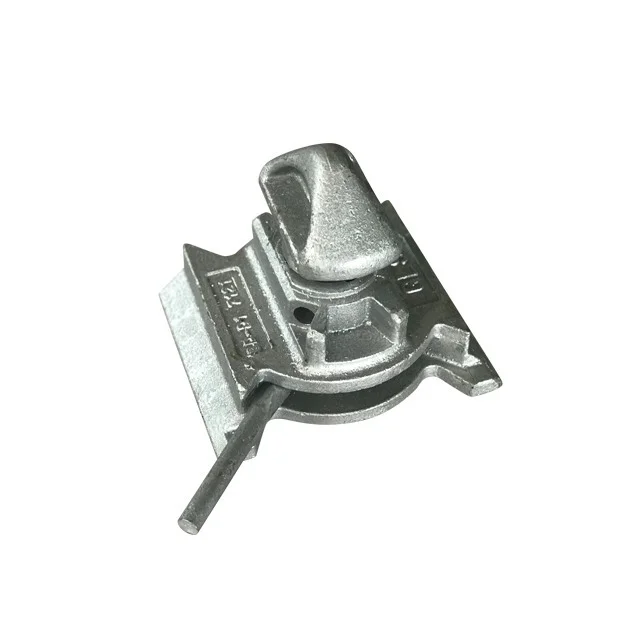
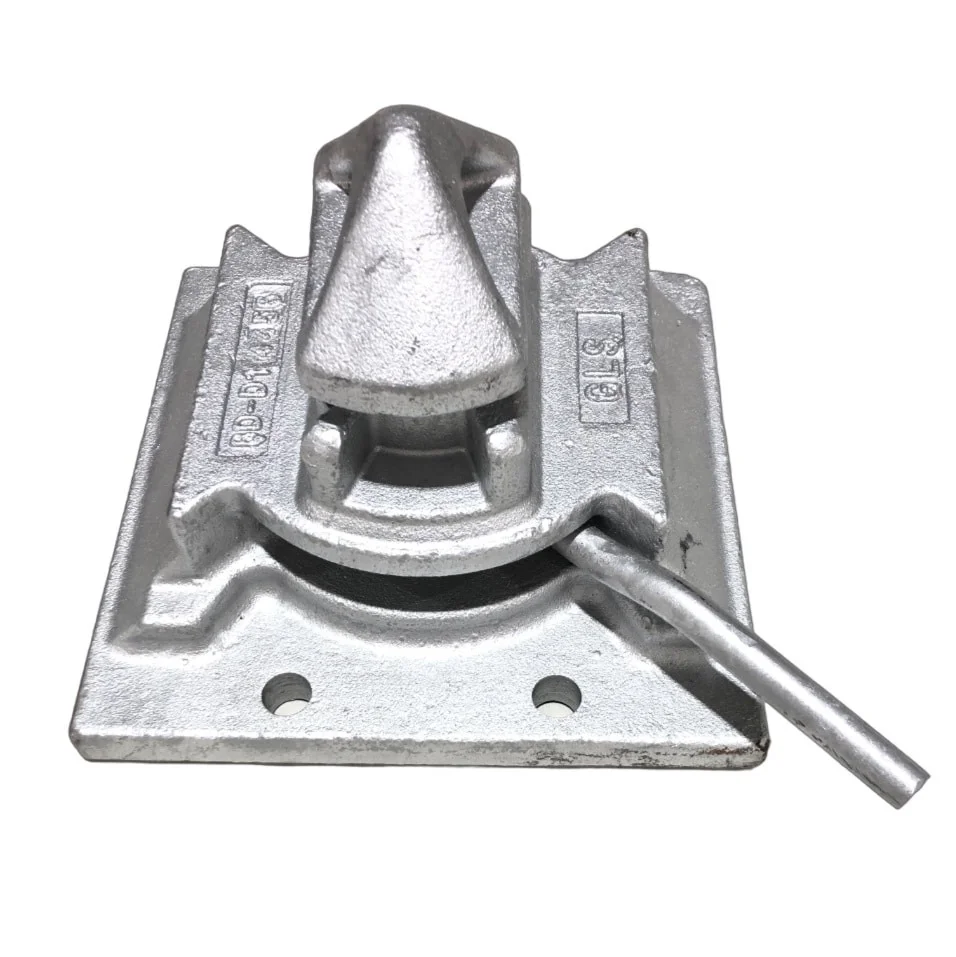
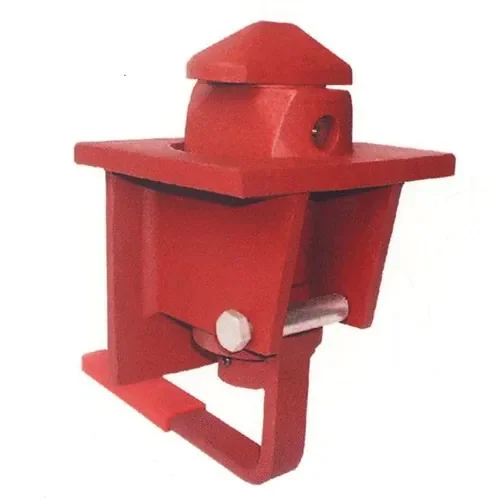
Custom Cast Steel Container Twist Lock Foundation Trailer Parts with Sand Blasting CNC Machining and Black Red Color Choices
Direct factory support
Get a quote that fits your project
Send your drawing or product reference, material grade and required quantity. Relia will review the requirements with you.
- Drawing & specification review
Confirm the supply scope and critical requirements.
- Samples before custom production
Review inspected samples before approving a batch.
- Inspection documents
Agree material and dimensional records for your part.
-
Typecontainer twistlock foundationMaterialOthers, Casting Steel
-
colorBlack or red, Customer DemandsTreatmentCasting
-
Processsand blasting, cnc machiningApplicationTrailer Parts
-
Othercan be customizedCertificationAvailable
Custom cast-steel container twist-lock foundation parts are offered for trailer and logistics applications with sandblasting and CNC machining. Specify the complete steel grade and actual foundation drawing. The selected assembly and required supplied condition should establish functional and dimensional acceptance.
Show locking, mounting and mating relationships
Identify the foundation part’s geometry within the intended trailer assembly. Mark datums and interfaces governing location, contact and connection to adjoining components. State the service duty and design-specific acceptance requirements needed to assess the actual component.
Define the CNC and blasted result
Distinguish the general cast form from surfaces requiring finished dimensions. Put dimensional limits and measurement conditions on the drawing. Define blast coverage, appearance and final contact conditions where surface work affects installation or operation.
Set color and qualification scope
Color choices are black, red or customer requirements. Identify the visible areas and appearance reference for the selected result. Qualification documentation is referenced as available; request the actual ISO document and component or supplier scope required by the order.
- Provide quantity and the controlling revision.
- Identify material and dimensional approval records.
- Explain the purpose of an initial foundation part.
- Retain approved locking and mounting geometry changes with the drawing.
Keep the selected material, CNC interfaces and surface definition attached to production acceptance so the supplied foundation component addresses the actual trailer assembly and its required duty.