Custom Ceramic Foundry Pouring Cups — Mullite-Clay and Alumina Refractory Material Enquiries
Direct factory support
Get a quote that fits your project
Send your drawing or product reference, material grade and required quantity. Relia will review the requirements with you.
- Drawing & specification review
Confirm the supply scope and critical requirements.
- Samples before custom production
Review inspected samples before approving a batch.
- Inspection documents
Agree material and dimensional records for your part.
-
MaterialAlumina CeramicShapeCylinder
-
ApplicationRefractoryTypeCeramic Parts
-
Bulk Density1.5-2.1 kg/cm3Refractoriness1500-1700°C
-
Cold Compressive StrengthHighCertificateISO9001 CE ROHS
-
Working Temperature1600 ℃FeatureLight Weight
-
SizeAs your request and drawingMOQ1 Pieces
-
UsingEasy Handing And AssemblyPackageWooden Box
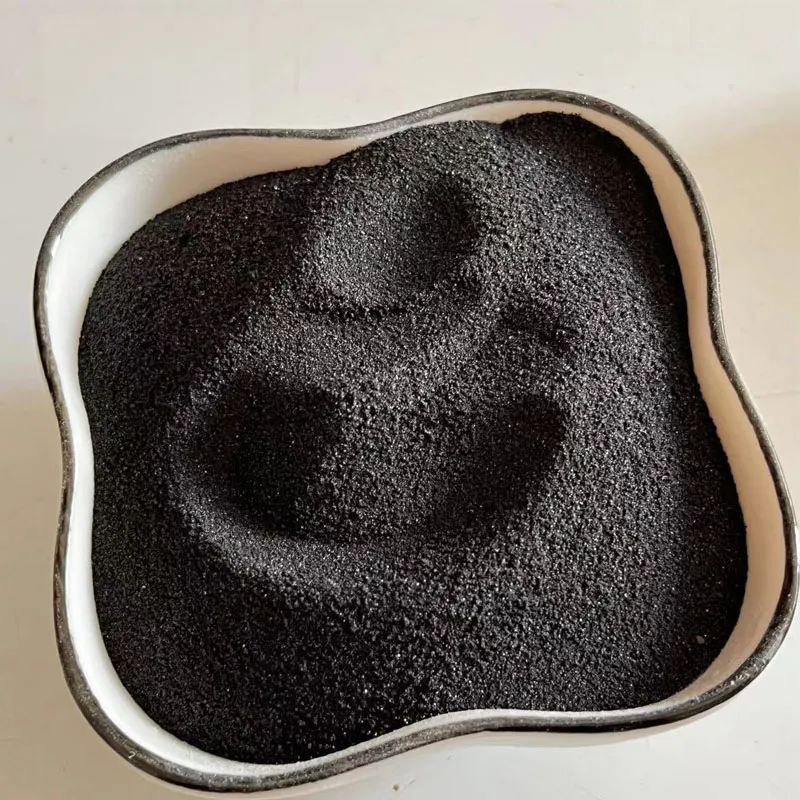
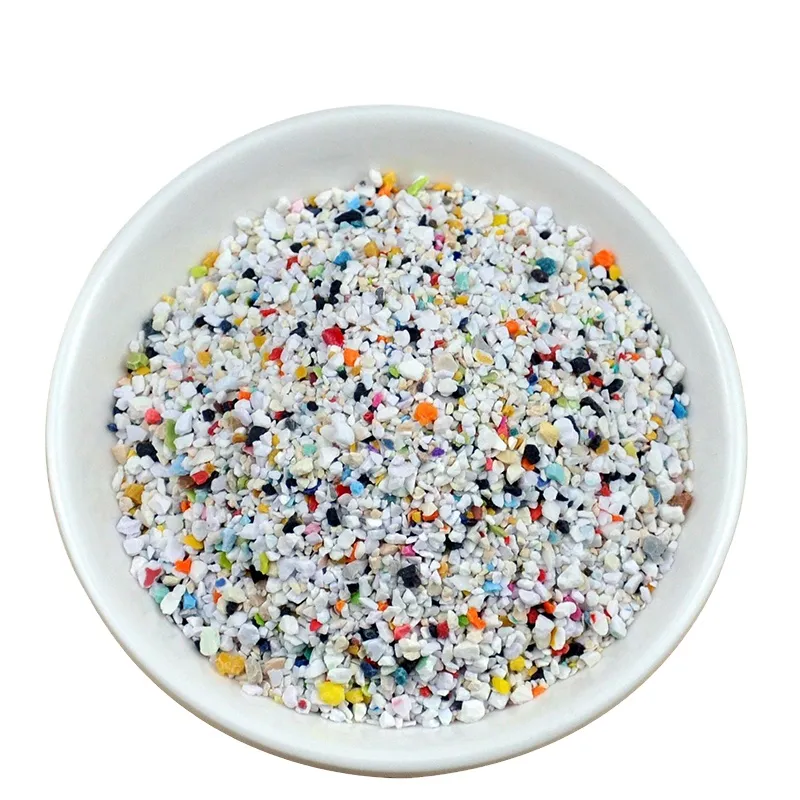
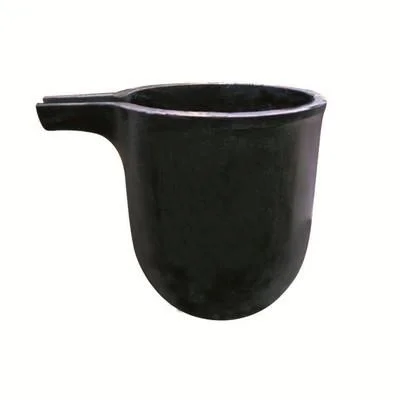
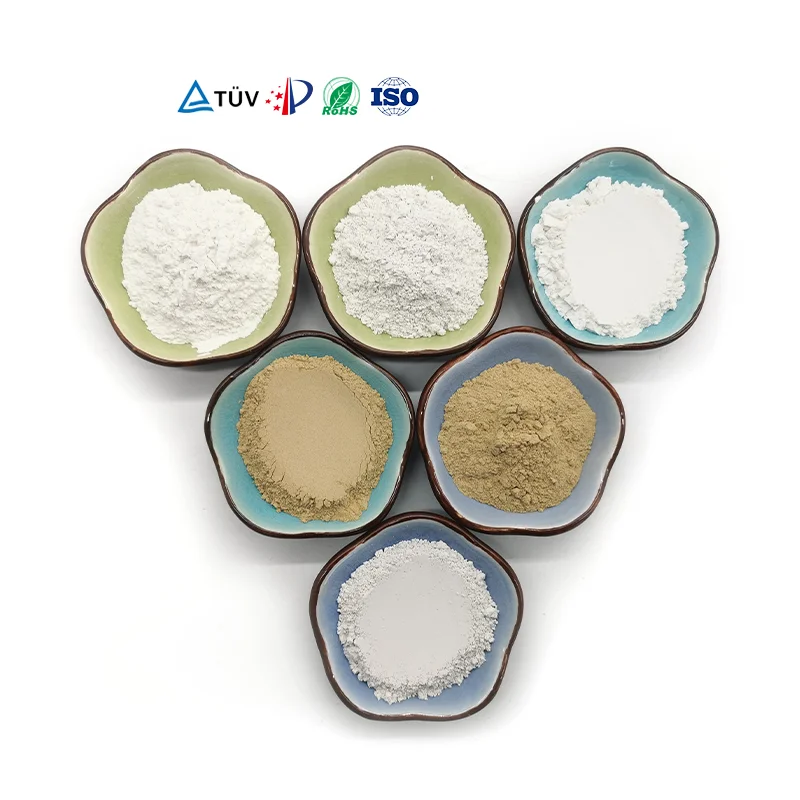
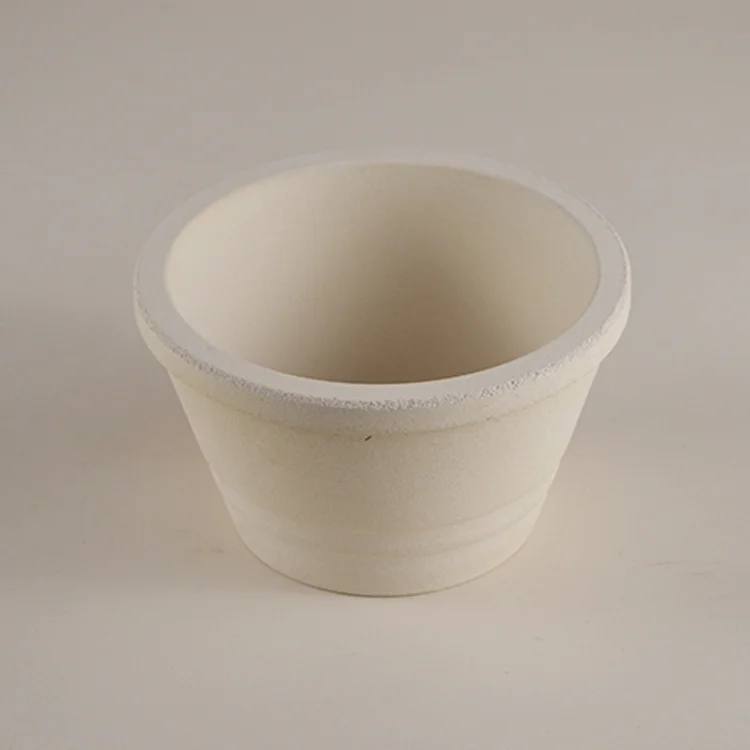
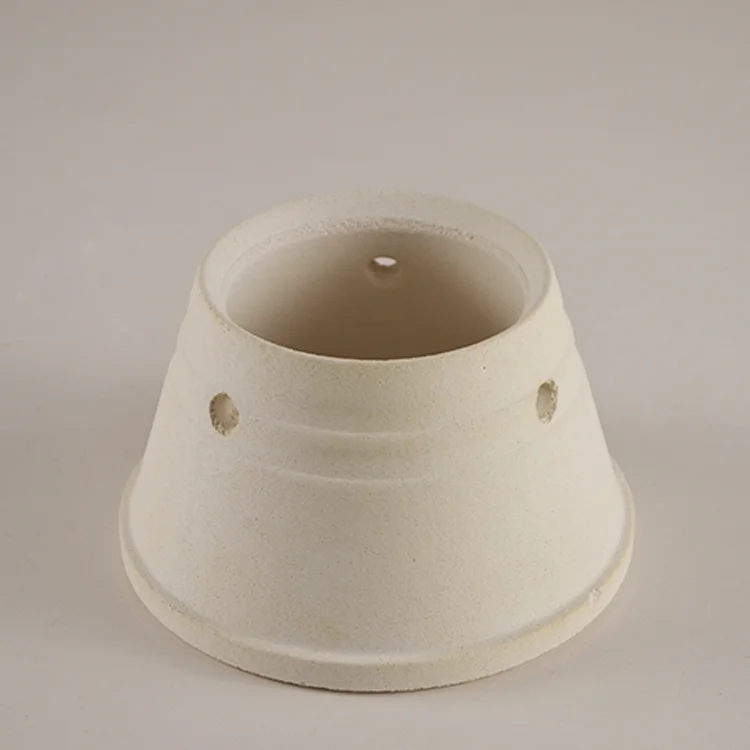
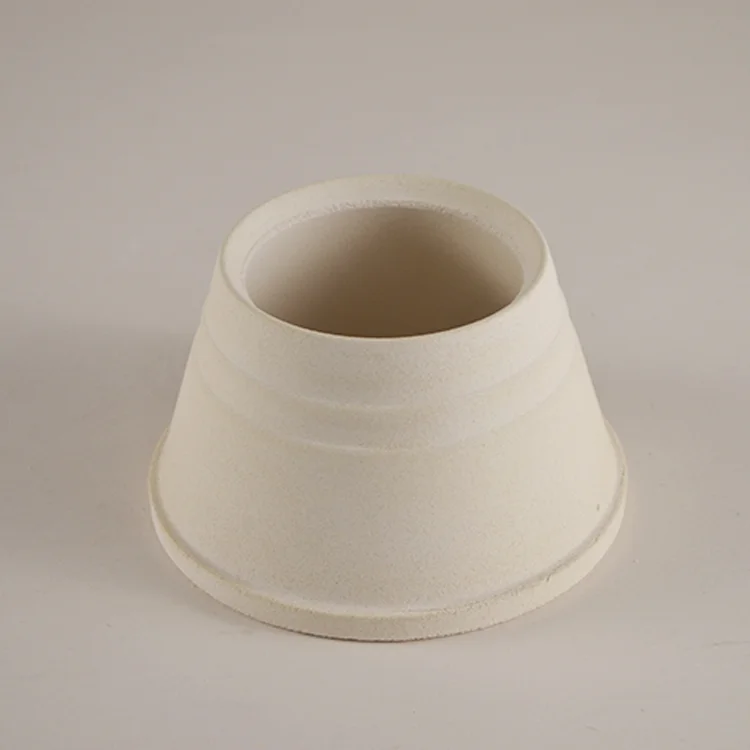
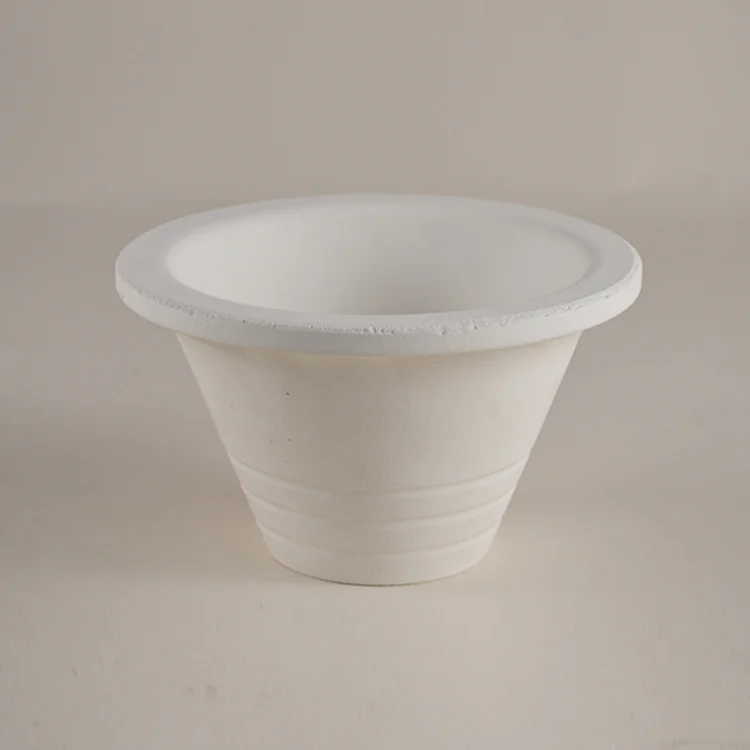
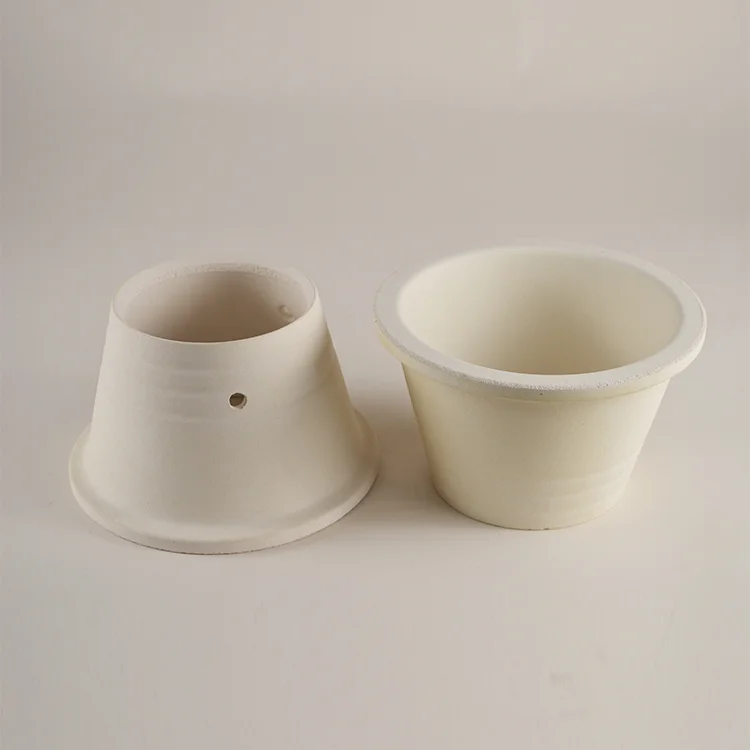
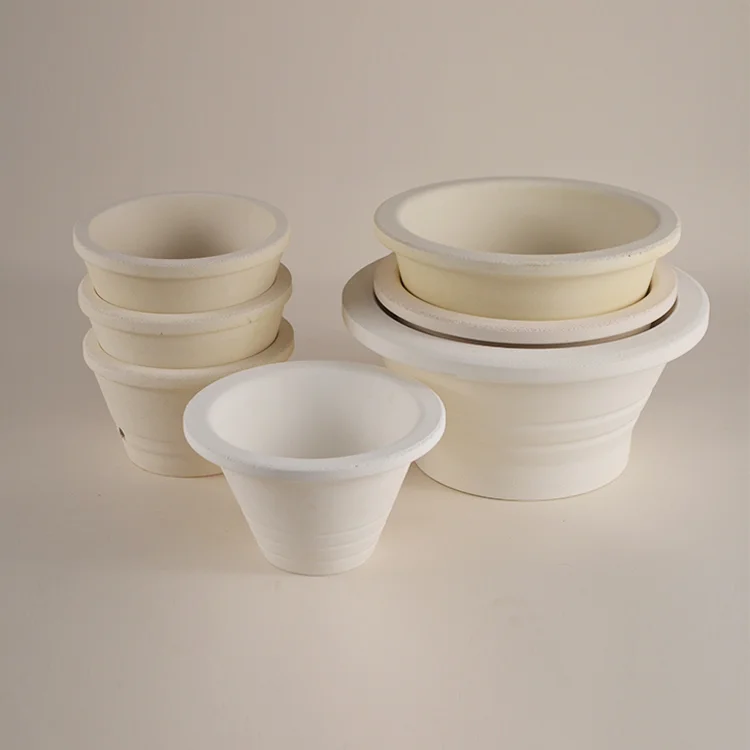
Custom ceramic pouring cups are offered for foundry casting, with a cylindrical form and dimensions based on the buyer's request and drawing. Mullite/clay and alumina-ceramic descriptions provide material-enquiry directions to resolve for the selected refractory cup and its intended pouring service.
Fit the cup to the pouring arrangement
Provide the cup drawing, connecting geometry and the casting metal being handled. Identify the surfaces that locate or connect the cup within the pouring arrangement. The item is described as lightweight and easy to handle and assemble, making these interfaces useful points to address when evaluating the chosen geometry.
Relate thermal data to the selected formulation
Refractoriness is referenced at 1500–1700 °C and working temperature at 1600 °C. Agree the actual ceramic formulation, thermal cycle and intended use when establishing acceptance for the cup. Keeping the service conditions with the chosen grade helps the thermal references support a specific purchasing decision.
Define strength and incoming acceptance
High cold-compressive strength is a named characteristic. Specify any required test value and method, and obtain bulk-density data with its correct unit for the selected material. Inspection requirements can then focus on the dimensions, ceramic condition and grade information relevant to handling and the intended pouring duty.
- Submit the cylindrical cup geometry and connection dimensions.
- Identify the pouring metal and required thermal conditions.
- Select the ceramic formulation and acceptance data.
- State quantity; the minimum order is one piece.
- Agree wooden-box packing and applicable ISO9001, CE or RoHS documentation scope.