Foundry Bentonite Binder and Industrial Diatomaceous-Earth Enquiries — 20, 60 and 100 Mesh Selections
Direct factory support
Get a quote that fits your project
Send your drawing or product reference, material grade and required quantity. Relia will review the requirements with you.
- Drawing & specification review
Confirm the supply scope and critical requirements.
- Samples before custom production
Review inspected samples before approving a batch.
- Inspection documents
Agree material and dimensional records for your part.
-
ApplicationAgricultureProduct NameDiatomaceous Earth
-
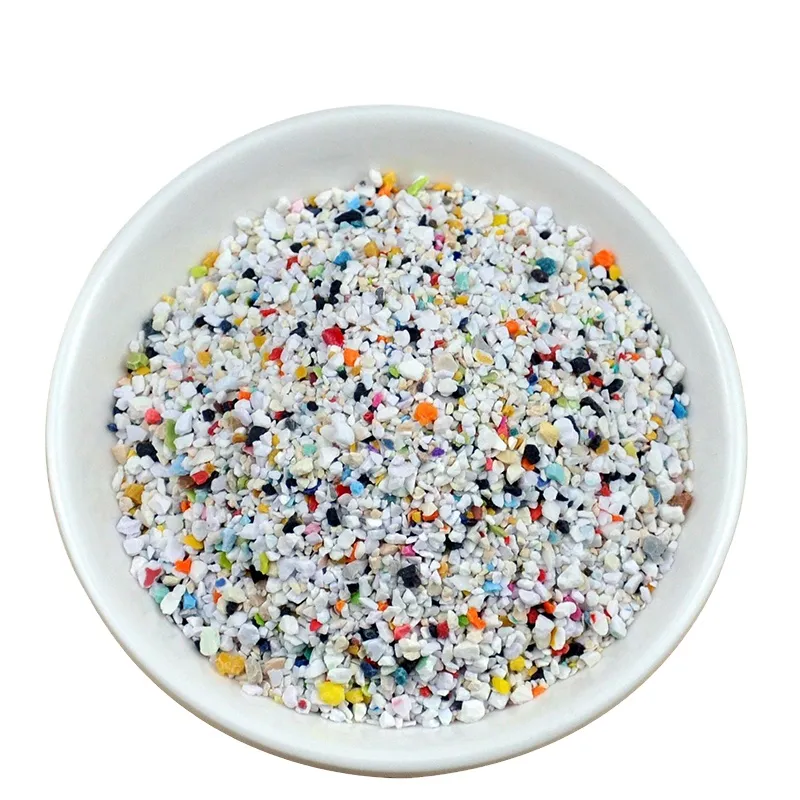
ColorWhiteShapeGranule
-
SizeUnequal SizeOther nameDiatom Mud Material
-
MaterialNatural Celite Diatomite Diatomaceous EarthUsageEnamel
-
GradeIndustrial GradeFeatureHigh Silica
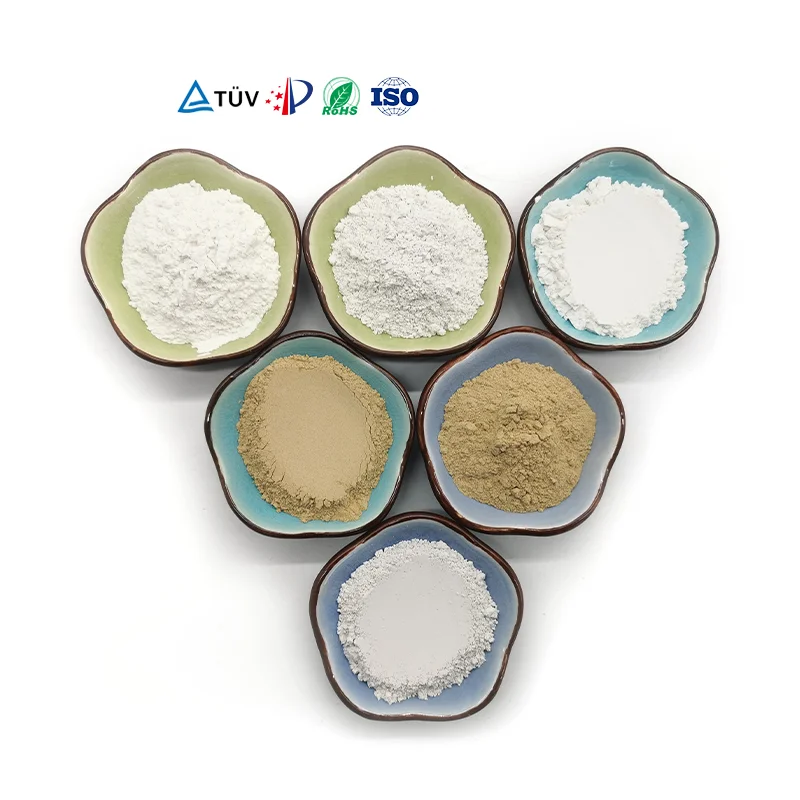
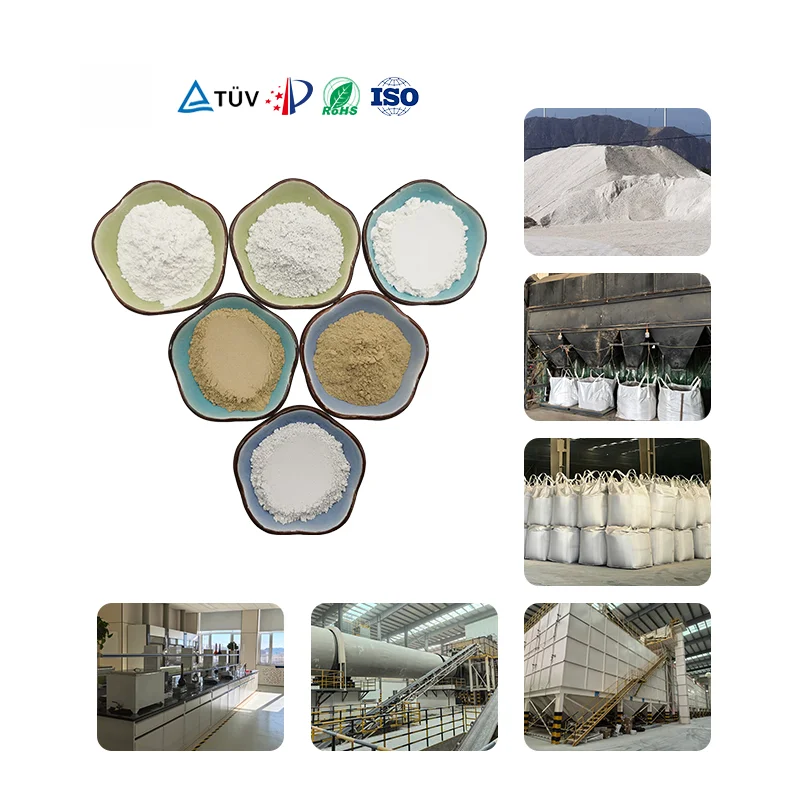
Select the mineral and its intended application before ordering from this enquiry. Foundry bentonite for metal-casting sand binding and industrial diatomaceous-earth material are distinct requests. Available size-option labels are 20 mesh, 60 mesh and 100 mesh, with the selected grade and physical form to be established for the order.
Frame the bentonite request around the foundry sand
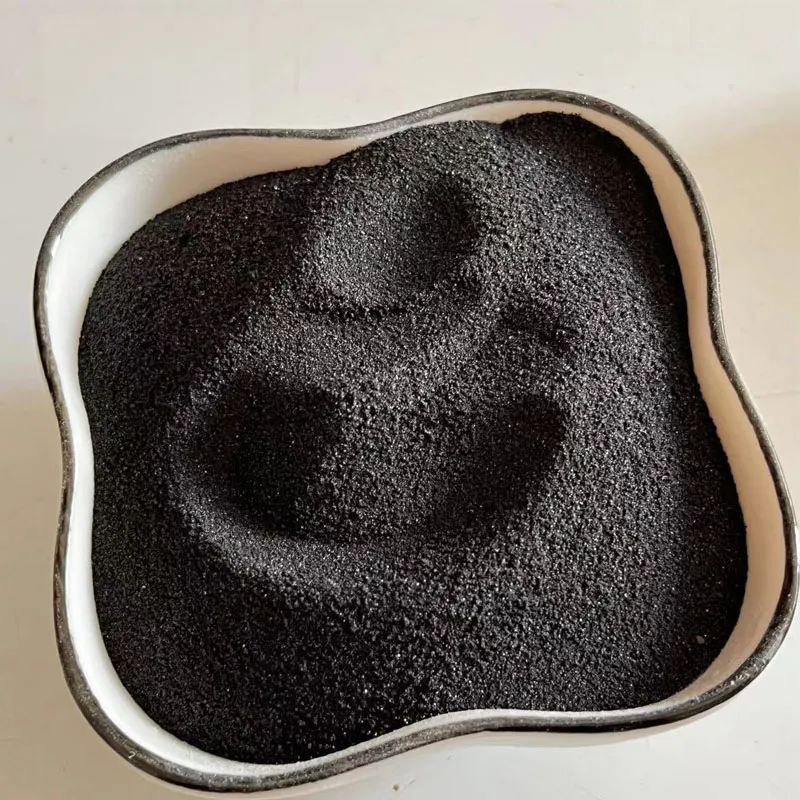
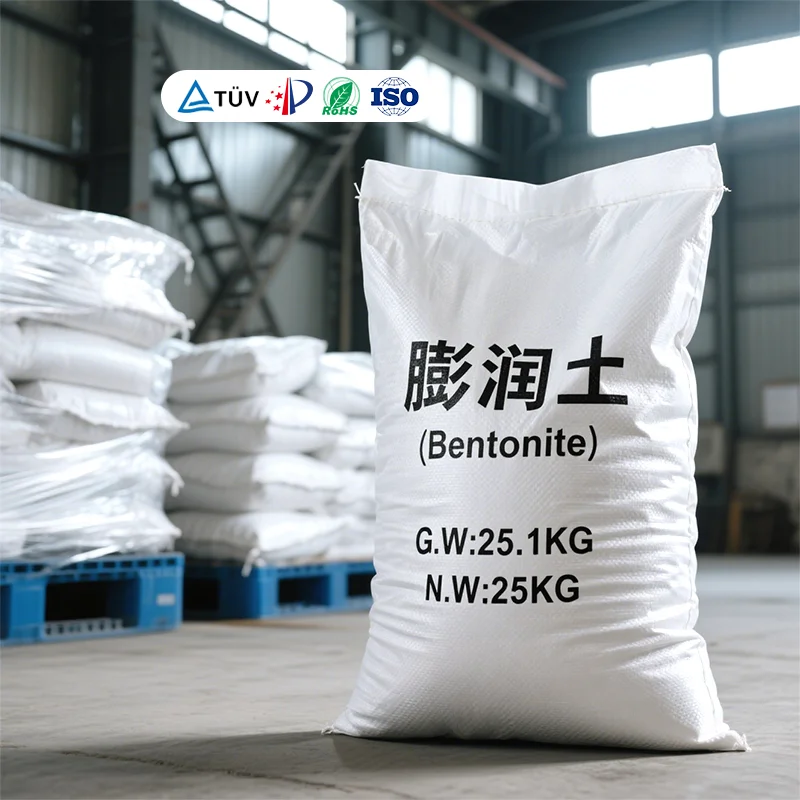
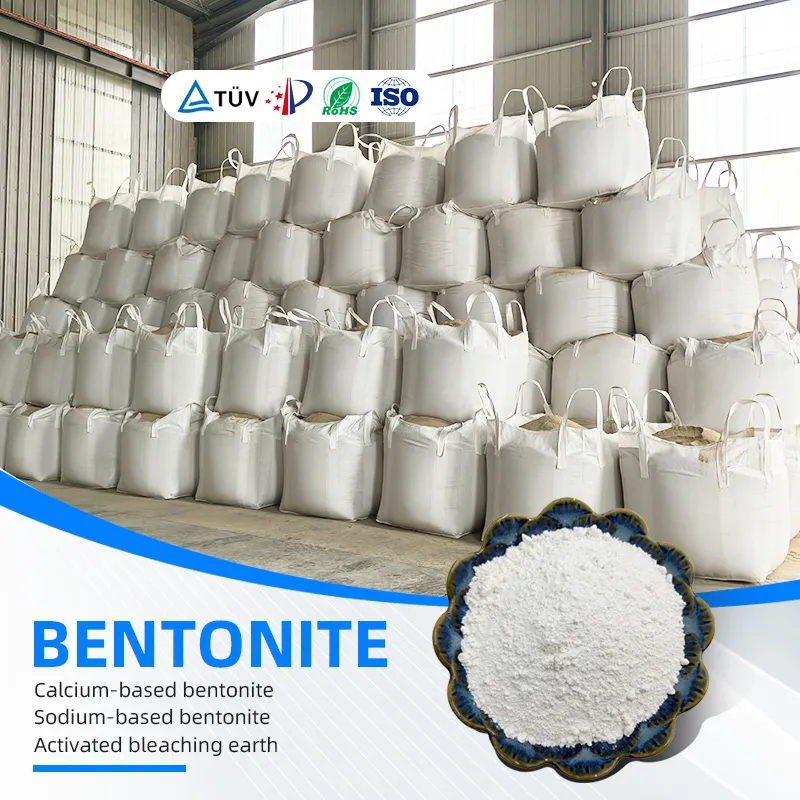
High bonding is the stated characteristic for the foundry-bentonite enquiry covering metal casting, sand molds and metallurgy. Describe the sand system and the material properties needed for evaluation. Identify the grade, physical form and acceptance data required by that process rather than selecting a binder solely from a size label.
Describe the separate diatomaceous-earth requirement
The industrial diatomite material is described as natural, white granules of unequal size and high in silica. Agriculture and enamel are named uses, with diatom-mud material given as another name. Specify the actual application and the material data needed for it so the proposed grade can be evaluated for that use.
- Identify bentonite or diatomite/diatomaceous earth as the required mineral.
- Select the size-option label relevant to the enquiry.
- Specify the required form and particle-distribution basis.
- Describe the intended foundry, agricultural or enamel use.
- State the technical properties and evaluation conditions required.
- Identify the supply quantity and documentation needs.
Align grade data with the selected material
Agree the physical form and acceptance specification for the actual mineral being purchased. Material data and sample evaluation should refer to that grade and application. Keeping these mineral requests separate gives the purchase specification a clear identity and avoids transferring a foundry-binder requirement to an unrelated diatomite use.