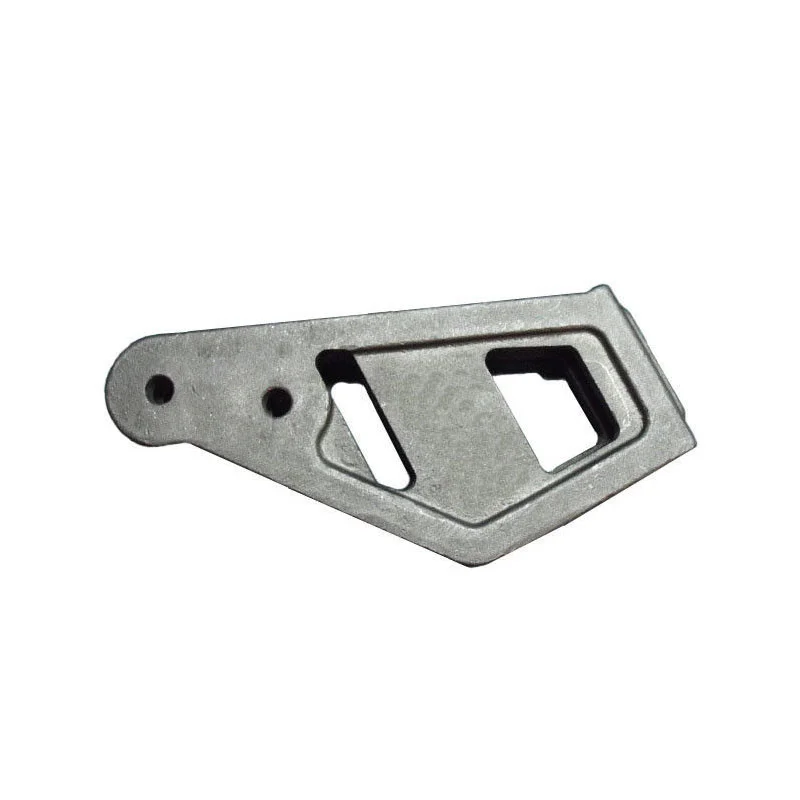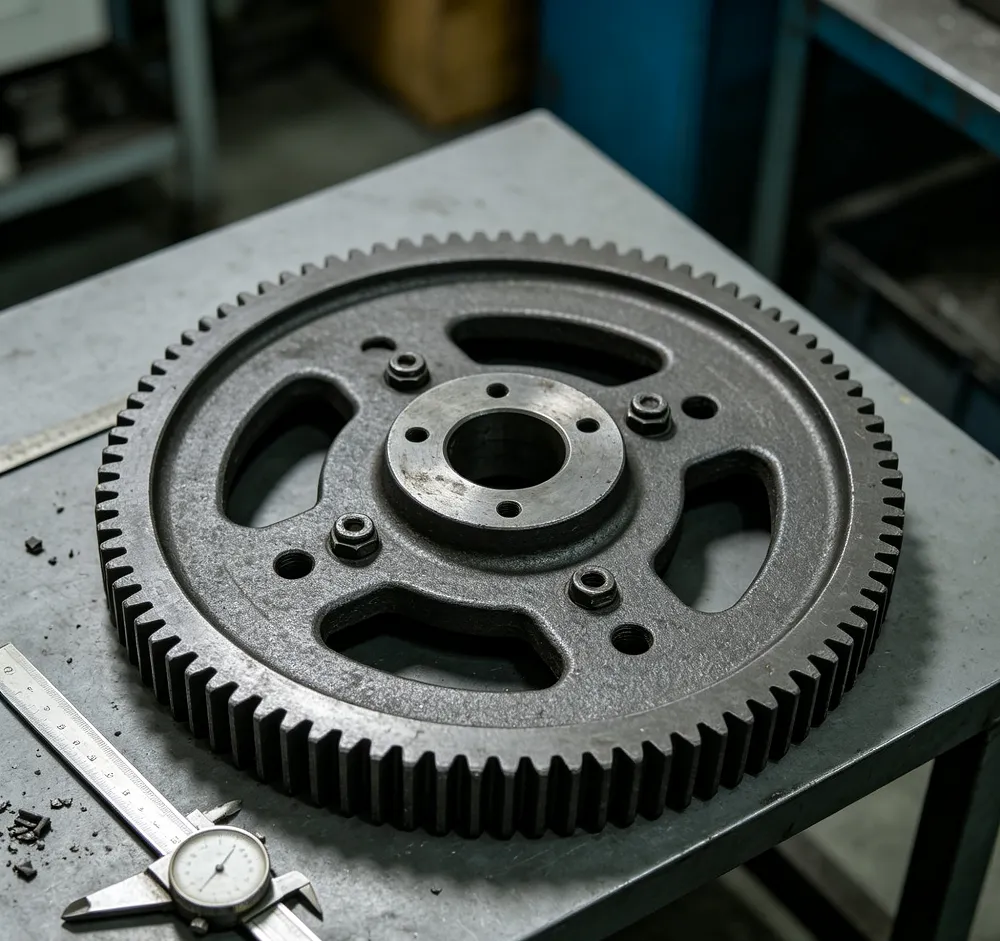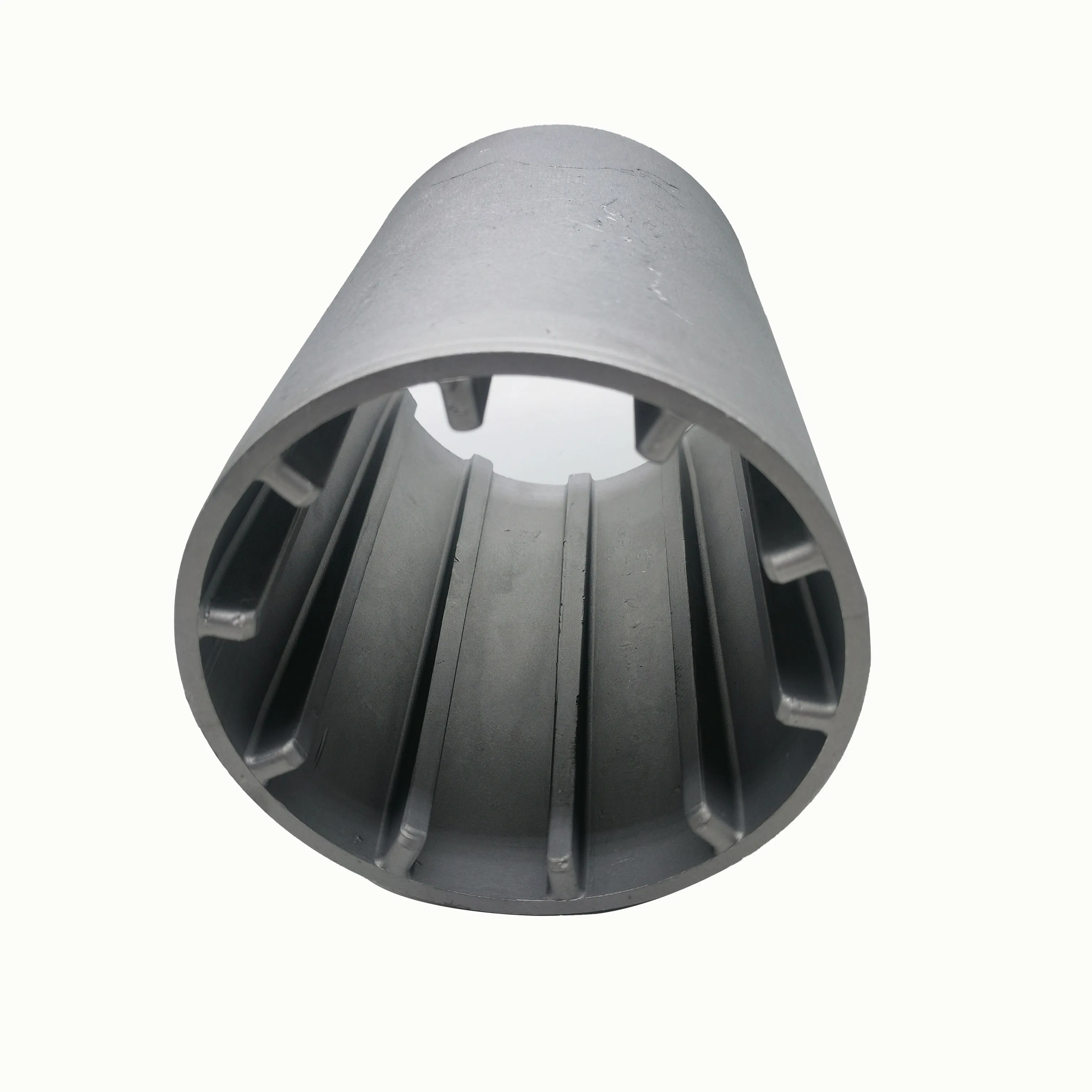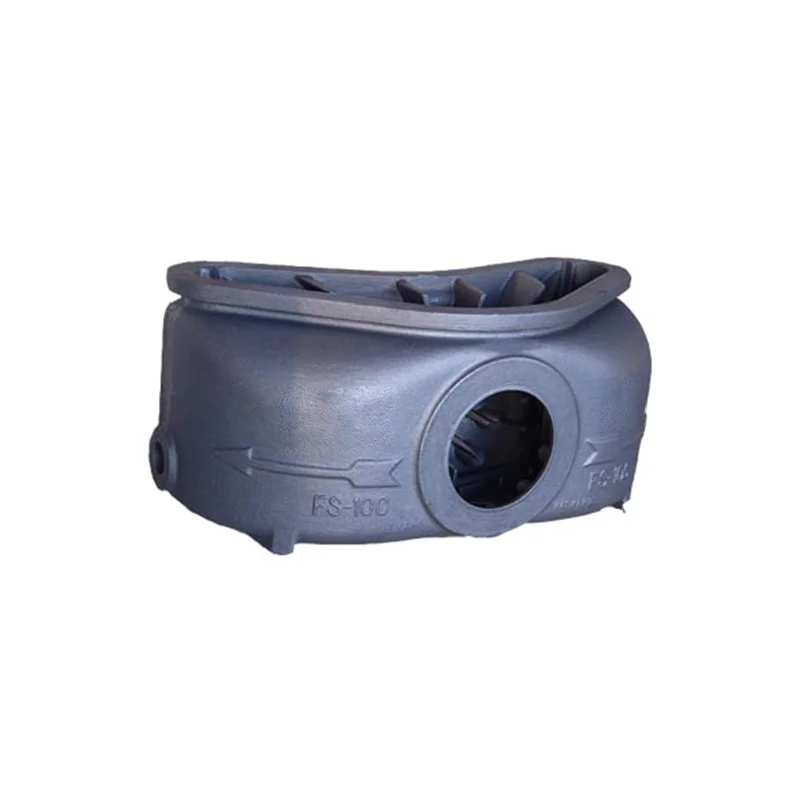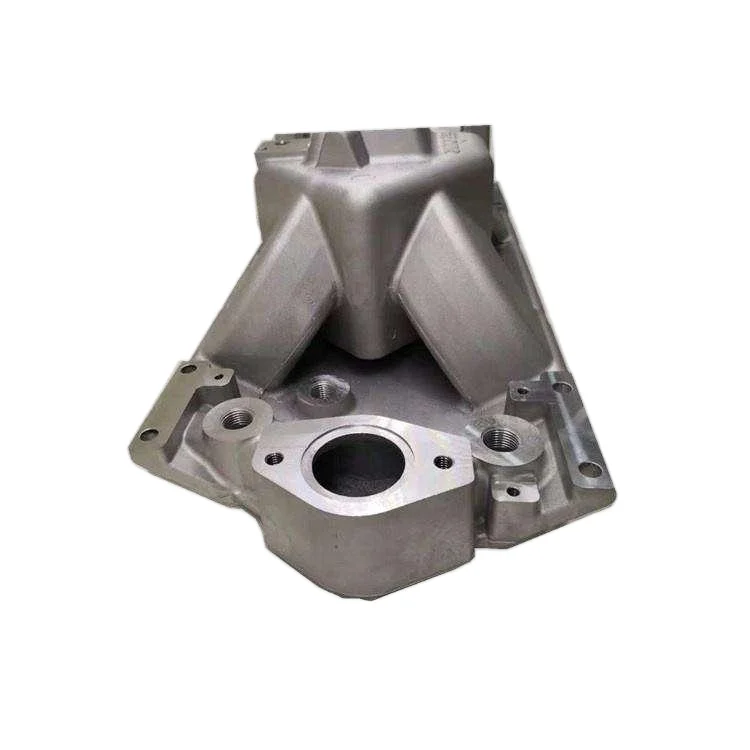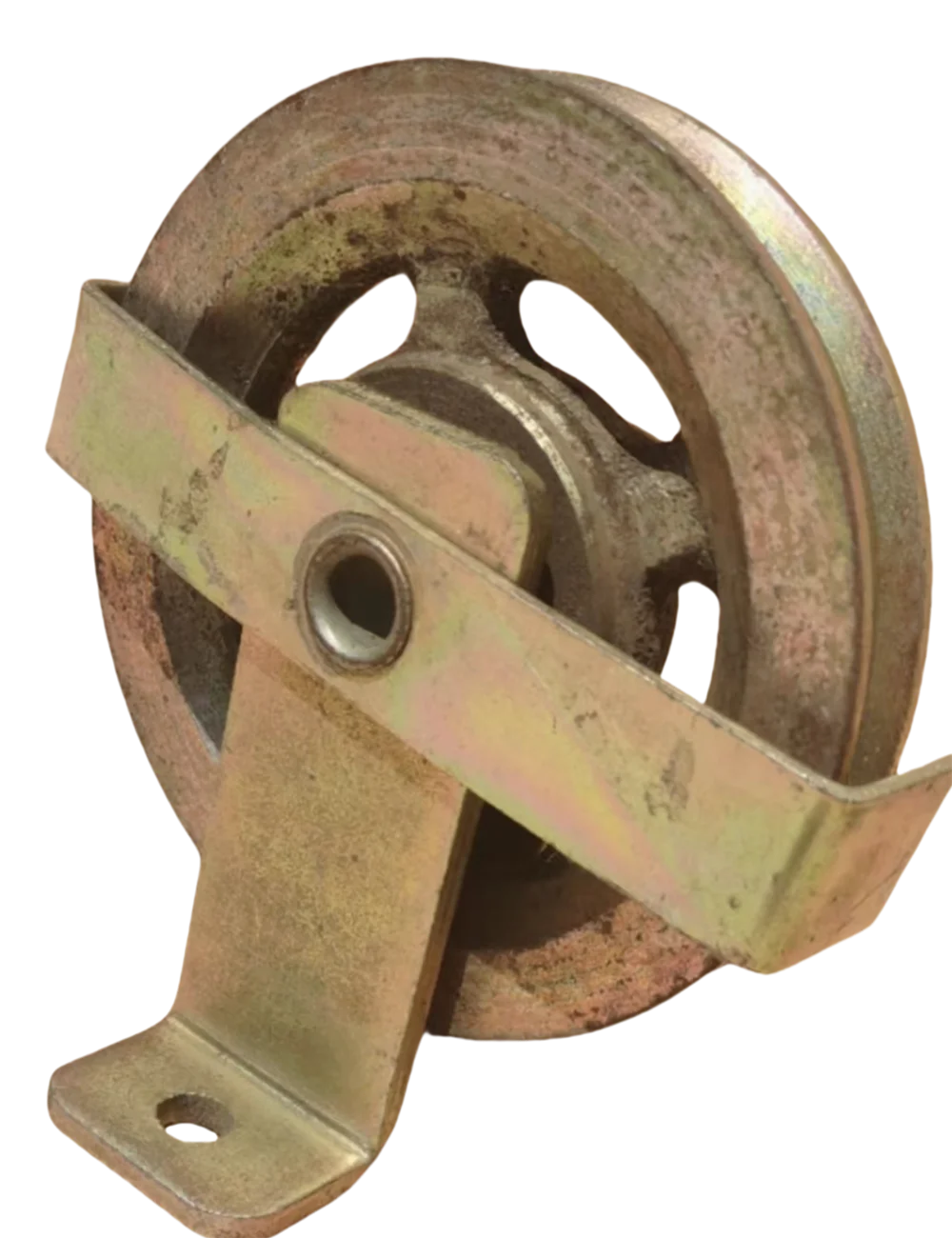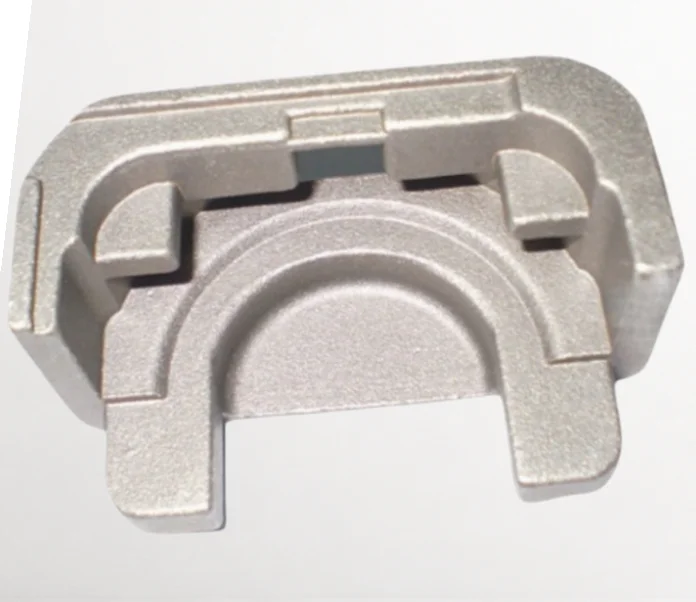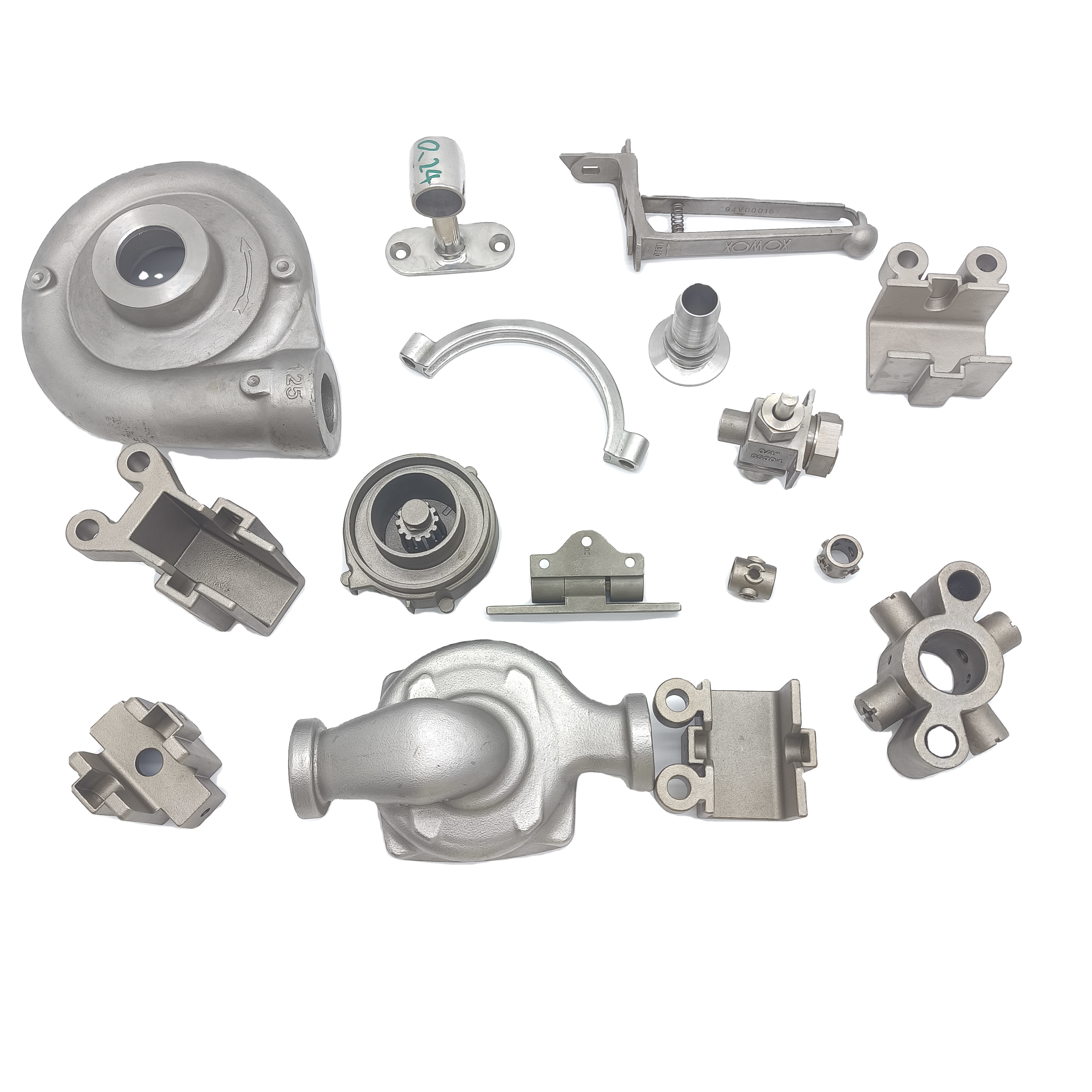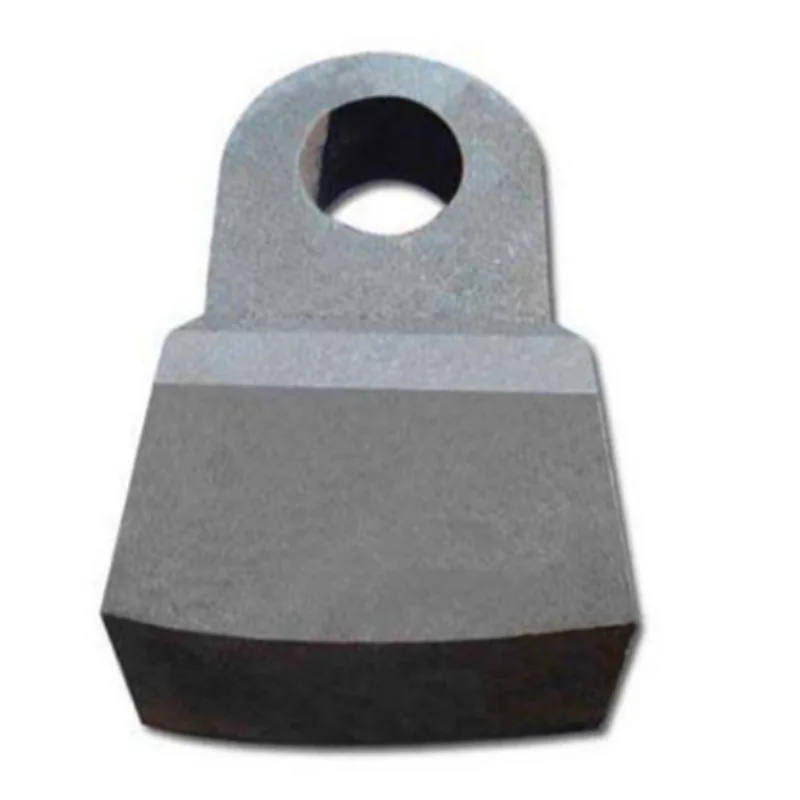
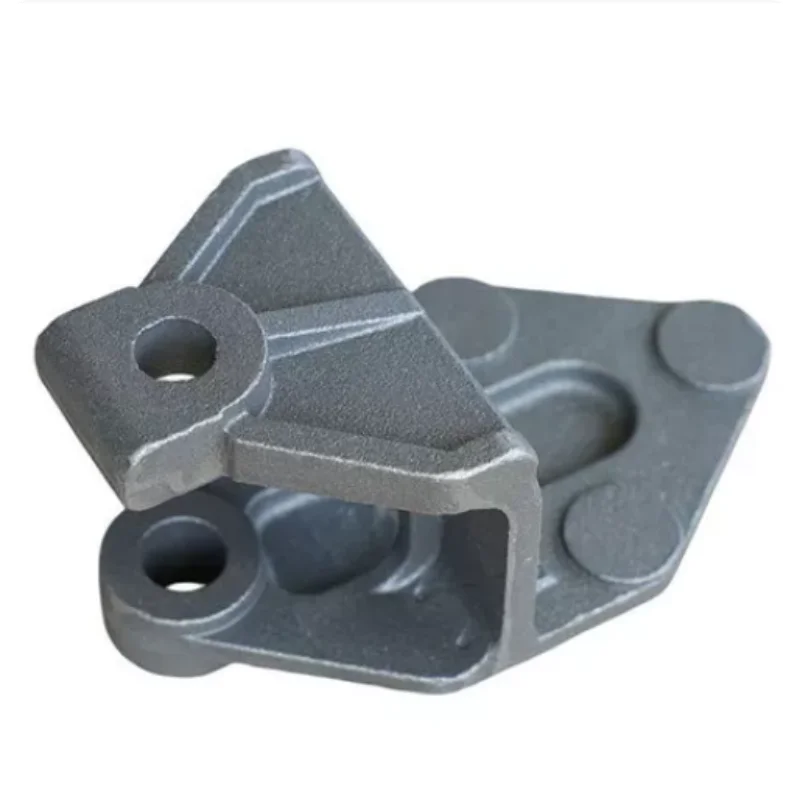
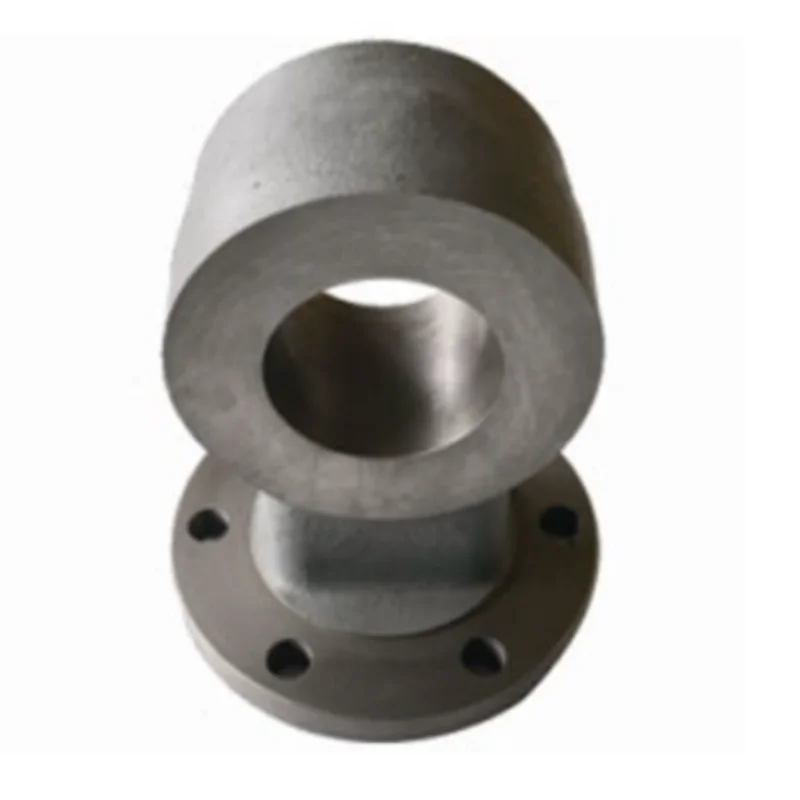
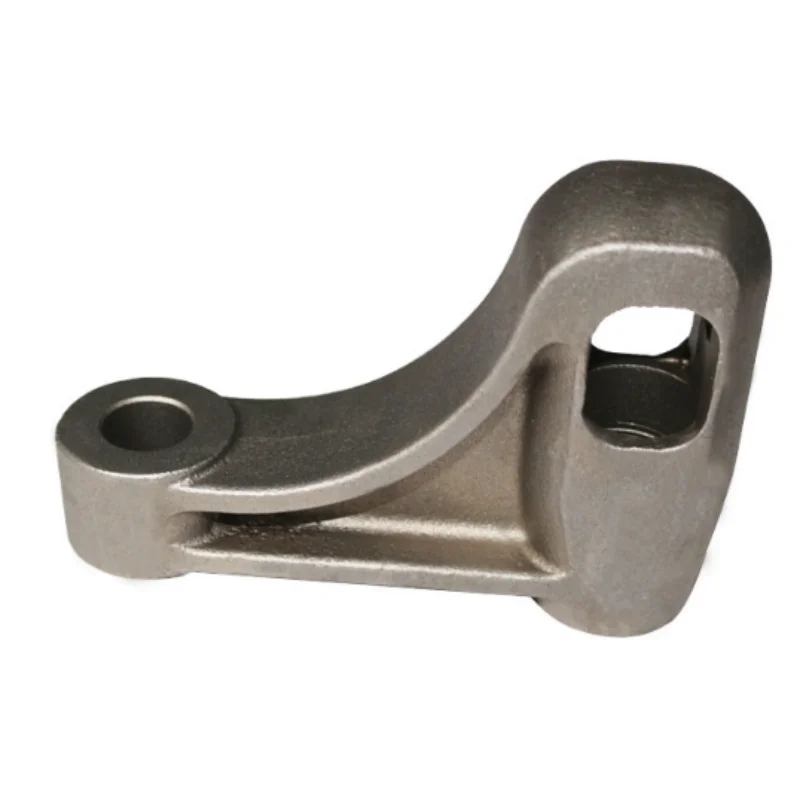
Custom Gray Ductile Iron Sand Cast Engineering Heavy Machinery Components with CNC Machining Shot Blasting and Oiling
Direct factory support
Get a quote that fits your project
Send your drawing or product reference, material grade and required quantity. Relia will review the requirements with you.
- Drawing & specification review
Confirm the supply scope and critical requirements.
- Samples before custom production
Review inspected samples before approving a batch.
- Inspection documents
Agree material and dimensional records for your part.
-
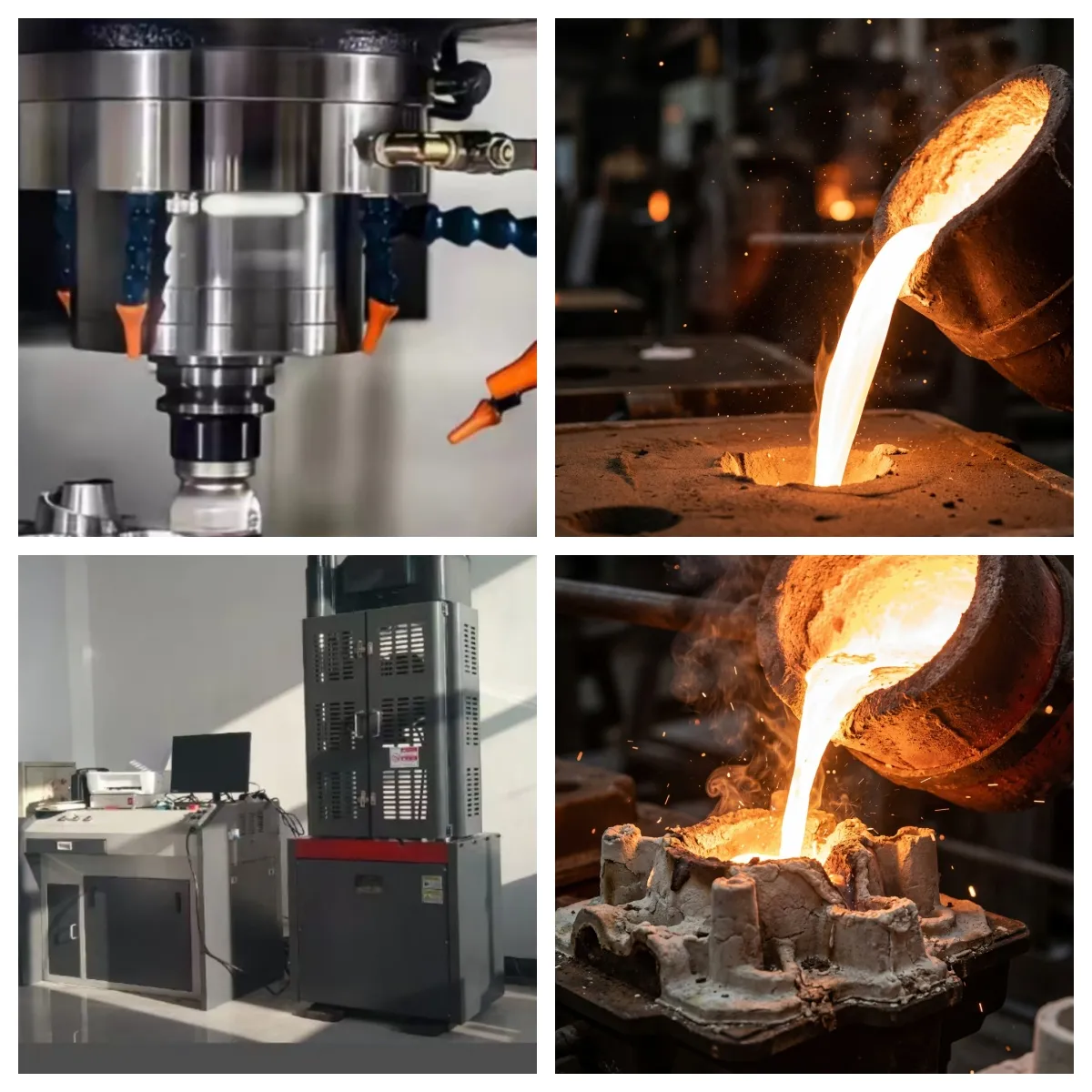
MaterialDuctile Iron / Gray Cast IronProduction ProcessSand Casting, Cast Iron Forming
-
Casting ToleranceCT9-11 Casting Tolerance for Grey Cast Iron PartsMachining ProcessCNC Machining, Drilling, Milling, Boring, Tapping, etc.
-
Packaging MethodMulti-layer wooden case with large inner plastic bagLead Time40 to 50 days, subject to final confirmation per actual product.
-
Our ServiceCustom metal parts as per drawings/samples.Surface TreatmentShot Blasting, Oiling, etc., customizable as per customer requirements
Engineering and heavy-machinery components can be requested as gray- or ductile-iron sand castings with CNC machining. Work follows drawings or samples. Specify the full iron grade and the component’s role in the machine, with the supplied condition and functional surfaces clearly identified.
Separate the gray casting from its finished interfaces
The CT9–11 casting-tolerance reference applies to gray cast-iron parts. Define its drawing scope separately from dimensions accepted after machining. A ductile-iron request needs its own agreed casting requirements for the chosen grade and geometry.
Assign machining to the assembly requirements
Named work includes CNC machining, drilling, milling, boring and tapping. Mark the operations needed for locating faces, fitted openings and connections to neighboring parts. Show the datum system and any allowance information required to explain the intended finished geometry.
- Identify the controlled drawing revision.
- State the number of components required.
- Distinguish cast surfaces from finished interfaces.
- Define dimensional and material approval records.
- Mark surfaces needing particular protection.
Connect surface condition and packing
Shot blasting, oiling and other customer-requested treatments are available surface enquiries. Describe the actual coverage and delivered condition required at working or contact areas. Packing uses a multi-layer wooden case with a large inner plastic bag; specify protection needed for finished faces and edges. Align sample approval with those requirements so the component’s accepted state remains clear through the production order.