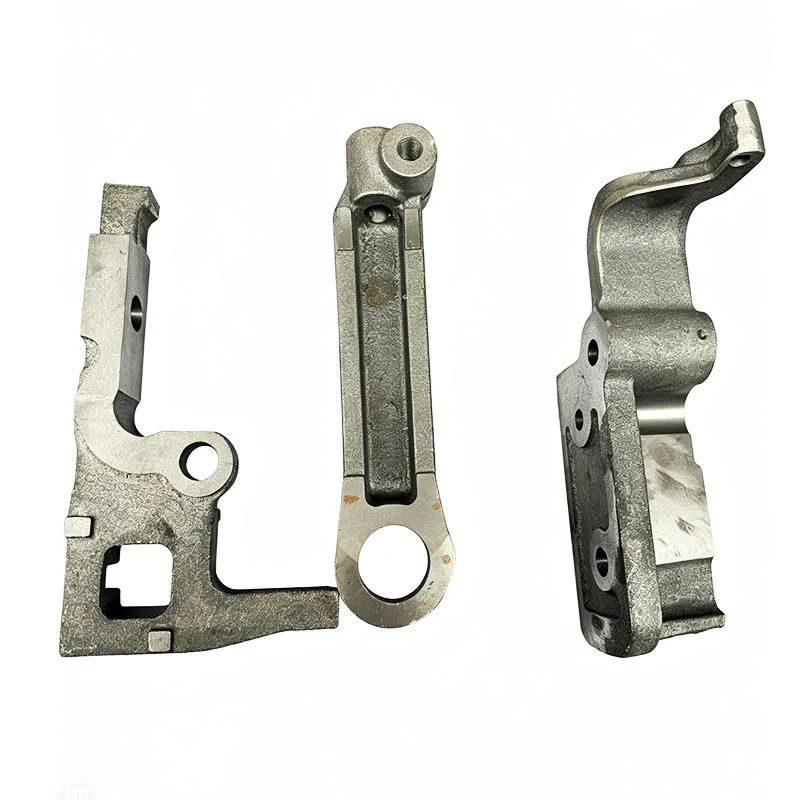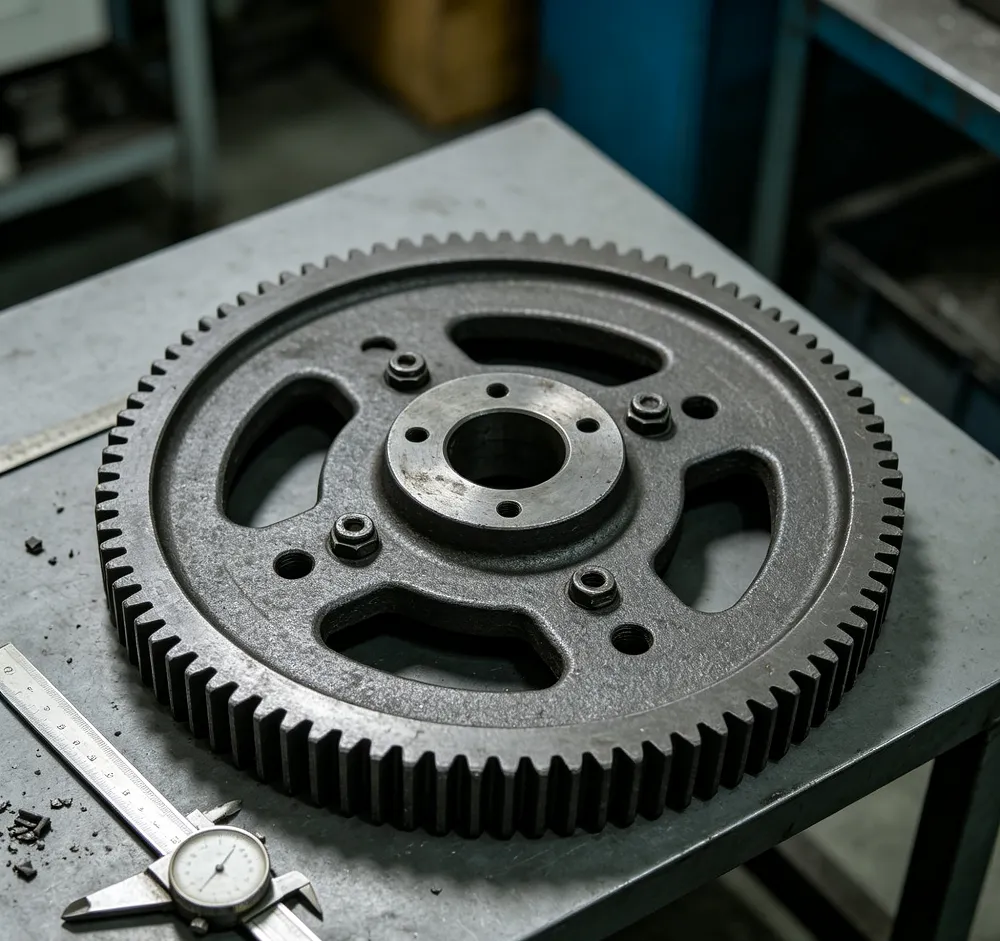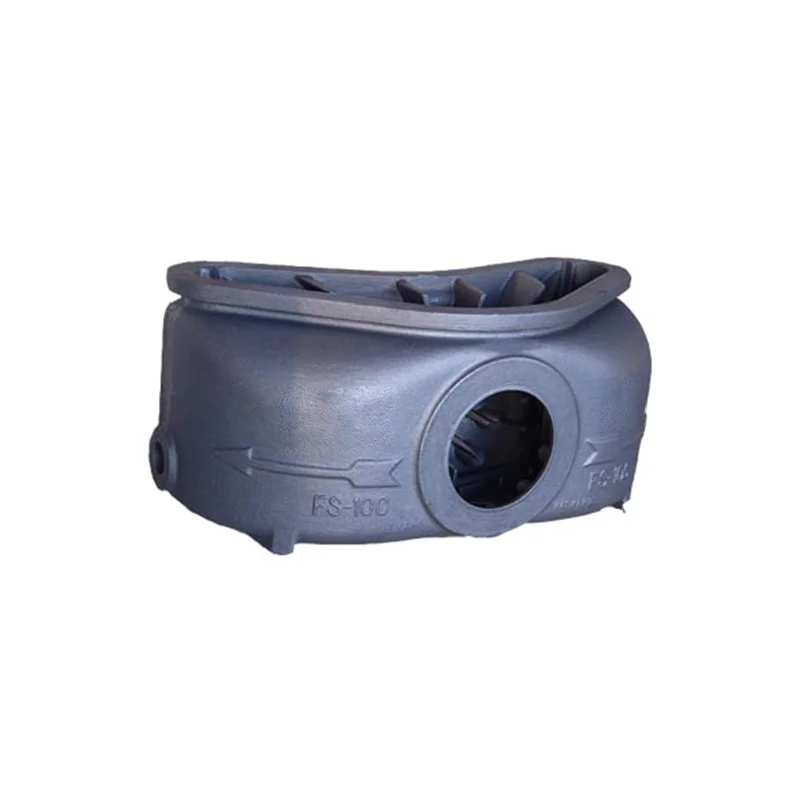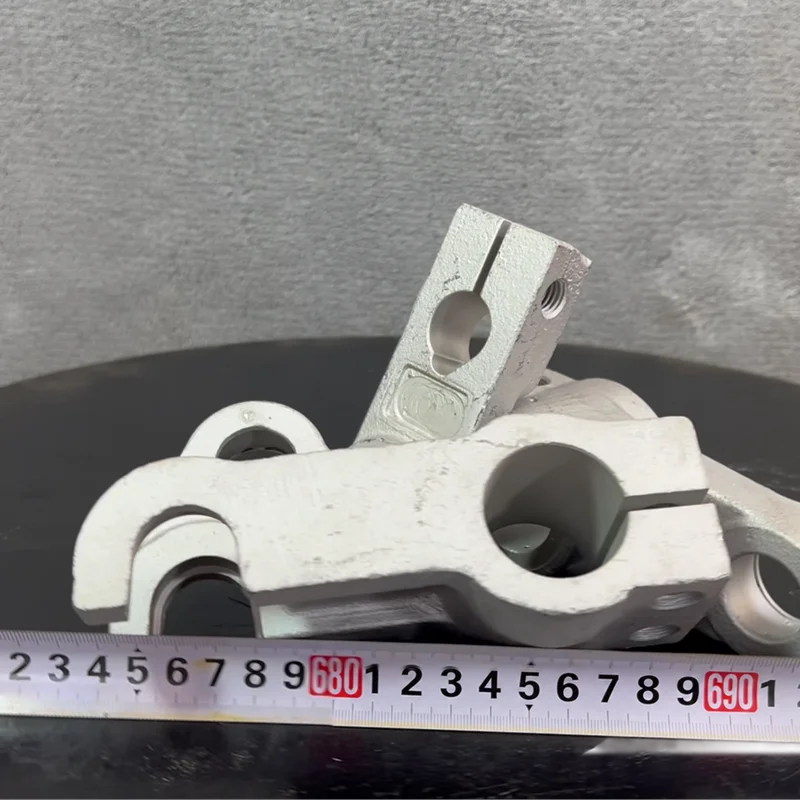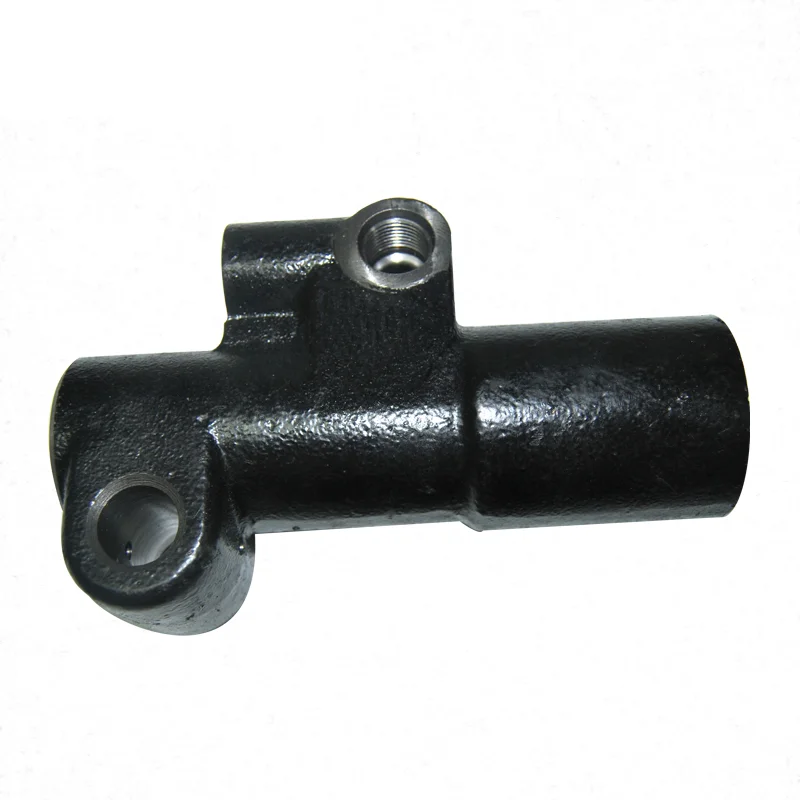
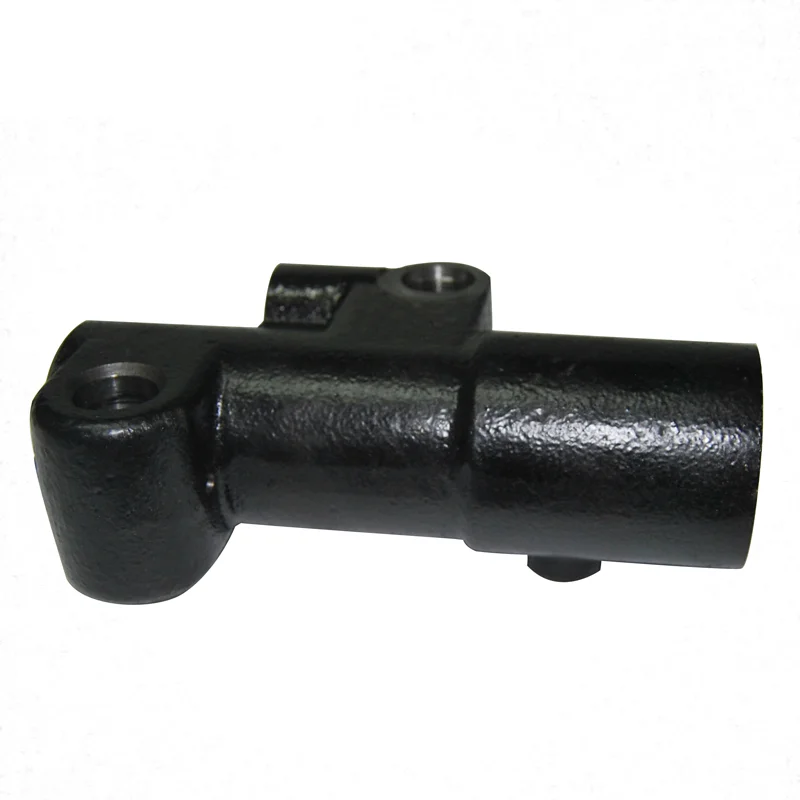
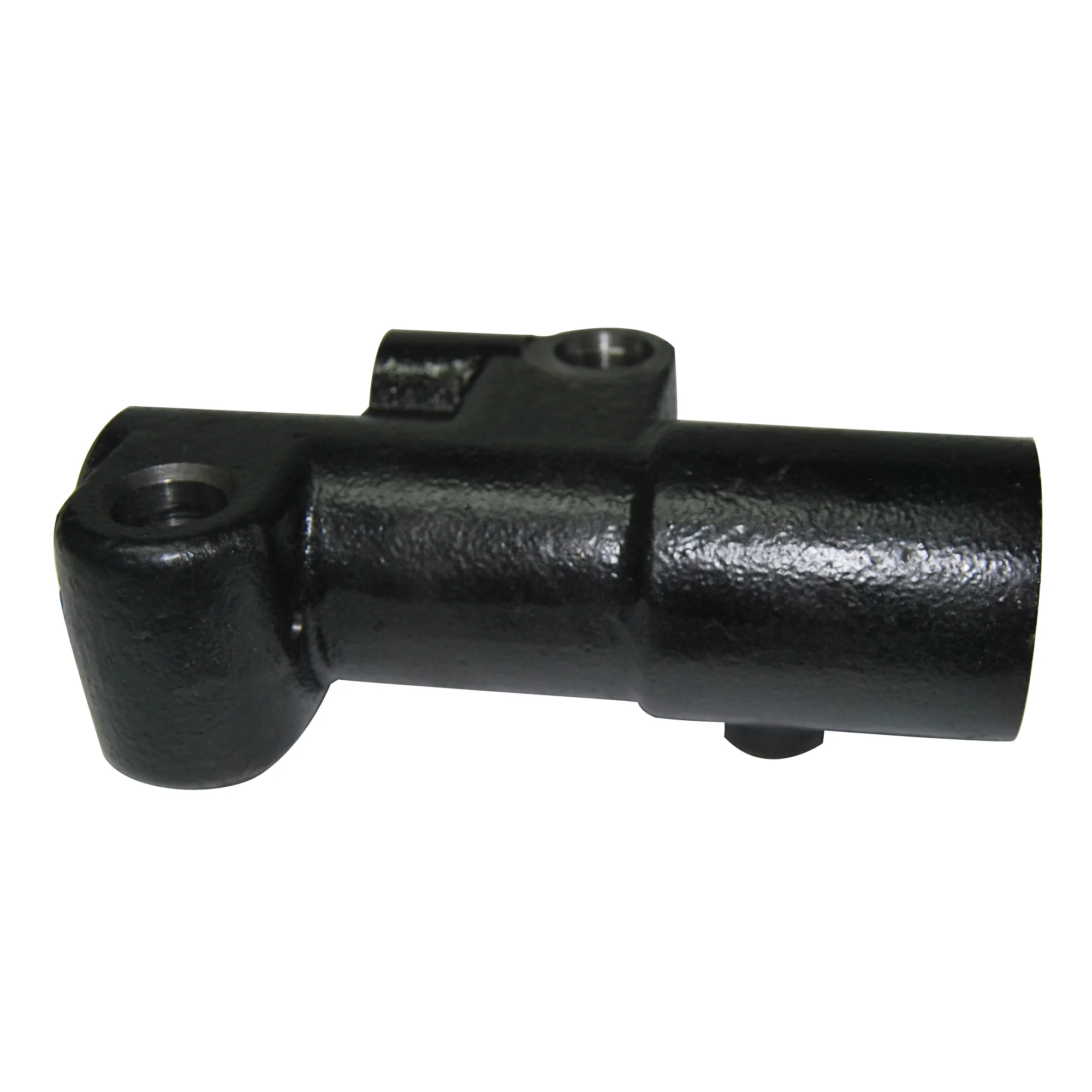
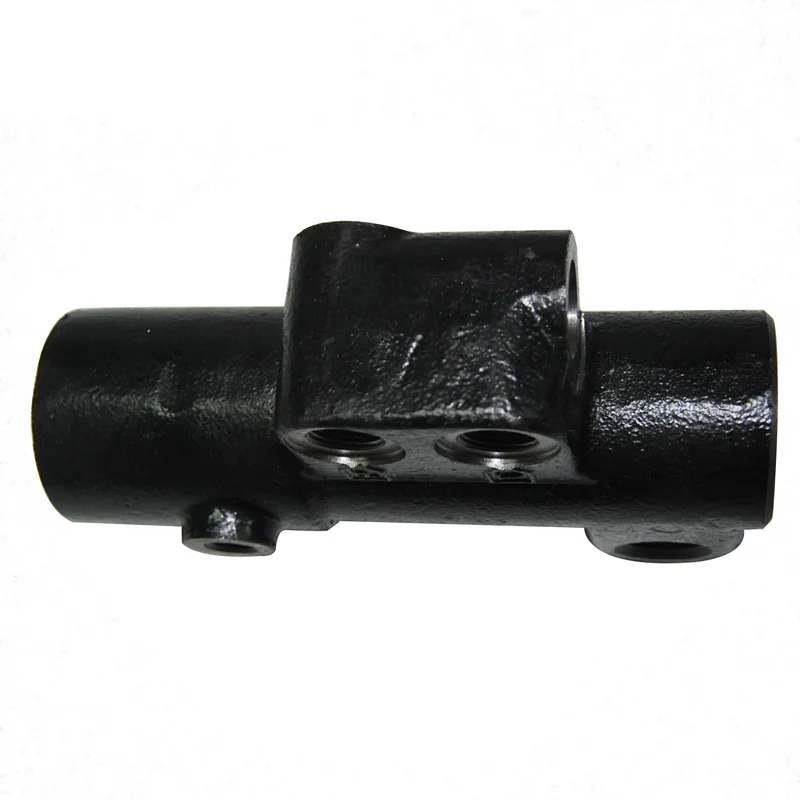
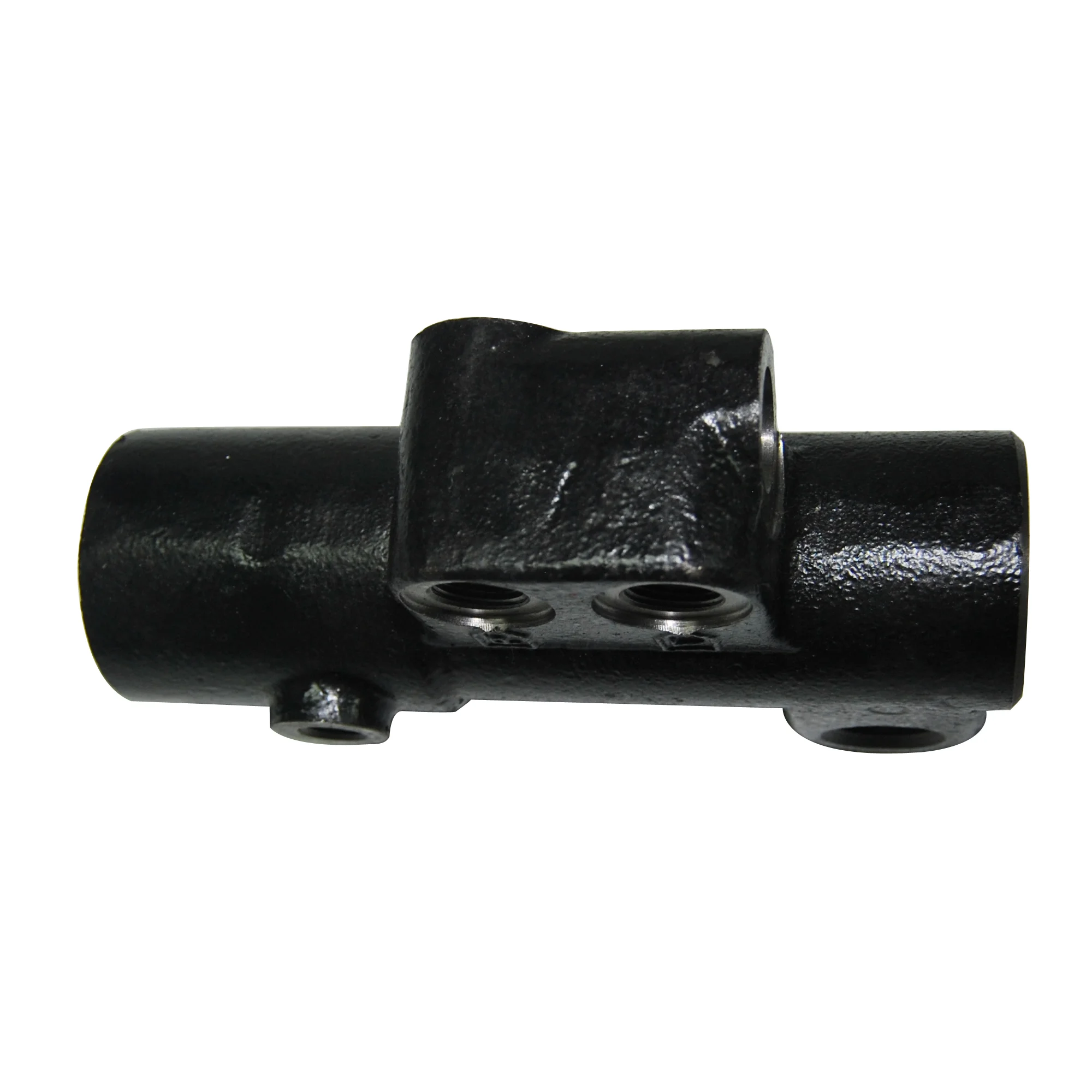
Custom Iron Fire-Hydrant Body Sand Castings — GG25 GGG40 GGG50 FCD500, CNC Work and Dacromat/Painted Finish Enquiries
Direct factory support
Get a quote that fits your project
Send your drawing or product reference, material grade and required quantity. Relia will review the requirements with you.
- Drawing & specification review
Confirm the supply scope and critical requirements.
- Samples before custom production
Review inspected samples before approving a batch.
- Inspection documents
Agree material and dimensional records for your part.
-
Product nameCustom Cast Iron Fire Hydrant Body OEM Sand Casting
-
Material GradeGgg50 Gg25 Ggg40,ductile iron casting fcd500,etc. As customers requestBlank ProcessSand casting , cast iron Jack Body
-
Casting ToleranceCT9-11 for iron casting Jack BodyMachining ProcessCNC Machining , DRILLING , Milling, boring, Tapping etc.
-
Machining TolearnceUp to IT7, Ra 0.8~3.2 , according to customer requirementSurface TreatmentDacromat Coating, Finish Painting etc. As customers request
-
Package for nodular cast ironMultilayer wooden box with big plastic bag inside Jack BodyLead Time45-50 days for iron casting Jack Body
-
Our ServiceSupply metal parts solution as per customer's drawings/ samples
Custom cast-iron fire-hydrant bodies are offered through OEM sand-casting and CNC enquiries. Grade choices include GG25, GGG40, GGG50 and FCD500, with the actual iron family, complete designation and governing document selected for the hydrant-body drawing.
Define the hydrant's connection and sealing geometry
Provide the mounting, connection and sealing interfaces required by the design. Mark the dimensions that must be accepted after machining and identify any pressure, leakage or hydrant-service tests needed for the component. The actual design should establish these requirements for the ordered body. Include the test acceptance standard and any required witnessing arrangements.
Locate machining and roughness requirements
CNC machining, drilling, milling, boring and tapping are named services, with up-to-IT7 and Ra 0.8–3.2 references. Specify the roughness unit, controlled surfaces and inspection basis for the selected hydrant part. Separate jack-body enquiries have a CT9–CT11 casting reference and should retain their own component-specific acceptance brief.
- Submit the hydrant-body drawing or identified sample.
- Confirm the complete grade and governing material document.
- Mark connection and sealing-interface dimensions.
- Define machining, coating and inspection requirements.
- State quantity and the component's delivered condition.
Choose finish and packing for the body
Dacromat coating and finish painting are named surface choices. Identify coating coverage and the interfaces needing a different condition. Agree packing appropriate to the actual hydrant body, keeping the grade, finished geometry and required test records together for purchasing and component approval.