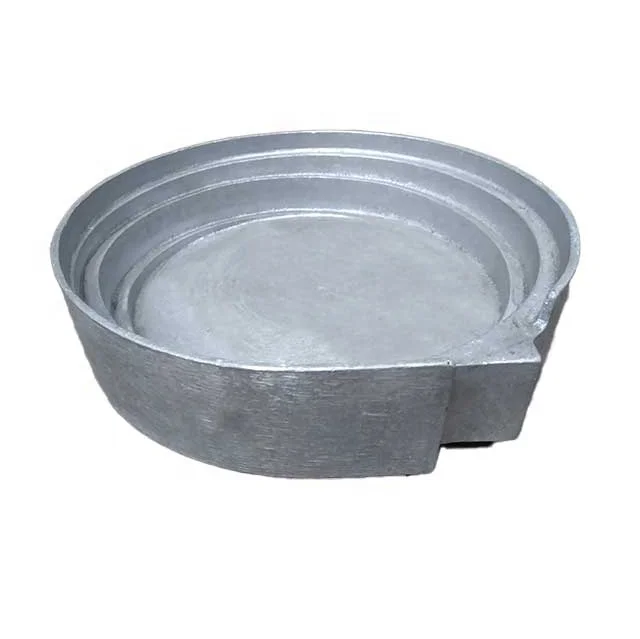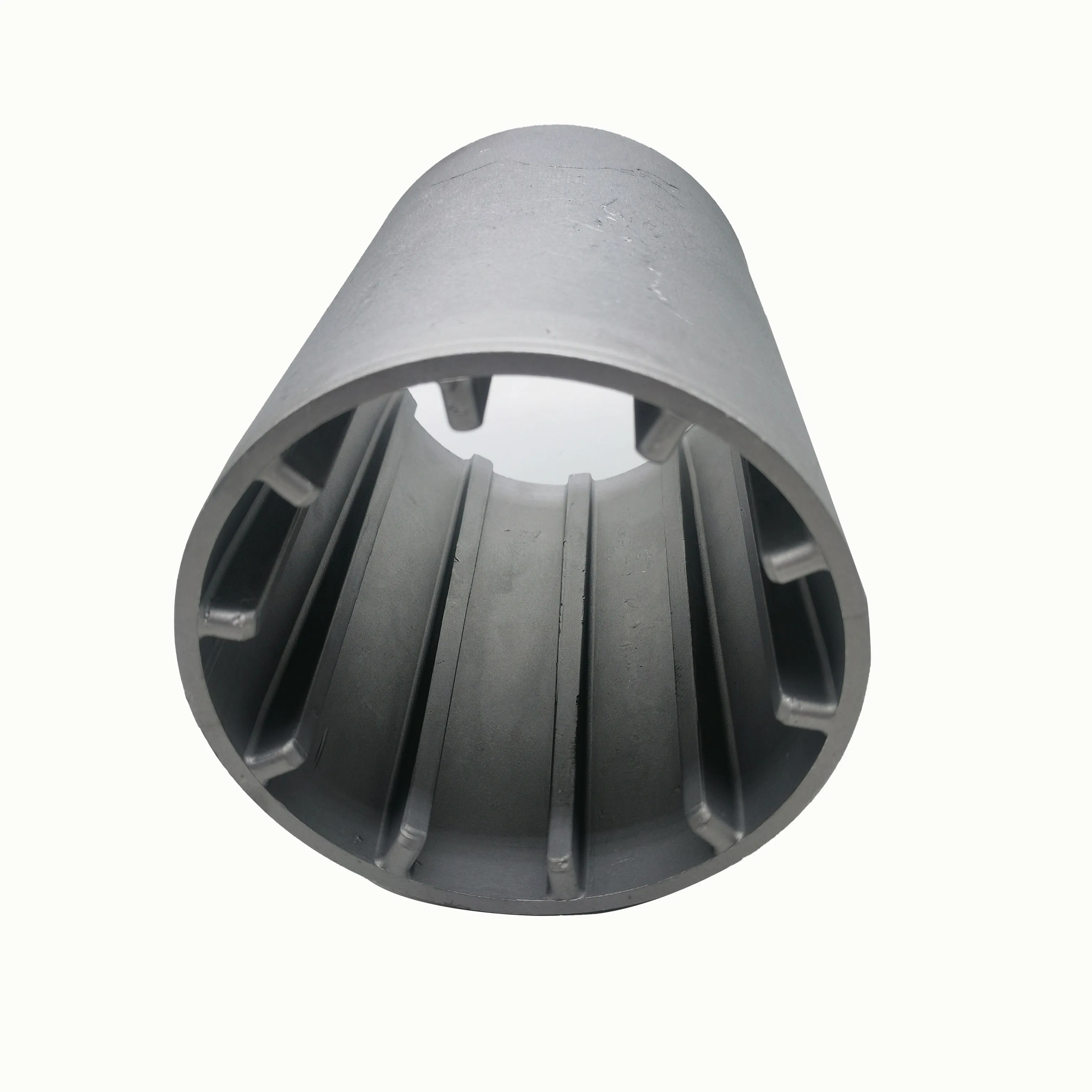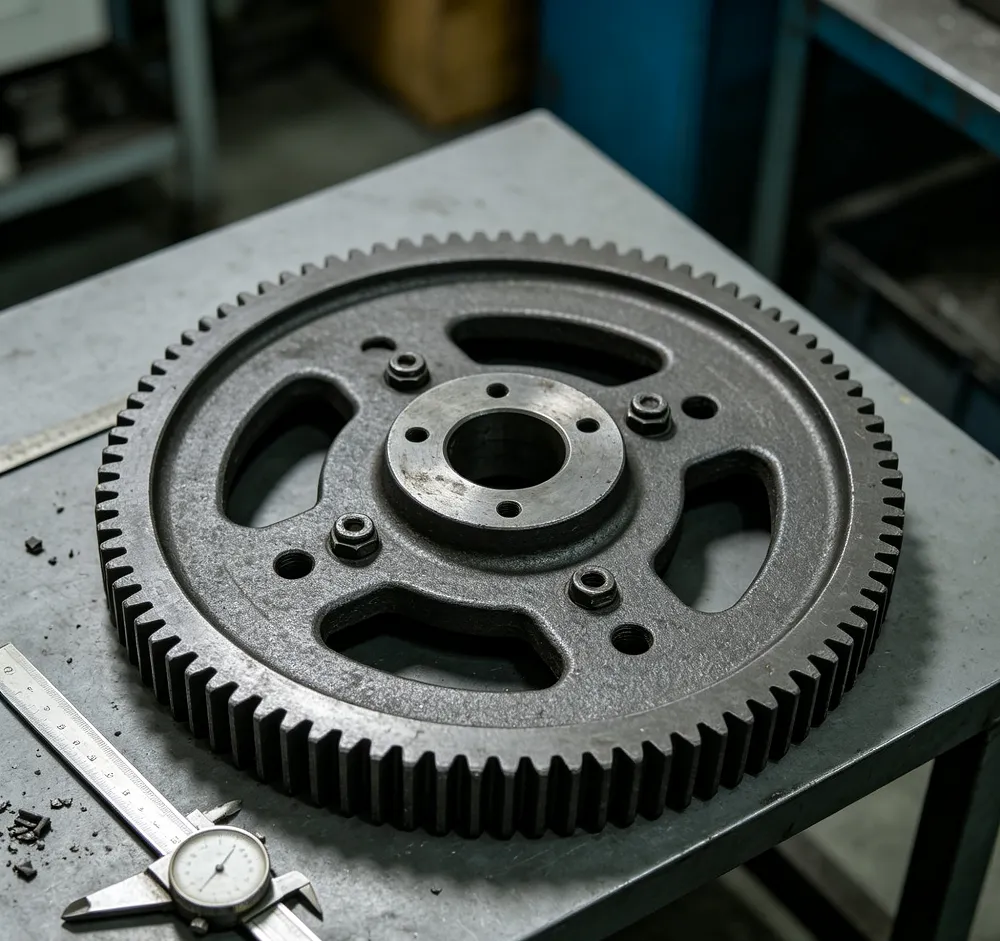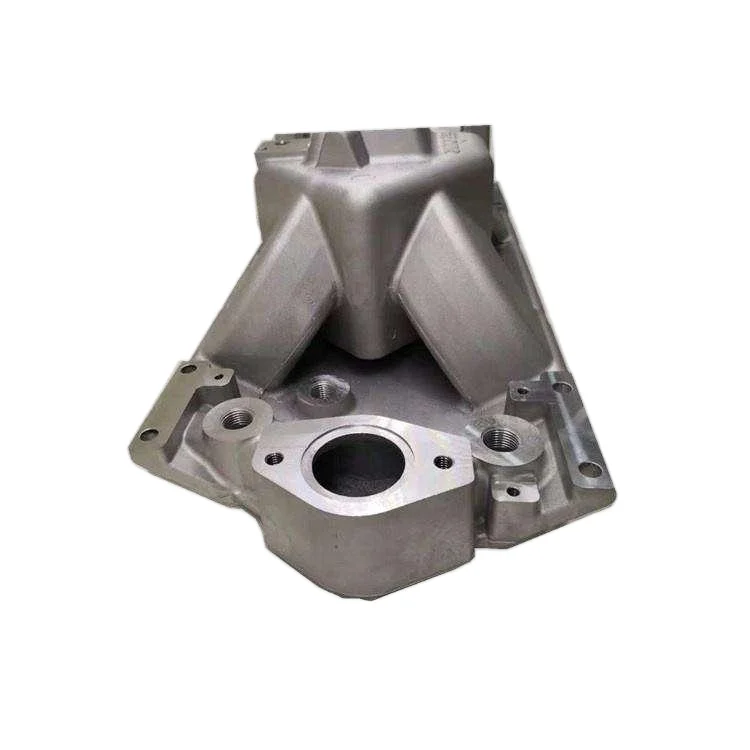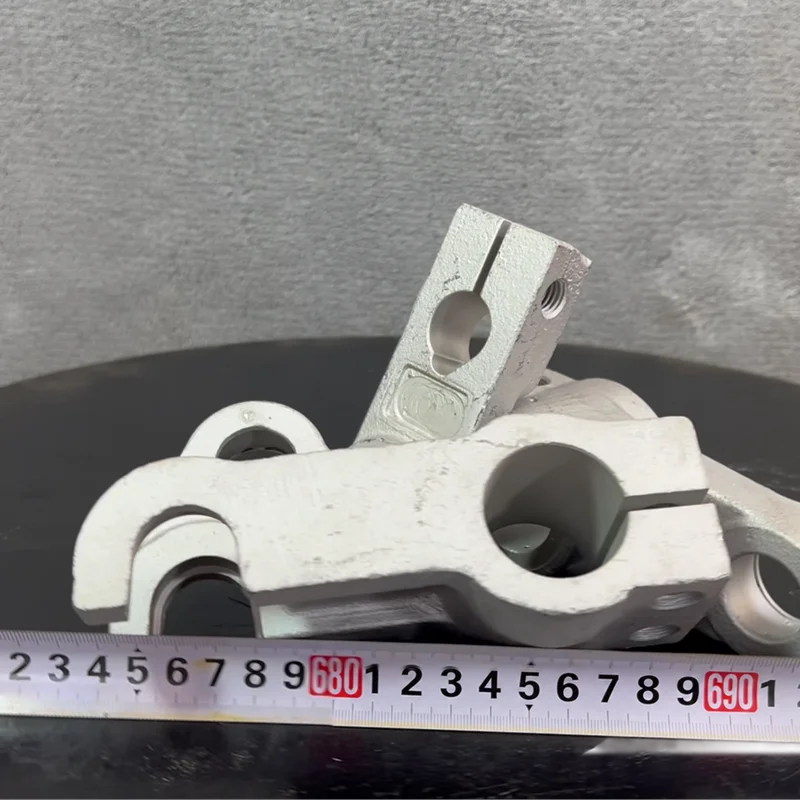
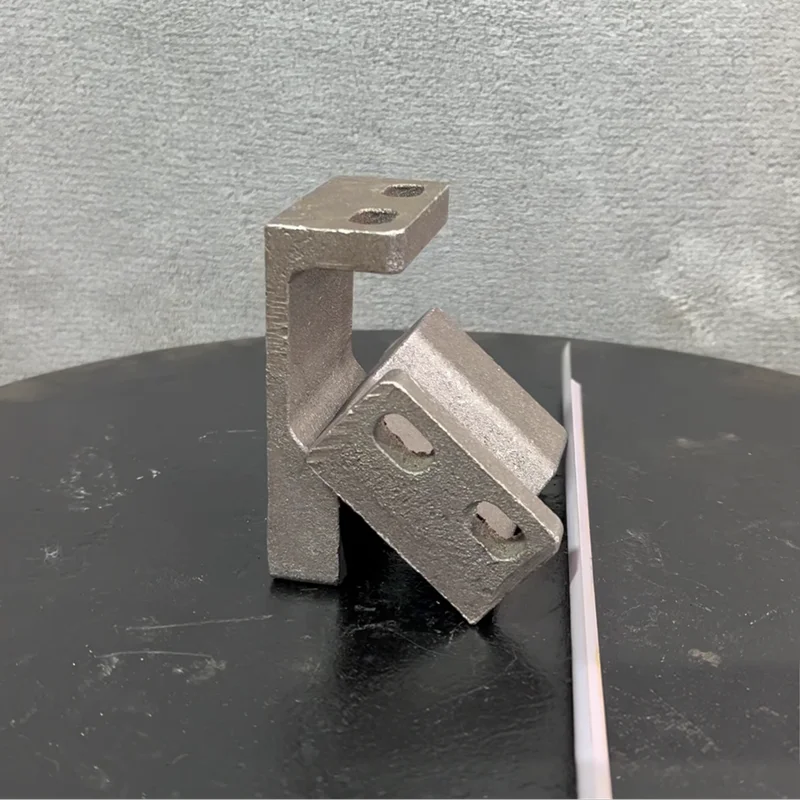
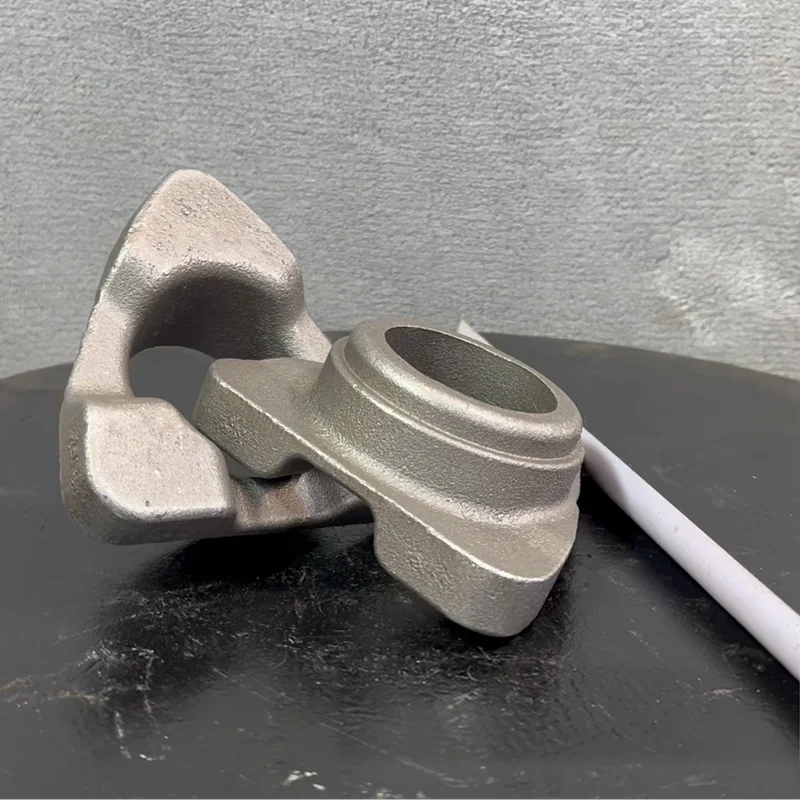
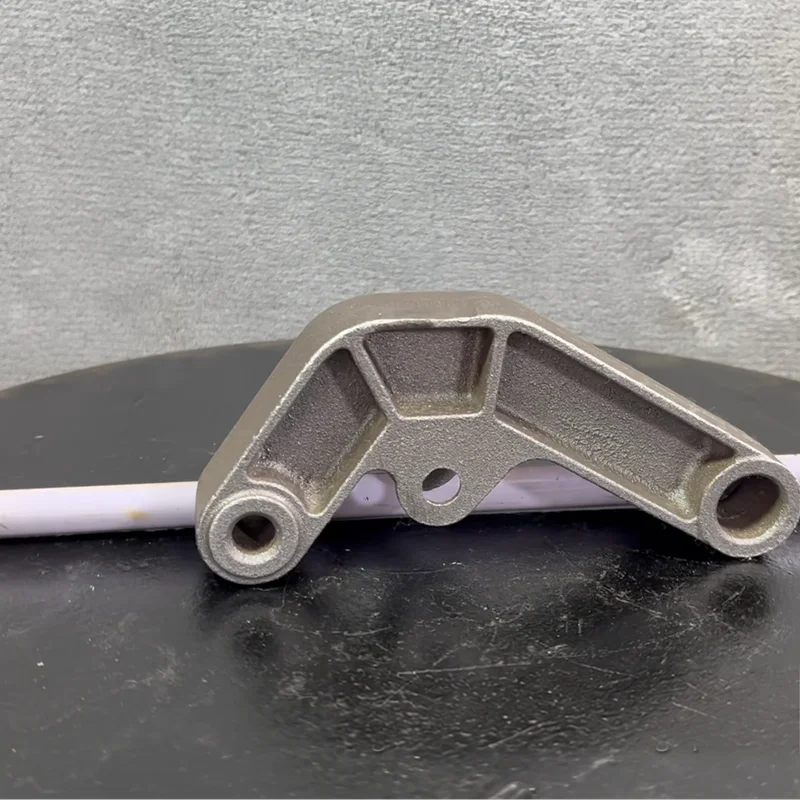
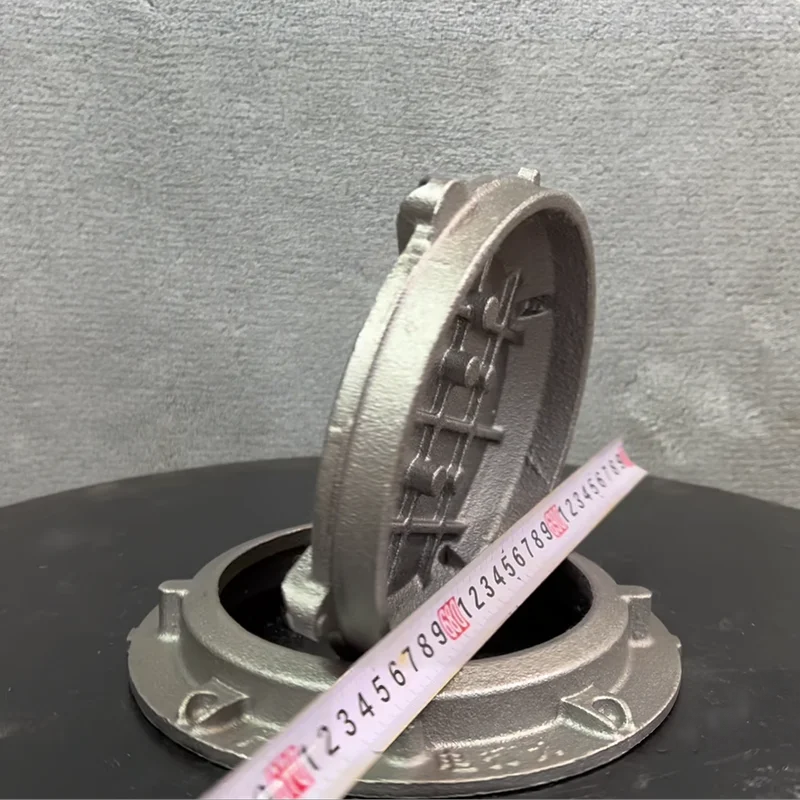
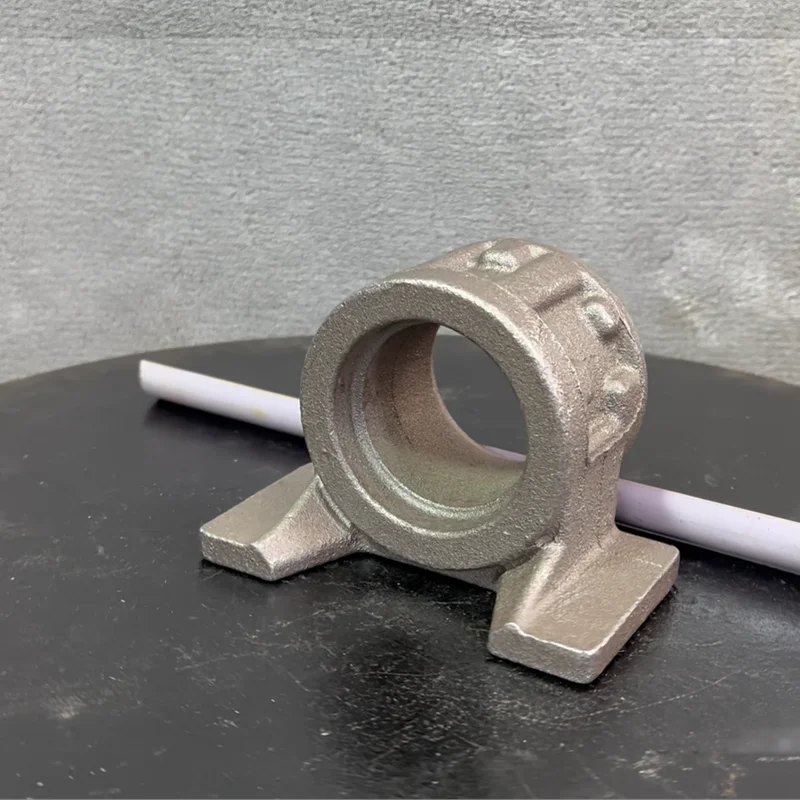
Custom Alloy Steel and Carbon Steel Machinery Parts: Sand, Investment and Lost Foam Casting Enquiries
Direct factory support
Get a quote that fits your project
Send your drawing or product reference, material grade and required quantity. Relia will review the requirements with you.
- Drawing & specification review
Confirm the supply scope and critical requirements.
- Samples before custom production
Review inspected samples before approving a batch.
- Inspection documents
Agree material and dimensional records for your part.
-
MaterialSteel/Carbon Steel customized
-
ApplicationMachinery PartsProcessCasting +Machining(if Need)+surface Treatment
-
Machining ProcessMachining CenterHeat treatmentTempering/T6 Heat Treatment customized
-
MOQ1000Manufacturing ProcessSand Casting/ customized
-
ServiceCustomized OEMQuality ControlISO/TS16949:2002/ISO9001
-
Surface treatmentCustomers' Demand
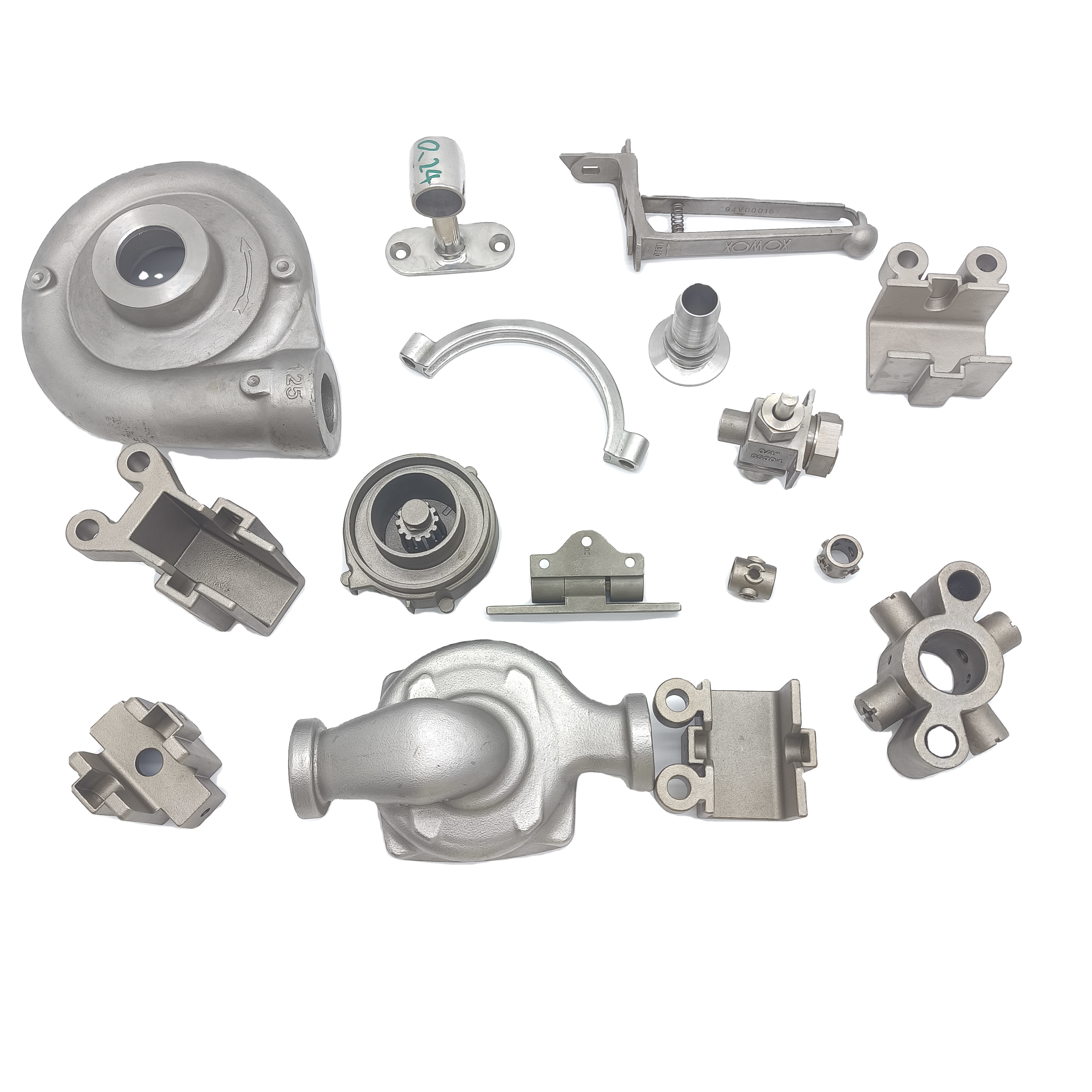
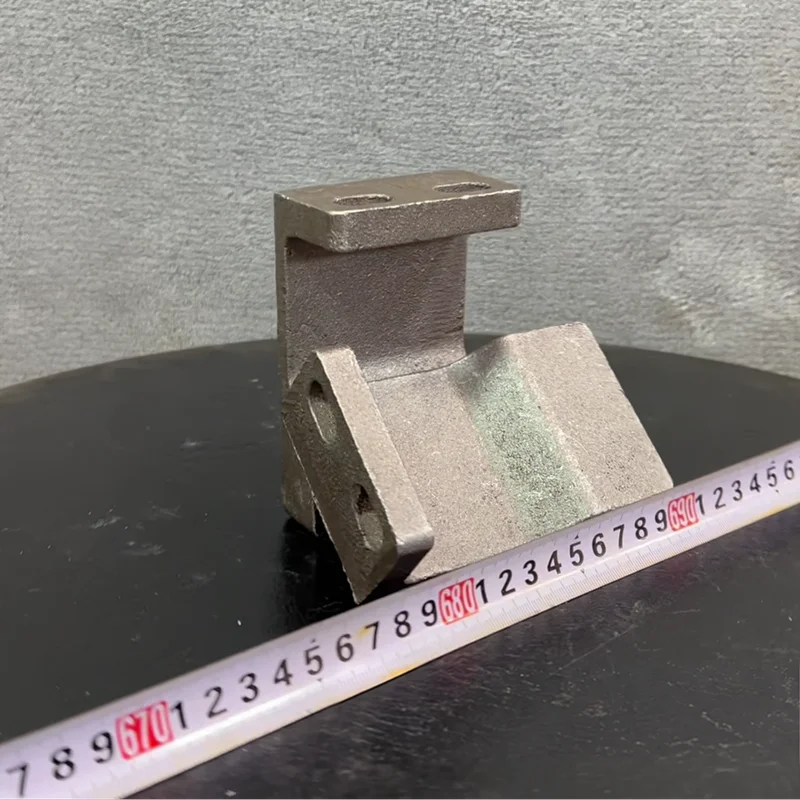
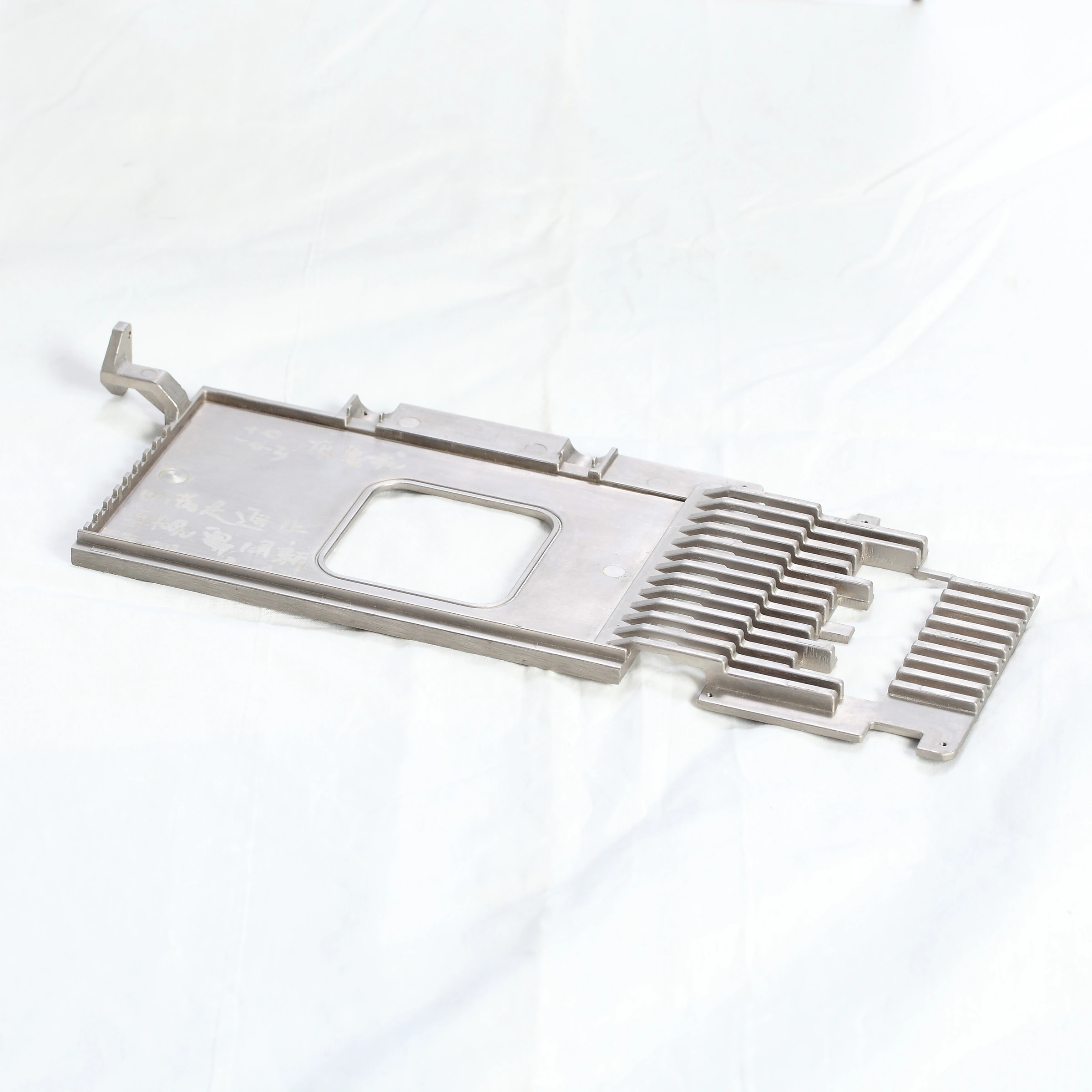
A custom steel machinery part should be defined by its function and finished condition before the production route is fixed. This OEM casting service covers alloy-steel and carbon-steel component enquiries, with machining when needed and surface treatment to customer requirements. Establish the grade and component drawing so the proposed work refers to the part that will be ordered.
Set the machinery part's service duty
Describe the assembly in which the steel component will operate and identify the dimensions that control its fit. The material requirement should name the selected grade rather than rely only on the terms alloy steel or carbon steel. For a custom machinery part, that connection between duty, geometry and material provides a useful starting point for the casting proposal.
- Sand casting and customized casting requirements form the component enquiry scope.
- Investment and lost-foam casting requests can be discussed separately for the part.
- Machining-center processing is available when the component needs it.
- Customized tempering is part of the steel-condition discussion.
- Surface treatment follows the customer's requirement.
Use machining where the drawing requires it
Mark the finished steel-part surfaces and dimensions that need machining after casting. Identify the datums and measurement basis relevant to those areas instead of assigning the same operation to the complete blank. The machining-center scope can then be agreed around the actual component and the condition in which it must enter the machinery assembly.
Carry the steel condition into the order
The heat-treatment requirement should follow the chosen steel grade and intended duty, with final acceptance defined for the supplied component. A minimum-order reference of 1000 applies, with its order unit and part configuration to be agreed in the quotation. For this OEM machinery casting, the useful purchasing brief brings the selected grade, processing scope and finished-part requirements together without inventing a universal steel specification.