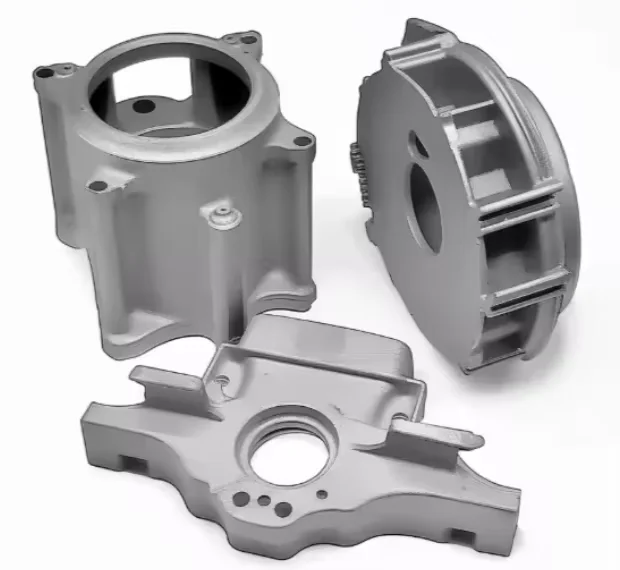
Custom Steel Sand Cast Automotive Mechanical Parts with Separate Aluminum Zinc Alloy Die Casting and CMM Enquiries
Direct factory support
Get a quote that fits your project
Send your drawing or product reference, material grade and required quantity. Relia will review the requirements with you.
- Drawing & specification review
Confirm the supply scope and critical requirements.
- Samples before custom production
Review inspected samples before approving a batch.
- Inspection documents
Agree material and dimensional records for your part.
-
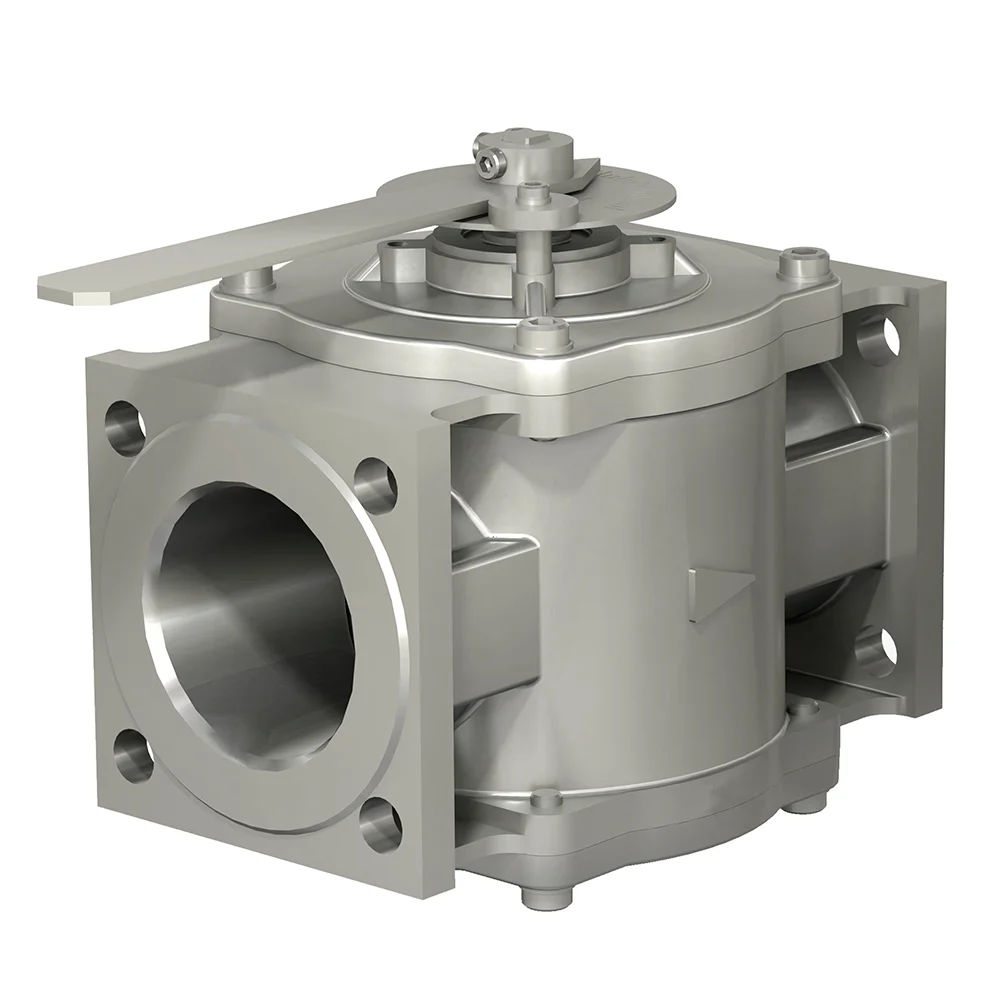
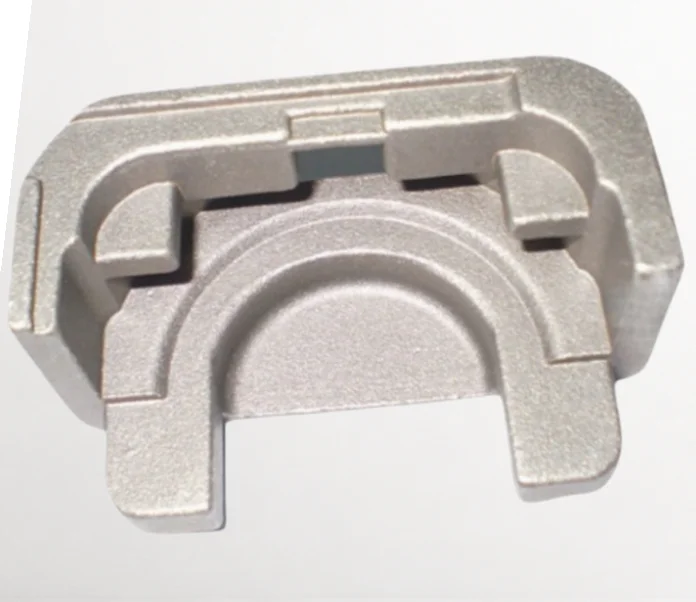
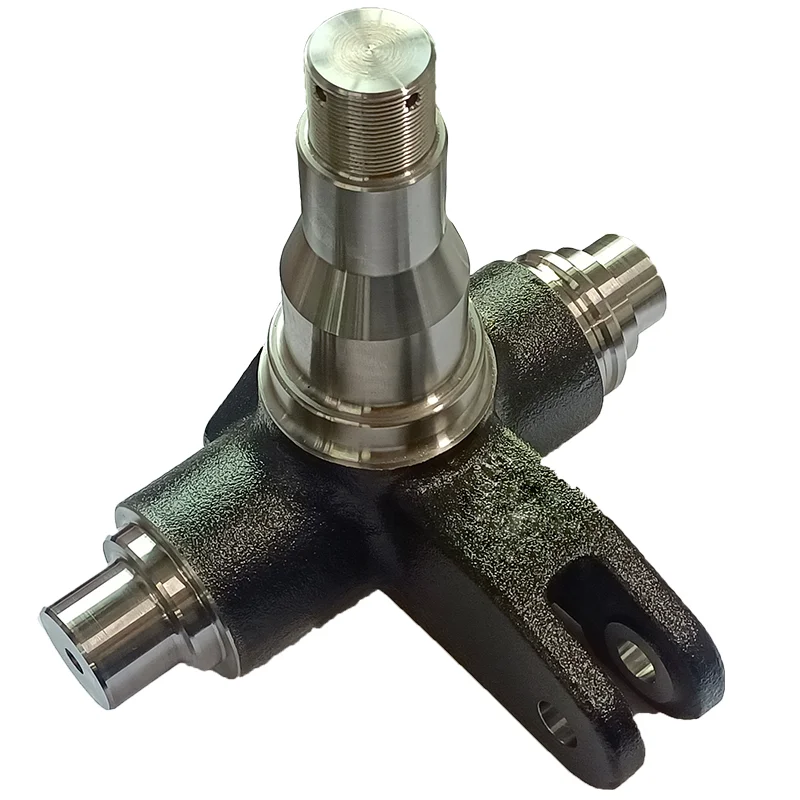
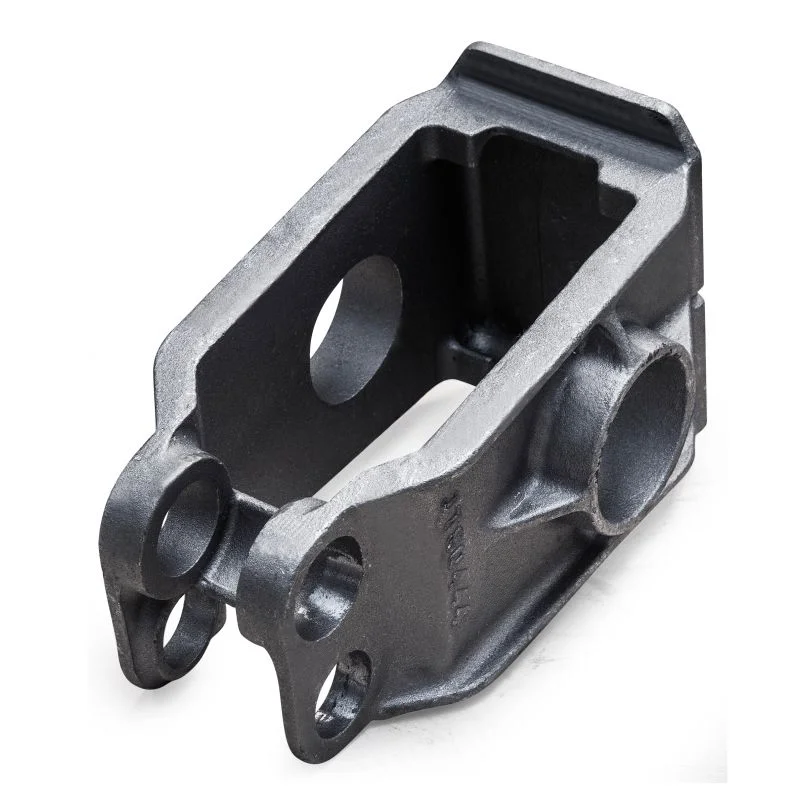
ApplicationMechanical parts, auto components, etcMaterialAluminum-zinc alloy, steel alloy, zinc alloy, etc
-
Product nameDie cast aluminumQCCMM
-
ColourCustomizedSurface treatmentCustomized
-
ServiceOEM/ODMDimensionsCustomized
-
Format2D/(PDF/CAD)3D(IGES/STEP)
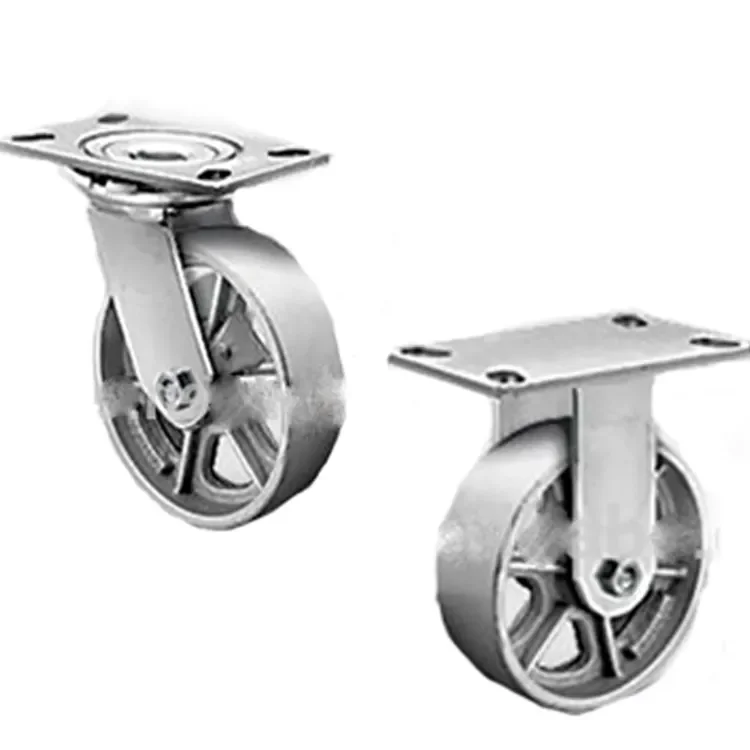
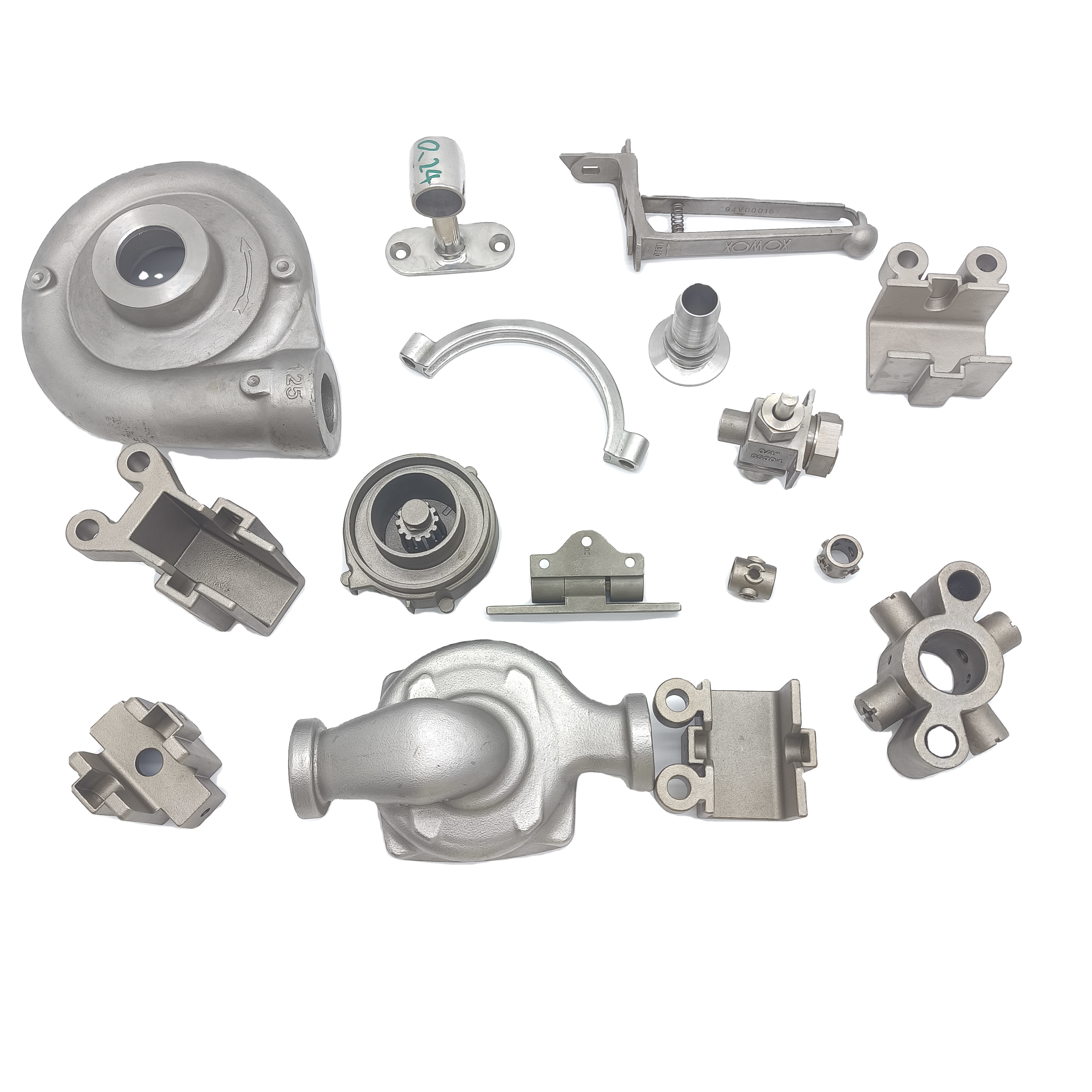
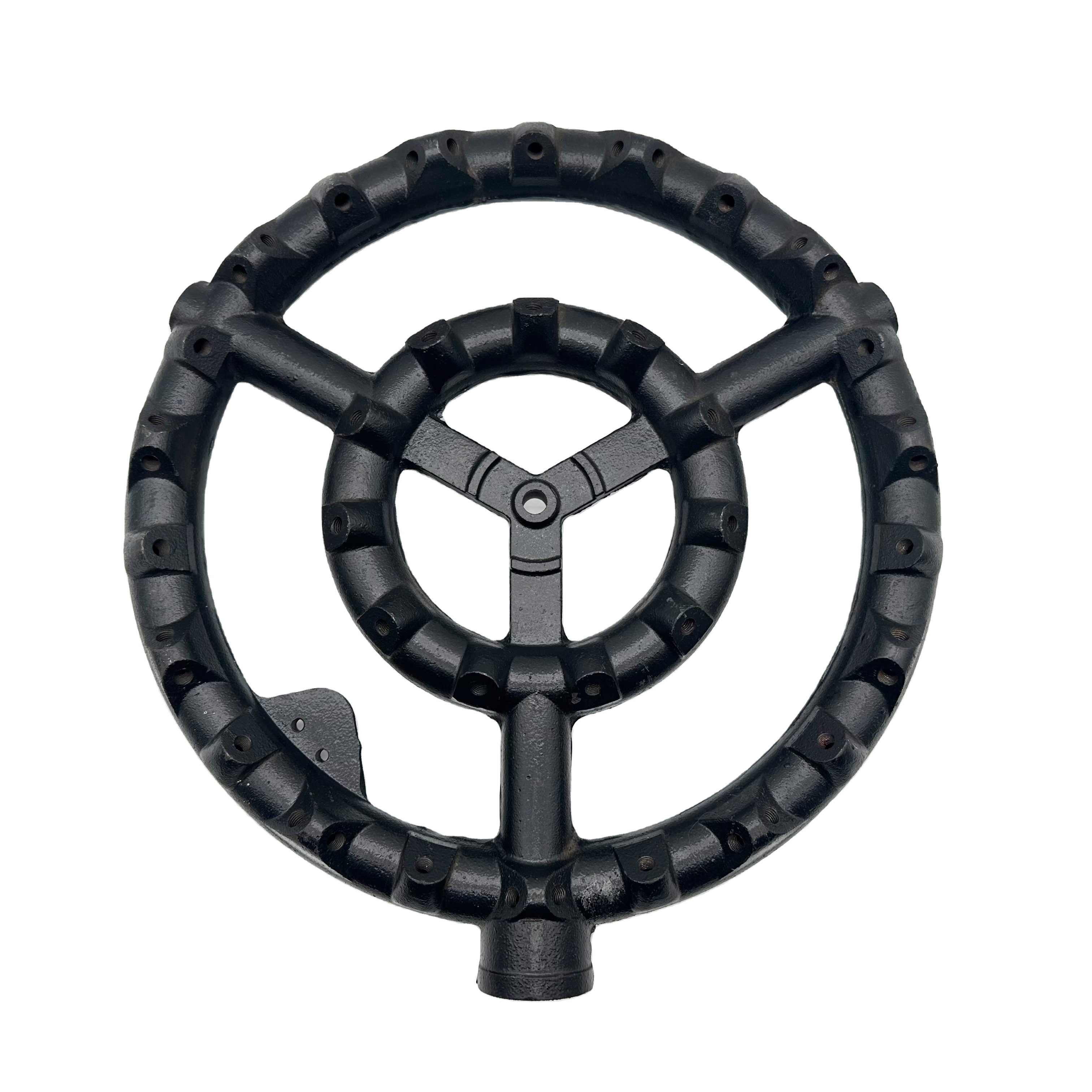
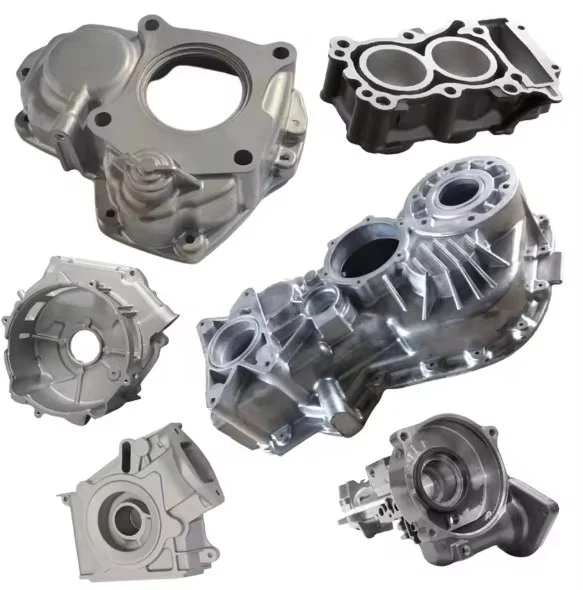
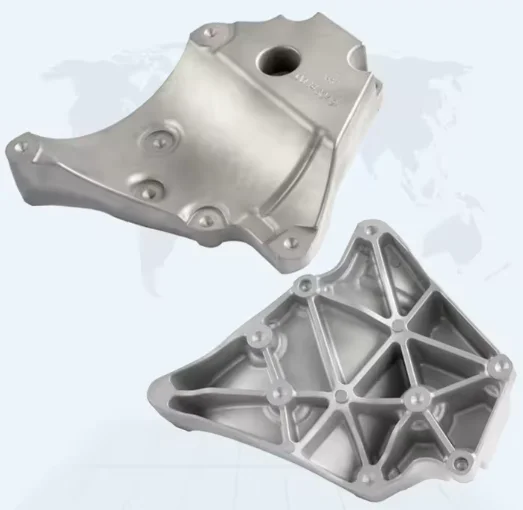
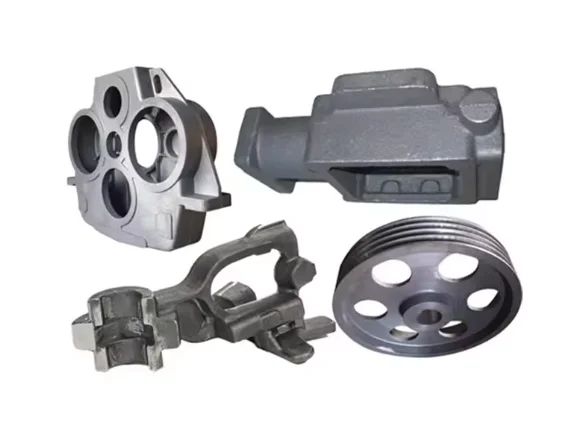
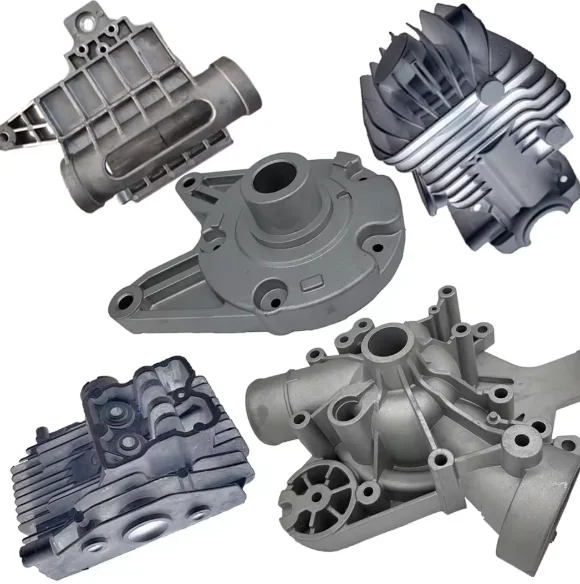
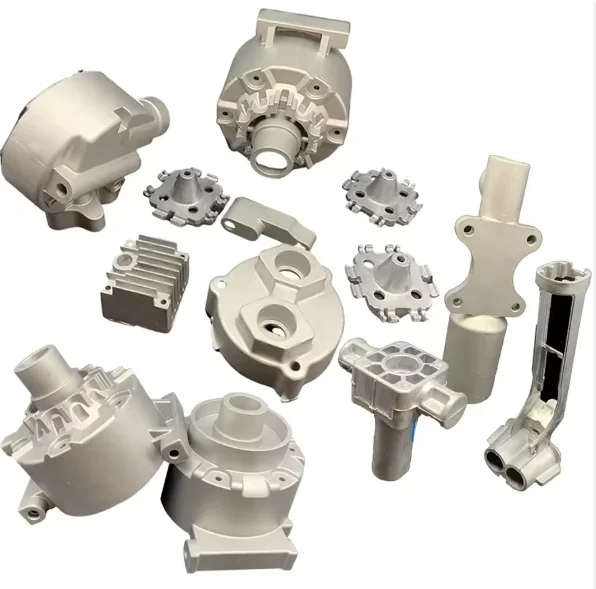
Custom mechanical and automotive casting enquiries include steel sand-cast parts and separately selected die-cast aluminum components. Zinc alloy and aluminum-zinc alloy are additional material requests requiring their own complete designation. Select the grade and actual manufacturing route for the drawing before defining the supplied component.
Use the drawing to control the order
Information can be submitted as 2D PDF or CAD and 3D IGES or STEP. Keep the geometry and dimensional instructions on a consistent revision. Mark the datums, mounting points and mating interfaces that determine the part’s fit in the automotive or mechanical assembly.
Give the CMM checks a defined purpose
CMM is the stated quality-control resource. Identify the dimensions and relationships it is required to assess, with the acceptance limits and measurement stage agreed for the part. Link the resulting records to the controlled drawing and selected supplied condition.
- State the component quantity.
- Identify the complete grade and required condition.
- Mark final surface and color requirements.
- Define records for material and appearance approval.
Specify customization beyond the overall size
OEM/ODM work covers customized dimensions, color and surface treatment. Describe the required finish and coverage for the selected material, including any contact areas needing a particular condition. Where a sample establishes appearance or geometry, identify what it demonstrates and how it relates to the drawing, giving the order a reproducible basis for component acceptance.