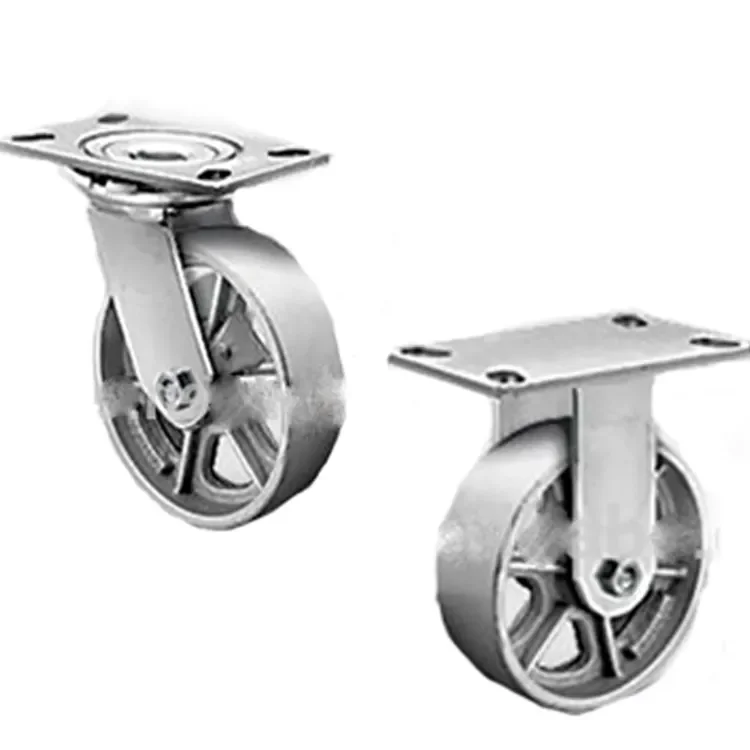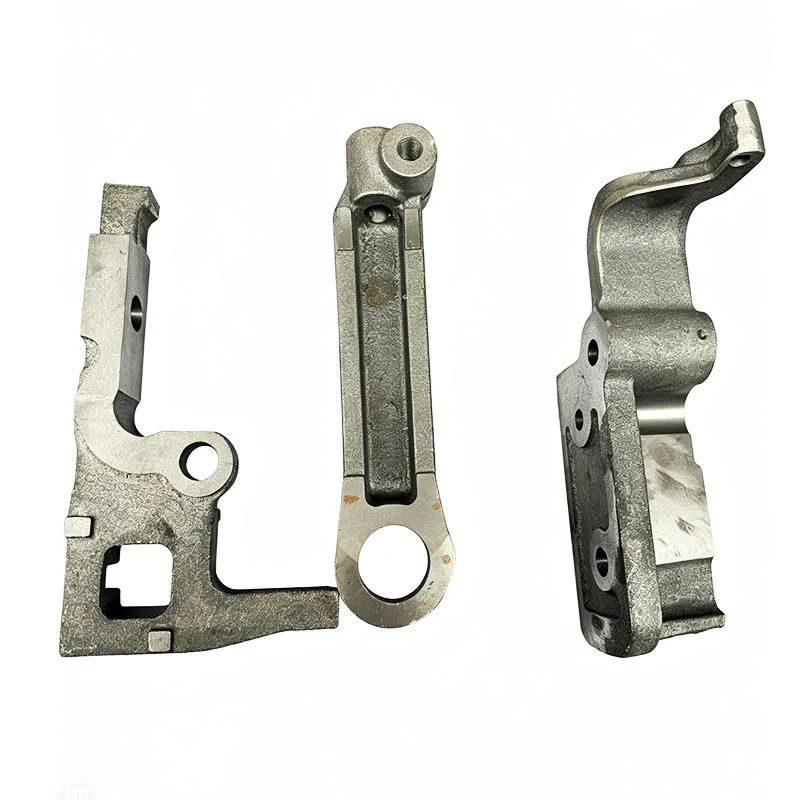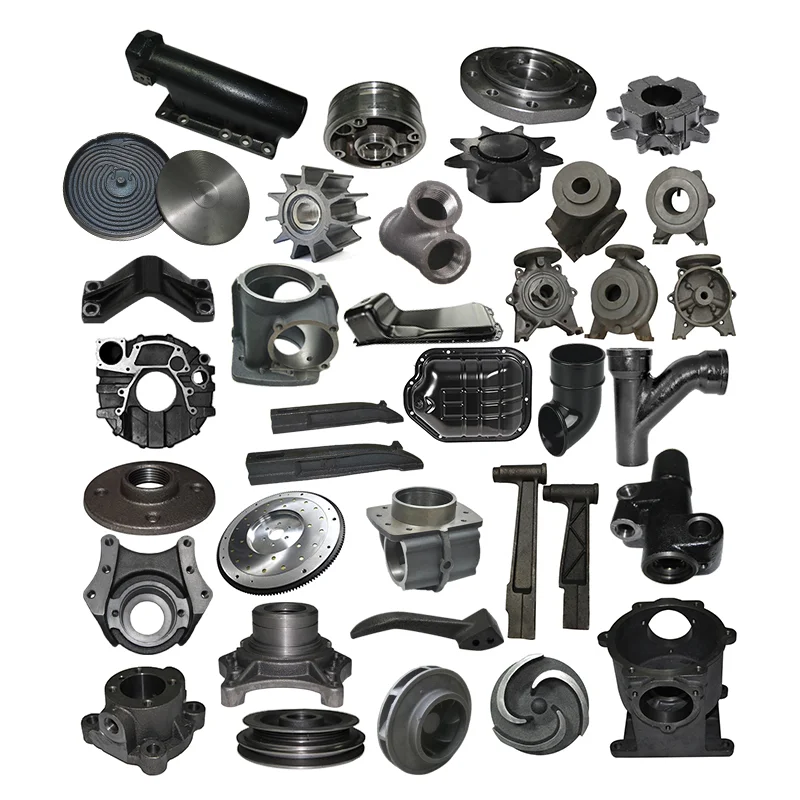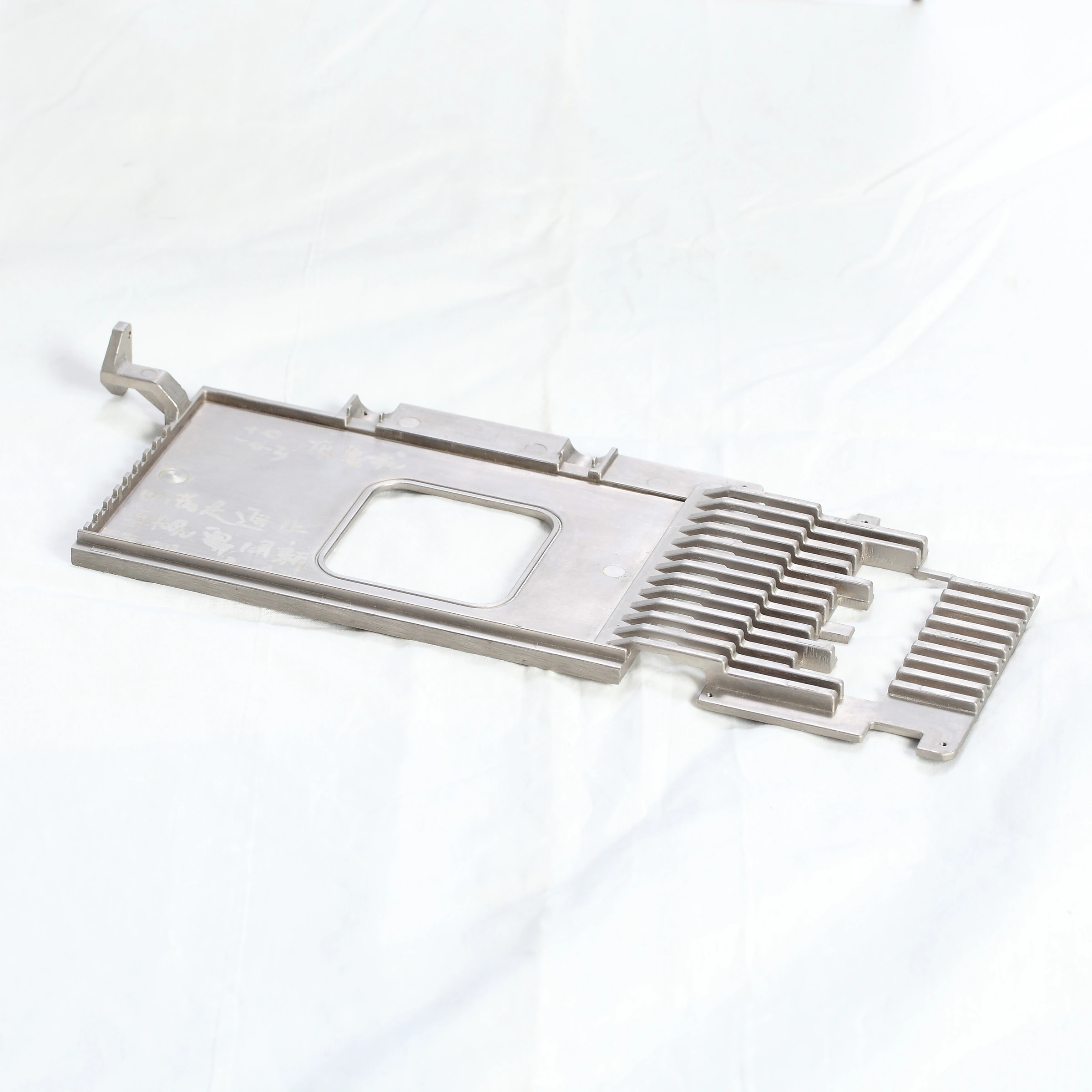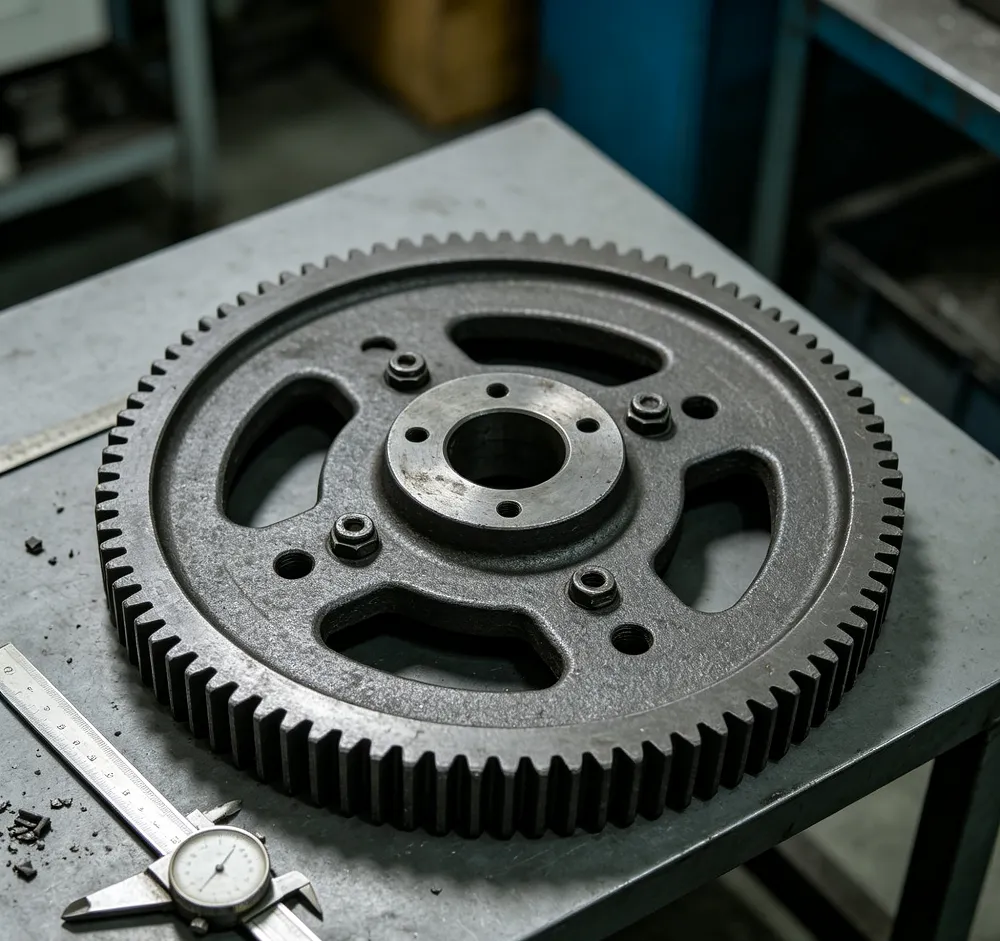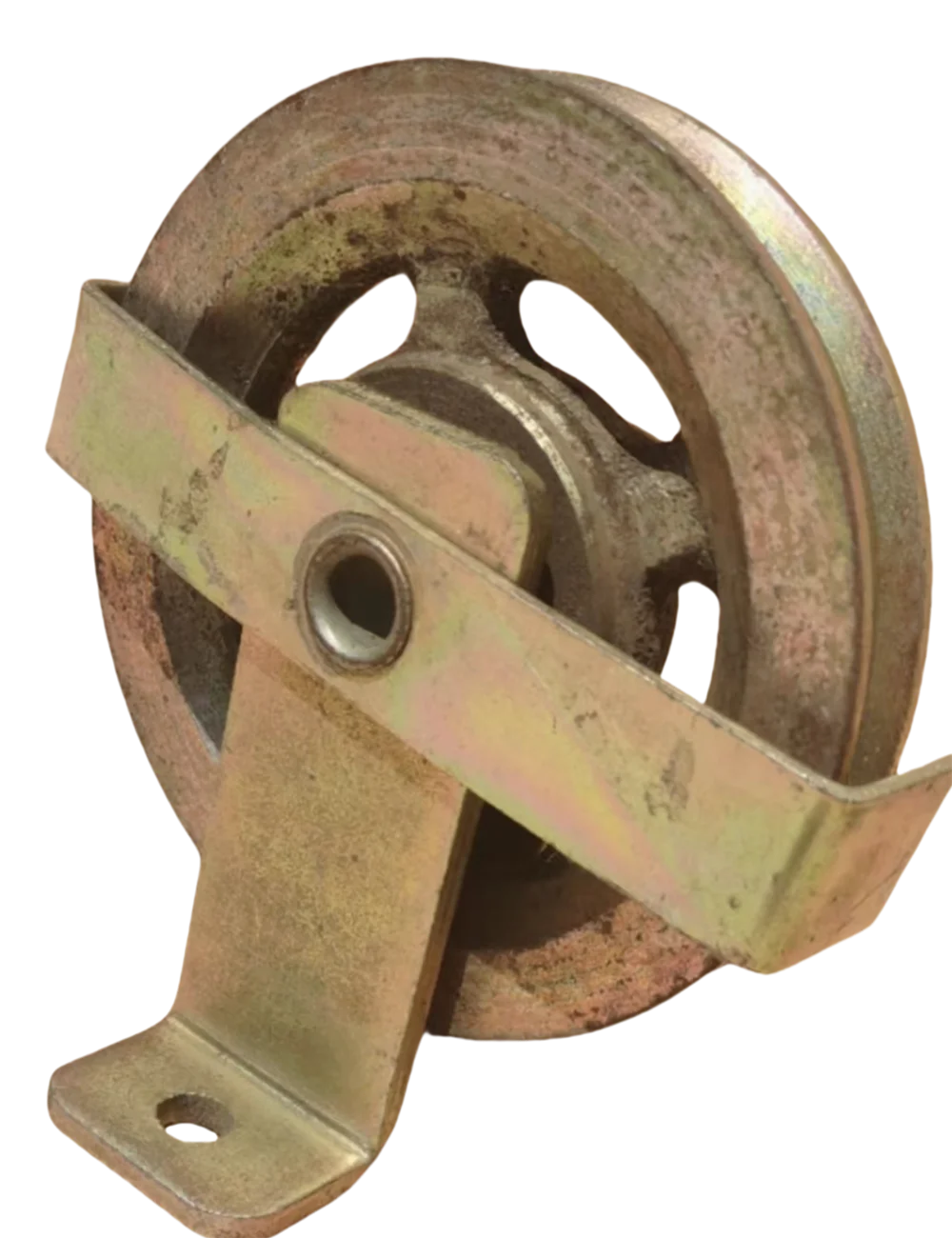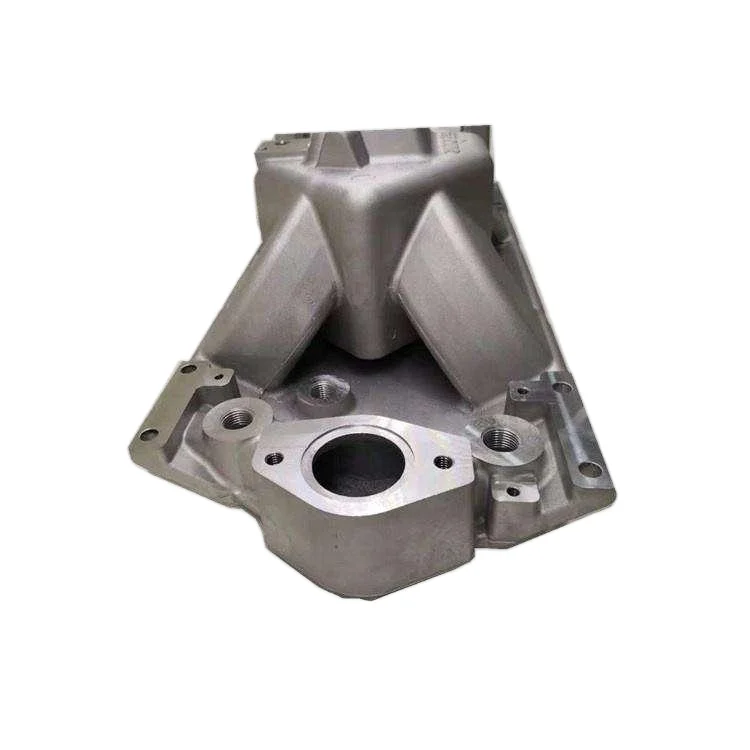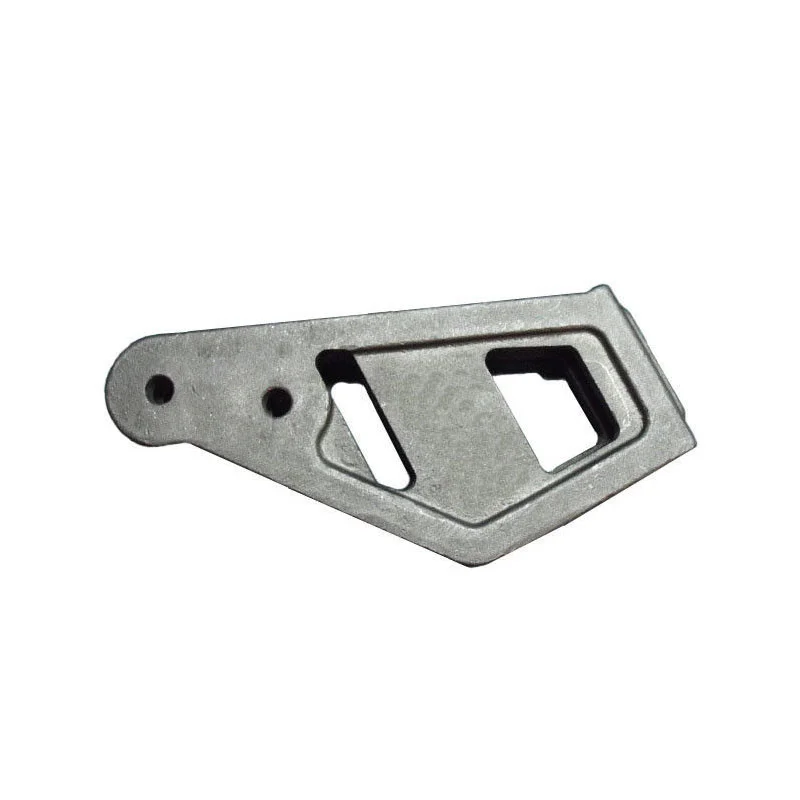
Grey Ductile Iron Sand Cast CNC Parts for Agricultural Machinery and Separate Powder Coated Aluminum Alloy Die Castings
Direct factory support
Get a quote that fits your project
Send your drawing or product reference, material grade and required quantity. Relia will review the requirements with you.
- Drawing & specification review
Confirm the supply scope and critical requirements.
- Samples before custom production
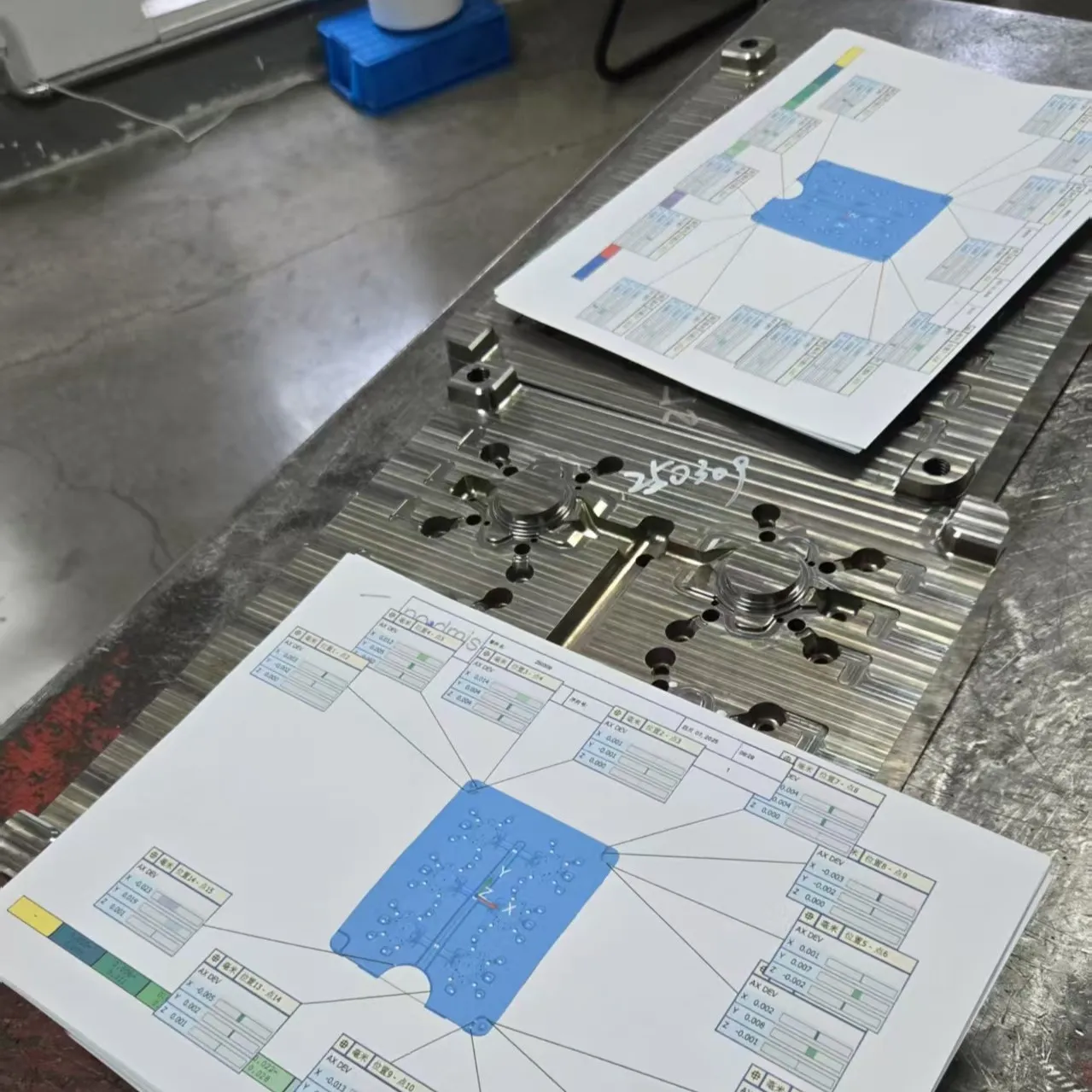
Review inspected samples before approving a batch.
- Inspection documents
Agree material and dimensional records for your part.
-
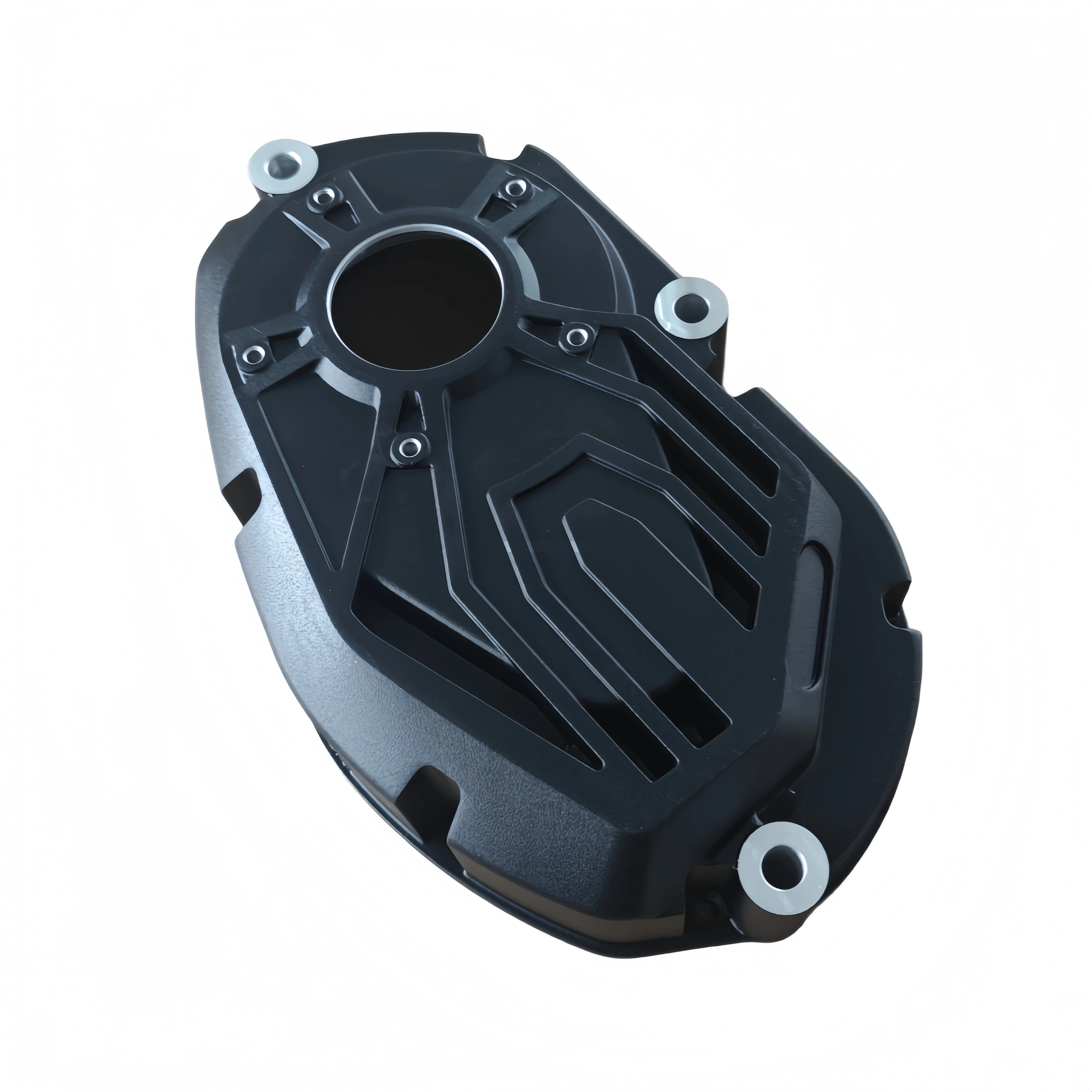
MaterialAluminum AlloyCasting MethodDie Casting
-
ProcessCasting +Machining(if Need)+surface TreatmentSurface treatmentPowder Coating
Agricultural-machinery enquiries include gray- or ductile-iron sand castings with CNC machining and separately defined aluminum-alloy die-cast components. Identify the actual item and complete material grade before selecting its route. The drawing should establish the geometry and supplied condition required by the equipment.
Show the casting’s agricultural assembly role
Mark mounting, locating and working contacts with surrounding machinery parts. State operating loads and conditions relevant to material selection. Identify the datums and dimensional relationships controlling fit, with acceptance criteria appropriate to the actual component.
Separate cast form from finished machining
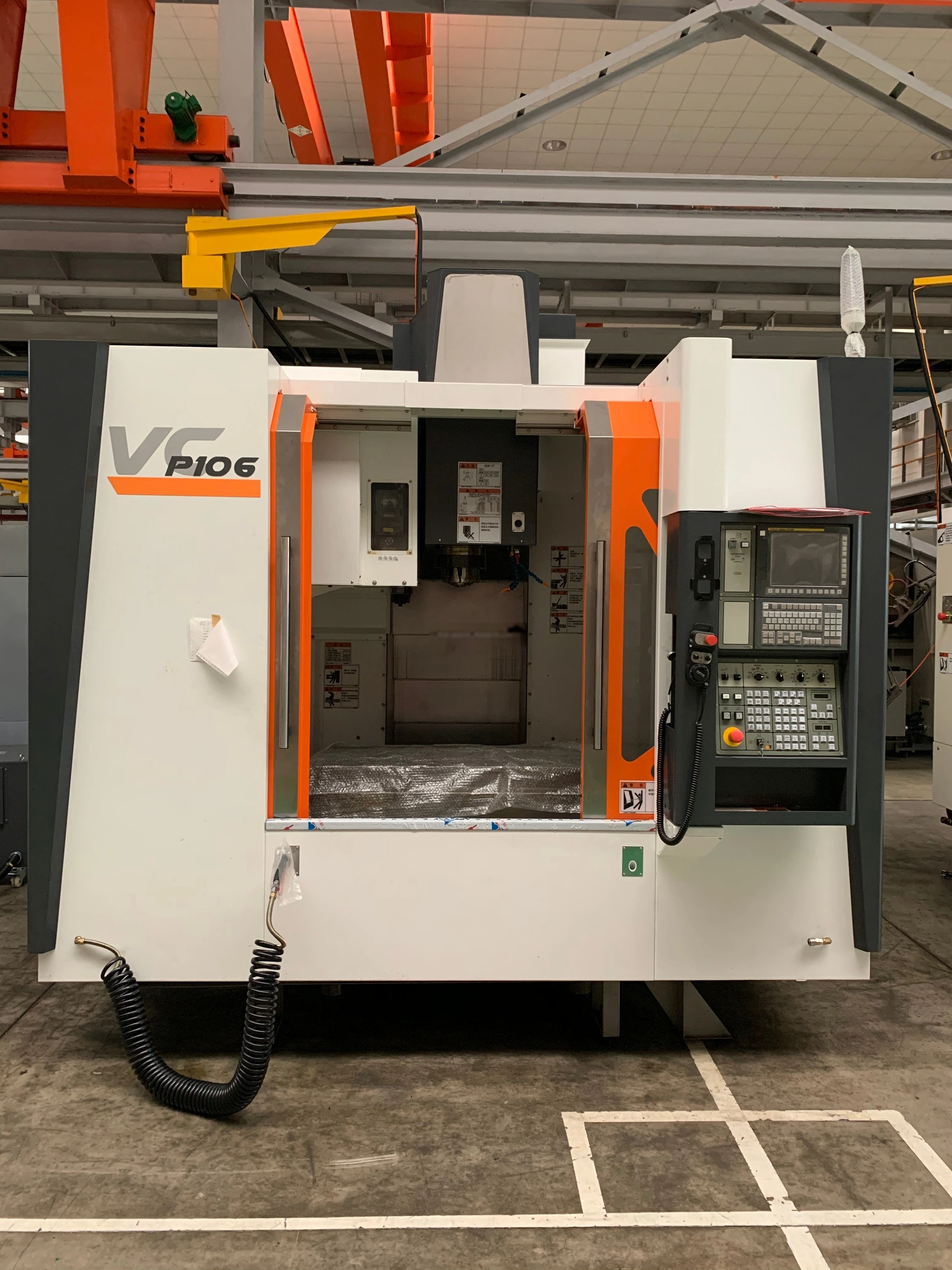
Define which interfaces need CNC work for the iron-part request and which areas are accepted in a cast state. For the separate aluminum component, identify any machining required after die casting. Put dimensional limits and measurement conditions on the selected drawing.
Set powder-coating coverage and appearance
Powder coating is the named surface treatment. Define the selected coverage and visible result for the actual substrate. Identify masking and contact conditions where the finish affects mating geometry, operation or the component’s required delivered state.
- Provide quantity and the controlling revision.
- Specify material and dimensional approval records.
- Define the surface checks required for acceptance.
- Explain what an initial component must demonstrate.
Retain the selected material, route and finished-interface requirements with approved changes so production approval follows the actual agricultural casting or separate aluminum part being supplied.