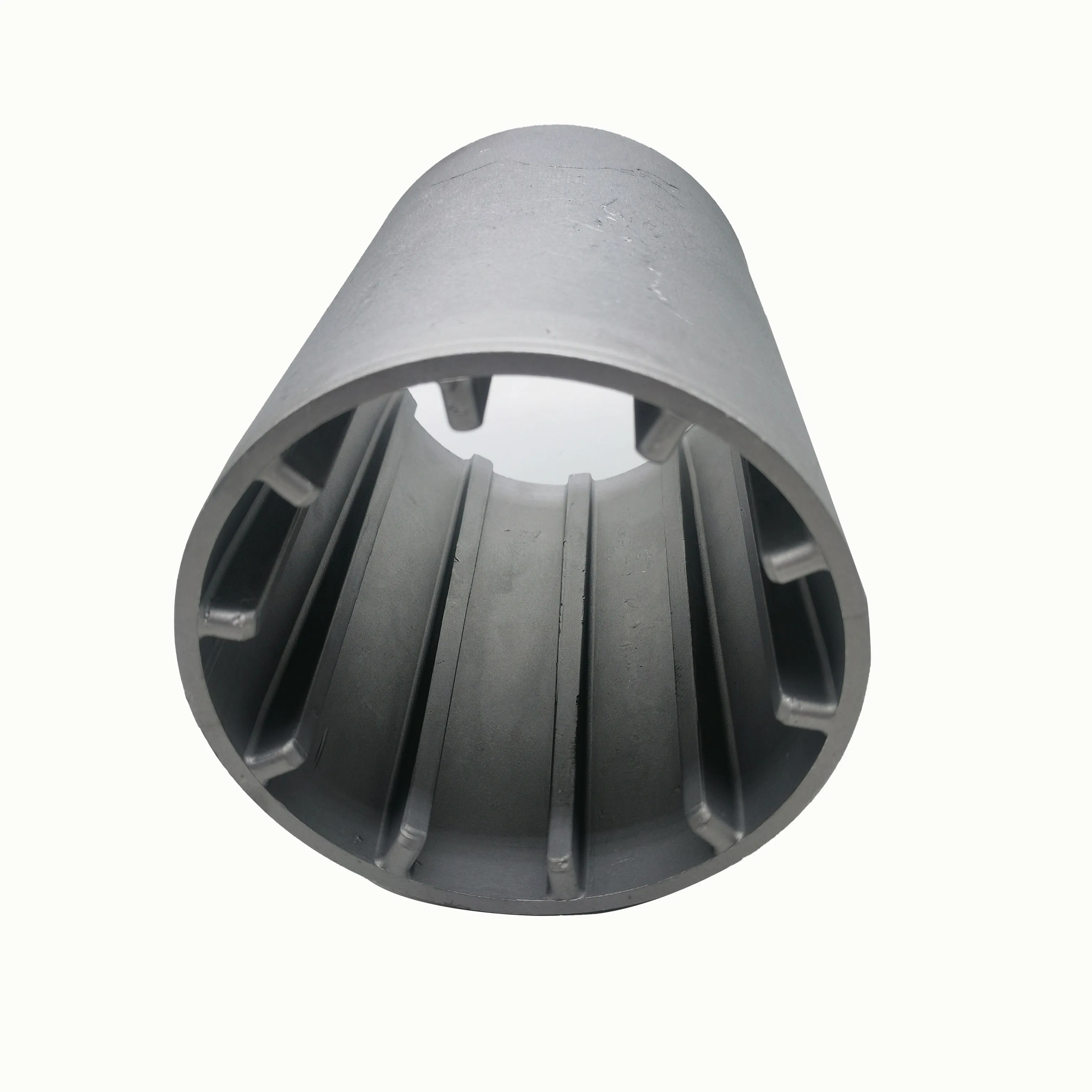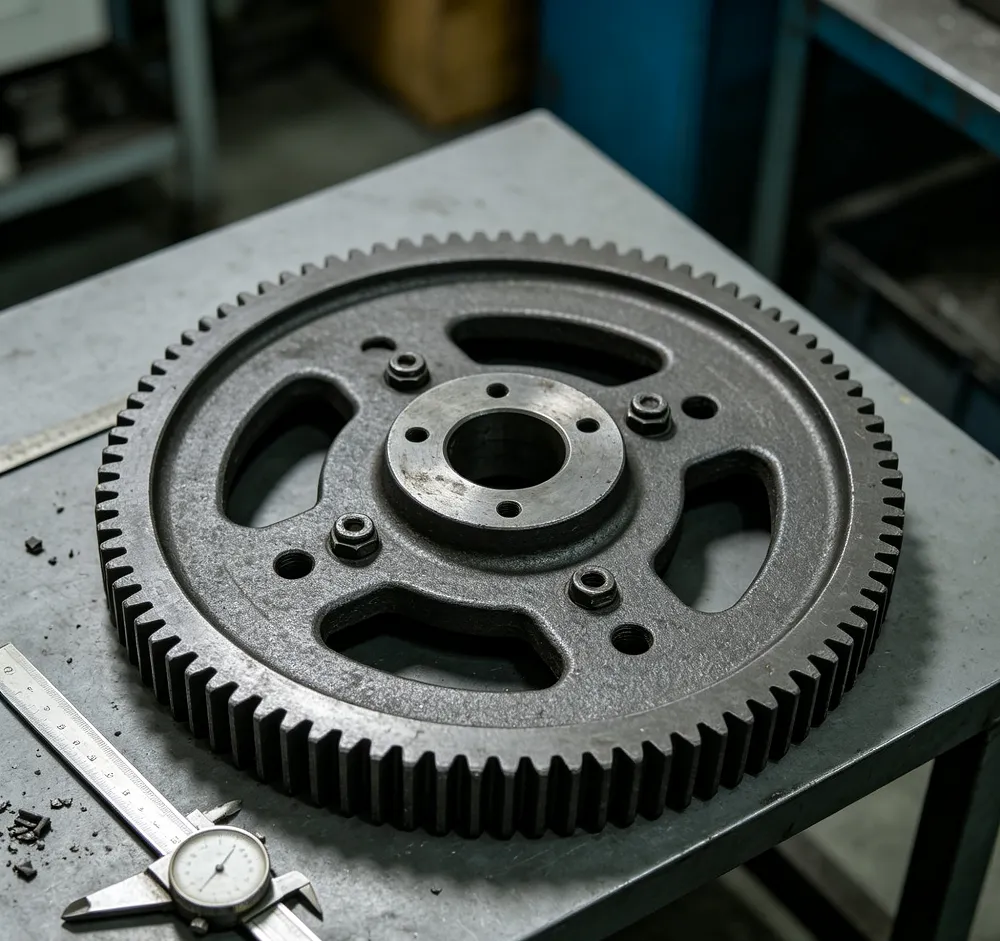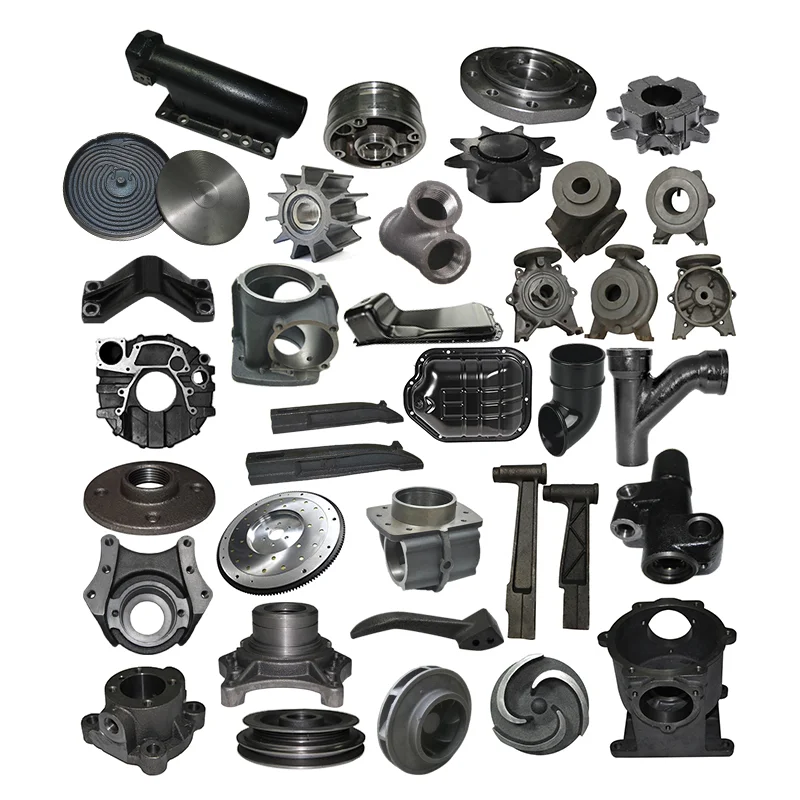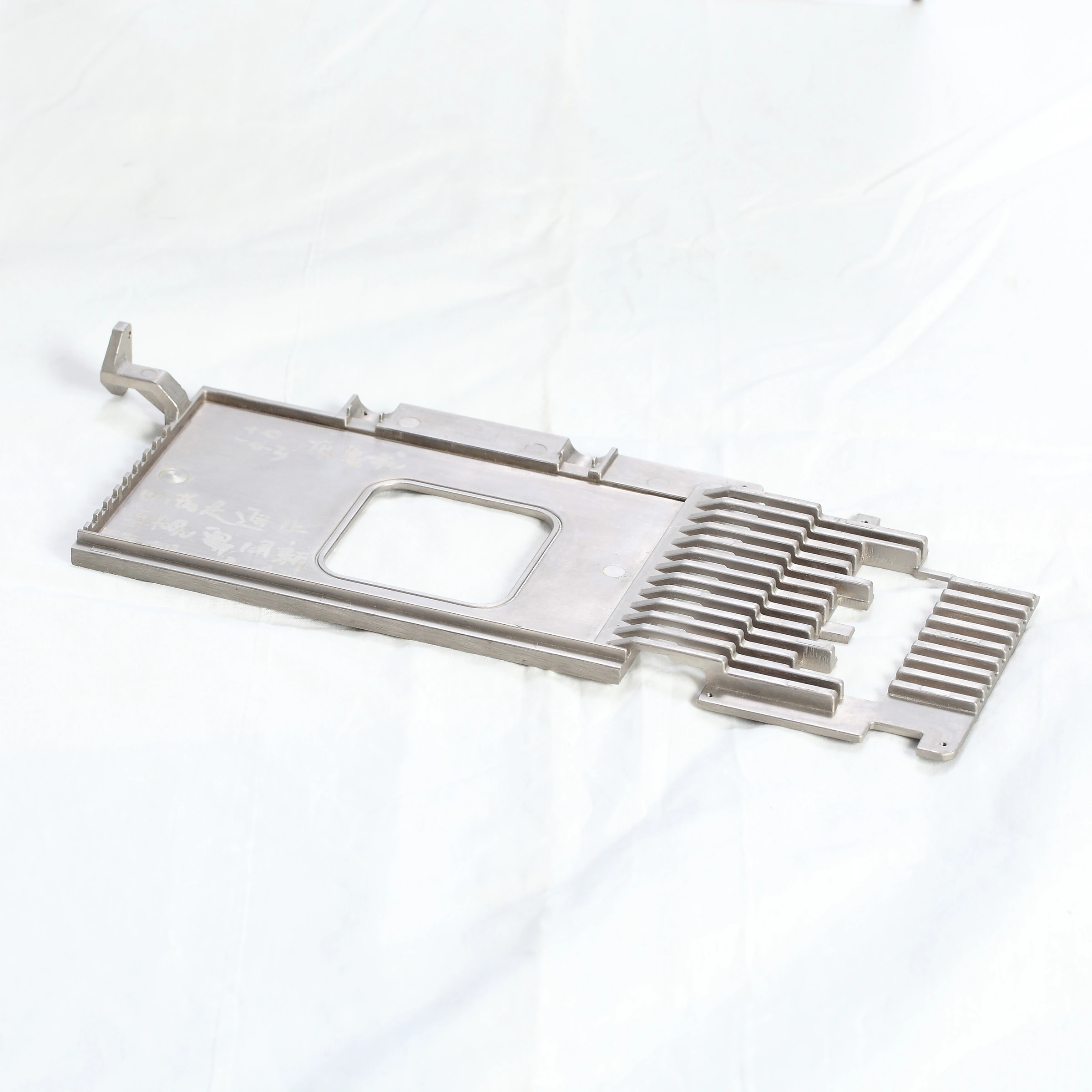
Manual Sand Casting Large Custom Cast Iron Steel Alloy Aluminum Industrial Parts and Separate Aluminum Die Casting Services
Direct factory support
Get a quote that fits your project
Send your drawing or product reference, material grade and required quantity. Relia will review the requirements with you.
- Drawing & specification review
Confirm the supply scope and critical requirements.
- Samples before custom production
Review inspected samples before approving a batch.
- Inspection documents
Agree material and dimensional records for your part.
-
MaterialAluminum AlloyCasting MethodDie Casting
-
ProcessCasting +Machining(if Need)+surface TreatmentSurface treatmentPowder Coating
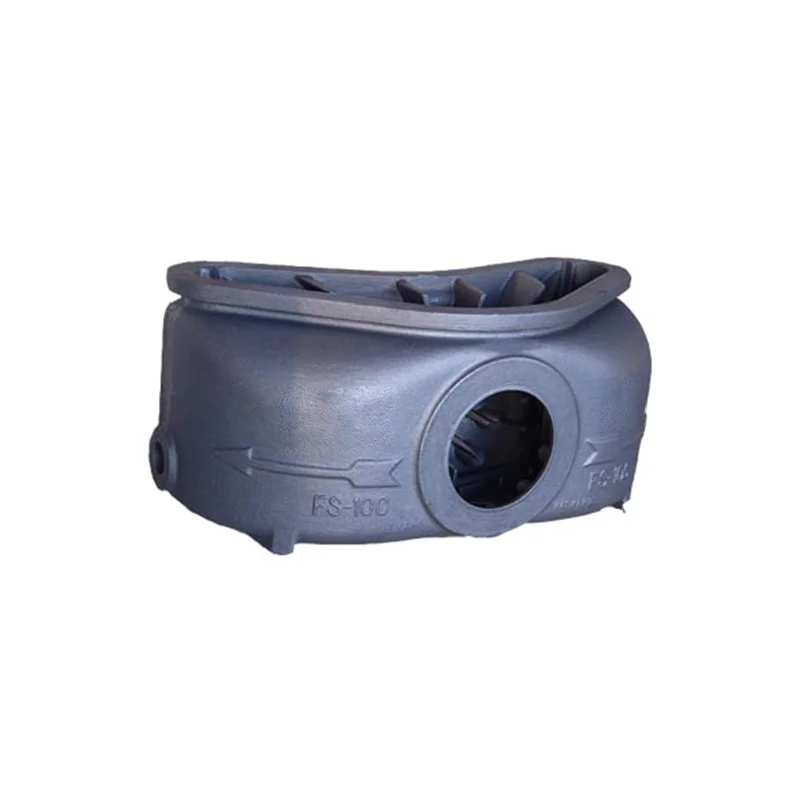
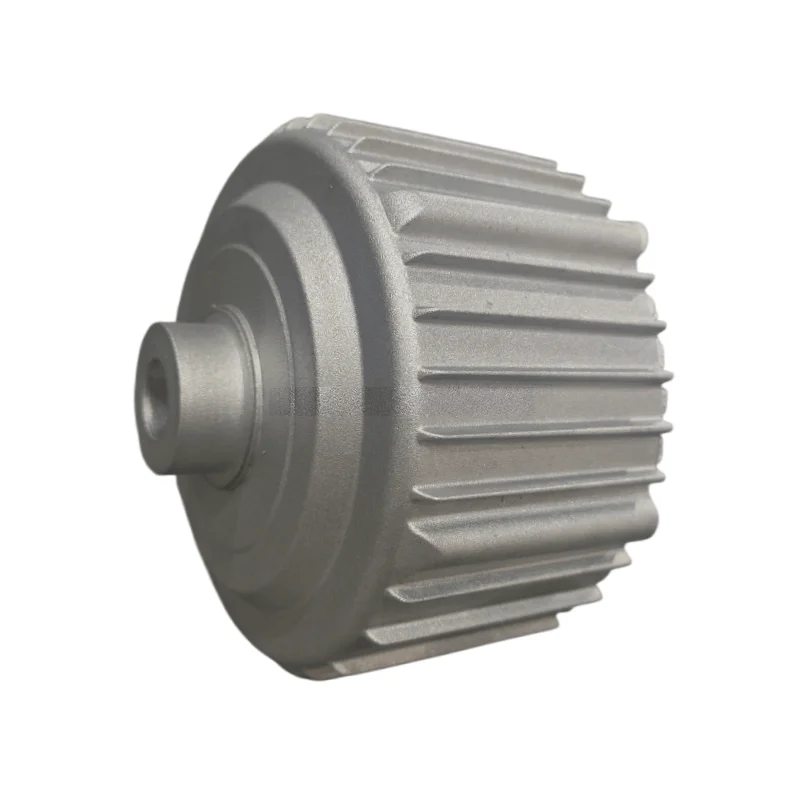
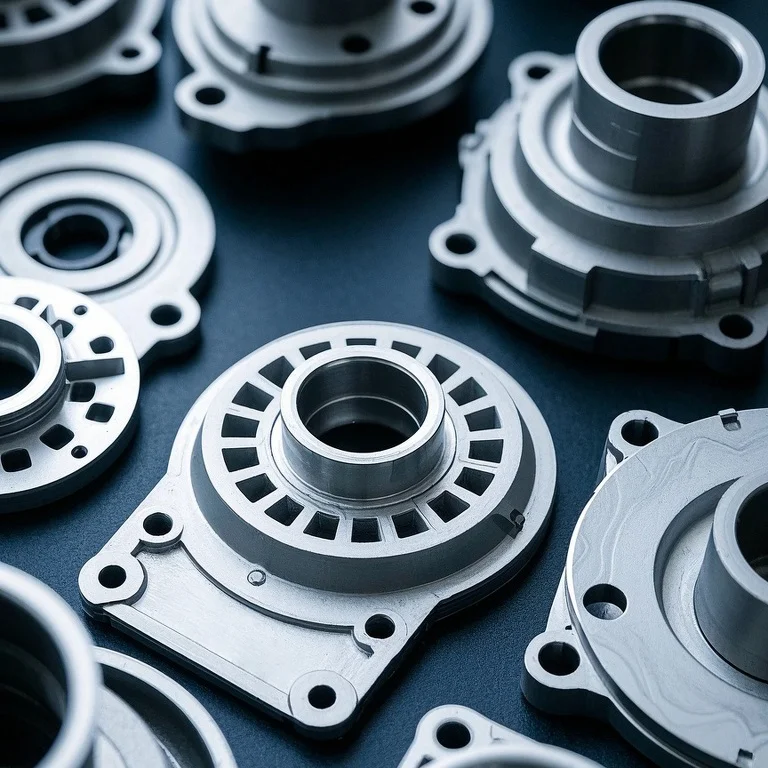
Large custom industrial parts can be requested through manual sand casting in cast iron, steel alloy or aluminum alloy. Aluminum-alloy die casting is a separate route option. Select the complete material grade and molding method for the actual component rather than assuming every combination is interchangeable.
Describe the large component in its installation
Provide the geometry, required overall size and the relationships with surrounding machinery or structures. Identify support, mounting and mating interfaces relevant to the selected industrial duty. Establish the material condition and supplied state needed for that design.
Scope further work around functional contacts
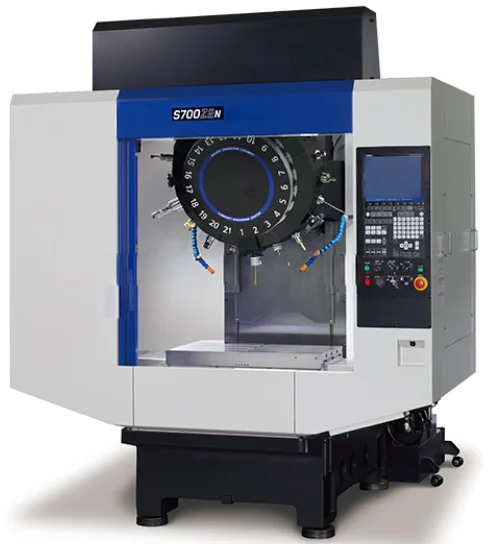
Machining may be included where the casting requires finished interfaces. Mark those areas and their dimensional limits, distinguishing them from cast-state regions. Specify the locating references and measurement conditions needed to evaluate the part’s final installation relationships.
Select powder-coated coverage
Powder coating is offered for suitable surfaces. Define the substrate, treated areas and required appearance of the selected component. Mark working contacts that need masking or a different supplied condition where coating can affect final fit.
- State the large industrial part’s quantity and current drawing revision.
- Identify material and dimensional acceptance records.
- Explain the required initial-part assessment against the installation geometry.
- Keep approved material, route and interface decisions within that component definition.
Use the agreed supplied-state and mounting requirements when requesting further manual-sand-cast or separately specified die-cast components.