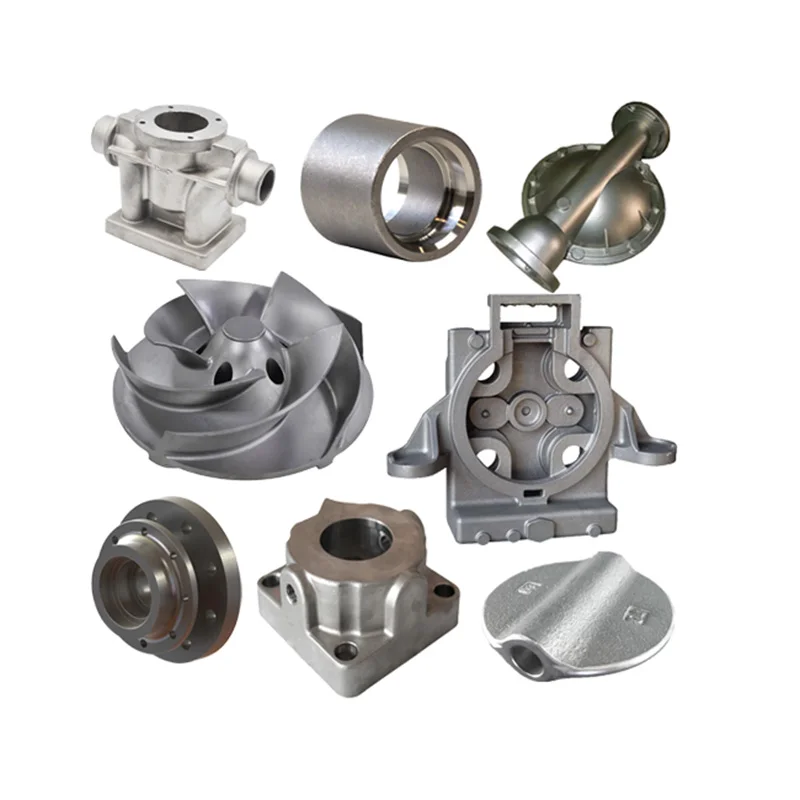
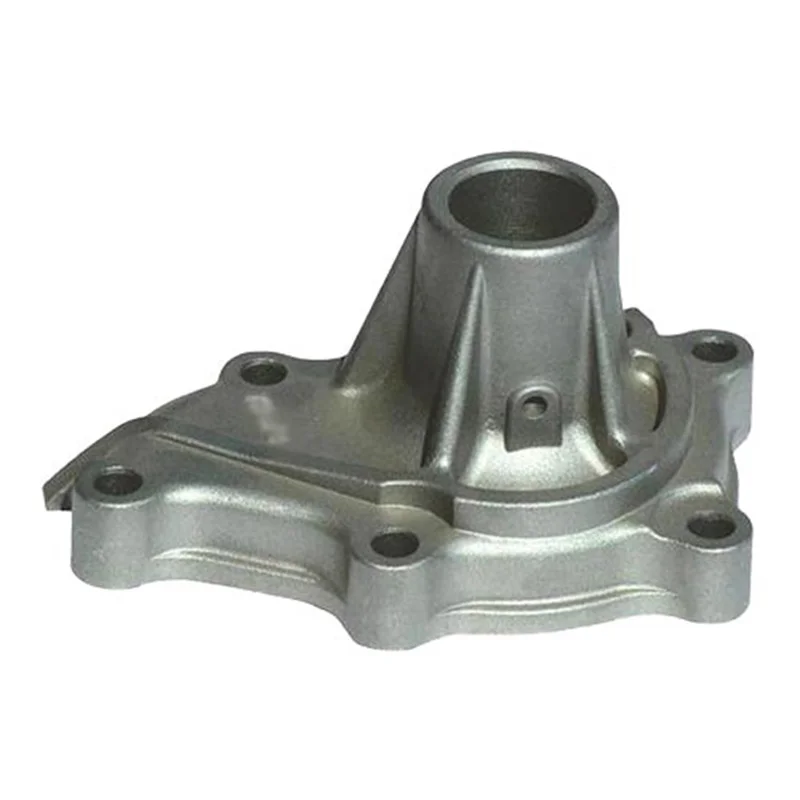
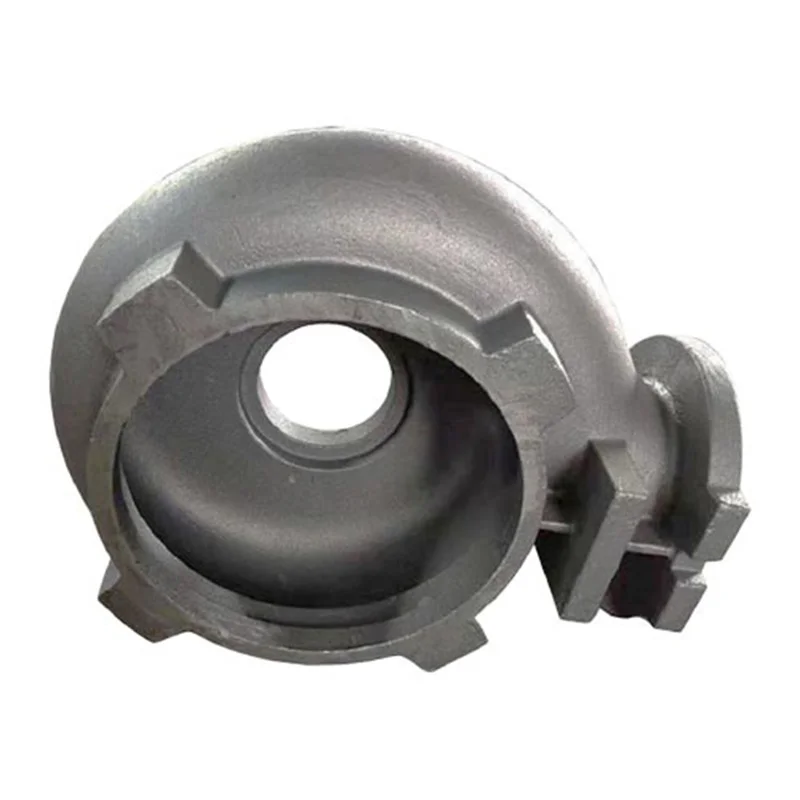
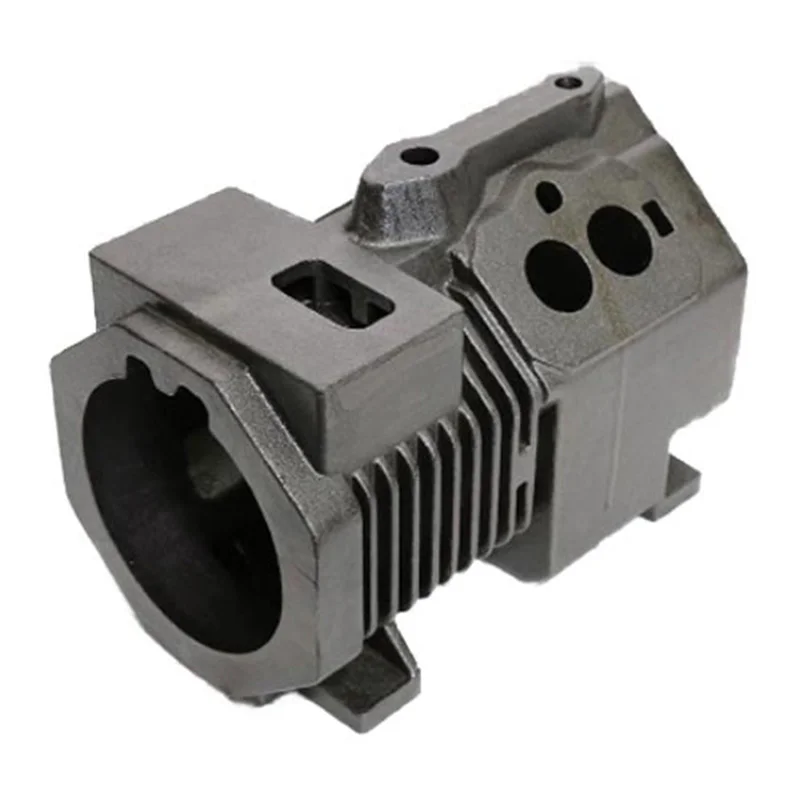
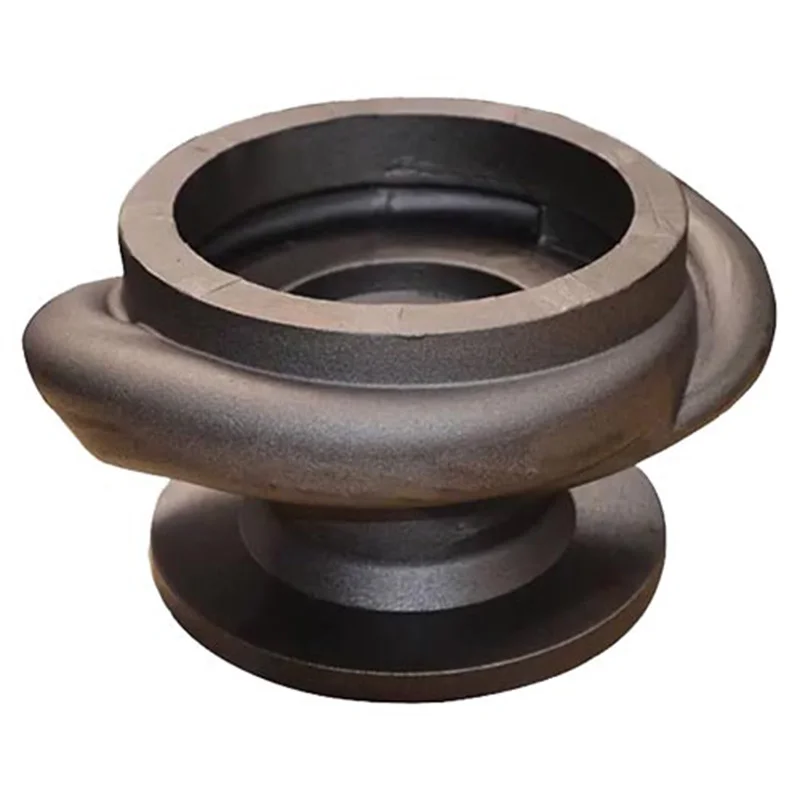
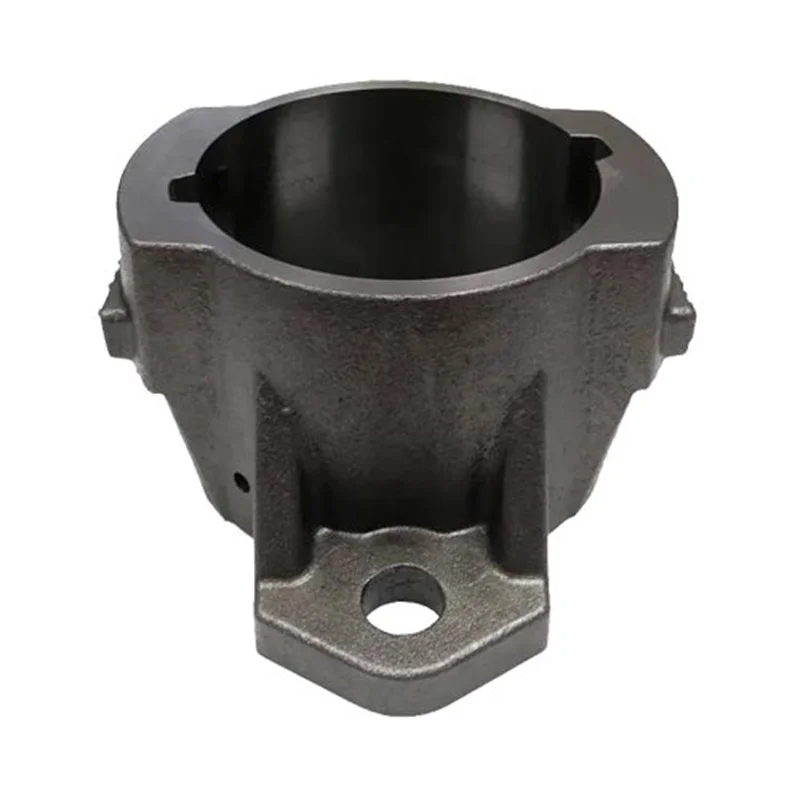
OEM Aluminum Sand Die Cast Parts with CNC Machining and Separate Iron Casting Enquiries Custom Dimensions Color and Surfaces
Direct factory support
Get a quote that fits your project
Send your drawing or product reference, material grade and required quantity. Relia will review the requirements with you.
- Drawing & specification review
Confirm the supply scope and critical requirements.
- Samples before custom production
Review inspected samples before approving a batch.
- Inspection documents
Agree material and dimensional records for your part.
-
ServiceOEM Service
-
Surface TreatmentPainting, Sand Blasting, Electroplating, etc.ProcessDie Casting+Machining+Surface Treatment
-
Quality Control100% InspectionToleranceCustomized Tolerance
-
StandardCustomers' RequirementsDrawing Format2D/3D IGS, DWG, STP, PDF, etc.
-
MaterialAluminumDimensionsCustomized Sizes
-
ColorCustormers' Requirements
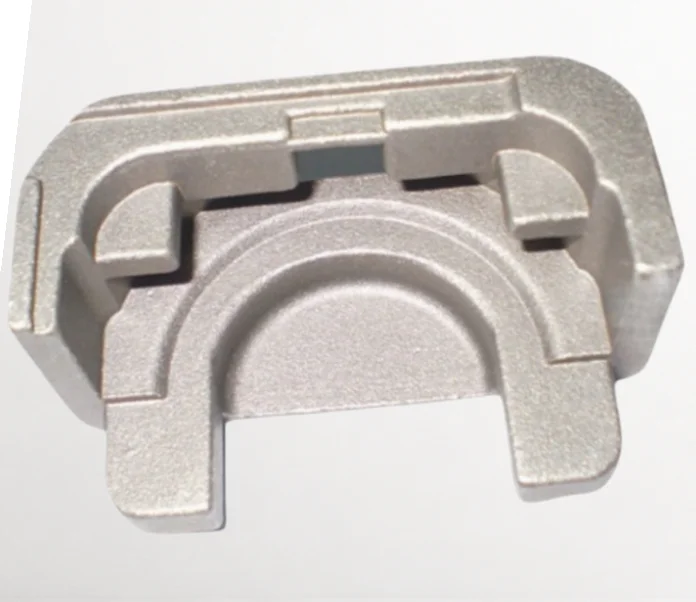
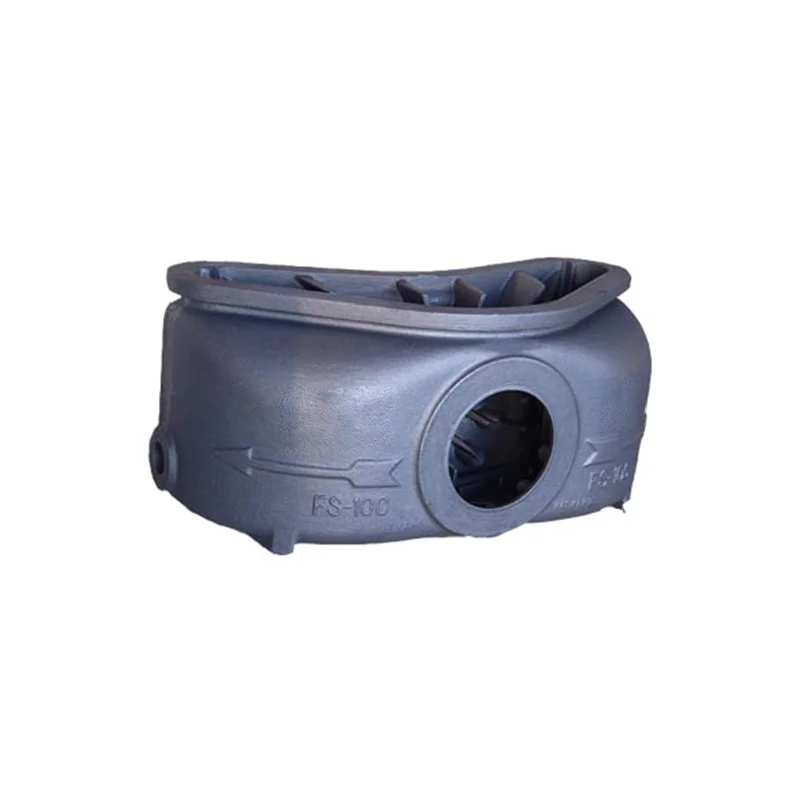
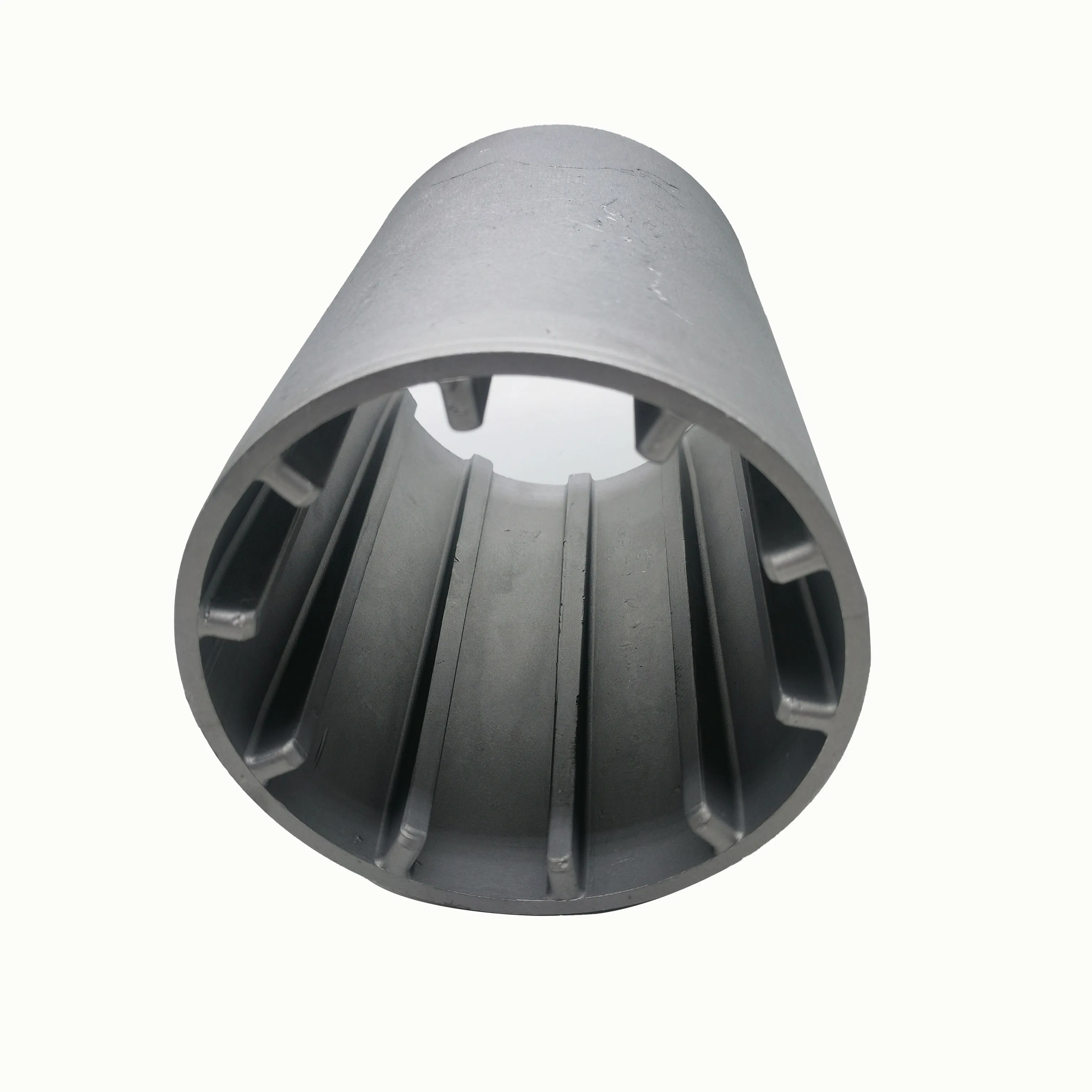
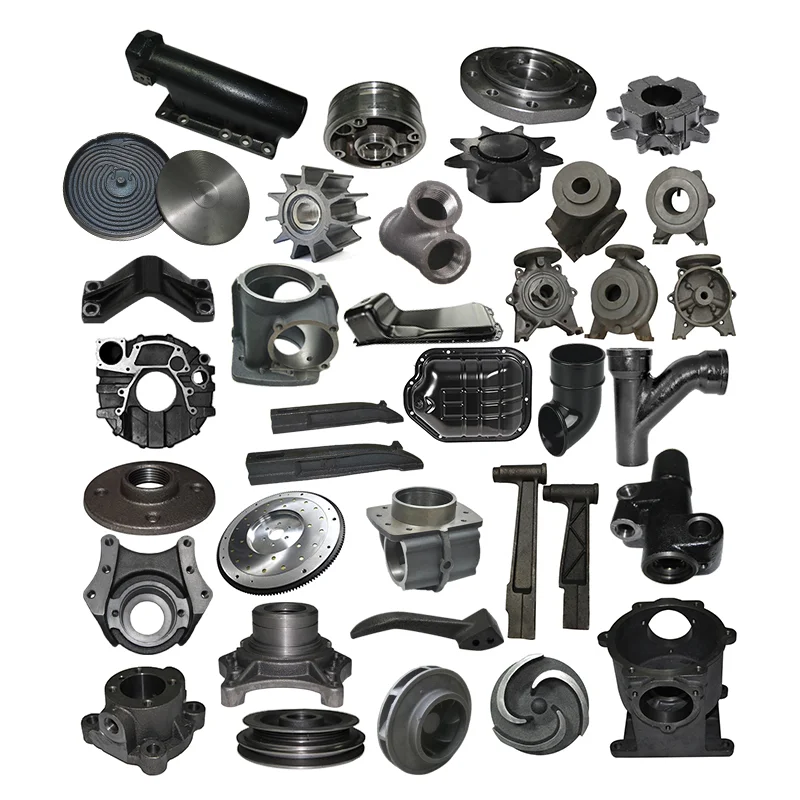
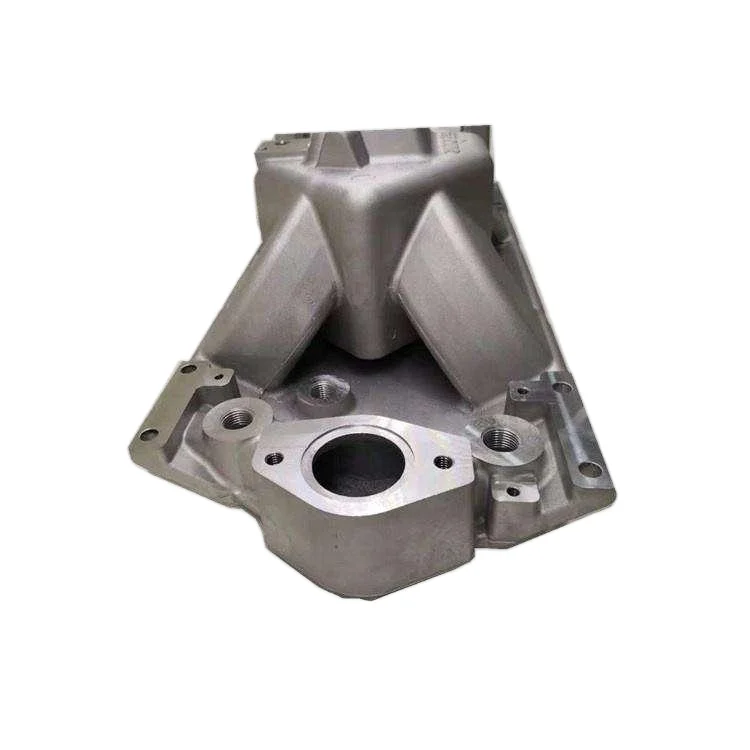
OEM aluminum casting parts can be requested with selected sand- or die-casting routes and CNC machining. Iron-component enquiries are separately defined. Specify the complete grade, compatible process and required material condition for each drawing-defined item and its intended machinery role.
Use the drawing to establish the supplied geometry
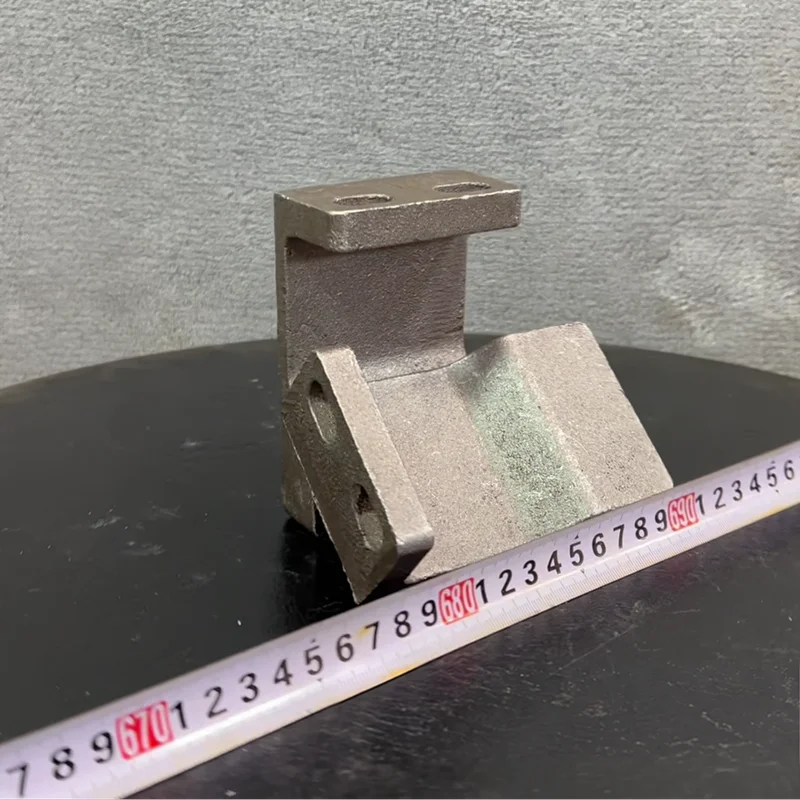
Dimensions and tolerances are customized. Mark mounting, locating and working interfaces with the datums controlling fit. Distinguish the general cast form from surfaces needing CNC-finished acceptance and state the measurement conditions for the selected dimensions.
Define color and surface work at the interfaces
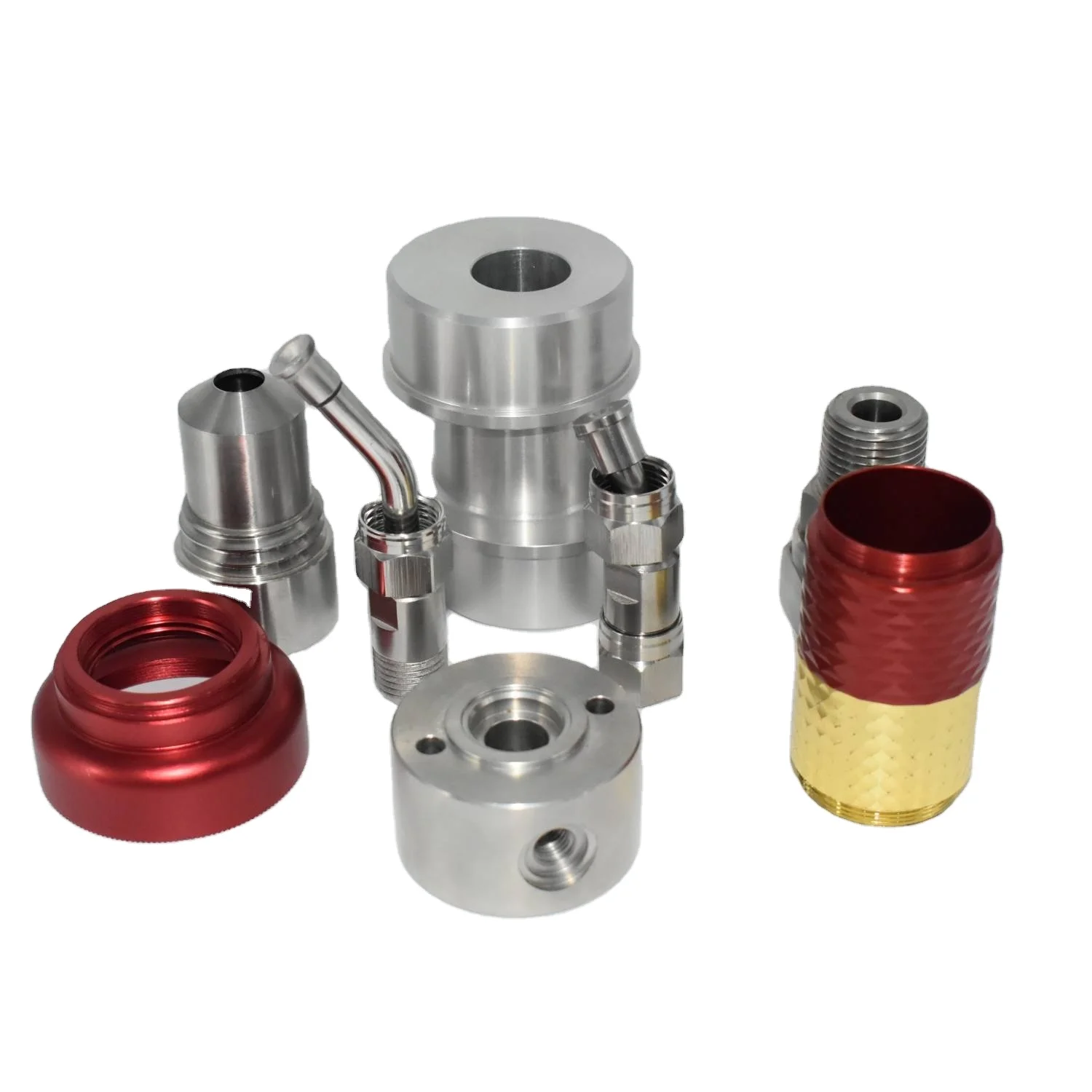
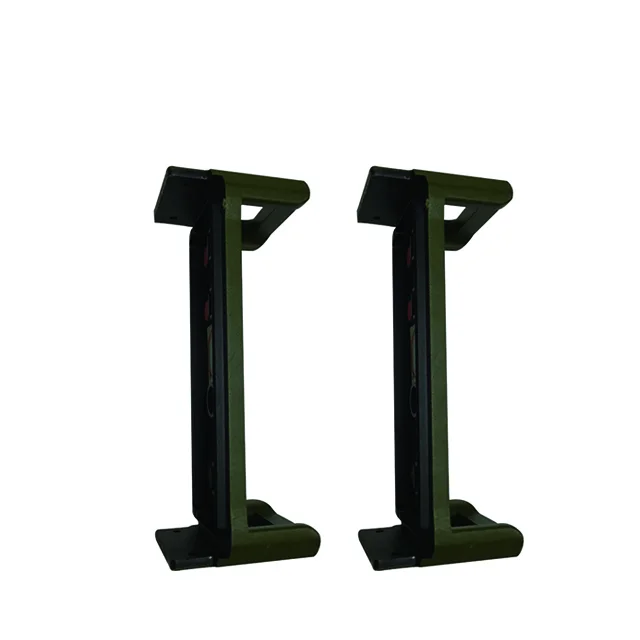
Painting, sandblasting and electroplating are named finishes, with color set by customer requirements. Identify coverage, appearance and masking around the actual substrate and contacting surfaces. State the final condition needed where surface work affects installation or operation.
- Submit 2D/3D IGS, DWG, STP or PDF data.
- Provide quantity and the controlling revision.
- Identify the applicable customer standard and material condition.
- Explain the purpose of an initial approval component.
Set the inspection and production-approval brief
The stated 100% inspection should address agreed material, dimensional and surface characteristics for the selected part. Define methods and reporting, including interfaces assessed together to establish functional fit. Identify the final CNC and surface condition used when recording accepted dimensions. Retain approved material, route and finish changes with the component definition so production acceptance follows the actual aluminum or separate iron casting in its agreed supplied state.