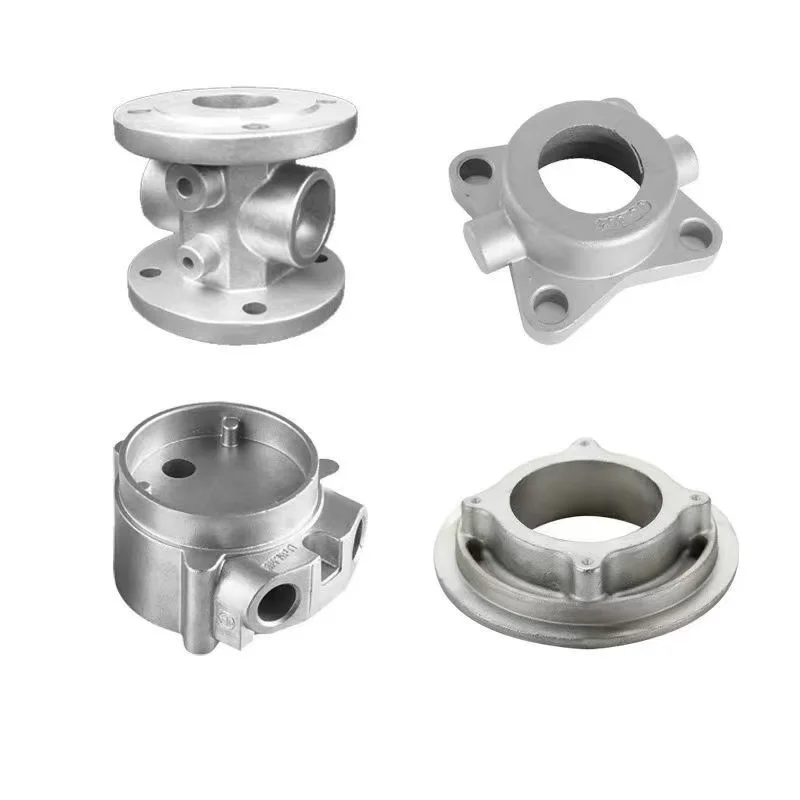
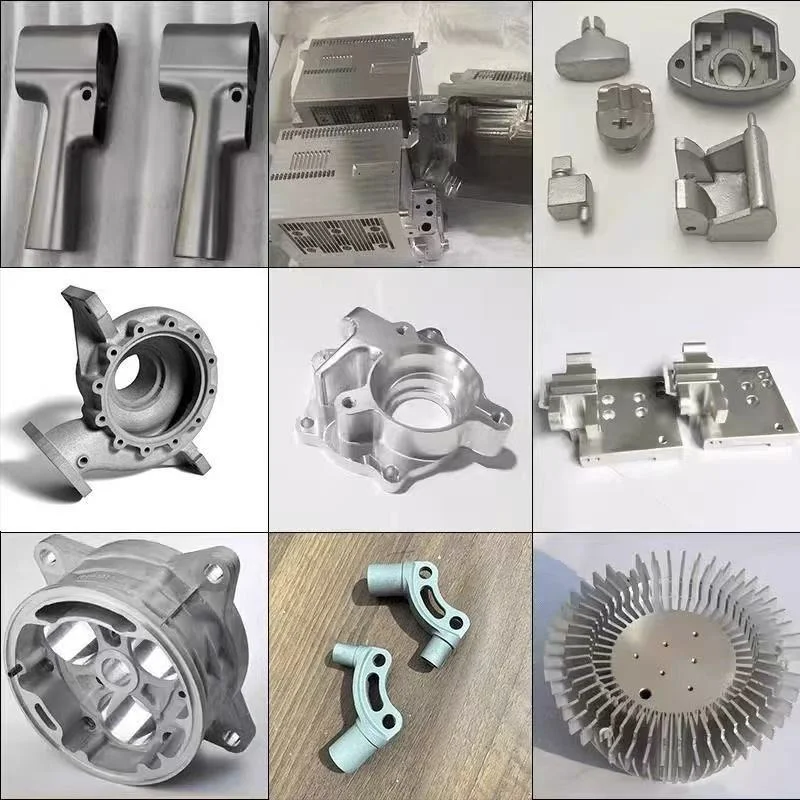
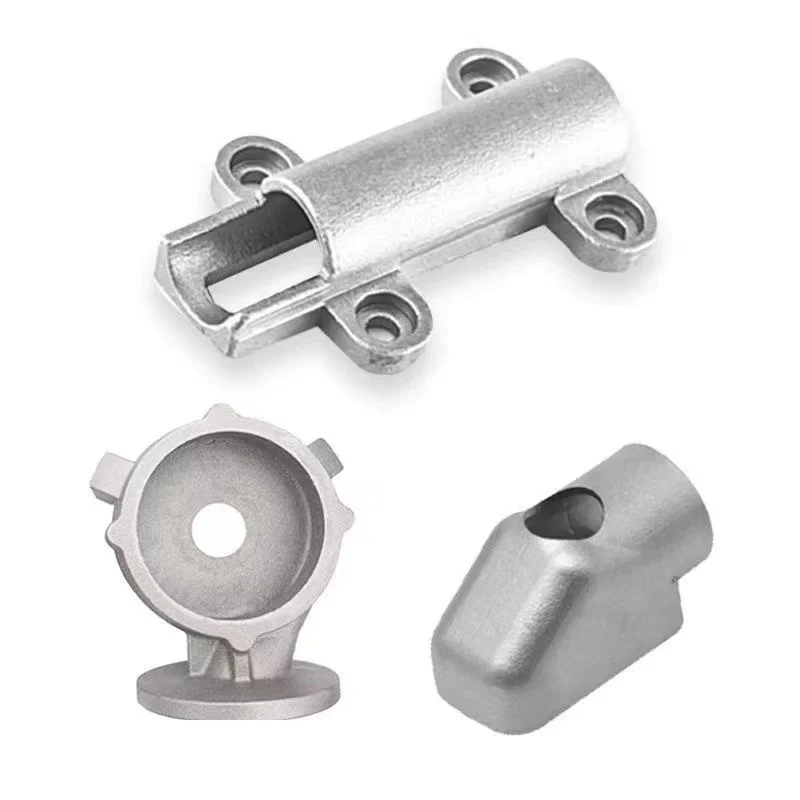
OEM Custom Precision Engine Parts: Casting, Forging and Two-Flute Milling-Tool Enquiries
Direct factory support
Get a quote that fits your project
Send your drawing or product reference, material grade and required quantity. Relia will review the requirements with you.
- Drawing & specification review
Confirm the supply scope and critical requirements.
- Samples before custom production
Review inspected samples before approving a batch.
- Inspection documents
Agree material and dimensional records for your part.
-
Applicable machineHigh-Speed Machining Center, Horizontal Milling Machine, Mold Machining Equipment, Multi-Axis Linkage MachinecoatingBright, Other, Tiain, TiCN
-
Cutting Directionclimb milling, Conventional MillingCutting Edge Length10mm, 12 mm, 16mm, 20mm, 30 mm, 25mm, 35 mm, 40 mm
-
HRC45HRC, 55HRC, 60HRC, 65HRCmaterialAlloy Steel, Carbide, Diamond, High Speed Steel, Other, Tungsten Carbide, Tungsten Cobalt Alloy
-
customized supportOBM, ODM, OEM
-
Cutting hardnessHRC 45, hrc50, HRC 60Effective Cutting Length10mm, 12 mm, 18mm
-
Flute2 FlutesHelix Angle30° Helix Angle
-
warranty3 Years
An engine-component order and a milling-tool order need different purchase definitions. This OEM enquiry scope covers custom components and machining tooling, with the supplied item selected against its own drawing and operating requirement. Identify the requested part or cutter before applying the material, dimensional or cutting requirements to the proposal.
Choose the item for the machining project
For an engine-component request, cast iron, zinc, aluminum and brass are material enquiries, with forging, die casting and sand casting as separate route discussions. Define the actual engine part and its finished geometry. A milling-tool request should instead name the intended machine, cutting task and required tool configuration.
Match the tool geometry to its task
High-speed machining centers, horizontal milling machines, mold-machining equipment and multi-axis machines are application choices for the tool enquiry. Select the cutter configuration against the actual workpiece and operation. The proposed tooling should have its own dimensional and acceptance requirements.
- The tooling configuration describes two flutes.
- The helix angle is 30 degrees.
- Climb and conventional milling are direction choices.
- Tool materials include alloy steel, carbide, diamond, high-speed steel, tungsten carbide and tungsten-cobalt alloy.
- Bright and TiCN are finish or coating choices.
- A three-year warranty is stated, with coverage agreed for the selected item.
Align tool lengths with the approved drawing
Choose the diameter, overall length and blade-diameter combination that belongs to the requested cutter. Establish the actual length definitions on a dimensional drawing, including cutting-edge and effective cutting lengths. Each selected tool combination should be assessed as one configuration instead of assembled from unrelated dimension descriptions.
Specify hardness and coating acceptance
Agree the tool and workpiece hardness requirements for the chosen cutting task, together with the coating identification and inspection basis. The designation Tiain requires a clear coating definition for the order. OEM, ODM and OBM support can then be discussed against the actual component or milling-tool supply scope.