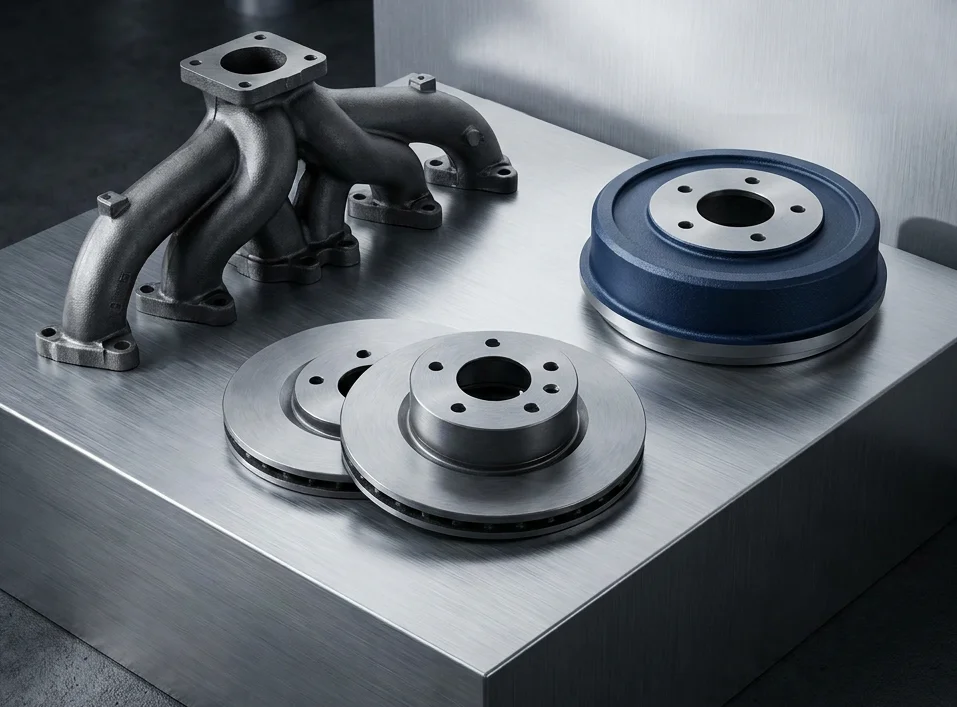
OEM ODM ASTM A48 Class30 Gray Iron Sand Cast Auto Machinery Parts and Separate Ductile Iron Components
Direct factory support
Get a quote that fits your project
Send your drawing or product reference, material grade and required quantity. Relia will review the requirements with you.
- Drawing & specification review
Confirm the supply scope and critical requirements.
- Samples before custom production
Review inspected samples before approving a batch.
- Inspection documents
Agree material and dimensional records for your part.
-
MaterialDuctile Iron & Grey iron
-
ApplicationAuto MachineryProcessSand casting
-
ServiceOEM\ODMCertificationISO9001
-
DimensionsCustomized SizesQuality Control100% Inspected /ISO9001 System
-
ToleranceCustomer's Drawing Request
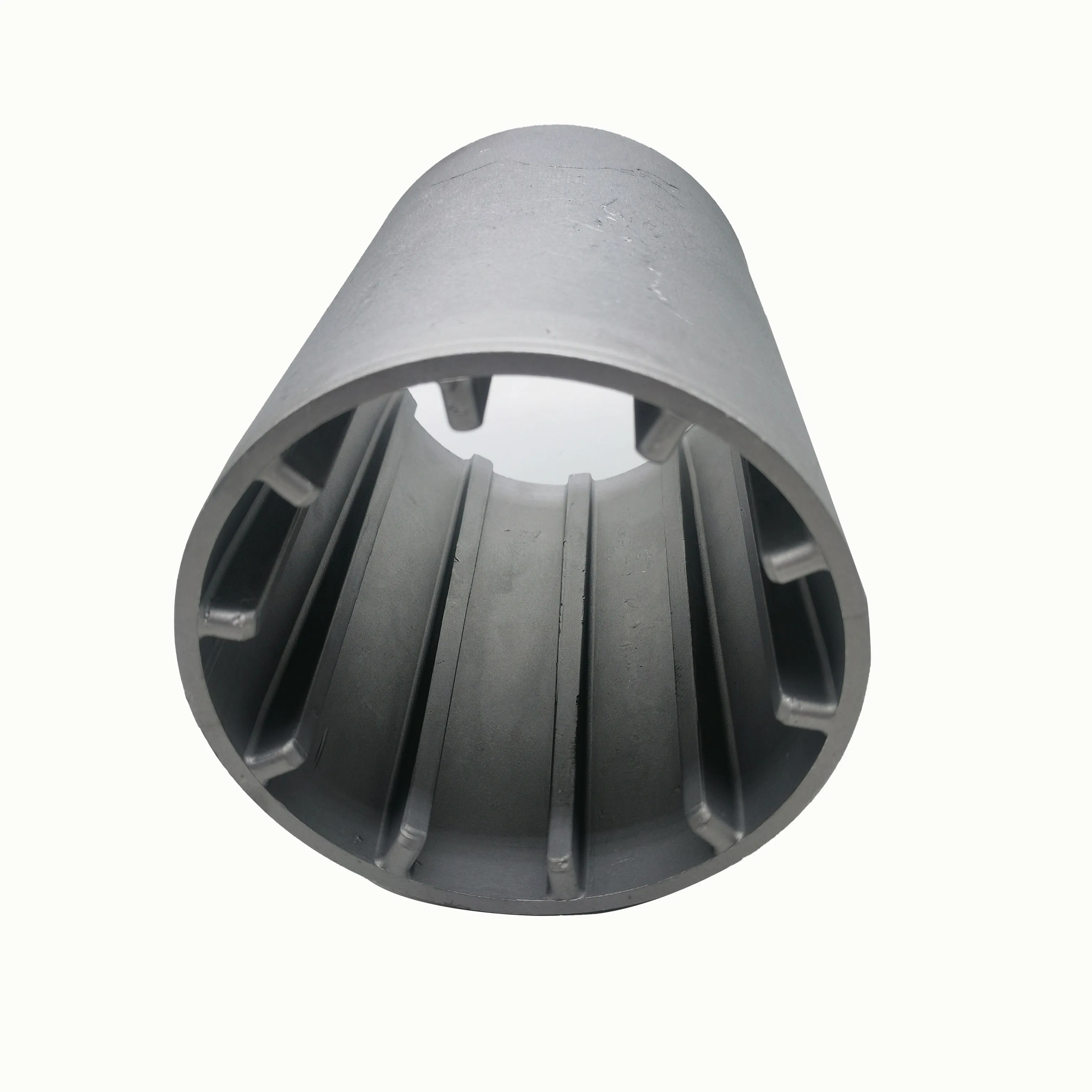
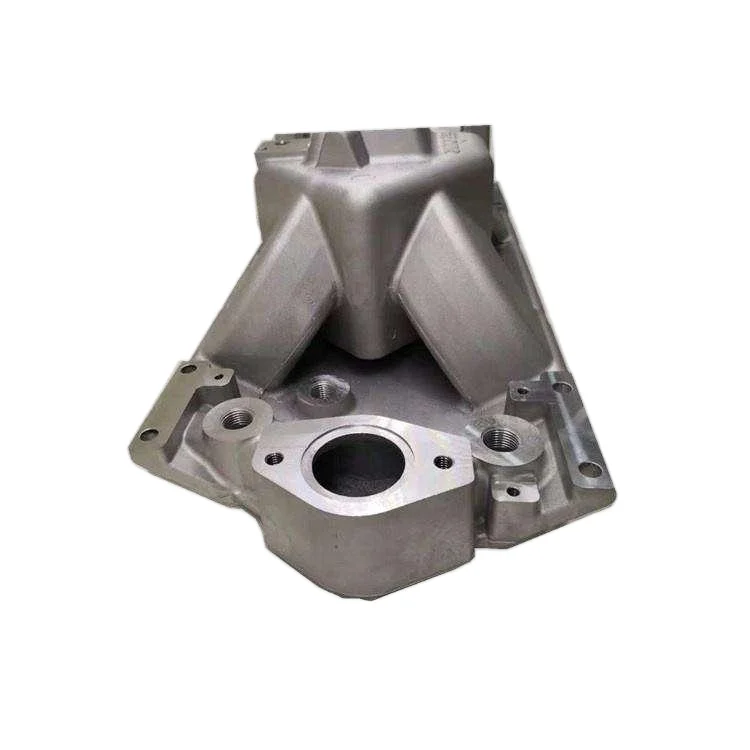
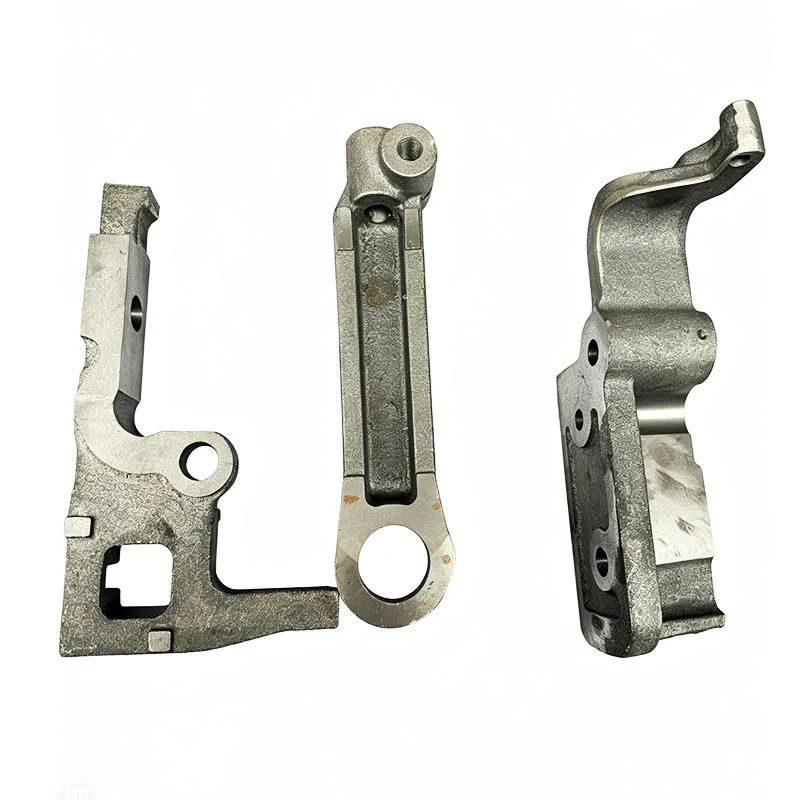
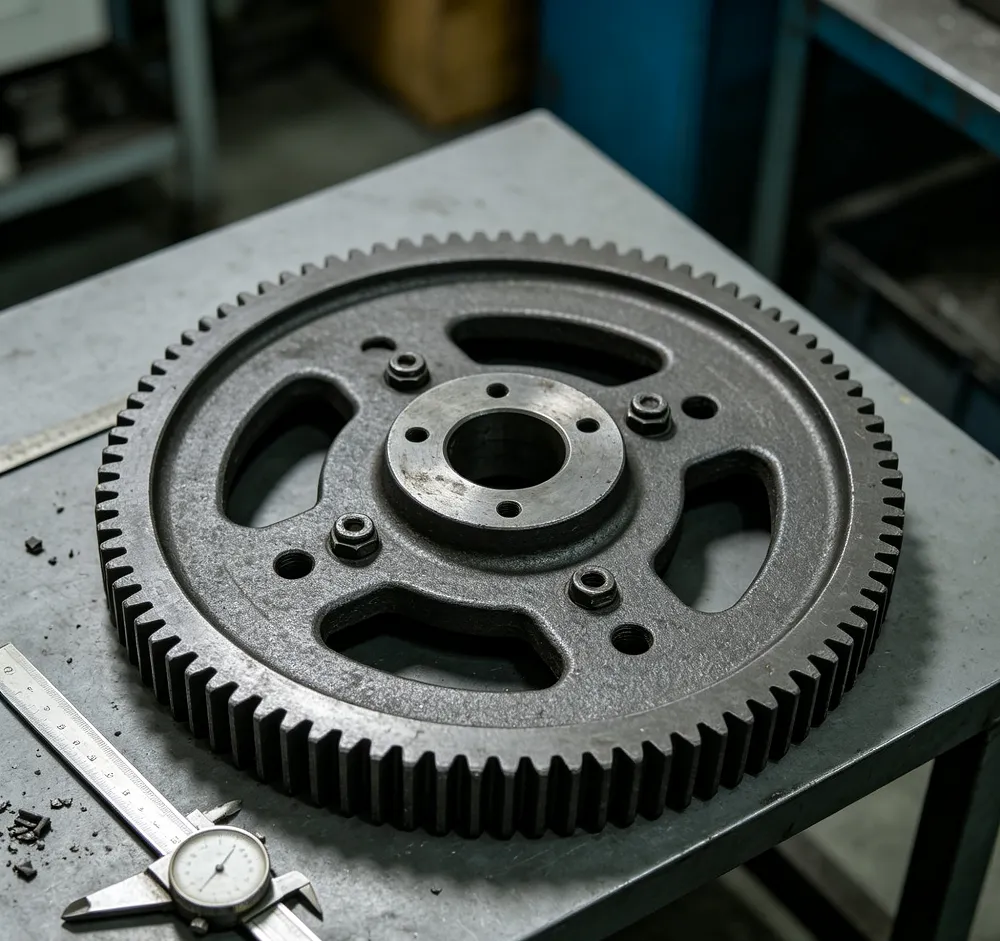
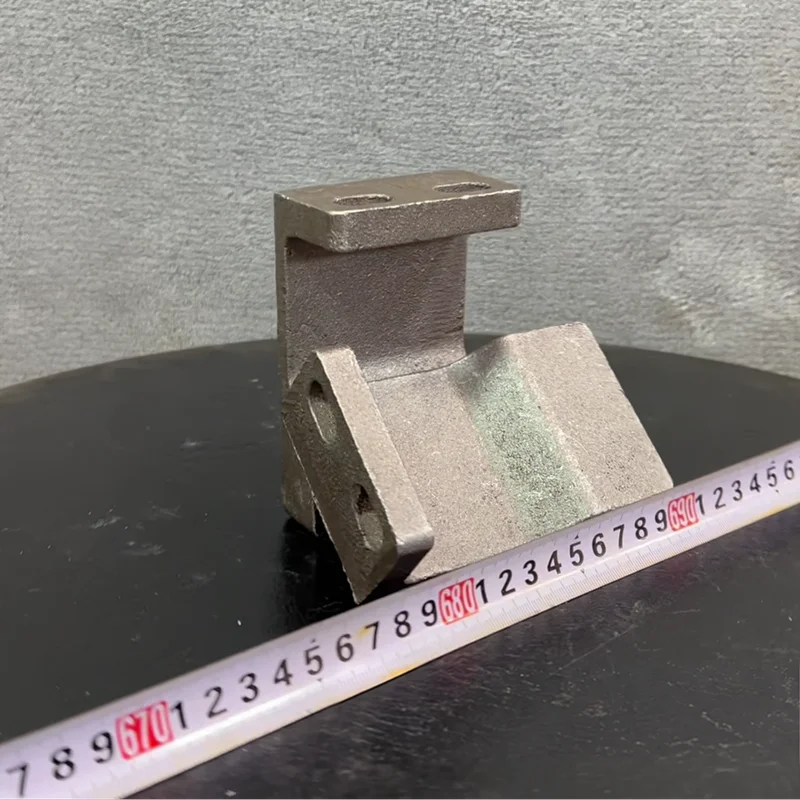
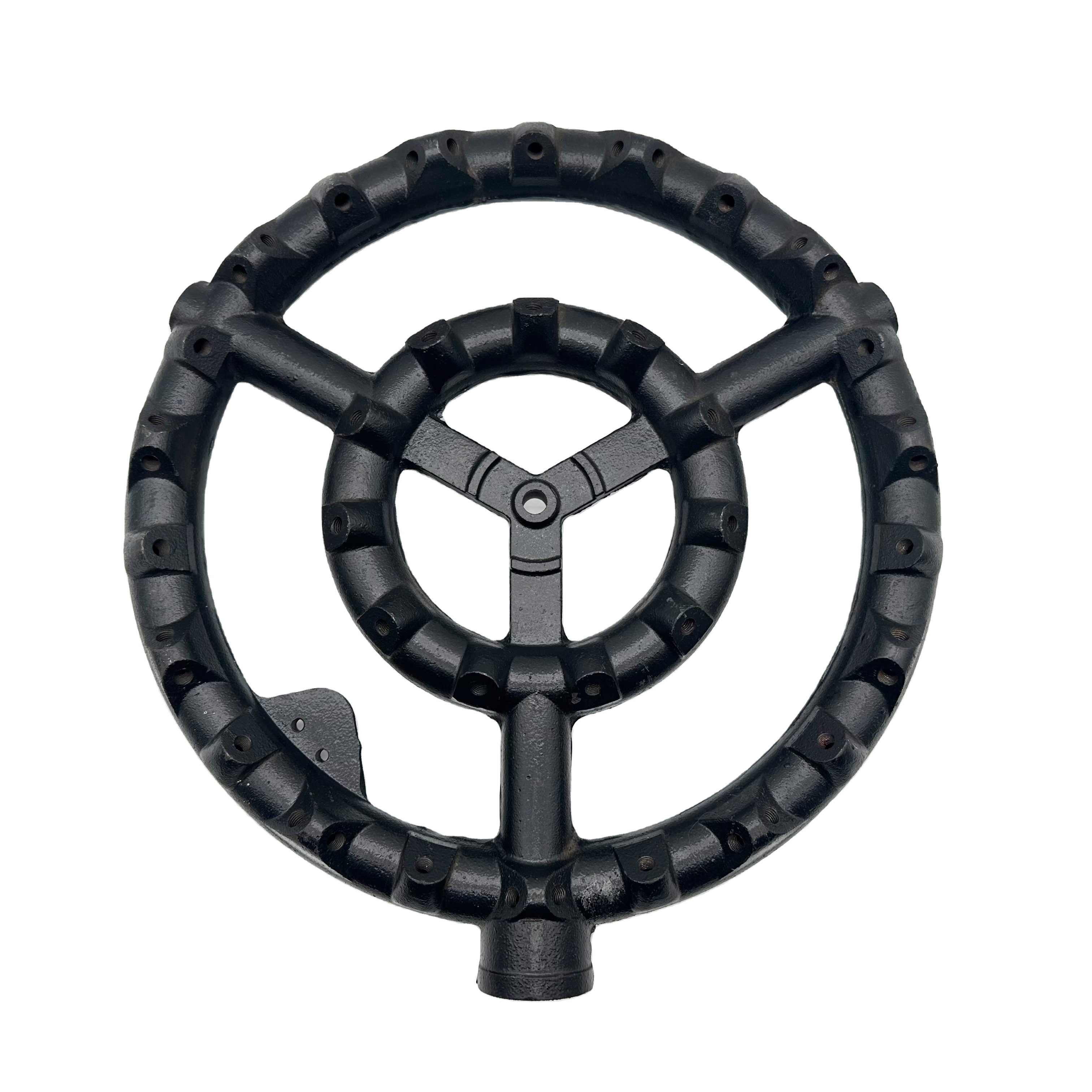
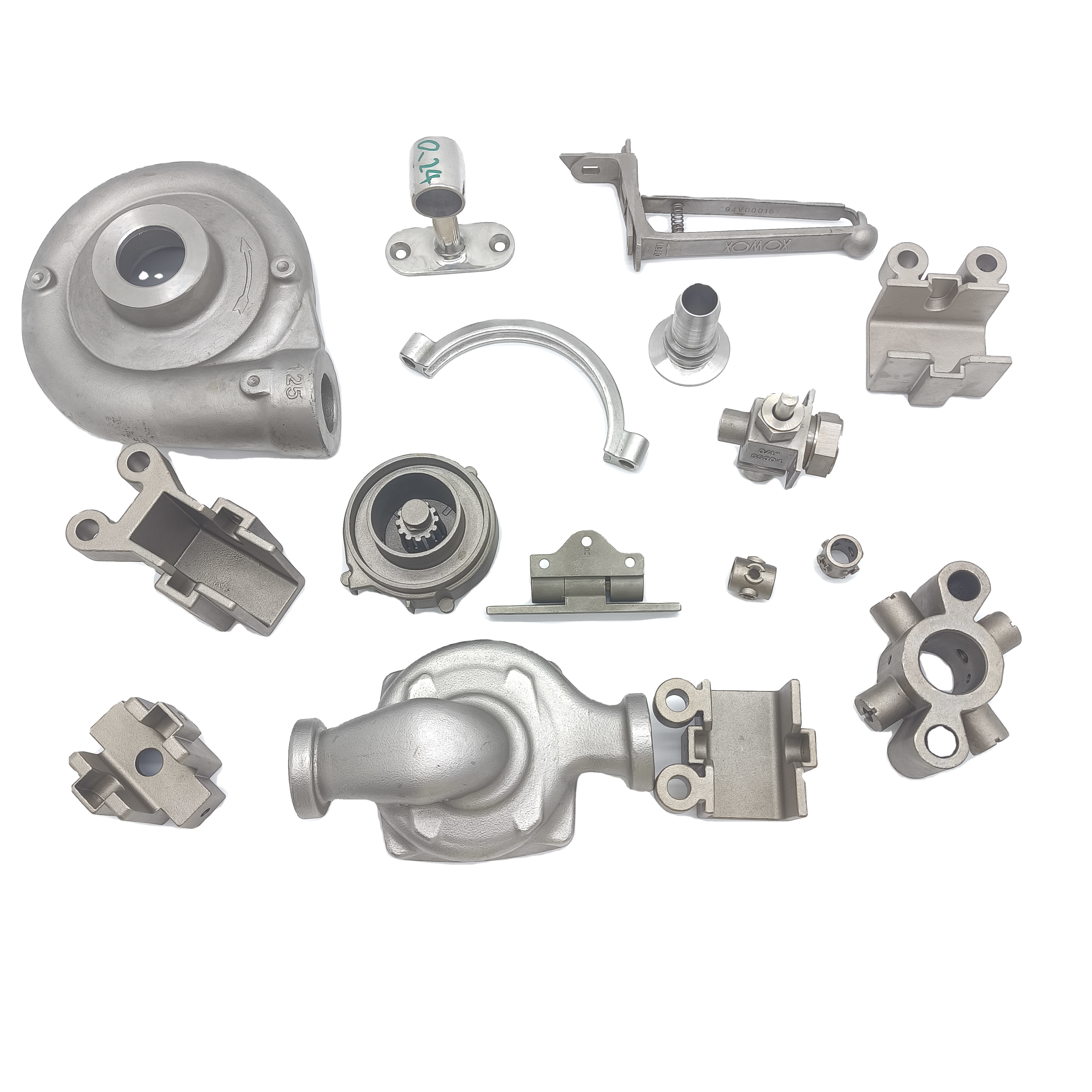
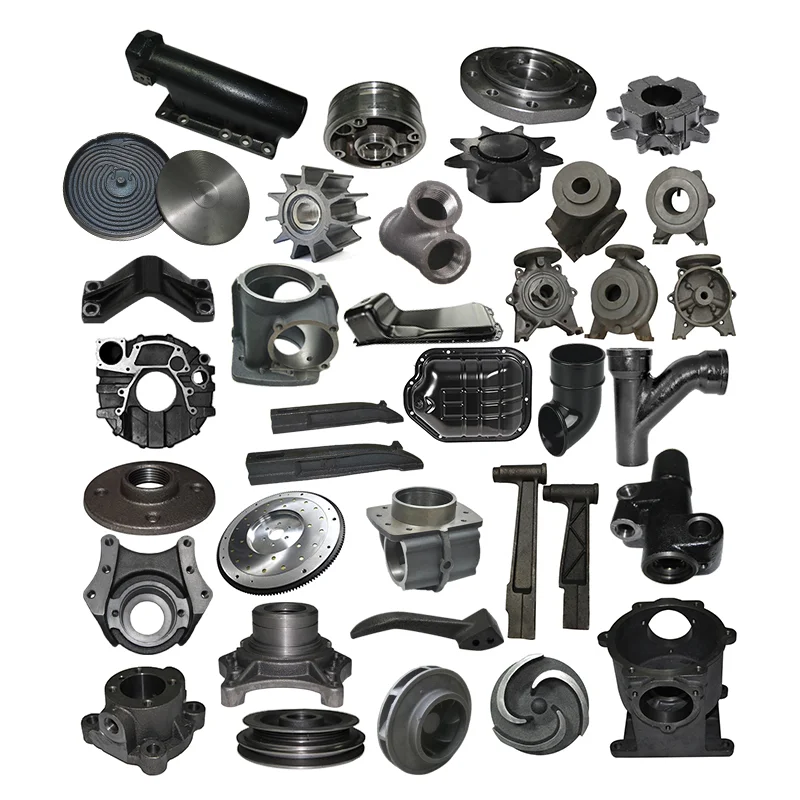
ASTM A48 Class30 gray-iron sand castings can be requested for automotive-machinery components, with separate ductile-iron items. OEM/ODM dimensions and tolerances follow the customer drawing. Select the complete governing specification and material condition for the actual part and its working duty.
Establish the automotive-machinery fit
Show mounting, locating and contacting relationships with adjoining components. Identify the dimensions and references controlling the selected part’s installation. Describe operating conditions relevant to the material and design so acceptance addresses the actual equipment function.
Keep material and dimensional requirements separate
The named class belongs to the gray-iron request. Define the complete grade for a separately selected ductile-iron component. Mark cast-state regions and any interfaces requiring another supplied result, with measurement conditions for relationships assessed together at approval.
Set inspection within the system scope
The stated 100% inspection under an ISO9001 system needs actual checks and records for the component. Identify the material, dimensional and surface characteristics required for acceptance. Request applicable system documents with the relevant holder and activity scope.
- State the auto-machinery part’s quantity and controlling revision.
- Identify final surface requirements at working and visible areas.
- Explain what an initial casting must demonstrate with its mating assembly.
- Retain accepted grade and interface decisions within the part record.
Use the approved material and supplied-condition definition when confirming further components for the same specified machinery duty.