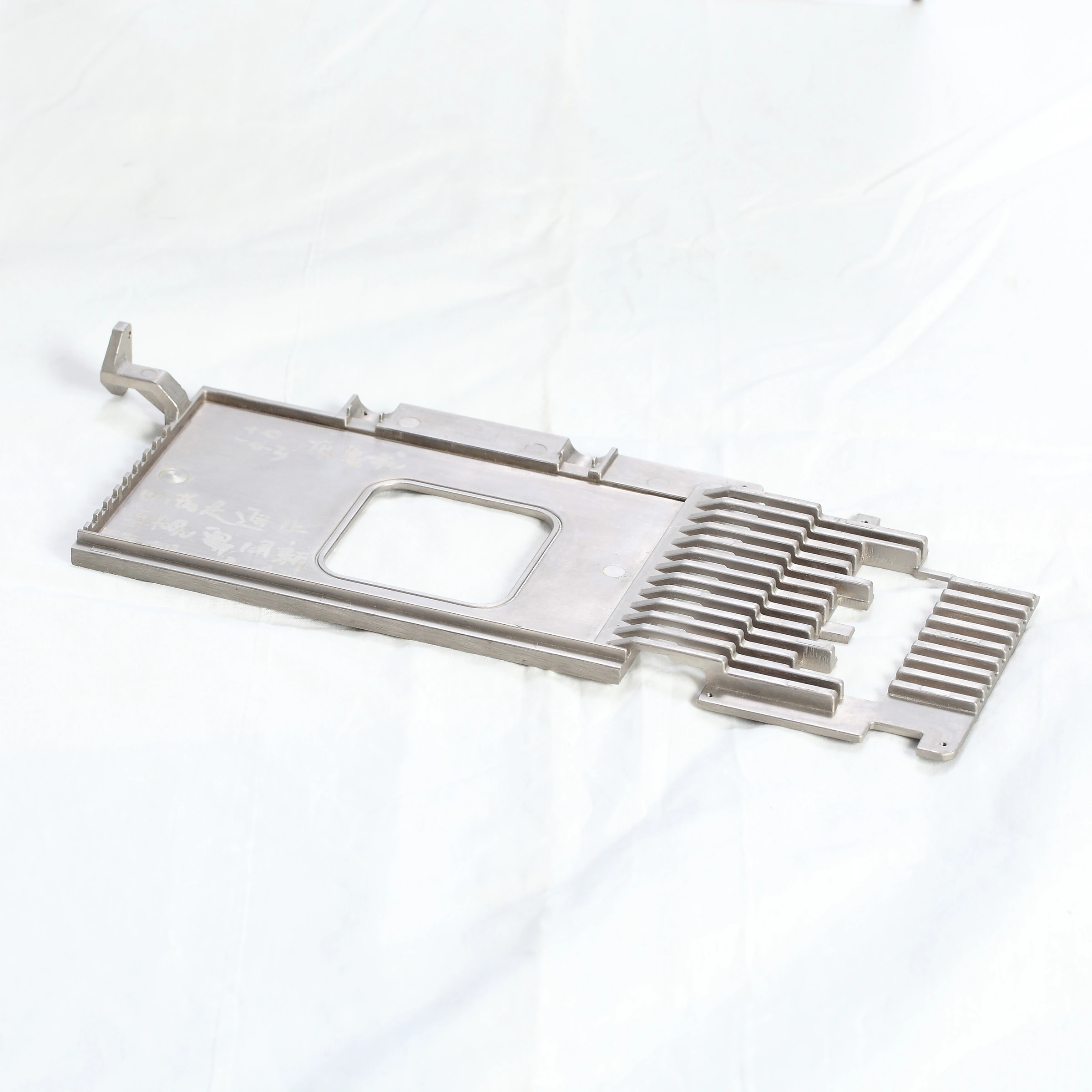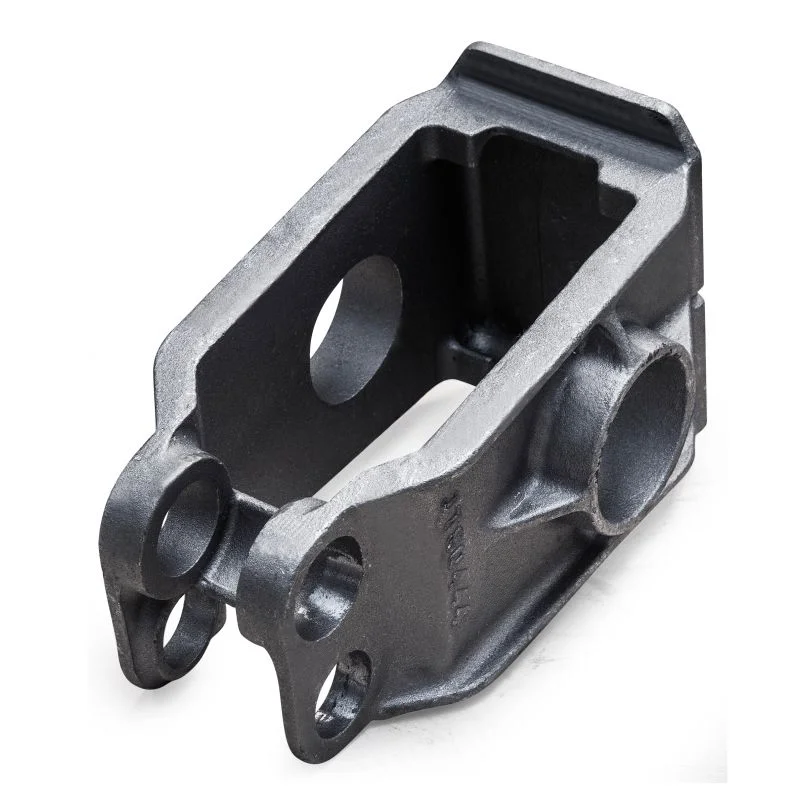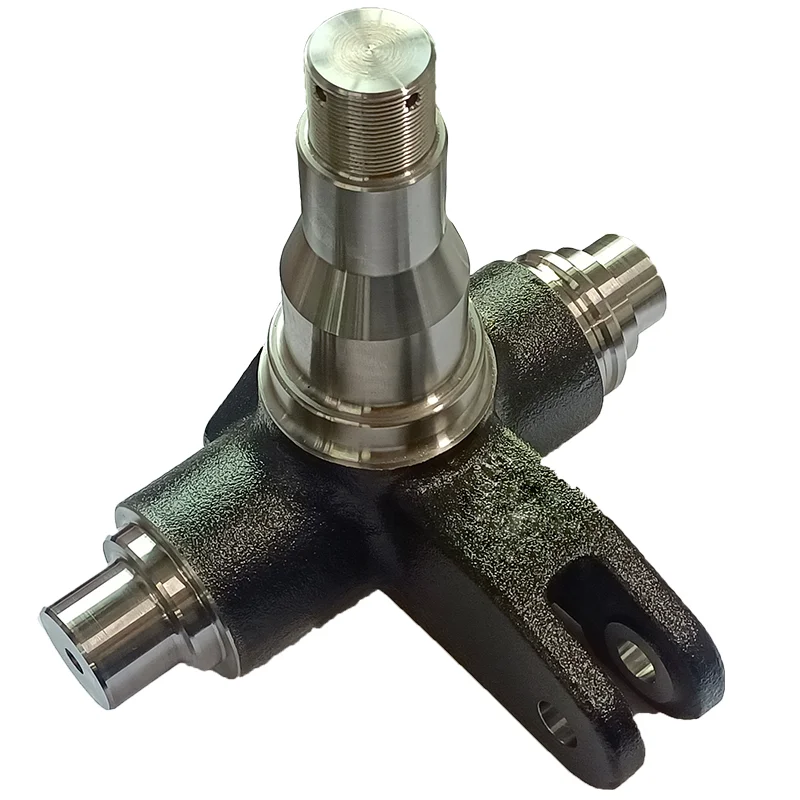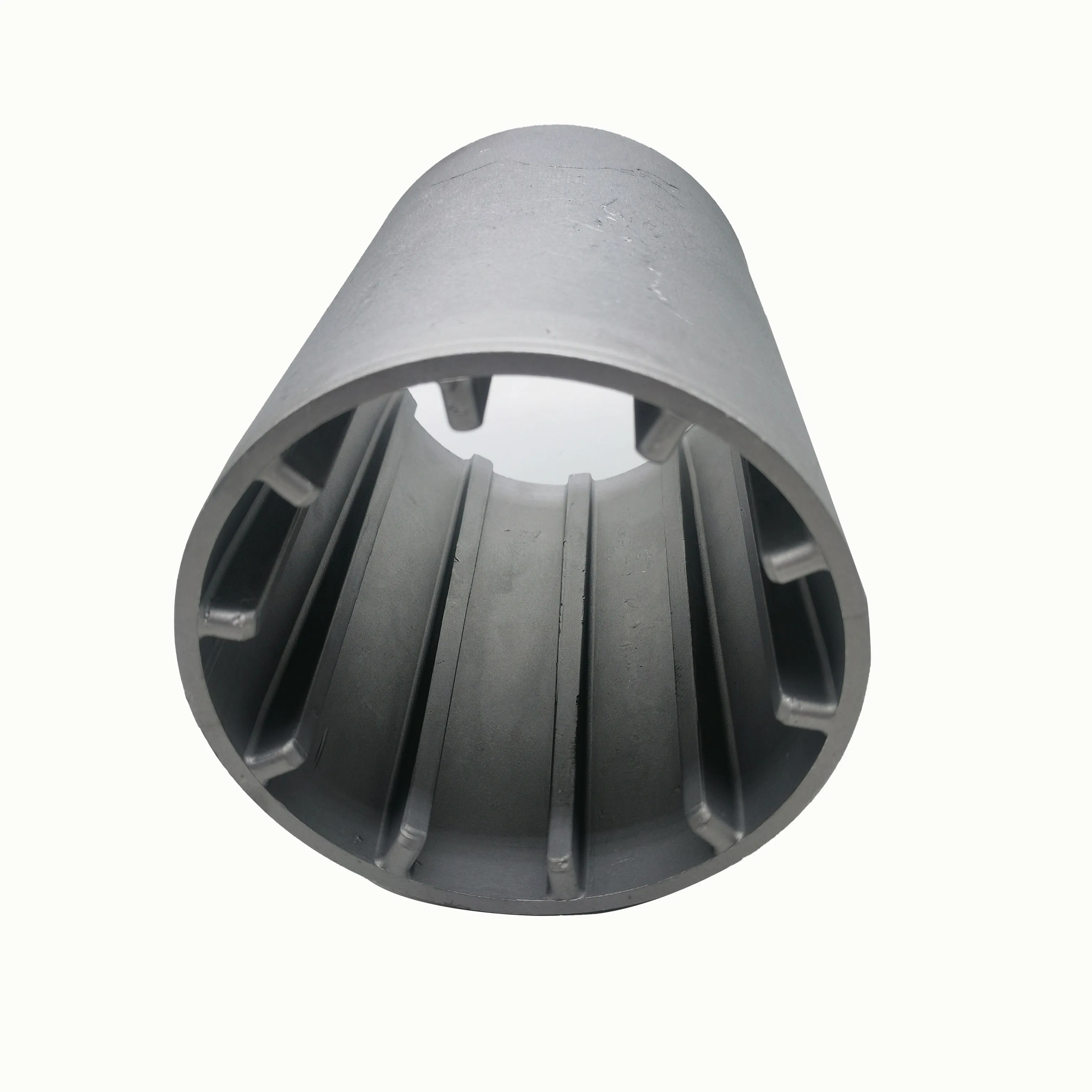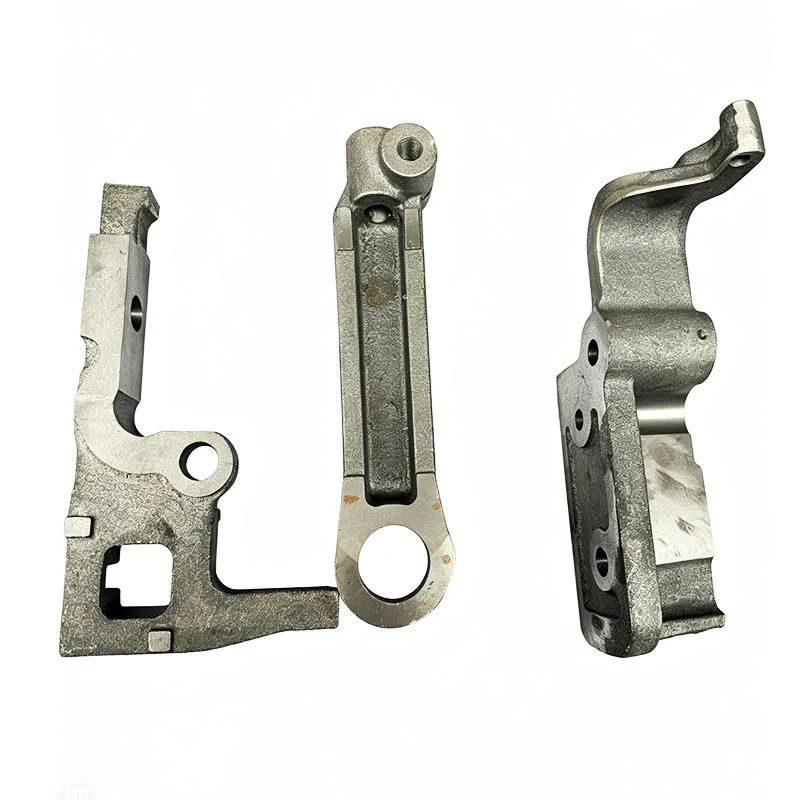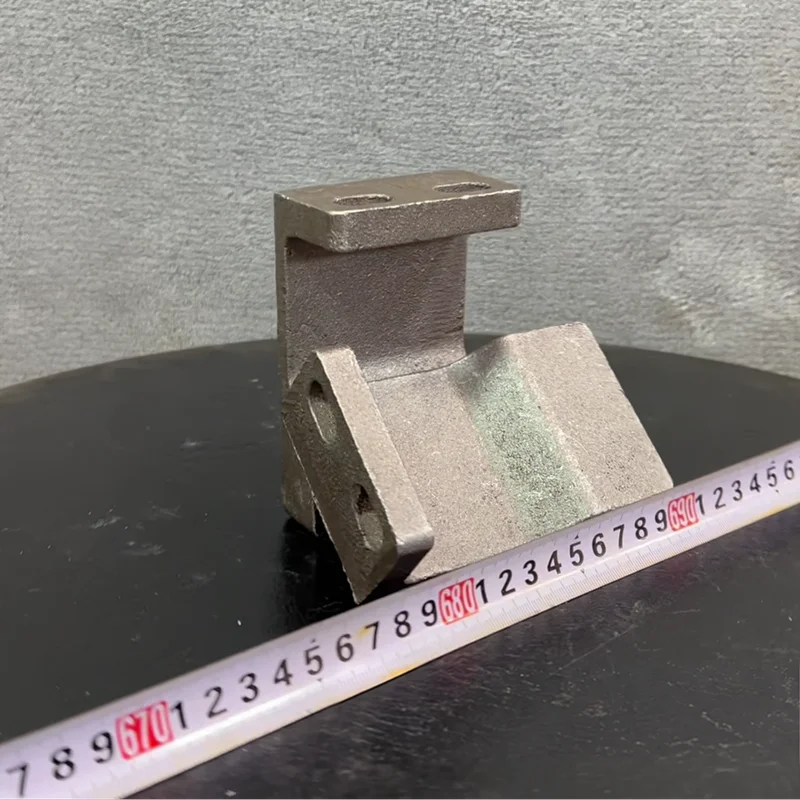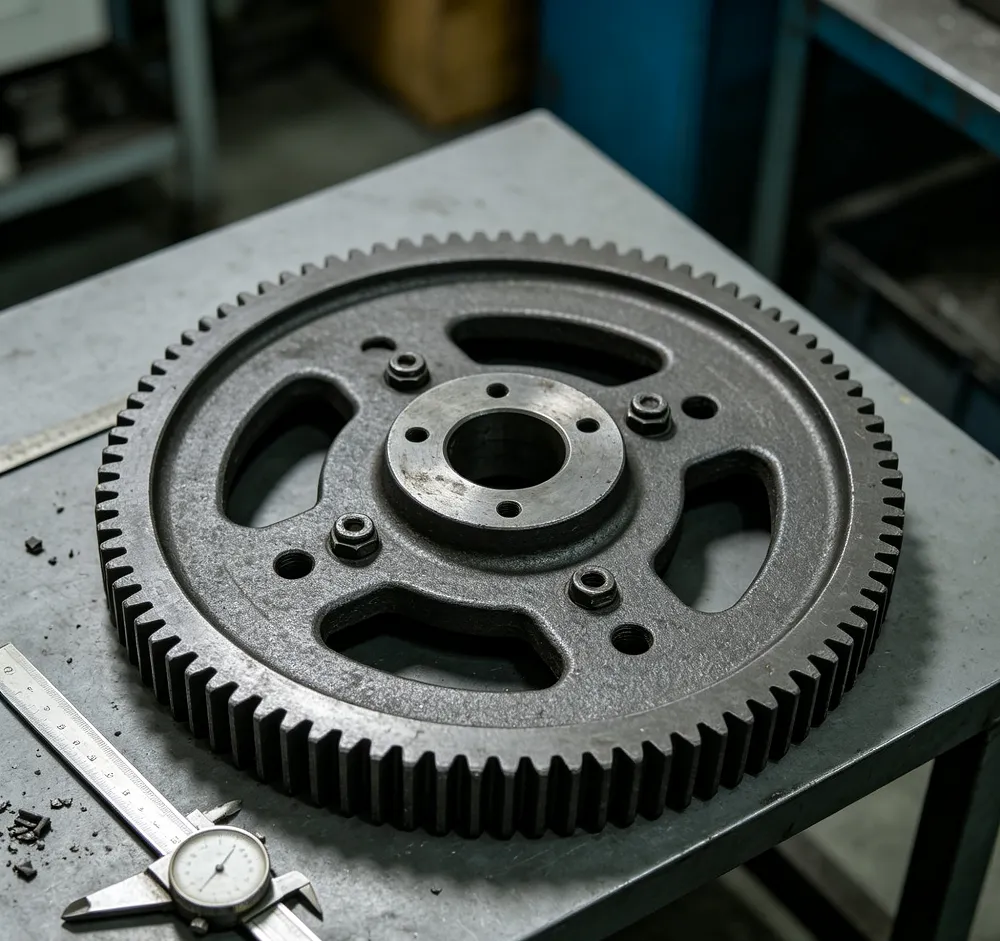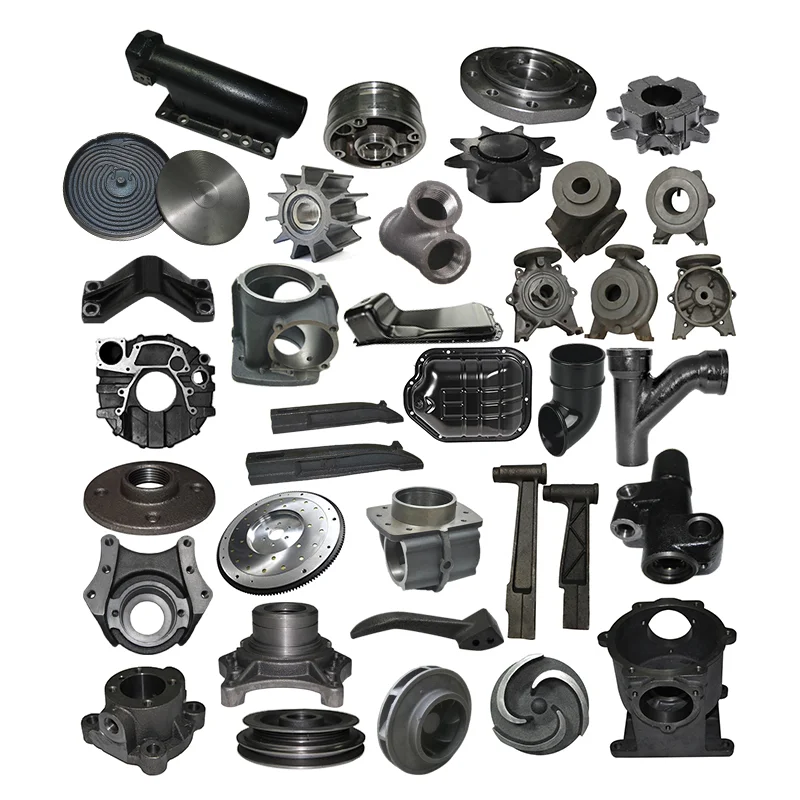
OEM ODM ASTM A536 EN1563 GGG50 GJS Ductile Iron Sand Castings with Separate Grey Iron Automotive Machinery Components
Direct factory support
Get a quote that fits your project
Send your drawing or product reference, material grade and required quantity. Relia will review the requirements with you.
- Drawing & specification review
Confirm the supply scope and critical requirements.
- Samples before custom production
Review inspected samples before approving a batch.
- Inspection documents
Agree material and dimensional records for your part.
-
MaterialDuctile Iron & Grey iron
-
ApplicationAuto MachineryProcessSand casting
-
ServiceOEM\ODMCertificationISO9001
-
DimensionsCustomized SizesQuality Control100% Inspected /ISO9001 System
-
ToleranceCustomer's Drawing Request
Ductile-iron sand-casting enquiries for automotive and machinery components name ASTM A536, EN1563, GGG50 and GJS references. Gray-iron parts are separately specified. OEM/ODM dimensions and tolerances follow the actual component drawing and required supplied condition.
Identify the full governing grade
State the complete standard, edition and material-property requirement for the selected iron. Define any required equivalence on its actual agreed basis. Identify the material condition and records needed to approve the component for its intended automotive or machinery duty.
Control assembly fit on the drawing
Show mounting, locating and mating interfaces with surrounding parts. Mark datums, dimensional limits and measurement conditions for the selected geometry. Distinguish the cast form from areas requiring a particular final result, identifying relationships assessed together to establish functional fit.
Set inspection and system scope
The stated 100% inspection under an ISO9001-system reference should assess agreed material, dimensional and surface characteristics. Define methods, controlled features and approval records, and request the actual qualification document and scope for the selected supply.
- Provide quantity and the controlling revision.
- Specify working and visible surface requirements, including finished surfaces recorded when confirming the casting’s accepted functional fit.
- Explain the purpose of an initial component.
- Retain accepted material and geometry changes with the drawing.
Keep the selected grade and delivered-state definition attached to production acceptance of the actual ductile-iron or separate gray-iron part and its intended assembly.