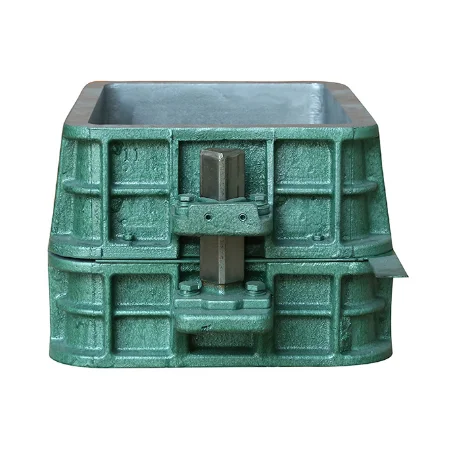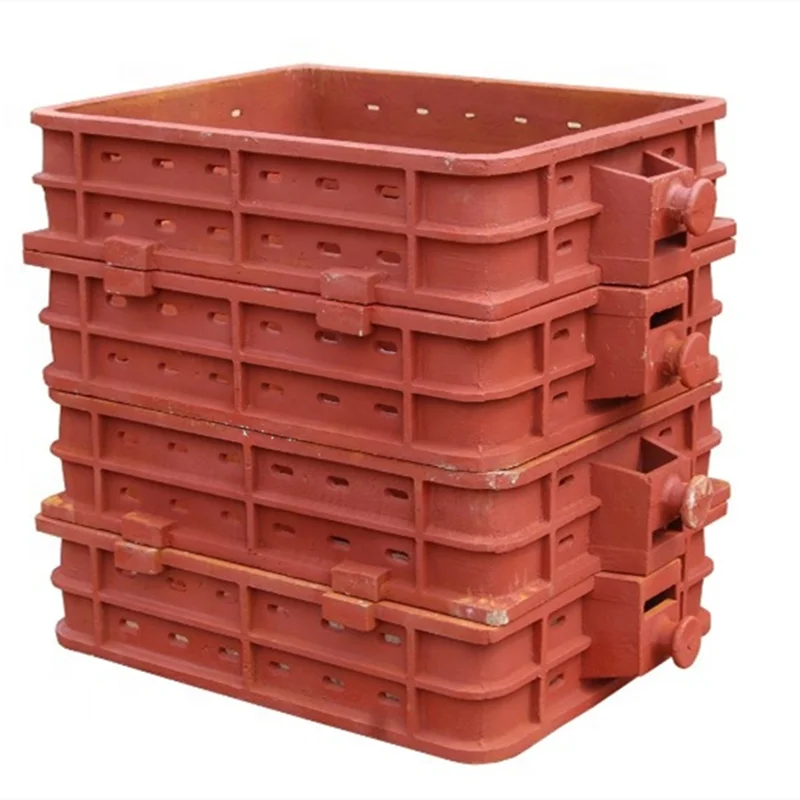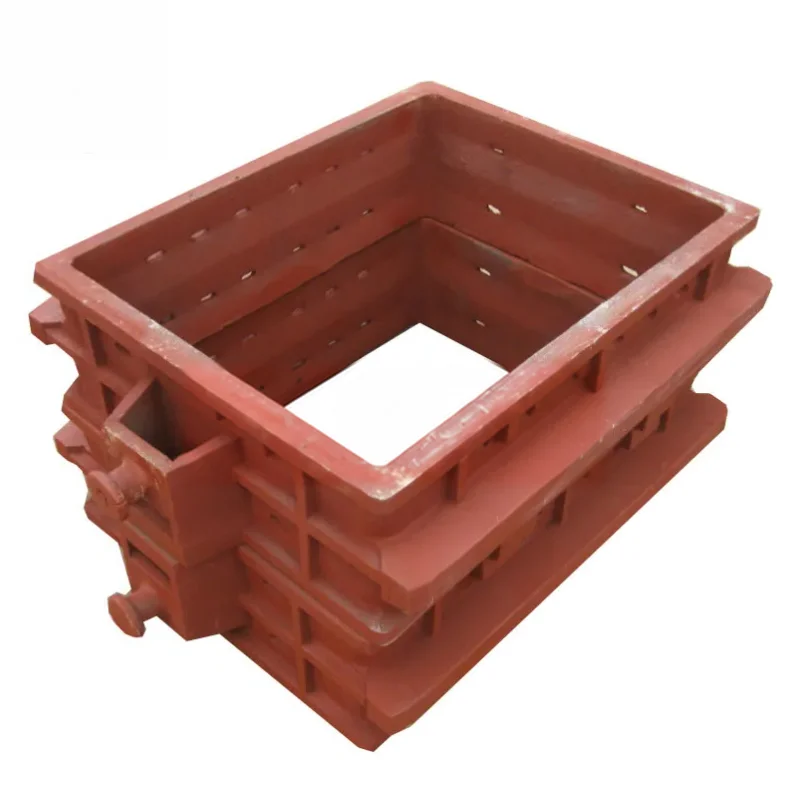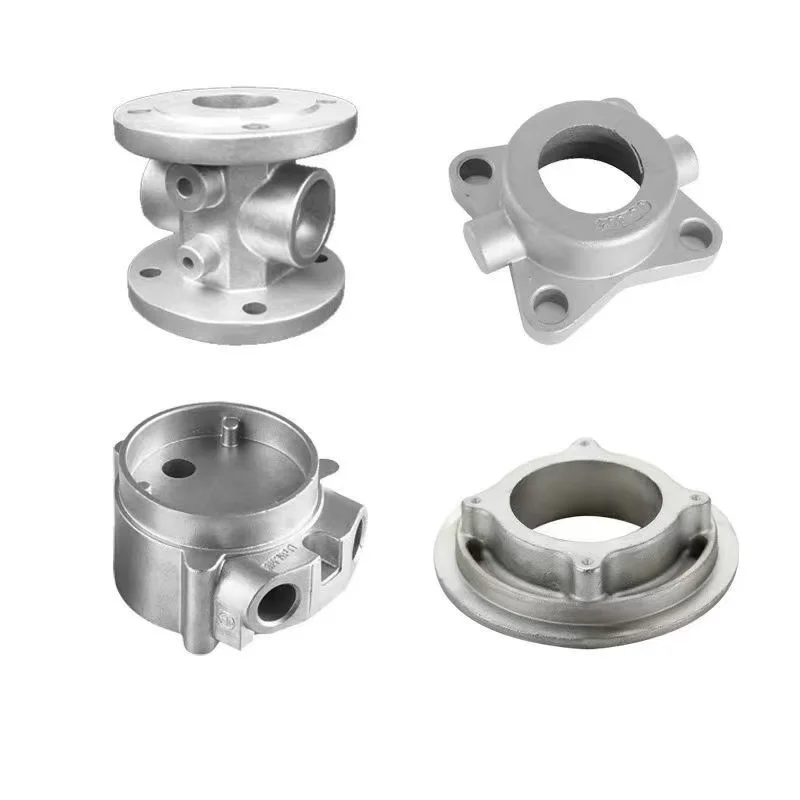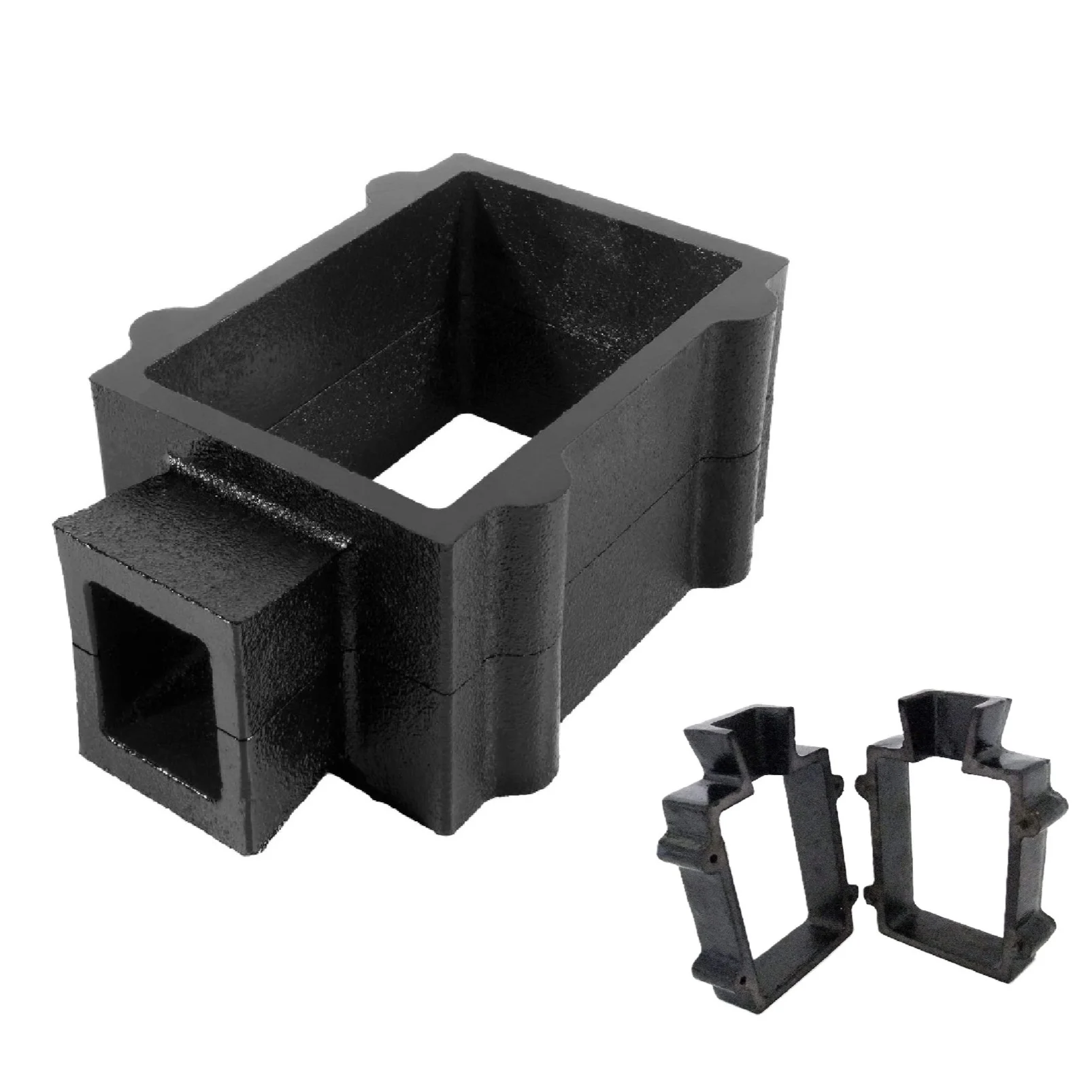
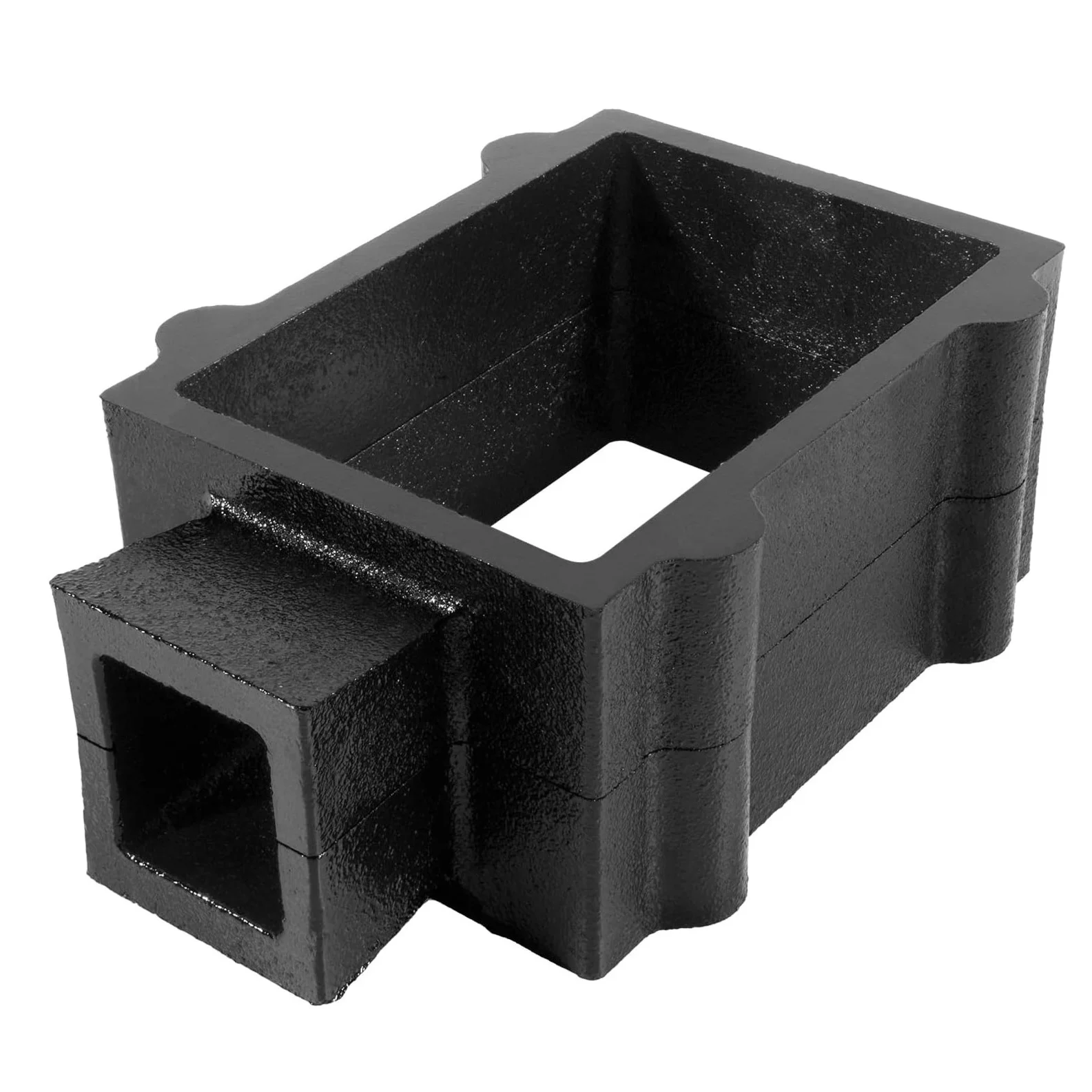
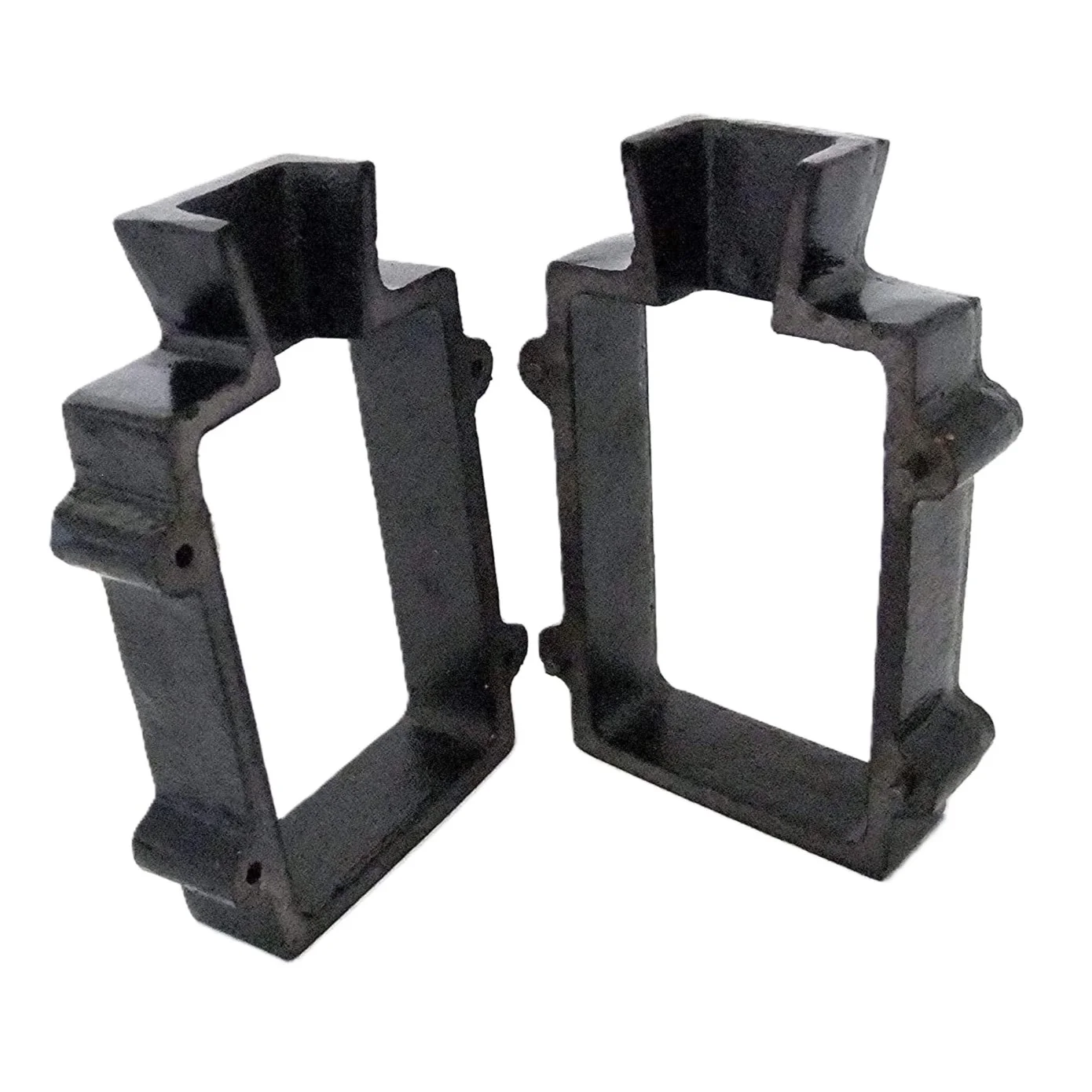
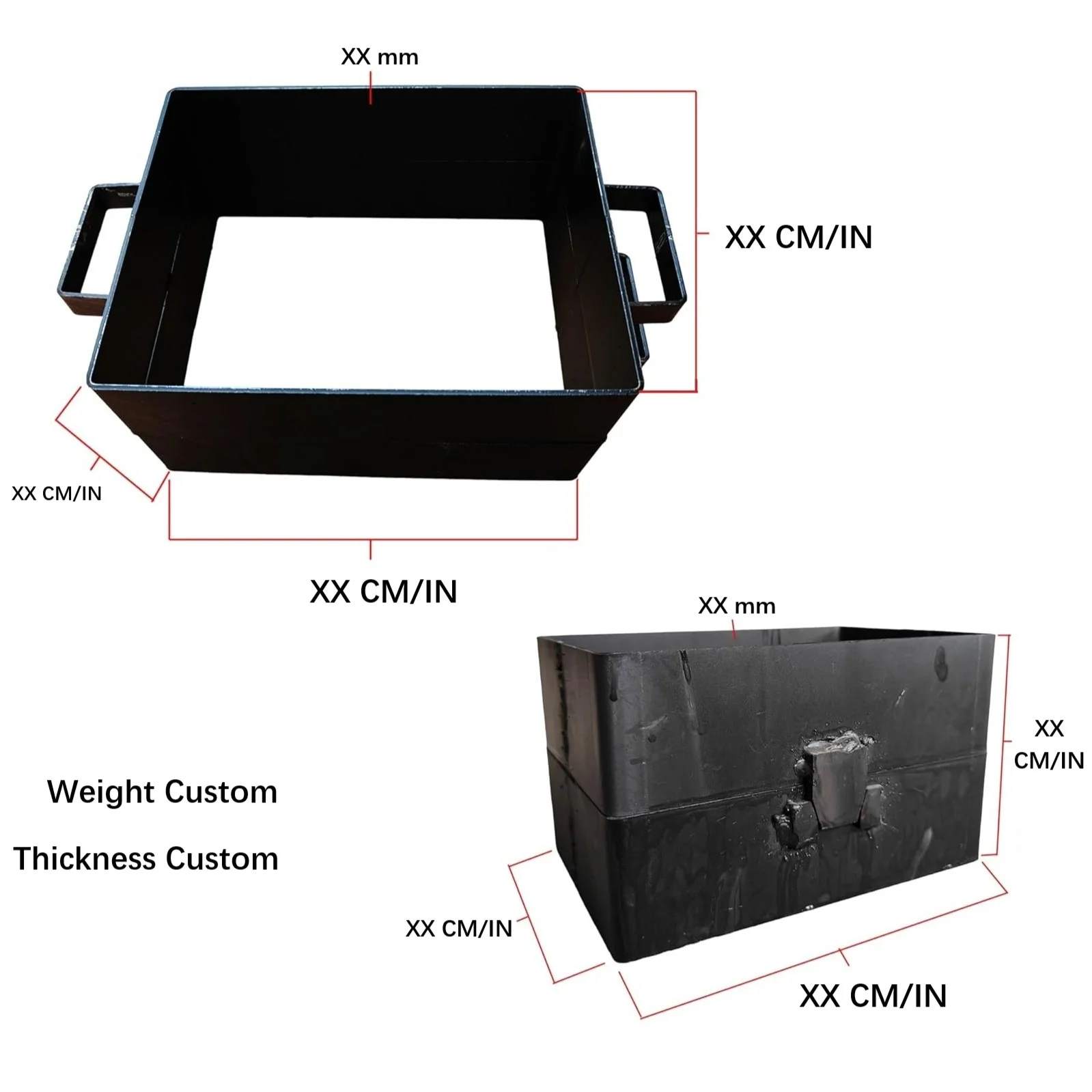
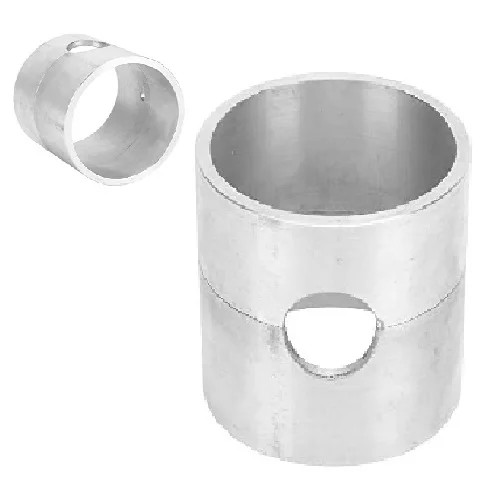
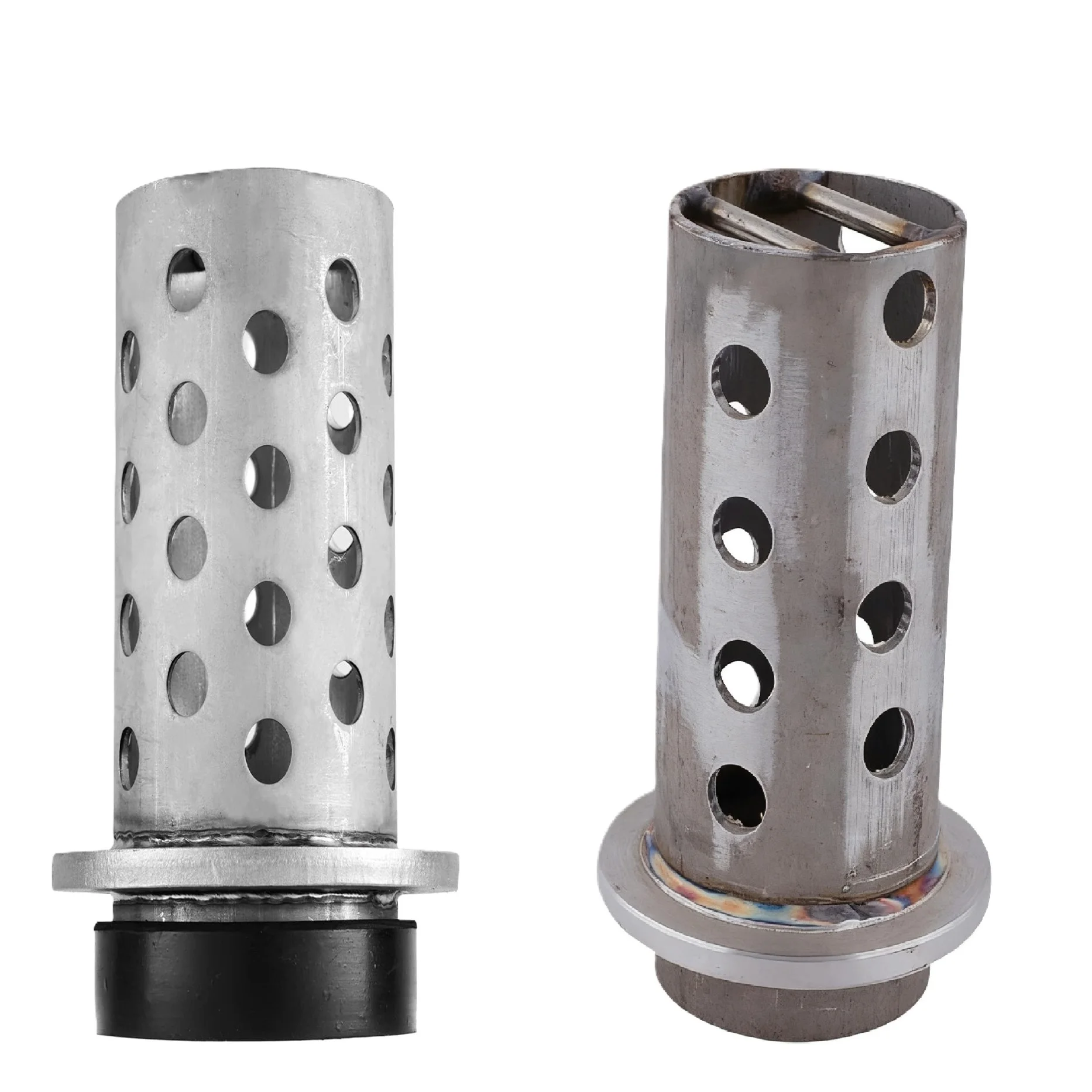
OEM ODM Custom Aluminum Metal Sand Casting Flask Mold Frames Sandbox Tools and Separate Melting Pot Container Enquiries
Direct factory support
Get a quote that fits your project
Send your drawing or product reference, material grade and required quantity. Relia will review the requirements with you.
- Drawing & specification review
Confirm the supply scope and critical requirements.
- Samples before custom production
Review inspected samples before approving a batch.
- Inspection documents
Agree material and dimensional records for your part.
-
Product nameSand Casting Flask
-
MaterialAluminum/MetalProcessDie Casting/Turning/Forged
-
Surface treatmentPolishing/Powder CoatingServiceOEM ODM Customised
-
ApplicationMulti FunctionalStyleModern
-
SizeCustomized SizeColorCustomized Color
-
LogoCustomized Logo
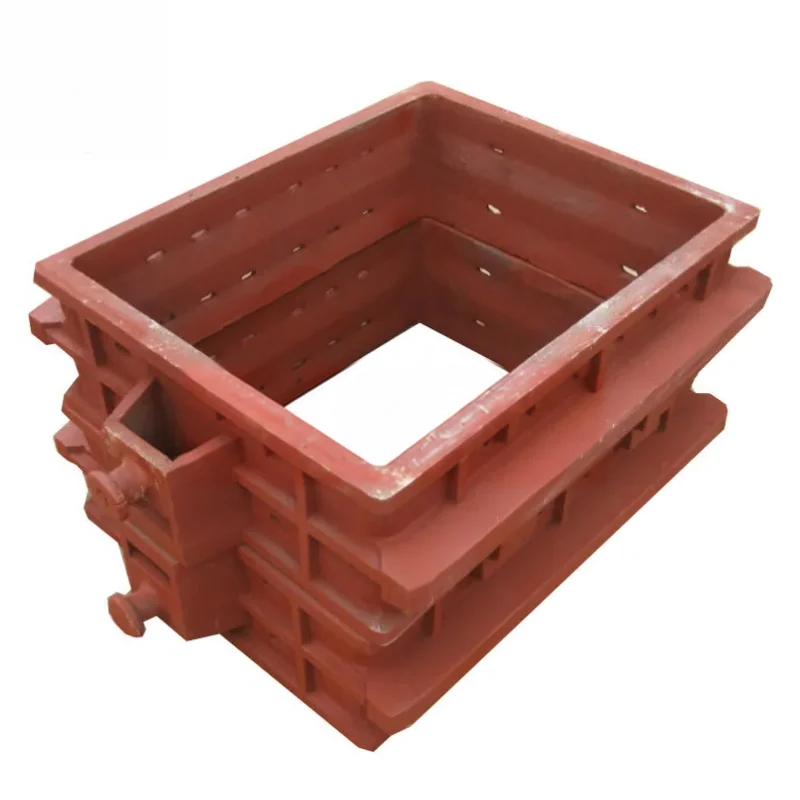
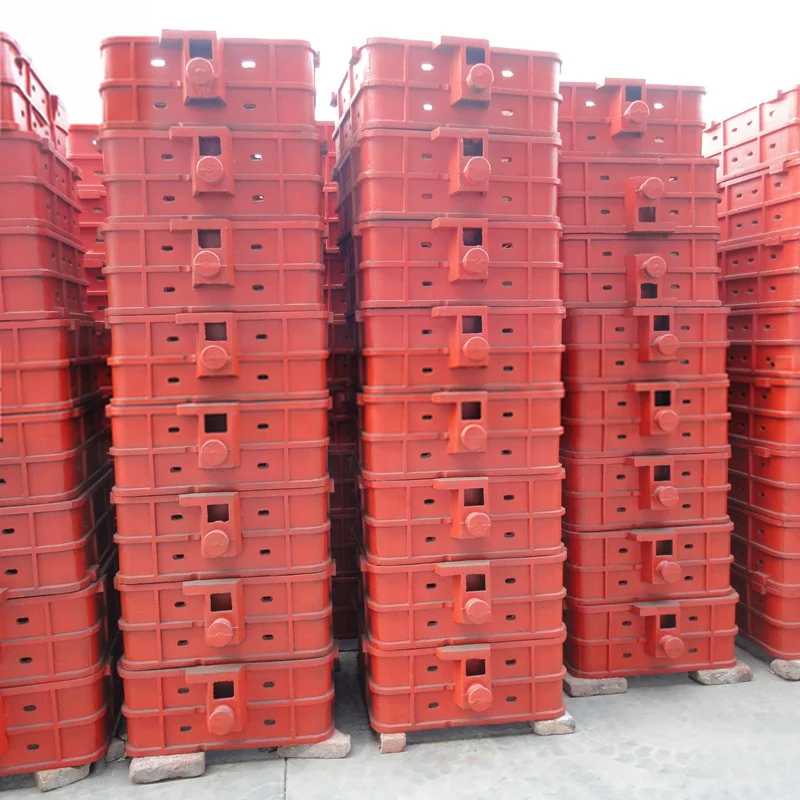
Custom sand-casting flasks, mold frames and sandbox tooling are offered in aluminum or separately selected metal. OEM/ODM size, color and logo requirements can be specified for the actual tool. Define its geometry and material before choosing die casting, turning or forging work.
Show the flask’s relationship to the mould
Provide the required mould dimensions and the interfaces locating, handling or connecting the frame within the casting process. Mark datums and dimensional limits relevant to use. Specify the supplied surface condition and any working contacts that require particular acceptance.
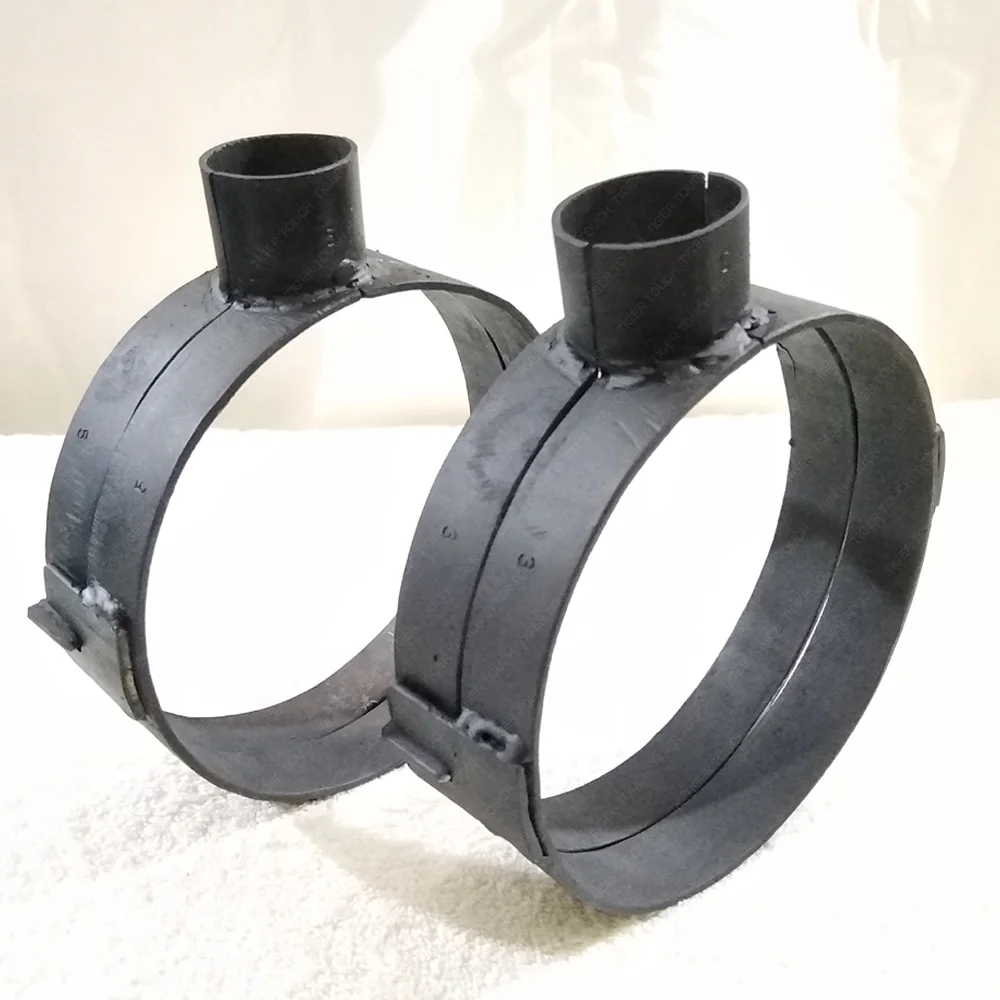
Give container or melting-pot requests a separate brief
Identify the actual item and material requirement for a container or melting-pot enquiry. Define its thermal function and operating conditions independently of the sand-mould frame. Show connection and handling geometry, with the acceptance evidence required by the selected design.
Set the tooling finish and identification
Polishing and powder coating are named choices. Specify coverage, appearance and contact conditions for a compatible substrate. For a custom logo, provide artwork and location, keeping identification coordinated with the tool’s working geometry and visible result.
- Provide quantity and the controlling revision.
- State the complete material and required condition.
- Define dimensional and finish-approval records.
- Explain the purpose of a sample or initial tool.
Retain the selected manufacturing route and delivered-state requirements with approved changes so acceptance follows the actual flask, frame or separately defined container.