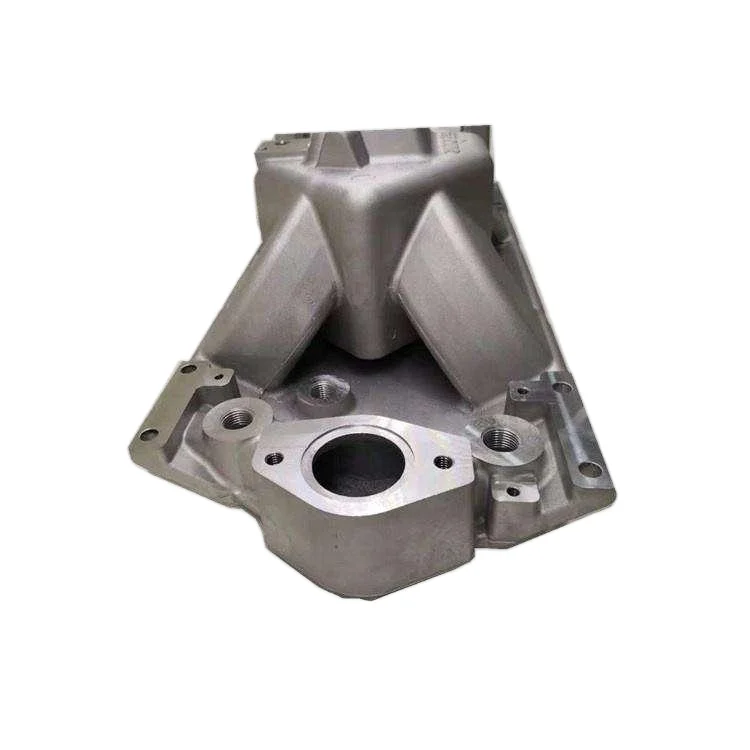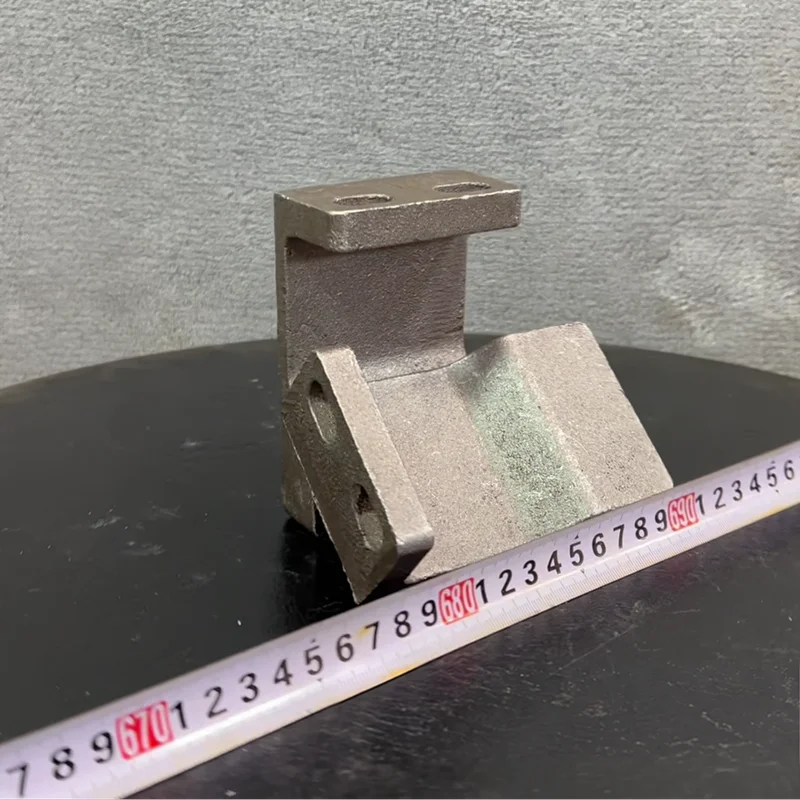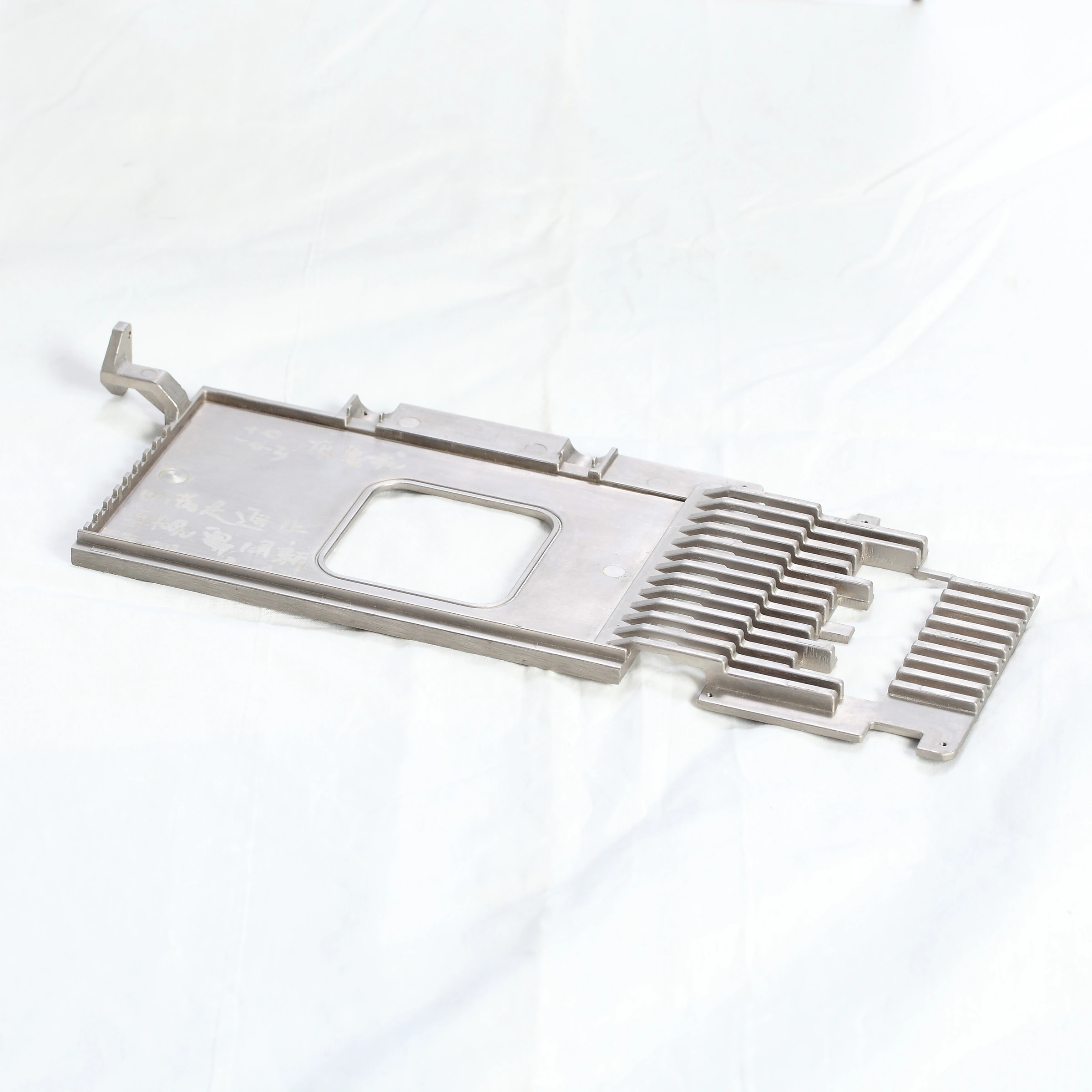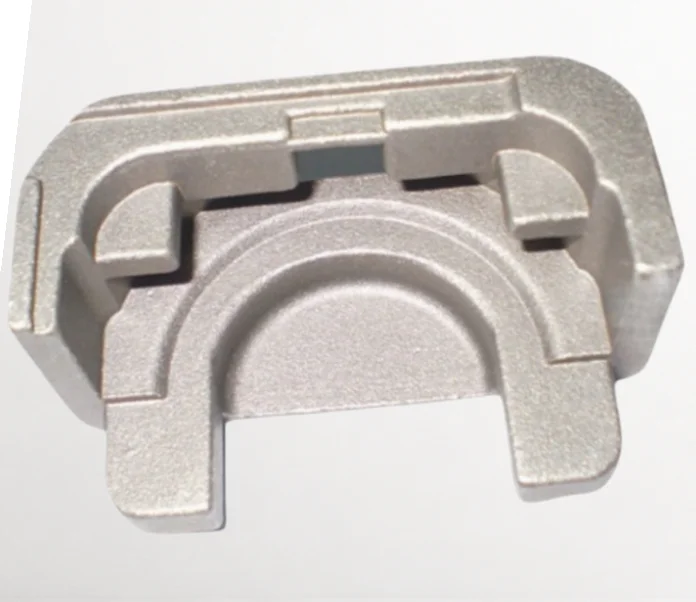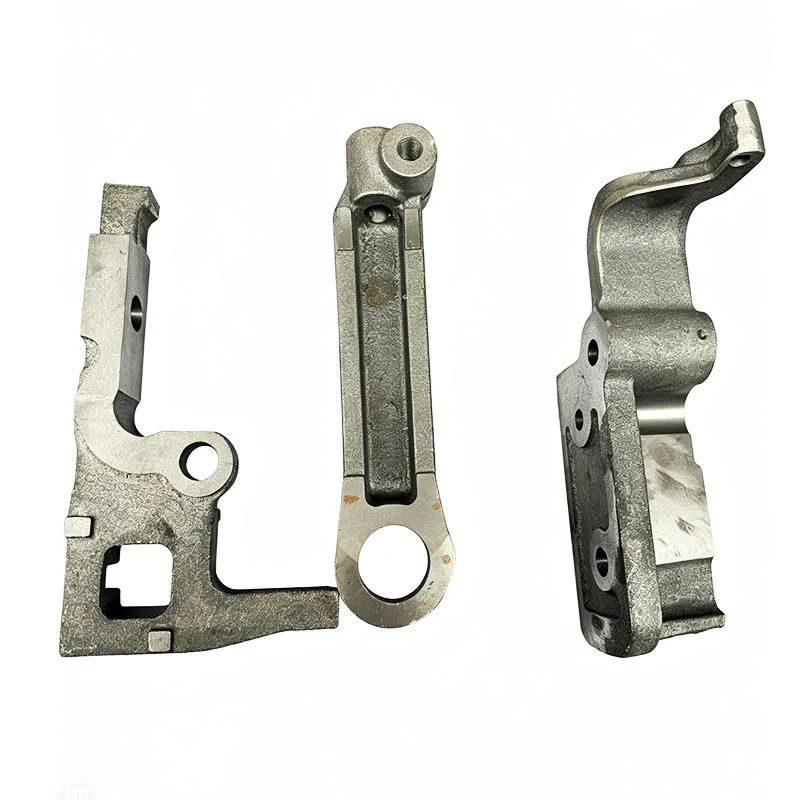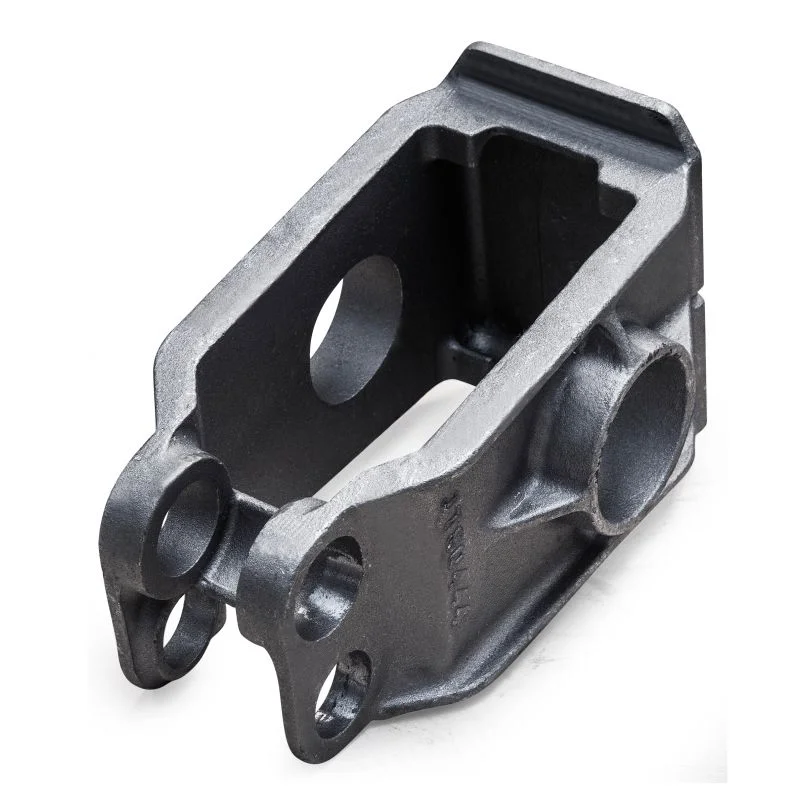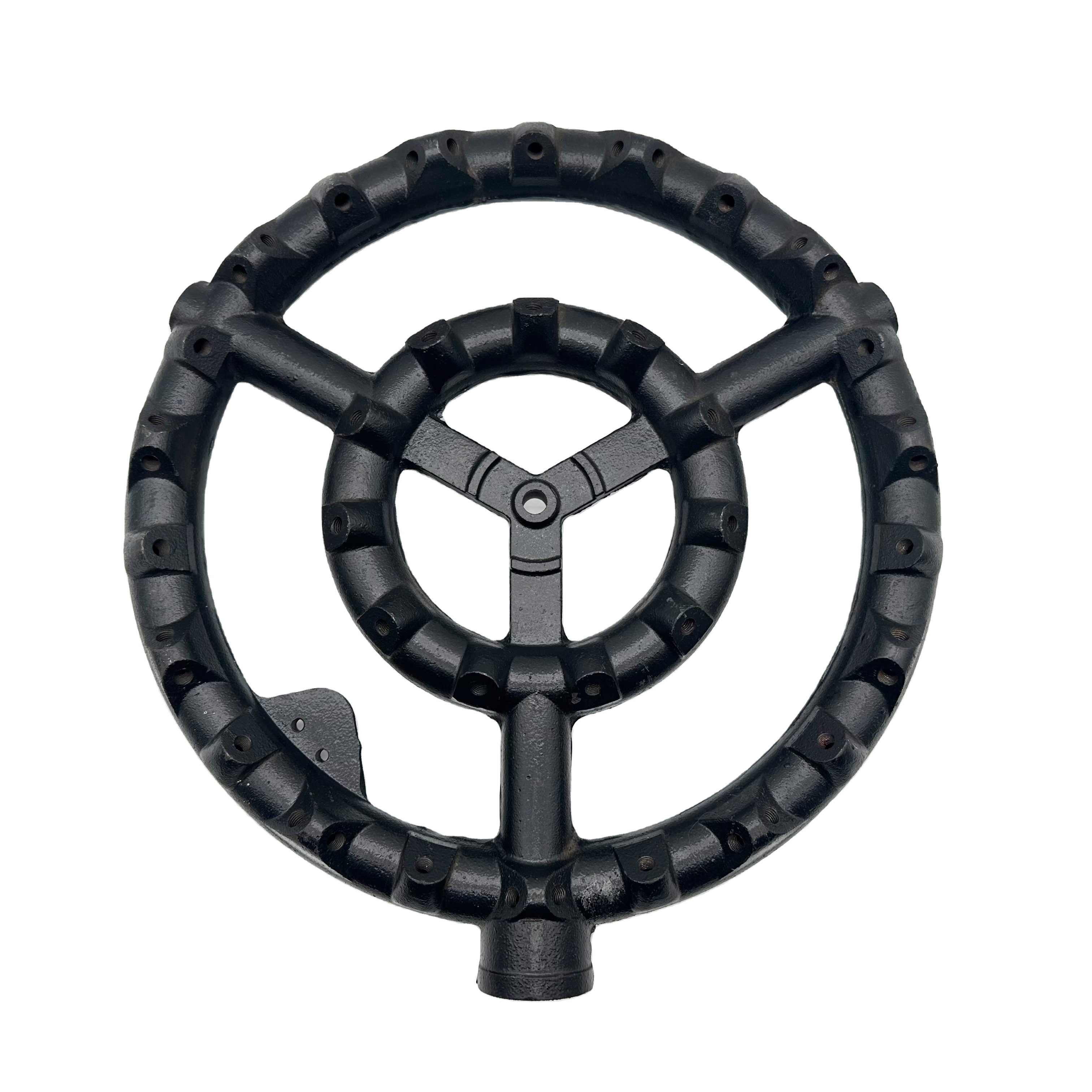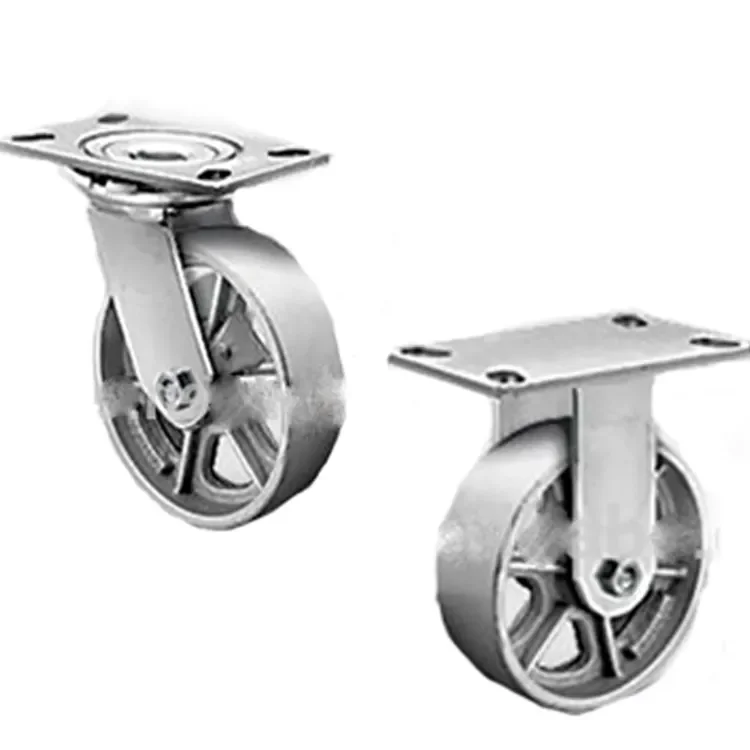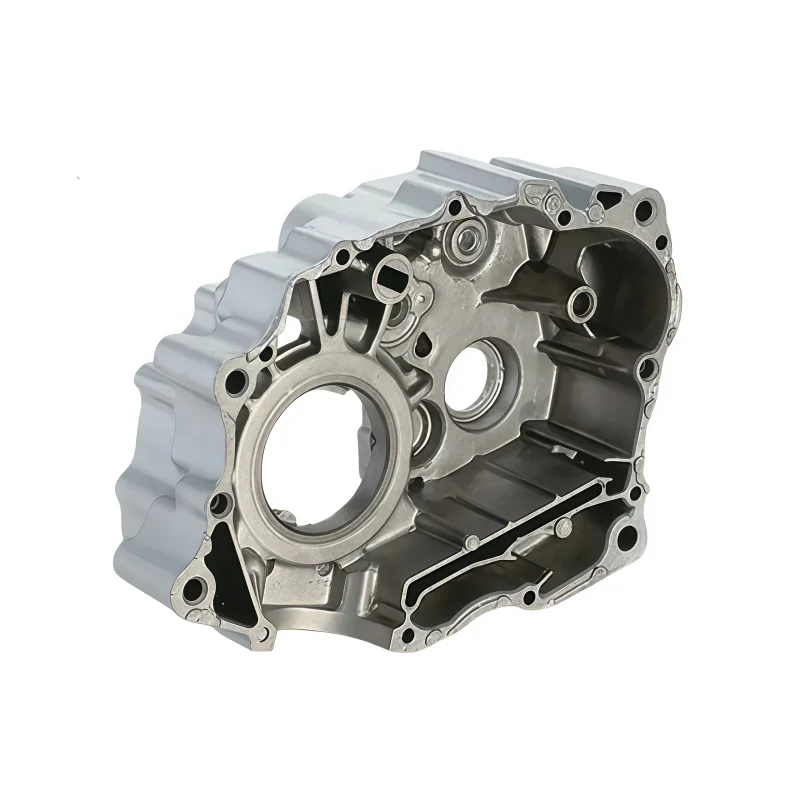
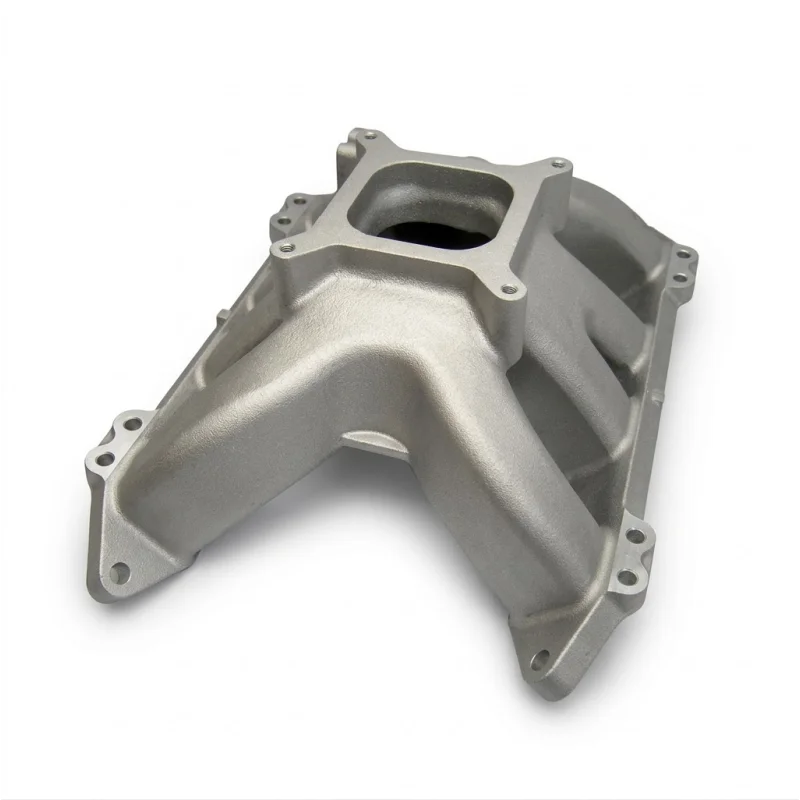
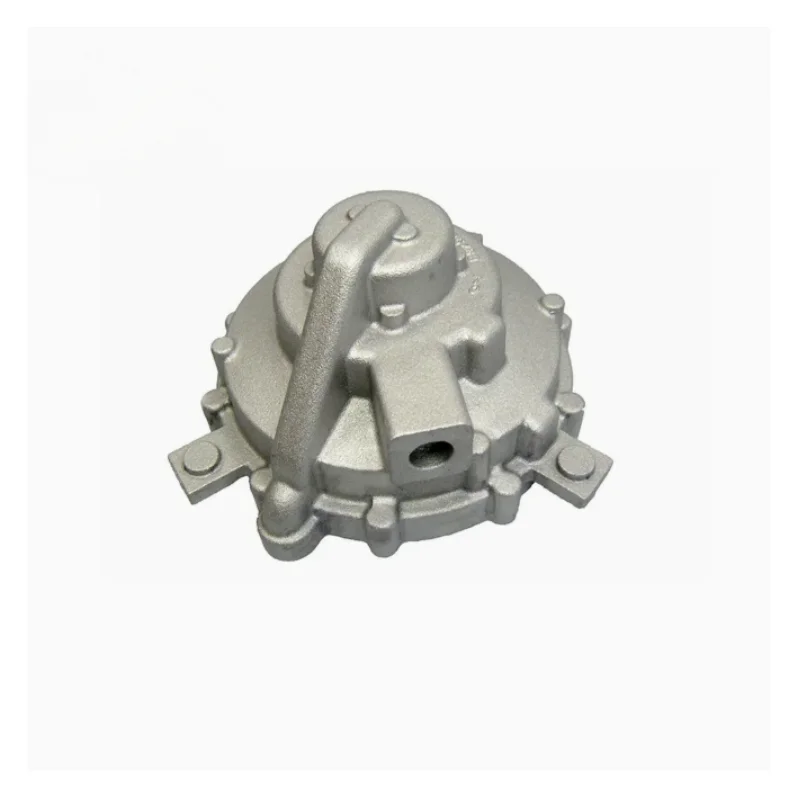
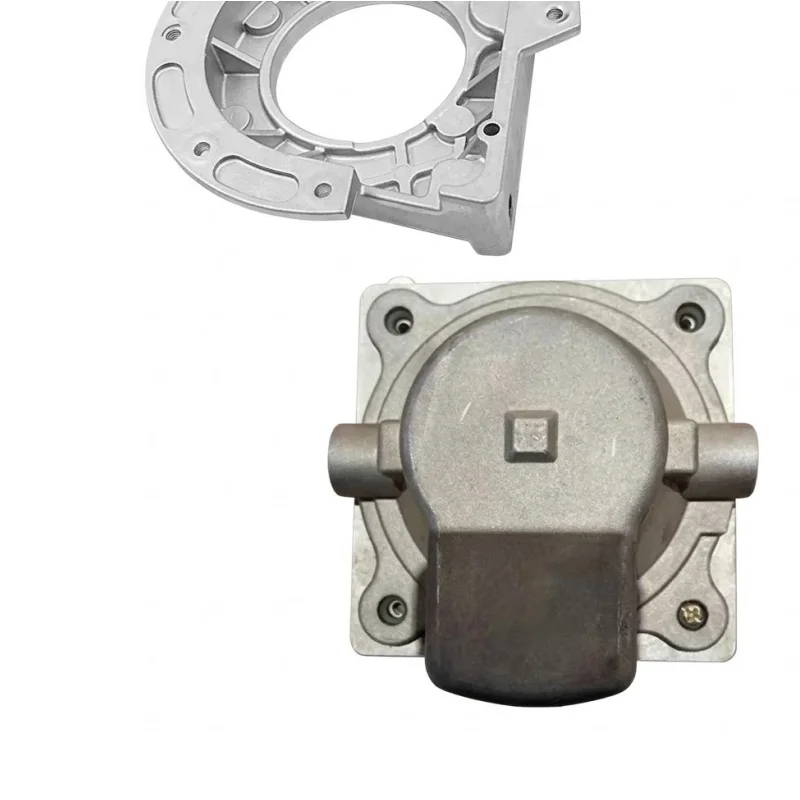
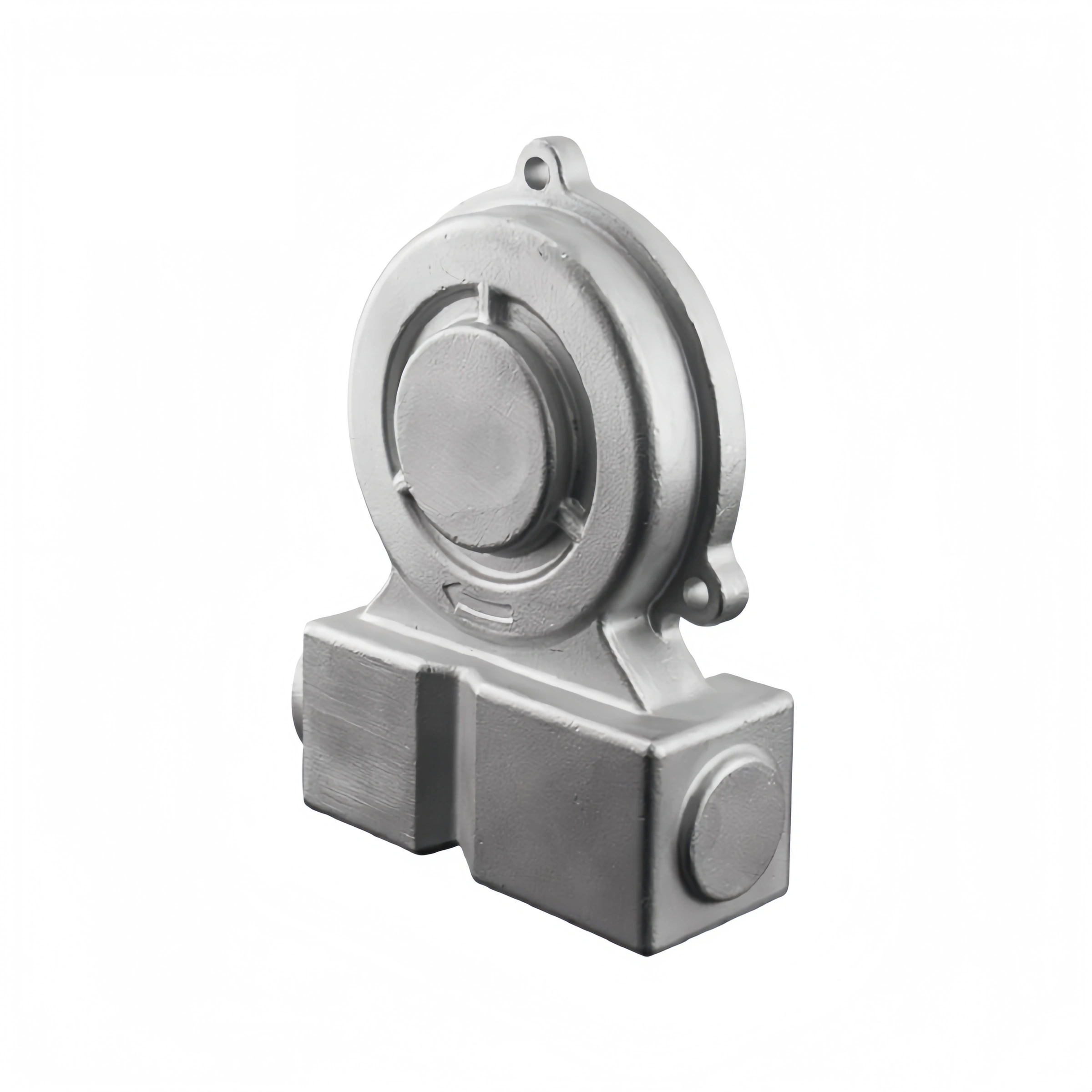
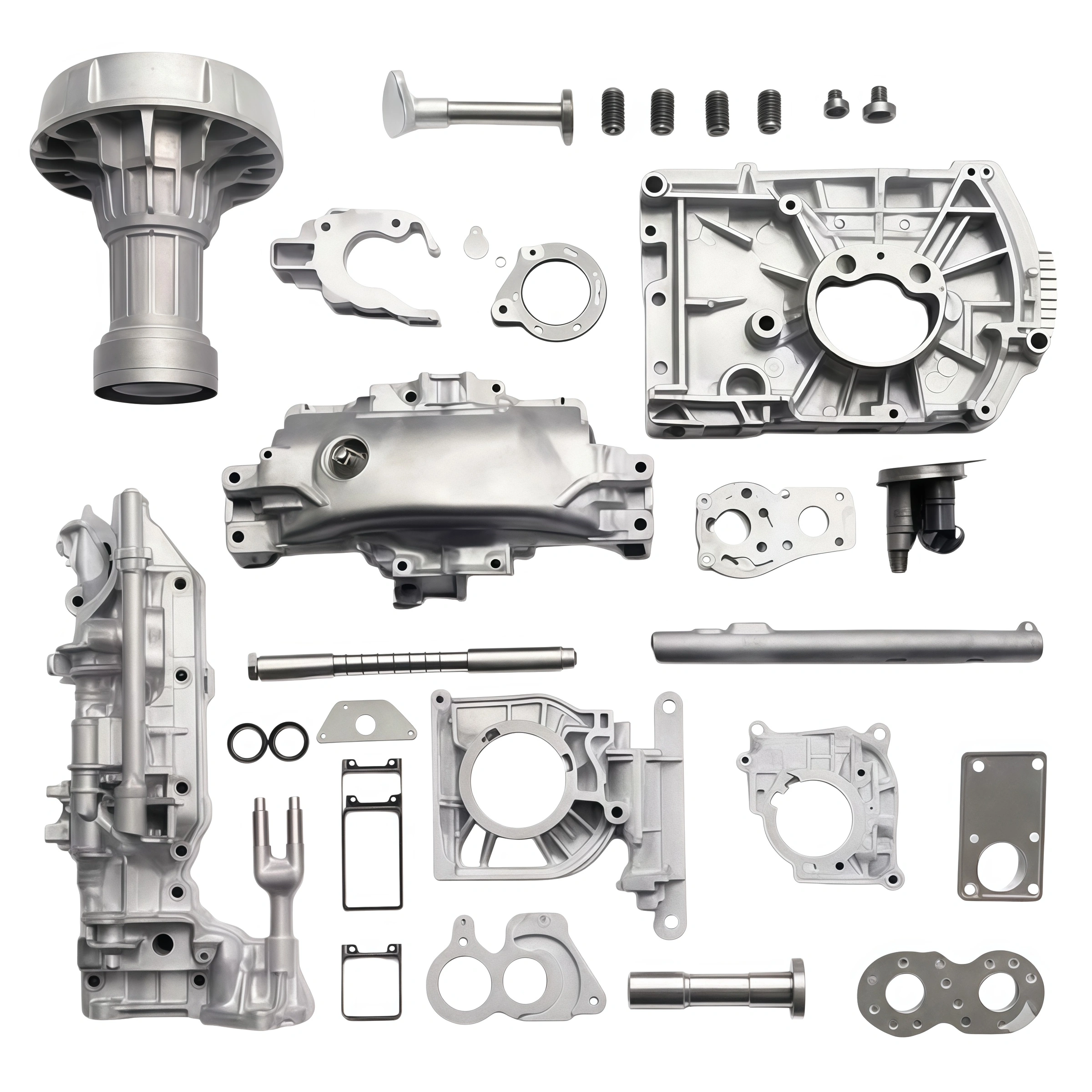
Precision Die and Sand Casting Products for Medical Robotics Oil Gas Industry with Full Machining and Surface Treatment
Direct factory support
Get a quote that fits your project
Send your drawing or product reference, material grade and required quantity. Relia will review the requirements with you.
- Drawing & specification review
Confirm the supply scope and critical requirements.
- Samples before custom production
Review inspected samples before approving a batch.
- Inspection documents
Agree material and dimensional records for your part.
Custom die- and sand-casting enquiries cover components for medical equipment, robotics and oil-and-gas industry projects. Full machining and surface-treatment requirements can be included in the component brief. Select the material and casting route around the actual drawing and intended equipment duty.
Explain the industry-specific working interfaces
For medical-equipment work, identify the component’s role, contact conditions and applicable qualification requirements. For a robot component, show the locating, attachment and moving-part relationships relevant to its function. For oil-and-gas equipment, state the service environment and any pressure or temperature requirements the design must address.
Translate precision into controlled dimensions
Identify the datums and dimensional limits that govern assembly and operation. Separate cast geometry from interfaces requiring final machining. Define the measurement condition and any relationships that must be assessed together, giving the selected manufacturing proposal a concrete finished-part target.
- Provide the complete alloy and required condition.
- Mark working, contacting and visible surfaces.
- Specify treatment coverage and masking boundaries.
- Identify component-level records and acceptance criteria.
- State quantity and the sample-approval purpose.
Agree the qualification deliverable before production
Name the actual documents and evidence required by the project. Keep material acceptance, machining results and final surface assessment tied to the selected component and drawing revision. A clear approval brief lets the casting enquiry address the intended industry application while defining what the finished order must demonstrate.