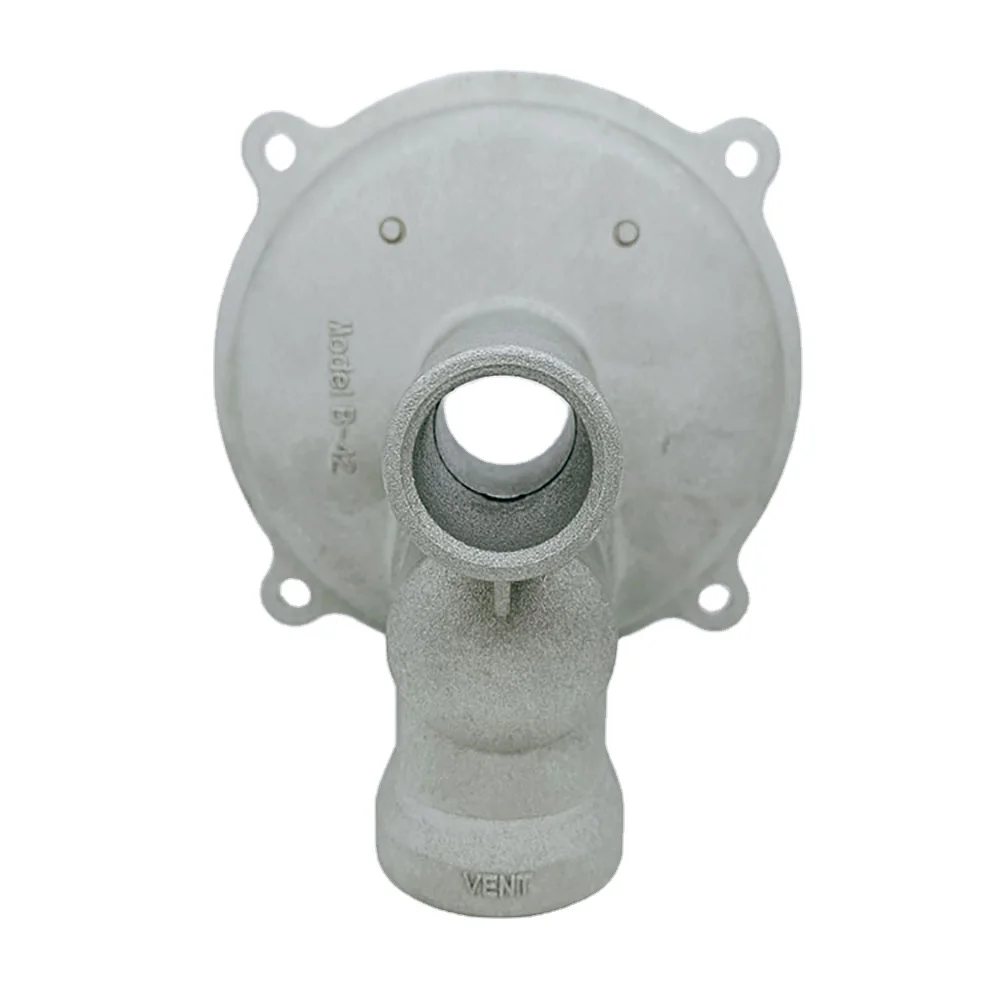
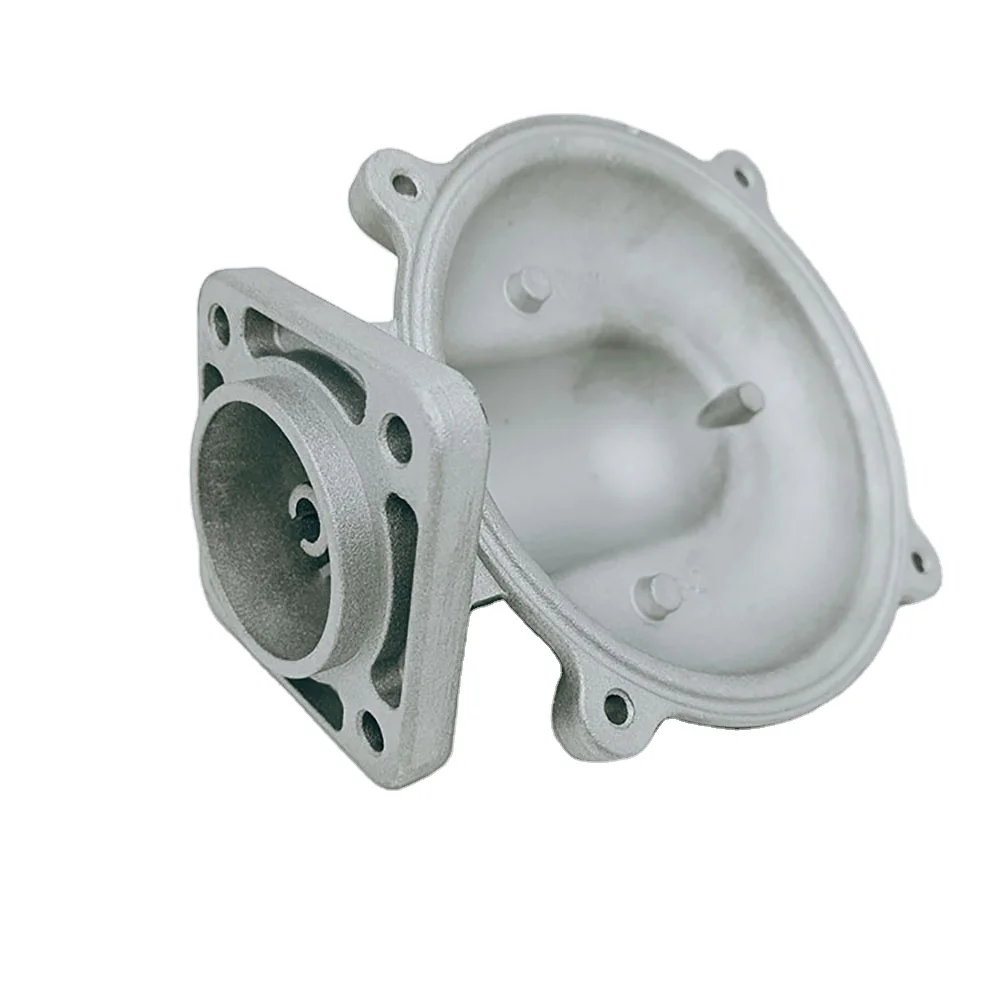
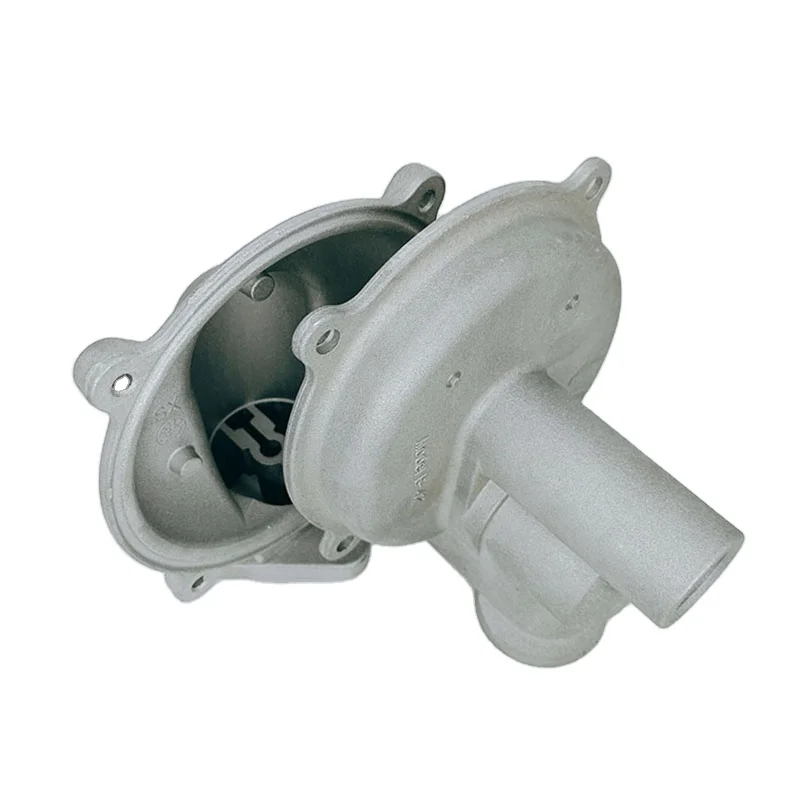
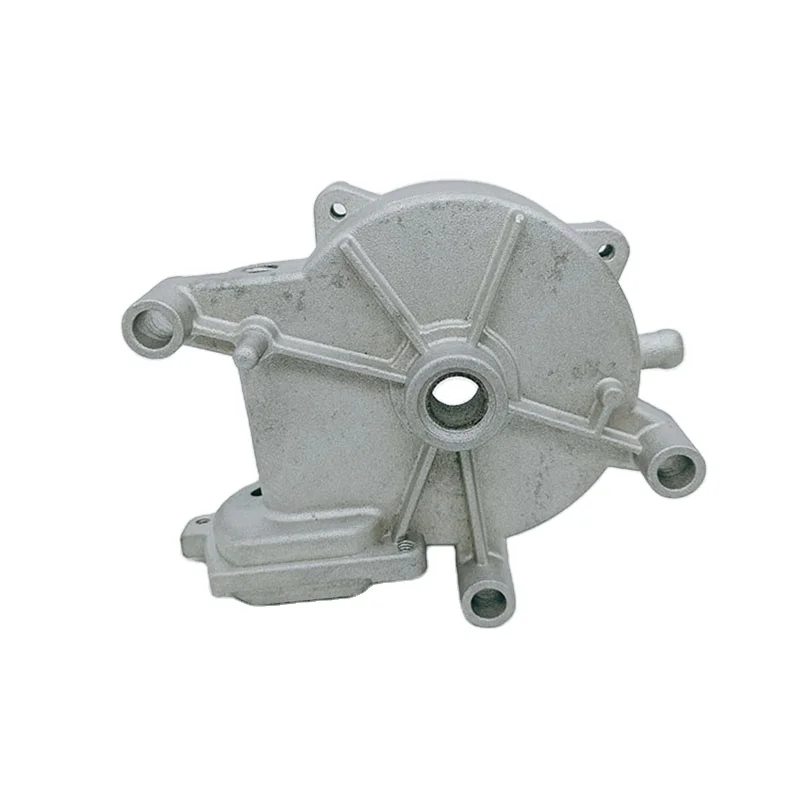
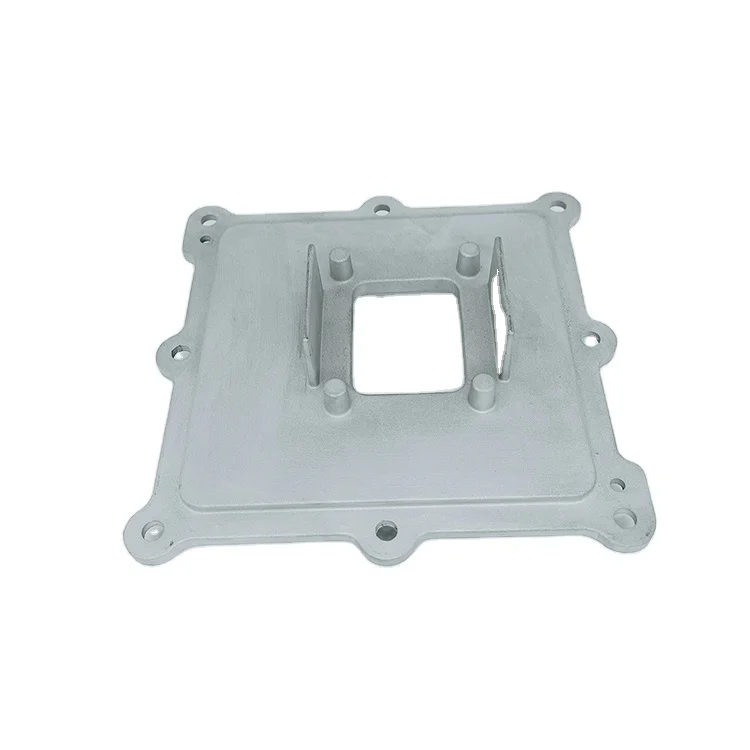
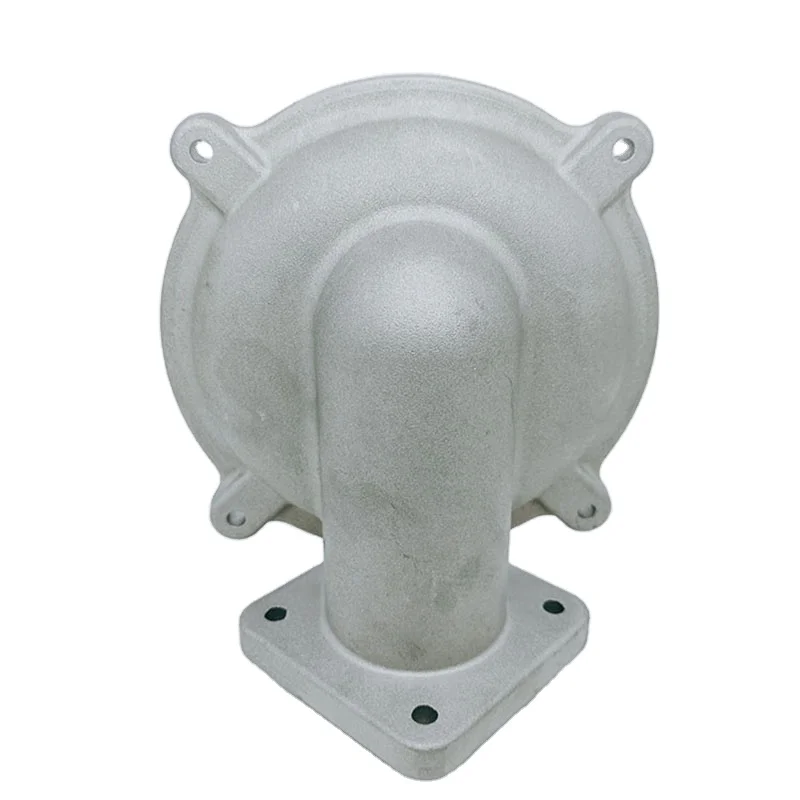
Relia Electric-Motor and Large-Equipment Parts in Aluminum, Steel, Iron or Brass: Sand, Investment and Die Casting
Direct factory support
Get a quote that fits your project
Send your drawing or product reference, material grade and required quantity. Relia will review the requirements with you.
- Drawing & specification review
Confirm the supply scope and critical requirements.
- Samples before custom production
Review inspected samples before approving a batch.
- Inspection documents
Agree material and dimensional records for your part.
-
CNC Machining or NotCNC MachiningTypeDrilling, Laser Machining, Milling, Turning
-
Material CapabilitiesAluminum, Brass, Bronze, Copper, Hardened Metals, Precious Metals, Stainless Steel, Steel AlloysMicro Machining or NotMicro Machining
-
MaterialAluminum,Stainless Steel,Alloy Steel,Brass,Bronze...Product nameCasting parts
-
OEM/ODMAvaliableTolerance0.01mm - +/-0.05mm
-
Surface treatmentCustomer's RequestMOQ1 Piece
-
Processing TypeCastingQC Control100% QC Steps Inspection
-
Payment terms50%T/T Advance + 50% Balance
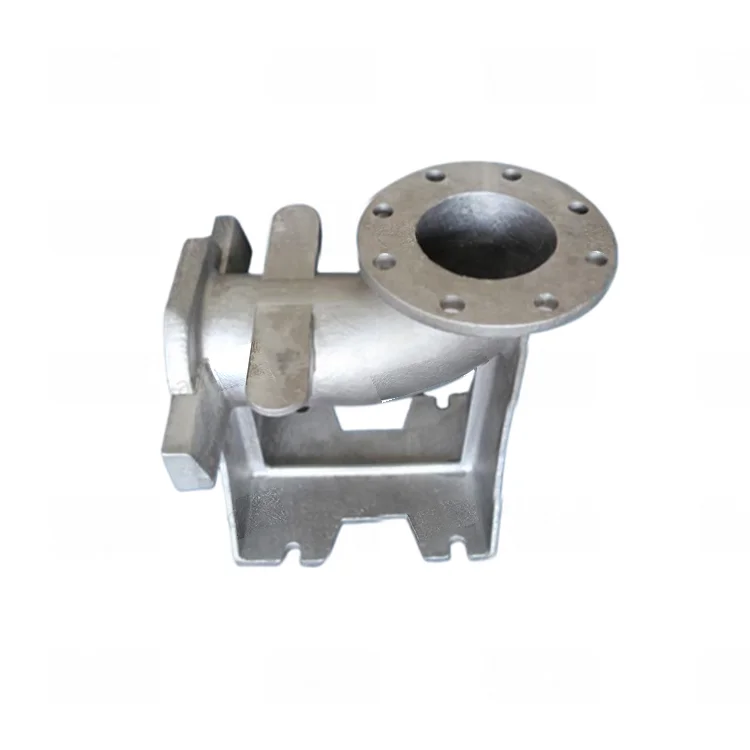
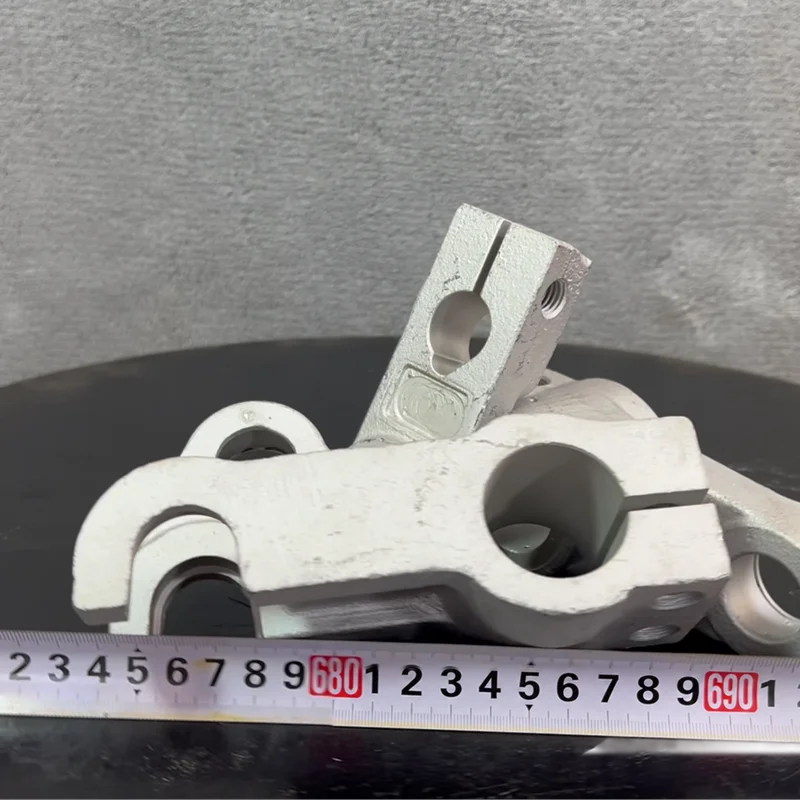
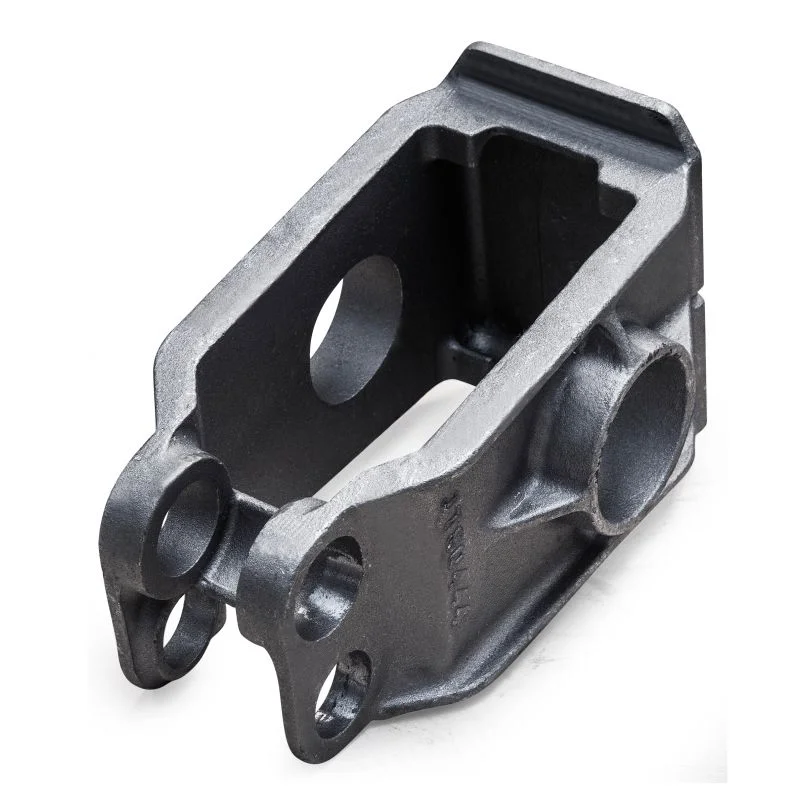
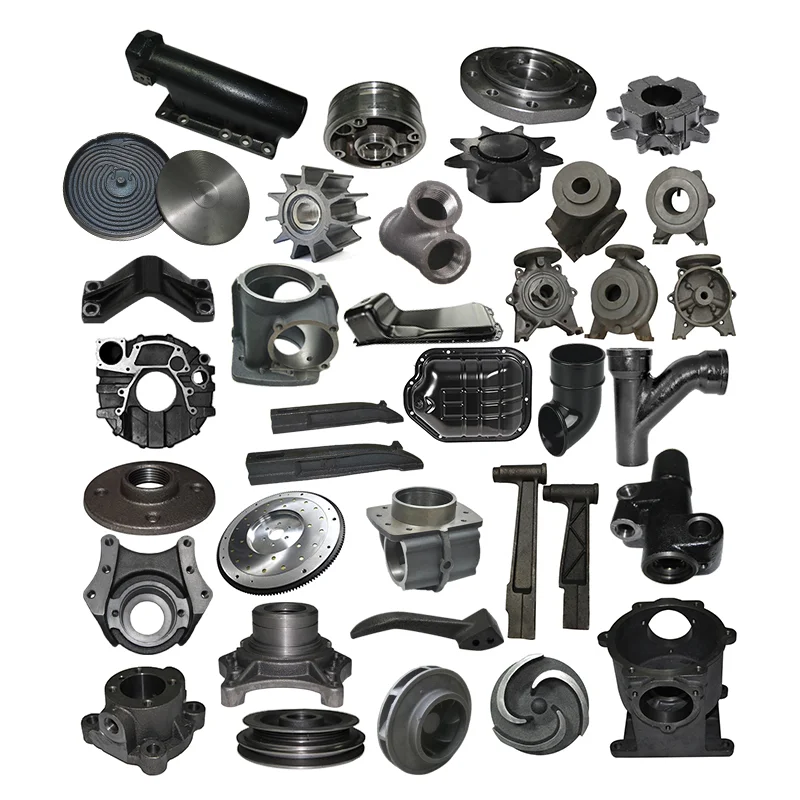
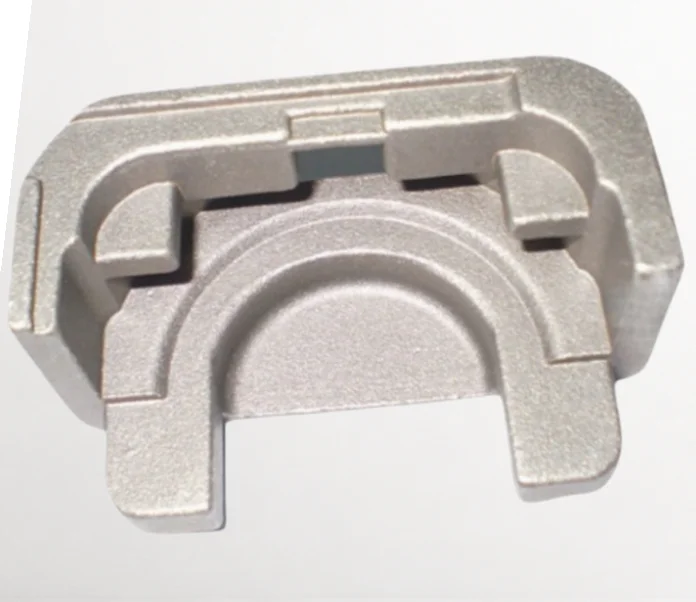
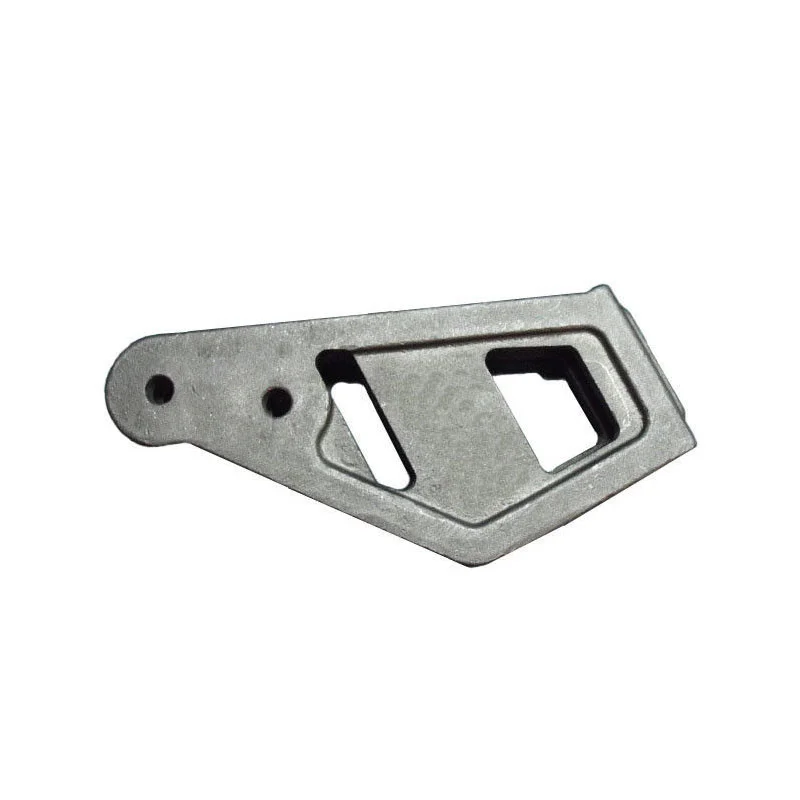
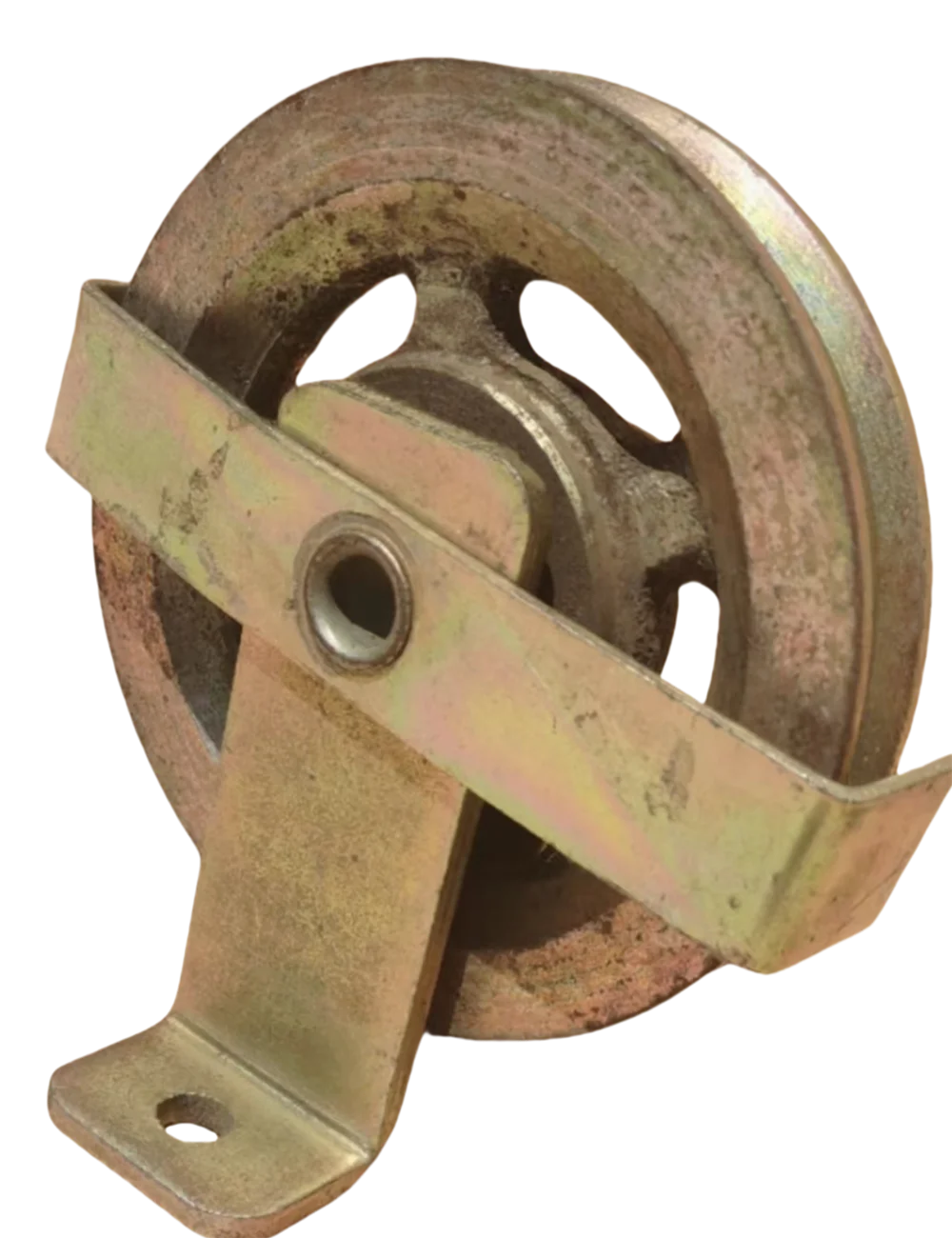
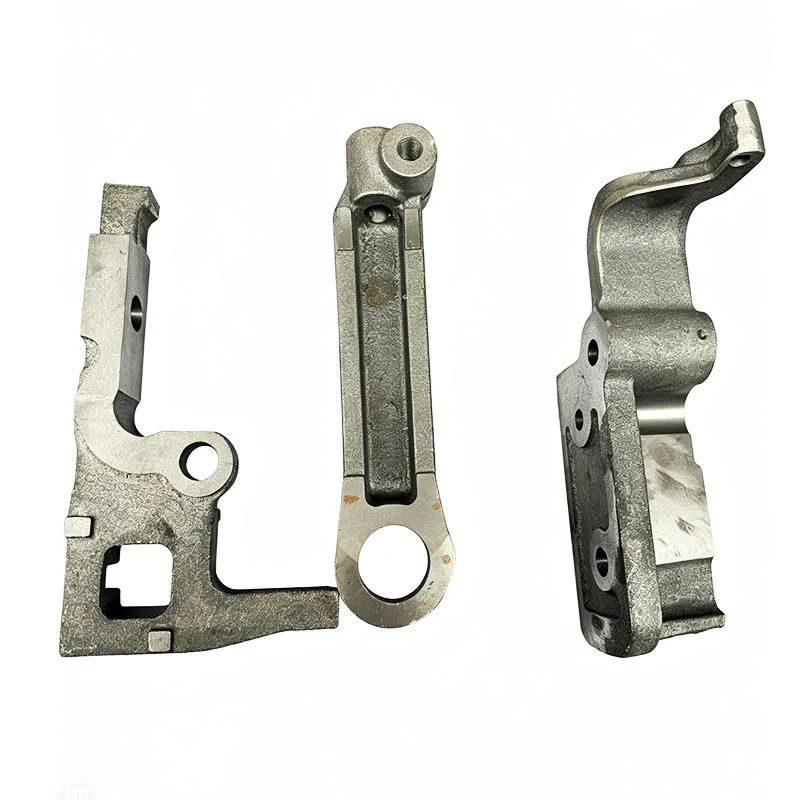
Coordinate the cast shape and machined interfaces of an electric-motor or large-equipment component through a drawing-defined OEM/ODM enquiry. Sand, investment and die-casting requests are available as separately selected routes, with CNC and micro-machining work specified for the actual part. Begin with the motor or equipment interface so the manufacturing proposal follows the component's role rather than a generic process sequence.
Allocate the Alloy and Starting Form
Material choices include aluminum, iron, steel, stainless steel, alloy steel, brass, bronze, copper, hardened metals and precious metals. Choose the complete designation and required condition for each deliverable before assigning its casting route. A multi-material project can be described as separate components, each with its own drawing and compatible processing requirement.
- Drilling can be marked against the motor or equipment connection geometry.
- Laser machining can be included as a separately defined operation.
- Milling requests can identify the particular faces requiring finished dimensions.
- Turning can be allocated to the selected rotational interfaces.
- Customer-requested surface treatment can follow the final component condition.
Resolve the Dimensional Limits on the Drawing
The dimensional references include 0.01 mm and ±0.05 mm, which require an agreed convention and feature-level limits. Identify the controlled surfaces, datums and measurement stage before those references are used for approval. CNC and micro-machining scope should then be attached to the relevant geometry, keeping the actual finished requirement distinct from the casting blank.
Use QC Stages to Define Component Approval
The minimum order is one piece, and quality control is described as 100% QC-step inspection. Assign the checking methods and acceptance records to the relevant production stages rather than assuming a single test covers every characteristic. A completed motor-part enquiry should connect quantity, drawing revision, final material condition and surface acceptance to the interfaces that must work in the equipment assembly.