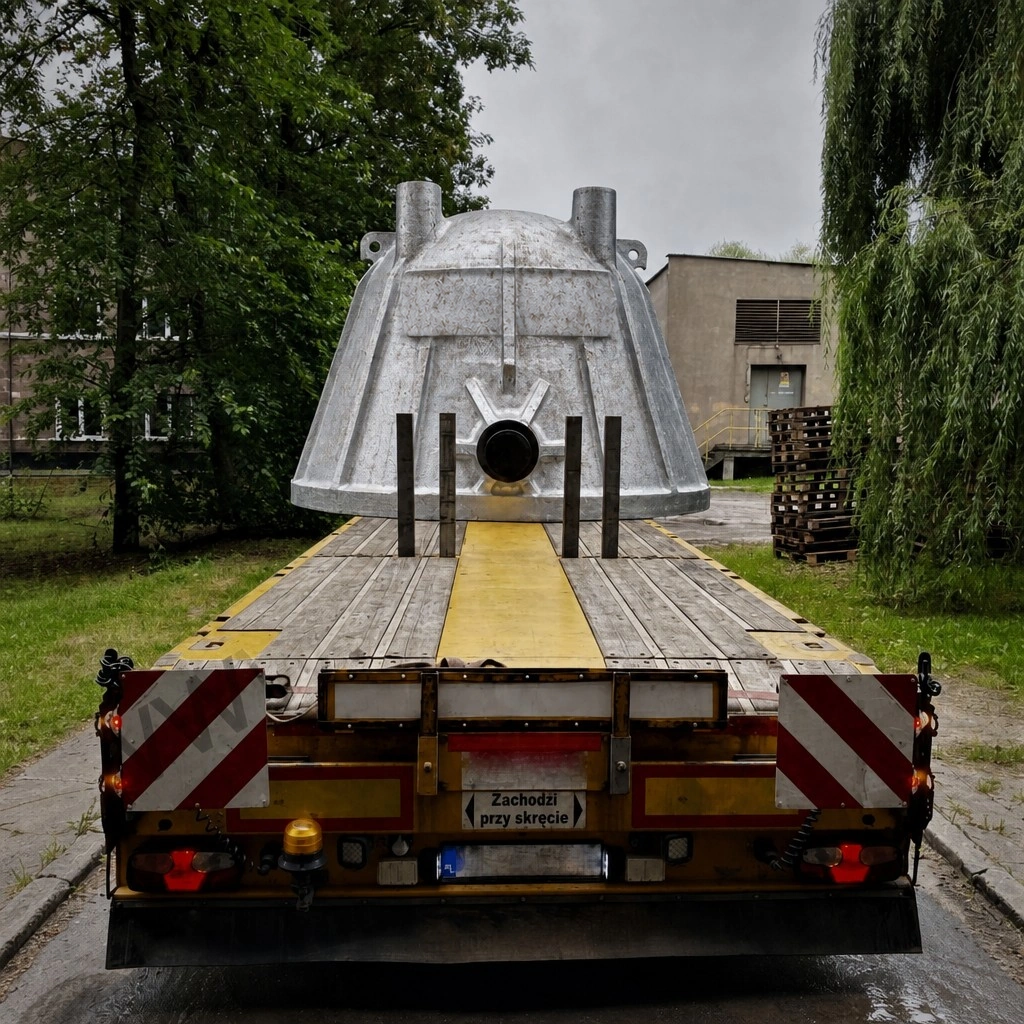
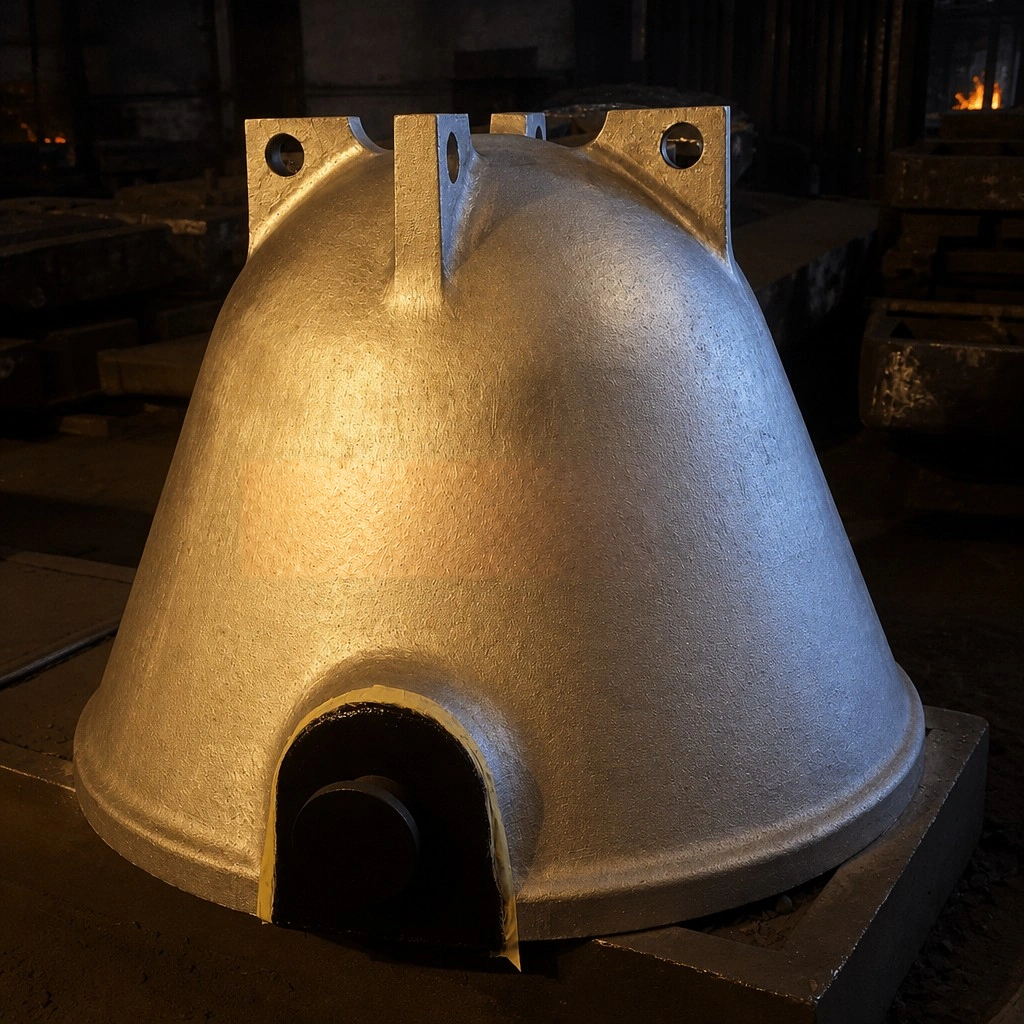
China Custom QT500-7 Ductile Iron Sand-Cast Ladle with Painted Surface and Capacity Options
Direct factory support
Get a quote that fits your project
Send your drawing or product reference, material grade and required quantity. Relia will review the requirements with you.
- Drawing & specification review
Confirm the supply scope and critical requirements.
- Samples before custom production
Review inspected samples before approving a batch.
- Inspection documents
Agree material and dimensional records for your part.
-
SizeOEM
-
Surface TreatmentPaint, As-Cast / Shot Blasted / Anti-Rust CoatingMaterialsDuctile Iron
-
Material GradeQT500-7 / QT600-3 / Cast Steel (Cr-Mo) / Cast Steel (Ni-Cr-Mo)Capacity (Slag Volume)5T / 10T / 15T / 20T / 30T / 40T / 60T / 80T / Custom
-
Trunnion TypeIntegral Cast / Bolted / Welded / CustomLifting MethodCrane Hook / Forklift Pocket / Custom
-
Heat TreatmentStress-Relief Annealing / Normalizing + Tempering / Quench + TemperNDT RequirementsMT Only / MT + UT / Full 6-Stage (MT+UT+CMM+Mechanical)
-
DocumentationMaterial Cert 3.1 / CMM Report / MT Report / UT ReportCertificationISO 9001:2015 / Material Certificate 3.1 / NDT Reports
-
CustomizationOEM / ODM / Customized Dimensions & Material
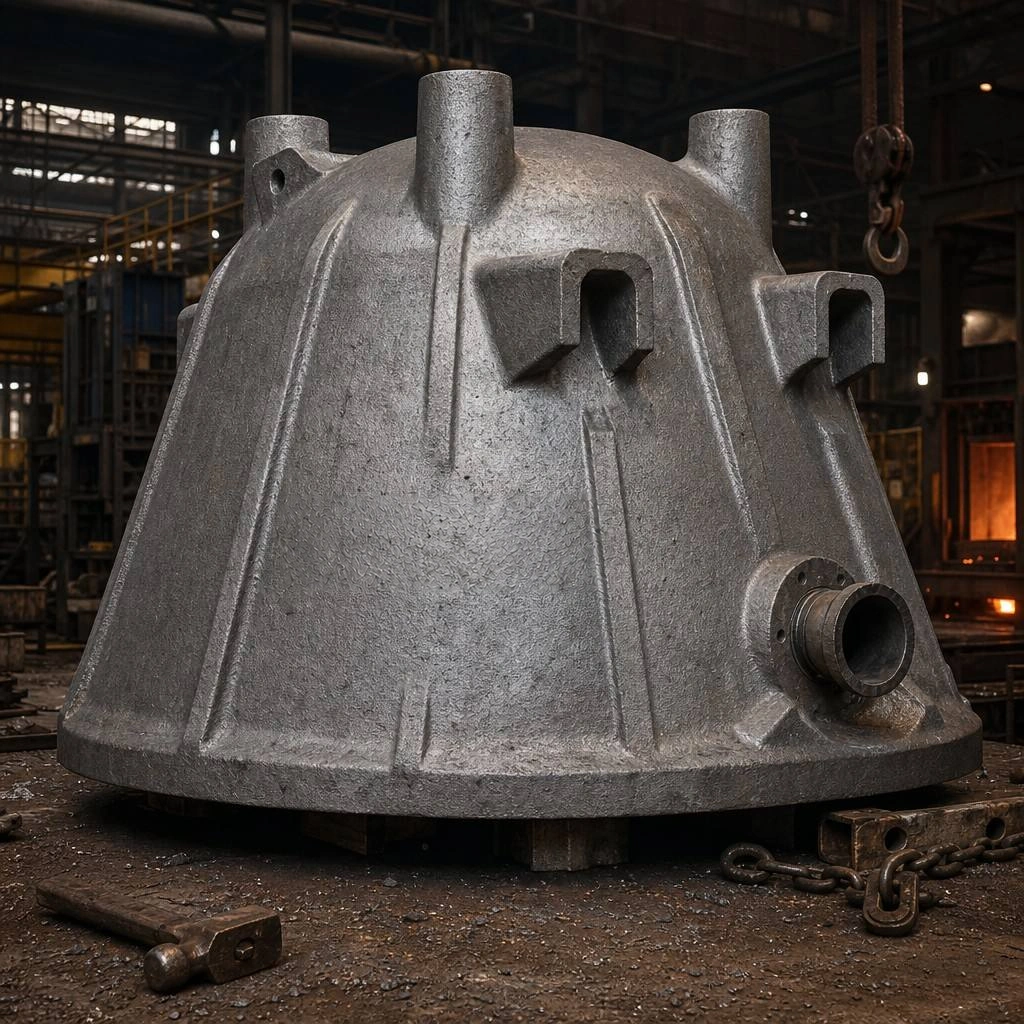
A custom ladle should be specified as a material, vessel and handling arrangement for the intended duty. This sand-casting enquiry centers on QT500-7 ductile iron with selectable configuration and inspection requirements. Establish the working-capacity designation and its rating basis before agreeing the ladle dimensions and lifting interfaces.
Choose the material and delivery condition
QT500-7, QT600-3, Cr-Mo cast steel and Ni-Cr-Mo cast steel are separate material options. Select the required grade and its appropriate condition, with stress-relief annealing, normalizing plus tempering or quench plus temper among the treatment choices. The material decision should refer to the intended ladle duty and the approved component specification.
Define trunnions and the lifting arrangement
The connection and handling requirements should be established for the actual ladle configuration. Identify the selected trunnion design and lifting interface on the drawing so their acceptance criteria belong to the same supplied vessel. Custom dimensions and material requirements can be discussed through the OEM/ODM scope.
- Integral-cast trunnions are an option.
- Bolted trunnions provide a separate design choice.
- Welded or custom trunnions can be specified.
- Crane-hook lifting is an available arrangement.
- Forklift-pocket lifting is another option.
- A custom lifting interface can be agreed for the project.
Agree the inspection package by its contents
MT only and MT plus UT are inspection choices, with a wider package also naming CMM and mechanical checks. Agree its actual stages and acceptance criteria for the selected ladle rather than relying only on the package label. Those checks should follow the material and handling configuration of the ordered vessel.
Keep documentation tied to the order
A 3.1 material certificate and CMM, MT and UT reports are documentation options. Paint, as-cast, shot-blasted and anti-rust-coated conditions are offered for the supplied ladle. Define the required documents and finish together so the component order identifies the intended vessel, inspection scope and completed condition.