Custom Aluminum Alloy Bucket Teeth Garden Tiller Resin Sand Casting with Separate Steel Machinery Part Enquiries
Direct factory support
Get a quote that fits your project
Send your drawing or product reference, material grade and required quantity. Relia will review the requirements with you.
- Drawing & specification review
Confirm the supply scope and critical requirements.
- Samples before custom production
Review inspected samples before approving a batch.
- Inspection documents
Agree material and dimensional records for your part.
-
MaterialSteel/Carbon Steel customized
-
ApplicationMachinery PartsProcessCasting +Machining(if Need)+surface Treatment
-
Machining ProcessMachining CenterHeat treatmentTempering/T6 Heat Treatment customized
-
MOQ1000Manufacturing ProcessSand Casting/ customized
-
ServiceCustomized OEMQuality ControlISO/TS16949:2002/ISO9001
-
Surface treatmentCustomers' Demand
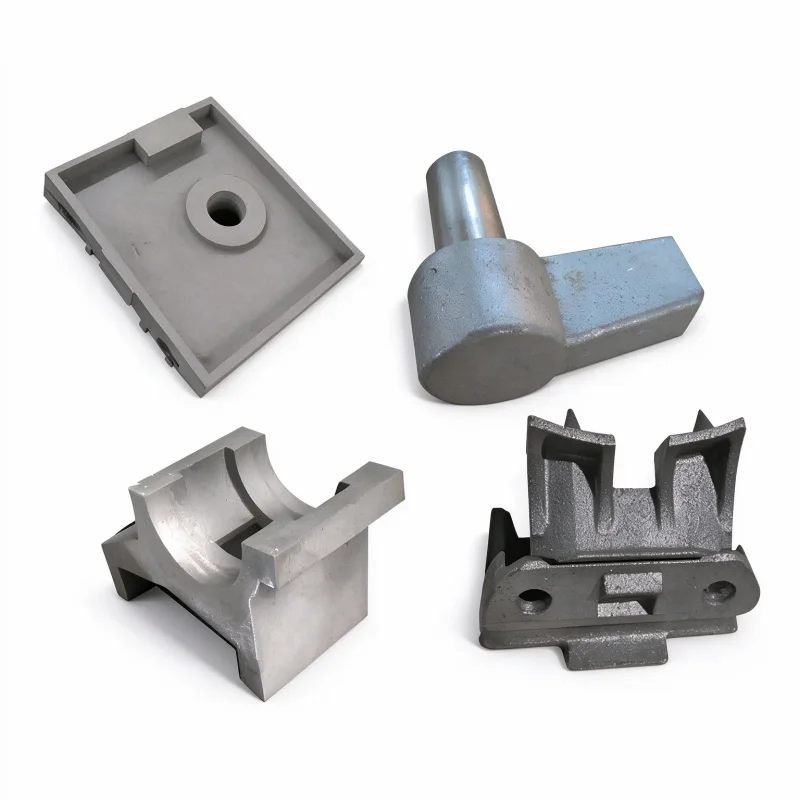
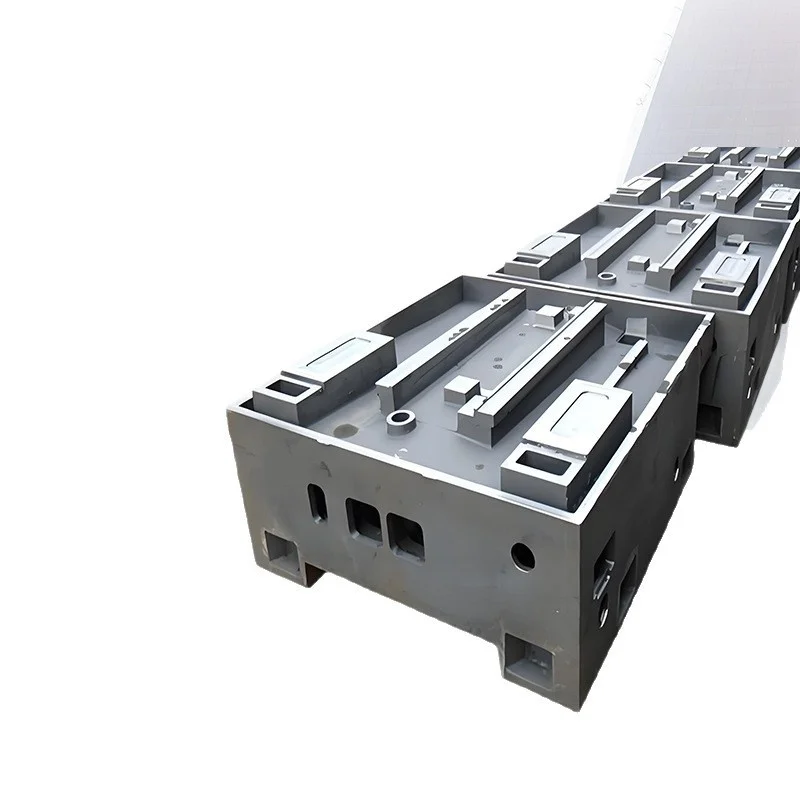
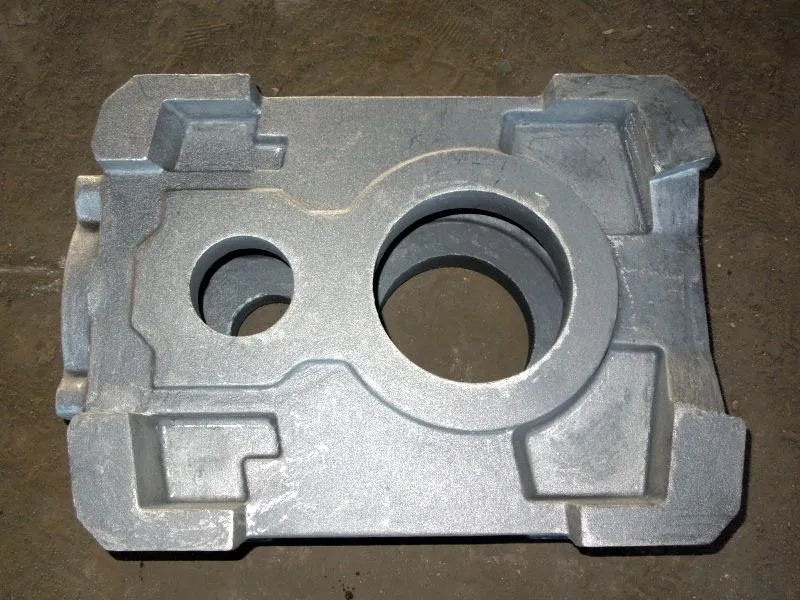
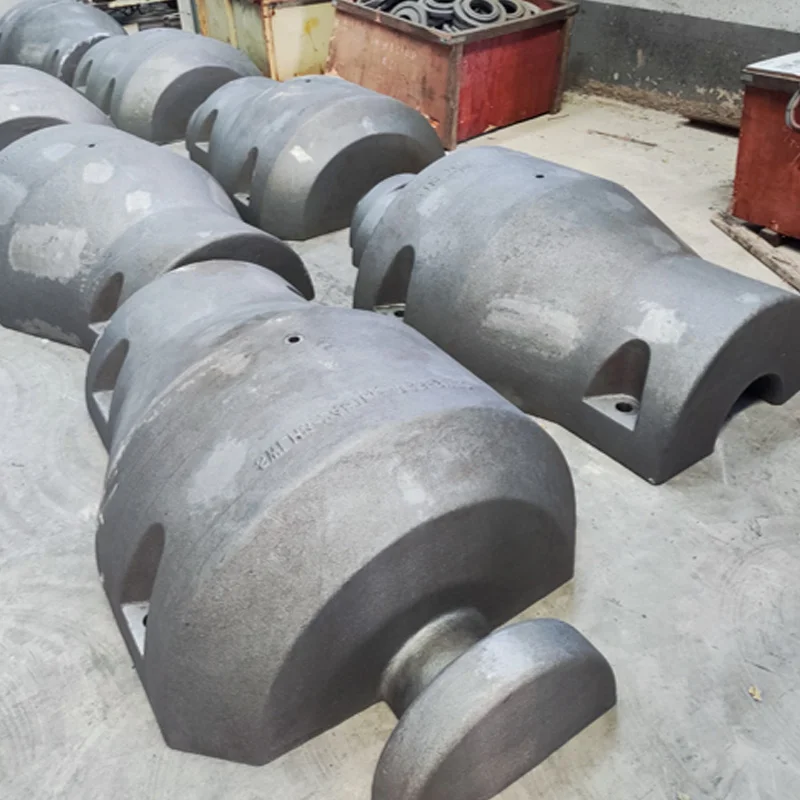
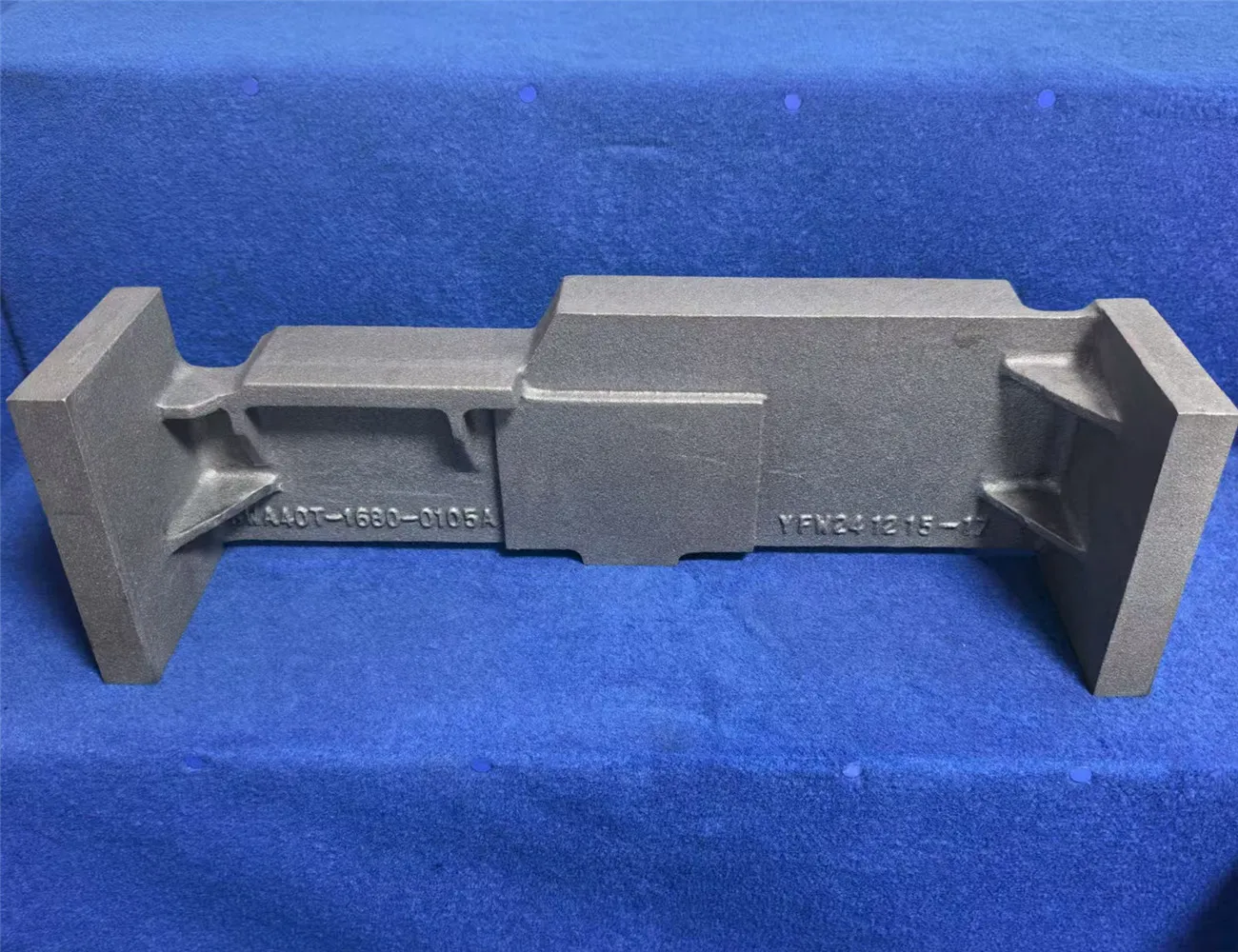
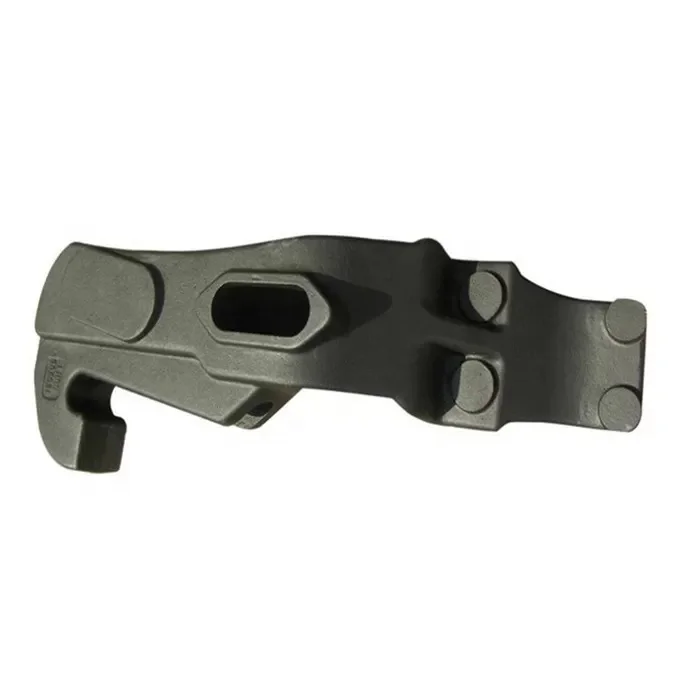
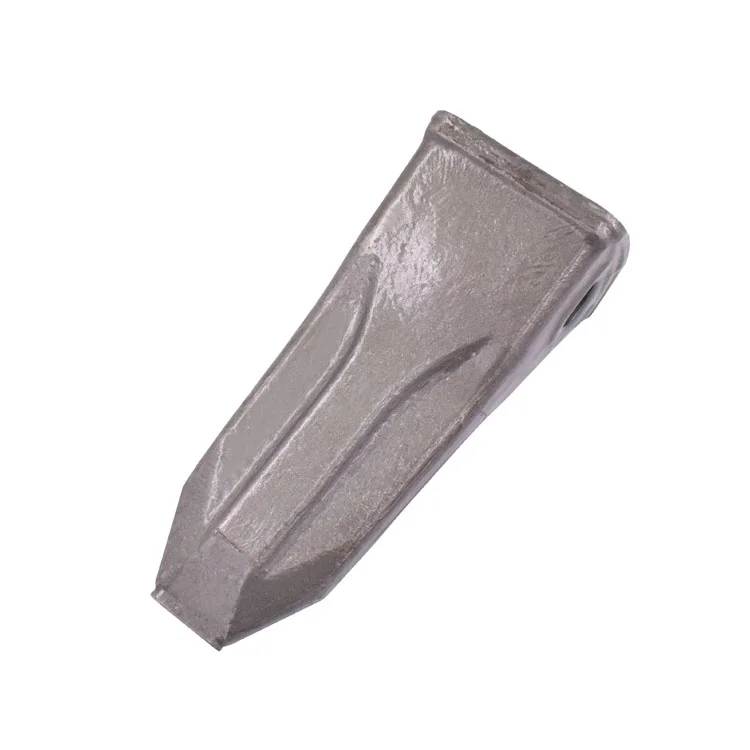
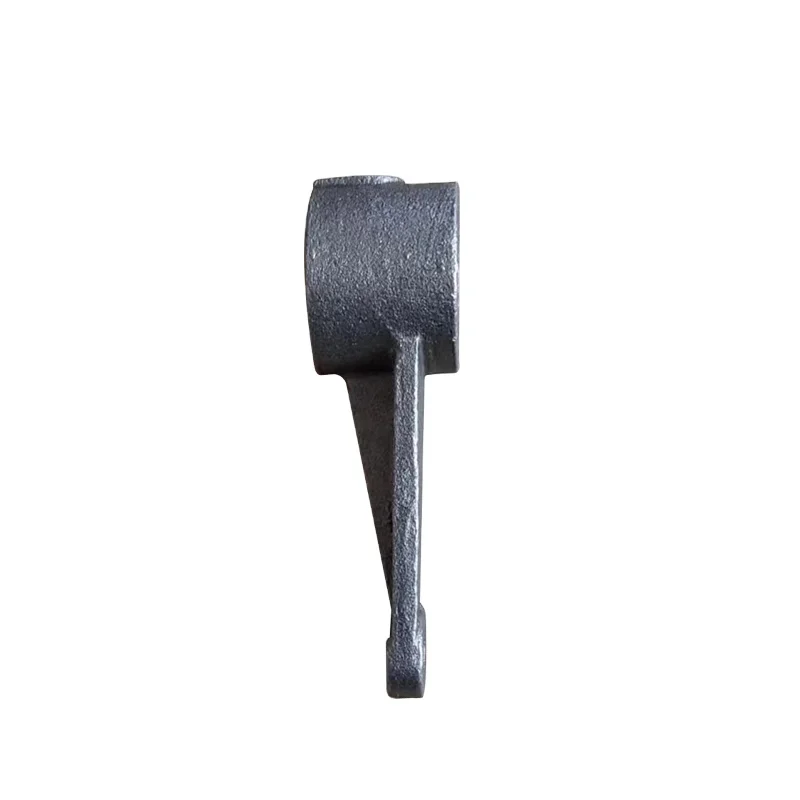
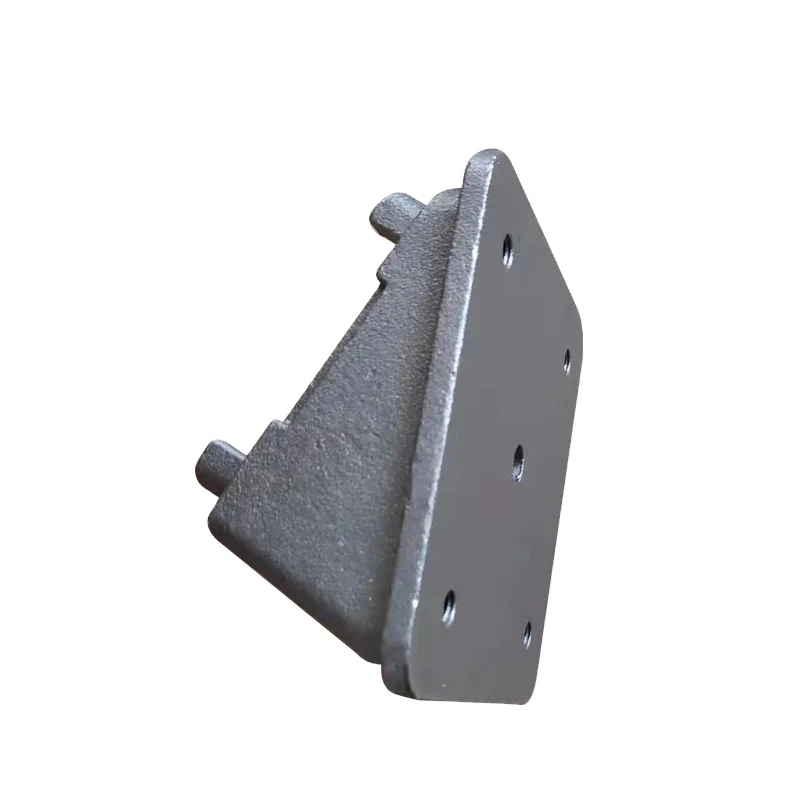
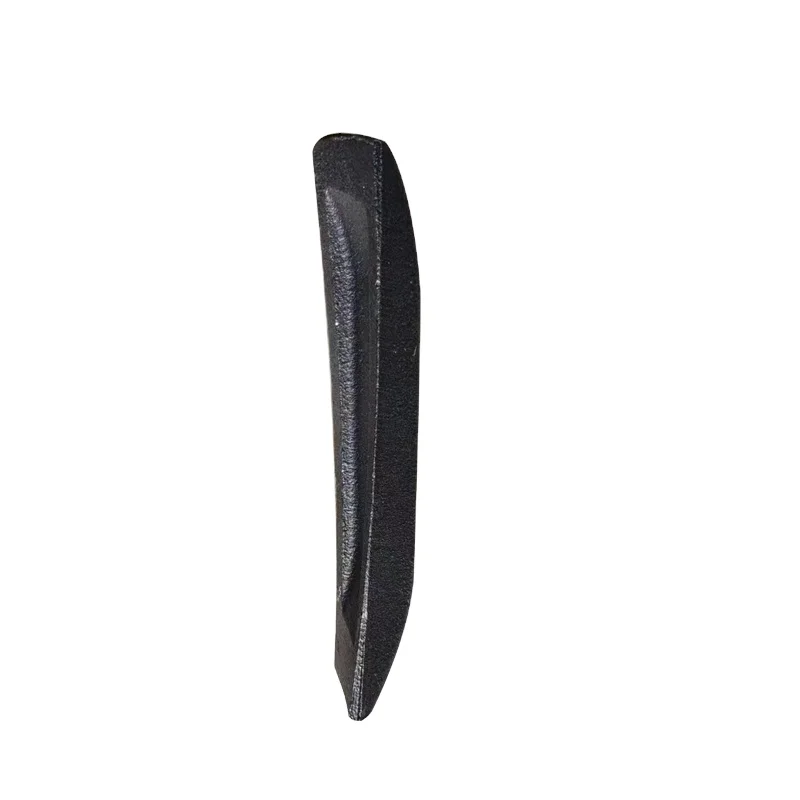
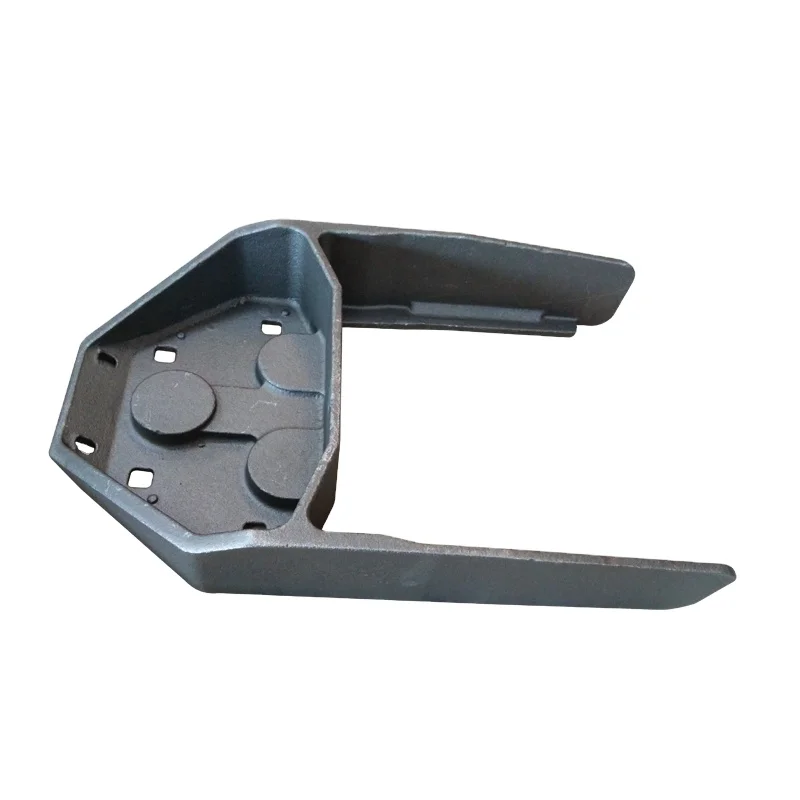
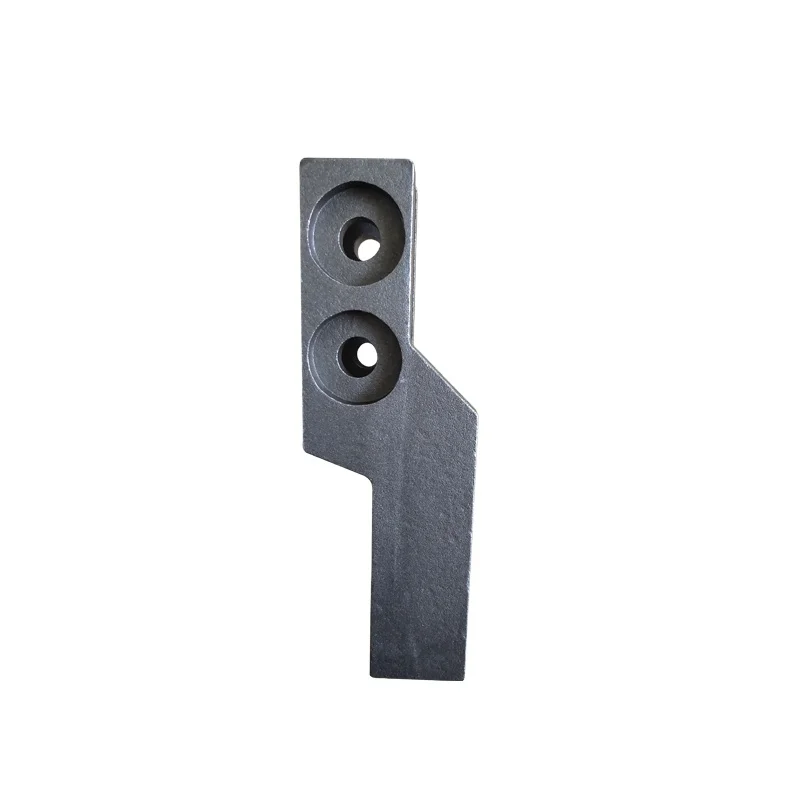
Resin-sand casting enquiries include aluminum-alloy bucket-tooth and garden-tiller component requests, alongside separate steel or carbon-steel machinery parts. Begin with the actual component drawing and intended duty. Material selection should concern that particular design, attachment geometry and operating requirement.
Define the tooth or tiller component being requested
Show its working shape and the interfaces connecting it to the intended equipment. Identify the grade, material condition and acceptance properties required by the application. If a used component illustrates the request, distinguish its original geometry from wear or damage before defining replacement dimensions.
Assign machining and heat treatment deliberately
Machining-center work is available when required after sand casting. Mark the dimensions and contact areas needing final work. Customized tempering is a treatment request; any T6-labelled condition must be matched to an appropriate selected alloy, with the requested heat-treatment result clearly defined.
Complete the surface and approval instructions
Surface treatment follows customer demand. Describe coverage and the required final condition around working and attachment areas. Agree the material, dimensional and surface records needed to approve the ordered component, including any application-specific checks requested in the quotation.
Set quantity and qualification scope
The minimum-order reference is 1000, with its counting unit and order basis to be agreed. Identify applicable ISO/TS16949:2002 and ISO9001 documentation and supplier scope. Keep sample approval connected to the selected material, controlled drawing and equipment interfaces so the production request has a clear part-specific basis.