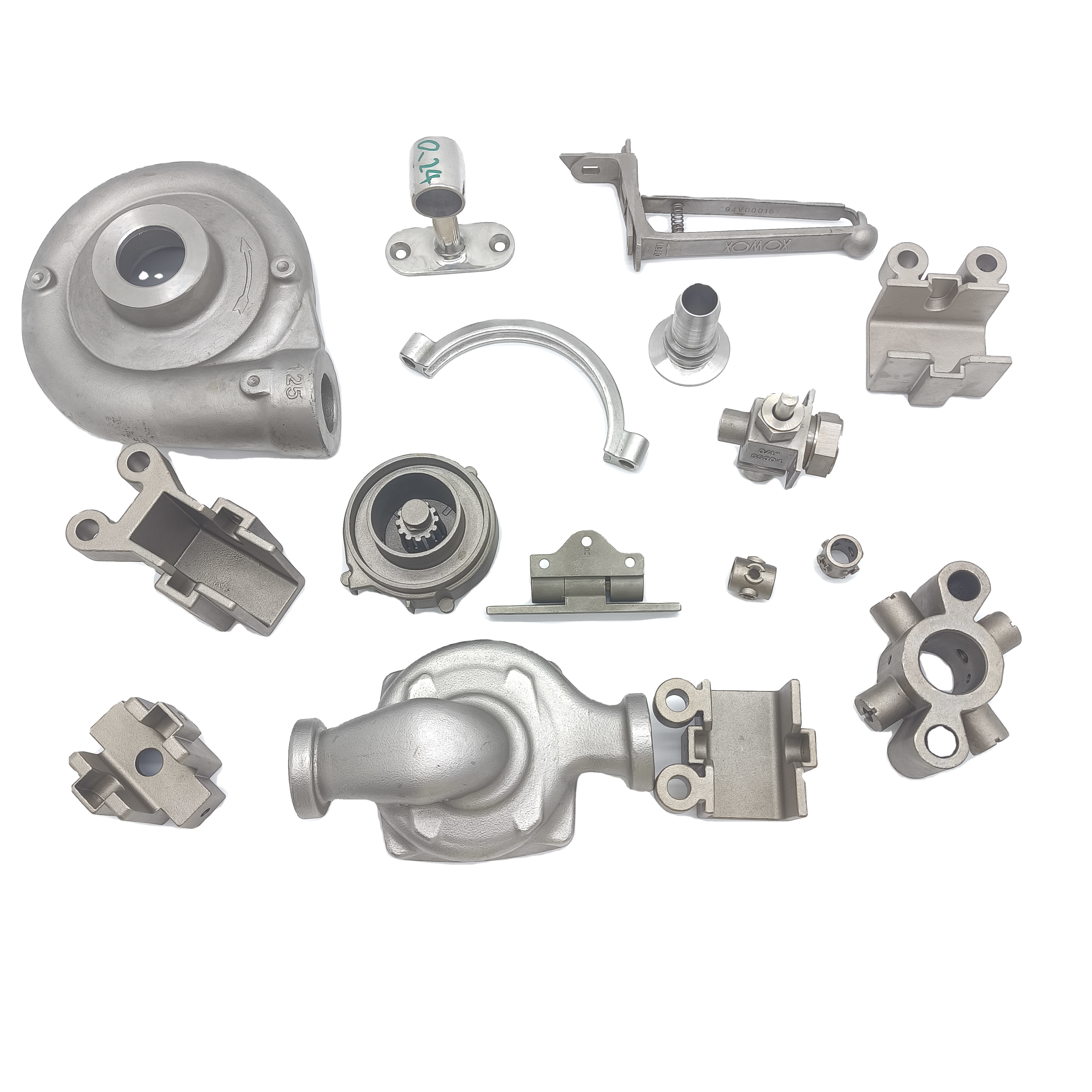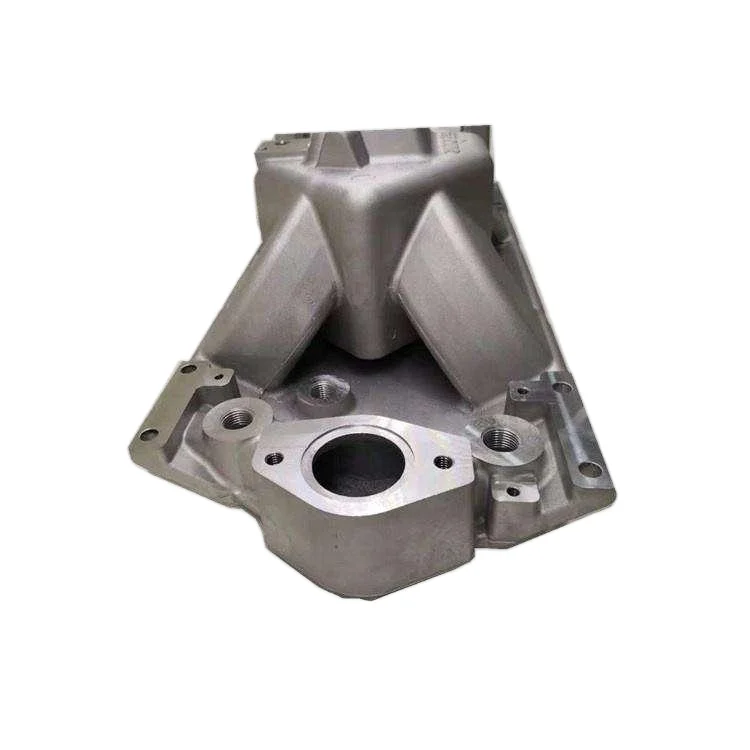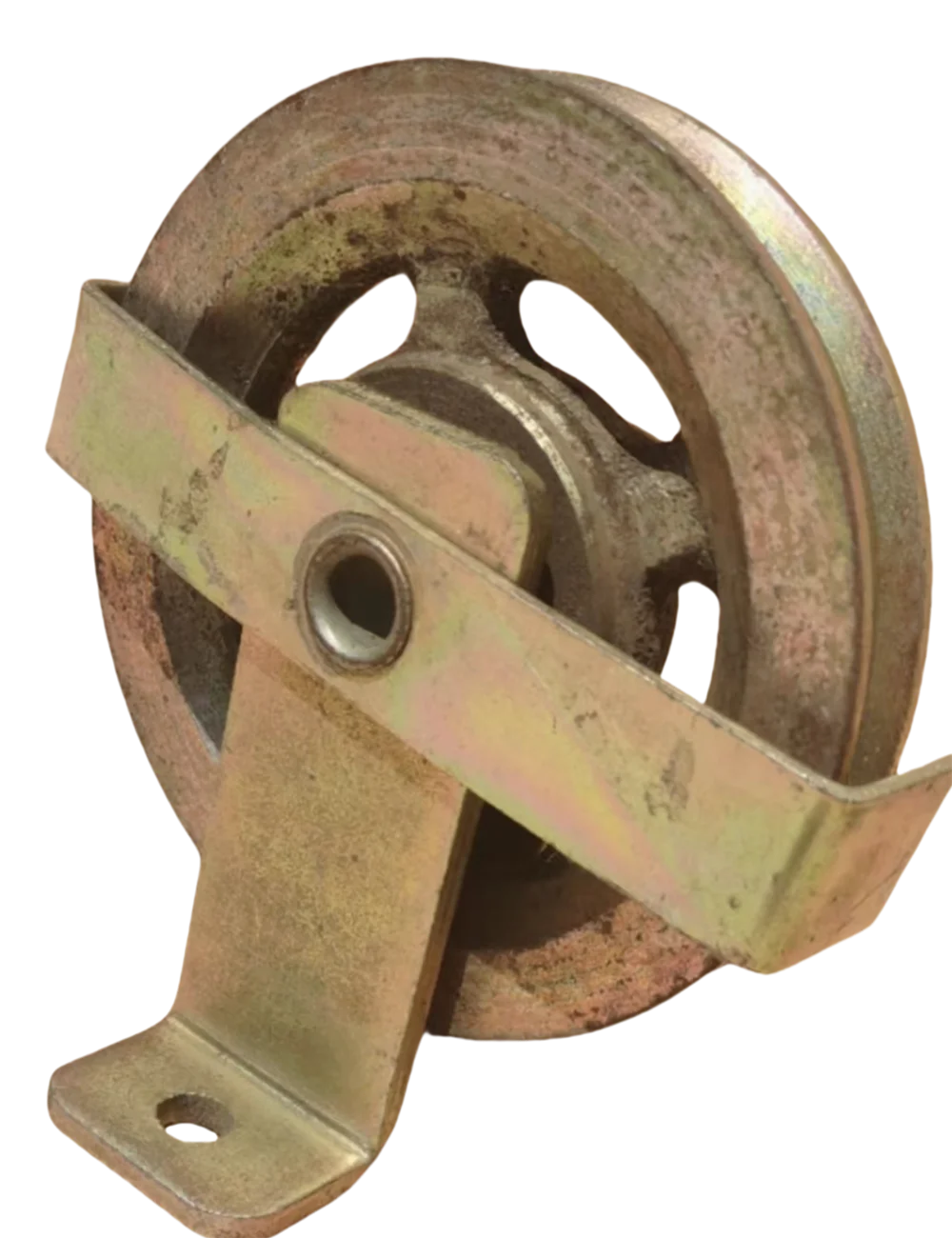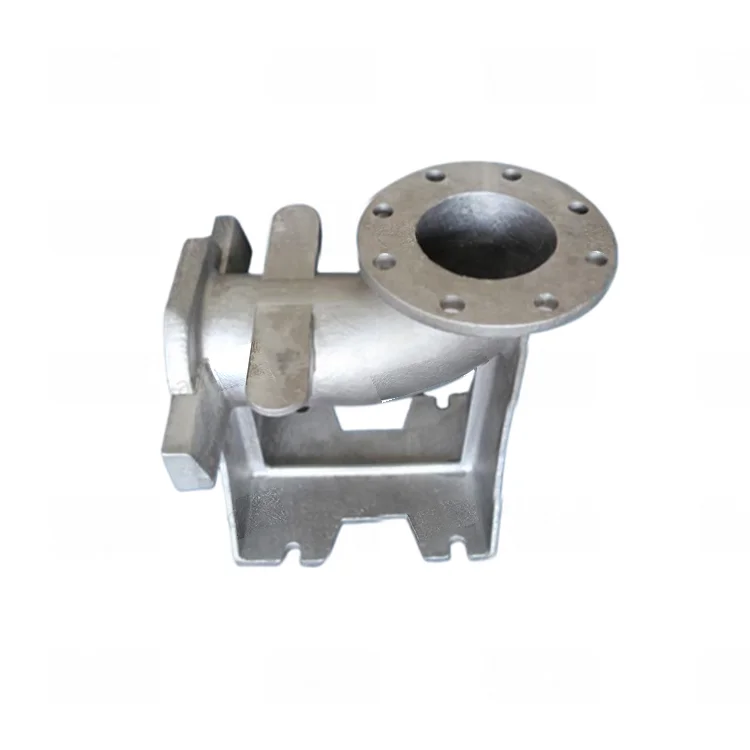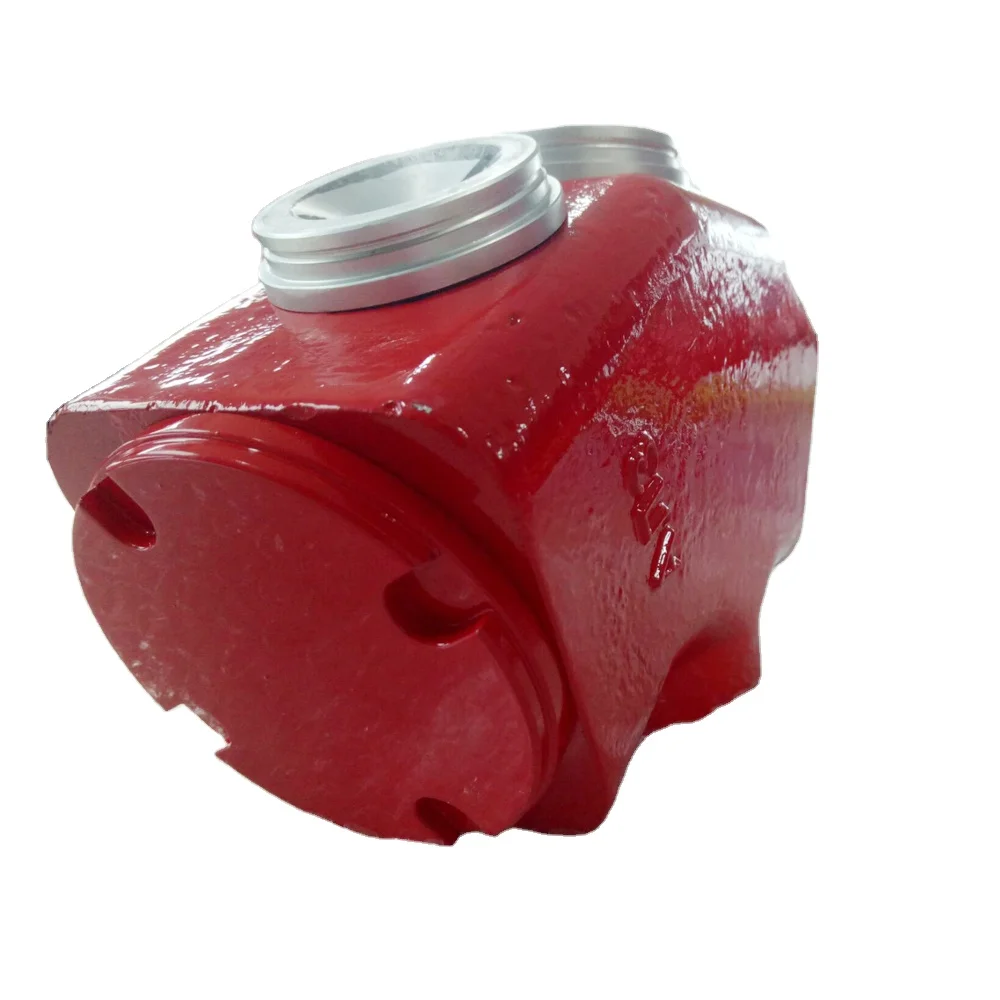
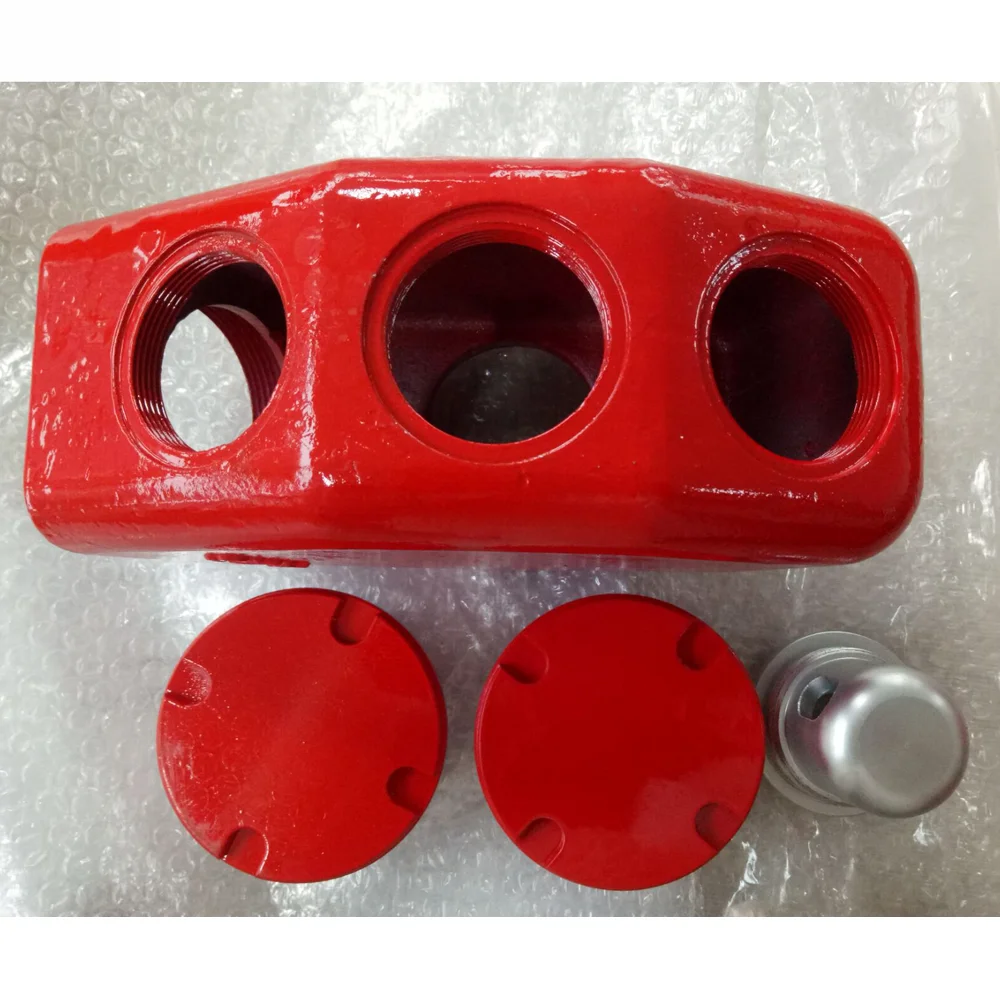
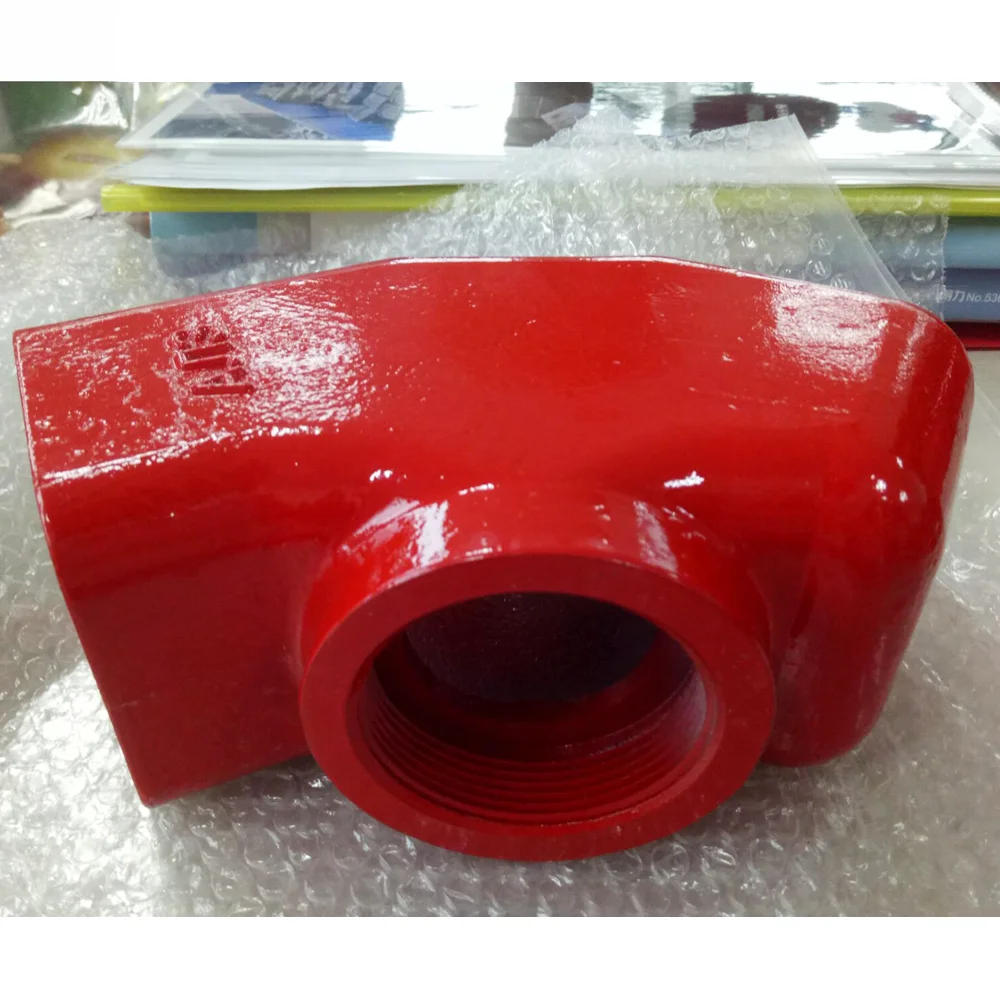
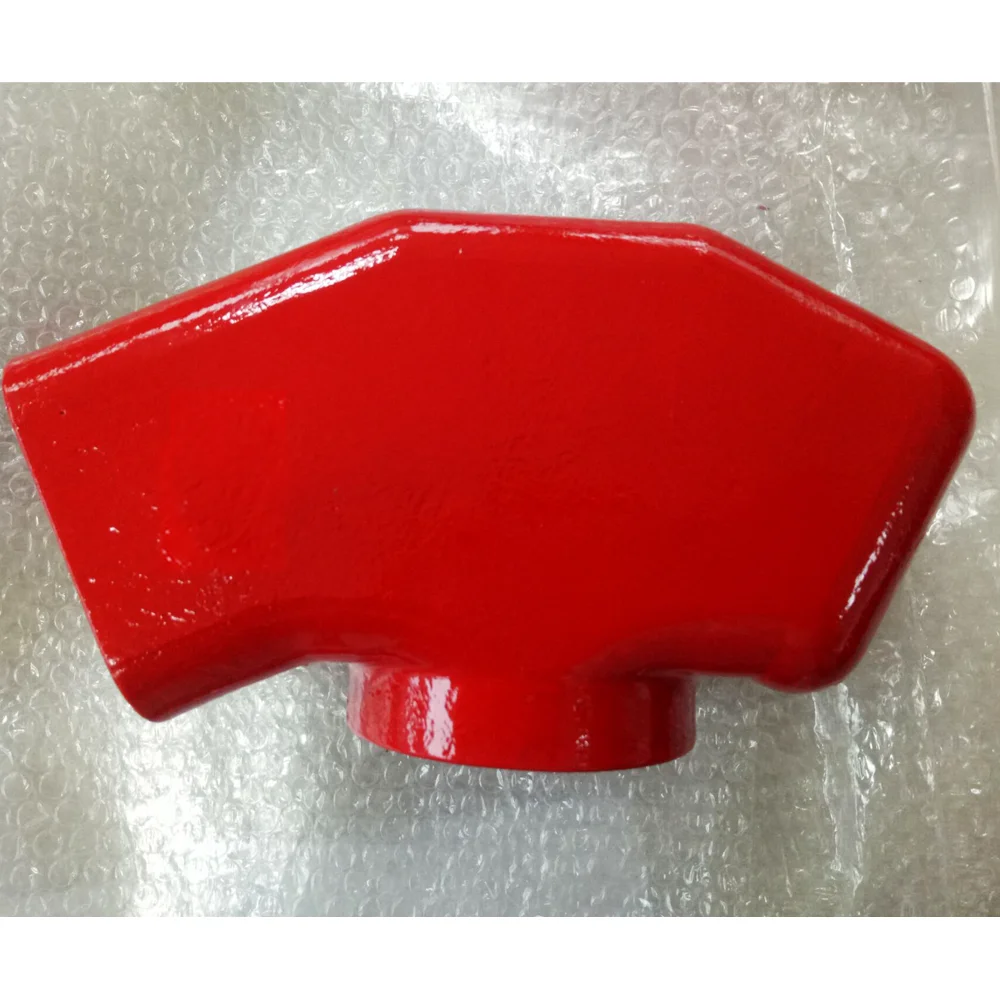
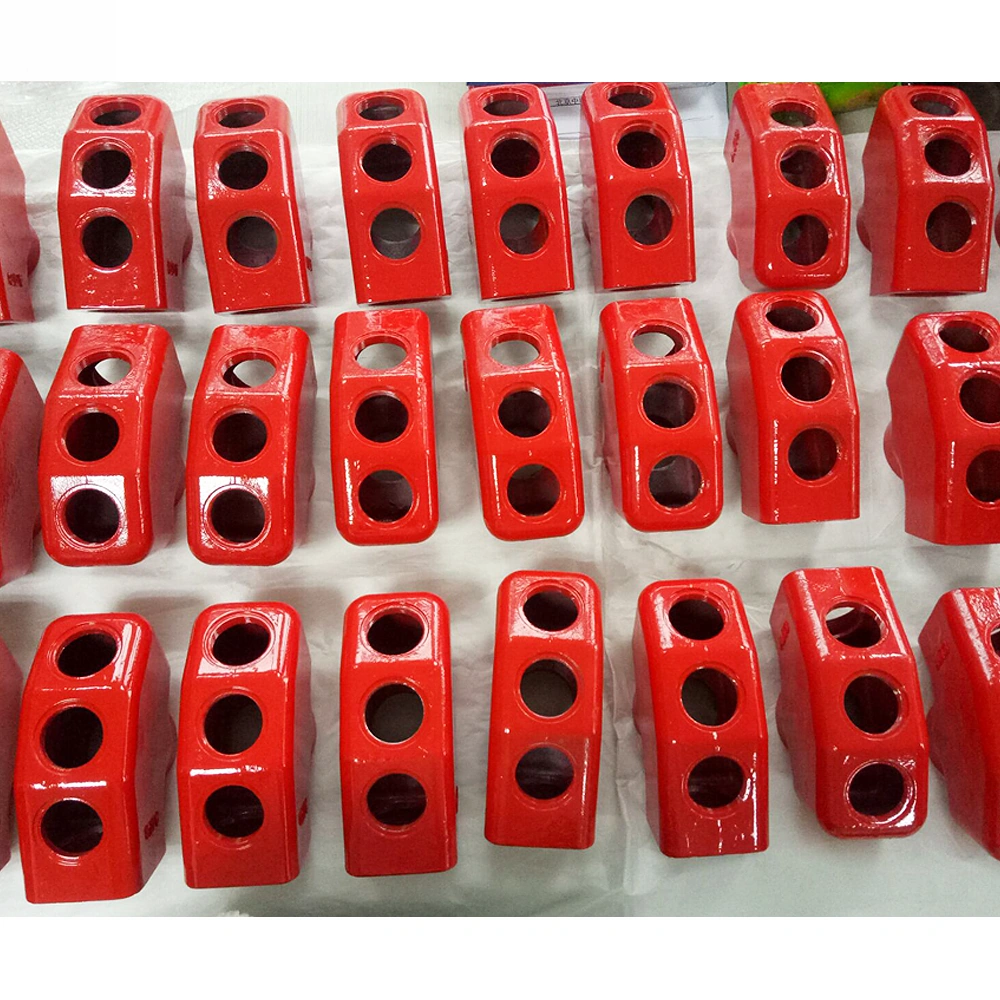
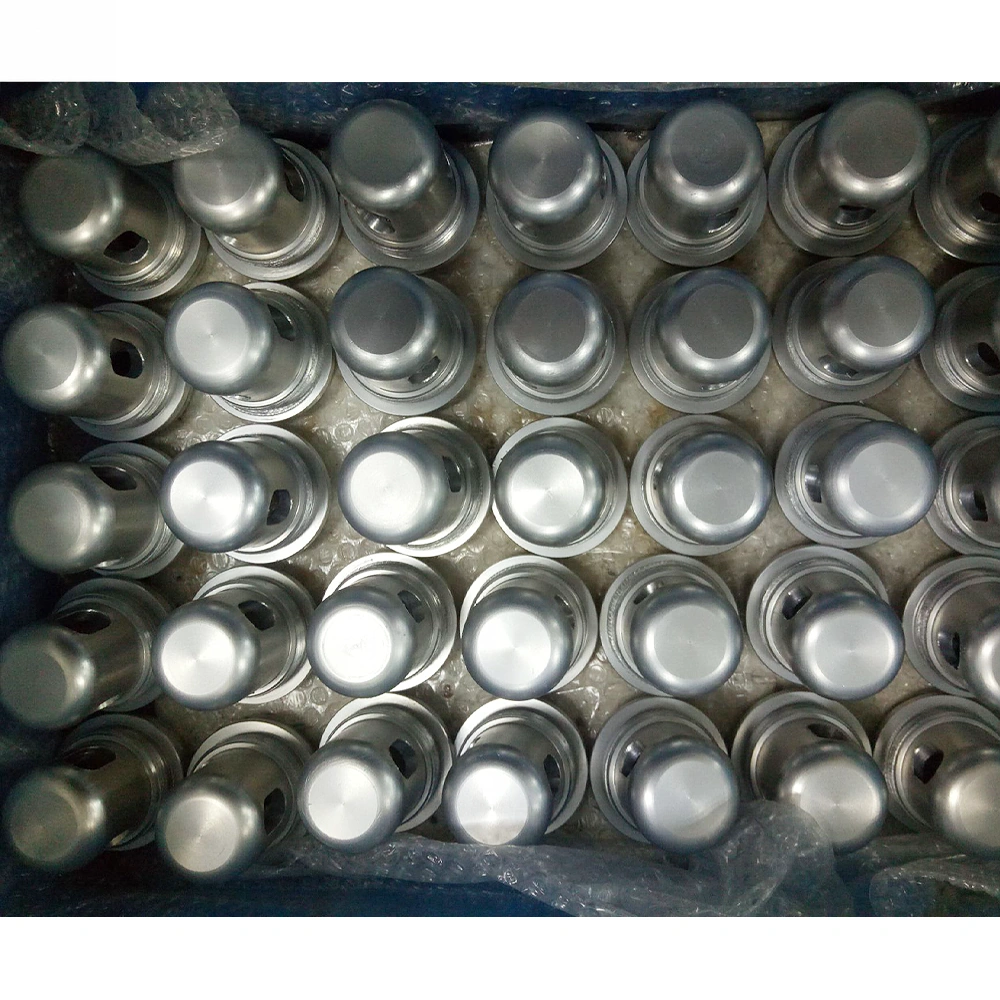
Custom Aluminum Die Sand Gravity Castings with CNC Finishing for Machinery Industrial Fittings Construction and Decoration
Direct factory support
Get a quote that fits your project
Send your drawing or product reference, material grade and required quantity. Relia will review the requirements with you.
- Drawing & specification review
Confirm the supply scope and critical requirements.
- Samples before custom production
Review inspected samples before approving a batch.
- Inspection documents
Agree material and dimensional records for your part.
-
MaterialAluminum
-
DimensionsCustomer RequiredApplicationIndustry fittings and Construction and Decoration
-
Surface TreamentMill-Finished, Powder Coating,Polishing, Brushing, etc.ColourShinning Polishing , powder coated as customer demand
-
Surface Treatment ProcessAnodizingPart Weightfrom 3 g --- 20kgs
-
ToleranceCustomized ToleranceMachining ProcessCNC Finishing Process
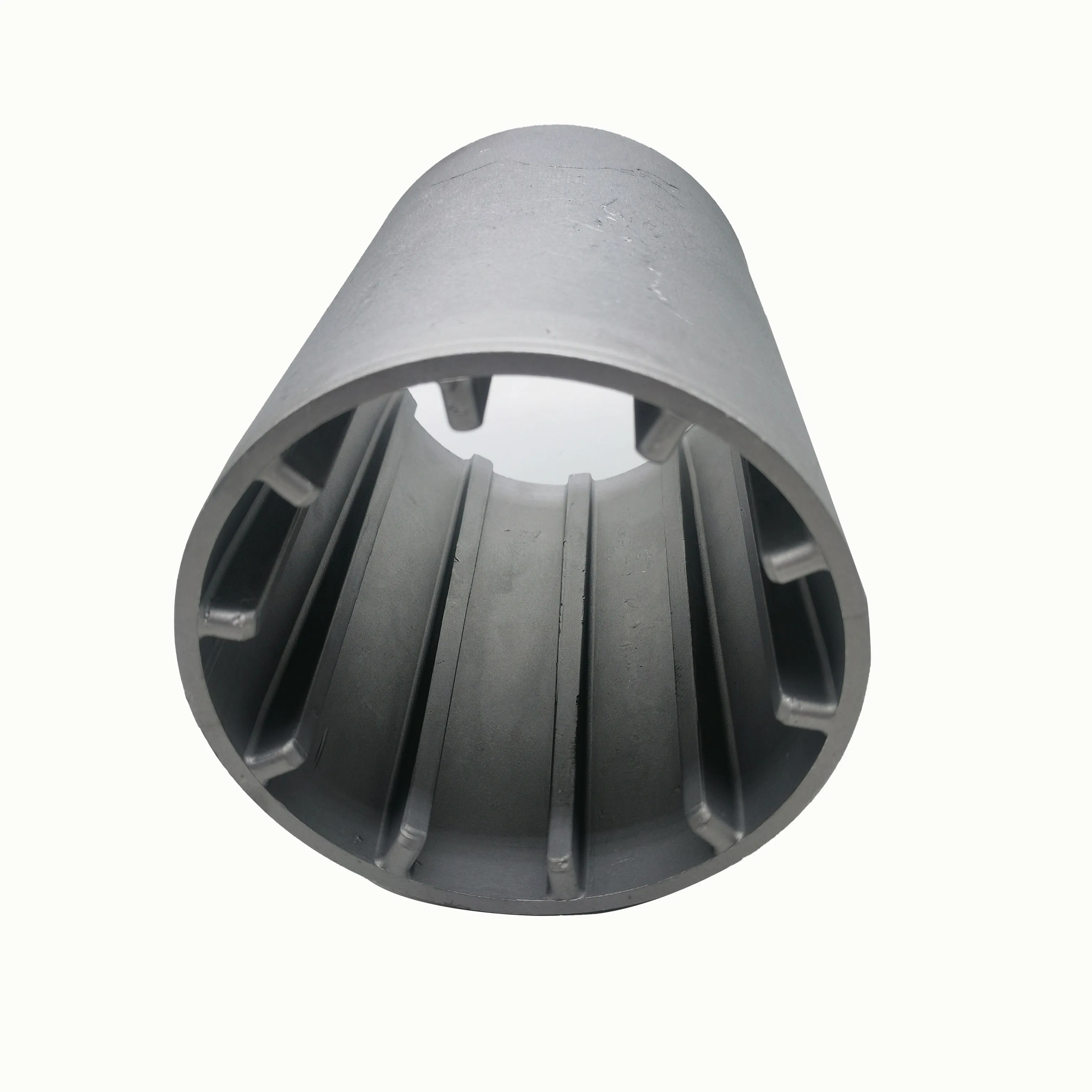
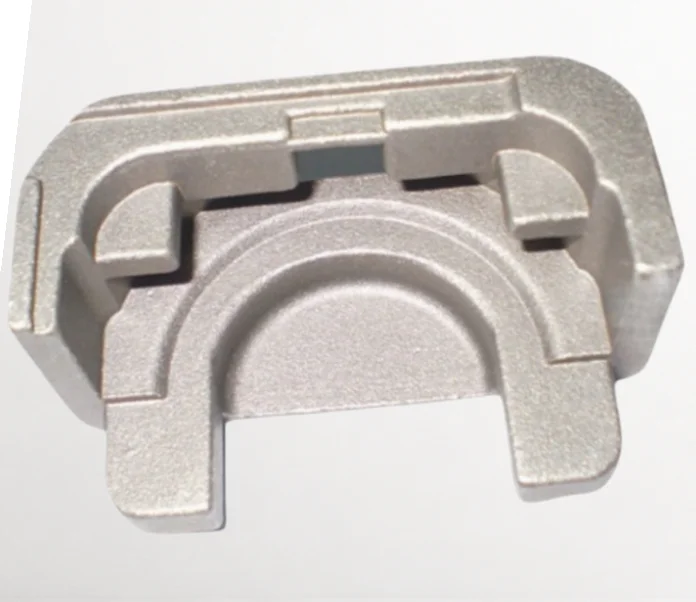
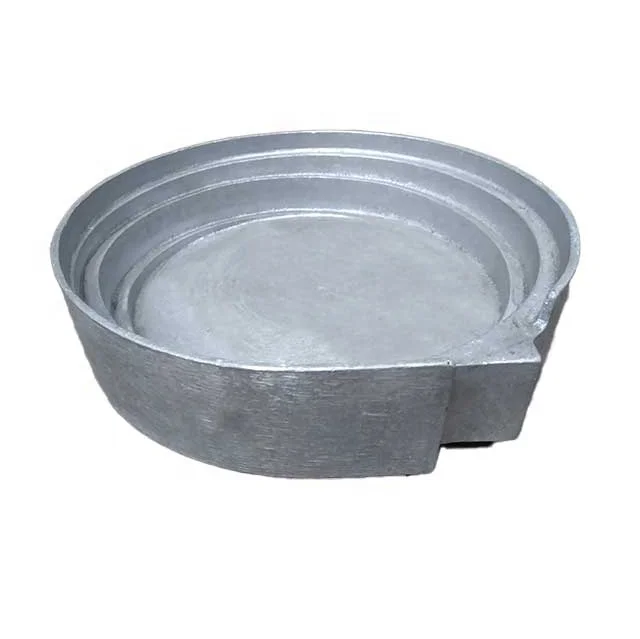
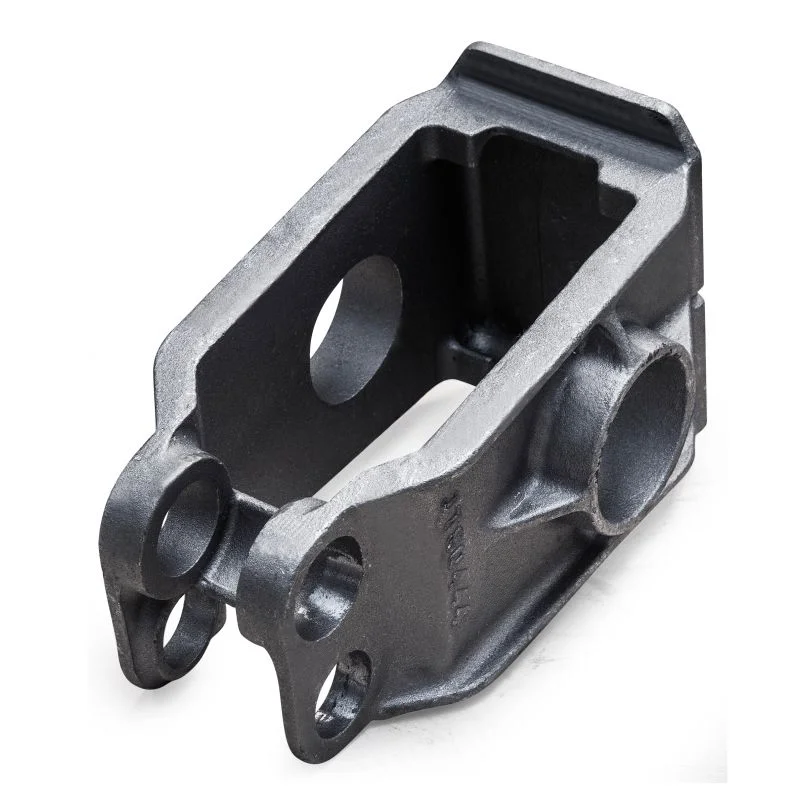
Aluminum component enquiries include selected die, sand or gravity casting and CNC finishing for machinery, industrial fittings, construction and decoration. Dimensions and tolerances follow customer requirements. Specify the complete alloy and actual route for the component drawing and required supplied state.
Define the functional and visible geometry
Show how the part mounts, locates or contacts the intended assembly. Mark datums and dimensional relationships governing fit. For a decorative or visible component, identify the surfaces and shape characteristics assessed for appearance alongside the working interfaces.
Choose the final surface process
Surface choices are mill finish, powder coating, polishing, brushing and anodizing. Define the selected treatment, coverage and required result for a compatible substrate. Identify contact areas needing masking or a particular final condition, with color or appearance references where relevant.
Assign CNC acceptance to finished interfaces
Distinguish general cast form from dimensions requiring CNC finishing. State measurement conditions and any relationships assessed together for installation or operation. Identify the material, dimensional and surface records needed to approve the selected component.
- Provide quantity and the controlling drawing revision.
- Specify the required material condition.
- Explain what an initial part must demonstrate.
- Retain approved geometry and surface changes with the order.
Keep the alloy, casting route and final CNC and surface requirements connected to production acceptance of the actual machinery, fitting or decorative component.